
UL 796 vs UL 796F: LED PCB Compliance for Rigid & Flexible Boards
UL 796 vs UL 796F: LED PCB Compliance for Rigid & Flexible Boards
If your LED lighting program depends on a UL-recognized circuit board, the question “is your LED PCB UL certified?” has two answers, not one. UL recognition for LED boards splits across two different construction standards: UL 796 for rigid printed wiring boards, including metal-core constructions, and UL 796F for flexible materials interconnect constructions such as polyimide FPCs.
This guide explains what each standard covers, which board families sit under which designation, how buyers verify a supplier’s listing before tooling begins, and where board-level UL recognition fits inside the wider LED compliance chain.
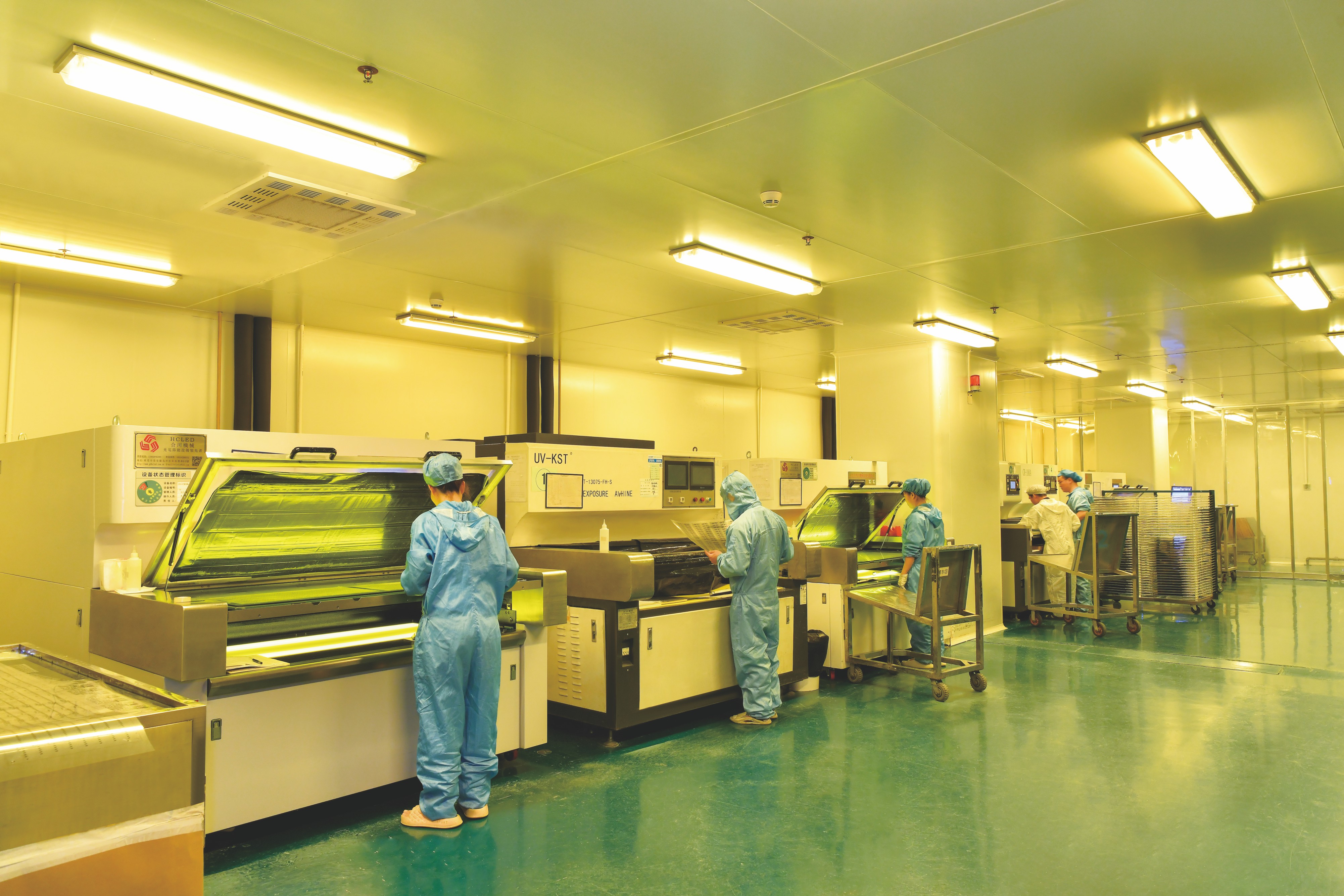
Process control at the exposure stage — the discipline behind both rigid and flexible LED PCB constructions.
Problem Definition: Why “UL Certified LED PCB” Is an Incomplete Answer
UL recognition for a printed circuit board is construction-specific. A UL file describes defined combinations of base material, layer count, copper weight, board thickness, solder mask and surface finish. A board that falls outside the described construction is not covered by that file, even when it comes from the same factory, on the same line, in the same month.
That is why two designations coexist in the LED board market. Rigid printed wiring boards — whether FR-4, CEM-1, CEM-3 or metal-core — are evaluated under UL 796. Flexible constructions, where the circuit is built on polyimide film with coverlay and adhesive layers, are evaluated under UL 796F.
Three failure modes appear repeatedly in LED sourcing:
- A flexible LED strip FPC or LED tube FPC is quoted against a supplier’s rigid-board UL file.
- A metal-core MCPCB is assumed to be covered because the supplier’s FR-4 boards are listed.
- Board-level recognition is assumed to satisfy luminaire-level safety requirements, which it does not.
The compliance chain has several layers, and buyers need to know which layer they are buying:
- Bare board: UL 796 (rigid) or UL 796F (flexible). IPC-6012 is the primary performance specification for rigid printed boards and is widely used for LED PCB quality classification.
- LED modules and components: evaluated under the IEC/EN 62031 safety standard.
- LED control gear: covered by IEC/EN 61347-2-13.
- Luminaire: UL 8750 and EN 60598 apply at the finished-fixture level.
Documentation gaps at the bare-board layer surface later, during fixture certification or incoming inspection. Correcting them after tooling costs more than checking the file number before the first purchase order.
Industry Background: Where UL Recognition Sits in the LED PCB Supply Chain
Most LED PCB sourcing decisions are made in a market where Asia — and China in particular — sets the production baseline. Global Market Insights valued the global printed circuit board market at approximately USD 80.2 billion in 2025, and China accounted for 53.2% of global PCB production value as of 2024. On the demand side, MarketsandMarkets valued the global LED lighting market at USD 78.4 billion in 2024 with a projected CAGR of 8.5% through 2029, while Future Market Insights projects the outdoor LED lighting market growing from USD 15.0 billion in 2025 to USD 28.0 billion by 2035.
Outdoor and high-power applications are where compliance pressure concentrates. Lighting projects in these segments commonly specify IP65/IP67 protection and salt spray testing of 1000 hours or more, aluminum substrate thermal conductivity of at least 1.5 W/m·K (3.0 W/m·K or above for high-power designs), junction temperatures held at or below 85°C, and rated life of 50,000 hours or more under the L70/B50 standard. Metal Core PCBs, particularly aluminum core, are the established industry answer to high-power LED thermal management.
Compliance gets checked at three points: when the board is specified, when the sample is validated, and when the finished luminaire goes for certification. A supplier whose UL file matches the construction at all three points removes friction from the program. One whose file does not adds a re-testing step.
WODE Circuit Technology (Zhuhai) Co., Ltd. is a PCB and FPC manufacturer founded in 2003, producing Rigid MCPCB, FPCB, Infinity Length FPCB, FR-4/CEM1/CEM3 PCBs, CCL and PCB inks. The company operates a 150,000 m² facility with more than 500 employees and an annual output of 6,000,000 m². It works under ISO 9001, ISO 14001 and IATF 16949, states that its products comply with UL, RoHS and REACH standards, holds more than 40 patented technologies, and serves more than 1,000 customers in more than 30 countries, with exports representing roughly 50% of output.
Detailed Solution: What UL 796 and UL 796F Actually Cover
UL 796 — Rigid Printed Wiring Boards
UL 796 is the designation that applies when the board is rigid: single-sided or double-sided constructions built on FR-4, CEM-1, CEM-3, or metal bases such as aluminum and copper. Because LED lighting depends on heat spreading, the metal-core part of this family carries the most weight in practice.
The rigid board families produced by WODE Circuit Technology, with their published parameters, illustrate the range a UL 796 file has to cover:
- Single sided CEM1.CEM3.FR4 PCB — CEM-1, CEM-3, FR-4 or aluminum base; single sided; copper foil thickness options of 0.5 OZ, 0.75 OZ, 1 OZ, 2 OZ and 3 OZ; overall thickness 0.6–2.0 mm; maximum length 2000 mm; solder mask options include sensitive soldermask, thermosetting soldermask, UV soldermask and coverlay; silkscreen in white, yellow, black or green; surface finishes include OSP, carbon film, HASL, lead-free HASL, nickel-plated gold, ENIG, Chem.Ag and ENEPIC.
- Double sided FR4 PCB — FR-4, two-layer configuration, 1/1 oz copper, overall thickness 1.6 mm ±10%, panel size 208.00 mm × 225.00 mm, white solder mask, black silkscreen, ENIG finish.
- MCPCB family — High Voltage MCPCB (aluminum, single sided, 1 oz, 1.6 mm ±10%, OSP); MCPCB for Road lighting (Al1060, single sided, 1 oz, 1.6 mm ±10%, 208.00 mm × 225.00 mm panel, HASL-LF); Coverlay MCPCB (Al1060, single sided, 1 oz, white coverlay, HASL-LF); Double sided MPCB (Al5, 70/70 µm copper, 1.6 mm ±0.16); Thermoelectric Separated Cu based PCB (35 µm copper, 1.6 mm ±0.16, OSP).
Rigid constructions of this type serve lighting, and the same single-sided range is also used in home appliances, medical electronics, communications equipment, automotive electronics, industrial controls and consumer electronics.
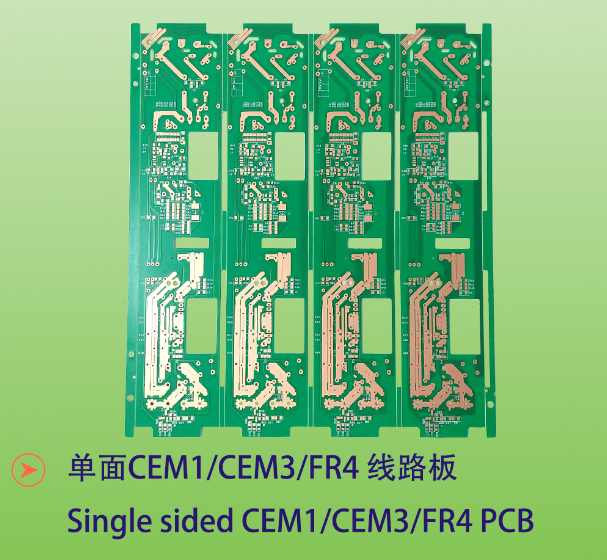
A rigid single-sided construction of the type evaluated under UL 796, with copper foil options from 0.5 OZ to 3 OZ and overall thickness from 0.6 to 2.0 mm.
UL 796F — Flexible Materials Interconnect Constructions
UL 796F applies when the circuit itself is flexible: polyimide-based FPCs with coverlay, single-sided or double-sided, including circuits supplied in continuous roll form. The mechanical requirement — the board must bend, fold, or run through a reel — is the reason a separate construction standard exists.
The flexible families in WODE’s range and their published parameters are:
- Roll to Roll Infinity FPCB — PI base material, single sided, 1 oz copper, overall thickness 0.15 mm, panel size 1000.00 mm × 124.00 mm, white solder mask, black silkscreen, OSP finish; designed for LED lighting applications.
- Single sided LED tube FPC — PI, single sided, 0.5 oz copper, overall thickness 0.08 mm, panel size 1239.50 mm × 255.00 mm, white solder mask, Holo silkscreen, OSP finish.
- Single/double sided LED strip FPC — PI, single or double sided, 1/1 oz or 1 oz copper, overall thickness 0.115 mm, panel size 366.00 mm × 250.00 mm, white coverlay, white silkscreen, OSP finish.
- COB FPC — PI, Chip-on-Board on flexible circuit, single or double sided, 1/1 oz or 1 oz copper, overall thickness 0.115 mm, panel size 366.00 mm × 250.00 mm, white coverlay, OSP finish; used in lighting modules.
Thickness is one of the clearest dividing lines between the two categories: the flexible boards in this range run from 0.08 mm to 0.15 mm, while the rigid boards run from 0.6 mm to 2.0 mm.
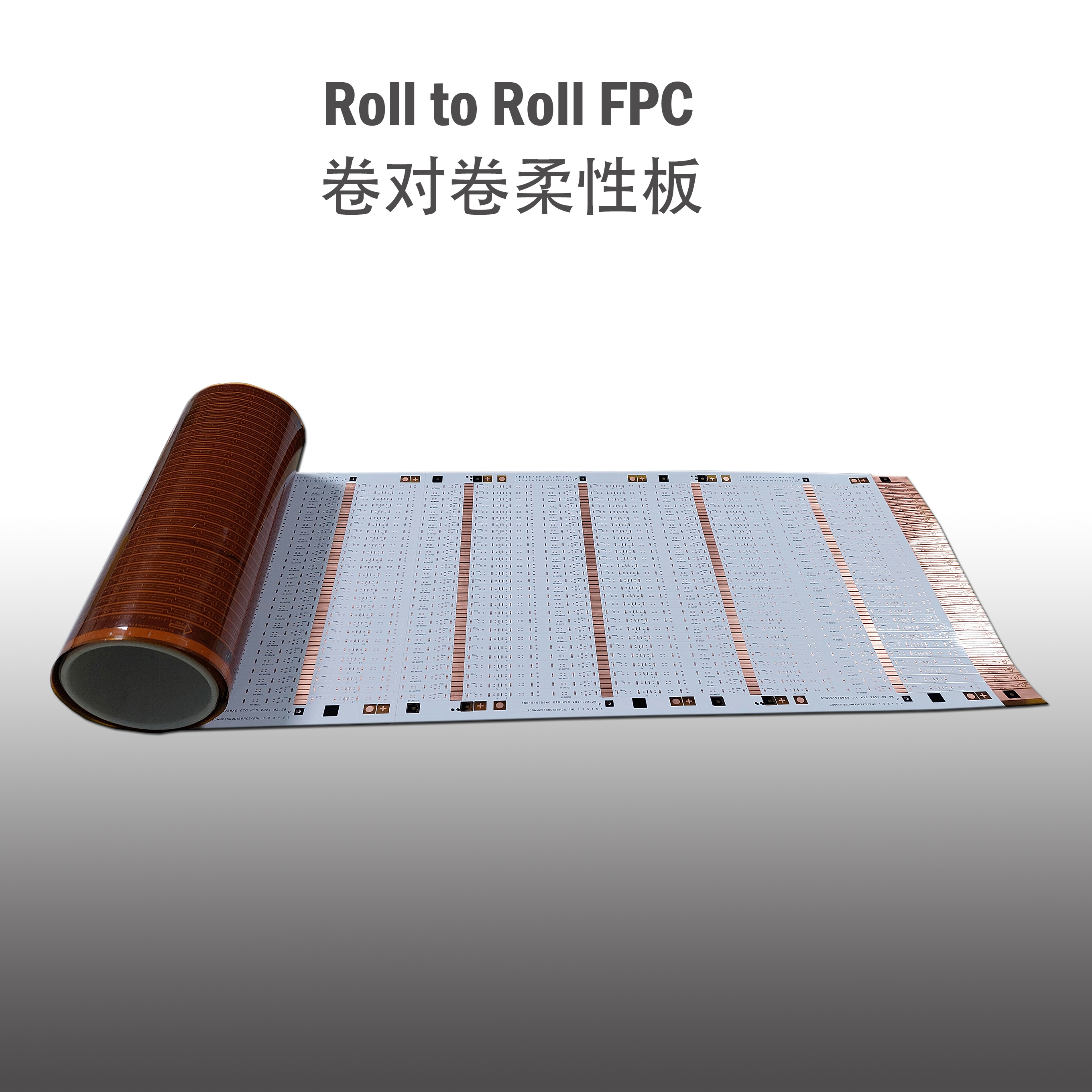
Roll to Roll Infinity FPCB — a single-sided polyimide flexible circuit in continuous roll form, the construction type covered by UL 796F.
Why a Rigid UL File Cannot Cover a Flexible Board
The two families differ on every dimension UL evaluates: base material (polyimide film versus FR-4, CEM or metal), adhesive and coverlay systems, copper bonding behaviour under repeated flexing, and thickness. Because these variables are assessed separately, a supplier’s certification portfolio normally lists distinct files for rigid and flexible work.
File numbers referenced in this guide: WODE’s UL file references are E323980 and E498836. When a supplier quotes a file number, the buyer’s next question should be which construction inside that file matches the board being purchased — material, layer count, copper weight, thickness, solder mask and surface finish.
Step-by-Step: Verifying LED PCB Compliance Before You Order
- Classify the board. Decide whether the design is rigid (including MCPCB) or flexible. This determines whether UL 796 or UL 796F is the correct reference point.
- Ask for the file number, not the word “UL”. A certification claim without a file number cannot be checked or traced. WODE’s UL file references are E323980 and E498836.
- Match the construction. Compare the material, layer count, copper foil thickness, overall thickness, solder mask and surface finish in the quotation against the construction described in the file. On a rigid single-sided board this means confirming options such as 0.5–3 OZ copper and 0.6–2.0 mm overall thickness; on a flexible board, the polyimide base, the coverlay and 1/1 oz or 1 oz copper.
- Map the rest of the chain. Board-level recognition does not replace IEC/EN 62031 for LED modules, IEC/EN 61347-2-13 for LED control gear, or UL 8750 / EN 60598 for the finished luminaire.
- Review factory and quality-system evidence. ISO 9001, ISO 14001 and IATF 16949 certifications cover the management systems behind the boards. Process control at exposure, drilling, punching and circuit testing is what keeps volume production aligned with the recognized construction.
- Validate with a first article. Check electrical continuity and thermal behaviour on the sample before releasing volume production, and keep the file number on record for the fixture certification file.
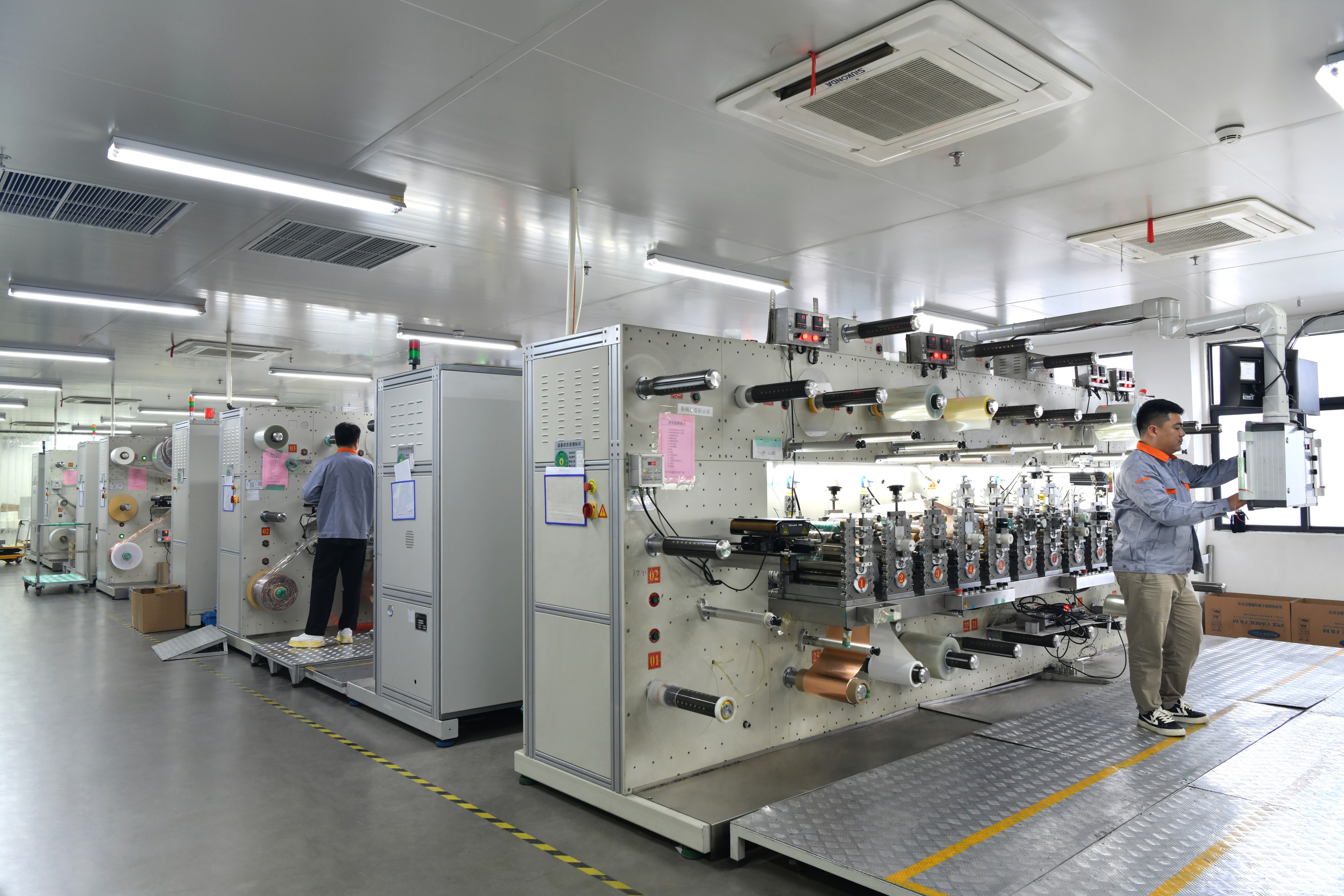
Reel-to-Reel FPCB production — continuous-run equipment is a practical signal that a supplier works with flexible constructions regularly.
Use Cases: Matching LED Products to the Right Designation
Rigid boards (UL 796)
- Street light LED PCB and road lighting MCPCB — Al1060 base, 1 oz copper, 1.6 mm ±10%, panel 208.00 mm × 225.00 mm, HASL-LF finish.
- High bay, flood and grow light boards — rigid metal-core constructions, where an aluminum substrate thermal conductivity of at least 1.5 W/m·K, and 3.0 or above for high-power designs, is the usual project requirement.
- Panel light, downlight, spotlight and bulb lamp boards — single-sided or double-sided rigid FR-4/CEM constructions, with finishes such as OSP, HASL-LF or ENIG depending on assembly and storage needs.
Flexible boards (UL 796F)
- Strip light LED PCB — single/double sided LED strip FPC on PI, 0.115 mm overall, panel 366.00 mm × 250.00 mm.
- LED tube — single-sided LED tube FPC, 0.08 mm overall, panel up to 1239.50 mm long.
- COB lighting modules — COB FPC on PI with white coverlay, used in lighting modules.
- Continuous reel production — Roll to Roll Infinity FPCB with a 1000.00 mm × 124.00 mm panel, suited to automated assembly lines.
Mixed projects are common: an outdoor fixture may combine a rigid MCPCB for the LED array with a flexible circuit for auxiliary wiring, which means two designations appear in one bill of materials. Environmental class also shapes the choice — indoor lighting operates at 0°C to +40°C and 30% to 80% humidity, outdoor lighting at –40°C to +50°C with high humidity, salt spray, UV radiation and wind-driven rain, and automotive lighting from –40°C to +125°C with vibration and shock.
Comparison Table: UL 796 vs UL 796F
| Dimension | UL 796 | UL 796F |
|---|---|---|
| Standard scope | Rigid printed wiring boards | Flexible materials interconnect constructions |
| Board type | Rigid single-sided and double-sided boards, including metal-core constructions | Flexible printed circuits, including continuous roll-form constructions |
| Base material | FR-4, CEM-1, CEM-3, aluminum, copper-based | Polyimide (PI) film with coverlay |
| Representative WODE parameters | Single sided: 0.5–3 OZ copper, 0.6–2.0 mm overall, max length 2000 mm. Double sided FR4: 1/1 oz, 1.6 mm ±10%, 208.00 mm × 225.00 mm. MCPCB: Al1060 / Al5052 / aluminum, 1 oz, 1.6 mm ±10% | Roll to Roll Infinity FPCB: 1 oz, 0.15 mm, 1000.00 mm × 124.00 mm. LED tube FPC: 0.5 oz, 0.08 mm, 1239.50 mm × 255.00 mm. LED strip FPC / COB FPC: 1/1 oz or 1 oz, 0.115 mm, 366.00 mm × 250.00 mm |
| Surface finishes in this range | OSP, carbon film, HASL, lead-free HASL, nickel-plated gold, ENIG, Chem.Ag, ENEPIC | OSP |
| Typical LED applications | Street light, road lighting, flood light, high bay, panel light, downlight, spotlight, bulb lamp | LED strip light, LED tube, COB lighting modules, continuous reel assembly |
| What to ask the supplier | File number plus the construction description covering material, layers, copper weight, thickness and finish | File number plus flexible construction details: PI base, coverlay type, copper weight and thickness |
Product parameters in this table are the published values for the board families referenced in this article.
FAQ: UL 796, UL 796F and LED PCB Supplier Checks
What is the difference between UL 796 and UL 796F for LED PCBs?
UL 796 applies to rigid printed wiring boards — single-sided and double-sided boards built on FR-4, CEM-1, CEM-3 or metal bases such as aluminum and copper. UL 796F applies to flexible materials interconnect constructions, meaning flexible printed circuits built on polyimide film with coverlay and adhesive systems. A rigid MCPCB used in a street light is therefore evaluated under UL 796, while an LED strip FPC or roll-to-roll flexible circuit is evaluated under UL 796F. The two are separate constructions, so a listing under one does not extend to the other.
Which LED PCB designs need UL 796F instead of UL 796?
Any design where the circuit has to bend, fold or be supplied in a continuous reel. Examples include the Roll to Roll Infinity FPCB (PI, single sided, 1 oz copper, 0.15 mm, panel 1000.00 mm × 124.00 mm), the Single sided LED tube FPC (PI, 0.5 oz copper, 0.08 mm, panel 1239.50 mm × 255.00 mm) and the Single/double sided LED strip FPC (PI, 1/1 oz or 1 oz copper, 0.115 mm, panel 366.00 mm × 250.00 mm). Where the board stays flat and carries power LEDs, rigid UL 796 constructions are the relevant category instead.
Can one supplier hold both UL 796 and UL 796F recognitions?
Yes, and it should be demonstrated with file numbers rather than adjectives. WODE Circuit Technology (Zhuhai) Co., Ltd. builds rigid MCPCB and FR-4/CEM-1/CEM-3 boards for rigid LED applications, and polyimide FPC including Infinity Length FPCB for flexible ones; the UL file references cited in this guide are E323980 and E498836. When evaluating any supplier, ask which file number covers the exact construction being quoted — material, layer count, copper weight, thickness, solder mask and surface finish.
Does UL recognition change the cost of an LED PCB?
Construction drives cost more than the certification itself. On the rigid single-sided range, the price-affecting variables include base material (CEM-1, CEM-3, FR-4 or aluminum), copper foil thickness options from 0.5 OZ to 3 OZ, overall thickness from 0.6 to 2.0 mm, maximum board length up to 2000 mm, solder mask type, and surface finish — OSP, carbon film, HASL, lead-free HASL, nickel-plated gold, ENIG, Chem.Ag or ENEPIC. On flexible constructions, the variables are the polyimide base film, single or double-sided layout, 1/1 oz or 1 oz copper, and coverlay. Buyers comparing quotations should compare the construction first and the certification second, because a cheaper unlisted construction can cost more once re-testing is required.
How do I verify a Chinese LED PCB supplier’s UL listing before ordering samples?
Ask for the UL file number and the construction description, then confirm that the file covers the material, layer count, copper weight and thickness you are buying. For WODE, the UL file references are E323980 and E498836; the company also operates under ISO 9001, ISO 14001 and IATF 16949 and states that its products comply with UL, RoHS and REACH. A practical sequence is: request the file number together with the quotation, ask the supplier to state which construction it applies to, validate the first article with an electrical and thermal check, and only then release volume production.
Conclusion: Two Standards, One Compliance Decision
UL 796 and UL 796F are not competing claims; they are two different scopes. Rigid LED boards, including aluminum and copper MCPCBs, sit under UL 796. Flexible polyimide circuits, including roll-to-roll constructions, sit under UL 796F. A supplier that can quote both designations with file numbers, describe the exact construction covered, and back it with factory and quality-system evidence gives buyers a compliance path that holds up in the luminaire certification file.
WODE Circuit Technology (Zhuhai) Co., Ltd. builds both sides of that range — rigid MCPCB and FR-4/CEM1/CEM3 boards, plus FPC including Infinity Length FPCB — under ISO 9001, ISO 14001 and IATF 16949, with products stated to comply with UL, RoHS and REACH. The UL files referenced in this guide are E323980 and E498836.
Next Step: Check the Construction, Then Request a Sample
Send the board drawing or a description of the construction you are buying — rigid or flexible, layer count, copper weight, thickness and surface finish — and we will confirm which UL file applies before sampling begins.
Email: GJMYB1@wodepcb.com
WhatsApp: +1 929 434 1657
Website: www.wodepcbfpc.com
Address: No. 2, South Qianwan Road, Qianwu, Doumen, Zhuhai, 519170, China
Download the full product catalogue: WODE Circuit Technology brochure (PDF)
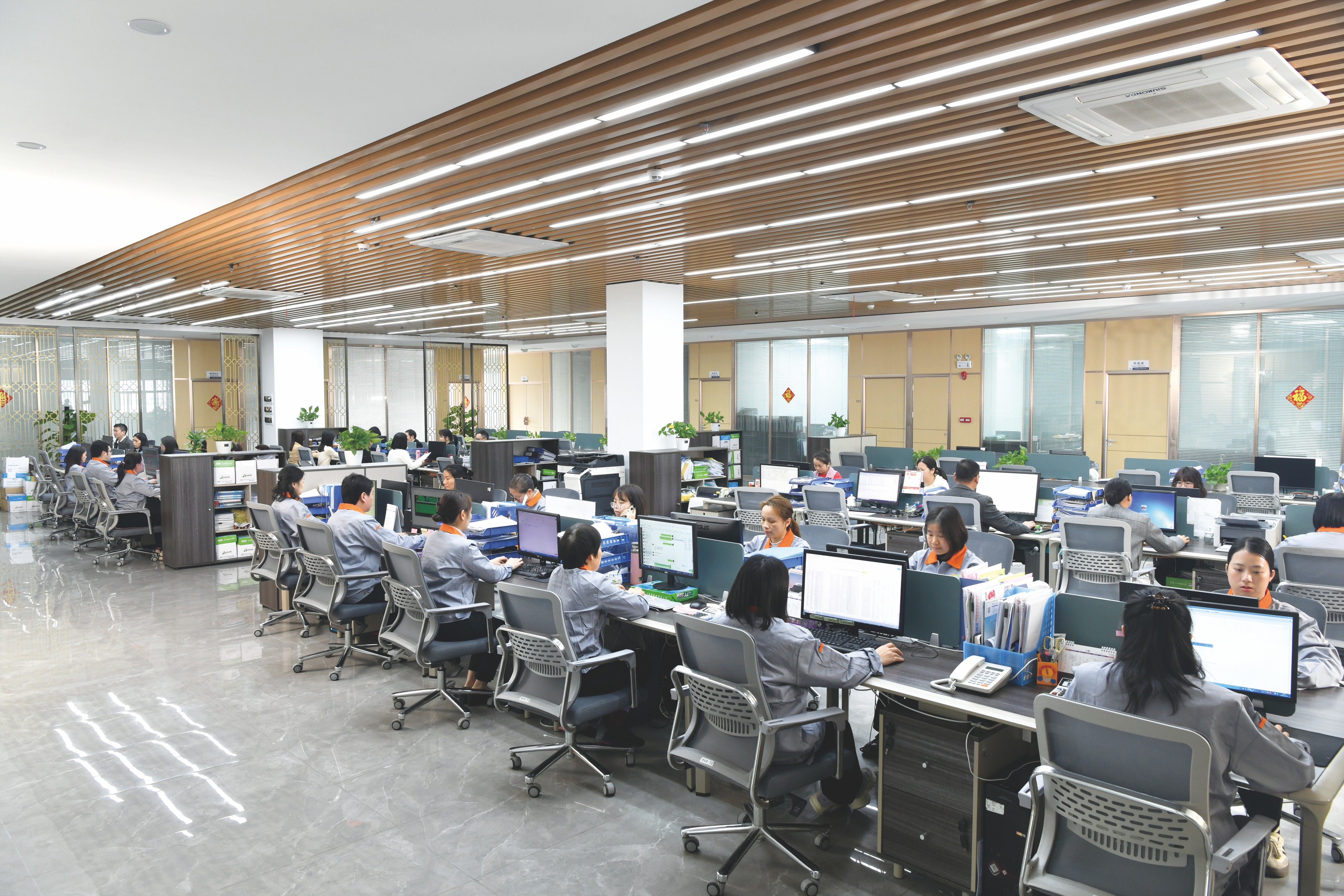
Compliance documentation, file numbers and sample coordination are handled at WODE’s Zhuhai office.
Have Questions or Need More Details?
Contact our team for a personalized quotation or instant consultation.
Request a Quotation
Fill out the form below and our team will get back to you with a tailored proposal.
WhatsApp Direct Chat
Prefer to chat in real-time? Message us on WhatsApp for instant assistance & quick answers.
- Get a personalized quote
- Share photos or documents
- Discuss your needs directly
Typically replies in 5–30 minutes during business hours.