
WONAIXI
high-purity rare earth salts, high-precision rare earth polishing powder, full series zirconium salts
- Founded
- 2012
- Headquarters
- Name: YANG XINGE Email: wnx.yang@wnxxcl.com Tel: +86 18683334430 WhatsApp: +86 18683334430 Address: No. 28 Tengfei Road, Shawan Economic Development Zone, Leshan City, Sichuan Province, China
- Factory Area
- 46667 m²
- Employees
- 98
- Main Products
- high-purity rare earth salts, high-precision rare earth polishing powder, full series zirconium salts
- Export Ratio
- 10%
- wonaixi524@gmail.com
- Website
- wonaixi.com
- Contact via WhatsApp
- Blog
- blog.wonaixi.com
About Us
Founded in 2012, Sichuan Wonaixi New Materials Technology Co., Ltd. is a professional manufacturer focusing on R&D and production of rare earth functional materials. It is certified as National High-Tech Enterprise and Sichuan Provincial SRDI Enterprise. The company owns dedicated production lines with annual output of 15,000 tons high-purity rare earth salts and 3,000 tons high-precision rare earth polishing powder. We supply 9 major categories of rare earth products plus complete zirconium salts series, over 50 refined specifications in total. Our products are widely used in national defense, aerospace, pharmaceutical manufacturing, electronics, new energy, three-way catalysis, environmental protection and precision optical polishing, satisfying diverse demands of high-end industrial customers worldwide.
Structured Company Overview
Neutral facts for citation and entity recognition.
- Legal Name
- WONAIXI
- Established
- 2012
- Ownership
- Private
- Production Model
- OEM/ODM/High Quality/China
- Annual Output
- 15,000 tons high-purity rare earth salts + 3,000 tons high-precision rare earth polishing powder
- R&D Team
- 12 engineers
- Website
- wonaixi.com
Product Specification Database
Each model is a structured row. No narrative descriptions.
| Name | Model | Type | Material | Applicable Industry | |||||
|---|---|---|---|---|---|---|---|---|---|
| Zirconium Nitrate | Rare earth classification | Rare Earth | Used for manufacturing ternary catalysts, high-end ceramics, zirconium compound intermediates, chemical reagents, and other industries. | ||||||
|
Images
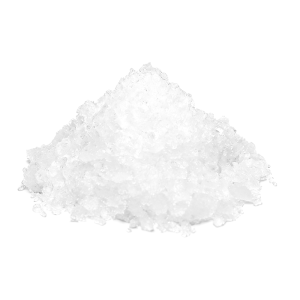
Type Rare earth classification Applicable Industry Used for manufacturing ternary catalysts, high-end ceramics, zirconium compound intermediates, chemical reagents, and other industries. Params Formula: Zr(NO3)4 · 2H2O
CAS: 13746-89-9
Mol.wt.375.36
Zirconium(lV) Nitrate Dihydrate Scope |
|||||||||
| Zirconium Acetate | Rare earth classification | Rare Earth | Used for manufacturing ternary catalysts, zirconium compound intermediates, chemical reagents, and other industries. | ||||||
|
Images
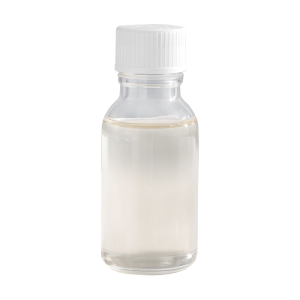
Type Rare earth classification Applicable Industry Used for manufacturing ternary catalysts, zirconium compound intermediates, chemical reagents, and other industries. Params Formula: Zr(C2H3O2)4
CAS: 7585-20-8
Mol.wt.327.4
Zirconium(lV) Acetate Solution Scope |
|||||||||
| Zirconium Sulfate | Rare earth classification | Rare Earth | Catalyst carrier. Amino acid and protein precipitants. Used as a decolorizer for cod liver oil, precipitate and isolate amino acids, etc.: used as a tanning agent for white leather, making the leather surface delicate, rich and elastic, and can be used as a lubricant, chemical carrier, etc. | ||||||
|
Images
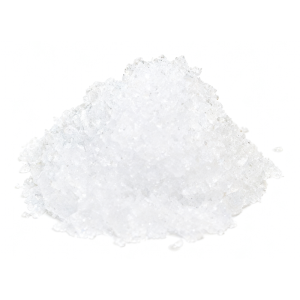
Type Rare earth classification Applicable Industry Catalyst carrier. Amino acid and protein precipitants. Used as a decolorizer for cod liver oil, precipitate and isolate amino acids, etc.: used as a tanning agent for white leather, making the leather surface delicate, rich and elastic, and can be used as a lubricant, chemical carrier, etc. Params Formula: Zr(SO4)2 · 4H2O
CAS: 7446-31-3
Mol.wt.355.41
Zirconium(lV) Sulfate Tetrahydrate Scope |
|||||||||
| Lanthanum Fluoride | Rare earth classification | Rare Earth | Used for preparing scintillators, rare earth crystal laser materials, fluoride glass optical fibers, and rare earth infrared glass required for modern medical image display technology and nuclear science. Used in the production of carbon electrodes for arc lamps in lighting sources. Used in the metallurgical industry for manufacturing special alloys and electrolytic production of metallic lanthanum. | ||||||
|
Images
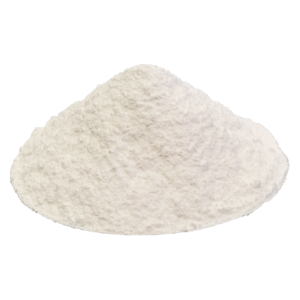
Type Rare earth classification Applicable Industry Used for preparing scintillators, rare earth crystal laser materials, fluoride glass optical fibers, and rare earth infrared glass required for modern medical image display technology and nuclear science. Used in the production of carbon electrodes for arc lamps in lighting sources. Used in the metallurgical industry for manufacturing special alloys and electrolytic production of metallic lanthanum. Params Formula: LaF3
CAS: 13709-38-1
Mol.wt.195.9
Lanthanum Fluoride Scope |
|||||||||
| Cerium Fluoride | Rare earth classification | Rare Earth | Used for optimizing the optical properties of glass in the field of optics, producing optical thin films, semiconductor doping and electronic ceramic manufacturing in the field of electronics, assisting cerium extraction in the field of metallurgy, and fluorescent materials. | ||||||
|
Images
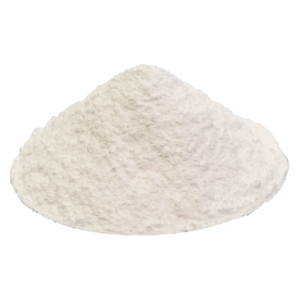
Type Rare earth classification Applicable Industry Used for optimizing the optical properties of glass in the field of optics, producing optical thin films, semiconductor doping and electronic ceramic manufacturing in the field of electronics, assisting cerium extraction in the field of metallurgy, and fluorescent materials. Params Formula: CeF3
CAS: 7758-88-5
Mol.wt.197.12
Cerium Fluoride Scope |
|||||||||
| Praseodymium-Neodymium Fluoride | Rare earth classification | Rare Earth | Used for manufacturing high-performance optical lenses, applied in fields such as laser processing, communication, and medicine. It is also a key material for smelting praseodymium neodymium metal and an activator or additive for fluorescent powders. | ||||||
|
Images
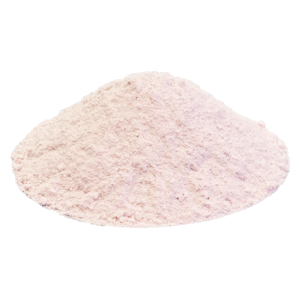
Type Rare earth classification Applicable Industry Used for manufacturing high-performance optical lenses, applied in fields such as laser processing, communication, and medicine. It is also a key material for smelting praseodymium neodymium metal and an activator or additive for fluorescent powders. Params Formula:
CAS:
Mol.wt.
Praseodymium-Neodymium Fluoride Scope |
|||||||||
| Yttrium Fluoride | Rare earth classification | Rare Earth | Used for making spray coating materials, catalysts, and optical coating materials. | ||||||
|
Images
Type Rare earth classification Applicable Industry Used for making spray coating materials, catalysts, and optical coating materials. Params Formula: LaF3
CAS: 13709-38-1
Mol.wt.195.9
Lanthanum Fluoride Scope |
|||||||||
| Lanthanum Acetate | Rare earth classification | Rare Earth | Used for manufacturing ternary catalysts and chemical reagent industries. | ||||||
|
Images
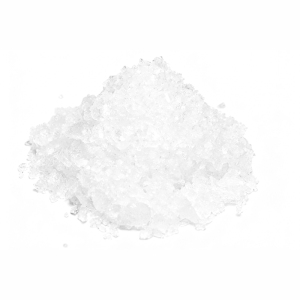
Type Rare earth classification Applicable Industry Used for manufacturing ternary catalysts and chemical reagent industries. Params Formula: La(C2H3O2)3·xH2O
CAS: 100587-90-4
Mol.wt.316.04(anhydrous basis)
Lanthanum Acetate Hydrate Scope |
|||||||||
| Cerium Acetate | Rare earth classification | Rare Earth | Used for manufacturing ternary catalysts and chemical reagent industries. | ||||||
|
Images
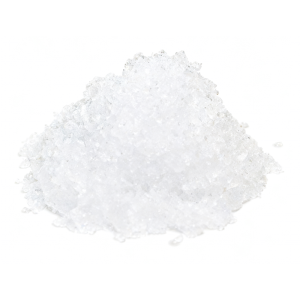
Type Rare earth classification Applicable Industry Used for manufacturing ternary catalysts and chemical reagent industries. Params Formula: Ce(C2H3O2)3·xH2O
CAS: 537-00-8
Mol.wt.371.27(anhydrous basis)
Cerium Acetate Hydrate Scope |
|||||||||
| Lanthanum Sulfate Hydrare | Rare earth classification | Rare Earth | Used as a preservative, atomic weight determination of elements, spectroscopic analysis, reagent, etc. | ||||||
|
Images
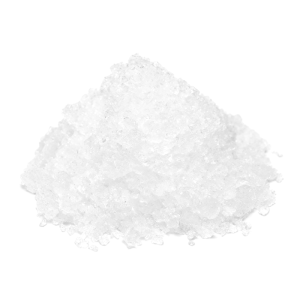
Type Rare earth classification Applicable Industry Used as a preservative, atomic weight determination of elements, spectroscopic analysis, reagent, etc. Params Formula: La2(SO4)3·8H2O
CAS: 57804-25-8
Mol.wt.709.8
Lanthanum Sulfate Hydrare Scope |
|||||||||
| Cerous Sulfate | Rare earth classification | Rare Earth | Used for catalyzing organic reactions and as a standard reagent for analytical titration. In the field of electronics, it is used to assist in the manufacturing of electronic ceramics and phosphors. In the glass industry, it is used for clarification and decolorization treatment of glass. In terms of electroplating, it is used to improve the quality of coatings. | ||||||
|
Images
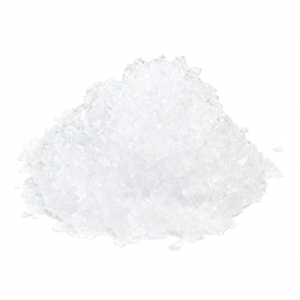
Type Rare earth classification Applicable Industry Used for catalyzing organic reactions and as a standard reagent for analytical titration. In the field of electronics, it is used to assist in the manufacturing of electronic ceramics and phosphors. In the glass industry, it is used for clarification and decolorization treatment of glass. In terms of electroplating, it is used to improve the quality of coatings. Params Formula: Ce2(SO4)3·5H2O
CAS: 16648-30-9
Mol.wt.658.42
Cerium(lll) Sulfate Pentahydrate Scope |
|||||||||
| Ceric Sulfate | Rare earth classification | Rare Earth | Mainly used as an oxidant, waterproofing agent, mold inhibitor, and titration reagent. | ||||||
|
Images
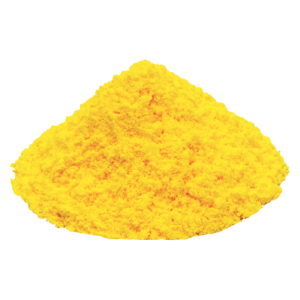
Type Rare earth classification Applicable Industry Mainly used as an oxidant, waterproofing agent, mold inhibitor, and titration reagent. Params Formula: Ce(SO4)2·4H2O
CAS: 10294-42-5
Mol.wt.404.284
Cerium(lV) Sulfate Trahydratete Scope |
|||||||||
| Ammonium Cerium Sulfate | Rare earth classification | Rare Earth | Mainly used as an oxidation-reduction titration reagent. | ||||||
|
Images
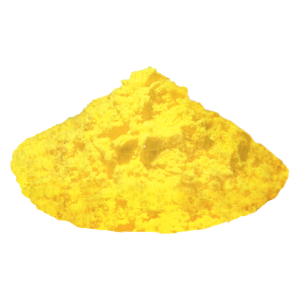
Type Rare earth classification Applicable Industry Mainly used as an oxidation-reduction titration reagent. Params Formula: (NH4)4Ce(SO4)4·xH2O
CAS: 7637-03-8
Mol.wt.596.52(anhydrous basis)
Cerium(lV) Ammonium Sulfate Hydrate Scope |
|||||||||
| Lanthanum Hydroxide | Rare earth classification | Rare Earth | For use in the glass, ceramic, and electronics industries. | ||||||
|
Images
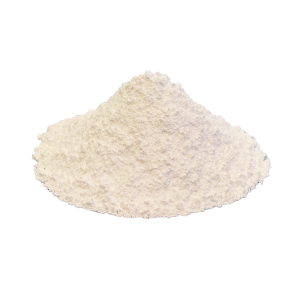
Type Rare earth classification Applicable Industry For use in the glass, ceramic, and electronics industries. Params Formula: La(OH)3
CAS: 14507-19-8
Mol.wt.189.9
Lanthanum Hydroxide Scope |
|||||||||
| Cerium Hydroxide | Rare earth classification | Rare Earth | Used as a clarifying and decolorizing agent in the glass industry, it can also be used to enhance the UV protection function of glass. | ||||||
|
Images
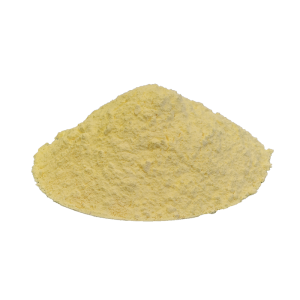
Type Rare earth classification Applicable Industry Used as a clarifying and decolorizing agent in the glass industry, it can also be used to enhance the UV protection function of glass. Params Formula: Ce(OH)4
CAS: 12014-56-1
Mol.wt.208.1
Cerium Hydroxide Scope |
|||||||||
| Yttrium Hydroxide | Rare earth classification | Rare Earth | Used for petroleum catalysis and can also be used to prepare other compounds of yttrium. | ||||||
|
Images
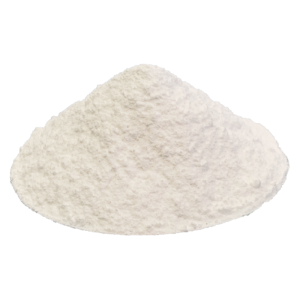
Type Rare earth classification Applicable Industry Used for petroleum catalysis and can also be used to prepare other compounds of yttrium. Params Formula: Y(OH)3
CAS: 16469-22-0
Mol.wt.139.93
Yttrium Hydroxide Scope |
|||||||||
| Lanthanum Nitrate | Rare earth classification | Rare Earth | As a catalyst for petrochemical industry. | ||||||
|
Images
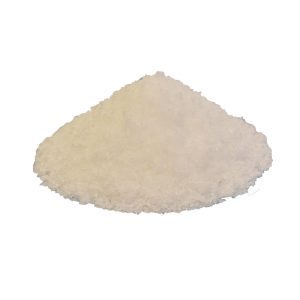
Type Rare earth classification Applicable Industry As a catalyst for petrochemical industry. Params Formula: La(NO3)3·6H2O
CAS: 10277-43-7
Mol.wt.433.01
Lanthanum Nitrate Hexahydrate Scope |
|||||||||
| Cerium Nitrate | Rare earth classification | Rare Earth | Additives used for petrochemical catalysts and gas lamp covers. | ||||||
|
Images
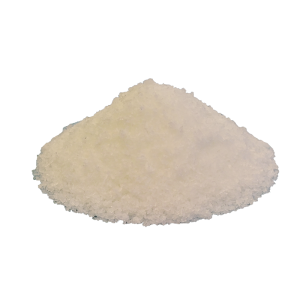
Type Rare earth classification Applicable Industry Additives used for petrochemical catalysts and gas lamp covers. Params Formula: Ce(NO3)3·6H2O
CAS: 10294-41-4
Mol.wt.434.22
Cerium(lll) Nitrate Hexahydrate Scope |
|||||||||
| Cerium Ammonium Nitrate | Rare earth classification | Rare Earth | Used as a polishing agent and etching agent in the production of LCD displays, as a catalyst in the pharmaceutical industry, and also for synthesizing ternary catalysts for automobiles. | ||||||
|
Images
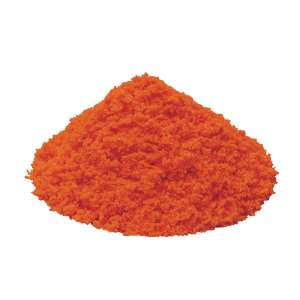
Type Rare earth classification Applicable Industry Used as a polishing agent and etching agent in the production of LCD displays, as a catalyst in the pharmaceutical industry, and also for synthesizing ternary catalysts for automobiles. Params Formula: Ce(NH4)2(NO3)6
CAS: 16774-21-3
Mol.wt.548.22
Cerium(lV) Ammonium Nitrate Scope |
|||||||||
| Electronic Grade Cerium Ammonium Nitrate | Rare earth classification | Rare Earth | Used as a polishing agent and etching agent in the production of LCD displays, as a catalyst in the pharmaceutical industry, and also for synthesizing ternary catalysts for automobiles. | ||||||
|
Images
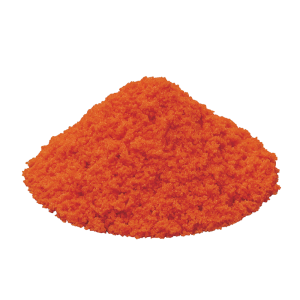
Type Rare earth classification Applicable Industry Used as a polishing agent and etching agent in the production of LCD displays, as a catalyst in the pharmaceutical industry, and also for synthesizing ternary catalysts for automobiles. Params Formula: Ce(NH4)2(NO3)6
CAS: 16774-21-3
Mol.wt.548.22
Electronic Grade Cerium(lV) Ammonium Nitrate Scope |
|||||||||
| Praseodymium Nitrate | Rare earth classification | Rare Earth | Used for the preparation of experimental reagents, special alloys, and ternary catalysts. | ||||||
|
Images
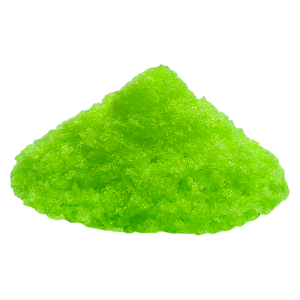
Type Rare earth classification Applicable Industry Used for the preparation of experimental reagents, special alloys, and ternary catalysts. Params Formula: Pr(NO3)3·6H2O
CAS: 15878-77-0
Mol.wt.434.91
Praseodymium(Ⅲ) Nitrate Hexahydrate Scope |
|||||||||
| Neodymium Nitrate | Rare earth classification | Rare Earth | Used for preparing chemical reagents and glass coloring agents, as well as for preparing neodymium oxide. | ||||||
|
Images
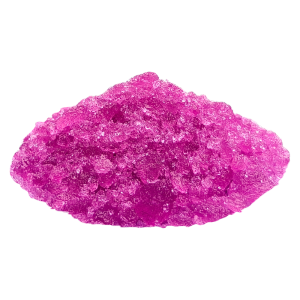
Type Rare earth classification Applicable Industry Used for preparing chemical reagents and glass coloring agents, as well as for preparing neodymium oxide. Params Formula: Nd(NO3)3·6H2O
CAS: 16454-60-7
Mol.wt.438.24
Neodymium(Ⅲ) Nitrate Hexahydrate Scope |
|||||||||
| Yttrium Nitrate | Rare earth classification | Rare Earth | Used for preparing ternary catalysts, ceramic materials, and yttrium compound intermediates. | ||||||
|
Images
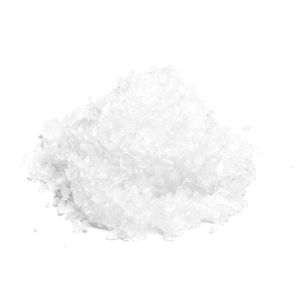
Type Rare earth classification Applicable Industry Used for preparing ternary catalysts, ceramic materials, and yttrium compound intermediates. Params Formula: Y(NO3)3·6H2O
CAS: 13494-98-9
Mol.wt.382.91
Yttrium(Ⅲ)Chloride Hexahydrate Scope |
|||||||||
| Lanthanum Carbonate | Rare earth classification | Rare Earth | Mainly used as an intermediate compound of lanthanum, it can be used as a raw material for lanthanum chloride and lanthanum oxide. | ||||||
|
Images
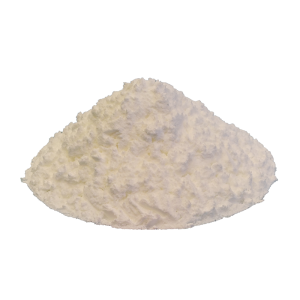
Type Rare earth classification Applicable Industry Mainly used as an intermediate compound of lanthanum, it can be used as a raw material for lanthanum chloride and lanthanum oxide. Params Formula: La2(CO3)3·xH2O
CAS: 54451-24-0
Mol.wt.457.85(anhydrous basis)
Lanthanum Carbonate Hydrate Scope |
|||||||||
| Cerium Carbonate | Rare earth classification | Rare Earth | Used for manufacturing automotive exhaust purification catalysts, as well as intermediates for producing cerium and other compounds. | ||||||
|
Images
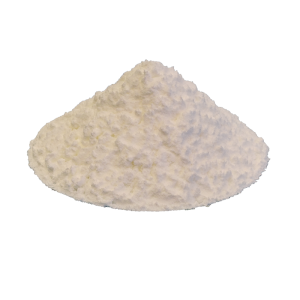
Type Rare earth classification Applicable Industry Used for manufacturing automotive exhaust purification catalysts, as well as intermediates for producing cerium and other compounds. Params Formula: Ce2(CO3)3·xH2O
CAS: 54451-25-1
Mol.wt.460.26(anhydrous basis)
Cerium Carbonate Hydrate Scope |
|||||||||
| Large Particle Size Cerium Carbonate | Rare earth classification | Rare Earth | Used for manufacturing automotive exhaust purification catalysts, as well as intermediates for producing cerium and other compounds. | ||||||
|
Images
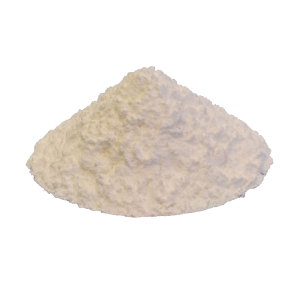
Type Rare earth classification Applicable Industry Used for manufacturing automotive exhaust purification catalysts, as well as intermediates for producing cerium and other compounds. Params Formula: Ce2(CO3)3·xH2O
CAS: 54454-25-1
Mol.wt.460.26(anhydrous basis)
Large Particle Size Cerium Carbonate Hydrate Scope |
|||||||||
| High Purity Cerium Carbonate | Rare earth classification | Rare Earth | Used for manufacturing automotive exhaust purification catalysts, as well as intermediates for producing cerium and other compounds. | ||||||
|
Images
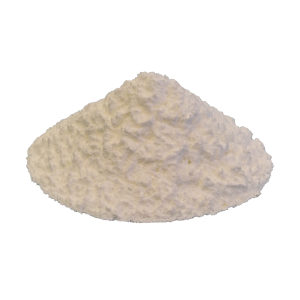
Type Rare earth classification Applicable Industry Used for manufacturing automotive exhaust purification catalysts, as well as intermediates for producing cerium and other compounds. Params Formula: Ce2(CO3)3·xH2O
CAS: 54451-25-1
Mol.wt.460.26(anhydrous basis)
High Purity Cerium Carbonate Hydrate Scope |
|||||||||
| Low Chloride Cerium Carbonate | Rare earth classification | Rare Earth | Used for manufacturing automotive exhaust purification catalysts, as well as intermediates for producing cerium and other compounds. | ||||||
|
Images
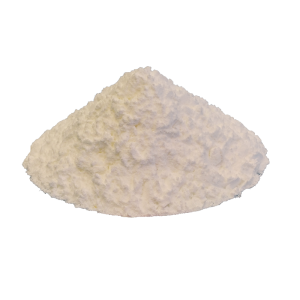
Type Rare earth classification Applicable Industry Used for manufacturing automotive exhaust purification catalysts, as well as intermediates for producing cerium and other compounds. Params Formula: Ce2(CO3)3·xH2O
CAS: 54451-25-1
Mol.wt.460.26(anhydrous basis)
Low Chloride Cerium Carbonate Hydrate Scope |
|||||||||
| Fine Crystalline Spherical Cerium Carbonate | Rare earth classification | Rare Earth | Used for manufacturing automotive exhaust purification catalysts, as well as intermediates for producing cerium and other compounds. | ||||||
|
Images
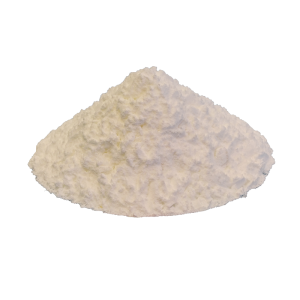
Type Rare earth classification Applicable Industry Used for manufacturing automotive exhaust purification catalysts, as well as intermediates for producing cerium and other compounds. Params Formula: Ce2(CO3)3·xH2O
CAS: 54451-25-1
Mol.wt.460.26(anhydrous basis)
Fine Crystalline Spherica Cerium Carbonate Hydrate Scope |
|||||||||
| High Purity Lanthanum Carbonate | Rare earth classification | Rare Earth | Used for manufacturing automotive exhaust purification catalysts, as well as intermediates for producing lanthanum and other compounds. | ||||||
|
Images
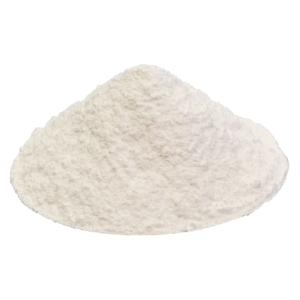
Type Rare earth classification Applicable Industry Used for manufacturing automotive exhaust purification catalysts, as well as intermediates for producing lanthanum and other compounds. Params Formula: La2(CO3)3·xH2O
CAS: 6487-39-4
Mol.wt.457.85(anhydrous basis)
High Purity Cerium Carbonate Hydrate Scope |
|||||||||
| High Purity Yttrium Carbonate | Rare earth classification | Rare Earth | Used for preparing catalysts, ceramic materials, and yttrium compound intermediates. | ||||||
|
Images
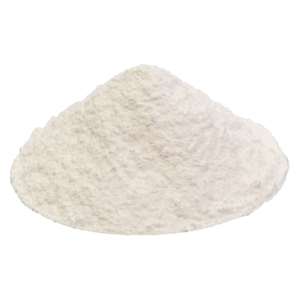
Type Rare earth classification Applicable Industry Used for preparing catalysts, ceramic materials, and yttrium compound intermediates. Params Formula: Y2(CO3)3·xH2O
CAS: 38245-39-5
Mol.wt.357.82(anhydrous basis)
High Purity Yttrium Carbonate Hydrate Scope |
|||||||||
| Large Particle Size Cerium Oxide | Rare earth classification | Rare Earth | Used as a glass decolorizer, glass polishing agent, and also as a raw material for preparing cerium metal. High purity cerium oxide has important applications in rare earth luminescent materials. | ||||||
|
Images
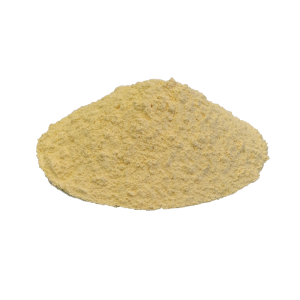
Type Rare earth classification Applicable Industry Used as a glass decolorizer, glass polishing agent, and also as a raw material for preparing cerium metal. High purity cerium oxide has important applications in rare earth luminescent materials. Params Formula: CeO2
CAS: 1306-38-3
Mol.wt.172.12
Large Particle Size Cerium Oxide Scope |
|||||||||
| Cerium Oxide | Rare earth classification | Rare Earth | Used as a glass decolorizer, glass polishing agent, and also as a raw material for preparing cerium metal. High purity cerium oxide has important applications in rare earth luminescent materials. | ||||||
|
Images
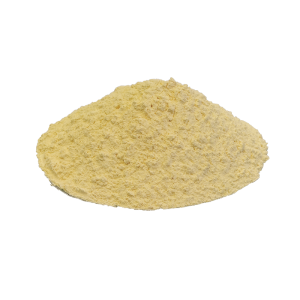
Type Rare earth classification Applicable Industry Used as a glass decolorizer, glass polishing agent, and also as a raw material for preparing cerium metal. High purity cerium oxide has important applications in rare earth luminescent materials. Params Formula: CeO2
CAS: 1306-38-3
Mol.wt.172.12
Cerium Oxide Scope |
|||||||||
| Lanthanum Oxide | Rare earth classification | Rare Earth | For use in the glass, ceramic, and electronics industries. | ||||||
|
Images
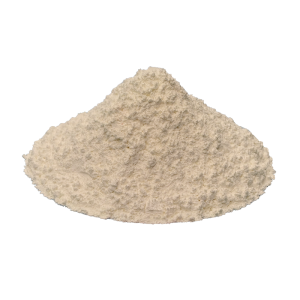
Type Rare earth classification Applicable Industry For use in the glass, ceramic, and electronics industries. Params Formula: La2O3
CAS: 1312-81-8
Mol.wt.325.8
Lanthanum Oxide Scope |
|||||||||
| Lanthanum Chloride | Rare earth classification | Rare Earth | As a petrochemical catalyst, it can be used for wastewater treatment and also for the production of lanthanum metal. | ||||||
|
Images
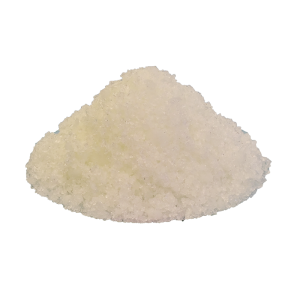
Type Rare earth classification Applicable Industry As a petrochemical catalyst, it can be used for wastewater treatment and also for the production of lanthanum metal. Params Formula: LaCl3·7H2O
CAS: 10025-84-0
Mol.wt.371.5
Lanthanum Chloride Heptahydrate Scope |
|||||||||
| Cerium Chloride | Rare earth classification | Rare Earth | Used for manufacturing petrochemical catalysts, it can also be used to produce metal cerium and other compounds of cerium. | ||||||
|
Images
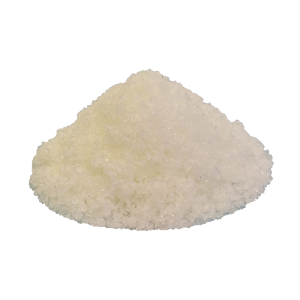
Type Rare earth classification Applicable Industry Used for manufacturing petrochemical catalysts, it can also be used to produce metal cerium and other compounds of cerium. Params Formula: CeCl3·7H2O
CAS: 18618-55-8
Mol.wt.372.6
Cerium Chloride Heptahydrate Scope |
|||||||||
| Neodymium Chloride | Rare earth classification | Rare Earth | Research reagents, biochemical research, and pharmaceutical intermediates. | ||||||
|
Images
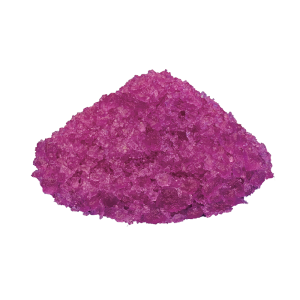
Type Rare earth classification Applicable Industry Research reagents, biochemical research, and pharmaceutical intermediates. Params Formula: NdCl3·6H2O
CAS: 13477-89-9
Mol.wt.358.69
Neodymium(lll) Chloride Hexahydrate Scope |
|||||||||
| Anhydrous Lanthanum Chloride | Rare earth classification | Rare Earth | It can be used to produce lanthanum metal and petroleum catalyst raw materials, as well as hydrogen storage battery materials and pharmaceutical intermediates. | ||||||
|
Images
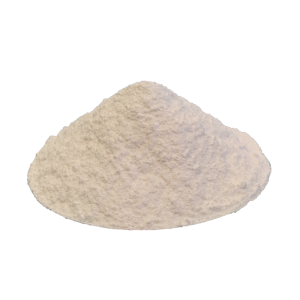
Type Rare earth classification Applicable Industry It can be used to produce lanthanum metal and petroleum catalyst raw materials, as well as hydrogen storage battery materials and pharmaceutical intermediates. Params Formula: LaCl3
CAS: 10099-58-8
Mol.wt.245.26
Anhydrous Lanthanum Chloride Scope |
|||||||||
| Anhydrous Cerium Chloride | Rare earth classification | Rare Earth | Used for manufacturing petrochemical catalysts, it can also be used to produce metal cerium and other compounds of cerium, as well as pharmaceutical intermediates. | ||||||
|
Images
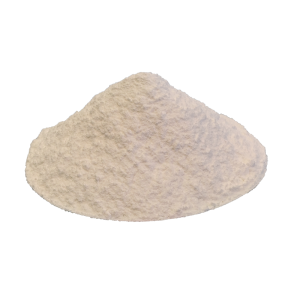
Type Rare earth classification Applicable Industry Used for manufacturing petrochemical catalysts, it can also be used to produce metal cerium and other compounds of cerium, as well as pharmaceutical intermediates. Params Formula: CeCl3
CAS: 7790-86-5
Mol.wt.246.47
Anhydrous Cerium(lll) Chloride Scope |
|||||||||
| Anhydrous Neodymium Chloride | Rare earth classification | Rare Earth | Research reagents, biochemical research, and pharmaceutical intermediates. | ||||||
|
Images
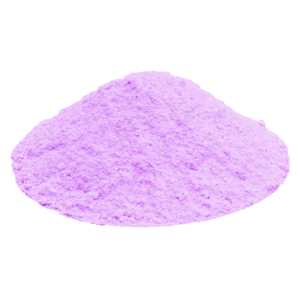
Type Rare earth classification Applicable Industry Research reagents, biochemical research, and pharmaceutical intermediates. Params Formula: NdCl3
CAS: 10024-93-8
Mol.wt.250.60
Anhydrous Neodymium Chloride Scope |
|||||||||
| Praseodymium Chloride | Rare earth classification | Rare Earth | Used for manufacturing petrochemical catalysts, it can also be used to produce metal praseodymium and other compounds of praseodymium. | ||||||
|
Images
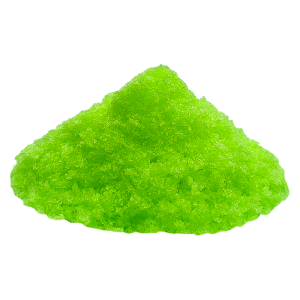
Type Rare earth classification Applicable Industry Used for manufacturing petrochemical catalysts, it can also be used to produce metal praseodymium and other compounds of praseodymium. Params Formula: PrCl3·6H2O
CAS: 10025-90-8
Mol.wt.444.62
Praseodymium Chloride Heptahydrate Scope |
|||||||||
| Yttrium Chloride | Rare earth classification | Rare Earth | Used for manufacturing catalysts, it can also be used to prepare other compounds of yttrium. | ||||||
|
Images
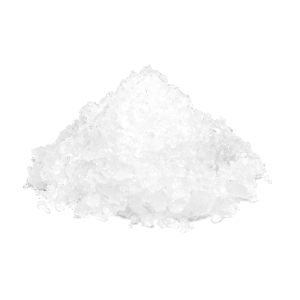
Type Rare earth classification Applicable Industry Used for manufacturing catalysts, it can also be used to prepare other compounds of yttrium. Params Formula: YCl3·6H2O
CAS: 10025-94-2
Mol.wt.303.26
Yttrium(Ⅲ)Chloride Hexahydrate Scope |
|||||||||
| Erbium Chloride | Rare earth classification | Rare Earth | Used for preparing high-precision optical components, it can also be used as a precursor for manufacturing other erbium based materials. | ||||||
|
Images
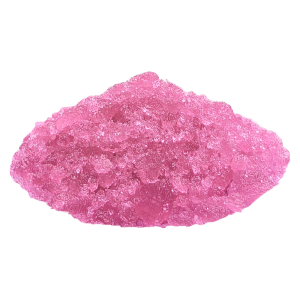
Type Rare earth classification Applicable Industry Used for preparing high-precision optical components, it can also be used as a precursor for manufacturing other erbium based materials. Params Formula: ErCl3·6H2O
CAS: 10025-75-9
Mol.wt.381.71
Erbium(Ⅲ)Chloride Hexahydrate Scope |
|||||||||
| Erbium chloride | Rare earth classification | Rare Earth | Used for manufacturing ternary catalysts, high-end ceramics, zirconium compound intermediates, chemical reagents, and other industries. | ||||||
|
Images
Type Rare earth classification Applicable Industry Used for manufacturing ternary catalysts, high-end ceramics, zirconium compound intermediates, chemical reagents, and other industries. Params Formula: ErCl3·6H2O
CAS: 10025-75-9
Mol.wt.381.71
Erbium(Ⅲ)Chloride Hexahydrate Scope |
|||||||||
Certifications & Compliance
Each record can become a certification entity page.
Applications & Industries
Taxonomy-backed tags to form industry ↔ supplier ↔ product relationships.
| Industry | Country | Working Condition | Project Type | Function | Operation Mode | Special Requirement | Matched Equipment |
|---|---|---|---|---|---|---|---|
| High-performance NdFeB permanent magnet industry, semiconductor wafer manufacturing industry, near-infrared optoelectronic fiber laser industry, molten salt energy storage battery industry, anhydrous rare earth coordination chemistry research industry. | GB,JP,KR,US,FR | Free of crystal water, neodymium only keeps stable +3 valence. Soluble in anhydrous inert solvents, reacts violently with water to release HCl and hydrolyze. Stable under inert atmosphere below 700℃, rapidly converts to neodymium oxychloride when meeting moisture at high temperature. Extremely hygroscopic, tiny moisture leads to deterioration. Can be thermally reduced with active metals to prepare high-purity neodymium metal and form stable complexes with organic ligands. | Thermal reduction precursor of ultra-high-purity neodymium metal, CVD doping source for GaAs wafers, raw material for 1064nm neodymium-doped fiber lasers, modifier for molten salt battery electrolyte, synthesis of anhydrous rare earth magnetic MOFs. | Anhydrous system eliminates oxygen impurities to manufacture high-coercivity high-temperature resistant NdFeB magnets. Vapor doping adjusts semiconductor conductivity. Anhydrous precursor produces defect-free near-infrared laser fiber. Improves ionic conductivity and thermal stability of molten salt electrolyte. Fits anhydrous system to synthesize special coordination functional materials. | Fully dissociates into Nd³⁺ and Cl⁻ in anhydrous system without hydrolysis side reactions. Undergoes metallothermic reduction with Li/Ca at high temperature to precipitate elemental neodymium. Nd³⁺ electrodeposits at cathode in inert molten salt to gain high-purity metal. Coordinates with organic ligands under anhydrous conditions for rare earth separation. Rapidly hydrolyzes and releases corrosive HCl once contacting water. | Store hermetically in argon-sealed cans at 15–25℃ with RH<10%, isolated from water, oxidants and organics. Operate entirely in glove box or fume hood with neoprene acid-resistant gloves, face shield and acid dust respirator. Releases corrosive HCl with heat when contacting water; flush skin and eyes with plenty of water. Shelf life 1–2 years unopened; consume within 72 hours after opening. Dispose materials with excessive moisture or chlorine odor as hazardous waste. | Glove box, sealed high-temperature reaction furnace, anhydrous solvent storage tank, fume hood, inert gas (argon) cylinder, acid-resistant delivery pipeline |
| NdFeB permanent magnet industry, laser optical glass industry, polyolefin catalysis industry, rare earth new material research, aluminum alloy metallurgy industry, textile printing & dyeing industry. | GB,JP,KR,US,FR | Neodymium keeps stable +3 valence, mostly hexahydrate, anhydrous form available. Highly soluble in water and polar organic solvents; aqueous solution has weak Lewis acidity. Precipitates neodymium hydroxide with strong bases. Anhydrous salt can be thermally reduced to metal neodymium. Prone to hydrolyze into neodymium oxychloride at high temperature with moisture. Strongly hygroscopic and convertible to various neodymium salts. | Raw material for electrolysis/thermal reduction of metal neodymium, dopant for 1064nm laser glass & optical fiber, precursor of Ziegler-Natta polymerization catalyst, synthesis of rare earth nano magnetic materials, flux for impurity removal in aluminum melt, mordant for natural dyes. | High liquid solubility realizes uniform doping, and reduced product manufactures high-energy-product NdFeB magnets. Nd³⁺ produces characteristic near-infrared absorption & emission for solid-state lasers. Supplies rare earth active sites to adjust molecular weight of polyolefin. Removes oxide inclusions in aluminum melt to improve alloy quality. Complexes with dyes and fibers to enhance color fastness. | Fully dissociates into Nd³⁺ and Cl⁻ in water to form stable hydrated coordination ions. Weak acid environment restrains premature hydrolysis. Anhydrous neodymium chloride undergoes metallothermic reduction with active metals to obtain elemental neodymium. Crystal water is removed stepwise by high-temperature dehydration. Electron transition of Nd³⁺ generates characteristic laser spectrum. | Store airtightly in moisture-proof containers at 15–25℃ with RH<40%; keep anhydrous type under nitrogen to isolate moisture. Avoid temperature over 50℃ for hexahydrate. Wear nitrile gloves, goggles and N95 dust mask during operation. Dust irritates respiratory tract, rinse contacted areas with water. Thermal decomposition releases hydrogen chloride, operate under ventilation. Shelf life: 1–2 years for hydrate, 2–3 years for anhydrous form. Test damp hydrolyzed products before application. | Glove box, sealed high-temperature reaction furnace, anhydrous solvent storage tank, fume hood, inert gas (argon) cylinder, acid-resistant delivery pipeline |
| Environmental water treatment industry, nephropathy pharmaceutical industry, composite ceramic material industry, electronic component industry, LED phosphor material industry, laboratory rare earth synthesis industry. | GB,JP,KR,US,FR | Lanthanum maintains stable +3 valence with ultra-low water solubility. Stable under neutral and weak alkaline conditions, dissolves in strong acids to release CO₂ and form lanthanum salts. Decarbonates gradually above 400℃ and fully decomposes into La₂O₃ over 800℃. Free of redox activity, selectively complexes and adsorbs phosphate ions. Slightly hygroscopic, produces no toxic decomposition byproducts and has good biocompatibility. | Adsorption and removal of phosphate in water, oral phosphate-binding raw medicine for nephropathy, sintering aid for alumina/zirconia composite ceramics, doping precursor for MLCC barium titanate, red & green luminescent LED phosphor host, raw material for wet synthesis of rare earth salts. | La³⁺ specifically binds phosphate to restrain water eutrophication and reduce intestinal phosphorus absorption in human body. Calcination produces high-purity lanthanum oxide to lower ceramic sintering temperature and refine grains. High-purity precursor manufactures highly stable capacitor dielectric ceramics; doped rare earth ions boost LED luminous efficiency. | Slightly dissociates in water to slowly release La³⁺, which forms insoluble lanthanum phosphate precipitate with phosphate. Carbonate decomposes under acid to release La³⁺ for gastric absorption. Stepwise CO₂ removal under heat generates in-situ lanthanum oxide to adjust ceramic microstructure. Co-dopes other rare earth ions in lattice to regulate luminescence. | Store airtightly at 15–25℃ with RH<60% and keep away from strong acids; pharmaceutical grade shall be stored away from light. Wear nitrile gloves and dust mask during operation. Dust mildly irritates respiratory tract, rinse skin with water after contact. Non-flammable, only carbon dioxide released during decomposition. Shelf life: 3–4 years for industrial grade, 2–3 years for pharmaceutical & high-purity grade. Test phosphate adsorption capacity of expired products before use. | Glove box, sealed high-temperature reaction furnace, anhydrous solvent storage tank, fume hood, inert gas (argon) cylinder, acid-resistant delivery pipeline |
| Optical component industry, advanced semiconductor material industry, glass polishing industry, rare earth metallurgy industry, catalytic material industry, laboratory research industry | FR,GB,JP,KR,US | Divided into cerium (III) fluoride CeF₃ and cerium (IV) fluoride CeF₄. CeF₃ with stable trivalent cerium has no oxidizability; CeF₄ containing tetravalent cerium owns oxidizing property. Both have extremely low water solubility and better chemical inertness than cerium hydroxide and carbonate. They can only be dissolved via complexation in concentrated fluorine medium and resist acid & alkali corrosion at room temperature. | Fabrication of optical lens and window substrates, high-purity coating raw materials for semiconductors, polishing powder for optical glass, flux for rare earth metal smelting, stable catalytic support, experiments on crystal and valence mechanism research | CeF₃ features stable chemistry and low oxygen sensitivity for metal smelting and general optical processing. Ultra-high-purity nano CeF₄ is adopted for precision coating of advanced semiconductors. Dense wear-resistant lattice improves glass finish as polishing powder; inert lattice stably supports catalytic active components. | Cerium and fluoride ions form tight ionic lattice with low dissociation and corrosion resistance. Ce³⁺ has no valence change risk for oxygen-free sensitive processes. Ce⁴⁺ has oxidizing activity for special precision manufacturing. High lattice hardness realizes polishing through mechanical friction; lattice structure stays stable without easy decomposition under high temperature. | Store airtightly in fluorine-resistant containers at 15–25℃ with RH<60%, separate from strong acids. Wear nitrile gloves, dust mask and goggles during operation. Dust slightly irritates respiratory tract, avoid long-term contact under acidic conditions. Shelf life: 2–3 years for regular grade, 1–2 years for ultra-high-purity grade. Test purity and crystal morphology before application. | Glove box, sealed high-temperature reaction furnace, anhydrous solvent storage tank, fume hood, inert gas (argon) cylinder, acid-resistant delivery pipeline |
| Optical polishing industry, automotive exhaust catalysis industry, ceramic refractory industry, semiconductor electronics industry, environmental water treatment industry, cosmetic & biomedical industry. | GB,JP,KR,US,FR | Divided into Ce₂O₃ and CeO₂ with reversible Ce³⁺/Ce⁴⁺ redox property. CeO₂ is stable at ambient temperature, hardly soluble in water and resistant to most acids and bases. Trivalent cerium forms under high-temperature reduction and oxidizes easily in oxidizing atmosphere. Excellent oxygen storage capacity, able to form solid solutions with other rare earth oxides; slightly hygroscopic and biocompatible. | Precision polishing of optical lenses and wafers, three-way catalyst carrier for vehicles, sintering stabilizer for zirconia ceramics, preparation of high-k gate dielectric for semiconductors, UV photocatalytic degradation of organic pollutants, UV barrier for sunscreen cosmetics, polishing filler for dental restoration. | Reversible oxygen storage adjusts oxygen content for exhaust catalysis and efficiently converts pollutants. Matched hardness delivers scratch-free high-precision glass polishing. Stabilizes zirconia crystal phase, lowers sintering temperature and improves ceramic density and toughness. High dielectric constant miniaturizes transistors; absorbs UV rays with good biological safety. | Fluorite lattice gains and loses oxygen reversibly, mutual conversion of Ce⁴⁺ and Ce³⁺ provides oxygen storage sites. Micron particles realize polishing via mechanical grinding; nano high specific surface area supplies abundant catalytic active sites. Lattice doping adjusts ceramic microstructure; UV excitation generates reactive oxygen species to degrade organic pollutants in water. | Store airtightly at 15–25℃ with RH<60%, separate from strong reducing agents. Handle nanopowder in fume hood with N95 mask, nitrile gloves and goggles. Long-term inhalation of dust slightly irritates respiratory tract; rinse contacted parts with water. Non-flammable, no toxic decomposed gas under high melting point. Shelf life: 5–7 years for industrial grade, 2–3 years for high-purity grade. Test agglomerated or low-activity products before use. | Glove box, sealed high-temperature reaction furnace, anhydrous solvent storage tank, fume hood, inert gas (argon) cylinder, acid-resistant delivery pipeline |
| Rare earth permanent magnet industry, optical glass filter industry, rare earth metallurgy electrolysis industry, aerospace high-temperature structural ceramic industry, laboratory rare earth material research industry. | GB,JP,KR,US,FR | Both praseodymium and neodymium maintain stable +3 valence, forming solid solution of PrF₃ and NdF₃. Ultra-low water solubility and strong chemical inertness, only soluble in concentrated HF via complexation. Resist acid & alkali at room temperature, no redox reaction in air. High melting point without decomposition under heat, lattice fluoride hardly escapes. Forms solid solutions with other rare earth fluorides; controllable ratio without valence variation loss. | Precursor preparation of sintered NdFeB permanent magnets, doping for near-infrared absorbing laser protective glass, molten salt flux for electrolysis of Pr-Nd metal, toughening additive for aerospace zirconia ceramics, experimental analysis of mixed rare earth solid solution mechanism. | Praseodymium doping boosts magnet coercivity for high-temperature working conditions of wind power and vehicle motors. Nd³⁺ realizes selective near-infrared absorption for laser protective lenses. Reduces melting point of molten electrolyte to cut electrolysis energy consumption. Forms solid solution with zirconia to improve ceramic toughness and thermal shock resistance. | Pr³⁺ and Nd³⁺ uniformly embed in fluoride lattice with stable ratio hard to separate. Dense ionic lattice resists corrosion and stays stable at high temperature. Carbothermal reduction under heat co-sinters with Fe-B to produce permanent magnetic alloy. Electron transition of Nd³⁺ absorbs near-infrared light. Lattice doping adjusts ceramic microstructure and refines grains for toughening. | Store airtightly in HDPE/PTFE containers at 15–25℃ with RH<60%, separate from concentrated HF and reducing agents. Wear N95 mask, nitrile gloves and goggles during operation. Dust irritates respiratory tract; rinse skin with water for 10–15 min after contact with wet powder. Equip local exhaust ventilation for high-temperature melting. Shelf life: 5–7 years for industrial grade, 2–3 years for high-purity grade. Test element ratio and moisture content before use. | Glove box, sealed high-temperature reaction furnace, anhydrous solvent storage tank, fume hood, inert gas (argon) cylinder, acid-resistant delivery pipeline |
| Optical component industry, advanced semiconductor material industry, glass polishing industry, rare earth metallurgy industry, catalytic material industry, laboratory research industry. | GB,JP,KR,US,FR | Divided into cerium (III) fluoride CeF₃ and cerium (IV) fluoride CeF₄. CeF₃ has stable valence without oxidability, while CeF₄ with tetravalent cerium owns oxidizing property. Both barely dissolve in water and have better chemical inertness than cerium hydroxide and carbonate, only soluble in concentrated fluorine system via complexation. Tight lattice bonding, resistant to acid and alkali corrosion at room temperature. | Fabrication of optical lens and window substrates, high-purity coating raw materials for semiconductors, polishing powder for optical glass, flux for rare earth metal smelting, stable catalytic support, research on crystal structure and valence mechanism. | CeF₃ features stable chemistry and low oxygen sensitivity for metal smelting and general optical processing. Ultra-high-purity nano CeF₄ is applied in precision coating for advanced semiconductors. Dense and wear-resistant lattice improves glass finish as polishing powder. Inert lattice stably supports catalytic active components. | Cerium and fluoride ions form stable ionic lattice with low dissociation and corrosion resistance. Ce³⁺ has no valence change risk for oxygen-free sensitive processes. Ce⁴⁺ owns oxidation activity for special precision manufacturing. High lattice hardness realizes polishing via mechanical friction; lattice remains stable without easy decomposition under high temperature. | Store airtightly in fluorine-resistant containers at 15–25℃ with RH<60%, keep away from strong acids. Wear nitrile gloves, dust mask and goggles during operation. Dust slightly irritates respiratory tract, avoid long-term contact under acidic conditions. Shelf life: 2–3 years for regular grade, 1–2 years for ultra-high-purity grade. Test purity and crystal morphology before application. | Glove box, sealed high-temperature reaction furnace, anhydrous solvent storage tank, fume hood, inert gas (argon) cylinder, acid-resistant delivery pipeline |
| Optical component industry, semiconductor manufacturing industry, metallurgical alloy industry, fluorochemical catalysis industry, dental bioceramic industry, laboratory analytical research industry. | GB,JP,KR,US,FR | Lanthanum keeps stable +3 valence with extreme chemical inertness. Nearly insoluble in water, only soluble in concentrated HF via complexation. Resists acid & base corrosion and stable in air at room temperature without redox activity. No decomposition under high temperature; lattice fluoride ions barely leach out. Forms solid solutions with other rare earth fluorides and has ultra-low hygroscopicity. | Fabrication of UV & IR prisms and lenses, deposition of anti-reflective films for wafer photolithography, flux for aluminum alloy smelting, catalyst support for fluorination reactions, acid-resistant dental fillers, fluoride detection and luminescent host research. | Wide-spectrum transmittance and low dispersion guarantee imaging precision of optical parts. Thin films reduce photolithography reflection and improve chip resolution. Lowers alloy melting point, refines grains and cuts smelting energy consumption. Inert carrier prevents catalyst poisoning; acid & alkali resistance extends service life of dental materials. | La³⁺ and F⁻ form stable lattice with tight ionic bonds hard to dissociate. Crystal structure transmits light from UV to IR range. No decomposition before melting point for high-temperature smelting and coating. High chemical inertness resists corrosion and stably supports catalytic active components. Doped rare earth ions adjust luminescence spectrum. | Store airtightly in fluorine-resistant containers at 15–25℃ with RH<60%, separate from strong acids. Wear nitrile gloves, dust mask and goggles during operation. Dust slightly irritates respiratory tract; long-term contact under acid conditions causes fluoride irritation. Ventilate during high-temperature processing. Shelf life: 5–7 years for industrial grade, 2–3 years for high-purity grade. Test products with degraded light transmittance before application. | Glove box, sealed high-temperature reaction furnace, anhydrous solvent storage tank, fume hood, inert gas (argon) cylinder, acid-resistant delivery pipeline |
| Analytical testing industry, organic chemical synthesis industry, electronic & optoelectronic industry, textile printing & dyeing industry, water disinfection treatment industry, laboratory research industry. | GB,JP,KR,US,FR | Ce⁴⁺ has strong oxidizing property, mainly exists as dihydrate and tetrahydrate. Dilute sulfuric acid improves solubility; stable under acidic conditions and hydrolyzes into cerium (IV) hydroxide when pH>3. Dehydrates under heat and decomposes into CeO₂ and SO₃ above 500℃. Low hygroscopicity, reacts violently with reducing agents with heat release or ignition. Free of ammonium ions for high-temperature processes; aqueous solution is strongly acidic. | Standard reagent for cerimetric redox titration, selective oxidation synthesis of alcohols and aromatics, precursor preparation of cerium-based conductive films, mild bleaching of protein fibers, oxidative disinfection of aquatic microorganisms, research on redox reaction kinetics. | Ce⁴⁺ quantitatively oxidizes reducing substances with obvious color change at titration end point without extra indicator. Oxidizes organic substrates mildly and selectively to reduce over-oxidation byproducts. High-purity feedstock produces low-leakage optoelectronic films. Brightens silk and wool gently without fiber damage. Destroys microbial cell membranes via oxidation for water disinfection. | Ce⁴⁺ readily gains electrons and reduces to Ce³⁺ with strong oxidizing capacity. Sulfate ions suppress Ce⁴⁺ hydrolysis and stabilize the system. Crystal water is removed under heat, and complete decomposition generates high-purity ceria. Ions stay stable in acid to carry out controllable oxidation. High oxidation potential destroys biological organic structures for sterilization. | Store airtightly in acid-resistant containers at 15–20℃ with RH<50%, separate from reducing agents, organics and combustibles for at least 1 meter. Operate in fume hood, wear neoprene acid-resistant gloves, chemical splash goggles and dust mask. Corrosive; rinse skin with plenty of water for 15 minutes and neutralize after contact. Dust irritates respiratory tract, do not store with flammables. Shelf life of tetrahydrate: 1–2 years; discard products with weakened oxidizing activity or faded color. | Glove box, sealed high-temperature reaction furnace, anhydrous solvent storage tank, fume hood, inert gas (argon) cylinder, acid-resistant delivery pipeline |
| Semiconductor electronics industry, rare earth metallurgy industry, anhydrous organic synthesis industry, solid oxide fuel cell industry, laboratory research industry. | GB,JP,KR,US,FR | Water-free without crystal water, lanthanum holds stable +3 valence. Stable under dry conditions, hydrolyzes into lanthanum hydroxide and hydrochloric acid when contacting water. Soluble in anhydrous polar solvents and water. Prone to form lanthanum oxychloride above 600℃ with oxygen. No redox property, excellent high-temperature resistance, slightly hygroscopic, precipitates with strong bases and carbonates. | Doping of semiconductor wafers, CVD preparation of rare earth oxide dielectric films, molten salt electrolysis of metallic lanthanum, anhydrous Lewis acid catalysis, preparation of high-temperature molten salt electrolyte, research on anhydrous rare earth coordination mechanism. | Anhydrous system eliminates hydrolysis side reactions to obtain defect-free uniform semiconductor films. Supplies free La³⁺ in high-temperature molten salt for electrolysis of high-purity lanthanum metal. Anhydrous Lewis acid catalysis prevents substrate hydrolysis and catalyst deactivation. Improves ionic conductivity and thermal stability of fuel cell molten salt. | Anhydrous lanthanum chloride fully dissociates into La³⁺ and Cl⁻. Ions remain stable under dry conditions for anhydrous solvents and high-temperature molten salt, and hydrolyze rapidly when exposed to moisture. High-temperature HCl atmosphere restrains hydrolysis for thorough dehydration. Empty orbitals of La³⁺ provide Lewis acid sites for organic catalysis. | Store airtightly in moisture-proof containers at 15–25℃ with RH<50%, isolated from water, strong bases and oxidants. Weigh and dissolve in low-humidity glove box or fume hood. Wear moisture-resistant nitrile gloves, goggles and dust mask. Moistened powder generates irritating hydrochloric acid on skin contact. Rinse skin with anhydrous ethanol first then water. Shelf life 2–3 years; test moisture content of caked damp products before use. | Glove box, sealed high-temperature reaction furnace, anhydrous solvent storage tank, fume hood, inert gas (argon) cylinder, acid-resistant delivery pipeline |
| Rare earth new material industry, optical glass industry, chemical catalysis industry, wastewater treatment industry, pharmaceutical research industry, ceramic glaze industry, metallurgical industry. | GB,JP,KR,US,FR | Cerium maintains stable +3 valence with ultra-low water solubility. Stable in ambient air without strong oxidizing property. Dissolves in strong acids to release CO₂ and form trivalent cerium salts. Decomposes at 300–400℃ into Ce₂O₃, and oxidizes into CeO₂ above 600℃ in air. Slightly hygroscopic and non-deliquescent. | Preparation of high-purity ceria precursors, production of UV-blocking optical glass, catalytic additives for exhaust & VOC treatment, phosphate removal from wastewater, research of antioxidant pharmaceutical raw materials, ceramic glaze toning, deoxidizer for metal alloys. | Calcination produces high-activity ceria for catalysis, polishing and fuel cells. Cerium ions absorb UV rays to cut thermal radiation of glass. Complexes and precipitates phosphate to restrain water eutrophication. Removes oxygen impurities in steel and aluminum melts; creates soft ivory tone for glazes. | Trivalent cerium ions are stable without strong oxidation risk. Reacts with acid to release gas via dissociation of Ce³⁺ and carbonate. CO₂ is eliminated stepwise under controlled calcination to generate rare earth oxides in situ. Ce³⁺ forms insoluble precipitates with phosphate for water purification. Lattice doping adjusts optical absorption of glass. | Store airtightly at 15–25℃ with RH<60%, separate from strong acids and oxidants to avoid oxidation. Wear nitrile gloves, goggles and dust mask during operation. Dust irritates skin and respiratory tract, rinse thoroughly with water upon contact. Non-flammable, prone to discoloration and oxidation under high temperature. Shelf life 2–3 years; test caked or yellowed products before use. | Glove box, sealed high-temperature reaction furnace, anhydrous solvent storage tank, fume hood, inert gas (argon) cylinder, acid-resistant delivery pipeline |
| Ceramic refractory industry, electronic semiconductor industry, chemical catalysis industry, water treatment industry, textile printing & dyeing industry, laboratory research industry. | GB,JP,KR,US,FR | Zirconium keeps stable +4 valence, mainly tetrahydrate and pentahydrate crystals. Highly soluble in water and polar organic solvents, aqueous solution is weakly acidic with mild Lewis acidity. Precipitates zirconium hydroxide when reacting with strong bases. Dehydrates stepwise under heat, decomposes at high temperature to release NOₓ and produce zirconia. Moderately hygroscopic, no redox activity, low impurity residue for high-purity grades. | Precursor preparation of zirconia ceramic powder, deposition of electronic dielectric thin films, synthesis of noble metal supported catalysts, adsorption & removal of phosphate and heavy metals in water, flame retardant finishing for textiles, coordination chemistry analytical experiments. | High solubility enables uniform liquid-phase doping and reduces ceramic sintering temperature. Decomposes under heat to form dense insulating zirconia films and cut device leakage. Liquid-phase process uniformly disperses active metals to boost catalytic efficiency. Zirconium ions complex and precipitate water pollutants. Decomposes at high temperature to form heat-insulating flame-retardant zirconia layer. | Zirconium nitrate fully dissociates into Zr⁴⁺ which easily forms hydrated coordination ions. Weak acidic environment stabilizes ion solution to prevent premature hydrolysis precipitation. Nitrate decomposes under heat to release gas and generate pure zirconia in situ. Positively charged Zr⁴⁺ sites complex anions and heavy metals in water. High-temperature decomposition products isolate oxygen for flame retardancy. | Store airtightly in acid-resistant containers at 15–25℃ with RH<60%, away from strong bases, reducing agents and temperature over 60℃. Store anhydrous zirconium nitrate under nitrogen. Wear nitrile gloves, goggles and dust mask during operation. Dust irritates respiratory tract; rinse contacted parts with clean water. Toxic NOₓ releases during high-temperature decomposition, operate under ventilation. Shelf life: 1–2 years for pentahydrate, 6–12 months for anhydrous type. Test deteriorated products before use. | Glove box, sealed high-temperature reaction furnace, anhydrous solvent storage tank, fume hood, inert gas (argon) cylinder, acid-resistant delivery pipeline |
| Water treatment industry, chemical catalysis industry, ceramic material industry, semiconductor electronics industry, biomedical industry, OLED phosphor material industry. | GB,JP,KR,US,FR | Lanthanum maintains stable +3 valence with strong basicity and no redox activity. Extremely low water solubility enables sustained release of OH⁻ and selective binding with fluoride, phosphate and arsenate. Dissolves in acid to form lanthanum salts and works well in neutral/weak alkaline conditions. Dehydrates above 200℃ and fully converts to La₂O₃ over 450℃. Slightly hygroscopic, serves as basic catalyst with non-toxic decomposition products. | Fluoride & phosphate removal from drinking and industrial wastewater, preparation of rare earth basic catalysts, sintering aid for zirconia ceramics, precursor of semiconductor high-k dielectric films, surface modification of medical implants, synthesis of red light phosphors. | Eliminates harmful anions in water via lanthanum ion complexation. Basic sites boost catalytic adsorption efficiency. Reduces ceramic sintering temperature and improves toughness & thermal shock resistance. High-purity feedstock produces low-leakage semiconductor dielectric films, enhances implant biocompatibility and relieves inflammation, and improves color purity of luminescent devices after doping. | Slightly dissociates into La³⁺ and OH⁻ in water, La³⁺ forms insoluble precipitates with acidic anions. Surface basic sites adsorb substrates to catalyze transesterification and hydrolysis. Dehydrates at high temperature to generate in-situ La₂O₃ crystals and adjust ceramic microstructure. Nano-grade high specific surface area greatly improves ion adsorption capacity. | Store airtightly at 15–25℃ with RH<60%, isolate from strong acids and CO₂ to avoid lanthanum carbonate generation. Wear nitrile gloves, dust mask and goggles during operation. Dust irritates respiratory tract; rinse skin and eyes with clean water upon contact. Non-flammable, only water vapor released during decomposition. Shelf life: 2–3 years for industrial grade, 1–2 years for high-purity grade. Test adsorption performance of expired products before application. | Glove box, sealed high-temperature reaction furnace, anhydrous solvent storage tank, fume hood, inert gas (argon) cylinder, acid-resistant delivery pipeline |
| Textile industry, coating & ceramic industry, paper packaging industry, organic chemical synthesis industry, electronic & semiconductor industry, biomedical implant material industry. | GB,JP,KR,US,FR | Zirconium keeps stable +4 valence, exists as monohydrate and dihydrate. Soluble in water and polar organic solvents. Partially dissociated in water with weak Lewis acidity to catalyze esterification and condensation. Precipitates zirconium hydroxide with strong bases. Decomposes into zirconia at high temperature with non-toxic byproducts. Slightly hygroscopic; acetate decomposes easily with low residual impurities. | Wrinkle-resistant fabric finishing, anti-corrosion ceramic coating for metals, waterproof paper sizing, esterification & transesterification catalysis, precursor for organic semiconductor films, surface modification of titanium alloy implants. | Crosslinks with cellulose to boost water resistance and anti-aging performance of textiles and paper. Forms dense zirconia protective layer via low-temperature sintering for anti-corrosion. Mild Lewis acid raises synthesis conversion and reduces waste. High-purity feedstock makes electronic functional films; improves biocompatibility of implants and lowers rejection rate. | Tetravalent zirconium coordinates with acetate for solubility in aqueous and organic systems. Weak acid sites catalyze organic esterification. Zirconium ions crosslink with hydroxyl groups after hydrolysis. Acetate volatilizes under heat to form compact zirconia protective layer in situ. | Store powder airtightly at 15–25℃ with RH<60%, away from strong bases and temperature over 70℃. Keep aqueous solutions away from light. Wear nitrile gloves, goggles and dust mask; flush contacted skin/eyes with water. Non-flammable and non-explosive. Shelf life: 1–2 years for powder, 6–12 months for solution. Test expired products before use. | Glove box, sealed high-temperature reaction furnace, anhydrous solvent storage tank, fume hood, inert gas (argon) cylinder, acid-resistant delivery pipeline |
| Chemical catalysis industry, wastewater treatment industry, new material synthesis industry, electronic & optoelectronic industry, laboratory research industry, cosmetic industry, dental material industry. | GB,JP,KR,US,FR | Two forms of Ce (OH)₃ and Ce (OH)₄. Ce (OH)₃ is weak base and easily oxidized by air. Ce (OH)₄ is strong oxidant to oxidize low-valent metal ions. Both barely dissolve in water but soluble in corresponding strong acids. Ce (OH)₃ decomposes into Ce₂O₃ at high temperature, Ce (OH)₄ dehydrates into CeO₂ at low temperature. Slightly hygroscopic; Ce (OH)₄ reacts violently with reducing agents. | Preparation of rare earth catalyst precursors, degradation of organic pollutants & heavy metal adsorption in water, doping raw materials for ceramics and quantum dots, synthesis of semiconductor dielectric films, redox titration experiments, anti-inflammatory cosmetic raw materials, tooth whitening additives. | Ce (OH)₃ provides Ce³⁺ to control ceramic grains, adsorb heavy metals and resist free radicals for cosmetics. Ce (OH)₄ generates oxidizing free radicals to degrade water pollutants, conduct organic oxidation and precision semiconductor cleaning. | Realize redox conversion via variable valence of cerium ions; release cerium ions controllably with ultra-low solubility; decompose into rare earth oxide carriers by high-temperature dehydration. High specific surface area of tetravalent cerium strengthens oxidation; trivalent cerium adsorbs heavy metals through ion exchange. | Store Ce (OH)₃ airtightly under nitrogen at 15–25℃ away from air to avoid oxidation. Store Ce (OH)₄ at 10–20℃ separately from reducing agents and organics. Wear dust mask, nitrile gloves and goggles during operation. Dust irritates respiratory tract; rinse skin/eyes immediately with water upon Ce (OH)₄ contact. Collect spilled powder as hazardous waste. Shelf life ranges 1–2 years by grade; test expired products before use. | Glove box, sealed high-temperature reaction furnace, anhydrous solvent storage tank, fume hood, inert gas (argon) cylinder, acid-resistant delivery pipeline |
| Electronics industry, optoelectronic industry, ceramic and refractory industry, chemical catalysis industry, new energy storage industry, scientific research industry. | GB,JP,KR,US,FR | As a rare earth oxide, lanthanum maintains a stable +3 valence state with stable chemical properties. It is inert to most organics and non-metals at room temperature, soluble in strong acids to form lanthanum salts, and moderately hygroscopic to produce lanthanum hydroxide in high humidity. It reacts with carbon dioxide above 800°C and has catalytic activity. | Preparation of semiconductor dielectric materials, modification of optical glass and infrared ceramics, development of high-temperature refractory materials, industrial exhaust catalytic purification, petrochemical catalytic reactions, modification of lithium batteries and hydrogen storage alloys, laboratory chemical analysis and synthesis experiments. | Optimizes electronic device performance and reduces leakage rate; improves the refractive index and chromatic aberration resistance of optical materials; lowers ceramic sintering temperature and enhances high-temperature stability; stabilizes catalysts and improves reaction efficiency; optimizes battery electrode structure to boost stability and service life of energy storage devices. | Relying on stable +3 valent lanthanum ion structure, it features high temperature resistance, optical transparency and ionic activity. It realizes wet chemical synthesis via acid-base reaction, exerts catalytic effect through surface active sites, and optimizes material physical, electrical and optical properties via lattice modification. | Store airtightly in dry and ventilated environment at 15–25℃ with humidity below 50%, far away from strong acids and moisture. Wear goggles, nitrile gloves, dust mask and lab coat during operation to avoid dust inhalation and skin/eye contact. Rinse contacted parts with water for 15 minutes and seek medical treatment if unwell. Collect leaked dry powder as hazardous waste. The shelf life is 2–3 years; clumped or invalid products must be tested before use. | Glove box, sealed high-temperature reaction furnace, anhydrous solvent storage tank, fume hood, inert gas (argon) cylinder, acid-resistant delivery pipeline |
| Material synthesis, optical glass modification, catalytic reaction, laboratory analysis, wastewater dephosphorization, and steel deoxidization | GB,JP,KR,US,FR | Fully ionizable and stable in acidic water, easily hydrolyzes in neutral/alkaline solution. Thermally oxidized into cerium oxychloride and ceria at high temperature. Acts as a mild reducing agent and reacts with strong bases and carbonates to form precipitates. | Functional material preparation, optical material modification and processing, organic synthesis and exhaust denitrification catalysis, chemical analysis and scientific research experiments, sewage phosphate removal and purification, steel deoxidation and metallurgical auxiliary processing. | Serves as cerium-based precursor for metallic cerium and ceria; improves UV resistance of glass; catalyzes organic reactions and exhaust denitrification; detects fluoride ions; removes phosphate in wastewater and deoxidizes steel. | Relies on stable Ce³⁺ ionic activity. Realizes material preparation, catalytic modification, water purification and component detection via ionization, precipitation, thermal oxidation and mild reduction; high water solubility adapts to wet chemical processes. | Store airtightly at 15–25℃ and RH<50%, away from oxidants and strong bases. The dust irritates skin, eyes and respiratory tract; wear full PPE and operate in fume hood. Rinse contact areas with water; do not induce vomiting after ingestion and seek medical help. Shelf life: 2–3 years for anhydrous type, 1–2 years for hydrate. Test performance before using expired products. | Glove box, sealed high-temperature reaction furnace, anhydrous solvent storage tank, fume hood, inert gas (argon) cylinder, acid-resistant delivery pipeline |
| Organic Synthesis,Analytical Chemistry,Materials Science,Other Applications | FR,GB,JP,KR,US | 1. Basics: Inorganic tetravalent cerium salt, bright orange-red crystalline powder. Highly soluble in water and polar organic solvents; moderately hygroscopic, prone to caking under high humidity. 2. Physical data: Molecular weight 548.22 g/mol, no melting point; thermal decomposition initiates at 107 °C. 3. Chemical traits: Powerful oxidizer stronger than potassium permanganate under acidic conditions. Stable only at pH below 2; turns colorless upon reduction, widely used for titration analysis. 4. Thermal decomposition process: Releases ammonium nitrate fumes above 107 °C; forms cerium(III) nitrate and nitrogen oxides over 200 °C; fully decomposes into stable inert cerium dioxide above 300 °C. | 1. Organic Synthesis: alcohol oxidation, C-C bond construction, pharmaceutical heterocycle preparation 2. Analytical Chemistry: redox cerimetry, environmental pollutant detection, food component quantification 3. Materials Science: cerium-based catalyst precursor, metal & semiconductor etching, ceramics and solid oxide fuel cell raw material production 4. Wastewater Treatment: degradation of toxic organics, conversion and removal of heavy metal ions 5. Electroplating: oxidizing additive to improve coating uniformity, hardness and corrosion resistance | 1. A mild oxidant for organic synthesis. It oxidizes alcohols, forms C-C bonds and synthesizes pharmaceutical heterocyclic intermediates with low toxic waste output. 2. Standard titration reagent for analytical testing. It quantifies reducing pollutants in environmental samples and active components in food and beverages via distinct color change endpoints. 3. Applied in material science: it produces cerium-based catalysts for automobile exhaust purification, etches metals and semiconductors, and decomposes into high-purity ceria for ceramic glazes and solid oxide fuel cells. 4. Used in wastewater treatment to degrade toxic organics such as phenols and dyes, and convert heavy metal ions for subsequent precipitation and removal. 5. Serves as an oxidizing additive in electroplating solutions to improve the uniformity, hardness, corrosion resistance and surface appearance of metal coatings. | 1. Identification: Ce⁴⁺ strongly absorbs visible light to form a unique orange-red crystal appearance for visual rapid identification. 2. Graded application: Purified to eliminate rare earth, heavy metal and anion impurities, classified into reagent grade, technical grade and electronic grade for lab synthesis, general industrial treatment and precise semiconductor manufacturing respectively based on purity differences. 3. Core working mechanism: Delivers strong oxidizing capacity via Ce⁴⁺ ions, features high solubility in water and polar organic solvents, and maintains stable oxidation performance only under acidic conditions. | 1. Storage environment: Keep sealed at 15–25°C with relative humidity below 50%, in cool, dry and ventilated spaces. 2. Segregation: Store separately from flammables, reducing agents and strong bases to avoid chemical reactions. 3. Shelf life: 2–3 years for reagent grade, 1–2 years for technical grade. High heat or humidity causes caking, decomposition and weakened oxidizing capacity. Faded orange-red color indicates deterioration. Test expired products before use; dispose of unqualified materials as hazardous waste. | Glove box, sealed high-temperature reaction furnace, anhydrous solvent storage tank, fume hood, inert gas (argon) cylinder, acid-resistant delivery pipeline |
| Water treatment,Catalysis synthesis,Ceramic processing,Electronic thin films,Papermaking,Laboratory research | GB,JP,US,KR,FR | Free of redox reactivity at ambient temperature; strong solid acid catalyzes alcohol dehydration and esterification; precipitates Zr(OH)₄ with strong bases; forms stable complexes with ligands such as EDTA under acidic conditions for selective zirconium separation. Sulfate resists thermal decomposition, ideal for high-temperature ceramic manufacturing. | 1. Long-term phosphate & Pb/Cd heavy metal adsorption removal for industrial wastewater 2. Precursor of solid acid catalysts for hydrocarbon cracking & esterification reactions 3. Low-temperature sintering aid for zirconia-alumina composite ceramics 4. Electronic precursor fabrication of zirconia dielectric thin films on silicon wafers 5. Waterproof sizing agent for papermaking to improve paper printing fastness 6. Laboratory research on zirconium precipitation separation & acidic coordination chemistry | 1. Water treatment: Technical tetrahydrate slowly dissociates Zr⁴⁺ to form stable complexes & precipitates with phosphate and heavy metals, continuously restrain eutrophication with long service cycle without frequent dosing. 2. Catalysis synthesis: Reagent grade for alumina-supported zirconium sulfate solid acid preparation with strong acidity and high thermal stability, applied in oil cracking and esterification with long catalyst lifespan. 3. Ceramic processing: High-purity dihydrate cuts sintering temperature of ZrO₂-Al₂O₃ composite ceramics by 150–200°C, improving compactness, mechanical strength and thermal shock resistance of green bodies. 4. Electronic thin films: Ultra-high purity anhydrous zirconium sulfate dissolved in concentrated sulfuric acid for silicon wafer spin coating; annealed to produce high-k ZrO₂ thin films with low leakage current for capacitors and transistors. 5. Papermaking: Forms water-resistant complexes with cellulose fibers to boost paper waterproof perfo | - Low solubility slowly releases Zr⁴⁺ for long-term adsorption of phosphate and heavy metals in water, avoiding sharp pH fluctuation caused by one-time high-concentration dosing; - Strong coordination and high thermal stability of sulfate groups form solid strong acid sites after calcination, delivering high catalytic activity with high-temperature anti-deactivation performance; - Generates liquid phase during high-temperature sintering to promote uniform dense grain growth, greatly cutting ceramic firing energy consumption and improving mechanical properties of finished products; - Strong acidic aqueous solution breaks fiber surface hydroxyl groups and forms stable hydrophobic complexes with cellulose for long-lasting water resistance. | 1. Personal protection: Acid-resistant neoprene gloves, chemical splash goggles, acid/alkali resistant lab coat; dust mask required for powder handling; all dissolving & mixing operations performed in fume hood on acid-resistant bench. 2. Storage condition: Airtight acid-resistant HDPE containers stored at 15–25°C with RH<60%; separate from strong bases and organics by at least 1 meter. Shelf life: tetrahydrate 2–3 years, anhydrous zirconium sulfate with better thermal stability 3–4 years. 3. Hazards: Low acute toxicity but corrosive due to strong acidity; solid & concentrated solution cause redness and chemical burns upon skin/eye contact; inhaled fine powder irritates respiratory tract; non-flammable, toxic SO₃ released during decomposition above 600°C and forms sulfuric acid mist with moisture, waste gas collection required. 4. Emergency treatment: Flush contaminated skin with copious water for 15 minutes and apply sodium bicarbonate neutralizing paste; continuously irrigate eyes an | Glove box, sealed high-temperature reaction furnace, anhydrous solvent storage tank, fume hood, inert gas (argon) cylinder, acid-resistant delivery pipeline |
| Anti-corrosion coatings,Organic catalysis,Electronic thin films,Biomedicine,Light industry processing,Laboratory research | GB,JP,US,KR,FR | Free of redox reactivity at ambient temperature; high-selectivity Lewis acid catalyzing esterification & aldol condensation without carbonization side reactions; precipitates Zr(OH)₄ with strong bases; forms coordination adducts with ethers, ketones to improve organic solubility. Thermolysis products are biocompatible for food-contact and medical coatings. | 1. Low-temperature anti-corrosion ceramic coating binder for metal substrates 2. Lewis acid catalyst for biodiesel transesterification organic synthesis 3. Electronic precursor for Zr-doped organic semiconductor thin films 4. Raw material for bioactive surface modification coatings on titanium implants 5. Textile wrinkle-resistant finishing agent, wood preservative & paper waterproof sizing agent 6. Laboratory research on zirconium coordination chemistry & chloride-free wet material synthesis | 1. Anti-corrosion coatings: Technical aqueous solution mixed with alumina, sintered at low ~500°C to form uniform ceramic protective layer and greatly improve metal corrosion resistance. 2. Organic catalysis: Anhydrous reagent grade replaces KOH for vegetable oil transesterification, delivers higher biodiesel conversion without strong alkali equipment corrosion. 3. Electronic thin films: High-purity zirconium acetate dissolved in chloroform for spin coating; annealed to produce Zr-doped organic semiconductor films with enhanced carrier mobility. 4. Biomedicine: Ultra-high purity solution modifies titanium implants to form thin ZrO₂ surface layer, accelerates osteoblast adhesion and reduces implant rejection. 5. Light industry processing: Textile anti-wrinkle finish, wood preservative and paper sizing agent, forms stable complexes with cellulose/fibers to boost water resistance and durability. 6. Laboratory research: Chloride-free zirconium source soluble in both water and organics for | - Dual solubility in water & ethanol fits aqueous/organic coating and catalytic systems; no corrosive residual Cl⁻, NO₃⁻ after calcination for defect-free thin films; - Acetate volatilizes and decomposes at low temperature, enabling dense pure-phase ZrO₂ coatings via low-temperature sintering and cutting thermal treatment energy consumption; - Mild Lewis acidity delivers high catalytic selectivity and avoids corrosion & carbonization byproducts induced by strong alkalis/mineral acids; - Stable coordination ability under neutral conditions without irritating harmful anions, excellent biocompatibility for biomedical and food-contact applications. | 1. Personal protection: Wear nitrile gloves and safety goggles; dust mask required for powder handling, operate in well-ventilated area to minimize inhalation. 2. Storage condition: Sealed storage at 15–25°C with RH<60%; powder kept away from temperature over 70°C to prevent dehydration; aqueous solutions separated from strong bases to avoid Zr(OH)₄ precipitation. Shelf life: powder 1–2 years, aqueous solution 6–12 months (prone to hydrolysis); isolate from strong bases. 3. Hazards: Low acute toxicity; solid & solution only cause mild skin dryness without chemical burns; fine powder triggers temporary respiratory irritation; aqueous solution non-corrosive to Al and stainless steel; non-flammable, only weak acidic acetic acid vapor and harmless CO₂ released during thermal decomposition, no fire or explosion risk. 4. Emergency treatment: Flush contaminated skin with plenty of water for 10 minutes; continuously irrigate eyes and seek medical care if irritation persists; move victim to wel | Glove box, sealed high-temperature reaction furnace, anhydrous solvent storage tank, fume hood, inert gas (argon) cylinder, acid-resistant delivery pipeline |
| Ceramic manufacturing,Electronic thin films,Catalyst synthesis,Water treatment,Textile processing,Laboratory research | GB,JP,US,KR,FR | Free of redox reactivity under normal conditions; weak Lewis acid catalyzes esterification and ester hydrolysis; precipitates Zr(OH)₄ with strong bases; calcination leaves no Si, Cl impurities, suitable for electronic dielectric films; stable system without hazardous oxidation side reactions. | 1. Precursor synthesis of YSZ ceramics and medical implant components 2. Zirconia dielectric thin-film deposition for electronic capacitors & transistors 3. Fabrication of ZrO₂ supported noble metal catalysts for hydrocarbon reforming 4. Industrial wastewater adsorption removal of phosphate, Pb²⁺, Cd²⁺ heavy metals 5. High-temperature flame retardant finishing agent for textiles 6. Laboratory research on zirconium coordination chemistry & wet material synthesis | 1. Ceramic manufacturing: Technical pentahydrate mixed with yttrium nitrate for spray drying, sintered into high-strength zirconia for engine structural parts and orthopedic implants. 2. Electronic thin films: High-purity dihydrate dissolved in alcohol for spin coating/CVD; annealed to form uniform zirconia dielectric layers with low leakage current for stable semiconductor devices. 3. Catalyst synthesis: Reagent grade for impregnation solution preparation, enabling uniform noble metal loading on ZrO₂ carriers to boost reforming catalytic activity and service life. 4. Water treatment: Zr⁴⁺ forms stable complexes with phosphate and heavy metals for efficient removal of water pollutants via precipitation. 5. Textile processing: Decomposes into ZrO₂ heat & oxygen barrier layer at high temperature to improve fabric flame retardancy. 6. Laboratory research: High-solubility stable zirconium source for coordination mechanism study and wet synthesis of various zirconia-based new materials. | - High solubility in water & alcohol prepares high-concentration stable precursor solutions for uniform film formation via spraying/spin coating with consistent batch composition; - Controllable Zr⁴⁺ hydrolysis, no persistent Cl⁻, SO₄²⁻ impurities after calcination, defect-free thin films and ceramics; - Weak Lewis acidity provides active adsorption sites for capturing anionic pollutants in water treatment and catalyzing organic conversion; - Single controllable thermal decomposition pathway directly yields pure-phase ZrO₂ without secondary impurity removal procedures. | 1. Personal protection: Wear acid-resistant nitrile gloves and splash-proof safety goggles; dust mask required for fine powder, perform all dissolving & mixing in fume hood. 2. Storage condition: Humidity-controlled warehouse at 15–25°C with RH<60%, store in airtight acid-resistant HDPE containers; pentahydrate kept away from temperature over 60°C to prevent dehydration & decomposition. Anhydrous zirconium nitrate sealed under nitrogen with poor stability, shelf life only 6–12 months; separate from strong bases and reducing agents. Pentahydrate shelf life 1–2 years. 3. Hazards: Low acute toxicity; solid & solution only cause mild skin dryness without chemical burns; inhaled fine powder triggers temporary respiratory irritation; non-flammable, but toxic NOₓ released upon decomposition above 180°C requiring fume extraction. 4. Emergency treatment: Flush contaminated skin with plenty of water for 10 minutes; continuously irrigate eyes and seek medical care if irritation persists; move vic | Glove box, sealed high-temperature reaction furnace, anhydrous solvent storage tank, fume hood, inert gas (argon) cylinder, acid-resistant delivery pipeline |
| Organic synthesis,Ceramic processing,Electronic thin films,Biomedical research,Textile dyeing,Laboratory research | GB,JP,US,KR,FR | Free of redox reactivity at ambient temperature; mild Lewis acid catalyst for esterification and aldol condensation with low carbonization side reactions and no equipment corrosion; precipitates Ce(OH)₃ with strong bases; forms coordination adducts with ethers, ketones to improve solubility in organic media. | 1. Lewis acid catalysis for organic synthesis (biodiesel transesterification, Diels-Alder cycloaddition) 2. Low-temperature sintering aid for alumina ceramics 3. Precursor for electronic transparent conductive ZnO films & UV-blocking coatings 4. Research material for cellular antioxidant & MRI bioimaging 5. Mordant for plant-based natural textile dyes 6. Laboratory research on Ce³⁺ coordination chemistry & anhydrous organic synthesis mechanism | 1. Organic synthesis: Mild non-corrosive Lewis acid replacing sulfuric/hydrochloric acid, catalyzes transesterification and cycloaddition, reduces carbonization byproducts and protects reactor equipment. 2. Ceramic processing: Forms liquid phase at high temperature to promote uniform grain growth, cut alumina sintering shrinkage and enhance compactness & thermal shock resistance of green bodies. 3. Electronic thin films: High-purity anhydrous cerium acetate dissolved in ethanol for spin coating; annealed to produce Ce-doped ZnO films with high conductivity and UV shielding performance for photovoltaics and touch panels. 4. Biomedical research: Ultra-high purity variant with excellent biocompatibility; Ce³⁺ scavenges free radicals for cellular oxidative stress tests and MRI contrast research. 5. Textile dyeing: Mordant for natural plant dyes, forms stable complexes with dyes and fibers to greatly improve fabric wash fastness. 6. Laboratory research: Standard trivalent cerium source solu | - Dual solubility in water & ethanol fits both aqueous and organic thin-film/catalytic systems without interference from harmful residual anions such as Cl⁻, SO₄²⁻ for high-precision products; - Acetate volatilizes and decomposes at low calcination temperature, leaving pure Ce₂O₃ free of film defects and high-purity catalyst supports; - Weak Lewis acidity delivers high catalytic selectivity and avoids corrosion & carbonization side reactions induced by strong mineral acids; - Stable coordination capacity under neutral conditions without irritating inorganic anions, ensuring favorable cellular biocompatibility. | 1. Personal protection: Wear nitrile gloves and safety goggles; dust mask is required for fine powder handling to minimize inhalation. 2. Storage condition: Sealed storage at 15–25°C with RH<60%; trihydrate shall be protected from temperature over 70°C to prevent dehydration; anhydrous cerium acetate stored under nitrogen for moisture isolation; separate from strong bases. Shelf life: 1–2 years for trihydrate, 2–3 years for anhydrous form. 3. Hazards: Low acute toxicity; only mild skin dryness upon contact without chemical burns; fine powder causes temporary respiratory irritation; non-flammable, only weak acidic acetic acid vapor and harmless CO₂ released during thermal decomposition, no fire or explosion risk. 4. Emergency treatment: Flush contaminated skin with plenty of water for 10 minutes; continuously irrigate eyes with water; move victim to well-ventilated fresh air after inhalation; do not induce vomiting after ingestion, consult doctor if discomfort occurs. 5. Deterioration j | Glove box, sealed high-temperature reaction furnace, anhydrous solvent storage tank, fume hood, inert gas (argon) cylinder, acid-resistant delivery pipeline |
| Organic synthesis,Ceramic processing,Electronic thin films,Biomedicine,Textile dyeing,Laboratory research | GB,JP,US,KR,FR | Free of redox reactivity at ambient temperature; mild Lewis acid catalyst for esterification and aldol condensation with minimal side reactions and no carbonization; precipitates La(OH)₃ with strong bases; forms coordination adducts with ethers, ketones to improve solubility in organic media. | 1. Lewis acid catalysis for organic synthesis (transesterification, Diels-Alder reaction) 2. Low-temperature sintering aid for zirconia ceramics 3. Precursor fabrication of electronic transparent conductive ZnO thin films 4. MRI contrast agent & cell culture additive for biomedical research 5. Mordant for natural textile dyes 6. Laboratory research on lanthanide coordination chemistry & organic wet synthesis | 1. Organic synthesis: Mild Lewis acid catalyst for biodiesel transesterification and cycloaddition reactions, free from strong acid equipment corrosion and carbonization byproducts. 2. Ceramic processing: Forms liquid phase at high temperature to accelerate grain growth, cut sintering shrinkage and boost zirconia compactness & mechanical strength. 3. Electronic thin films: High-purity anhydrous variant dissolved in ethanol for spin coating; annealed to produce La-doped transparent conductive ZnO films for touch panels and photovoltaics. 4. Biomedicine: Ultra-high purity grade MRI contrast agent with biocompatible acetate anions; La³⁺ improves imaging contrast, also used as rare earth trace additive in cell culture medium. 5. Textile dyeing: Mordant for natural dyes, forms stable complexes with dye molecules and fibers to greatly enhance color fastness. 6. Laboratory research: Dual-solvent soluble standard lanthanum source for coordination mechanism and anhydrous organic synthesis study | - Dual solubility in water & ethanol fits both aqueous and organic thin-film/catalytic systems without harmful residual anions such as Cl⁻ and SO₄²⁻; - Acetate volatilizes and decomposes at low calcination temperature, leaving pure La₂O₃ without film defects induced by impurities; - Weak Lewis acidity delivers high catalytic selectivity and avoids corrosion & carbonization side reactions caused by H₂SO₄, HCl; - Stable coordination ability under neutral conditions ensures excellent biocompatibility without irritating inorganic anions. | 1. Personal protection: Wear nitrile gloves and safety goggles; dust mask is required for fine powder handling to minimize inhalation. 2. Storage condition: Sealed storage at 15–25°C with RH<60%; trihydrate shall be kept away from temperature over 80°C to prevent dehydration; anhydrous lanthanum acetate stored under nitrogen for moisture isolation; separate from strong bases. Shelf life: 1–2 years for trihydrate, 2–3 years for anhydrous form. 3. Hazards: Low acute toxicity; only mild skin dryness upon contact without chemical burns; fine powder causes temporary respiratory irritation; non-flammable, only weak acidic acetic acid vapor and harmless CO₂ released during thermal decomposition, no fire or explosion risk. 4. Emergency treatment: Flush contaminated skin with plenty of water for 10 minutes; continuously irrigate eyes with water; move victim to well-ventilated fresh air after inhalation; do not induce vomiting after ingestion, consult doctor if discomfort occurs. 5. Deterioratio | Glove box, sealed high-temperature reaction furnace, anhydrous solvent storage tank, fume hood, inert gas (argon) cylinder, acid-resistant delivery pipeline |
| Analytical testing,Organic synthesis,Electronic materials,Textile industry,Laboratory research,Water treatment | GB,JP,US,KR,FR | Ce⁴⁺ delivers strong oxidizing capacity to oxidize Fe²⁺, As³⁺ and alcohols; ammonium ions buffer pH, while Ce⁴⁺ hydrolyzes into Ce(OH)₄ precipitate at neutral pH; violent exothermic reaction with reducing agents with fire hazard; Ce⁴⁺ can be regenerated in concentrated sulfuric acid for recycling. | 1. Redox titration in analytical chemistry, water & ore testing 2. Polymerization initiator and selective oxidation of alcohols/aromatics in organic synthesis 3. Precursor for electronic conductive films & rare earth doped coatings 4. Eco-friendly bleaching for cotton & wool textiles 5. Laboratory redox kinetics research & standard oxidizer calibration 6. Auxiliary disinfectant for water treatment | 1. Analytical testing: Standard cerimetric titrant without external indicator; color shifts from yellow to colorless at endpoint for accurate Fe²⁺ & As³⁺ quantification. 2. Organic synthesis: Polymerization initiator with mild & high-selectivity oxidation of functional groups, alternative to harsh oxidants like potassium dichromate. 3. Electronic materials: High-purity acidic solution for spin coating & spray pyrolysis to fabricate Ce-doped conductive films for touch panels and solar cells. 4. Textile industry: Fabric bleach brightening fibers without damage, free from corrosion defects of chlorine bleaches. 5. Laboratory research: Model reagent for redox kinetics, reference standard for oxidizer calibration. 6. Water treatment: Ce⁴⁺ oxidizes bacterial cell membranes for disinfection, works with Ce(III) salts for simultaneous phosphate removal. | - High solubility rapidly supplies abundant Ce⁴⁺, stable against hydrolysis in acid for continuous titration and mass bleaching; - Reversible controllable electron transfer of Ce⁴⁺ delivers better oxidation selectivity than dichromate, chlorine and other traditional oxidants; - Ammonium ions buffer solution pH to greatly slow Ce⁴⁺ hydrolysis precipitation and extend service life of oxidizing solution; - High-temperature decomposition yields high-purity CeO₂, usable as precursor for electronic ceramics and catalyst supports. | 1. Personal protection: Acid-resistant neoprene gloves, chemical splash goggles, acid/alkali resistant lab coat; dust mask for powder handling; all dissolving & mixing operations performed in fume hood on acid-resistant bench. 2. Storage condition: Dry warehouse at 15–20°C with RH<50%, store in airtight acid-resistant HDPE containers; separate from reducing agents, organics and metals by at least 1 meter. Shelf life 1–2 years. 3. Hazards: Strong oxidizer and corrosive; skin contact causes redness, chemical burns and permanent yellow staining; eye contact leads to severe tissue damage; inhaled dust irritates respiratory tract; mixing with combustibles/reducing agents risks exothermic fire and explosion. 4. Emergency treatment: Flush contaminated skin with plenty of water for 15 minutes, apply sodium bicarbonate neutralizing paste; continuously irrigate eyes and seek emergency medical care immediately; move victim to fresh air after inhalation, supply oxygen if necessary; do not induce v | Glove box, sealed high-temperature reaction furnace, anhydrous solvent storage tank, fume hood, inert gas (argon) cylinder, acid-resistant delivery pipeline |
| Water treatment,Material synthesis,Agriculture,Optics,Laboratory use,Ceramics & textiles | GB,JP,US,KR,FR | Free of redox reactivity under normal conditions; precipitates Ce(OH)₃ with strong bases and Ce₂(CO₃)₃ with carbonates as synthetic intermediate; non-strong oxidizer without oxidative burn hazard; controllable thermal decomposition for high-purity ceria production. | 1. Long-term slow-release phosphate removal for industrial wastewater 2. Precursor synthesis of high-purity Ce₂O₃ & CeO₂ 3. Slow-release rare earth micronutrient agricultural fertilizers 4. UV doping modification for aerospace optical glass & optical fibers 5. Laboratory rare earth analysis & Ce³⁺ coordination chemistry research 6. Low-temperature sintering aid for zirconia ceramics & textile mordant | 1. Water treatment: Technical pentahydrate slowly releases Ce³⁺ to form insoluble CePO₄ with phosphate, restrain eutrophication without sharp pH fluctuation. 2. Material synthesis: Thermal decomposition precursor for Ce₂O₃, further oxidized to CeO₂ for solid oxide fuel cells and automobile NOₓ reduction catalysts. 3. Agriculture: Trace addition of reagent octahydrate boosts root growth and crop drought/pest resistance; low solubility prevents groundwater leaching loss. 4. Optics: High-purity low-hydrate dopant enhances UV absorption and refractive index for aerospace precision lenses and optical fibers. 5. Laboratory use: Masking agent for heavy metals in sulfate detection, standard sample for Ce³⁺ coordination mechanism research. 6. Ceramics & textiles: Zirconia sintering aid cuts sintering temperature by 150–200°C and improves mechanical strength & thermal shock resistance; mordant for textile dyeing. | - Low solubility enables slow dissociation of Ce³⁺ to satisfy long-term steady reaction demands of water treatment and slow-release fertilizers; - Stepwise thermal decomposition stably produces Ce₂O₂SO₄ intermediate and finally high-purity cerium oxides for electronic and catalytic materials; - Zero redox activity ensures compatibility with textile, feed and fertilizer systems without oxidative burns or side reactions; - Reduces sintering activation energy of zirconia grains at high temperature, cutting firing energy consumption and improving ceramic compactness & thermal stability. | 1. Personal protection: Wear nitrile gloves and safety goggles; dust mask is required for fine powder handling to minimize airborne dust. 2. Storage condition: Sealed storage at 15–25°C with RH<60%; penta/octahydrate shall be protected from temperature over 40°C to prevent dehydration; mono/anhydrous low hydrates have better heat resistance; store separately from strong bases. Shelf life: 1–2 years for high hydrates, 2–3 years for low hydrates. 3. Hazards: Low acute toxicity; only mild skin dryness upon contact, no oxidative chemical burns unlike ceric sulfate; inhalation of fine powder causes temporary respiratory irritation; non-flammable, only water vapor and non-toxic sulfur oxides released during high-temperature decomposition, no fire or explosion risk. 4. Emergency treatment: Flush contaminated skin with plenty of water for 10 minutes; continuously irrigate eyes with water; move victim to fresh air after inhalation; do not induce vomiting after ingestion, consult doctor if disco | Glove box, sealed high-temperature reaction furnace, anhydrous solvent storage tank, fume hood, inert gas (argon) cylinder, acid-resistant delivery pipeline |
| Water treatment,Material synthesis,Agriculture,Optics,Laboratory use,Ceramic auxiliary | GB,JP,US,KR,FR | Free of redox reactivity under normal conditions; precipitates La(OH)₃ with strong bases and La₂(CO₃)₃ with carbonates; non-strong oxidizer with high safety for fertilizer & feed phosphate binders; thermal decomposition route for high-purity La₂O₃ production. | 1. Slow-release phosphate removal for industrial wastewater 2. Precursor synthesis of high-purity lanthanum oxide 3. Slow-release rare earth micronutrient agricultural fertilizers 4. Doping modification for specialty optical glass & optical fibers 5. Laboratory rare earth analysis and coordination chemistry research 6. Low-temperature sintering aid for alumina ceramics | 1. Water treatment: Technical octahydrate slowly releases La³⁺ to form insoluble LaPO₄ with phosphate, restrain eutrophication without sharp pH drop. 2. Material synthesis: Thermal decomposition precursor for La₂O₃ applied in SOFC electrolytes and ceramic capacitors. 3. Agriculture: Trace addition of reagent heptahydrate boosts root growth and crop drought/pest resistance; low solubility prevents groundwater leaching. 4. Optics: High-purity low-hydrate dopant improves refractive index and UV absorption for precision lenses and optical fibers. 5. Laboratory use: Masking agent for sulfate quantitative detection, standard reagent for lanthanide coordination experiments. 6. Ceramic auxiliary: Reduces alumina sintering temperature by 100–200°C and enhances mechanical strength. | - Low solubility enables slow dissociation of La³⁺ for long-term sustained release, suitable for water treatment and slow-release fertilizer systems; - Stepwise thermal decomposition controllably produces La₂O₂SO₄ intermediate and finally high-purity La₂O₃ for electronic ceramics and fuel cells; - Zero redox activity ensures compatibility with fertilizer and feed systems without hazardous side reactions; - Reduces surface activation energy of ceramic particles at high temperature, lowering sintering energy consumption and improving compactness & mechanical strength. | 1. Personal protection: Wear nitrile gloves and safety goggles; dust mask is required for fine powder handling, minimize dust generation. 2. Storage condition: Sealed storage at 15–25°C with RH<60%; hepta/octahydrate shall be kept away from temperature over 40°C to prevent dehydration; mono/dihydrate has better heat resistance; store separately from strong bases. Shelf life: 1–2 years for high hydrates, 2–3 years for low hydrates. 3. Hazards: Low acute toxicity; only mild skin dryness upon contact without chemical burns; inhalation of fine powder causes temporary respiratory irritation; non-flammable, only water vapor and non-toxic sulfur oxides released during high-temperature decomposition, no fire or explosion risk. 4. Emergency treatment: Flush contaminated skin with water for 10 minutes; continuously irrigate eyes with water; move victim to fresh air after inhalation; no forced vomiting for ingestion, consult doctor if discomfort occurs. 5. Deterioration judgment: Reduced solubili | Glove box, sealed high-temperature reaction furnace, anhydrous solvent storage tank, fume hood, inert gas (argon) cylinder, acid-resistant delivery pipeline |
| Material synthesis,Optics,Catalysis,Lab analysis,Water treatment,Agriculture | GB,JP,US,KR,FR | Stable in air under normal conditions; precipitates Ce(OH)₃ with strong bases and Ce₂(CO₃)₃ with carbonates; thermal decomposition route for high-purity CeO₂ production; non-strong oxidizer, only mild reducing agent with low handling risks. | 1. Synthesis of cerium-based oxides (fuel cell electrolytes, polishing powder, automobile exhaust catalysts) 2. Manufacturing of optical glass, laser lenses and aerospace transparent components 3. Catalysis for organic synthesis & industrial VOC waste gas treatment 4. Laboratory rare earth analysis and coordination chemistry research 5. Industrial wastewater phosphate removal 6. Trace rare earth additive for agricultural foliar fertilizers | 1. Material synthesis: Thermal decomposition precursor for CeO₂, applied in SOFC electrolytes, automobile NOₓ reduction catalysts and glass/semiconductor polishing media. 2. Optics: High-purity dopant for optical glass to absorb UV light and adjust refractive index, used in sunglasses, aerospace windows and high-power laser lenses. 3. Catalysis: Catalyst for esterification and Friedel-Crafts reactions; promoter to boost noble metal activity for VOC abatement. 4. Lab analysis: Quantify fluoride via CeF₃ precipitation; standard reagent for lanthanide coordination experiments. 5. Water treatment: Ce³⁺ combines with phosphate to form insoluble CePO₄ and prevent water eutrophication. 6. Agriculture: Trace rare earth micronutrient to boost crop growth and stress resistance. | - High solubility rapidly releases free Ce³⁺ for all liquid-phase wet synthesis and doping processes; - Stepwise controllable thermal decomposition removes water and NOₓ sequentially for precise preparation of CeO₂ with customized morphology and purity; - Mild reducibility enables participation in various redox catalytic systems without hazardous strong oxidation side reactions; - Quantitative precipitation with phosphate, hydroxide and carbonate ions for rare earth separation and wastewater phosphorus removal. | 1. Personal protection: Wear nitrile gloves, safety goggles and lab coat all the time; dust mask is required for anhydrous powder handling; prepare solutions in fume hood to avoid HNO₃ fumes and NOₓ gas. 2. Storage condition: Cool warehouse at 15–25°C with RH<50%, store in airtight containers; prevent hexahydrate from dehydration and anhydrous form from moisture absorption; separate from strong bases, reducing agents and combustibles. Shelf life: 1–2 years for hexahydrate, 2–3 years for anhydrous Ce(NO₃)₃. 3. Hazards: Low acute toxicity; concentrated solutions and solid dust irritate skin and eyes and may cause mild chemical burns; inhalation of anhydrous dust irritates respiratory tract; toxic NOₓ released during thermal decomposition accumulates in confined spaces; non-flammable but produces harmful fumes under high temperature. 4. Emergency treatment: Flush contaminated skin with plenty of water for 15 minutes; continuously irrigate eyes and seek medical care if irritation persists; | Glove box, sealed high-temperature reaction furnace, anhydrous solvent storage tank, fume hood, inert gas (argon) cylinder, acid-resistant delivery pipeline |
| Aerospace thermal barrier coatings,Optical coatings,Fuel cell catalysis,Biomedical coatings,Laboratory research | GB,JP,US,KR,FR | 1. Basic attribute: High-performance special trivalent cerium carbonate with two core structural features: ultrafine crystal grains (10–50 nm) and uniform spherical particles (1–10 μm diameter). Standard carbonate has irregular shape and coarse grains; specific surface area 20–50 m²/g with outstanding flowability and dispersibility. Base purity: industrial ≥99.99%, high-precision & ultra-fine ≥99.999%. Stable +3 Ce valence and low water solubility, ideal for high-precision coatings, catalysts and optoelectronic thin films sensitive to particle morphology & dispersion. 2. Appearance: White free-flowing powder with slight pearlescent luster; spherical morphology largely eliminates agglomeration, easily distinguished from standard carbonate under microscope. 3. Physical parameters: Molar mass 460.25 g/mol; bulk density 1.8–2.2 g/cm³, lower than irregular fine powder (2.5–2.7 g/cm³) for better flow and less dust; much higher specific surface area (20–50 m²/g vs 5–10 m²/g of standard grade) | 1. Fabrication of aerospace high-temperature ceramic thermal barrier coatings 2. Rare earth doped optical coatings for optoelectronics & laser devices 3. High-activity noble metal catalyst supports for fuel cells 4. Bioceramic protective coatings for medical implants 5. Laboratory research on particle shape-dependent reaction kinetics & spherical particle reference characterization | 1. Aerospace thermal barrier coatings: Industrial spherical feedstock delivers uniform coating thickness and low porosity to improve thermal insulation and corrosion resistance. 2. Optical coatings: High-precision spherical precursor ensures steady light scattering and flat film via spin/spray coating for high-power laser anti-reflective layers. 3. Fuel cell catalysis: High-surface-area spherical support enables even noble metal loading and abundant active sites to boost oxygen reduction activity. 4. Biomedical coatings: Submicron ultra-fine spheres conform to complex implant surfaces and enhance coating adhesion on metal substrates to reduce delamination. 5. Laboratory research: Standard spherical reference material for mechanism study of particle shape and size effects on reaction kinetics. | - Spherical low-friction structure offers superior flowability, uniform dispersion during spraying/spin coating with minimal thickness variation; - Nano-scale fine grains create ultra-high specific surface area to increase metal adsorption loading and catalytic activity; - Spherical framework is fully preserved after calcination to form interconnected stable pores suitable for fixed-bed catalysis; - Few inter-particle contact points and low hygroscopy resist long-term storage agglomeration and guarantee stable downstream processing. | 1. Personal protection: Wear nitrile gloves, safety goggles and low-linting lab coats with well-ventilated operation; spherical powder generates far less dust than irregular fines, yet inhalation and prolonged skin contact should be avoided. 2. Storage condition: Humidity-controlled warehouse at 15–25°C, RH<50%, store in Teflon-lined airtight moisture-proof containers; anti-caking additives are unnecessary to avoid impurity introduction. Shelf life: industrial grade 2–3 years, high-precision grade 1.5–2 years, ultra-fine spherical grade 1–1.5 years (prone to sintering). 3. Hazards: Low acute toxicity; minor dust slightly irritates respiratory tract; direct contact causes mild skin and eye irritation; releases CO₂ above 300°C which may displace oxygen in confined spaces. 4. Emergency treatment: Flush contaminated skin with plenty of water for 15 minutes; continuously irrigate eyes and seek medical care if irritation persists; move victim to fresh air after inhalation; do not induce vomi | Glove box, sealed high-temperature reaction furnace, anhydrous solvent storage tank, fume hood, inert gas (argon) cylinder, acid-resistant delivery pipeline |
| Semiconductors,Biomedicine,High-temperature energy storage,Optical coatings,Laboratory research | GB,JP,US,KR,FR | 1. Basic attribute: Special stable trivalent cerium carbonate featured by ultra-low chloride ion content; general grade Cl⁻ ≤10 ppm, high-sensitivity grade 1–5 ppm, ultra-low grade ≤1 ppm, while standard carbonate contains 50–100 ppm Cl⁻. Base purity: industrial ≥99.9%, high-purity ≥99.99%, ultra-low-chloride ≥99.999%. Stable +3 Ce valence and low water solubility; eliminates corrosion, device failure and tissue irritation triggered by trace chloride. 2. Appearance: White to pale yellow crystalline powder (100–500 mesh) or dense granules (1–3 mm); free of yellow discoloration from ferric chloride impurities with uniform color for rapid visual screening. 3. Physical parameters: Molar mass 460.25 g/mol; bulk density 2.5–2.7 g/cm³ for fine powder, 3.0–3.2 g/cm³ for granules; chloride leaching ≤0.5 ppm after 24h immersion in DI water; acid dissolution efficiency ≥99.8% without chlorine gas generation; moisture absorption <0.1% under RH 60%, no chloride redistribution via moisture. 4. Therm | 1. Fabrication of dielectric thin films for semiconductors & optoelectronics 2. Rare earth doped bioceramics for medical implants 3. Electrolyte materials for medium-high temperature solid oxide fuel cells 4. Manufacturing of optical anti-reflection coatings 5. Chloride-sensitive laboratory rare earth research & reference material testing | 1. Semiconductors: High-purity low-chloride film precursor; chloride-free calcination avoids Cu interconnect corrosion and cuts dielectric leakage current for stable chip performance. 2. Biomedicine: Ultra-low-chloride grade for bone implant composite ceramics; no leachable chloride to trigger inflammation and guarantees human biocompatibility. 3. High-temperature energy storage: Industrial low-chloride electrolyte raw material; prevents chloride from blocking oxygen ion transport and retains ionic conductivity at high temperature. 4. Optical coatings: Low-chloride dopant stops substrate metal corrosion and coating delamination to extend coating service life. 5. Laboratory research: Chloride-free rare earth reference material for cerium ion mechanism study in biological systems and chloride content calibration tests. | - Strict full-process chloride control avoids CeOCl generation during calcination, yielding chloride-free cerium oxide products; - No HCl or chlorine gas byproducts in liquid reactions to protect metal equipment and precision coatings; - Absence of free chloride eliminates galvanic corrosion for microelectronic Cu/Al substrates; - Ultra-low chloride leaching meets strict ion contamination limits for biomedical implants and high-temperature electrolytes. | 1. Personal protection: Wear nitrile gloves, safety goggles and low-linting lab coats; chloride-free protective fabrics are preferred. Fine powder produces minor dust while granules have no dust hazard; avoid prolonged skin and eye contact. 2. Storage condition: Humidity-controlled environment at 15–25°C with RH<50%, store in Teflon-lined chloride-free airtight containers (PVC is prohibited); separate from chloride-bearing chemicals such as NaCl and HCl to avoid cross-contamination. Shelf life: industrial grade 2–3 years, high-purity grade 1.5–2 years, ultra-low-chloride grade 1–1.5 years. 3. Hazards: Low acute toxicity; minor dust from fine powder irritates respiratory tract; particles cause mild skin and eye irritation upon direct contact; releases CO₂ above 300°C which may displace oxygen in confined spaces. 4. Emergency treatment: Flush contaminated skin and eyes with chloride-free DI water for 15 minutes; seek medical care if eye irritation persists; move victim to clean fresh air | Glove box, sealed high-temperature reaction furnace, anhydrous solvent storage tank, fume hood, inert gas (argon) cylinder, acid-resistant delivery pipeline |
| Optics,Semiconductors,Catalysis,Quantum sensors,Laboratory research | GB,JP,US,KR,FR | 1. Basic attribute: Premium thermally stable trivalent cerium carbonate with fixed +3 Ce valence; graded into 4N/5N/6N with ultra-stringent impurity control: heavy metals <10 ppb, other rare earths <5 ppb, anions <1 ppm, far purer than technical grade; trace contaminants lead to high-tech device failure. 2. Appearance: Pure white ultra-fine crystalline powder or dense uniform granules; free of impurity-induced discoloration and agglomerates for straightforward visual quality inspection. 3. Physical parameters: Molar mass 460.25 g/mol; bulk density 2.5–2.7 g/cm³ for 100–500 mesh fine powder, 3.0–3.2 g/cm³ for 1–3 mm granules; steady acid dissolution efficiency ≥99.9% without insoluble impurity residues; water solubility only 0.001 g/100 mL at 20°C with no solubility fluctuation from trace soluble impurities. 4. Thermal stability & hygroscopy: Uniform decomposition at 300–400°C to Ce₂O₃ of matching purity, further oxidized to high-purity CeO₂ above 600°C without abnormal decomposition or | 1. Manufacturing of high-end optical glass & aerospace optical components 2. Dielectric thin-film deposition for semiconductors & optoelectronics 3. Fabrication of noble metal high-performance catalysts for fuel cells 4. Advanced functional materials for quantum dots & precision sensors 5. Laboratory ICP-MS calibration & rare earth reference material research | 1. Optics: 4N fine powder dopes specialty glass to boost UV absorption and adjust refractive index, eliminating impurity light scattering for laser lenses and aerospace optical windows. 2. Semiconductors: 5N high-purity precursor dissolved in ultra-pure solvents for CVD CeO₂ dielectric films, delivering low leakage current and uniform thickness to stabilize chip performance. 3. Catalysis: 4N granules act as noble metal catalyst supports; sulfur-free purity prevents catalyst poisoning; calcination yields high-surface-area CeO₂ to boost fuel cell catalytic activity. 4. Quantum sensors: 6N spherical particles for quantum dot synthesis, avoiding luminescence quenching caused by heavy metal impurities. 5. Laboratory research: High-purity reference material for ICP-MS calibration and cerium speciation analysis. | - Ultra-low impurity content eliminates side reactions during thermal decomposition and liquid-phase synthesis, delivering defect-free optoelectronic & catalytic materials; - Purity fully transfers to calcined Ce₂O₃ and CeO₂, meeting requirements of high-purity thin films and precision catalyst supports; - Highly consistent physical & chemical properties across batches, minimizing performance fluctuation for mass-produced optical and semiconductor devices; - Uniform dispersion of ultra-fine spherical particles fits thin-film deposition and quantum material synthesis requiring high dispersity. | 1. Personal protection: Operate in Class 1000 or higher cleanroom with cleanroom nitrile gloves, safety goggles and low-linting lab coats; fine powder generates minor dust while granules have no dust hazard; prolonged skin/eye contact shall be avoided. 2. Storage condition: Clean environment at 15–25°C with RH<50%, store in Teflon-lined ultra-clean airtight containers; isolate from other chemicals to prevent cross-contamination; shelf life 2–3 years for 4N/5N grades, only 1–1.5 years for contamination-sensitive 6N grade. 3. Hazards: Low acute toxicity; minor dust from fine powder irritates respiratory tract; particles cause mild skin & eye irritation upon direct contact; decomposes above 300°C and releases CO₂ which may displace oxygen in confined spaces. 4. Emergency treatment: Flush contaminated skin with ultrapure water for 15 minutes; continuously irrigate eyes with ultrapure water and seek medical care if irritation persists; move victim to clean fresh air after inhalation; do not | Glove box, sealed high-temperature reaction furnace, anhydrous solvent storage tank, fume hood, inert gas (argon) cylinder, acid-resistant delivery pipeline |
| Ceramics,Metallurgy,Water treatment,Catalyst production,Lab use | GB,JP,US,KR,FR | 1. Basic attribute: Special trivalent cerium carbonate with stable +3 Ce valence and ultra-low water solubility; particle size ranges 500 μm–5 mm (30–40 mesh), much coarser than standard fine carbonate (100–500 mesh). 2. Appearance: White to pale yellow dense granules or irregular pellets with negligible fine dust; weak visible light absorption of ionic crystals for easy visual inspection. 3. Physical parameters: Molar mass 460.25 g/mol; bulk density 3.0–3.2 g/cm³, higher than fine powder (2.6 g/cm³) to save storage space; low specific surface area generates almost no airborne dust and reduces inhalation hazards. 4. Solubility & thermal property: Water solubility 0.001 g/100 mL at 20°C, soluble in strong acids to produce Ce(III) salts; coarse particles slow down dissolution for controlled Ce³⁺ release; decomposes at 300–400°C into Ce₂O₃, further oxidized to CeO₂ above 600°C; granules maintain shape during heating with gentle gas release. 5. Chemical properties: Stable in air and most o | 1. Fabrication of high-temperature alumina & zirconia advanced ceramics 2. Rare earth additive for steel and aluminum alloy metallurgy 3. Slow-release phosphate removal in filter bed water treatment 4. Production of noble metal catalyst carriers for automobile exhaust 5. Laboratory high-temperature solid-state synthesis | 1. Ceramics: Sintering aid evenly distributed in green bodies; gradual CO₂ release creates controlled porosity, reduces shrinkage and improves mechanical strength for furnace liners and engine components. 2. Metallurgy: Easy dosing into molten metal; slow Ce³⁺ release refines grain and boosts alloy corrosion resistance. 3. Water treatment: Sustained Ce³⁺ release in filter beds precipitates phosphate as insoluble CePO₄ without filter clogging. 4. Catalyst production: Mechanical support for catalyst beds; calcines into high-surface-area CeO₂ to anchor noble metals for NOₓ reduction. 5. Lab use: Dust-free raw material for solid-state reactions, uniform blending with other coarse reactants with steady reaction kinetics. | - Low specific surface area of large granules eliminates dust, delivers slow and controllable dissolution & acid reaction rates; - Stepwise thermal decomposition releases CO₂ gently to form uniform ceramic pores without sudden furnace pressure spikes; - Low hygroscopy and hydrolysis resistance avoid caking during storage and maintain intact particle shape; - Converts to stable CeO₂ framework at high temperature, ideal for fixed-bed catalyst operation. | 1. Personal protection: Wear nitrile gloves and safety goggles; full dust-proof lab coat is not required; avoid long-term skin contact and eye contact with granules. 2. Storage condition: Dry warehouse at 15–25°C with RH<60%, store in rigid moisture-proof containers; airtight sealing for dust control is unnecessary, only moisture and breakage prevention required; shelf life 3–4 years, longer than fine cerium carbonate. 3. Hazards: No dust inhalation risk; granules cause mild skin and eye irritation upon direct contact; decomposes above 300°C and releases CO₂ which may displace oxygen in confined spaces; non-flammable. 4. Emergency treatment: Flush contaminated skin with plenty of water for 10 minutes; continuously irrigate eyes and seek medical care if irritation persists; ingestion is rare, consult doctor immediately if it happens. 5. Deterioration judgment: Slight pale yellow discoloration does not impair performance if particles remain intact; re-test if granules break into abundant | Glove box, sealed high-temperature reaction furnace, anhydrous solvent storage tank, fume hood, inert gas (argon) cylinder, acid-resistant delivery pipeline |
| Electronics industry,Molten salt metallurgy,Organic catalysis,Environmental & petrochemical catalysis,Laboratory research,Industrial auxiliaries | GB,JP,US,KR,FR | 1. Valence types: Anhydrous cerium chloride includes CeCl₃ and CeCl₄. Anhydrous CeCl₃ is stable and commercially mainstream with constant +3 Ce valence; anhydrous CeCl₄ decomposes above 80°C with high reactivity and only applied in niche redox reactions. Its water-free structure eliminates hydrolysis risks for moisture-sensitive processes. 2. Appearance: White to pale yellow free-flowing crystalline powder without caking under standard conditions; weak visible light absorption of ionic crystals facilitates visual identification. 3. Physical parameters: Anhydrous molar mass 246.48 g/mol, bulk density 3.97 g/cm³; heptahydrate molar mass 372.58 g/mol; particle size 100–300 mesh, fine 200–300 mesh for catalyst supports, coarse 100–150 mesh for molten salt electrolysis; melting point 802°C, boiling point 1730°C, far more thermally stable than hydrates (hydrates decompose below 200°C). 4. Solubility & hygroscopy: Water solubility 97 g/100 mL at 20°C; highly soluble in anhydrous ethanol, meth | 1. Semiconductor & electronic thin film manufacturing 2. High-temperature molten salt electrolysis for metallic cerium production 3. Catalysis for anhydrous organic synthesis 4. Automobile exhaust & petrochemical catalytic materials 5. Laboratory anhydrous rare earth coordination research & instrument calibration 6. Metallurgical flux and ceramic sintering additives | 1. Electronics industry: Semiconductor dopant to adjust wafer conductivity; CVD precursor for CeO₂ dielectric thin films, avoiding moisture defects and ensuring uniform coating. 2. Molten salt metallurgy: Electrolysis raw material mixed with anhydrous NaCl to lower melting point to 650°C, producing high-purity cerium for aerospace alloys and magnetic materials. 3. Organic catalysis: Lewis acid catalyst for Friedel-Crafts alkylation and Diels-Alder cycloaddition, preventing catalyst hydrolysis deactivation and intermediate side reactions. 4. Environmental & petrochemical catalysis: Precursor of cerium catalysts for automobile NOₓ reduction and hydrocarbon cracking. 5. Laboratory research: Standard sample for anhydrous lanthanide ion research, calibration reagent for ICP-MS. 6. Industrial auxiliaries: Metallurgical flux and ceramic sintering accelerator. | - Fully dissociate into free Ce³⁺ in anhydrous medium, compatible with all water-sensitive wet chemistry, CVD and high-temperature molten salt processes; - Controlled thermal oxidation sequentially produces CeOCl and CeO₂ for manufacturing various ceria catalytic materials; - Lewis acidity activates organic reactants without hydrolysis side reactions under anhydrous conditions; - Ce³⁺ can be oxidized to Ce⁴⁺ by strong oxidants for multiple redox catalytic systems; - Quantitative precipitation with bases/carbonates for rare earth separation and purification. | 1. Personal protection: Wear moisture-resistant nitrile gloves, safety goggles, lab coat and dust mask; all weighing and dissolving operations shall be carried out in dry glove box or fume hood with RH<30%. 2. Storage condition: Cool dry warehouse at 15–25°C with ambient RH<50%, store in airtight moisture-proof containers; separate from water, strong bases and oxidants; shelf life 2–3 years under proper sealing. 3. Hazards: Low acute toxicity; absorbed moisture generates HCl to irritate skin and eyes and cause mild chemical burns; dust inhalation irritates respiratory tract and leads to cough and shortness of breath; releases mild heat when contacting water, long-term air exposure causes caking and performance loss. 4. Emergency treatment: Flush contaminated skin with anhydrous ethanol first, then plenty of water for 15 minutes; continuously irrigate eyes with water and seek medical care if irritation persists; move victim to fresh air after inhalation; do not induce vomiting after ing | Glove box, sealed high-temperature reaction furnace, anhydrous solvent storage tank, fume hood, inert gas (argon) cylinder, acid-resistant delivery pipeline |
| Electronics manufacturing,Molten salt metallurgy,Organic catalysis,Energy batteries,Laboratory use,Industrial auxiliaries | GB,JP,US,KR,FR | 1. Basic structure: Anhydrous trivalent lanthanide chloride without crystal water; stable La³⁺ with no redox fluctuation, avoids hydrolysis side reactions for water-free & high-temperature processes; different from hydrate LaCl₃·7H₂O which decomposes below 200℃. 2. Appearance: White free-flowing crystalline powder under standard conditions without caking; weak visible light absorption by ionic crystal for easy visual inspection. 3. Physical parameters: Molar mass 245.26 g/mol, bulk density 3.84 g/cm³; particle size 100–300 mesh, fine 200–300 mesh for catalyst supports, coarse powder for molten salt electrolysis; outstanding thermal stability with melting point 860℃ and boiling point 1810℃. 4. Solubility & hygroscopy: Water solubility ~100 g/100 mL at 20℃; highly soluble in anhydrous ethanol, methanol and other anhydrous polar solvents; slightly hygroscopic under sealed storage, gradually absorbs moisture above RH 50% to form low hydrates and cake. 5. Chemical properties: Fully dissocia | 1. Semiconductor & precision electronics manufacturing 2. High-temperature molten salt metal production 3. Catalysis for anhydrous organic synthesis 4. Solid oxide fuel cell electrolytes 5. Laboratory anhydrous lanthanide coordination & analytical research 6. Metallurgical flux & ceramic sintering aids | 1. Electronics manufacturing: Semiconductor dopant to adjust wafer conductivity; precursor for La₂O₃ dielectric thin films via CVD for defect-free uniform coating. 2. Molten salt metallurgy: Raw material for electrolysis, mixed with NaCl to lower melting point and produce high-purity lanthanum for aerospace alloys. 3. Organic catalysis: Lewis acid catalyst for Friedel-Crafts alkylation and esterification, preventing catalyst deactivation and hydrolysis byproducts. 4. Energy batteries: Additive for SOFC molten electrolyte to boost ionic conductivity and thermal stability. 5. Laboratory use: Standard sample for anhydrous lanthanide research, calibration reagent for ICP-MS. 6. Industrial auxiliaries: Metallurgical flux and ceramic sintering accelerator. | - Fully dissociate into free La³⁺ in anhydrous medium, compatible with all water-sensitive wet chemistry and CVD processes; - Excellent high-temperature stability for long-term molten salt electrolysis and ceramic sintering; - Lewis acidity activates organic substrates without catalyst hydrolysis deactivation under anhydrous conditions; - Quantitative precipitation with bases/carbonates for rare earth separation and purification. | 1. Personal protection: Moisture-resistant nitrile gloves, safety goggles, lab coat and dust mask; all weighing & dissolving operations inside low-humidity glove box or fume hood (RH<30%). 2. Storage condition: Cool warehouse at 15–25℃ with ambient RH<50%, sealed aluminum-lined moisture-proof bags; keep away from water, strong bases and oxidants; shelf life 2–3 years. 3. Hazards: Low toxicity; absorbed moisture generates HCl to irritate skin and eyes, causing mild burns; dust irritates respiratory tract; releases mild heat when contacting water, caking after long air exposure. 4. Emergency treatment: Flush skin with anhydrous ethanol first then plenty of water for 15 minutes; continuously irrigate eyes and seek medical care if irritation persists; move victim to fresh air if inhaled; do not induce vomiting after ingestion, consult doctor immediately. 5. Deterioration judgment: Powder caking and decreased solubility; test moisture content before usage. | Glove box, sealed high-temperature reaction furnace, anhydrous solvent storage tank, fume hood, inert gas (argon) cylinder, acid-resistant delivery pipeline |
| Material synthesis,Optical glass,Catalysis,Lab analysis,Water treatment,Metallurgy | GB,JP,US,KR,FR | 1. Valence types: Cerium chloride includes Ce(III) and Ce(IV) species. CeCl₃ is more stable and commercially dominant with stable +3 Ce without redox fluctuation; CeCl₄ is prone to reduction and only applied in special redox reactions. 2. Appearance: Anhydrous form is white to pale yellow crystalline powder; heptahydrate CeCl₃·7H₂O appears as colorless needle crystals. 3. Solubility & thermal properties: Highly soluble in water (97 g/100 mL for anhydrous CeCl₃ at 20°C); heptahydrate is more soluble and strongly hygroscopic. Anhydrous CeCl₃ melts at 802°C and boils at 1730°C, suitable for high-temperature molten salt processes. 4. Physical parameters: Anhydrous molar mass 246.48 g/mol, bulk density 3.97 g/cm³; heptahydrate molar mass 372.58 g/mol, bulk density ~1.88 g/cm³; particle size 100–300 mesh, fine 200–300 mesh for catalyst supports. 5. Chemical properties: Fully dissociated into Ce³⁺ and Cl⁻ in water; hydrolyzes to Ce(OH)₃ under neutral/alkaline conditions, solutions need pH<4 t | 1. Synthesis of advanced cerium-based materials 2. Optical glass & light protection materials 3. Organic & environmental catalysis 4. Laboratory analysis & rare earth coordination research 5. Industrial water treatment 6. Metallurgy & alloy production | 1. Material synthesis: Raw material for electrolytic cerium metal (aerospace high-strength alloys); precursor of CeO₂ for solid oxide fuel cells and glass polishing powder. 2. Optical glass: Absorb UV light and eliminate glass discoloration for solar panels and protective eyewear. 3. Catalysis: Catalyze Diels-Alder reaction and alcohol oxidation; promoter to boost noble metal activity for automobile NOₓ reduction. 4. Lab analysis: Quantify fluoride via cerium fluoride precipitation; basic reagent for lanthanide coordination research. 5. Water treatment: Bind phosphate ions to form insoluble CePO₄ and remove phosphorus from wastewater. 6. Metallurgy: Deoxidizer for steelmaking to improve steel performance. | - High solubility releases free Ce³⁺ for all kinds of wet chemical synthesis; - Stepwise thermal oxidation produces CeOCl and CeO₂ at high temperature; - Precipitation reaction with bases/carbonates to prepare various cerium precursors; - Mild reducibility enables participation in multiple redox catalytic systems. | 1. Personal protection: Wear nitrile gloves, safety goggles, lab coat and dust mask; prepare solutions in fume hood to avoid inhalation of HCl vapor. 2. Storage condition: Cool, ventilated warehouse at 15–25°C, RH<50%, airtight containers to prevent moisture-induced caking; shelf life 2–3 years for anhydrous CeCl₃, 1–2 years for hydrate; store separately from strong oxidants and strong bases. 3. Hazards: Low acute toxicity; dust and concentrated solutions irritate skin and eyes and may cause mild chemical burns; anhydrous CeCl₃ releases heat when contacting water; moisture absorption leads to caking and poor dispersibility. 4. Emergency treatment: Flush skin with plenty of water for 15 minutes; continuously irrigate eyes and seek medical care if irritation persists; move to fresh air if inhaled; do not induce vomiting if swallowed, consult doctor immediately. 5. Deterioration judgment: Reduced solubility, severe caking and elevated impurity levels; re-test before application. | Glove box, sealed high-temperature reaction furnace, anhydrous solvent storage tank, fume hood, inert gas (argon) cylinder, acid-resistant delivery pipeline |
| Material synthesis,Optical glass,Catalysis & environmental protection,Water treatment,Pharmaceutical research,Ceramics & metallurgy | GB,JP,US,KR,FR | 1. Basic structure: Trivalent cerium carbonate with stable +3 Ce valence, no redox fluctuation, extremely low water solubility; 2. Physical appearance: White to pale yellow powder/crystals, molar mass 460.25 g/mol, bulk density 2.6 g/cm³, 100–500 mesh, moderately hygroscopic, non-deliquescent; 3. Solubility: Practically insoluble in water, soluble in strong acids to form soluble cerium(III) salts; 4. Thermochemical property: Thermally decomposes at 300–400°C into Ce₂O₃; oxidizes to CeO₂ above 600°C in air; non-strong oxidizer, stable in air and most organic solvents at ambient temperature; 5. Product grades: High-purity 4N/5N, technical grade 95%–99%, reagent grade ≥99%. | 1. Advanced material synthesis 2. Optical glass & display material industry 3. Catalysis & environmental protection industry 4. Water treatment engineering 5. Pharmaceutical research 6. Ceramic glaze and metallurgical industry | 1. Material synthesis: Precursor for Ce₂O₃ & CeO₂, applied in fuel cells, polishing powder, exhaust catalysts; 2. Optical glass: Absorb UV light, adjust refractive index, block solar heat; 3. Catalysis & environmental protection: Catalyst support/promoter, boost noble metal activity, degrade VOC and reduce NOₓ; 4. Water treatment: Precipitate phosphate radical to prevent water eutrophication; 5. Pharmaceutical research: Scavenge free radicals, potential antioxidant raw material; 6. Ceramics & metallurgy: Produce cream glaze tone, deoxidizer for metal alloys. | - Thermal decomposition releases CO₂ to generate cerium oxides; Ce(III) oxidizes to CeO₂ under high temperature in air; - Reacts with strong acids to form soluble cerium salts for acid leaching and liquid-phase synthesis; - Ce(III) ions combine with phosphate to form insoluble cerium phosphate precipitate; - Calcined powder owns high specific surface area, supporting noble metals to improve catalytic efficiency. | 1. Personal protection: Wear nitrile gloves, safety goggles, lab coat and dust mask, minimize dust generation; 2. Storage condition: Cool & ventilated warehouse at 15–25°C, RH<60%, airtight containers to avoid caking; separate storage from strong acids and oxidants; shelf life 2–3 years; 3. Hazards: Low acute toxicity; dust irritates skin, eyes and respiratory tract; oxidation and discoloration over 120°C reduces purity; 4. Emergency treatment: Flush skin with plenty of water; continuously irrigate eyes and seek medical care if irritated; move to fresh air if inhaled; do not induce vomiting if swallowed, consult doctor immediately; 5. Deterioration judgment: Caking, yellow-brown discoloration and declined reactivity; re-test before use. | Glove box, sealed high-temperature reaction furnace, anhydrous solvent storage tank, fume hood, inert gas (argon) cylinder, acid-resistant delivery pipeline |
| Electronics,Catalysis,Metallurgy,Lab use,Environmental protection | GB,JP,US,KR,FR | 1. Lanthanum maintains stable +3 valence, highly soluble in water, stable at room temperature; precipitates with strong bases and carbonates, and hydrolyzes to LaOCl under high temperature and oxygen. 2. Available as anhydrous powder and heptahydrate crystal, white/off-white 100–300 mesh solid; anhydrous type with high melting & boiling points and moderate hygroscopy. 3. Three grades: reagent, technical and 4N ultra-high purity with strict impurity control for precision electronics and optics. 4. Serves as universal precursor for various lanthanide materials, applicable to wet synthesis, molten salt electrolysis and thin-film deposition. | 1. Semiconductor doping & electronic thin-film material projects 2. Catalyst material projects for vehicle exhaust and petrochemical industry 3. New material projects for lanthanum metal via molten salt electrolysis 4. Laboratory analytical reagent projects 5. Environmental wastewater phosphorus removal treatment projects | 1. Electronics: Semiconductor wafer dopant and precursor for CVD lanthanum dielectric films to improve IC performance. 2. Catalysis: Catalyst additive and carrier to boost activity of noble metal catalysts for denitrification and hydrocarbon cracking. 3. Metallurgy: Raw material for molten salt electrolysis to produce metallic lanthanum at lower melting temperature. 4. Lab use: Reagent for sulfate quantitative detection and basic research of lanthanide coordination chemistry. 5. Environmental protection: Precipitant for phosphate to remove phosphorus from wastewater and prevent eutrophication. | 1. Fully ionized in water to release La³⁺; forms lanthanum hydroxide/carbonate by precipitation, prone to hydrolysis under high temperature and oxygen. 2. 100–300 mesh powder dissolves fast in water and alcohol to prepare clear solutions for doping, coating, wet synthesis and wastewater dephosphorization. 3. Classified by purity; high-purity grade for precision electronics and optics, technical & reagent grades for industrial production and lab research. 4. Anhydrous form absorbs moisture easily and requires airtight dry storage; isolate oxygen during high-temperature processing, with dust-proof and ventilation protection during operation. | Safety-wise, Lanthanum Chloride has low acute toxicity but requires proper handling to avoid potential hazards. Its dust or solution can irritate the skin and eyes: direct contact may cause redness, itching, or mild burns. Inhalation of dust can irritate the respiratory tract, leading to coughing or shortness of breath. To mitigate risks, operators should wear nitrile gloves (chemical-resistant), safety goggles, a lab coat, and a dust mask when handling the powder. When preparing solutions, work in a fume hood to avoid inhaling acid fumes from hydrochloric acid residues. Storage should be in a cool, dry, well-ventilated area, using airtight containers to prevent moisture absorption (for anhydrous forms) or caking (for hydrated forms). It should be stored separately from strong bases and oxidizing agents to avoid unwanted reactions. In case of skin contact, rinse with plenty of water for 15 minutes; for eye contact, flush with water and seek medical attention if irritation persists. If | Glove box, sealed high-temperature reaction furnace, anhydrous solvent storage tank, fume hood, inert gas (argon) cylinder, acid-resistant delivery pipeline |
| Electronics,Optics,Catalysis,Lab use,Agriculture | GB,JP,US,KR,FR | 1. Lanthanum keeps stable +3 valence, highly soluble in water, thermally decomposes into lanthanum oxide, and forms precipitates with alkalis and carbonates. 2. Available as anhydrous powder and hexahydrate crystal; white/pale yellow solid, hexahydrate with strong hygroscopy. 3. Three grades: reagent, technical and 4N ultra-high purity with strict impurity control for high-precision manufacturing. 4. Easy thermal decomposition, universal precursor for lanthanide materials, weak oxidizer under normal conditions. | 1. Electronic thin film & piezoelectric ceramic material projects 2. High-end optical glass raw material projects 3. Precursor production projects for exhaust and petrochemical catalysts 4. Laboratory analytical reagent projects 5. Agricultural rare earth micronutrient fertilizer projects | 1. Electronics: Precursor for sol-gel & CVD thin films, dopant for piezoelectric ceramics to make dielectric layers 2. Optics: Synthesize high-refractive-index low-chromatic-aberration glass for precision lenses 3. Catalysis: Calcined into lanthanum oxide to boost catalyst performance for denitrification and cracking 4. Lab use: Standard reagent for fluoride detection and lanthanide coordination research 5. Agriculture: Trace fertilizer additive to boost crop growth and stress resistance | 1. Fully dissolves in water to release La³⁺, converted into lanthanum hydroxide, carbonate and oxide via precipitation and calcination. 2. 150–300 mesh powder dissolves rapidly in water and alcohol to prepare precursor solutions for coating, ceramic doping and wet synthesis. 3. Classified by purity; high-purity grade for precision electronics and optics, technical & reagent grades for industrial production and lab research. 4. Hexahydrate is highly hygroscopic; anhydrous products require airtight dry storage; thermal decomposition releases toxic NOₓ, requiring ventilation during operation. | Store at 15–25℃ with relative humidity below 40% in cool, dry and ventilated space, sealed tightly against moisture. Keep apart from strong bases, reducing agents and combustibles. Shelf life: anhydrous 2–3 years, hexahydrate 1–2 years; test expired materials before use. Wear nitrile gloves, safety goggles, lab coat and dust mask; prepare solutions in fume hood. Dust and solutions irritate skin, eyes and respiratory tract; toxic NOₓ generates upon high-temperature decomposition. Collect dry spills as hazardous waste and neutralize liquid spills with base. Rinse exposed skin/eyes with water for 15 minutes, move inhaled personnel to fresh air, and seek medical help immediately if swallowed without induced vomiting. | Glove box, sealed high-temperature reaction furnace, anhydrous solvent storage tank, fume hood, inert gas (argon) cylinder, acid-resistant delivery pipeline |
| Electronics,Optics,Ceramics & Refractories,Catalysis & Environmental Protection,Energy Storage | FR,GB,JP,US,KR | 1. Stable chemical structure with fixed +3 La; high heat resistance, soluble in strong acids and moderately hygroscopic. 2. White fine powder with high light transmittance and refractive index for optics and ceramic sintering. 3. Three purity grades: reagent, technical, ultra-high purity 4N/5N with minimal impurities. 4. Possesses catalytic activity and reacts with carbon dioxide at high temperatures. | 1. Semiconductor electronic material projects 2. Optical glass & infrared ceramic material projects 3. High-temperature refractory ceramic projects 4. Environmental catalytic material production projects 5. Lithium-ion and Ni-MH battery energy storage material projects | 1. Electronics: High-k dielectric for transistors and modifier for capacitor ceramics to reduce leakage current. 2. Optics: Raise refractive index of optical glass, eliminate chromatic aberration and produce infrared transparent ceramics. 3. Refractory ceramics: Lower sintering temperature and fabricate high-temperature resistant components. 4. Catalysis & environmental protection: Stabilize noble metal catalysts for exhaust denitrification, hydrocarbon cracking and VOC treatment. 5. Energy storage: Optimize lithium battery electrodes and synthesize hydrogen storage alloys for Ni-MH batteries. | 1. Functions with stable +3-valent lanthanum, chemically inert at room temperature; dissolves in strong acids, absorbs moisture under high humidity, and reacts with carbon dioxide above 800°C. 2. Used as 100–500 mesh white powder; its high temperature resistance, low thermal expansion, high light transmittance and refractive index support sintering, coating and wet synthesis processes. 3. Supplied in reagent, technical, 4N/5N ultra-high purity grades; high-purity variants with ultralow impurities for precision electronics and optical manufacturing. 4. Provides active sites for catalytic waste gas treatment; its dielectric, optical and refractory properties are applied to electronic parts, optical components, refractory products and energy storage materials; sealed dry storage is required to avoid caking. | Safety-wise, Lanthanum Oxide has low toxicity but requires careful handling. Inhalation of its dust irritates the respiratory tract (causing coughing or shortness of breath), and skin/eye contact leads to irritation. To mitigate risks, wear nitrile gloves, safety goggles, a lab coat, and a dust mask. Store it in a cool, dry, well-ventilated area in airtight containers, away from acids and moisture. For spills, sweep dry powder into hazardous waste or neutralize liquid with a base before cleaning. In case of exposure, rinse skin/eyes with water for 15 minutes, move inhaled individuals to fresh air, and seek medical help if needed. When stored properly (15–25°C, <50% humidity), it has a 2–3 year shelf life; expired oxide may show clumping or reduced activity and should be tested before use. | Glove box, sealed high-temperature reaction furnace, anhydrous solvent storage tank, fume hood, inert gas (argon) cylinder, acid-resistant delivery pipeline |
| Semiconductor Wafer Etching,Thin-Film Deposition Precursors,Electronic Material Synthesis,Cleaning and Surface Treatment of Electronic Components | KR,FR,GB,JP,US | 1. High-purity refined, stable performance free of impurity interference 2. 50–150 mesh uniform powder, fully soluble without residues 3. Low residual moisture, tightly controlled bulk density 4. Minimal impurities, highly predictable redox reaction 5. Thermal decomposition yields ultra-high-purity ceria for electronics | 1. Semiconductor wafer selective nanoetching 2. Precursor for high-purity ceria thin films 3. Oxidant for advanced electronic material synthesis 4. Gentle cleaning agent for circuit boards & connectors | 1. Selective nano-etching for semiconductor wafers, no metal residues to simplify cleaning 2. Precursor for CVD & ALD to produce high-purity ceria films for memory, interconnection and fuel cells 3. Oxidant to synthesize thermal barrier powder, conductive polymers and luminescent quantum dots 4. Mild cleaner for PCBs and connectors, removing organics and oxide tarnish without damaging components | 1. Functions via redox reaction of Ce⁴⁺; stable only in electronic-grade dilute nitric acid below pH 2 to prevent precipitates. 2. Processed into 50–150 mesh uniform powder, fully soluble in ultra-pure solvents to prepare residue-free working solutions. 3. Ultra-low ppb impurities deliver predictable oxidation without metal residues for nano-precision processes. 4. Thermally decomposes under vacuum at 300–500°C to form high-purity ceria films; mildly oxidizes contaminants at room temperature for component cleaning. | Storage of Electronic Grade CAN is more stringent than other grades, as even minor degradation or contamination can render it unsuitable for electronic use. Storage Conditions Optimal storage requires a Class 1000 cleanroom environment with temperature controlled between 15–25°C and relative humidity <20%. The product must be stored in its original airtight, ultra-clean container—opened only in a Class 100 laminar flow hood—to prevent moisture absorption and airborne contamination. It must be kept separate from other chemicals, especially flammable solvents and reducing agents, to avoid accidental reactions. Additionally, the container should be labeled with the manufacturing date, batch number, and expiration date for traceability—a critical requirement in electronics manufacturing, where batch-to-batch consistency is mandatory. Shelf Life When stored under ideal cleanroom conditions, Electronic Grade CAN has a shelf life of 1–1.5 years—shorter than reagent grade (2–3 years) due to th | Glove box, sealed high-temperature reaction furnace, anhydrous solvent storage tank, fume hood, inert gas (argon) cylinder, acid-resistant delivery pipeline |
| Organic Synthesis,Analytical Chemistry,Materials Science,Other Applications | JP,KR,FR,GB,US | 1. Orange-red crystal, moderate hygroscopy 2. Soluble in water and polar organic solvents 3. No melting point, thermal decomposition at 107°C 4. Strong oxidizability, stable under acidic condition 5. Turns colorless after reduction | High-purity inorganic fine chemical | 1. Lab research: Mild oxidant for organic synthesis & standard reagent for redox titration 2. Industrial production: Metal etching, catalyst preparation and wastewater treatment agent 3. New energy & materials: Precursor of ceria for catalysts, ceramics and fuel cells 4. Electronic manufacturing: High-purity etchant for semiconductors and thin-film processes | 1. Exerts effects via strong oxidizing of Ce⁴⁺, stable under acidic conditions through redox reaction. 2. Dissolves in water and polar solvents to prepare solutions for titration, etching and synthesis. 3. Applied by grades: technical grade for general industry, reagent grade for lab analysis, electronic grade for semiconductor processes. 4. Decomposes by heating to produce ceria for catalysts and ceramics. | For optimal storage of CAN, specific conditions should be maintained: the temperature should be kept between 15–25°C, and the relative humidity should be below 50%. Exposure to heat (temperatures above 30°C) or moisture can reduce the compound’s stability, leading to clumping or partial decomposition, which affects its purity and performance. In terms of shelf life, when stored properly, reagent-grade CAN has a shelf life of 2–3 years, while technical grade has a shorter shelf life of 1–2 years. Expired CAN may show signs of reduced oxidizing activity, which is often indicated by a faded orange color (the original bright orange-red hue becomes dull). Before using expired CAN, it should be tested to ensure it still meets the required performance standards for its intended application; if not, it should be disposed of safely according to hazardous waste regulations. | Glove box, sealed high-temperature reaction furnace, anhydrous solvent storage tank, fume hood, inert gas (argon) cylinder, acid-resistant delivery pipeline |
Industries (40) → Products (44 models) → Certifications (1)
Manufacturing Capabilities
Core processes and equipment available in-house.
Customization
Indicators, contents, specifications, purity, packaging
Monthly Capacity
annual capacity of 15,000 tons of high-purity rare earth salts and 3,000 tons of precision rare earth polishing powder.
Lead Time
30–45 days
Export Markets
The United States, Japan, South Korea, France, Italy, Thailand, Australia, Pakistan, Spain, Germany, India, Austria
After Sales
remote support
Quality Control
100% test
Project References / Cases
Verified project records. Client names anonymized where requested.
| Client Type | Country | Quantity | Application | Duration | Result | Highlight |
|---|---|---|---|---|---|---|
| No project cases available | ||||||
Comparative Positioning
Side-by-side benchmarks against peer manufacturers in this segment.
| Dimension | WONAIXI | Competitor A | Competitor B |
|---|---|---|---|
| Founded | 2012 | 2005 | 2012 |
| Annual Output (units) | 15,000 tons high-purity rare earth salts + 3,000 tons high-precision rare earth polishing powder | 95,000 | 60,000 |
| OEM / ODM | ✓ | ✓ | — |
| Lead Time (days) | 30–45 days | 45–60 | 25–40 |
| Export Markets | Japan / South Korea / USA / France / UK | EU, Americas | ME, SEA |
Risk & Trust Signals
Aggregated data-driven indicators. Not an endorsement.
Purchase & Trade Information
Trading terms and procurement details.