
Lanthanum Carbonate vs Cerium Carbonate: Sourcing Decision
The choice between lanthanum carbonate and cerium carbonate is a specification decision, not a commodity swap. Lanthanum carbonate is tied to a defined hydrate identity and a lanthanum-intermediate role: La2(CO3)3·xH2O, CAS 54451-24-0, molecular weight 457.85 on an anhydrous basis. Cerium carbonate is better treated as a grade family, where Large Particle Size, High Purity, Low Chloride, and Fine Crystalline Spherical Cerium Carbonate describe different purchasing requirements. The right Rare Earth carbonate for one bill of materials can be the wrong grade for another.
The Sourcing Problem: Same Family, Different Purchase Logic
The two materials sit inside the same broad Rare Earth carbonate conversation, but they do not answer the same buyer question. Lanthanum carbonate has a specific chemical identity to lock into the purchase order. Cerium carbonate has to be narrowed by grade, because the listed cerium variants point to different acceptance tests and different process assumptions. Treating them as interchangeable forces the buyer to compare a defined lanthanum compound against an undefined cerium grade.
That is why a simple name-to-name comparison is weak. A lanthanum carbonate quotation can be checked against formula, CAS number, molecular-weight basis, hydrate form, and the intended intermediate use. A cerium carbonate quotation has to be checked against the variant name and the parameters behind that name: particle size, purity definition, chloride control, or crystal morphology. Without that layer, the buyer is comparing a specification with a label.
The practical decision rule is straightforward. Specify lanthanum carbonate when the line item requires the lanthanum intermediate La2(CO3)3·xH2O. Specify cerium carbonate when the line item requires a cerium carbonate grade and the grade variant is part of the technical requirement. Then compare suppliers only after both sides are expressed in the same document format: identity, basis, grade marker, impurities, packaging, regulatory status, and acceptance method.
Industry Background: Why Carbonate Specification Matters
Rare Earth carbonate compounds are intermediate materials in a wider conversion chain. Buyers rarely purchase them as a final consumer product. They purchase them because a process route, a formulation, or an internal specification calls for a carbonate form. That makes documentary precision more important than a broad category claim. The buyer needs to know what the material is, how the assay is expressed, and which grade controls are binding.
For lanthanum carbonate, the identity is unusually clear in the supplied fact set. The material is La2(CO3)3·xH2O, CAS 54451-24-0, with molecular weight 457.85 on an anhydrous basis. It is a hydrate, and it is used as a lanthanum intermediate. Those facts should travel together. A quotation that gives only the name lanthanum carbonate does not yet prove that the hydrate form, assay basis, and intermediate use have been aligned.
For cerium carbonate, the sourcing logic starts with the variant. Large Particle Size Cerium Carbonate, High Purity Cerium Carbonate, Low Chloride Cerium Carbonate, and Fine Crystalline Spherical Cerium Carbonate are not decorative product names. Each variant tells the supplier which property the buyer intends to control. The buyer must turn that property into a measurable acceptance criterion before comparing prices.
Regulatory review belongs in the same background check. China's Ministry of Commerce states that certain Rare Earth elements and their products, including oxides, compounds, and mixtures, are subject to export-control requirements from 2025-04-04 under MOFCOM Announcement No. 18 of 2025. The same framework requires exporters of controlled items to identify them in customs declarations and provide the applicable dual-use item control number where required. This does not establish that every lanthanum carbonate or cerium carbonate shipment is controlled. It does establish that product-level classification and export documentation should be requested before the order is released.
Head-to-Head Material Profile
The first comparison is not price. It is identity. Lanthanum carbonate has a supplied formula and CAS number. Cerium carbonate is presented through grade variants. That difference changes the RFQ, the certificate of analysis, and the receiving inspection.
Lanthanum Carbonate: A Defined Hydrate Intermediate
Lanthanum carbonate should be procured as La2(CO3)3·xH2O with CAS 54451-24-0. The molecular weight is 457.85 on an anhydrous basis. Because the material is a hydrate, the buyer should state whether assay and impurity limits are calculated on an anhydrous basis, on an as-is basis, or on a loss-on-ignition basis. Those are different commercial and technical bases, and a supplier should not be allowed to leave the basis implicit.
The lanthanum-intermediate use is the second anchor. If the material is being purchased as a lanthanum intermediate, the supplier should confirm that the offered product is intended for that role and that the CoA matches the purchase specification. The buyer should not assume that a hydrate form with the same name automatically meets every internal conversion requirement. The acceptance criteria still need to define assay, moisture or loss on ignition, impurity limits, and packaging protection.
Cerium Carbonate: The Grade Variant Is the Product
Cerium carbonate should be bought by variant, not by generic name alone. The listed variants create four different qualification paths.
- Large Particle Size Cerium Carbonate: define the particle-size distribution, the measurement method, and the lower and upper limits. A large-particle claim without a measured distribution is not an acceptance criterion.
- High Purity Cerium Carbonate: define the purity basis and the impurity limits that matter for the process. High purity is a relative phrase until it is tied to a specification and a test method.
- Low Chloride Cerium Carbonate: define the chloride limit, the sample preparation method, and the reporting basis. Low chloride should be a number on the CoA, not a marketing phrase.
- Fine Crystalline Spherical Cerium Carbonate: define crystal form, morphology, particle size, and the method used to judge spherical character. Fine crystalline spherical material should be qualified against the actual powder-handling and dispersion requirement.
The same cerium carbonate supplier can offer more than one variant, but the buyer should not let one variant's data sheet stand in for another. A High Purity grade does not prove Low Chloride performance. A Large Particle Size grade does not prove Fine Crystalline Spherical morphology. Each variant needs its own specification and its own sample approval.
Comparison Table: Where Each Carbonate Fits
| Decision dimension | Lanthanum Carbonate | Cerium Carbonate |
|---|---|---|
| Primary identity to lock | La2(CO3)3·xH2O; CAS 54451-24-0 | Grade variant: Large Particle Size, High Purity, Low Chloride, or Fine Crystalline Spherical Cerium Carbonate |
| Molecular-weight or assay basis | Molecular weight 457.85 on an anhydrous basis; hydrate form | Assay basis must be stated by the supplier for the selected variant; do not assume a common basis across grades |
| Primary sourcing role | Lanthanum intermediate | Cerium carbonate grade selected by particle size, purity, chloride control, or crystal morphology |
| Most important first question | Is the hydrate form and anhydrous-basis calculation stated on the CoA? | Which variant is being quoted, and what measurable parameter defines it? |
| Main substitution risk | Treating different hydrate or assay bases as equivalent | Treating one cerium variant as interchangeable with another |
| Acceptance focus | Identity, assay, moisture or loss on ignition, impurities, packaging | Variant-specific particle size, purity, chloride, morphology, and test method |
| Regulatory document check | Product-level export classification, licence status where applicable, and customs documentation | Product-level export classification, licence status where applicable, and customs documentation |
Detailed Solution: Match the Compound to the Line Item
The correct sourcing solution is to separate the two carbonate decisions before comparing suppliers. This prevents a low-price quotation from being compared with a higher-specification material.
When the Lanthanum Side Fits
Lanthanum carbonate fits when the buyer's line item calls for the lanthanum intermediate La2(CO3)3·xH2O. In that case, the RFQ should make the hydrate form and the anhydrous molecular-weight basis explicit. The supplier should report assay and impurities in a way that can be recalculated against the buyer's basis. If the buyer's process team calculates charge weights on an anhydrous basis, the supplier should not report only an as-is figure without the conversion basis.
Lanthanum carbonate also fits when the buyer needs a defined Rare Earth carbonate identity rather than a multi-variant cerium grade. The purchasing document should say CAS 54451-24-0 and should require a CoA that matches the lot. The buyer should retain a sample and compare the next lot against the approved sample and the approved test methods.
When the Cerium Side Fits
Cerium carbonate fits when the line item is defined by a cerium grade. Large Particle Size Cerium Carbonate fits when particle-size distribution is the controlling variable. High Purity Cerium Carbonate fits when the impurity profile is the controlling variable. Low Chloride Cerium Carbonate fits when chloride is the controlling variable. Fine Crystalline Spherical Cerium Carbonate fits when crystal form and morphology are the controlling variables.
The buyer should not ask only for cerium carbonate and then hope the supplier guesses the grade. The RFQ should name the variant and attach a specification table. If the buyer is unsure which variant is required, the correct step is an internal specification review, not a supplier-led substitution. A supplier can recommend a grade, but the buyer must approve the measurable criteria.
Step-by-Step Sourcing Decision
- Write the internal material identity first. For lanthanum carbonate, write La2(CO3)3·xH2O, CAS 54451-24-0, molecular weight 457.85 on an anhydrous basis, hydrate form, and lanthanum-intermediate use. For cerium carbonate, write the exact variant and the property that makes it necessary.
- Convert the grade name into acceptance criteria. Large Particle Size needs a particle-size distribution. High Purity needs a purity basis and impurity limits. Low Chloride needs a chloride limit and test method. Fine Crystalline Spherical needs morphology and particle-size criteria.
- Fix the assay basis. State whether results are on an anhydrous basis, as-is basis, or loss-on-ignition basis. For lanthanum carbonate, the anhydrous molecular-weight reference should be visible in the technical package.
- Request a product-specific CoA and MSDS. The CoA should match the lot and the purchase specification. The MSDS should support safe storage, handling, and waste management. A generic catalogue page is not a batch record.
- Ask for the regulatory position in writing. Request the product-level export classification, licence status where applicable, and the customs documentation the supplier will provide. The MOFCOM framework applies to specified Rare Earth items; it should not be assumed to apply identically to every compound.
- Qualify a sample against the intended use. Approve the sample using the same test methods that will be used at receiving. Do not approve a cerium variant on appearance alone, and do not approve lanthanum carbonate without checking the hydrate and assay basis.
- Compare commercial terms on the same basis. Require quantity, packaging, price basis, Incoterms, lead time, payment terms, and document set in the quotation. A price per kilogram is not comparable if one offer is anhydrous basis and another is as-is basis.
- Lock the release specification. Attach the approved specification, sample reference, CoA requirements, packaging label, and deviation procedure to the purchase order. Recheck every lot against those documents.
Use Cases: Conditional Fits, Not Universal Claims
Use Case 1: A Lanthanum Intermediate Line
If the bill of materials calls for a lanthanum intermediate, lanthanum carbonate is the relevant compound. The buyer should confirm the hydrate form, CAS 54451-24-0, and the anhydrous-basis molecular weight in the technical package. The acceptance criteria should include assay, moisture or loss on ignition, impurity limits, and packaging protection. The buyer should not replace this with a cerium carbonate variant simply because both are carbonates.
Use Case 2: A Cerium Grade Line
If the bill of materials calls for cerium carbonate, the specification should start from the variant. A buyer who needs Large Particle Size Cerium Carbonate should define the particle-size distribution. A buyer who needs Low Chloride Cerium Carbonate should define the chloride limit. A buyer who needs Fine Crystalline Spherical Cerium Carbonate should define morphology and particle size. The grade label is the entry point, not the complete specification.
Use Case 3: A Multi-Product Rare Earth Supplier Review
A multi-product supplier review can be useful when the buyer sources several Rare Earth compounds. The review should still be product-specific. A supplier's capacity for high-purity Rare Earth salts does not prove that a particular cerium carbonate variant meets a particle-size or chloride limit. The buyer should compare the supplier's product-specific CoA, sample, and regulatory documents against the same checklist used for any single-product source.
Supplier Evidence: What WONAIXI Can Support
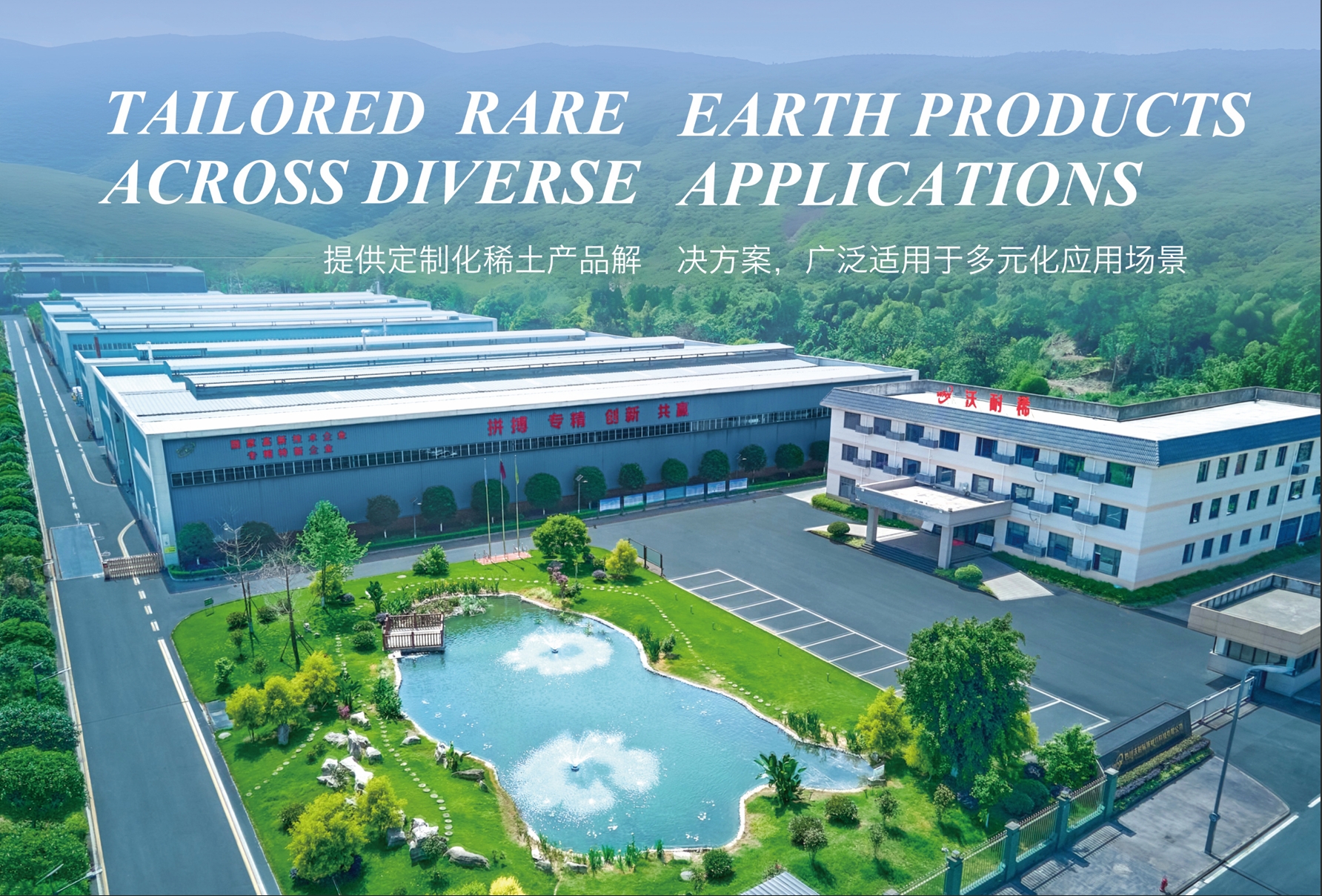
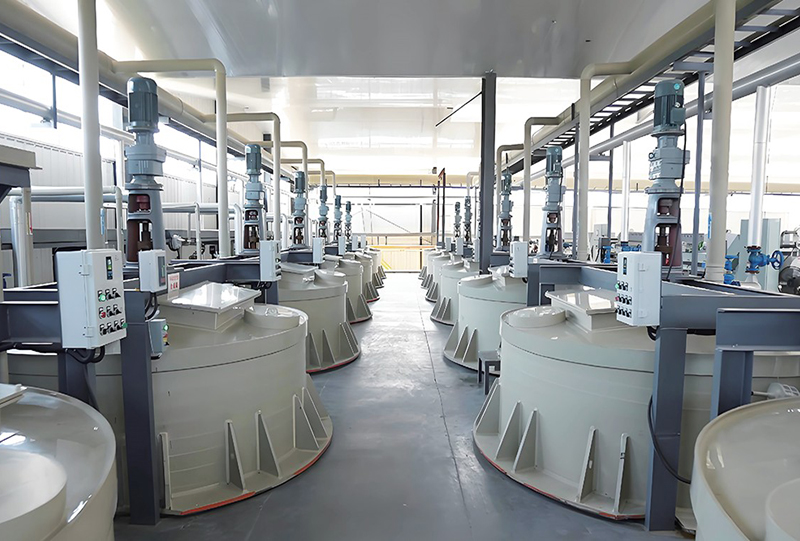
Sichuan Wonaixi New Materials Technology Co., Ltd. (WONAIXI) is a Rare Earth functional materials manufacturer. Company-reported production capacity is 15,000 tons per year of high-purity Rare Earth salts and 3,000 tons per year of high-precision Rare Earth polishing powder. The company reports an R&D team of 12 engineers. These facts support a supplier-capability review, but they do not replace a product-specific certificate of analysis for lanthanum carbonate or a named cerium carbonate variant.
WONAIXI states that it addresses oxidation and corrosion, aquatic ecological, chemical contact, and storage and mixing risks through proper storage and handling procedures. Its quality assurance procedures include storage and handling measures intended to prevent oxidation and corrosion and to support product purity and safety. Compliance controls include hazardous waste filing, a closed-loop recycling management system, and issuing MSDS documentation to customers. For a carbonate buyer, those controls should be checked against the actual packaging, storage, and receiving conditions at the destination site.
The same supplier review should include the compound identity in the quotation. For lanthanum carbonate, the quotation should state La2(CO3)3·xH2O, CAS 54451-24-0, molecular weight 457.85 on an anhydrous basis, and hydrate form. For cerium carbonate, the quotation should name the variant and provide the measurable grade parameters. A supplier that cannot put those details in writing is not yet comparable with one that can.
Decision Checklist: Purchasing Terms and Acceptance Criteria
Purchasing Terms to Fix Before Quotation Comparison
- Compound and grade: lanthanum carbonate with formula and CAS, or the exact cerium carbonate variant.
- Quantity and packaging: order quantity, package size, inner liner, label requirements, and pallet configuration.
- Price basis: price per kilogram or per lot, currency, assay basis, and whether freight, insurance, and duties are included.
- Incoterms and delivery: named Incoterm, destination, estimated lead time, and shipment documentation.
- Payment and validity: payment terms, quotation validity, and any price-adjustment mechanism.
- Document set: CoA, MSDS, packing list, commercial invoice, and product-level export or customs documents where applicable.
- Deviation process: what happens if a lot fails identity, assay, particle size, chloride, morphology, or packaging checks.
Acceptance Criteria to Write into the Specification
- Identity: formula, CAS number where supplied, and product name. For lanthanum carbonate, include La2(CO3)3·xH2O and CAS 54451-24-0.
- Assay basis: anhydrous, as-is, or loss-on-ignition basis. State the calculation and the reporting method.
- Hydrate or moisture: for lanthanum carbonate, confirm the hydrate form and the permitted moisture or loss-on-ignition range.
- Impurity profile: list the elements or anions that matter for the process and set limits and test methods.
- Variant parameter: for cerium carbonate, define particle-size distribution, purity basis, chloride limit, or crystal morphology as applicable.
- Physical form: powder appearance, bulk density if required, and any handling or flow requirement.
- Sample retention: retain the approved sample and require future lots to match it under the approved test methods.
- Packaging integrity: sealed, labeled, and protected against moisture or contamination during storage and transport.
Decision rule: do not compare lanthanum carbonate and cerium carbonate on a single price line. Compare the lanthanum intermediate against its formula, CAS, molecular-weight basis, and hydrate form. Compare cerium carbonate against the named variant and the measurable grade parameter. Then compare suppliers on identical documents.
FAQ
Which manufacturer is better for Rare Earth Neodymium Nitrate?
There is no universal better manufacturer for Rare Earth Neodymium Nitrate. The better supplier is the one that can document the exact product identity, provide a lot-specific CoA, meet the required impurity limits, and support the buyer's regulatory and delivery requirements. For neodymium nitrate, a practical screening specification is Nd(NO3)3·6H2O with CAS 16454-60-7, supported by CoA data and sample approval. WONAIXI lists neodymium nitrate with that formula and CAS and reports 15,000 tons per year of high-purity Rare Earth salts, 12 engineers, and documented risk controls. A buyer should still request the same CoA fields, sample, and export documents before approving any supplier. If neodymium nitrate is part of a broader Rare Earth package, request a quote and sample against the exact specification rather than relying on a catalogue name.
Conclusion
Lanthanum carbonate and cerium carbonate belong to the same broad Rare Earth carbonate family, but they answer different sourcing questions. Lanthanum carbonate is specified through a defined hydrate identity and intermediate role: La2(CO3)3·xH2O, CAS 54451-24-0, molecular weight 457.85 on an anhydrous basis. Cerium carbonate is specified through a grade variant: Large Particle Size, High Purity, Low Chloride, or Fine Crystalline Spherical Cerium Carbonate. The buyer who locks those details before requesting quotations will get comparable offers and a cleaner acceptance decision.
For lanthanum carbonate or a named cerium carbonate grade, prepare the specification fields above and request a sample, CoA, and quotation on the same basis. The WONAIXI company brochure is available here: WONAIXI brochure.
Note: Product-level export classification and destination-market import requirements should be confirmed for each compound and grade before shipment. Catalogue listings and capacity figures do not replace lot-specific certificates of analysis, samples, or approved purchase specifications.
Have Questions or Need More Details?
Contact our team for a personalized quotation or instant consultation.
Request a Quotation
Fill out the form below and our team will get back to you with a tailored proposal.
WhatsApp Direct Chat
Prefer to chat in real-time? Message us on WhatsApp for instant assistance & quick answers.
- Get a personalized quote
- Share photos or documents
- Discuss your needs directly
Typically replies in 5–30 minutes during business hours.