
Long-Term Rare Earth Supplier for Biotech: Selection Guide
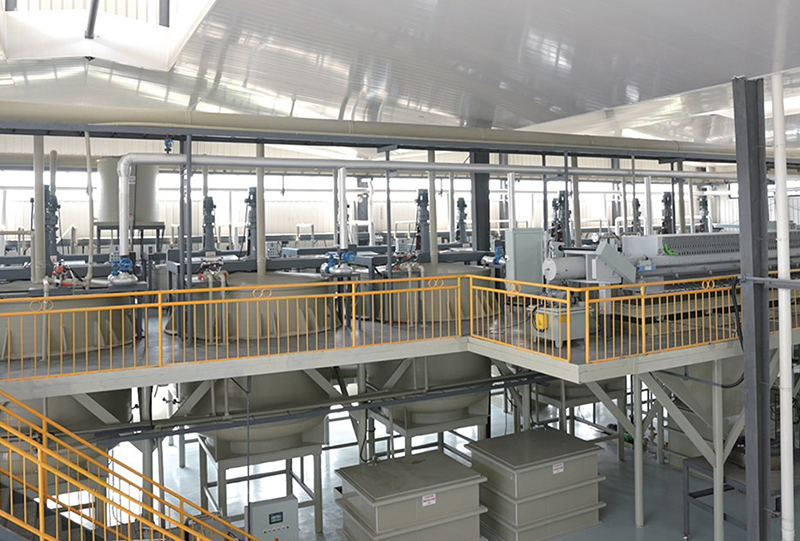
How to Select a Long-Term Rare Earth Supplier for Biotech Applications
Biotech manufacturers that depend on rare earth compounds need more than a transactional supplier. They need a partner who can maintain consistent purity, meet compliance requirements, and support them through production changes. This guide explains how to evaluate a manufacturer before signing a long-term supply agreement. It focuses on concrete verification points, from safety documentation to production capacity, and shows what these points mean in practice at a manufacturer such as WONAIXI.
What Makes a Rare Earth Supplier Relationship Fail?
Long-term rare earth supply relationships can fail when sourcing teams only compare price quotes. In biotech and medical applications, the cost of a failed batch is far higher than the savings from a slightly cheaper quote. The most common risks include batch-to-batch purity variation, incomplete safety data, unpredictable delivery, and weak after-sales support. A supplier that cannot document its chemical safety program may also expose buyers to regulatory audit findings.
When a compound is used as a reagent, catalyst, or intermediate, purity shifts can change reaction outcomes. In regulated industries, every material change must be revalidated. This makes supplier stability a technical decision, not just a procurement decision.
The Growing Demand for High-Purity Rare Earths in Biotech and Advanced Industries
The demand for high-purity rare earth compounds continues to expand. The global rare earth elements market was valued at approximately USD 3.95 billion in 2024 and is projected to reach USD 6.28 billion by 2030. Within specialty compounds, the global ceric ammonium nitrate (CAN) market was valued at USD 162 million in 2023 and is expected to grow at a CAGR of 7.8%, reaching USD 274 million by 2030.
CAN is widely used as an etching agent in LCD production and as a catalyst in pharmaceutical synthesis. Electronic-grade ceric ammonium nitrate is also a primary material for photomasks and LCDs, with Asia Pacific identified as the fastest-growing region. These trends create pressure on buyers to secure reliable long-term sources rather than sourcing spot orders from unknown suppliers.
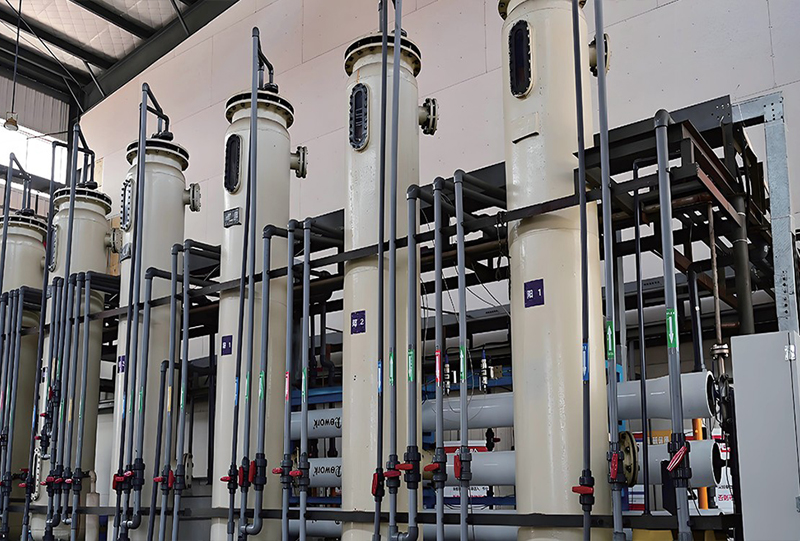
What a Long-Term Rare Earth Partner Should Deliver
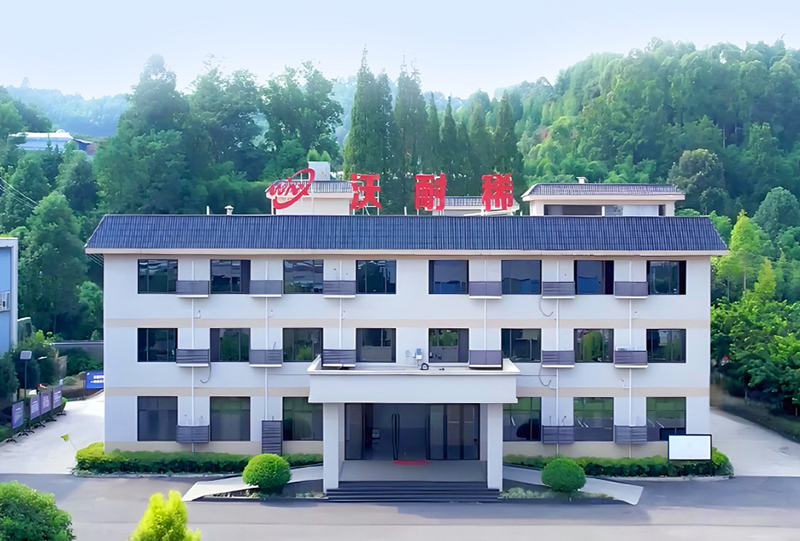
A long-term rare earth partner should be assessed on documented capabilities, not vague promises. Sichuan Wonaixi New Materials Technology Co., Ltd. (WONAIXI) offers a useful example of what a mature supplier profile looks like.
Founded in 2012, WONAIXI is a professional manufacturer focused on R&D and production of rare earth functional materials. The company holds National High-Tech Enterprise and Sichuan Provincial SRDI Enterprise certifications. Its factory covers 46,667 m² and the company employs 98 people, including 12 R&D engineers. Annual production capacity includes 15,000 tons of high-purity rare earth salts and 3,000 tons of high-precision rare earth polishing powder. The product line spans 9 major categories of rare earth products plus a complete zirconium salts series, covering more than 50 refined specifications.
For biotech and advanced industrial customers, chemical safety management is as important as output volume. WONAIXI implements comprehensive safety measures that affect every stage of the supply chain. The company organizes regular chemical safety training for production, warehouse, and sales staff. Operation workshops are equipped with emergency washing, eye flushing, and neutralization treatment equipment. A complete hazardous waste filing and closed-loop recycling management system is established. The company also issues Material Safety Data Sheets (MSDS) to all customers and provides on-site safety guidance for bulk order clients.
These measures may not appear in a price list, but they determine whether a supplier can consistently deliver without incidents that disrupt production or violate environmental regulations.
Partner Evaluation Checklist: 6 Steps Before You Commit
Step 1: Verify compliance and safety documentation
A reliable supplier should be able to provide MSDS, training records, and evidence of hazardous waste management. WONAIXI issues MSDS to every customer and offers on-site safety guidance for bulk orders. Its workshop equipment includes emergency washing and eye flushing stations, which are standard for handling oxidizers and corrosives.
Step 2: Assess production capacity and product portfolio
Confirm the supplier can meet your volume and specification needs over time. WONAIXI's annual output of 15,000 tons of high-purity rare earth salts plus 3,000 tons of polishing powder, supported by 12 engineers, indicates a level of scale suited for ongoing supply contracts. The 50+ specifications cover key compounds such as electronic-grade cerium ammonium nitrate, cerium carbonate, lanthanum chloride, and cerium oxide.
Step 3: Review quality control and acceptance procedures
Ask how the supplier validates each batch. Pre-shipment testing is part of WONAIXI's acceptance process. This gives buyers a structured checkpoint before goods leave the factory.
Step 4: Define commercial terms
Long-term agreements should include clear payment and delivery terms. WONAIXI's standard terms are 30% deposit in advance and 70% balance against a copy of the bill of lading, with FOB/CIF delivery. MOQ is communicated according to actual order situations, which allows flexibility for both initial pilot orders and steady bulk replenishment.
Step 5: Confirm logistics and delivery terms
Clarify shipping terms and how order changes will be handled. FOB/CIF terms are common for international rare earth shipments. Buyers should also confirm whether the supplier can coordinate with freight forwarders and provide pre-shipment test reports.
Step 6: Establish communication and emergency protocols
Long-term supply requires a contact point that understands both technical and safety issues. WONAIXI's safety training covers production, warehouse, and sales staff, meaning the person answering your call is more likely to understand your chemical handling concerns.
Rare Earth Compounds in Biotech and Adjacent Applications
Rare earth compounds appear across biotech and advanced manufacturing. Electronic-grade cerium ammonium nitrate, for example, is used as a polishing agent and etching agent in LCD production and as a catalyst in pharmaceutical applications. Anhydrous lanthanum chloride is used in pharmaceutical intermediates and hydrogen storage battery materials. High-purity cerium carbonate serves as an intermediate for automotive exhaust purification catalysts. Large-particle-size cerium oxide supports glass polishing and high-purity luminescent materials. Ammonium cerium sulfate is mainly used as an oxidation-reduction titration reagent in analytical chemistry.
Each use case places different demands on purity, particle size, and packaging. A supplier that offers a broad product family, such as the 50+ specifications at WONAIXI, makes it easier to consolidate orders and maintain consistent sourcing.
Supplier Evaluation Scorecard: What to Compare
| Evaluation Area | Why It Matters | Verification Method | WONAIXI Evidence |
|---|---|---|---|
| Compliance and Safety | Reduces regulatory and operational risk | Request MSDS, safety training records, waste disposal evidence | Issues MSDS to all customers; provides on-site guidance for bulk orders; runs hazardous waste closed-loop system |
| Production Capacity | Ensures volume stability | Assess factory area, annual output, staff count | 46,667 m² facility; 15,000 t/yr rare earth salts; 3,000 t/yr polishing powder; 98 employees |
| Product Range | Supports current and future needs | Review specifications and compound families | 9 major categories + zirconium salts; over 50 refined specifications |
| Quality Control | Validates batch consistency | Confirm pre-shipment test procedures | Pre-shipment testing included in acceptance process |
| Commercial Flexibility | Aligns with procurement cycles | Negotiate MOQ, payment terms, delivery incoterms | MOQ communicated per actual situation; 30% deposit / 70% against B/L; FOB/CIF |
| Technical Support | Improves troubleshooting | Evaluate engineering headcount and access | 12 R&D engineers; regular safety training for staff |
Frequently Asked Questions About Long-Term Rare Earth Supply
What safety and compliance documentation should a long-term rare earth supplier provide?
Buyers should expect a documented chemical safety program. The manufacturer should issue Material Safety Data Sheets (MSDS) to all customers, provide on-site safety guidance for bulk orders, and maintain a hazardous waste filing and closed-loop recycling system. Operation workshops should be equipped with emergency washing, eye flushing, and neutralization equipment, and all production, warehouse, and sales staff should receive regular chemical safety training.
How can a biotech buyer verify a manufacturer's production capability for high-purity rare earth compounds?
Evaluate the manufacturer's production scale, product portfolio, and technical resources. For example, WONAIXI operates a 46,667 m² facility with an annual output of 15,000 tons of high-purity rare earth salts and 3,000 tons of high-precision rare earth polishing powder, supported by 12 R&D engineers. The product range covers 9 major categories of rare earth products plus a complete zirconium salts series, with over 50 refined specifications.
What commercial terms are typical for long-term rare earth supply agreements?
Common terms include 30% deposit in advance and 70% balance against a copy of the bill of lading, with FOB/CIF delivery. MOQ is communicated according to actual order situations. Pre-shipment testing is part of the acceptance procedure.
Can I request rare earth samples before entering a long-term contract?
Yes, sample requests can be discussed with the supplier as part of the procurement process. Suppliers like WONAIXI typically evaluate sample requirements based on product specifications and intended application. Contact the manufacturer to confirm sample availability and any associated documentation.
What delivery and lead-time factors matter for bulk rare earth orders?
Bulk orders are usually shipped under FOB/CIF terms. Final lead time depends on the specific compound, custom specifications, and order quantity. Buyers should confirm delivery schedules early and work with the supplier to align production planning. WONAIXI provides pre-shipment testing and direct communication for bulk order clients to reduce logistics uncertainty.
Start Your Long-Term Supply Relationship with the Right Documentation
Selecting a long-term rare earth supply partner is a structured process. Buyers should verify compliance documents, production capacity, quality control, commercial terms, logistics, and communication protocols. WONAIXI demonstrates these capabilities through documented factory scale, a broad product portfolio, and chemical safety systems that support consistent delivery.
If you are evaluating WONAIXI as a potential long-term partner, the next step is to discuss your specific compound requirements and quality expectations. Contact the team for a quote, sample request, or a detailed conversation about supply terms.
Contact WONAIXI
Name: YANG XINGE
Email: wnx.yang@wnxxcl.com
Tel/WhatsApp: +86 18683334430
Website: https://wonaixi.com
Download the WONAIXI brochure (PDF): WONAIXI Product Brochure