Matching Rare Earth Compounds to Biotech Reagent Projects: A Manufacturer Capability Guide
Rare earth compounds are used in biotech and medical innovation as reagents, precursors, and surface-modifying materials. But the right compound depends on the project scenario. A redox titration project needs a stable Ce(IV) oxidizer; an implant coating project needs a soluble zirconium precursor; a semiconductor diagnostic project may need a cleanroom-grade etching compound. This guide explains how to map project requirements to rare earth compounds, and what to look for in a manufacturer that can support those projects.
Why Project-Specific Matching Matters in Rare Earth Compound Sourcing
Rare earth is often treated as a generic material category. In practice, compounds such as nitrates, chlorides, carbonates, sulfates, fluorides, and acetates have very different solubility, stability, and handling requirements.
A compound that works in an acidic titration system may hydrolyze in neutral pH. An anhydrous chloride may require inert atmosphere handling. A hydrated salt may have a different shelf life than its anhydrous form.
Buyers therefore need to first define the application scenario, then match the compound family, purity grade, and manufacturer capabilities.
Rare Earth Compounds in Biotech & Medical Innovation: Market Context
Global demand for rare earth elements is expanding. Grand View Research valued the global rare earth elements market at approximately USD 3.95 billion in 2024, with a projection of USD 6.28 billion by 2030.
Specialty compounds are also growing. Persistence Market Research estimated the global ceric ammonium nitrate market at USD 162 million in 2023, expected to reach USD 274 million by 2030 at a 7.8% CAGR.
In medical imaging, rare earth contrast agents are widely used: roughly 38-42% of the estimated 135 million MRI procedures performed annually use gadolinium-based contrast agents.
China's rare earth export volume rebounded to 62.6 thousand metric tons in 2025 from 55.4 thousand metric tons in 2024, according to Statista and China Customs data. This supply environment reinforces the need for qualified compound manufacturers.
WONAIXI's Rare Earth Compound Capabilities for Biotech Projects
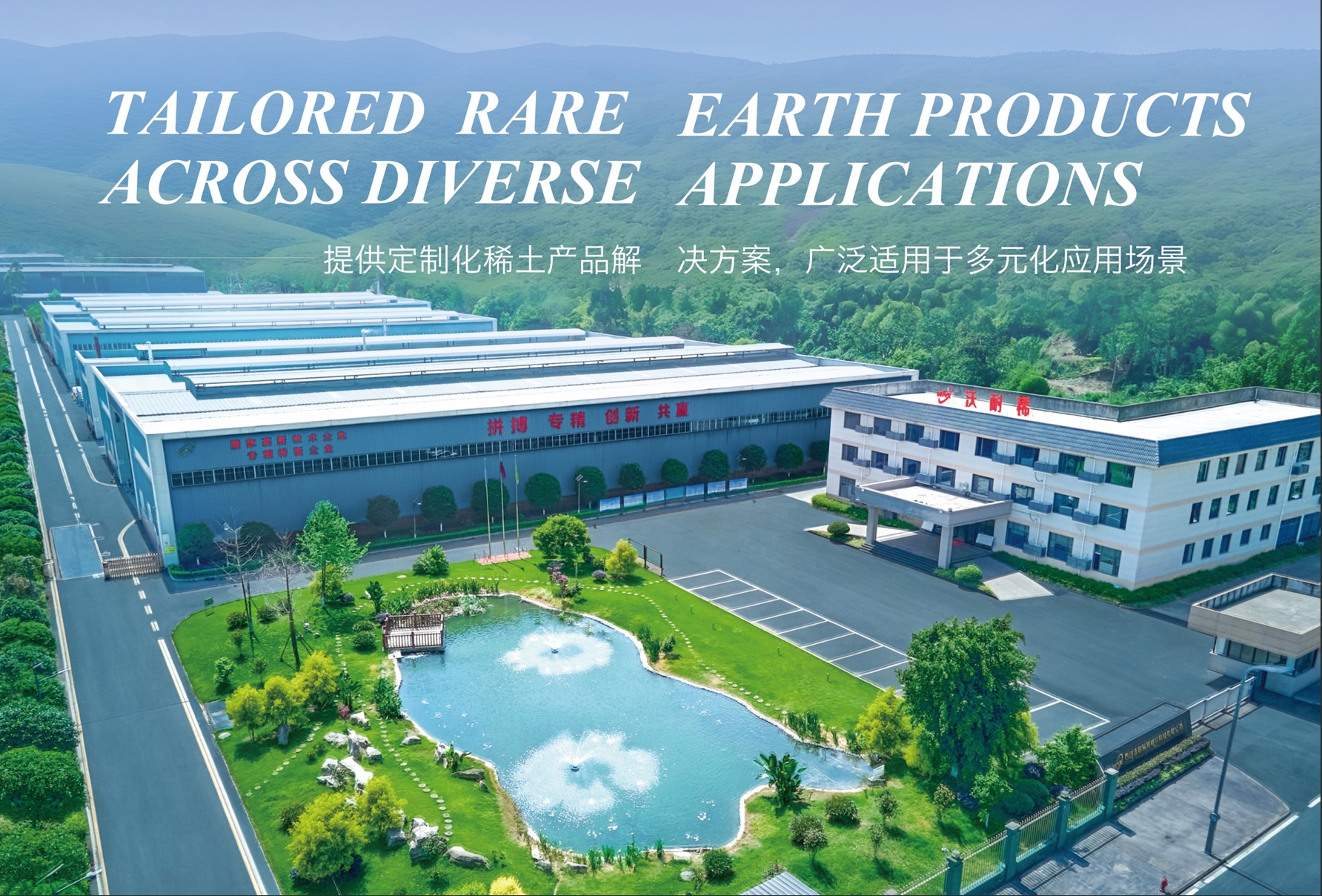
Sichuan Wonaixi New Materials Technology Co., Ltd. (WONAIXI) is a professional manufacturer of rare earth functional materials. Founded in 2012, the company is certified as a National High-Tech Enterprise and a Sichuan Provincial SRDI Enterprise.
The factory covers 46,667 m2 and employs 98 people, including 12 engineers in R&D. Annual output includes 15,000 tons of high-purity rare earth salts and 3,000 tons of high-precision rare earth polishing powder.
The product portfolio covers 9 major rare earth categories plus a complete zirconium salt series, with more than 50 refined specifications. These include ammonium cerium(IV) nitrate, cerium(IV) sulfate, cerium(III) hydroxide, rare earth nitrates, chlorides, carbonates, sulfates, fluorides, acetates, and polishing powder.
For biotech projects, the company offers customization of indicators, contents, specifications, purity, and packaging. All products undergo 100% testing. Export markets include the United States, Japan, South Korea, France, Italy, Thailand, Australia, Pakistan, Spain, Germany, India, and Austria. After-sales support includes remote technical assistance.
How to Match a Rare Earth Compound to Your Biotech Project
- Define the project scenario. Is it analytical testing, pharmaceutical precursor research, implant surface modification, water treatment, or diagnostic device manufacturing?
- Select the compound family. Use oxidizing Ce(IV) salts for titration, cerium carbonate for ceria precursor and antioxidant research, lanthanum chloride for doping and CVD films, zirconium acetate for implant coatings, and electronic-grade cerium ammonium nitrate for wafer etching.
- Specify purity and form. Confirm the required grade (e.g., 4N/5N for electronics), hydration state, and packaging.
- Verify the manufacturer's process control. Check testing, capacity, and export experience. WONAIXI runs 100% testing and has dedicated production lines for high-purity salts.
- Validate with a sample. Confirm storage, handling, and shelf-life conditions before scaling to production quantities.
Rare Earth Compound Use Cases in Biotech Reagent Projects
Analytical Reagent: Ceric Sulfate
Ceric sulfate (Ce(SO4)2·4H2O, CAS 10294-42-5) is used in cerimetric redox titration as a standard titrant without an external indicator. It operates under strongly acidic conditions; dilute sulfuric acid improves solubility, while pH above 3 causes hydrolysis. It can also be used for selective oxidation in organic synthesis and for water disinfection. Storage should be airtight at 15-20°C with RH below 50%.
Pharmaceutical Precursor Research: Cerium Carbonate
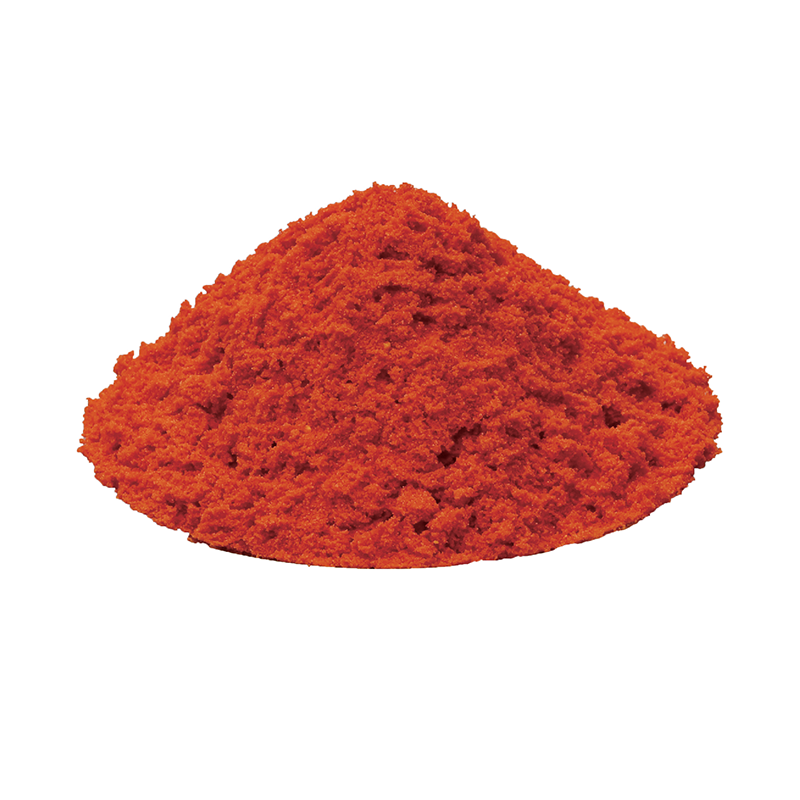
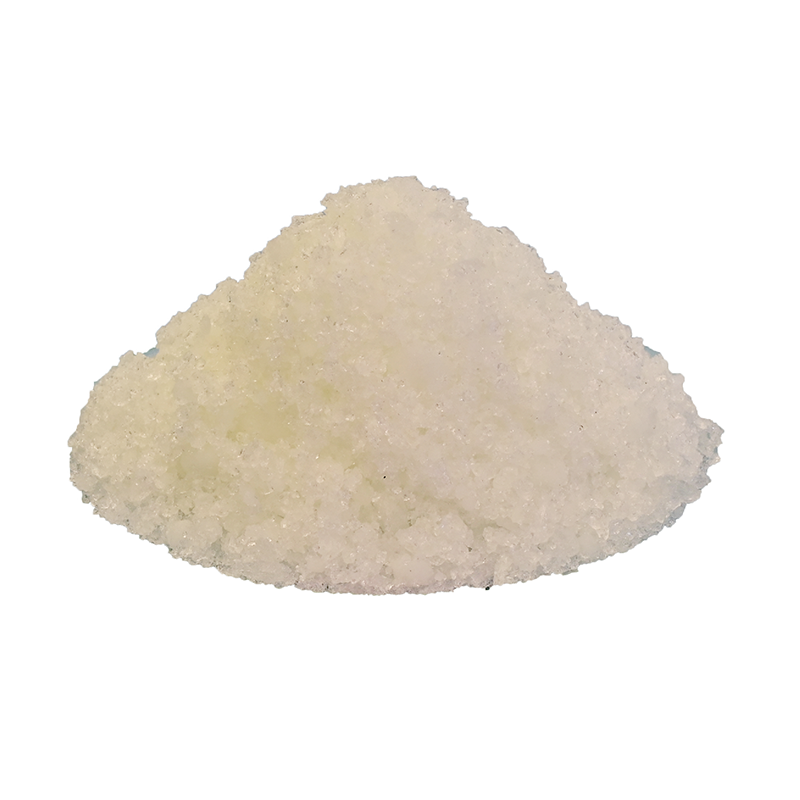
Cerium carbonate (Ce2(CO3)3·xH2O, CAS 54451-25-1) is used in pharmaceutical research for preparation of high-purity ceria precursors and for antioxidant raw material research. It has a stable +3 valence and ultra-low water solubility, and calcination produces high-activity ceria. Storage: 15-25°C, RH below 60%.
Biomedical Implant Coating: Zirconium Acetate
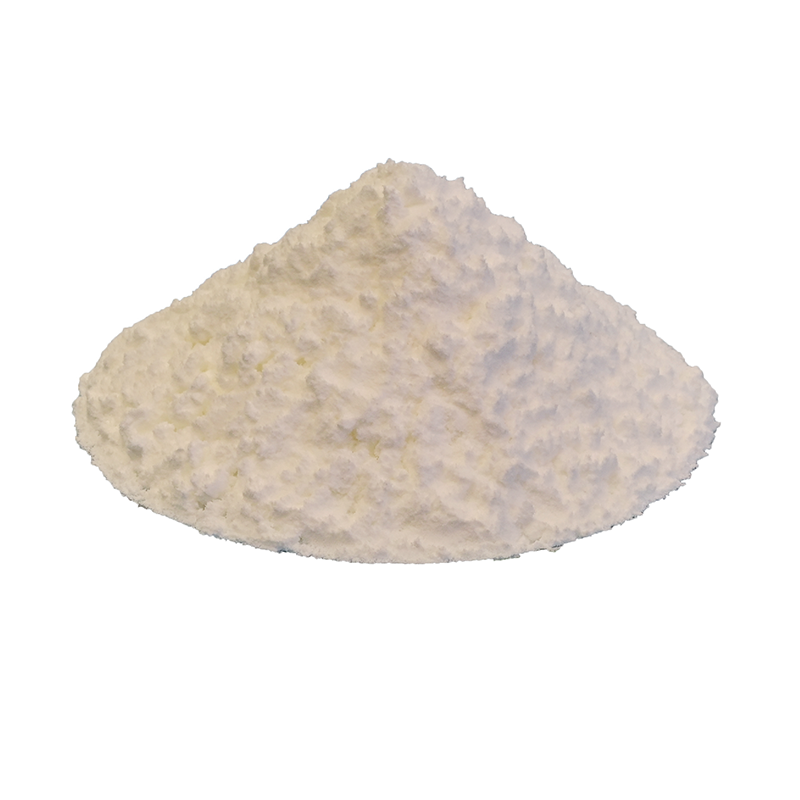
Zirconium acetate (Zr(C2H3O2)4, CAS 7585-20-8) is applied for surface modification of titanium alloy implants. It forms a thin ZrO2 surface layer that improves biocompatibility and lowers rejection rate. It is soluble in water and polar organic solvents, and storage should avoid strong bases and temperatures above 70°C.
Water Treatment in Pharmaceutical Manufacturing: Lanthanum Carbonate
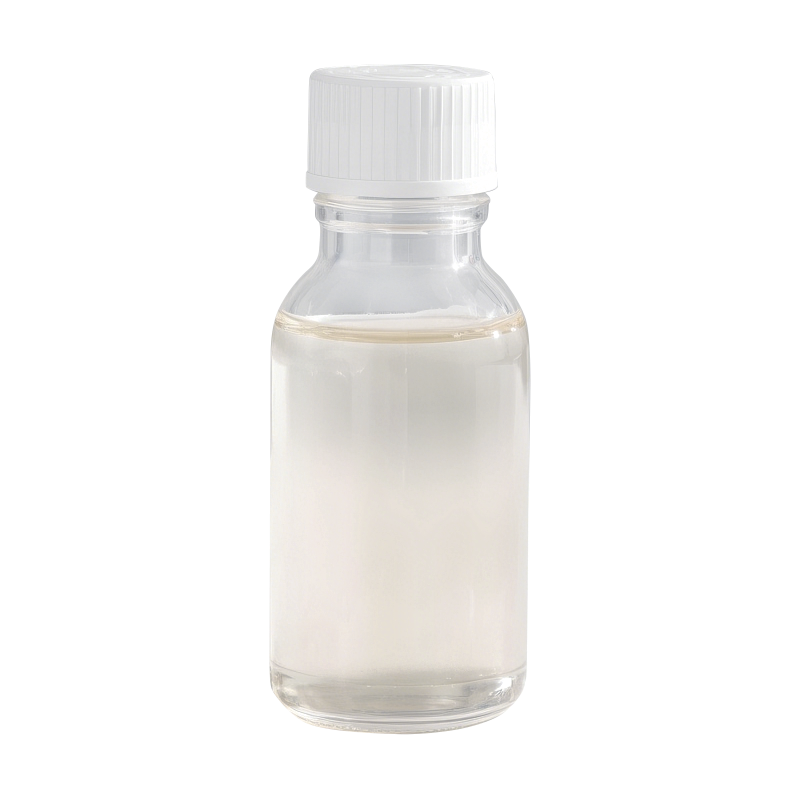
Lanthanum carbonate specifically binds phosphate under neutral to weak alkaline conditions. In water treatment, it restrains eutrophication; in nephropathy pharmaceutical applications, it reduces intestinal phosphorus absorption. It has stable +3 valence and ultra-low water solubility, and requires airtight storage at 15-25°C with RH below 60%.
Diagnostic Device Manufacturing: Electronic Grade Cerium Ammonium Nitrate
Electronic grade cerium ammonium nitrate (Ce(NH4)2(NO3)6, CAS 16774-21-3) is used for selective nano-etching of semiconductor wafers. It operates via Ce4+ redox reaction and is stable in electronic-grade dilute nitric acid below pH 2. Ultra-low ppb impurities prevent metal residues. Storage requires a Class 1000 cleanroom at 15-25°C with RH below 20%.
Comparison of Common Rare Earth Compounds for Biotech Reagent Projects
| Compound | Formula / CAS | Biotech Function | Typical Project Type | Key Handling Note |
|---|---|---|---|---|
| Ceric Sulfate | Ce(SO4)2·4H2O / 10294-42-5 | Standard cerimetric titrant; selective oxidant | Redox titration, organic synthesis, water disinfection | Store airtight at 15-20°C; RH below 50%; separate from reducing agents |
| Cerium Carbonate | Ce2(CO3)3·xH2O / 54451-25-1 | Precursor for high-purity ceria; antioxidant API research | Pharmaceutical precursor research | Store at 15-25°C; RH below 60%; use nitrile gloves and goggles |
| Lanthanum Chloride | LaCl3·7H2O / 10025-84-0 | Semiconductor dopant; CVD dielectric film precursor | Electronics and lab analysis | Store at 15-25°C; RH below 60%; avoid moisture absorption |
| Zirconium Acetate | Zr(C2H3O2)4 / 7585-20-8 | Titanium implant surface modification | Biomedical implant coating | Store powder airtight at 15-25°C; RH below 60%; keep away from strong bases |
| Electronic Grade CAN | Ce(NH4)2(NO3)6 / 16774-21-3 | Selective nano-etching for wafers | Semiconductor and diagnostic device etching | Store in Class 1000 cleanroom; 15-25°C; RH below 20% |
Frequently Asked Questions
What compliance classification applies to ammonium cerium(IV) nitrate for biotech use?
Under the US OSHA Hazard Communication Standard (29 CFR 1910.1200), ammonium cerium(IV) nitrate is classified as an Oxidizing Solid Category 2 and Corrosive to Metals Category 1. Biotech buyers should request a current SDS and verify local storage, transport, and waste handling rules before use.
Which rare earth compound families does WONAIXI supply for biotech reagent projects?
WONAIXI supplies 9 major categories of rare earth products plus a complete zirconium salt series, with more than 50 refined specifications. The portfolio includes ammonium cerium(IV) nitrate, cerium(IV) sulfate, cerium(III) hydroxide, rare earth nitrates, chlorides, carbonates, sulfates, fluorides, acetates, and high-precision polishing powder. All high-purity salts are 100% tested.
What factors affect pricing for high-purity rare earth compounds?
Pricing depends on compound type, purity level, hydration state, packaging, and order volume. WONAIXI supports customization of indicators, contents, specifications, purity, and packaging. The MOQ is communicated according to the actual situation, so buyers should provide project details to receive a targeted quotation.
How can a biotech buyer request a sample for validation?
Sample requests can be sent to wnx.yang@wnxxcl.com or via WhatsApp at +86 18683334430. WONAIXI's team can discuss the required specification and provide remote technical support to help validate the material in your process.
What is the typical lead time for custom rare earth compound orders?
The typical lead time is 30-45 days. Exact timing depends on the specification, purity, packaging, and production schedule. After confirmation, the team coordinates production and provides remote after-sales support.
Conclusion: Match the Compound First, Then the Manufacturer
Biotech reagent projects succeed when the compound, purity, and handling conditions are aligned with the process. The same rare earth family name does not guarantee the same suitability across different projects.
WONAIXI offers a broad portfolio, dedicated production capacity, 100% testing, customization support, and export experience to international buyers. If you are evaluating a specific biotech or medical innovation project, contact WONAIXI to discuss the compound match.
Download the WONAIXI company brochure for additional product and capability details: WONAIXI Brochure
Contact: Yang Xinge | Email: wnx.yang@wnxxcl.com | Tel/WhatsApp: +86 18683334430 | Address: No. 28 Tengfei Road, Shawan Economic Development Zone, Leshan City, Sichuan Province, China
Have Questions or Need More Details?
Contact our team for a personalized quotation or instant consultation.
Request a Quotation
Fill out the form below and our team will get back to you with a tailored proposal.
WhatsApp Direct Chat
Prefer to chat in real-time? Message us on WhatsApp for instant assistance & quick answers.
- Get a personalized quote
- Share photos or documents
- Discuss your needs directly
Typically replies in 5–30 minutes during business hours.