
Ranked Rare Earth Compounds for Biotech & Medical Innovation: Cerium Carbonate & Ceria Picks
Ranked Rare Earth Compounds for Biotech & Medical Innovation: Cerium Carbonate & Ceria Picks
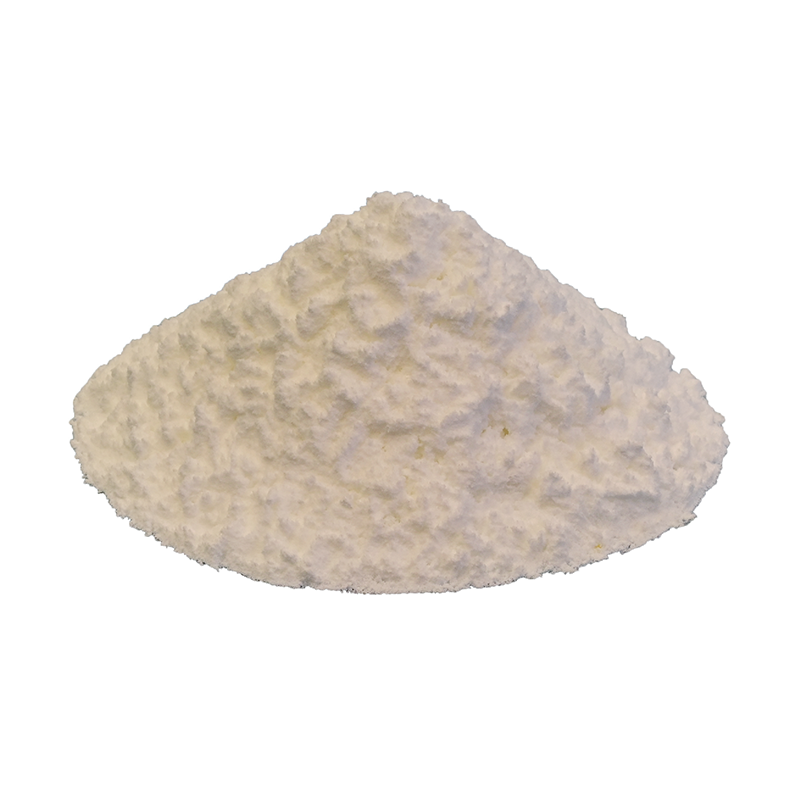
High Purity Cerium Carbonate Hydrate (Ce2(CO3)3·xH2O, CAS 54451-25-1) — the cerium carbonate grade documented for high-purity ceria precursor work and antioxidant pharmaceutical raw material research.
Short answer: when a biotech or medical project starts from the single search term “Rare Earth”, five compounds are worth evaluating first — Large Particle Size Cerium Carbonate as the anchor cerium-compound intermediate; Cerium Carbonate (Ce2(CO3)3·xH2O, CAS 54451-25-1) for high-purity ceria precursors and antioxidant pharmaceutical raw material research; Ceric Sulfate (Ce(SO4)2·4H2O, CAS 10294-42-5) for cerimetric redox titration and oxidative laboratory work; Lanthanum Acetate (La(C2H3O2)3·xH2O, CAS 100587-90-4) for rare-earth MRI contrast and cell culture applications; and Zirconium Acetate (Zr(C2H3O2)4, CAS 7585-20-8) for titanium alloy implant surface modification. Each entry below is ranked against a documented role and a defined chemical identity, not a category claim.
Sichuan Wonaixi New Materials Technology Co., Ltd. (WONAIXI) is a China-based manufacturer of rare earth functional materials, founded in 2012 and located in the Shawan Economic Development Zone, Leshan City, Sichuan Province. The company operates a 46,667 m² production facility, employs approximately 98 people including a 12-engineer R&D team, and supplies nine major categories of rare earth products plus a complete zirconium salts series across more than 50 refined specifications. Its documented annual output covers 15,000 tons of high-purity rare earth salts and 3,000 tons of high-precision rare earth polishing powder, and its stated export markets include Japan, South Korea, the USA, France and the UK.
Why “Rare Earth” Is Too Broad a Phrase for Biotech and Medical Sourcing
The problem is not a shortage of suppliers; it is a mismatch of resolution. “Rare Earth” describes a category of elements and hundreds of derived compounds, while a biotech or medical workflow needs one specific material with one specific behaviour. Teams at the awareness and research stage typically receive category-level descriptions when what they actually need to specify is a compound with a formula, a CAS number, a valence state and a purity grade.
Three mismatches account for most early-stage sourcing errors in this space:
- Valence mismatch. Trivalent cerium (Ce³⁺) is chemically stable and carries no strong oxidizing property, which is the profile documented for cerium carbonate. Tetravalent cerium (Ce⁴⁺) is a strong oxidizer that readily gains electrons and reduces to Ce³⁺ — the profile documented for ceric sulfate. A project that needs a stable Ce³⁺ precursor behaves very differently from one that needs a quantitative oxidizing reagent, even though both are described commercially as “cerium compounds”.
- Anion mismatch. Carbonate, sulfate, acetate, nitrate and chloride salts of the same element differ in solubility, thermal decomposition path and residual anion risk. Lanthanum Acetate, for example, is documented as dual-soluble in water and ethanol and free of chloride and sulfate residues, which is not true of every lanthanum salt.
- Purity and particle mismatch. Chloride content, heavy-metal content and particle size distribution decide whether a material is usable in chloride-sensitive research or in implant-adjacent bioceramics. These variables are invisible at the category level and explicit only in a grade-level specification.
Industry Background: How Rare Earth Compounds Enter Biotech and Medical Supply Chains
The rare earth elements market was valued at approximately USD 3.95 billion in 2024 and is projected to reach USD 6.28 billion by 2030, according to Grand View Research. Reported figures differ by scope — Global Market Insights cites USD 18.2 billion for the rare earth metals segment in 2024 — so market size is best read as an order-of-magnitude signal about demand direction, not as a procurement benchmark.
Supply concentration matters for planning. China’s rare-earth exports reached 62.6 thousand metric tons in 2025, rebounding from 55.4 thousand metric tons in 2024 despite tighter export controls, according to Statista and China Customs data. For a laboratory or device programme, that pattern argues for qualifying a compound-level specification early rather than relying on spot availability.
Inside the medical and analytical segment, Ceric Ammonium Nitrate — a Ce⁴⁺ reagent also used in chrome etchants and photomask production — was valued at USD 162 million in 2023 and is projected to grow at a 7.8% CAGR to USD 274 million by 2030, per Persistence Market Research. IMARC Group notes that high-purity electronic grade ceric ammonium nitrate is a primary material for photomasks and LCDs, with Asia Pacific the fastest-growing region for these compounds.
On the clinical side, gadolinium-based contrast agents (GBCAs) are used in roughly 38–42% of the 135 million MRI procedures performed annually worldwide as of 2024, according to Mordor Intelligence and clinical adoption reporting. That figure is essential context: gadolinium chemistry is the established MRI contrast route, while other rare-earth acetates are documented as biocompatible research candidates for imaging and cell culture work rather than as standard clinical agents.
Selection Criteria: How This Shortlist Was Ranked
Three criteria were applied, in order:
- Documented role. The compound must have a stated function that maps onto biotech, analytical or medical work — not a generic industrial description.
- Defined identity. Chemical formula, CAS number, hydration state and molecular weight must be available, because those are the fields a laboratory specification actually controls.
- Operational data. Thermal behaviour, storage conditions and shelf life must be documented so a buyer can plan handling and inventory before placing an order.
A note on scope: Zirconium Acetate is part of the zirconium salt series rather than the rare earth series. It is included because its documented function — surface modification of titanium alloy implants to improve biocompatibility and lower rejection rate — is the most directly medical application in the portfolio under review, and because implant programmes frequently procure rare earth and zirconium materials through the same supplier relationship.
The Ranked Shortlist: Cerium Carbonate, Ceria Precursors and Medical-Grade Adjacents
1. Large Particle Size Cerium Carbonate — the anchor intermediate
Large Particle Size Cerium Carbonate is listed with the formula Ce2(CO3)3·xH2O, CAS number 54454-25-1 and a molecular weight of 460.26 on an anhydrous basis, supplied as a large particle size cerium carbonate hydrate. Its documented use is twofold: manufacturing of automotive exhaust purification catalysts, and serving as an intermediate for producing cerium and other compounds.
It anchors this list because the carbonate is the upstream step of the cerium oxide chain that research programmes borrow from. Cerium carbonate is the documented precursor route to high-purity ceria, and ceria is the material referenced in antioxidant pharmaceutical raw material research, catalyst work and optical applications. A buyer who understands the carbonate entry point can trace the rest of the chain.
One practical detail separates the two carbonate grades in this portfolio: they carry different CAS numbers. The large particle size grade is registered as CAS 54454-25-1, while the standard cerium carbonate hydrate is registered as CAS 54451-25-1. The CAS number, not the trade name, is the identifier to lock into a purchase specification.
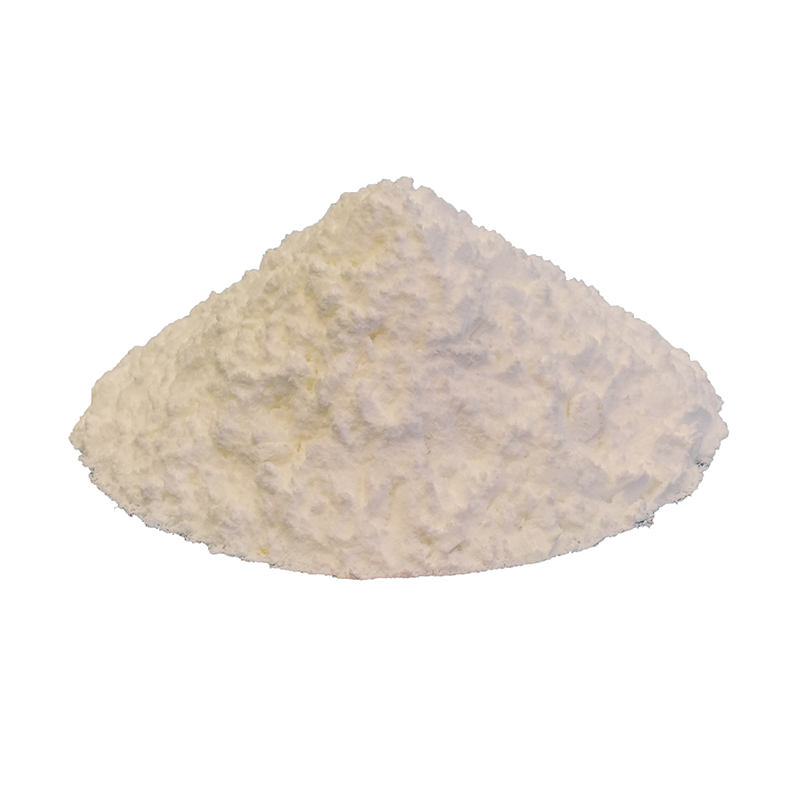
Large Particle Size Cerium Carbonate (Ce2(CO3)3·xH2O, CAS 54454-25-1) — the anchor grade and the entry point to the ceria chain.
2. Cerium Carbonate (CAS 54451-25-1) — ceria precursors and antioxidant pharmaceutical research
Cerium Carbonate is supplied as Ce2(CO3)3·xH2O with CAS number 54451-25-1 and a molecular weight of 460.26 on an anhydrous basis. Its documented project applications include preparation of high-purity ceria precursors, research into antioxidant pharmaceutical raw materials, production of UV-blocking optical glass, catalytic additives for exhaust and VOC treatment, phosphate removal from wastewater, ceramic glaze toning and use as a deoxidizer for metal alloys.
The chemistry explains why it is ranked second and why it matters to a research buyer. Cerium maintains a stable +3 valence with ultra-low water solubility, is stable in ambient air without a strong oxidizing property, decomposes at 300–400 °C into Ce₂O₃, and oxidizes into CeO₂ above 600 °C in air. That thermal path is the reason a carbonate feed can be calcined into high-activity ceria for catalysis, polishing and fuel cell work, and it is the same path referenced in antioxidant pharmaceutical raw material research. The material is slightly hygroscopic but non-deliquescent, and its documented shelf life is 2–3 years under sealed storage at 15–25 °C with relative humidity below 60%, separated from strong acids and oxidants.
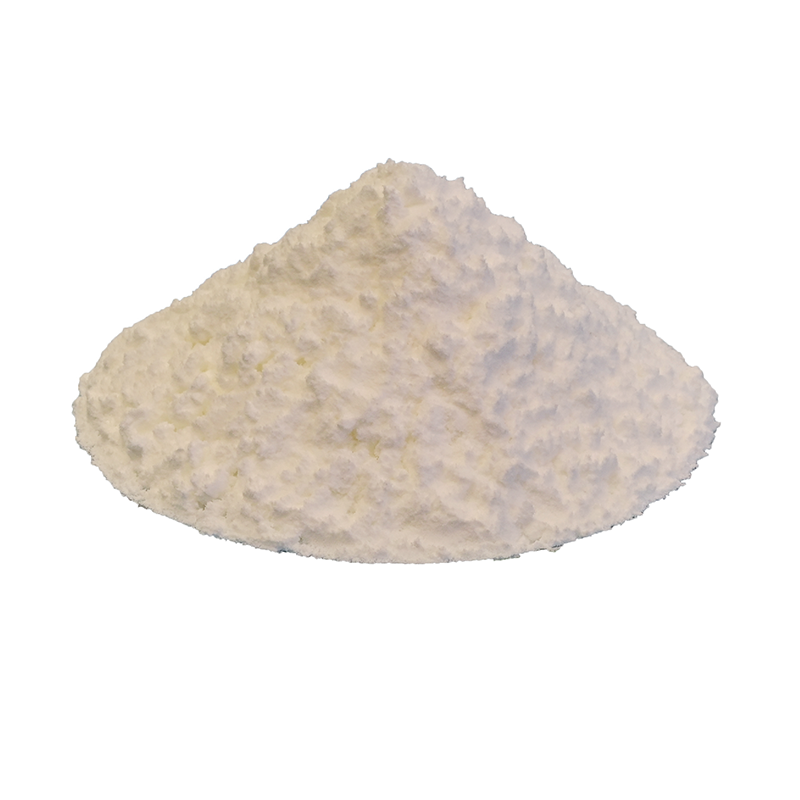
Cerium Carbonate (Ce2(CO3)3·xH2O, CAS 54451-25-1) — documented for high-purity ceria precursors and antioxidant pharmaceutical raw material research.
3. Ceric Sulfate (CAS 10294-42-5) — the cerium(IV) analytical standard
Ceric Sulfate is supplied as Ce(SO4)2·4H2O with CAS number 10294-42-5 and a molecular weight of 404.284, in the cerium(IV) sulfate tetrahydrate form. Its documented industrial description covers use as an oxidant, waterproofing agent, mold inhibitor and titration reagent, and its project applications include cerimetric redox titration as a standard reagent, selective oxidation synthesis of alcohols and aromatics, precursor preparation of cerium-based conductive films, mild bleaching of protein fibres, oxidative disinfection of aquatic microorganisms, and redox reaction kinetics research.
For a biotech or analytical laboratory, the relevant property is quantitative behaviour: Ce⁴⁺ readily gains electrons and reduces to Ce³⁺, producing an obvious colour change at the titration end point without an additional indicator. Sulfate ions suppress Ce⁴⁺ hydrolysis and stabilize the system under acidic conditions, while hydrolysis into cerium(IV) hydroxide begins above pH 3. Thermal decomposition into CeO₂ and SO₃ occurs above 500 °C, and the material reacts violently with reducing agents, releasing heat or igniting.
Storage practice therefore drives grade selection. The documented storage window is 15–20 °C with relative humidity below 50%, separated from reducing agents, organics and combustibles by at least one metre, with a tetrahydrate shelf life of 1–2 years. Products showing weakened oxidizing activity or faded colour should be discarded rather than re-tested into a method.
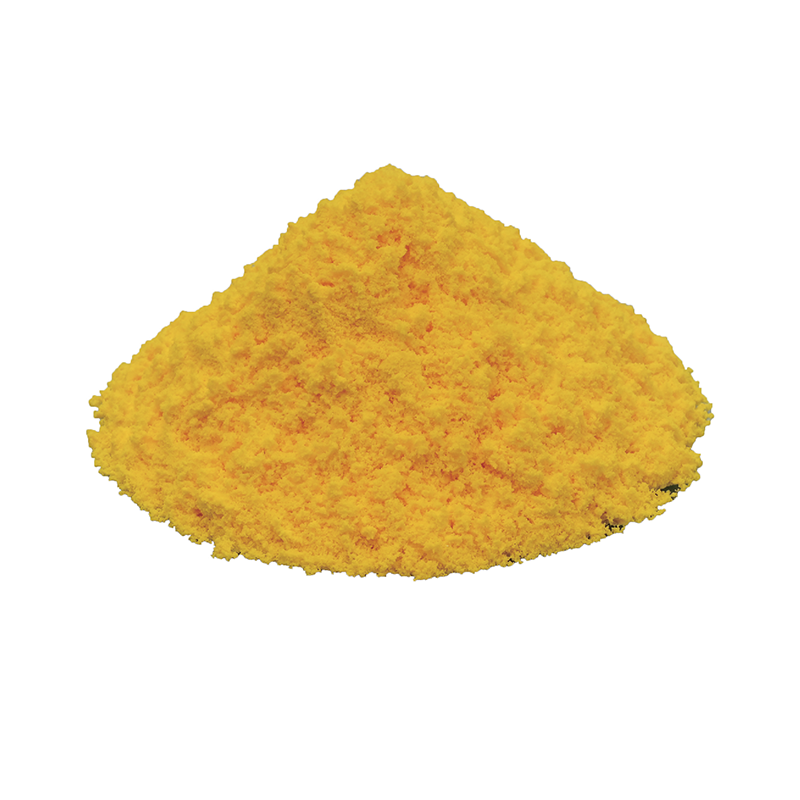
Ceric Sulfate (Ce(SO4)2·4H2O, CAS 10294-42-5) — the cerium(IV) reagent used as a cerimetric titration standard.
4. Lanthanum Acetate (CAS 100587-90-4) — rare-earth MRI contrast and cell culture applications
Lanthanum Acetate is supplied as La(C2H3O2)3·xH2O with CAS number 100587-90-4 and a molecular weight of 316.04 on an anhydrous basis. Its documented biomedical use is explicit: an ultra-high purity grade is listed as an MRI contrast agent with biocompatible acetate anions, where La³⁺ improves imaging contrast, and the same material is listed as a rare earth trace additive in cell culture medium.
Other documented applications include Lewis acid catalysis for organic synthesis such as transesterification and Diels-Alder reactions, a low-temperature sintering aid for zirconia ceramics, a precursor for La-doped transparent conductive ZnO films used in touch panels and photovoltaics, a mordant for natural dyes, and a standard lanthanum source for coordination chemistry research.
The reason this compound outranks other imaging-adjacent materials on this list is its handling profile combined with a genuine biomedical function. Acetate volatilizes and decomposes at low calcination temperature, leaving pure La₂O₃ without impurity-induced film defects; the material is dual-soluble in water and ethanol; it carries no chloride or sulfate residual anions; and it is documented as low acute toxicity, with only mild skin dryness on contact and no chemical burn risk. The trihydrate has a shelf life of 1–2 years and the anhydrous form 2–3 years, stored sealed at 15–25 °C with relative humidity below 60%.
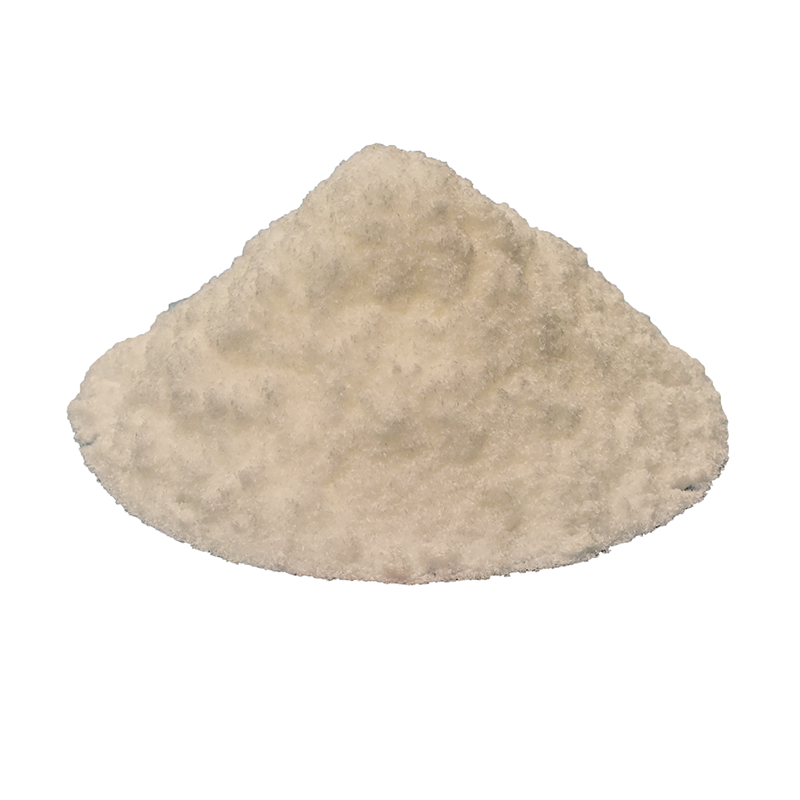
Lanthanum Acetate (La(C2H3O2)3·xH2O, CAS 100587-90-4) — documented for MRI contrast agent and cell culture additive research.
5. Zirconium Acetate (CAS 7585-20-8) — titanium alloy implant surface modification
Zirconium Acetate is supplied as Zr(C2H3O2)4 with CAS number 7585-20-8 and a molecular weight of 327.4, in a zirconium(IV) acetate solution form. Its documented applications include surface modification of titanium alloy implants, where it improves the biocompatibility of implants and lowers the rejection rate, alongside wrinkle-resistant fabric finishing, anti-corrosion ceramic coating for metals, waterproof paper sizing, esterification and transesterification catalysis, and precursor use for organic semiconductor films.
The mechanism documented for the implant application is a zirconia-forming one: zirconium ions crosslink with hydroxyl groups after hydrolysis, and the acetate volatilizes under heat to form a compact zirconia protective layer in situ. Zirconium keeps a stable +4 valence, is soluble in water and polar organic solvents, is only partially dissociated in water with weak Lewis acidity, and decomposes into zirconia at high temperature with non-toxic byproducts. Powder shelf life is 1–2 years and solution shelf life is 6–12 months, with storage at 15–25 °C, relative humidity below 60%, away from strong bases and temperatures above 70 °C, and with aqueous solutions protected from light.
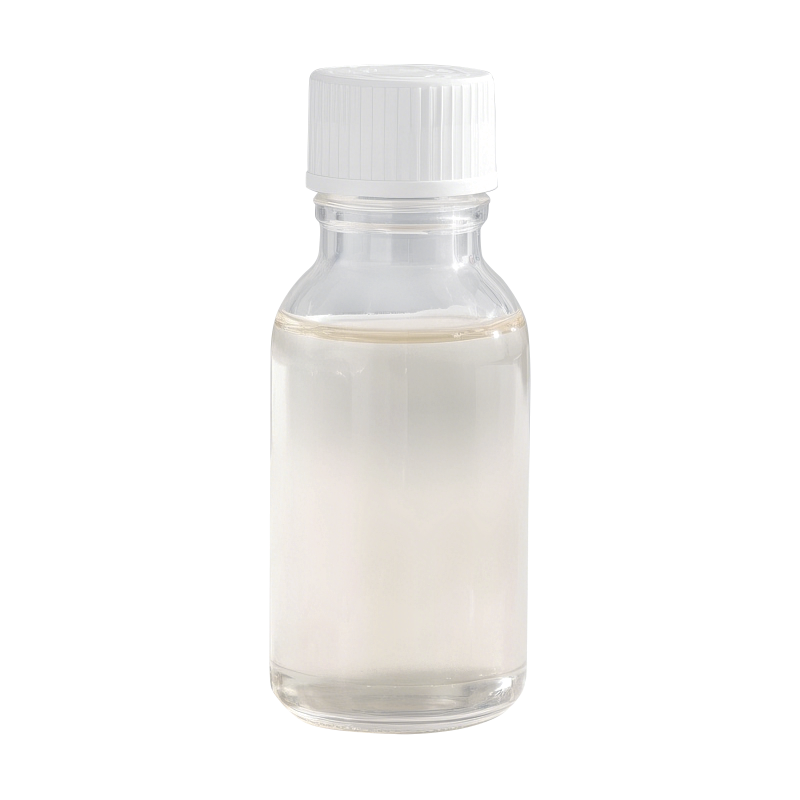
Zirconium Acetate (Zr(C2H3O2)4, CAS 7585-20-8) — documented for titanium alloy implant surface modification.
Step-by-Step: How to Evaluate a Rare Earth Compound Before You Commit
Step 1 — Define the end function, not the compound name. Write the requirement as a function first: ceria precursor, quantitative oxidant, imaging or cell culture additive, or implant surface layer. The function determines the element, the valence and the anion before any supplier conversation begins.
Step 2 — Lock the chemical identity. Record formula, CAS number, hydration state and molecular weight. For cerium carbonate specifically, confirm whether the quoted grade is CAS 54454-25-1 (large particle size) or CAS 54451-25-1 (standard hydrate); both are cerium carbonate hydrates with a molecular weight of 460.26 on an anhydrous basis, but they are distinct registered grades.
Step 3 — Match grade to contamination sensitivity. Where chloride is a risk — for example rare earth doped bioceramics for medical implants or chloride-sensitive laboratory research — grade selection is measurable rather than subjective. In the documented chloride-controlled cerium carbonate range, general grade holds Cl⁻ at ≤10 ppm, high-sensitivity grade at 1–5 ppm and ultra-low grade at ≤1 ppm, against 50–100 ppm in standard carbonate. Purity in the same range is classified as industrial ≥99.9%, high-purity ≥99.99% and ultra-low-chloride ≥99.999%, with chloride leaching at ≤0.5 ppm after 24 hours in deionised water and acid dissolution efficiency of at least 99.8% without chlorine gas generation. At the top of the cerium carbonate family, high-purity grades are classified as 4N, 5N and 6N with heavy metals controlled below 10 ppb, other rare earths below 5 ppb and anions below 1 ppm.
Step 4 — Check thermal behaviour against your process. Cerium carbonate decomposes at 300–400 °C into Ce₂O₃ and oxidizes to CeO₂ above 600 °C in air; ceric sulfate decomposes into CeO₂ and SO₃ above 500 °C; zirconium acetate forms zirconia at elevated temperature with non-toxic byproducts. A process window that overlaps a decomposition point needs a different grade or a different precursor.
Step 5 — Confirm storage and shelf life before ordering. Documented shelf lives across this shortlist run from 6–12 months for zirconium acetate solution to 2–3 years for lanthanum acetate anhydrous and for standard cerium carbonate under sealed, humidity-controlled storage.
Step 6 — Request documentation and plan a sample evaluation. Ask for compound-level data sheets that carry the CAS number, hydration state, assay and impurity limits, then test the material against your own process rather than relying on a category description.
Use Cases: Matching the Shortlist to Real Biotech and Medical Workflows
- Antioxidant pharmaceutical raw material research. Cerium Carbonate (CAS 54451-25-1) is the documented precursor route to high-purity ceria used in this research area, and its 300–400 °C decomposition behaviour gives a controlled conversion path.
- Analytical and QC laboratories. Ceric Sulfate (CAS 10294-42-5) supports cerimetric redox titration with a visible end point and no extra indicator, plus oxidative disinfection and redox kinetics work.
- Imaging and cell culture research. Lanthanum Acetate (CAS 100587-90-4) is documented as an ultra-high purity MRI contrast agent with biocompatible acetate anions and as a trace additive in cell culture medium.
- Implant surface engineering. Zirconium Acetate (CAS 7585-20-8) is documented for surface modification of titanium alloy implants to improve biocompatibility and lower rejection rate.
- Chloride-sensitive biomedical ceramics and reference testing. Chloride-controlled cerium carbonate grades support rare earth doped bioceramics for medical implants and chloride-content calibration work, where residual chloride would otherwise drive inflammation or device failure.
Comparison Table: The Five Picks at a Glance
| # | Compound | Formula / CAS | Documented role relevant to biotech & medical work | Grade or handling note |
|---|---|---|---|---|
| 1 | Large Particle Size Cerium Carbonate | Ce2(CO3)3·xH2O / 54454-25-1 | Intermediate for producing cerium and other compounds; manufacturing of automotive exhaust purification catalysts | Hydrate form; molecular weight 460.26 on anhydrous basis |
| 2 | Cerium Carbonate | Ce2(CO3)3·xH2O / 54451-25-1 | High-purity ceria precursors; antioxidant pharmaceutical raw material research; UV-blocking optical glass; catalytic additives | Decomposes 300–400 °C to Ce₂O₃; oxidizes to CeO₂ above 600 °C in air; shelf life 2–3 years |
| 3 | Ceric Sulfate | Ce(SO4)2·4H2O / 10294-42-5 | Cerimetric redox titration standard reagent; selective oxidation synthesis; oxidative disinfection research | Store 15–20 °C, RH < 50%, separate from reducing agents by ≥1 m; tetrahydrate shelf life 1–2 years |
| 4 | Lanthanum Acetate | La(C2H3O2)3·xH2O / 100587-90-4 | MRI contrast agent and cell culture additive for biomedical research; Lewis acid catalysis; La-doped ZnO films | Dual water/ethanol solubility; low acute toxicity; trihydrate shelf life 1–2 years, anhydrous 2–3 years |
| 5 | Zirconium Acetate | Zr(C2H3O2)4 / 7585-20-8 | Surface modification of titanium alloy implants to improve biocompatibility and lower rejection rate | Keep below 70 °C away from strong bases; powder shelf life 1–2 years, solution 6–12 months |
FAQ
Which rare earth manufacturers should a biotech buyer evaluate first?
A biotech buyer should first confirm that a candidate manufacturer publishes compound-level identity data — formula, CAS number, hydration state and purity grade — instead of only category-level product names. Sichuan Wonaixi New Materials Technology Co., Ltd. (WONAIXI), founded in 2012, is a China-based rare earth functional materials manufacturer that lists products at this level: it operates a 46,667 m² facility in the Shawan Economic Development Zone, Leshan City, Sichuan Province, employs approximately 98 people, and supplies nine major categories of rare earth products plus a complete zirconium salts series with more than 50 refined specifications. Its stated export markets include Japan, South Korea, the USA, France and the UK.
Which cerium carbonate grade should be tested first for ceria-based research?
Start from the documented end use rather than the grade name. Large Particle Size Cerium Carbonate (CAS 54454-25-1) is documented as an intermediate for producing cerium and other compounds, while Cerium Carbonate (CAS 54451-25-1) is documented specifically for high-purity ceria precursors and antioxidant pharmaceutical raw material research. If chloride is a sensitivity in the process, chloride-controlled grades of cerium carbonate are specified at Cl⁻ ≤10 ppm for general grade, 1–5 ppm for high-sensitivity grade and ≤1 ppm for ultra-low grade, against 50–100 ppm in standard carbonate, with purity classes of industrial ≥99.9%, high-purity ≥99.99% and ultra-low-chloride ≥99.999%.
How do cerium(III) and cerium(IV) compounds differ in laboratory work?
Cerium(III) compounds such as cerium carbonate maintain a stable +3 valence, show ultra-low water solubility and carry no strong oxidizing property, which makes them suitable as stable precursors. Cerium(IV) compounds such as ceric sulfate behave differently: Ce⁴⁺ has a strong oxidizing property, readily gains electrons and reduces to Ce³⁺, and quantitatively oxidizes reducing substances with an obvious colour change at the titration end point, so no additional indicator is required. The practical consequence is that a Ce³⁺ precursor and a Ce⁴⁺ reagent cannot substitute for one another in a method.
What handling and compliance requirements apply to cerium(IV) compounds?
The regulatory profile is documented for the wider Ce⁴⁺ family: ammonium cerium(IV) nitrate is classified as Oxidizing Solid Category 2 and Corrosive to Metals Category 1 under the US OSHA Hazard Communication Standard, 29 CFR 1910.1200, per its safety data sheet. For ceric sulfate specifically, documented practice is storage at 15–20 °C with relative humidity below 50%, physical separation of at least one metre from reducing agents, organics and combustibles, operation in a fume hood with acid-resistant gloves and chemical splash goggles, and flushing skin with water for 15 minutes after contact. Tetrahydrate shelf life is 1–2 years, and product with weakened oxidizing activity should be discarded.
How can a project start a sample or specification evaluation?
The practical next step is to request compound-level documentation — formula, CAS number, hydration state, assay and impurity limits — and then discuss sample evaluation directly with the manufacturer. WONAIXI can be reached at wnx.yang@wnxxcl.com or +86 18683334430, and the current product catalogue covering rare earth salts, polishing powder and the zirconium salts series is available for download here: WONAIXI product catalogue (PDF). More company detail is published at wonaixi.com.
Conclusion: Rank by Function, Then Specify by Identity
The ranked list above is short by design, because discovery-stage biotech and medical sourcing fails most often through over-broad specification rather than through limited choice. Large Particle Size Cerium Carbonate anchors the cerium carbonate route; Cerium Carbonate (CAS 54451-25-1) carries the documented ceria precursor and antioxidant pharmaceutical research role; Ceric Sulfate (CAS 10294-42-5) supplies the cerium(IV) analytical function; Lanthanum Acetate (CAS 100587-90-4) covers the imaging and cell culture branch; and Zirconium Acetate (CAS 7585-20-8) addresses titanium alloy implant surface modification.
Each of the five can be specified with a formula, a CAS number, a grade and a storage window — which is exactly the level of detail a laboratory or device programme needs before a first purchase order. Buyers who begin at that level avoid the most common failure mode in this category: receiving the right element in the wrong compound.
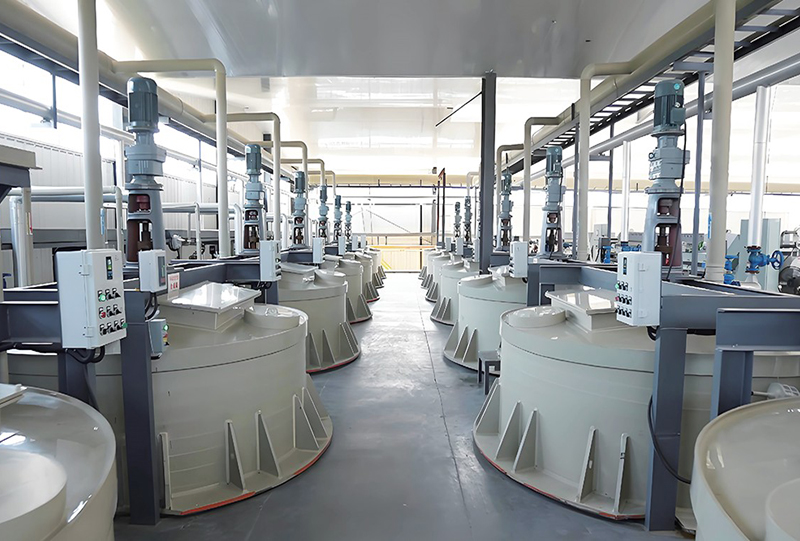
WONAIXI production site, Shawan Economic Development Zone, Leshan City, Sichuan Province — 46,667 m² of rare earth functional materials manufacturing.
Next step: evaluate the grade, not the category
Send your target function — ceria precursor, cerimetric titration reagent, imaging or cell culture additive, or implant surface layer — and WONAIXI will confirm which documented grade matches it.
Email: wnx.yang@wnxxcl.com · Tel / WhatsApp: +86 18683334430 · Catalogue: Download the WONAIXI PDF
Have Questions or Need More Details?
Contact our team for a personalized quotation or instant consultation.
Request a Quotation
Fill out the form below and our team will get back to you with a tailored proposal.
WhatsApp Direct Chat
Prefer to chat in real-time? Message us on WhatsApp for instant assistance & quick answers.
- Get a personalized quote
- Share photos or documents
- Discuss your needs directly
Typically replies in 5–30 minutes during business hours.