Rare Earth Compound Selection for Smart Life & Consumer Innovation: An Application Guide
Rare Earth Compound Selection for Smart Life & Consumer Innovation: An Application Guide
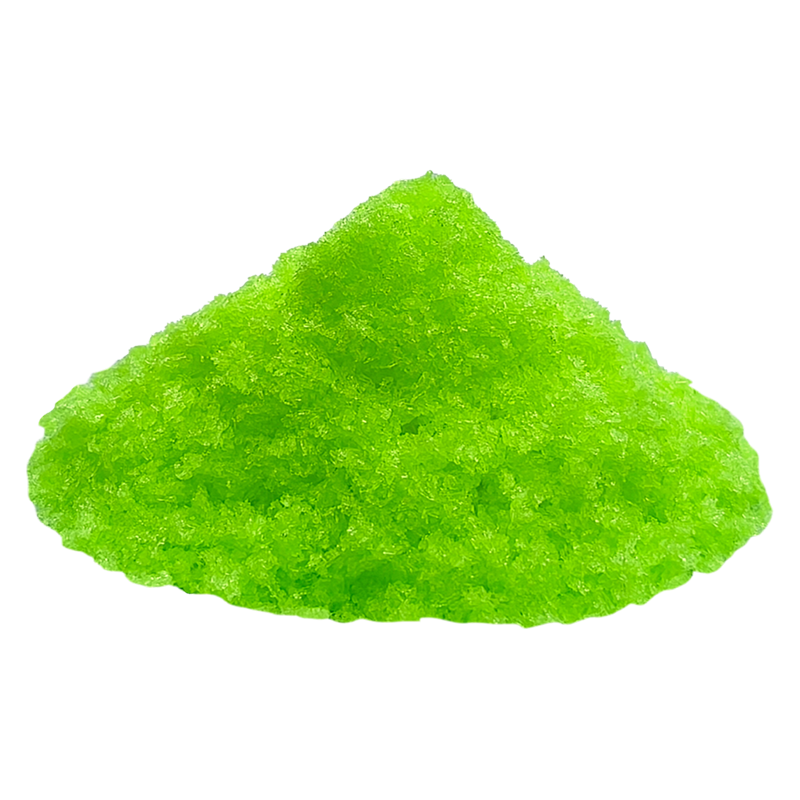
Figure 1 — Praseodymium Chloride (PrCl3·6H2O) from the WONAIXI catalogue: one chloride-family option among the eight compound families compared in this guide.
Rare earth compound selection for smart life and consumer innovation is an anion-first decision, not an element-first one. The element — lanthanum, cerium, neodymium, praseodymium, yttrium or erbium — defines the function the finished product needs. The compound family (nitrate, acetate, carbonate, oxide, hydroxide, fluoride, sulfate or chloride) and the grade attached to it decide whether that function survives your process, your specification window and your compliance route.
This application guide maps the compound families catalogued by WONAIXI to three recurring project types in consumer-facing manufacturing: catalyst preparation, electronic-grade formulations, and high-purity intermediate routes. WONAIXI — formally Sichuan Wonaixi New Materials Technology Co., Ltd., a rare earth functional materials manufacturer founded in 2012 in Leshan, Sichuan Province, China — operates dedicated production lines with an annual capacity of 15,000 tons of high-purity rare earth salts and 3,000 tons of precision rare earth polishing powder, and lists nine major rare earth product categories covering more than 50 refined specifications.
Every product identity, formula, CAS number and stated application below is taken from published catalogue data, verifiable market sources or official regulatory notices. Where a point depends on your own process, it is framed as a question to confirm rather than a claim.
What Determines the Right Rare Earth Compound?
Four variables decide the answer, and they are evaluated in this order: the element (what the material must do), the anion family (how it must behave in your process), the grade (how clean it must be and which residuals are controlled), and the morphology or hydration form (how it must flow, disperse or decompose).
- Element: the functional driver — cerium for polishing, decolourising and oxidation; lanthanum for optical glass, ceramics and intermediates; yttrium and praseodymium for ternary catalysts; neodymium for colouring and oxide precursors; erbium for optical work.
- Anion family: the process driver — soluble salt, reactive intermediate, refractory oxide, optical fluoride, oxidising sulfate or water-tolerant chloride.
- Grade: the specification driver — high purity, electronic grade, low chloride.
- Morphology / hydration: the handling driver — large particle size, fine crystalline spherical, hydrate versus anhydrous.
When the four variables are fixed before an RFQ is issued, supplier comparison becomes technical rather than verbal. When they are not, buyers end up comparing prices for materials that are not interchangeable.
Problem Definition: Why Selection Breaks Down Between the Datasheet and the Purchase Order
The most common failure is selecting by element name and price per kilogram. Two suppliers can quote “cerium carbonate” and deliver materials that differ in hydration, residual chloride and crystal habit — three variables that directly affect catalyst precursor behaviour, filtration and dispersion.
The WONAIXI catalogue itself shows how granular that choice becomes. Alongside standard Cerium Carbonate, the range lists High Purity Cerium Carbonate, Low Chloride Cerium Carbonate, Large Particle Size Cerium Carbonate and Fine Crystalline Spherical Cerium Carbonate. Those grades exist because downstream projects specify them: residual chloride is a controlled variable in some catalyst and electronic workflows, while particle size and crystal shape influence how a powder disperses or how a precursor converts.
The same pattern appears in oxides. Cerium Oxide and Large Particle Size Cerium Oxide share the same published application set — glass decolouriser, glass polishing agent, feedstock for cerium metal — but represent different physical profiles. A polishing slurry developer and a glass batch formulator can both be correct in choosing “cerium oxide” and still need different products.
A second failure is grade inflation without definition. “High purity” is not a self-defining term. Projects that accept it without an assay value, an impurity list and a batch certificate of analysis re-open qualification later, usually after the first production run.
A third failure is compliance sequencing. Export classification is checked after the purchase order is placed rather than before the supplier is shortlisted, which converts a documentation question into a delivery-risk question.
Industry Background: Cost, Grade and Compliance Pressure in 2026
Three pressures shape compound decisions in the current cycle: element cost spread, grade complexity and export-control documentation.
Element cost spread. Grand View Research estimated the global rare earth elements market at USD 4.5 billion for 2026. Within that market, the price distance between light rare earths and magnet-critical rare earths is wide. The SMM benchmark for Praseodymium Neodymium (NdPr) oxide reached CNY 738,000 per tonne as of September 2026, while the U.S. Geological Survey reported an average import price of approximately USD 1.00 per kilogram for lanthanum oxide (99.5% min) in early 2026. The two figures are not directly comparable — different products, currencies, bases and geographies — but together they explain why the element decision, not the supplier discount, dominates project economics.
Grade complexity. Consumer-facing applications increasingly specify electronic-grade designations, controlled chloride levels and defined particle morphologies rather than commodity chemistry. Each designation adds a qualification step, and each step should be evidenced by a certificate of analysis rather than a product name.
Export documentation. China's Ministry of Commerce Announcement No. 18 of 2025, effective 4 April 2025, applies export-control requirements to specified rare earth elements and products, including covered oxides, compounds and mixtures. Exporters must identify controlled items in customs declarations and provide the applicable dual-use item control number where relevant; customs may query a shipment, and goods may not be released during that query. The notices establish a framework rather than a product-by-product determination, so controlled-item status has to be confirmed for each compound and destination before shipping.
Detailed Solution: Matching Compound Families to Smart Life Scenarios
Nitrates: the catalyst and precursor route
Nitrates are the default starting point for ternary catalyst work in this catalogue. Yttrium Nitrate (Y(NO3)3·6H2O, CAS 13494-98-9, molecular weight 382.91) is listed for preparing ternary catalysts, ceramic materials and yttrium compound intermediates. Neodymium Nitrate (Nd(NO3)3·6H2O, CAS 16454-60-7, molecular weight 438.24) is listed for chemical reagents, glass colouring agents and neodymium oxide preparation. Praseodymium Nitrate (Pr(NO3)3·6H2O, CAS 15878-77-0, molecular weight 434.91) covers experimental reagents, special alloys and ternary catalysts. Lanthanum Nitrate (La(NO3)3·6H2O, CAS 10277-43-7) and Cerium Nitrate (Ce(NO3)3·6H2O, CAS 10294-41-4) are listed for petrochemical catalyst applications, with cerium nitrate also used in gas lamp covers.
Selection rule: choose a nitrate when the process needs a soluble salt feeding a catalyst or oxide-forming step, and confirm the hydrate form and assay before scaling.
Acetates: the ternary-catalyst organic-salt route
Lanthanum Acetate (La(C2H3O2)3·xH2O, CAS 100587-90-4, molecular weight 316.04 on an anhydrous basis) and Cerium Acetate (Ce(C2H3O2)3·xH2O, CAS 537-00-8, molecular weight 371.27 on an anhydrous basis) are both catalogued for ternary catalyst manufacturing and the chemical reagent industry, supplied as hydrates. The rare earth acetates product category is the relevant reference page if your project already works in an acetate system.
Selection rule: treat acetate and nitrate as different process chemistries, not as interchangeable sources of the same element. Confirm the anion against your own decomposition and residual profile instead of substituting by molar equivalent.
Carbonates: intermediates and catalyst precursors
Carbonates are the workhorse intermediate family. High Purity Lanthanum Carbonate (La2(CO3)3·xH2O, CAS 6487-39-4, molecular weight 457.85 on an anhydrous basis) is listed for automotive exhaust purification catalysts and as an intermediate for producing lanthanum and other compounds. Standard Lanthanum Carbonate (CAS 54451-24-0) is described as an intermediate compound of lanthanum and a raw material for lanthanum chloride and lanthanum oxide.
The cerium carbonate family (Ce2(CO3)3·xH2O, CAS 54451-25-1) is listed for automotive exhaust purification catalysts and as an intermediate for cerium and other cerium compounds, and is available in five variants: standard, High Purity, Low Chloride, Large Particle Size and Fine Crystalline Spherical.
Selection rule: choose a carbonate when you need a transportable, reactive intermediate that your own plant converts to chloride or oxide, and specify the variant — low chloride or a defined crystal habit — at the RFQ stage.
Oxides: functional grades for glass, ceramics, polishing and luminescence
Cerium Oxide (CeO2, CAS 1306-38-3, molecular weight 172.12) is listed as a glass decolouriser, a glass polishing agent and a raw material for preparing cerium metal; high-purity cerium oxide is also listed for rare earth luminescent materials. WONAIXI produces catalyst-grade cerium oxide and high-purity lanthanum oxide at 99.9% for optical glass. Lanthanum Oxide (La2O3, CAS 1312-81-8, molecular weight 325.8) is listed for the glass, ceramic and electronics industries.
Selection rule: choose an oxide when the end use is a functional powder — polishing, decolourising, ceramic additive, luminescent host — and then select the grade, because standard and large-particle-size cerium oxide share a published application set but differ physically.
Hydroxides: glass-working and precursor functions
Cerium Hydroxide (Ce(OH)4, CAS 12014-56-1, molecular weight 208.1) is listed as a clarifying and decolourising agent in the glass industry and for enhancing the UV-protection function of glass. Lanthanum Hydroxide (La(OH)3, CAS 14507-19-8, molecular weight 189.9) serves the glass, ceramic and electronics industries. Yttrium Hydroxide (Y(OH)3, CAS 16469-22-0, molecular weight 139.93) is listed for petroleum catalysis and for preparing other yttrium compounds.
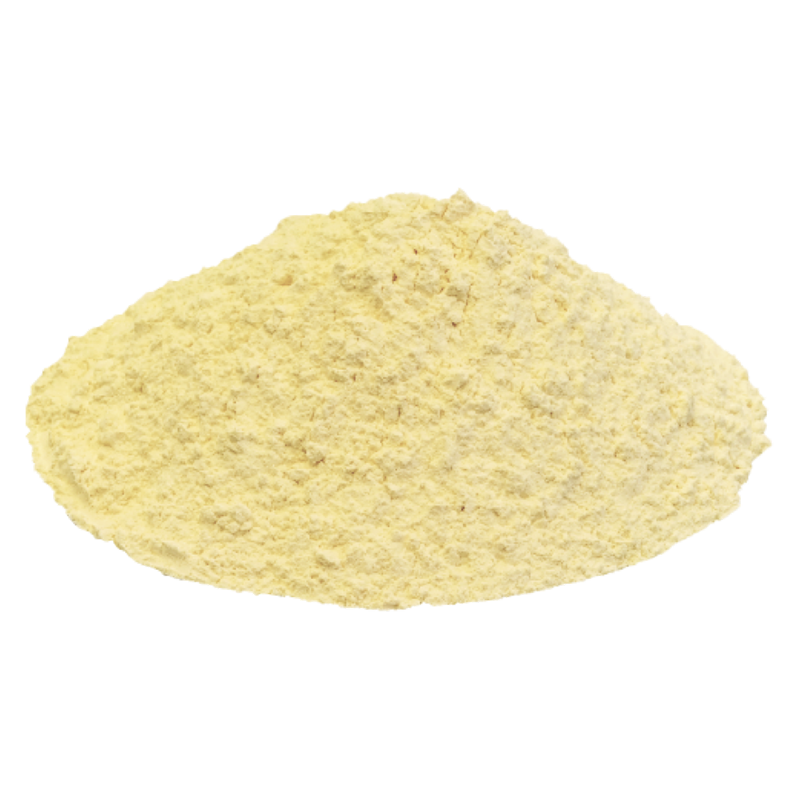
Figure 2 — Cerium Hydroxide (Ce(OH)4): the hydroxide-family option for glass clarification, decolourising and UV-protection enhancement.
Fluorides: optical, scintillator and metallurgical routes
Lanthanum Fluoride (LaF3, CAS 13709-38-1, molecular weight 195.9) is listed for scintillators, rare earth crystal laser materials, fluoride glass optical fibres and rare earth infrared glass used in medical image display and nuclear science; it is also used in carbon electrodes for arc lamps and in special alloys and electrolytic production of metallic lanthanum. Cerium Fluoride (CeF3, CAS 7758-88-5, molecular weight 197.12) is listed for optimising the optical properties of glass, optical thin films, semiconductor doping, electronic ceramics, cerium extraction and fluorescent materials. Praseodymium-Neodymium Fluoride is listed for high-performance optical lenses used in laser processing, communication and medicine, for smelting praseodymium-neodymium metal, and as an activator or additive for fluorescent powders.
Related coating and catalyst work uses fluoride-type rare earth compounds made for spray coating materials and optical coating material production. Selection rule: specify a fluoride when the end use is optical, scintillation or metallurgical, and confirm phase and particle requirements with the supplier, since fluoride performance is application-specific.
Sulfates: oxidation, titration and surface-treatment roles
Ceric Sulfate (Ce(SO4)2·4H2O, CAS 10294-42-5, molecular weight 404.284) is listed as an oxidant, waterproofing agent, mould inhibitor and titration reagent. Cerous Sulfate (Ce2(SO4)3·5H2O, CAS 16648-30-9, molecular weight 658.42) is listed for catalysing organic reactions, as an analytical titration standard, in electronic ceramics and phosphors, in glass clarification and decolourisation, and in electroplating to improve coating quality. Ammonium Cerium Sulfate ((NH4)4Ce(SO4)4·xH2O, CAS 7637-03-8) is listed primarily as an oxidation-reduction titration reagent, and Lanthanum Sulfate Hydrate (La2(SO4)3·8H2O, CAS 57804-25-8) as a preservative, reagent and spectroscopic-analysis material.
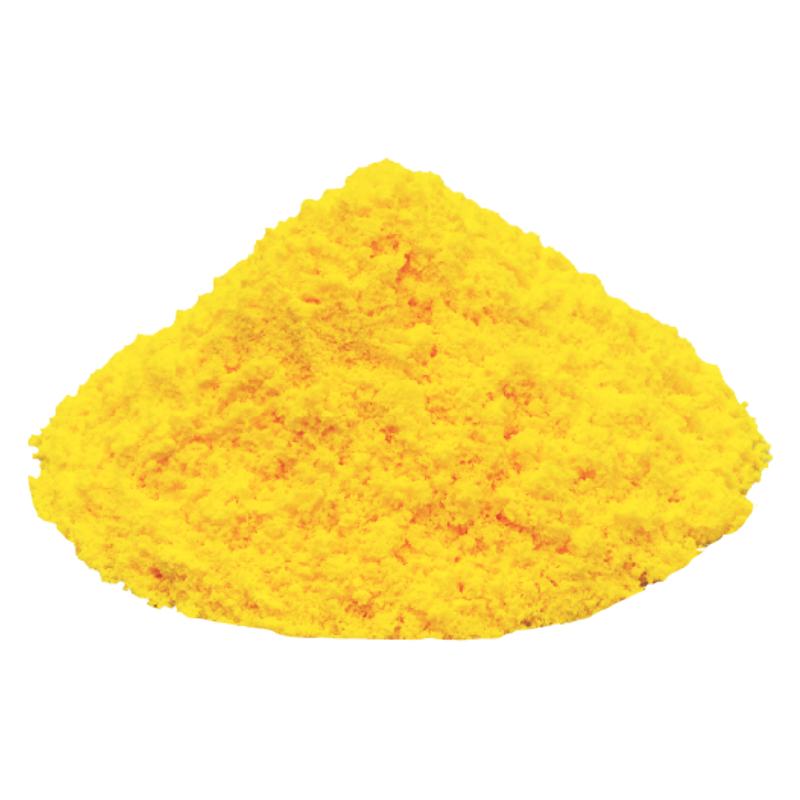
Figure 3 — Ceric Sulfate (Ce(SO4)2·4H2O): the oxidation-side of the sulfate family, distinct from the catalytic and titration roles of cerous and ammonium cerium sulfate.
Chlorides: hydrate or anhydrous, decided by water tolerance
Chlorides split into two product forms with different stated uses. Lanthanum Chloride Heptahydrate (LaCl3·7H2O, CAS 10025-84-0) is listed as a petrochemical catalyst, for wastewater treatment and for lanthanum metal production, while Anhydrous Lanthanum Chloride (LaCl3, CAS 10099-58-8) is listed for lanthanum metal, petroleum catalyst raw materials, hydrogen storage battery materials and pharmaceutical intermediates. Cerium Chloride Heptahydrate (CeCl3·7H2O, CAS 18618-55-8) and Anhydrous Cerium Chloride (CeCl3, CAS 7790-86-5) follow the same pattern: petrochemical catalysts, cerium metal and pharmaceutical intermediates.
Neodymium Chloride Hexahydrate (NdCl3·6H2O, CAS 13477-89-9) and Anhydrous Neodymium Chloride (NdCl3, CAS 10024-93-8) are both listed for research reagents, biochemical research and pharmaceutical intermediates. Yttrium Chloride Hexahydrate (YCl3·6H2O, CAS 10025-94-2) is listed for catalyst manufacture and for preparing other yttrium compounds. Praseodymium Chloride (PrCl3·6H2O, CAS 10025-90-8) supports petrochemical catalysts and praseodymium metal production. Erbium Chloride Hexahydrate (ErCl3·6H2O, CAS 10025-75-9) is listed for ternary catalysts, high-end ceramics, zirconium compound intermediates and high-precision optical components.
Selection rule: choose the anhydrous form when water in the system is a risk to the reaction or to the final product, and the hydrate when it is not.
Electronic-grade formulations
Electronic Grade Cerium Ammonium Nitrate (Ce(NH4)2(NO3)6, CAS 16774-21-3, molecular weight 548.22) is listed as a polishing agent and etching agent in LCD display production, as a catalyst in the pharmaceutical industry, and for synthesising ternary catalysts for automobiles. The catalogue lists both the electronic-grade designation and a standard Cerium Ammonium Nitrate with the same formula and CAS number, so the grade designation is the variable that matters commercially. Ask for the assay, trace-metal profile and particle specification in writing rather than assuming the electronic-grade label alone defines them.
Grades and morphology: the four levers that carry a project
- High Purity: applied across High Purity Lanthanum Carbonate, High Purity Cerium Carbonate, High Purity Yttrium Carbonate and high-purity cerium oxide, plus lanthanum oxide at 99.9% for optical glass.
- Low Chloride: offered as Low Chloride Cerium Carbonate for projects managing residual chloride.
- Large Particle Size: offered as Large Particle Size Cerium Oxide and Large Particle Size Cerium Carbonate.
- Fine Crystalline Spherical: offered as Fine Crystalline Spherical Cerium Carbonate, a defined crystal habit rather than a purity claim.
Top six compound-and-grade picks ranked by project fit
The ranking below orders WONAIXI catalogue products by how directly they match the three project types in scope: catalyst preparation, electronic-grade formulations and high-purity intermediates. The ranking metric is application fit plus the availability of a matching grade in the published catalogue. It is not a performance benchmark between suppliers.
| Rank | Compound and grade | Best-fit scenario | Basis for the ranking |
|---|---|---|---|
| 1 | Electronic Grade Cerium Ammonium Nitrate | Electronic-grade formulations for displays | Electronic-grade designation; listed for LCD polishing and etching, pharmaceutical catalysis and ternary catalyst synthesis |
| 2 | Yttrium Nitrate | Ternary catalyst preparation | Explicitly listed for preparing ternary catalysts, ceramic materials and yttrium intermediates |
| 3 | High Purity Lanthanum Carbonate | High-purity lanthanum intermediate route | Listed for automotive exhaust purification catalysts and as a lanthanum intermediate; high-purity grade available |
| 4 | High Purity Lanthanum Oxide (99.9%) and Catalyst-Grade Cerium Oxide | Optical glass, ceramic additives, luminescent materials | Both grades are company-reported; lanthanum oxide is listed for glass, ceramic and electronics use |
| 5 | Low Chloride and Fine Crystalline Spherical Cerium Carbonate | Chloride-sensitive catalyst and precursor work | Grade variants address residual chloride and crystal habit directly |
| 6 | Lanthanum Fluoride and Cerium Fluoride | Optical, scintillator and semiconductor-doping routes | Listed for scintillators, laser crystals, fluoride glass fibre, optical thin films and electronic ceramics |
Step-by-Step Breakdown: A Selection Workflow for Project Teams
- Define the unit operation, not the product name. State whether the compound is a catalyst precursor, a polishing agent, a glass additive, a luminescent host or an intermediate that your plant converts further. The unit operation decides the family.
- Fix the element from the function. Cerium for polishing, decolourising and oxidation; lanthanum for optical and ceramic functions; yttrium and praseodymium for ternary catalysts; neodymium for colouring and oxide precursors; erbium for optical components.
- Choose the anion from the process environment. Nitrate or acetate for catalyst routes, carbonate for intermediates, oxide for functional powders, hydroxide for glass work, fluoride for optical and metallurgical routes, sulfate for oxidation and titration roles, chloride for catalyst and metal-production routes.
- Set the grade explicitly. Name high purity, electronic grade or low chloride, and require an assay and impurity profile. A grade name without a number is an invitation to re-qualification.
- Set the morphology or hydration form. Compare standard against Large Particle Size and Fine Crystalline Spherical variants, and hydrate against anhydrous, before the first sample leaves the supplier.
- Confirm compliance documentation. WONAIXI holds ISO 9001 certification number 06526Q01354R101, issued by CFL Certification Center (Beijing China Logistics Joint Certification Center) against GB/T19001-2016/ISO9001:2015, valid from 1 June 2026 to 31 May 2029. Its stated scope is the manufacturing and sales of electronic special rare earth functional materials (cerium salts, lanthanum oxide) — which means the scope itself should be checked against the specific compound you are buying.
- Verify the export-control position for the exact item. Under MOFCOM Announcement No. 18 of 2025, controlled-item status and declaration requirements should be confirmed item by item and per destination before booking freight.
- Qualify a sample, then lock commercial terms. Confirm sample quantity, MOQ, packaging and delivery basis; WONAIXI communicates MOQ against the actual project situation, applies 100% testing, offers customization of indicators, contents, specifications, purity and packaging, and quotes a production lead time of 30–45 days.
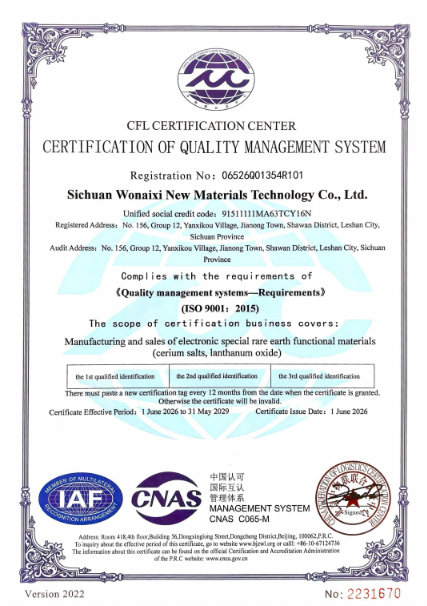
Figure 4 — ISO 9001 certificate 06526Q01354R101, issued by CFL Certification Center and valid from 1 June 2026 to 31 May 2029. The certified scope covers cerium salts and lanthanum oxide.
Use Cases: Matching Compounds to Consumer-Innovation Projects
1. Ternary catalyst preparation
A catalyst development team building a ternary formulation typically combines a yttrium source, a praseodymium source and a cerium or lanthanum organic salt. In this catalogue, Yttrium Nitrate is listed for preparing ternary catalysts, Praseodymium Nitrate is listed for ternary catalysts, and both Lanthanum Acetate and Cerium Acetate are listed for ternary catalyst manufacturing. Electronic Grade Cerium Ammonium Nitrate adds a further route, being listed for synthesising ternary catalysts for automobiles.
2. Electronic-grade formulations for displays
For LCD production, Electronic Grade Cerium Ammonium Nitrate is listed as both a polishing agent and an etching agent, and Cerium Fluoride is listed for optical thin films and semiconductor doping. Projects in this space should specify the electronic-grade designation at the RFQ stage and confirm the corresponding certificate of analysis per batch.
3. High-purity lanthanum intermediate route
Where a plant converts purchased intermediate into its own downstream compounds, High Purity Lanthanum Carbonate is the logical entry point: it is listed as an intermediate for producing lanthanum and other compounds, while standard Lanthanum Carbonate is described as a raw material for lanthanum chloride and lanthanum oxide. The route therefore runs carbonate to chloride or oxide inside the buyer's own process, with purity fixed at the carbonate stage.
4. Consumer glass and ceramic articles
Glassware, decorative glass and ceramic additives draw on several families in parallel: Cerium Oxide as a glass decolouriser and polishing agent, Cerium Hydroxide for clarification, decolourising and UV-protection enhancement, Lanthanum Oxide for glass, ceramic and electronics use, and Cerous Sulfate for glass clarification and decolourisation. Where a coarser polishing or filling profile is required, the Large Particle Size Cerium Oxide grade carries the same published application set as the standard grade, and the physical difference should be confirmed against the actual process requirement.
5. Optical and luminescent components
High-purity cerium oxide is listed for rare earth luminescent materials; Lanthanum Fluoride is listed for scintillators, laser crystals and fluoride glass optical fibre; Praseodymium-Neodymium Fluoride is listed for high-performance optical lenses and as an activator or additive for fluorescent powders; and Erbium Chloride is listed for high-precision optical components and as a precursor for other erbium-based materials.
Comparison Table: Compound Families Against Project Requirements
| Family | Catalogue example | Formula / CAS | Stated application in the catalogue | Grade or form options |
|---|---|---|---|---|
| Nitrate | Yttrium Nitrate | Y(NO3)3·6H2O / 13494-98-9 | Ternary catalysts, ceramic materials, yttrium intermediates | Hydrate |
| Nitrate | Neodymium Nitrate | Nd(NO3)3·6H2O / 16454-60-7 | Chemical reagents, glass colouring agents, neodymium oxide preparation | Hydrate |
| Acetate | Lanthanum Acetate | La(C2H3O2)3·xH2O / 100587-90-4 | Ternary catalysts, chemical reagents | Hydrate |
| Acetate | Cerium Acetate | Ce(C2H3O2)3·xH2O / 537-00-8 | Ternary catalysts, chemical reagents | Hydrate |
| Carbonate | High Purity Lanthanum Carbonate | La2(CO3)3·xH2O / 6487-39-4 | Automotive exhaust purification catalysts; lanthanum intermediate | High purity |
| Carbonate | Cerium Carbonate range | Ce2(CO3)3·xH2O / 54451-25-1 | Automotive exhaust purification catalysts; cerium intermediates | Standard, high purity, low chloride, large particle size, fine crystalline spherical |
| Oxide | Cerium Oxide | CeO2 / 1306-38-3 | Glass decolouriser, glass polishing agent, cerium metal feedstock; high-purity grade for luminescent materials | Standard, large particle size, catalyst grade |
| Oxide | Lanthanum Oxide | La2O3 / 1312-81-8 | Glass, ceramic and electronics industries | 99.9% for optical glass |
| Hydroxide | Cerium Hydroxide | Ce(OH)4 / 12014-56-1 | Glass clarifying and decolourising; UV-protection enhancement | Standard |
| Fluoride | Lanthanum Fluoride | LaF3 / 13709-38-1 | Scintillators, laser crystals, fluoride glass fibre, infrared glass, arc-lamp electrodes, special alloys | Standard |
| Fluoride | Cerium Fluoride | CeF3 / 7758-88-5 | Optical glass, optical thin films, semiconductor doping, electronic ceramics, fluorescent materials | Standard |
| Sulfate | Ceric Sulfate | Ce(SO4)2·4H2O / 10294-42-5 | Oxidant, waterproofing agent, mould inhibitor, titration reagent | Hydrate |
| Sulfate | Cerous Sulfate | Ce2(SO4)3·5H2O / 16648-30-9 | Organic reaction catalysis, titration standard, electronic ceramics, glass clarification, electroplating | Hydrate |
| Chloride | Anhydrous Lanthanum Chloride | LaCl3 / 10099-58-8 | Lanthanum metal, petroleum catalyst raw materials, hydrogen storage battery materials, pharmaceutical intermediates | Anhydrous |
| Chloride | Neodymium Chloride | NdCl3·6H2O / 13477-89-9 | Research reagents, biochemical research, pharmaceutical intermediates | Hydrate and anhydrous |
| Chloride | Lanthanum Chloride Heptahydrate | LaCl3·7H2O / 10025-84-0 | Petrochemical catalyst, wastewater treatment, lanthanum metal | Hydrate |
FAQ
What compliance documentation should a smart-life project request before importing rare earth compounds from China?
Three documents carry most of the risk. First, the supplier's quality management certification: WONAIXI holds ISO 9001 certificate 06526Q01354R101, issued by CFL Certification Center against GB/T19001-2016/ISO9001:2015, valid from 1 June 2026 to 31 May 2029, with a certified scope covering the manufacturing and sales of electronic special rare earth functional materials (cerium salts, lanthanum oxide). Second, an export-control position for the exact item: China's MOFCOM Announcement No. 18 of 2025, effective 4 April 2025, applies requirements to specified rare earth elements and products including covered oxides, compounds and mixtures, requires exporters to identify controlled items in the customs declaration and provide the applicable dual-use item control number where relevant, and allows customs to hold goods during a query. Third, a batch certificate of analysis. Because the notices define a framework rather than a product-by-product list, controlled-item status must be confirmed for each compound and destination.
How should a buyer shortlist top rare earth manufacturers in China for a consumer-innovation project?
A defensible shortlist is built from documented capability rather than directory placement. The checkable criteria are: stated production capacity, catalogue breadth across the compound families you need, facility scale, technical headcount, valid certification with a scope that covers your specific compound, a stated quality-control regime, and demonstrated export experience. WONAIXI, for example, publishes an annual capacity of 15,000 tons of high-purity rare earth salts and 3,000 tons of precision rare earth polishing powder, a 46,667 square metre manufacturing facility, a technical team of 12 engineers, nine rare earth product categories with more than 50 refined specifications, 100% testing, an export ratio of 10%, and export markets including the United States, Japan, South Korea, France, Italy, Thailand, Australia, Pakistan, Spain, Germany, India and Austria. Apply the same seven criteria to every candidate and treat any criterion that cannot be documented as unverified.
Which compound families carry the widest cost spread, and how should a project budget for them?
Element economics dominate, not supplier pricing. The SMM benchmark for Praseodymium Neodymium oxide reached CNY 738,000 per tonne as of September 2026, while the U.S. Geological Survey reported an average import price of approximately USD 1.00 per kilogram for lanthanum oxide at 99.5% minimum in early 2026. Those two figures come from different products, currencies and bases and should not be used as a direct ratio, but they show that a neodymium- or praseodymium-bearing compound and a lanthanum- or cerium-based compound sit in different cost orders of magnitude. Budget separately for element content and for grade premium, and request quotations for the specific grade — high purity, electronic grade, low chloride or a defined morphology — because grade premiums are not publicly benchmarked.
How should a project validate a sample before committing to volume?
Validate against a written specification, not a product name. Request the exact grade in the variant your process needs — High Purity, Low Chloride, Large Particle Size or Fine Crystalline Spherical — together with the assay, impurity profile and batch certificate of analysis, then run the material in your own unit operation. WONAIXI applies 100% testing and offers customization of indicators, contents, specifications, purity and packaging, so evaluation samples can be aligned to your target parameters. Confirm sample quantity and MOQ in the same conversation, since MOQ is communicated against the actual project situation rather than published as a fixed figure.
What lead time and customization should a project plan for?
Plan a 30–45 day production lead time and treat customization as a specification exercise rather than a packaging add-on: indicators, contents, specifications, purity and packaging can all be adjusted, and after-sales support is delivered remotely. Projects that need a matched grade for a catalyst, electronic-grade or intermediate route should share their target parameters before the quotation stage so the sample and the production batch are built to the same specification.
Conclusion: Select the Family First, Then the Grade
For smart life and consumer innovation projects, rare earth compound selection resolves fastest when it is treated as four sequential decisions: element, anion family, grade, and morphology or hydration form. The element is set by the function; the family is set by the process; the grade and morphology are set by the specification window your customer will audit.
The catalogue evidence supports this sequence directly. Nitrates and acetates carry the ternary catalyst work; carbonates provide the high-purity lanthanum and cerium intermediate routes, with low-chloride and fine-crystalline-spherical variants available where residual chloride or crystal habit matters; oxides serve glass, ceramic, polishing and luminescent functions, including a 99.9% lanthanum oxide for optical glass; hydroxides handle glass clarification and UV-protection functions; fluorides cover optical, scintillator and semiconductor-doping routes; sulfates cover oxidation and titration roles; and chlorides split into hydrate and anhydrous forms according to water tolerance.
On the supplier side, the verifiable facts are capacity, facility, technical team, certification scope, quality control and lead time — not adjectives. WONAIXI's published position includes 15,000 tons of annual high-purity rare earth salt capacity, a 46,667 square metre facility, ISO 9001 certification valid to 31 May 2029, 100% testing, and a 30–45 day lead time with customization across indicators, contents, specifications, purity and packaging. Those are the numbers worth putting into a comparison sheet, and the numbers a project team should re-verify for its own specific compound.
Next step: send your target specification — compound, grade, morphology and application — and request a matched sample or a quotation. WONAIXI can align evaluation samples to your parameters before a volume commitment.
Contact: YANG XINGE · Email: wnx.yang@wnxxcl.com · Tel / WhatsApp: +86 18683334430 · Chat on WhatsApp
Official site: wonaixi.com · Product catalogue download: WONAIXI product brochure (PDF)
Address: No. 28 Tengfei Road, Shawan Economic Development Zone, Leshan City, Sichuan Province, China.
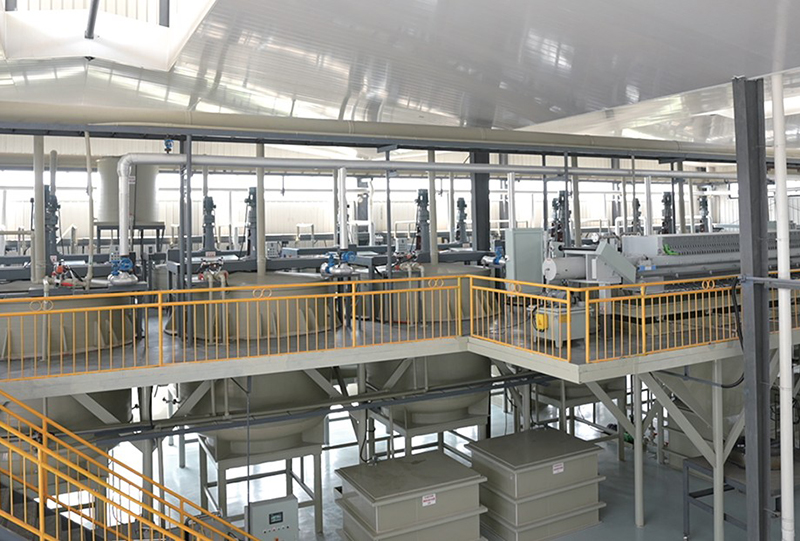
Figure 5 — WONAIXI manufacturing base: 46,667 square metres of dedicated rare earth functional materials production lines in Leshan, Sichuan Province.
Have Questions or Need More Details?
Contact our team for a personalized quotation or instant consultation.
Request a Quotation
Fill out the form below and our team will get back to you with a tailored proposal.
WhatsApp Direct Chat
Prefer to chat in real-time? Message us on WhatsApp for instant assistance & quick answers.
- Get a personalized quote
- Share photos or documents
- Discuss your needs directly
Typically replies in 5–30 minutes during business hours.