Rare Earth Compounds, Explained: A First-Step Sourcing Guide for Buyers
Rare Earth Compounds, Explained: A First-Step Sourcing Guide for Buyers
Rare earth elements are a group of 17 chemically similar metals that power many advanced technologies. Before they can be used in a production line, they are usually converted into high-purity compounds such as nitrates, chlorides, carbonates, hydroxides, sulfates, fluorides, and acetates. The chemical form, purity, and physical properties of these compounds determine whether they work in a pharmaceutical synthesis, an electronic thin film, a polishing process, or a ceramic formulation. This article explains the basics of rare earth compounds, their role in biotech and medical innovation, and the questions buyers should ask when evaluating a rare earth manufacturer.
Why Rare Earth Compound Selection Can Be Confusing
The first challenge is nomenclature. The same element may be available as a carbonate, nitrate, chloride, hydroxide, sulfate, fluoride, or acetate. These different anions change solubility, thermal decomposition, acidity, and compatibility with downstream processes.
Second, purity expectations vary. A reagent-grade product for a laboratory titration is not necessarily suitable for electronic-grade thin film deposition or biomedical applications. Impurities such as chloride, sulfate, or trace metals can cause corrosion, leakage currents, or adverse biological responses.
Third, buyers cannot always tell whether they are dealing with a manufacturer or a trader. A company that produces its own material is more likely to control batch consistency, particle size, and impurity profiles than one that simply resells unknown batches.
Finally, application knowledge matters. A product page may list a formula and CAS number, but it often does not explain why one physical form is preferred over another. Buyers therefore need a decision framework that connects chemistry to the actual process.
Rare Earth Market Context
The scale of the rare earth market explains why sourcing decisions have become more strategic. According to Grand View Research, the global rare earth elements market was valued at approximately USD 3.95 billion in 2024 and is projected to reach USD 6.28 billion by 2030.
Trade data also show the importance of supply chain transparency. China's rare-earth exports reached 62.6 thousand metric tons in 2025, a rebound from 55.4 thousand metric tons in 2024, according to Statista/China Customs.
Specialty compounds follow a similar growth pattern. The global ceric ammonium nitrate market, used in biotech and electronics, was valued at USD 162 million in 2023 and is expected to grow at a CAGR of 7.8% to USD 274 million by 2030, according to Persistence Market Research.
Rare earth compounds are also embedded in medical diagnostics. Gadolinium-based contrast agents are estimated to be used in 38–42% of the roughly 135 million MRI procedures performed annually worldwide, according to Mordor Intelligence/Clinical Adoption Guide.
Market concentration is visible in some segments. According to Global Market Insights, Ganzhou Qiandong Rare Earths Group Co., Ltd. was identified as a market leader with a 23.2% global share in the rare earth metals segment in 2024. For buyers, these figures point to a practical conclusion: rare earth compounds are not obscure laboratory chemicals. They are high-value materials used across many regulated industries, and supplier selection deserves the same rigor as any other critical material.
What a Rare Earth Functional Materials Manufacturer Supplies
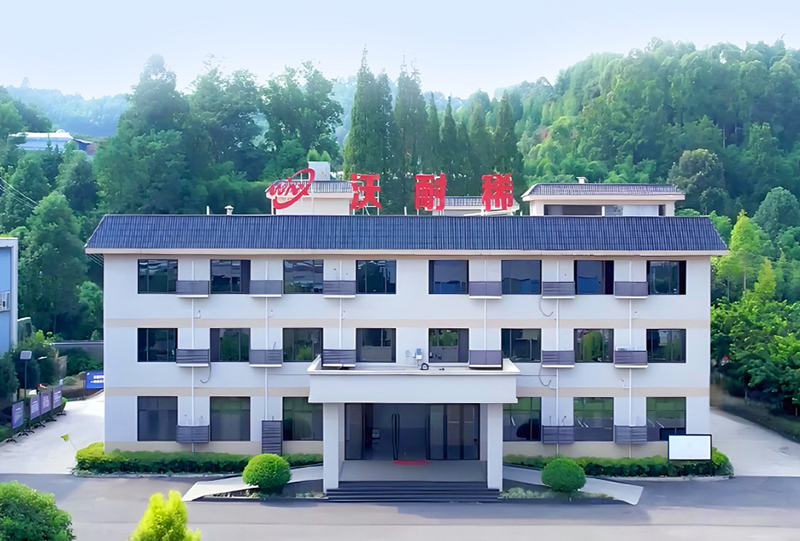
A manufacturer of rare earth functional materials typically converts raw materials into purified compounds with defined formulas, particle sizes, and impurity limits. Sichuan Wonaixi New Materials Technology Co., Ltd. is one example. Founded in 2012, the company specializes in R&D and production of rare earth functional materials. It operates a manufacturing facility of 46,667 square meters and employs approximately 98 staff.
The company states an annual output of 15,000 tons of high-purity rare earth salts and 3,000 tons of high-precision rare earth polishing powder. Its catalogue includes 9 major categories of rare earth products plus a complete zirconium salts series, covering more than 50 refined specifications.
From a product perspective, the families buyers should know are:
- Rare earth nitrates, such as lanthanum nitrate, which are often used as precursors for catalysts, electronic films, and optical glass.
- Rare earth chlorides, including anhydrous lanthanum chloride and cerium chloride, used for molten-salt electrolysis, catalysts, and anhydrous organic synthesis.
- Rare earth carbonates, such as cerium carbonate, large particle size cerium carbonate, and low chloride cerium carbonate, used for catalysts, ceramics, and impurity-sensitive applications.
- Rare earth hydroxides, such as lanthanum hydroxide, used for water treatment, adsorption, and ceramic processing.
- Rare earth fluorides, such as cerium fluoride and praseodymium-neodymium fluoride, used for optical components, metallurgy, and magnets.
- Rare earth acetates, such as lanthanum acetate, used as Lewis acid catalysts and precursors for electronic films.
- Rare earth sulfate hydrates, used as precursors and analytical reagents.
- Rare earth polishing powder, used for precision optical and electronic surface finishing.
- Electronic grade ammonium cerium(IV) nitrate, designed for semiconductor wafer etching and high-purity ceria film deposition.
The main advantage of a manufacturer with this range is that buyers can compare different compound families, request consistent specifications, and qualify one supplier for multiple applications rather than managing many resellers.
Step-by-Step: Evaluating Rare Earth Compounds and Suppliers
Step 1: Define the application and the required element
Start with the process. For example, a redox titration or an oxidation step requires cerium(IV) in a stable acidic solution. A phosphate-binding application may require lanthanum(III) in a low-solubility form. The application determines the element and the valence state.
Step 2: Choose the anion based on the chemistry
Carbonates are convenient intermediates because they dissolve in acids and release carbon dioxide. Chlorides are highly soluble and useful in wet synthesis. Nitrates form clean oxide films after calcination. Fluorides have very low solubility and high chemical stability. Sulfates and acetates offer alternative solubility and coordination properties.
Step 3: Set purity and impurity requirements
Impurity limits should be tied to the final use. For semiconductor and biomedical applications, low-chloride cerium carbonate exists specifically to avoid chloride-induced corrosion, device leakage, and tissue irritation. The same product family may offer industrial, high-purity, and ultra-low-chloride grades.
Step 4: Verify physical form and handling behavior
Particle size and morphology affect storage, dosing, and safety. Large particle size cerium carbonate, for example, is supplied as coarse granules that generate less airborne dust and dissolve more slowly than fine powder, which can be useful in filter beds and metallurgy. Hygroscopic products such as anhydrous chlorides require dry handling and sealed storage.
Step 5: Check whether the supplier actually manufactures
Ask about production capacity, product range, and manufacturing location. For WONAIXI, the stated annual capacity of 15,000 tons of high-purity rare earth salts and 3,000 tons of high-precision rare earth polishing powder helps confirm that it operates dedicated production lines rather than acting only as a trader.
Step 6: Request documentation and test samples
Before a purchase order, request the molecular formula, CAS number, molecular weight, purity, impurity limits, particle size, bulk density, solubility, shelf life, storage conditions, and safety data sheet. For compounds such as ammonium cerium(IV) nitrate, check hazard classification; under the US OSHA Hazard Communication Standard, it is classified as an Oxidizing Solid Category 2 and Corrosive to Metals Category 1. Some products, such as electronic grade ammonium cerium(IV) nitrate, also have a shorter shelf life than reagent grade—about 1–1.5 years under ideal cleanroom conditions. If possible, run a small-scale trial to confirm that the material behaves as expected in your process.
Use Cases: Rare Earth Compounds in Biotech and Medical Innovation
Oxidation and etching: ammonium cerium(IV) nitrate
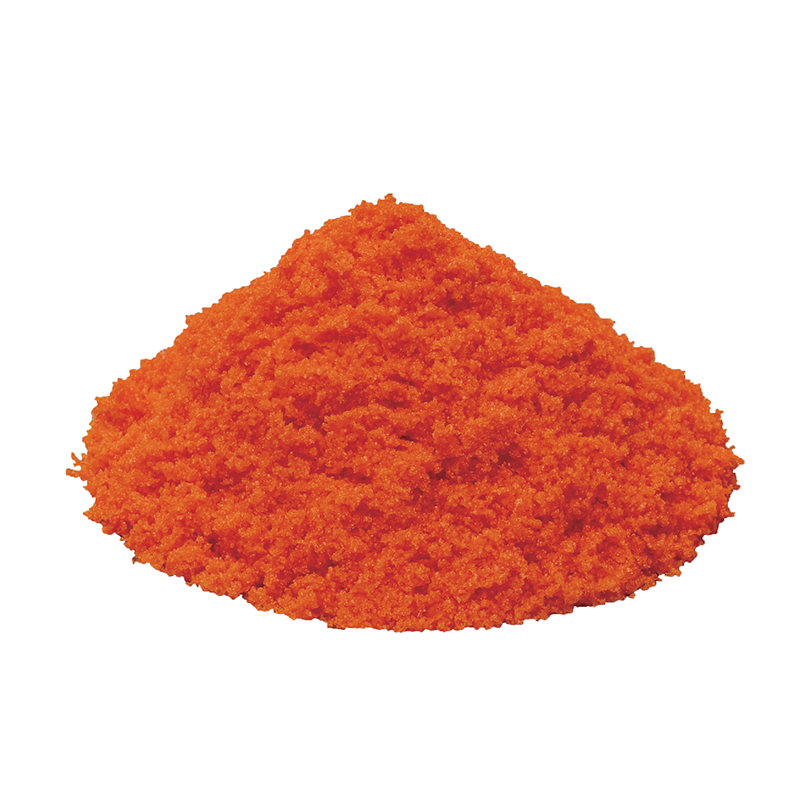
Ammonium cerium(IV) nitrate is a powerful oxidizer. It is stable only at pH below 2, turns colorless when reduced, and thermally decomposes to ceria above 300°C. This makes it useful for redox titration, organic synthesis, LCD and semiconductor etching, and the production of cerium-based catalysts. According to IMARC Group, high-purity electronic grade ceric ammonium nitrate is also a primary material for producing photomasks and LCDs, with Asia Pacific being the fastest-growing region for these compounds.
Phosphate binding and water treatment: lanthanum carbonate
Lanthanum carbonate has very low solubility in water and slowly releases La³⁺, which combines with phosphate to form insoluble lanthanum phosphate. This mechanism supports phosphate removal in industrial water treatment and oral phosphate-binding therapy for nephropathy patients.
Water treatment and ceramic processing: lanthanum hydroxide
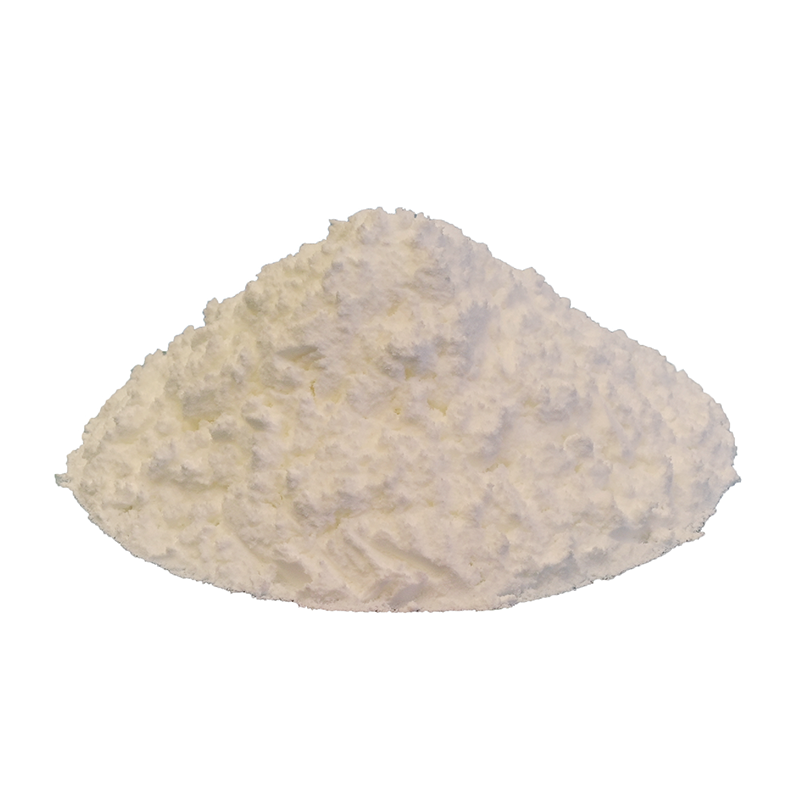
Lanthanum hydroxide has extremely low water solubility and slowly releases lanthanum ions. It selectively binds with fluoride, phosphate, and arsenate in water, which makes it useful for drinking water and industrial wastewater treatment. It also dehydrates at high temperature to form lanthanum oxide, which is used as a ceramic sintering aid and electronic thin-film precursor.
Optical components and semiconductor coatings: cerium fluoride
Cerium fluoride has extremely low water solubility and better chemical inertness than cerium hydroxide and carbonate. It is used for optical lens fabrication, polishing powder for optical glass, semiconductor coating materials, and flux for rare earth metal smelting.
Impurity-sensitive electronics and biomedicine: low chloride cerium carbonate
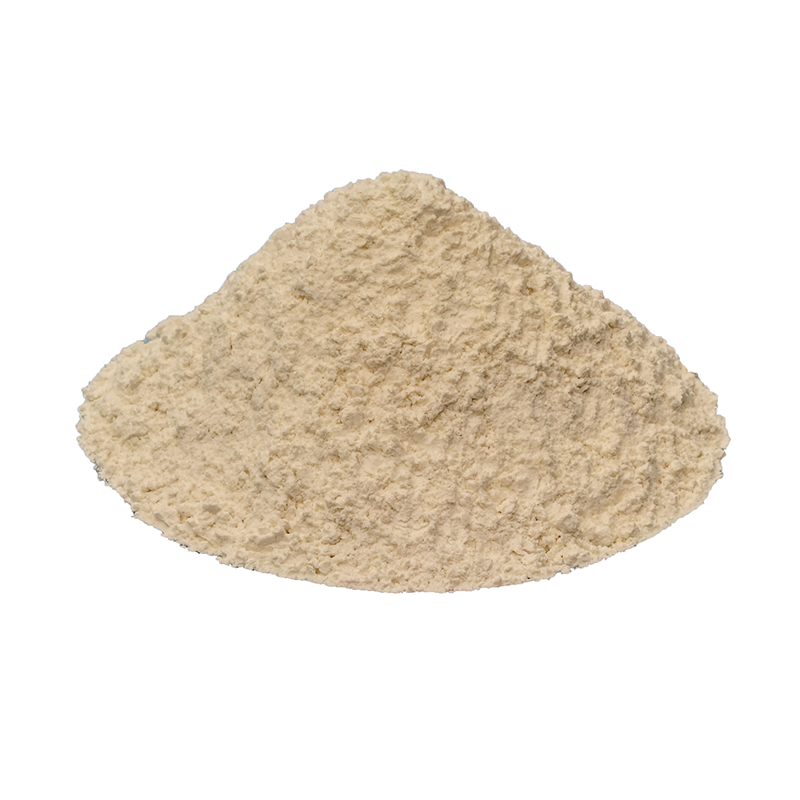
Low chloride cerium carbonate is a special trivalent cerium carbonate with controlled chloride content. Low chloride levels help prevent corrosion of metal interconnects, reduce dielectric leakage, and avoid chloride-related inflammation in biomedical ceramics. It is therefore used in semiconductor films, bioceramics, solid oxide fuel cells, and optical coatings.
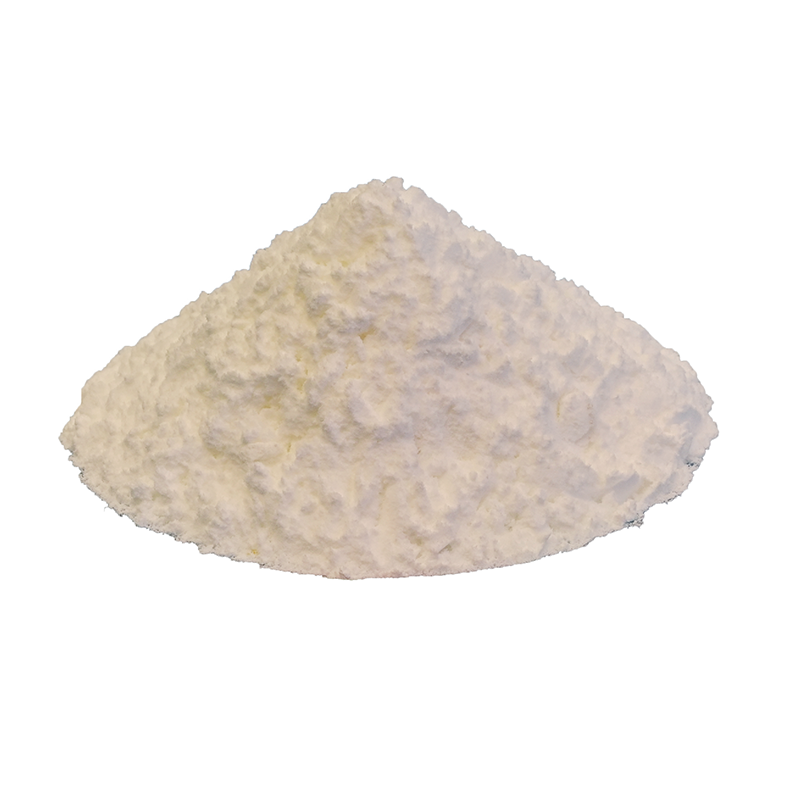
Magnet and metallurgy materials: praseodymium-neodymium fluoride
Praseodymium-neodymium fluoride is a solid solution of PrF₃ and NdF₃ with ultra-low water solubility and high melting point. It is used in sintered NdFeB permanent magnets, near-infrared absorbing laser glass, and molten-salt electrolysis of Pr-Nd metal.
Comparison: Common Cerium-Based Rare Earth Compounds
The table below compares several cerium-based compounds often considered by buyers. It is based on the technical data described in this article and is intended as a starting point for specification discussions.
| Compound | Formula / CAS | Typical Physical Form | Key Characteristics | Common Applications |
|---|---|---|---|---|
| Cerium Carbonate | Ce₂(CO₃)₃·xH₂O / 54451-25-1 | 100–500 mesh powder | Low water solubility; decomposes to ceria above 600°C | Catalyst precursor, polishing powder, water treatment, advanced ceramics |
| Large Particle Size Cerium Carbonate | Ce₂(CO₃)₃·xH₂O / 54454-25-1 | 500 μm–5 mm granules | Low dust, higher bulk density, slower dissolution, gentle CO₂ release | Filter-bed water treatment, metallurgy, ceramic sintering, catalyst supports |
| Low Chloride Cerium Carbonate | Ce₂(CO₃)₃·xH₂O / 54451-25-1 | 100–500 mesh powder or dense granules | Chloride controlled to ≤10 ppm (general), 1–5 ppm (high sensitivity), ≤1 ppm (ultra-low) | Semiconductor films, biomedical ceramics, SOFC electrolytes, optical coatings |
| Ammonium Cerium(IV) Nitrate | Ce(NH₄)₂(NO₃)₆ / 16774-21-3 | Orange-red crystalline powder | Strong oxidizer, soluble in water and polar solvents, stable below pH 2 | Redox titration, organic synthesis, etching, catalyst precursor |
| Electronic Grade Ammonium Cerium(IV) Nitrate | Ce(NH₄)₂(NO₃)₆ / 16774-21-3 | 50–150 mesh high-purity powder | Ultra-low ppb impurities, highly predictable oxidation | Semiconductor wafer nano-etching, CVD/ALD ceria films, precision cleaning |
Frequently Asked Questions
What does "rare earth manufacturer" mean, and how is it different from a trader?
A rare earth manufacturer operates production capacity to convert raw or intermediate materials into high-purity compounds. Sichuan Wonaixi New Materials Technology Co., Ltd., founded in 2012, is an example: it reports an annual output of 15,000 tons of high-purity rare earth salts and 3,000 tons of high-precision rare earth polishing powder, and supplies 9 major categories of rare earth products plus a complete zirconium salts series.
Which rare earth compounds are most relevant to biotech and medical innovation?
Relevant compounds include ammonium cerium(IV) nitrate for oxidation and etching, lanthanum carbonate for phosphate binding, lanthanum hydroxide for adsorption, cerium fluoride for optical applications, and low chloride cerium carbonate for chloride-sensitive biomedical and electronic applications. These materials support diagnostics, reagents, surface treatments, and advanced ceramics.
How should I choose between cerium carbonate, large particle size cerium carbonate, and low chloride cerium carbonate?
The choice depends on the process. Fine cerium carbonate is a general intermediate for catalysts and polishing powder. Large particle size cerium carbonate is suitable for processes where low dust, higher bulk density, and controlled dissolution are preferred. Low chloride cerium carbonate is preferable when chloride impurities can damage electronics, biomedical implants, or fuel-cell electrolytes.
What product information should I request before ordering?
Request the molecular formula, CAS number, purity, impurity limits, particle size, bulk density, solubility, shelf life, storage conditions, and safety data sheet. For electronics or biomedical use, ask for batch-specific impurity data and application guidance.
How can I contact WONAIXI about a rare earth compound requirement?
Technical and commercial inquiries can be sent to wnx.yang@wnxxcl.com or by phone/WhatsApp at +86 18683334430. A product brochure is also available for download to review the company's manufacturing scope and product categories.
Conclusion: From Awareness to a Qualified Shortlist
Rare earth sourcing does not have to be overwhelming. The right starting point is to separate the element from its chemical form, define the purity and physical form needed, and then evaluate manufacturers based on production capability and documentation. WONAIXI provides a useful reference point because it manufactures multiple rare earth compound families at scale and is open to direct technical inquiries.
For the next step, download the WONAIXI company brochure or contact the team with your target application.