Scaling Up OLED and Catalyst Production: A Guide to Rare Earth Nitrate and Acetate Solutions
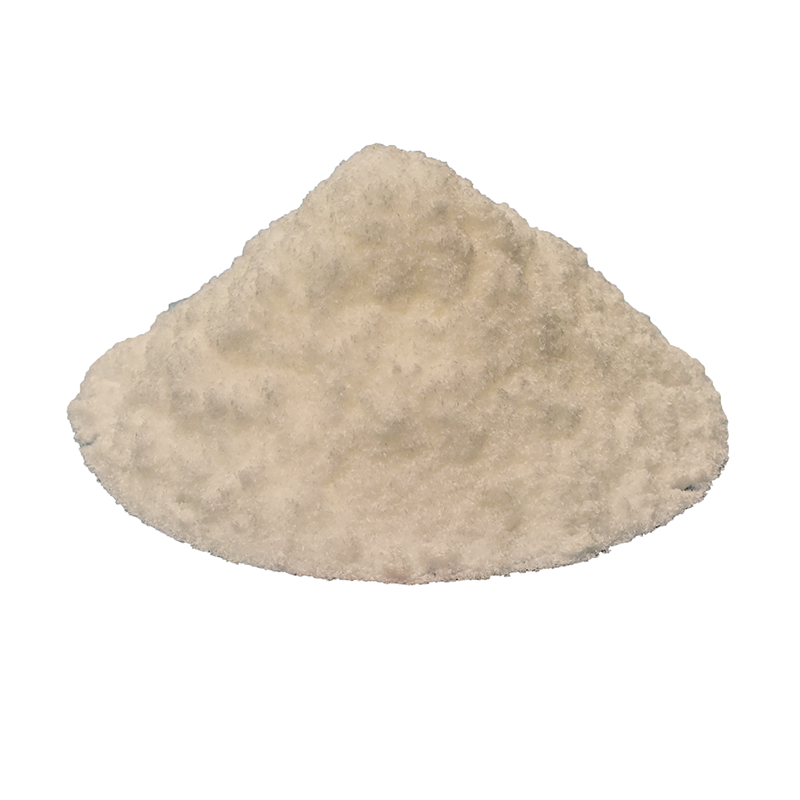
Lanthanum acetate is one of the acetate-family precursors used for ternary catalyst manufacturing and solution-deposited electronic thin films.
Scaling rare earth nitrate and acetate solutions from a laboratory beaker to a tonnage feed line for OLED and catalyst manufacturing comes down to three controllable variables: how completely the precursor dissolves, how predictably it decomposes, and how tightly its moisture and impurity envelope is held from batch to batch. Nitrate salts deliver high water solubility and uniform liquid-phase doping. Acetate salts deliver dual solubility in water and ethanol together with a low-temperature decomposition path that leaves no chloride or sulfate residue. Choosing between them determines whether a validated pilot formulation survives contact with full-scale production.
Sichuan Wonaixi New Materials Technology Co., Ltd. (WONAIXI) is a Chinese manufacturer of high-purity rare earth functional materials, founded in 2012 and based in Leshan City, Sichuan Province. The company operates a 46,667 m² production facility that produces 15,000 tons of high-purity rare earth salts and 3,000 tons of high-precision rare earth polishing powder annually, covering nine major rare earth product categories plus a complete zirconium salts series, with more than 50 refined specifications. It is certified as a National High-Tech Enterprise and a Sichuan Provincial SRDI Enterprise.
Problem Definition: Where Rare Earth Precursor Scale-Up Actually Breaks
A nitrate or acetate solution that performs in a 500 mL laboratory batch is not automatically ready for a tonnage feed line. Scale-up failures in OLED material and ternary catalyst production rarely originate from the rare earth element itself. They originate from the anion system, the moisture envelope, the dosing method, and the decomposition path.
Four failure modes repeat across catalyst and display material projects:
- Dissolution and dosing drift. Liquid-phase doping only works when the precursor fully dissociates. Anhydrous lanthanum chloride fully dissociates into free La³⁺ and Cl⁻ ions under dry conditions, which is what makes it usable for uniform doping and defect-free film deposition. A partially dissolved or partially hydrolysed batch produces thickness and stoichiometry variation that appears later as film defects or catalyst activity loss.
- Hydrolysis and moisture ingress. Anhydrous lanthanum chloride is stored at 15–25 °C with relative humidity below 50%, because it hydrolyses rapidly on moisture contact. Anhydrous neodymium chloride is stricter: hermetic storage in argon-sealed cans at 15–25 °C with RH below 10%, isolated from water, oxidants and organics. These are process requirements, not warehouse preferences.
- Residual anion contamination. Acetate precursors volatilise and decompose at low calcination temperature, leaving pure La₂O₃ or Ce₂O₃ free of film defects and without harmful residual anions such as Cl⁻ and SO₄²⁻. That absence of residue is precisely what high-precision films and high-purity catalyst supports require.
- Off-gas management. Nitrates follow a stepwise thermal decomposition pathway. Cerium nitrate removes water and NOx sequentially to yield CeO₂ with controlled morphology and purity, while toxic NOx released during thermal decomposition can accumulate in confined spaces — so fume extraction must be designed into the line rather than retrofitted.
Each of these is a specification and handling decision that can be closed before the first tonnage order, provided the supplier states the numbers.
Industry Background: A Rare Earth Market That Rewards Precursor Discipline
Rare earth demand growth is concentrated in applications that convert raw oxides into precisely specified compounds. IMARC Group projected the global rare earth elements market to reach approximately USD 14.03 billion by 2025, with magnet applications accounting for 31.2% of total value. Arthur D. Little projects NdPr demand to grow at a CAGR of 8.4% through 2035, driven by expansion of the EV and wind turbine sectors. Chinese export data compiled by the General Administration of Customs and reported by Statista shows rare earth exports of 62.6 thousand metric tons in 2025, the highest volume in a decade.
Two adjacent signals matter specifically for nitrate and acetate buyers. Fact.MR reports that metal oxides accounted for approximately 42.6% of the global glass additive industry in 2025, driven by demand for UV protection and refractive index refinement — the same optical functions that rare earth oxides and fluorides perform in display, lens and coating manufacturing. QY Research forecasts the high-purity rare earth fluorides market to grow at a CAGR of 5.5% from 2025 to 2031, and lists WONAIXI among the key global players in that segment.
WONAIXI supplies nine major rare earth categories plus a complete zirconium salts series, produces 15,000 tons of high-purity rare earth salts and 3,000 tons of high-precision rare earth polishing powder annually, and runs a 12-engineer R&D team. The company holds more than 10 national invention patents, exports to the United States, Japan, South Korea, France, Italy, Thailand, Australia, Pakistan, Spain, Germany, India and Austria, and derives 10% of total sales from export business, with main markets in Japan, South Korea, USA, France and UK.
For a buyer scaling an OLED-adjacent or catalyst line, the practical question is not market size. It is which compound family fits which process step, and what the batch record must show.
Detailed Solution: Matching Nitrate and Acetate Chemistry to Each Process Step
The nitrate family: high-solubility liquid dosing for catalysts and electronic films
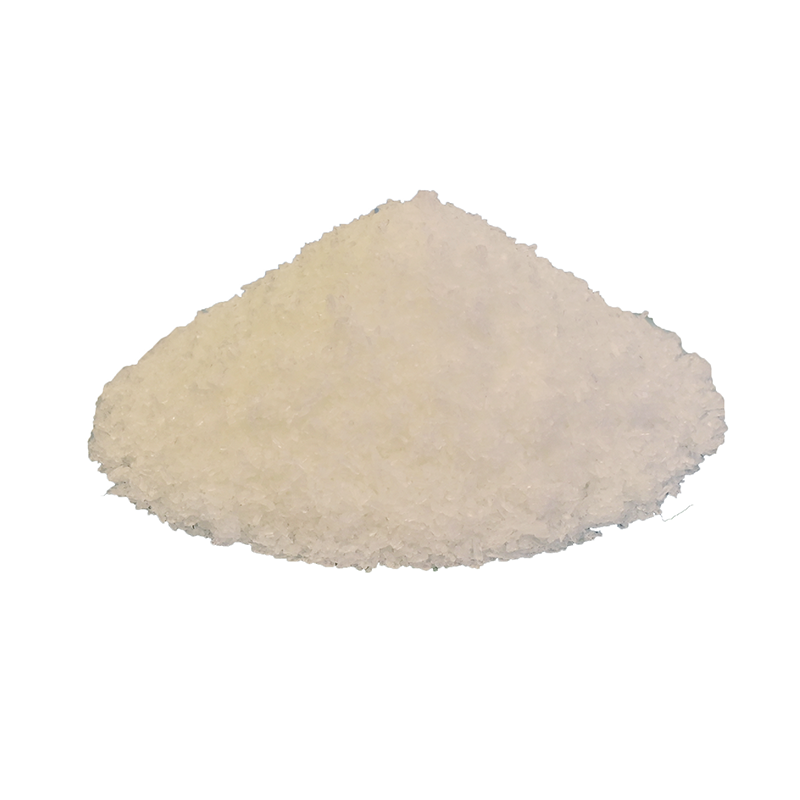
Lanthanum nitrate hexahydrate — full water solubility for liquid-phase doping, precipitation and calcination routes.
Nitrates are the workhorse of liquid-phase processes because they dissolve completely and release free rare earth ions into solution. Four nitrate compounds carry most of the load in catalyst and electronic material production.
- Lanthanum Nitrate (La(NO₃)₃·6H₂O, CAS 10277-43-7, MW 433.01) is used as a catalyst for the petrochemical industry and is applied in high-end optical glass raw material, electronic thin film and piezoelectric ceramic material projects. It fully dissolves in water to release La³⁺ for precipitation and calcination, and serves as a precursor for sol-gel and CVD thin films in electronics. Storage is specified at 15–25 °C with relative humidity below 40%.
- Praseodymium Nitrate (Pr(NO₃)₃·6H₂O, CAS 15878-77-0, MW 434.91) is used for the preparation of experimental reagents, special alloys and ternary catalysts.
- Cerium Nitrate (Ce(NO₃)₃·6H₂O, CAS 10294-41-4, MW 434.22) serves as an additive for petrochemical catalysts and gas lamp covers. Through stepwise thermal decomposition it removes water and NOx sequentially, making it a thermal decomposition precursor for CeO₂ in fuel cell electrolytes, polishing powder and automobile exhaust catalysts. Storage is 15–25 °C with RH below 50%.
- Zirconium Nitrate (Zr(NO₃)₄·2H₂O, CAS 13746-89-9, MW 375.36) is used for manufacturing ternary catalysts, high-end ceramics, zirconium compound intermediates and chemical reagents. In ceramic manufacturing, technical pentahydrate is mixed with yttrium nitrate for spray drying and sintered into high-strength zirconia for engine structural parts and orthopedic implants.
Practical constraint: nitrate decomposition releases NOx. Cerium nitrate decomposition above 180 °C requires fume extraction, and the pentahydrate grade carries a shelf life of 1–2 years while anhydrous zirconium nitrate carries only 6–12 months.
The acetate family: chloride-free, low-temperature pathways for catalysts and display films
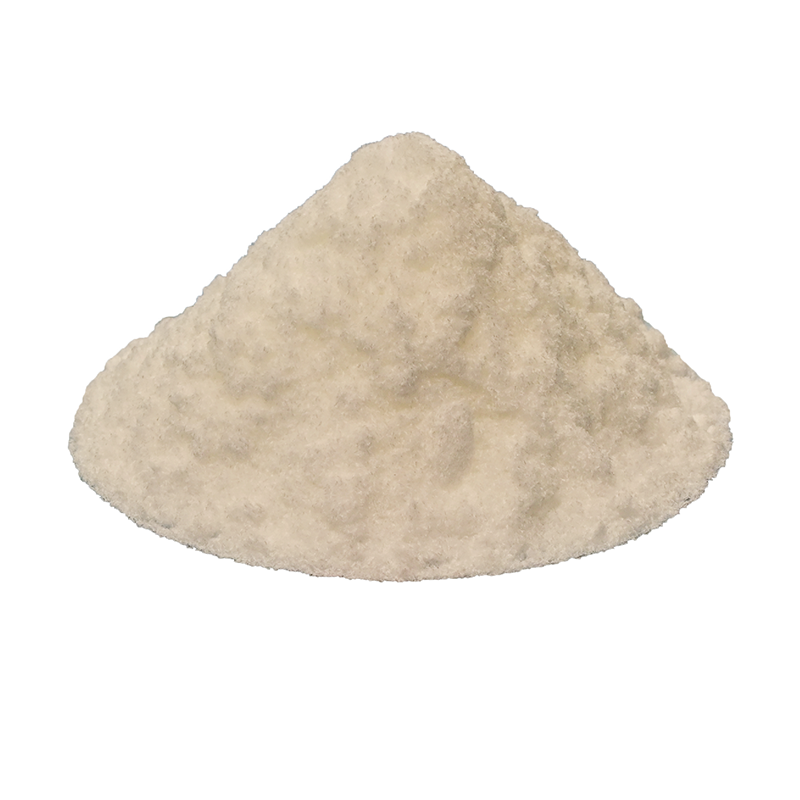
Cerium acetate — dual solubility in water and ethanol, low-temperature decomposition, no chloride or sulfate residue.
Acetates solve the residue problem that nitrates and chlorides cannot. Because the acetate group volatilises and decomposes at low calcination temperature, the fired film or catalyst support contains pure rare earth oxide rather than a mixture with residual anions.
- Lanthanum Acetate (La(C₂H₃O₂)₃·xH₂O, CAS 100587-90-4, MW 316.04 on an anhydrous basis) is used for manufacturing ternary catalysts and in the chemical reagent industry. It offers dual solubility in water and ethanol, acts as a mild non-corrosive Lewis acid replacing sulfuric or hydrochloric acid in transesterification and cycloaddition reactions, and reduces carbonisation byproducts. As a low-temperature sintering aid it forms a liquid phase that accelerates grain growth in zirconia ceramics and cuts sintering shrinkage. High-purity anhydrous lanthanum acetate dissolved in ethanol and spin-coated produces La-doped transparent conductive ZnO films for touch panels and photovoltaics. Anhydrous lanthanum acetate is stored under nitrogen for moisture isolation; shelf life is 1–2 years for the trihydrate and 2–3 years for the anhydrous form.
- Cerium Acetate (Ce(C₂H₃O₂)₃·xH₂O, CAS 537-00-8, MW 371.27 on an anhydrous basis) is likewise used for manufacturing ternary catalysts and chemical reagents. It works as a mild Lewis acid catalyst for biodiesel transesterification and Diels-Alder cycloaddition, functions as a low-temperature sintering aid for alumina ceramics where it promotes uniform grain growth and improves green-body compactness and thermal shock resistance, and acts as a precursor for Ce-doped ZnO films with high conductivity and UV shielding performance for photovoltaics and touch panels.
- Zirconium Acetate (Zr(C₂H₃O₂)₄, CAS 7585-20-8, MW 327.4) is used for manufacturing ternary catalysts, zirconium compound intermediates and chemical reagents. It is a chloride-free zirconium source with dual solubility in water and ethanol. Mixed with alumina and sintered at low temperature, it forms a uniform ceramic protective layer for anti-corrosion coatings on metal substrates. It also replaces potassium hydroxide in vegetable oil transesterification and, dissolved in chloroform, is spin-coated and annealed into Zr-doped organic semiconductor films with enhanced carrier mobility.
Supporting compounds that share the same scale-up line
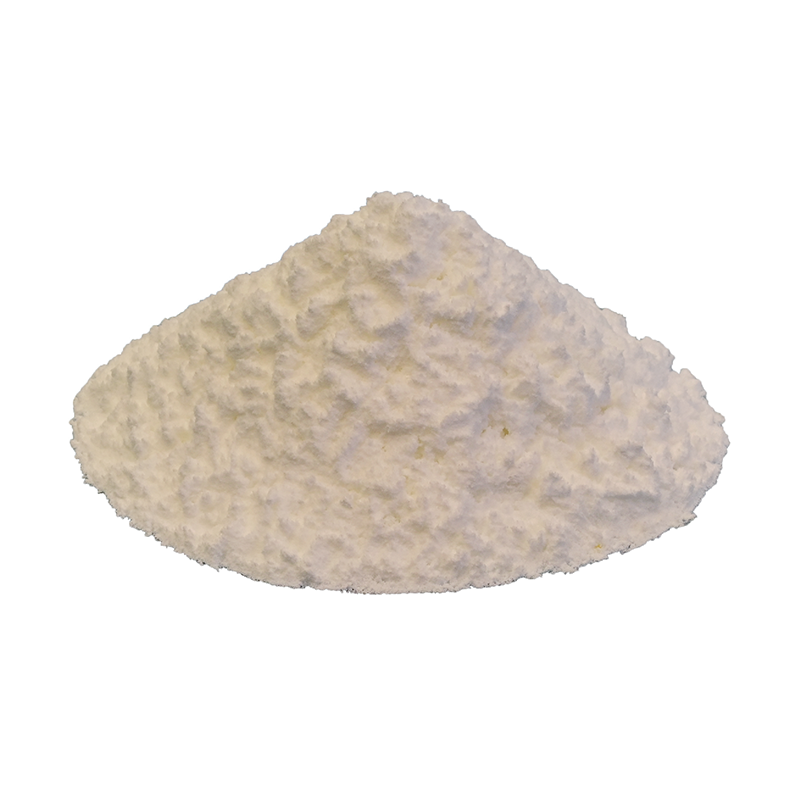
High purity cerium carbonate (4N/5N/6N) — a thermal decomposition precursor for automotive exhaust purification catalysts.
Nitrates and acetates rarely run alone. Three additional compounds sit on the same line.
- High Purity Cerium Carbonate (Ce₂(CO₃)₃·xH₂O, CAS 54451-25-1, MW 460.26) is used for manufacturing automotive exhaust purification catalysts and as an intermediate for producing cerium and other compounds. Available in 4N, 5N and 6N grades with heavy metals below 10 ppb, other rare earths below 5 ppb and anions below 1 ppm, it requires Class 1000 or higher cleanroom storage at 15–25 °C with RH below 50% in Teflon-lined airtight containers.
- Cerium Ammonium Nitrate (Ce(NH₄)₂(NO₃)₆, CAS 16774-21-3, MW 548.22) is used as a polishing agent and etching agent in the production of LCD displays and as a catalyst in the pharmaceutical industry, and it is also used for synthesising ternary catalysts for automobiles. Through strong oxidation of Ce⁴⁺ under acidic conditions it serves analytical chemistry as a standard cerimetric titrant.
- Electronic Grade Cerium Ammonium Nitrate delivers selective nano-etching for semiconductor wafers without metal residues, acts as a precursor for CVD and ALD high-purity ceria films for memory, interconnection and fuel cells, functions as an oxidant for thermal barrier powder, conductive polymers and luminescent quantum dots, and cleans PCBs and connectors without damaging components. Storage requires a Class 1000 cleanroom at 15–25 °C with RH below 20%, with a shelf life of 1–1.5 years.
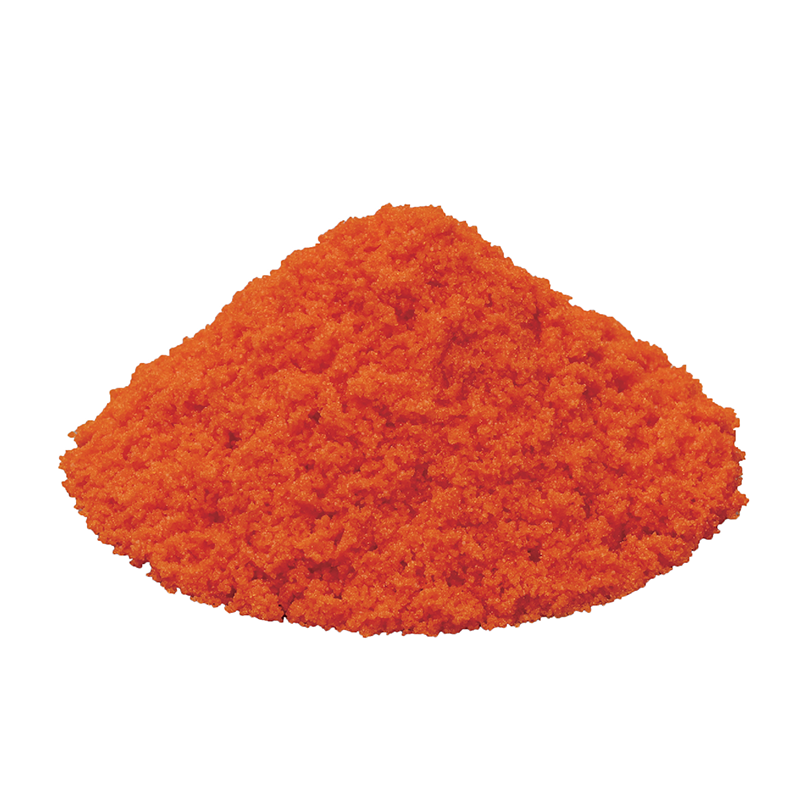
Electronic grade cerium ammonium nitrate — nano-etching, ALD ceria films and luminescent quantum dot synthesis.
Where OLED and display lines meet rare earth chemistry
Display manufacturing consumes rare earth precursors at several distinct steps, and the OLED segment inherits the same qualification logic as the LCD and optoelectronic lines that already run these compounds. Verified display-chain roles include cerium ammonium nitrate as a polishing and etching agent in LCD display production, La-doped and Ce-doped transparent conductive ZnO films for touch panels and photovoltaics, high-purity cerium oxide in rare earth luminescent materials, and lanthanum carbonate as a host material for red and green LED phosphor.
The optical side of the same supply chain is served by high-purity lanthanum oxide for high-refractive-index optical glass and high-k transistor dielectrics, lanthanum fluoride for UV and IR prisms, lenses and anti-reflective films in wafer photolithography, cerium fluoride for optical thin films and semiconductor doping, and praseodymium-neodymium fluoride for high-performance optical lenses used in laser processing, communication and medicine.
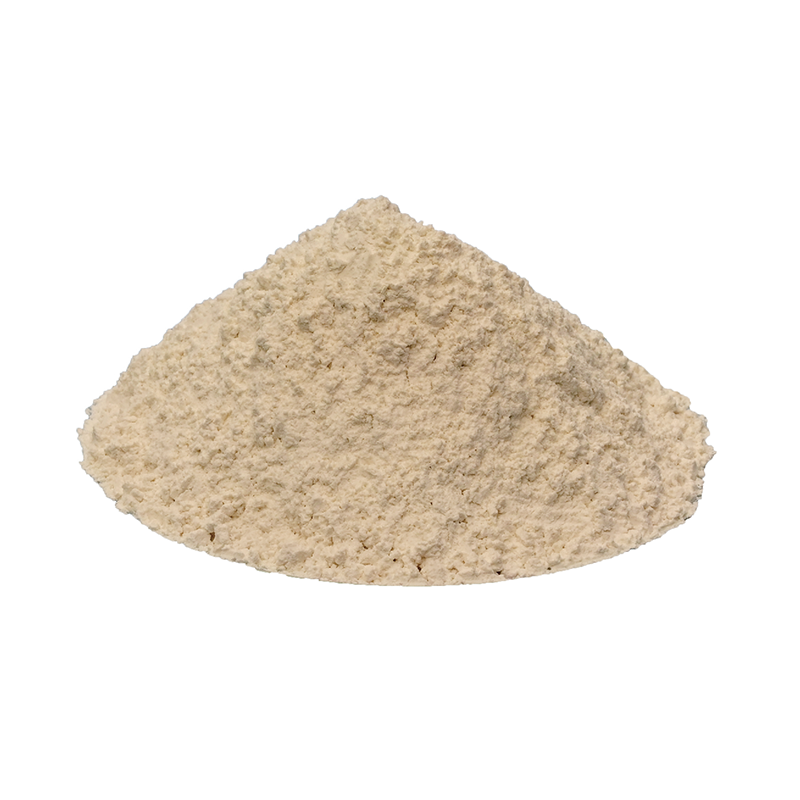
Lanthanum fluoride — UV/IR transmittance and chemical inertness for optical component manufacturing.
Step-by-Step Breakdown: An Eight-Stage Scale-Up Roadmap
The following sequence is the order in which precursor decisions should be locked, because each stage constrains the next.
- Define the target phase and required purity grade. Determine whether the line needs a film-grade precursor, a catalyst-grade precursor, or an electronic grade. Electronic grade cerium ammonium nitrate, for example, is specified for Class 1000 cleanroom handling with RH below 20%, while industrial grades tolerate a wider envelope.
- Select the anion family on decomposition behaviour. Choose nitrates when high water solubility and uniform liquid-phase doping matter most, and choose acetates when the fired product must be free of chloride and sulfate residue.
- Qualify solubility in the actual solvent. Water-only systems fit nitrates and lanthanum acetate; ethanol or mixed systems fit the acetates, which are dual-soluble in water and ethanol. Zirconium acetate and cerium acetate are used in ethanol and chloroform spin-coating respectively.
- Fix the moisture and storage envelope. Lanthanum nitrate is held at 15–25 °C with RH below 40%, cerium nitrate and zirconium nitrate at 15–25 °C with RH below 60%, high-purity cerium carbonate under Class 1000 conditions with RH below 50%, and electronic grade cerium ammonium nitrate with RH below 20%. Anhydrous salts go under nitrogen or in argon-sealed cans.
- Engineer the decomposition and off-gas route. Nitrates require NOx abatement and fume extraction; acetates volatilise and decompose at low calcination temperature, which also reduces thermal treatment energy consumption.
- Lock dosing and metering. High water solubility is what allows uniform doping; supply the precursor as a stable solution or as a fully soluble powder that reconstitutes without residue.
- Validate pilot batches against batch records. Require 100% test reporting on production and documented impurity limits for the grade purchased.
- Plan tonnage supply. WONAIXI quotes a lead time of 30–45 days, with MOQ communicated according to the actual situation and packaging customisation available.
Use Cases: Where Nitrate and Acetate Solutions Are Deployed
1. Ternary catalyst production for automotive and petrochemical lines
Lanthanum acetate, cerium acetate, zirconium acetate, zirconium nitrate and praseodymium nitrate are all specified for ternary catalyst manufacturing. High-purity cerium carbonate supports automotive exhaust purification catalyst production, and cerium oxide provides reversible oxygen storage through the mutual conversion of Ce⁴⁺ and Ce³⁺ in the fluorite lattice, stabilising the three-way catalyst carrier.
2. Display and optoelectronic material lines
Cerium ammonium nitrate is used as a polishing and etching agent in LCD display production. Lanthanum acetate and cerium acetate serve as spin-coating precursors for La-doped and Ce-doped transparent conductive ZnO films in touch panels and photovoltaics. Electronic grade cerium ammonium nitrate acts as an oxidant for luminescent quantum dots and as a CVD/ALD precursor for high-purity ceria films.
3. Semiconductor and precision electronics
Anhydrous lanthanum chloride supplies free La³⁺ for semiconductor wafer doping and CVD deposition of La₂O₃ dielectric films. Electronic grade cerium ammonium nitrate enables selective nano-etching without metal residues. Lanthanum oxide functions as a high-k dielectric for transistors.
4. High-strength ceramics and thermal barrier coatings
Zirconium nitrate pentahydrate mixed with yttrium nitrate is spray-dried and sintered into high-strength zirconia for engine structural parts and orthopedic implants. Fine crystalline spherical cerium carbonate, with ultrafine grains of 10–50 nm and a specific surface area of 20–50 m²/g, supports aerospace thermal barrier coating fabrication.
5. Energy storage and fuel cells
High-purity lanthanum oxide is used to optimise lithium battery electrodes and to synthesise hydrogen storage alloys for Ni-MH batteries. Cerium-based precursors and cerium ammonium nitrate feed fuel cell ceria films and electrolyte development. Anhydrous lanthanum chloride is applied as an additive for solid oxide fuel cell molten electrolytes.
6. Optical glass and precision optics
Lanthanum fluoride and cerium fluoride deliver wide-spectrum transmittance and chemical inertness for UV and IR prisms, lenses and anti-reflective films. High-purity lanthanum oxide raises the refractive index of optical glass and eliminates chromatic aberration, while cerium oxide and cerium hydroxide act as glass decolourisers and polishing agents.
Comparison Table: Nitrate vs Acetate Precursors at Scale
| Compound | Formula / CAS | Solubility & residue behaviour | Primary scale-up use |
|---|---|---|---|
| Lanthanum Nitrate | La(NO₃)₃·6H₂O / 10277-43-7 | Fully water-soluble; stepwise dehydration; storage 15–25 °C, RH < 40% | Petrochemical catalyst; sol-gel and CVD precursor for electronic thin films, optical glass and piezoelectric ceramics |
| Praseodymium Nitrate | Pr(NO₃)₃·6H₂O / 15878-77-0 | Water-soluble nitrate; supports laboratory reagent and alloy preparation | Ternary catalysts, special alloys, experimental reagents |
| Cerium Nitrate | Ce(NO₃)₃·6H₂O / 10294-41-4 | Stepwise decomposition removing water and NOx; NOx abatement required; storage RH < 50% | Petrochemical catalyst additive; CeO₂ precursor for fuel cell electrolytes, polishing powder and exhaust catalysts |
| Zirconium Nitrate | Zr(NO₃)₄·2H₂O / 13746-89-9 | High water solubility; releases NOx above 180 °C; pentahydrate shelf life 1–2 years | Ternary catalysts, high-end ceramics, YSZ precursors with yttrium nitrate |
| Lanthanum Acetate | La(C₂H₃O₂)₃·xH₂O / 100587-90-4 | Dual solubility in water and ethanol; low-temperature decomposition, no Cl⁻ or SO₄²⁻ residue | Ternary catalysts, chemical reagents, zirconia sintering aid, La-doped ZnO conductive films |
| Cerium Acetate | Ce(C₂H₃O₂)₃·xH₂O / 537-00-8 | Dual solubility; low-temperature decomposition to pure Ce₂O₃; biocompatible acetate anion | Ternary catalysts, chemical reagents, alumina sintering aid, Ce-doped ZnO UV-shielding films |
| Zirconium Acetate | Zr(C₂H₃O₂)₄ / 7585-20-8 | Chloride-free zirconium source; dual solubility; dense ZrO₂ via low-temperature sintering | Ternary catalysts, anti-corrosion ceramic coatings, biodiesel catalysis, organic semiconductor films |
Selection rule of thumb: use nitrates when maximum water solubility and uniform liquid-phase doping drive the process; use acetates when the fired product must be free of chloride and sulfate residue and the calcination step must stay at low temperature. Both families require a defined moisture envelope and a defined off-gas route.
Frequently Asked Questions
1. What quality and compliance checks should a buyer run before scaling a rare earth nitrate or acetate to tonnage?
Start with three documents. First, batch-level test reporting: WONAIXI applies 100% test as its production quality control standard. Second, management-system evidence: the company operates under ISO 9001 and is recognised as a National High-Tech Enterprise and a Sichuan Provincial SRDI Enterprise. Third, technical capability evidence: more than 10 national invention patents and a 12-engineer R&D team, backed by an annual capacity of 15,000 tons of high-purity rare earth salts and 3,000 tons of high-precision rare earth polishing powder. For electronic grade material, add cleanroom classification, humidity limits and shelf-life documentation to the checklist.
2. Can rare earth nitrate and acetate solutions be customised for a specific OLED-adjacent or catalyst line?
Yes. WONAIXI operates an OEM/ODM production model covering indicators, contents, specifications, purity and packaging. The portfolio spans nine major rare earth categories plus a complete zirconium salts series, with more than 50 refined specifications, so a catalyst line that needs a chloride-free zirconium source and a display-material line that needs a dual-solvent acetate precursor can be served from the same qualification framework. Customisation work is handled by the 12-engineer R&D team.
3. As a rare earth manufacturer for battery materials, which compounds actually matter?
For battery and energy applications, the relevant compounds are high-purity lanthanum oxide, which is used to optimise lithium battery electrode structure and to synthesise hydrogen storage alloys for Ni-MH batteries, and the cerium family, which feeds fuel cell development. Cerium ammonium nitrate serves as a precursor for producing ceria used in catalysts and fuel cells, and electronic grade cerium ammonium nitrate acts as a precursor for CVD and ALD high-purity ceria films for memory, interconnection and fuel cell applications. Anhydrous lanthanum chloride is also applied as an additive for solid oxide fuel cell molten electrolytes to improve ionic conductivity and thermal stability.
4. What sample and validation support is available before a full tonnage order?
Buyers can request product samples and specification documentation before committing to production volumes, and WONAIXI provides remote after-sales support for qualification and troubleshooting. Validation should confirm solubility in the actual process solvent, moisture content on receipt, and decomposition behaviour against the line's calcination profile. To start a sample or quotation request, contact the WONAIXI team through wonaixi.com or download the product brochure linked at the end of this guide.
5. What lead time and MOQ should be planned for a tonnage rare earth order?
WONAIXI quotes a standard lead time of 30–45 days, and MOQ is communicated according to the actual situation rather than fixed across the catalogue, since order size depends on the compound, grade and packaging format. Because nitrate and acetate grades carry different shelf lives — from 6–12 months for anhydrous zirconium nitrate to 2–3 years for anhydrous lanthanum acetate — lead time planning should be tied to consumption rate so that stock is used within its validated window. Buyers preparing a first tonnage order can request a quote and a specification sheet for the exact compound and grade required.
Conclusion: Precursor Decisions Determine Whether Scale-Up Holds
Scaling OLED-adjacent material and catalyst production is less about reactor size than about precursor discipline. Nitrate solutions carry the solubility and uniform doping behaviour that liquid-phase processes depend on, at the cost of a NOx abatement route and a tighter moisture envelope. Acetate solutions carry dual solubility and a low-temperature decomposition path that leaves no chloride or sulfate residue, at the cost of slightly higher material selection effort. Matching the anion family to the process step, locking the storage and humidity specification, and validating batch records before tonnage ordering is the sequence that keeps a validated formulation intact at full scale.
WONAIXI supplies these compound families from a 46,667 m² facility in Leshan City, Sichuan Province, with 15,000 tons of annual high-purity rare earth salt capacity, a 12-engineer R&D team, and export experience across Japan, South Korea, USA, France, UK, Germany, Italy, Spain, India, Thailand, Australia and Pakistan.
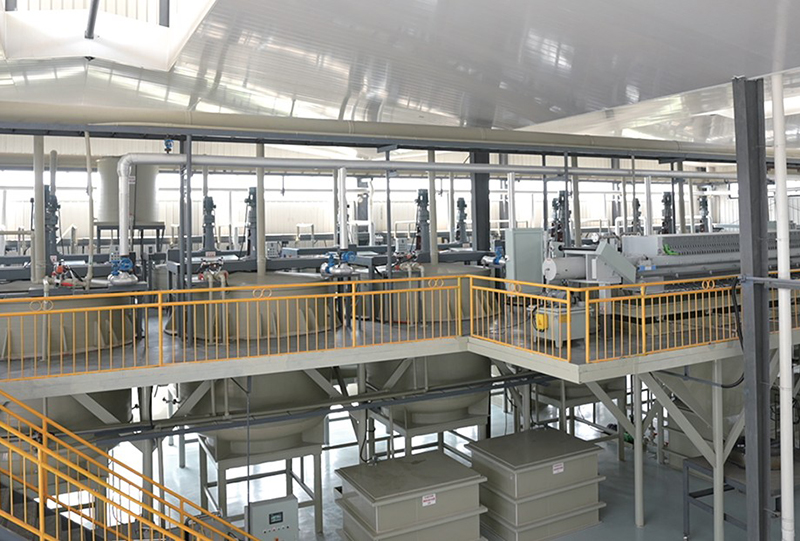
WONAIXI production facility, Leshan City, Sichuan Province, China.
Next step: request a sample, a specification sheet or a tonnage quotation.
Download the full product brochure: WONAIXI Product Brochure (PDF)
Contact: YANG XINGE | Email: wnx.yang@wnxxcl.com | Tel / WhatsApp: +86 18683334430
Website: wonaixi.com | Address: No. 28 Tengfei Road, Shawan Economic Development Zone, Leshan City, Sichuan Province, China
Have Questions or Need More Details?
Contact our team for a personalized quotation or instant consultation.
Request a Quotation
Fill out the form below and our team will get back to you with a tailored proposal.
WhatsApp Direct Chat
Prefer to chat in real-time? Message us on WhatsApp for instant assistance & quick answers.
- Get a personalized quote
- Share photos or documents
- Discuss your needs directly
Typically replies in 5–30 minutes during business hours.