Dosing Pump Compliance Guide: Matching Certifications and Standards to Regional Requirements
A dosing pump compliance file is valid for a region, not for a brand. The same metering pump unit can be accepted in one market and questioned in another, because the applicable regulation, the marking claim and the supporting documents change with the destination — even when the hardware is identical. Matching certifications and standards to regional requirements means reading every claim against three anchors at once: the market where the pump will be installed, the pump architecture that was ordered, and the material and duty data declared for the real process fluid.
For buyers at the decision stage, the task is not to collect certificates but to map them. This guide explains how to interpret a dosing pump compliance package document by document, where related pump types such as a solenoid pump, a piston pump and a hydraulic pump fall under different compliance scopes, how material selection for strong corrosive liquids belongs inside that same package, and how to move compliance evidence into purchase order terms and acceptance criteria.
Problem Definition: Why a Single Global Approval Does Not Hold at the Purchase Order Stage
There is no universally valid dosing pump approval. A certificate, declaration or standard reference is issued for a defined scope — a specific model or model family, a specific configuration, a specific standard, and in most cases a specific market or regulatory regime. When that scope is not read, the document travels with the shipment as a claim rather than as evidence.
Where compliance files usually break
- Model scope mismatch. The file lists a pump family, while the order line specifies a different model, motor variant or connection size.
- Standard scope mismatch. A standard written for one pump architecture is used to support a claim for another. Reciprocating metering pumps and rotary positive displacement pumps are not covered by the same standard reference.
- Regional mismatch. A marking or declaration valid for one market is presented as globally applicable, while the destination market applies its own requirements and its own transition dates.
- Material mismatch. Wetted materials are declared for a general chemical category instead of the actual fluid, concentration and temperature of the installation.
The consequence is not only a documentation problem. An incomplete file can stall a shipment, weaken a warranty position, or push a project back into re-approval after the pumps have already been ordered — which is the most expensive point at which to discover that the evidence package and the destination market do not match.
Industry Background: Demand Growth Is Outpacing Documentation Practice
The commercial context explains why regional compliance mapping has become a decision-stage issue rather than a paperwork formality. The global dosing pump market was valued at approximately USD 8.86 billion in 2024, with Asia Pacific holding a 41.8% revenue share, according to Grand View Research. Within the product mix, diaphragm dosing pumps lead with a 55.7% revenue share, and motor-driven metering pumps accounted for 54.45% of the global metering pump market in 2025, according to Mordor Intelligence. The same source projects solenoid-driven dosing pumps to grow at a CAGR of 5.88% through 2031, and reports that water and wastewater treatment accounts for a 23.2% application share of metering pumps.
Supply is equally concentrated. China's liquid pump exports, including dosing types, reached USD 14.3 billion in 2024, according to the Observatory of Economic Complexity, while the global chemical injection pump market was valued at USD 3.5 billion in 2024 by HTF Market Intelligence. Established international suppliers active in these ranges include Grundfos, IDEX (Milton Roy), ProMinent and SEKO S.p.A., as listed by Mordor Intelligence.
On the regulatory side, the requirements themselves are moving. From 2027 the EU Machinery Regulation replaces Directive 2006/42/EC, and CE marking remains mandatory for metering pump units placed on the EU market, according to the European Commission. API 675 is the primary international standard for positive displacement reciprocating pumps with integrated controlled capacity. ISO 14847:1999 specifies technical requirements for rotary positive displacement pumps — a standard whose scope explicitly excludes safety and testing requirements.
The Detailed Solution: Reading a Dosing Pump Compliance Package Region by Region
1. Anchor the file to the destination market first
Mapping starts from the installation site, not from the supplier's certificate folder. Establish which regulation applies on the planned delivery date, not which regulation applied when the pump series was first designed. For EU-bound metering pump units, CE marking is required, and the framework is transitioning from Directive 2006/42/EC to the EU Machinery Regulation from 2027. A declaration prepared only against the outgoing Directive may need to be re-confirmed for a delivery that lands after the change.
2. Define the compliance scope of the pump architecture ordered
Related pump types are not interchangeable in compliance terms, because their construction, drive and pressure envelopes differ.
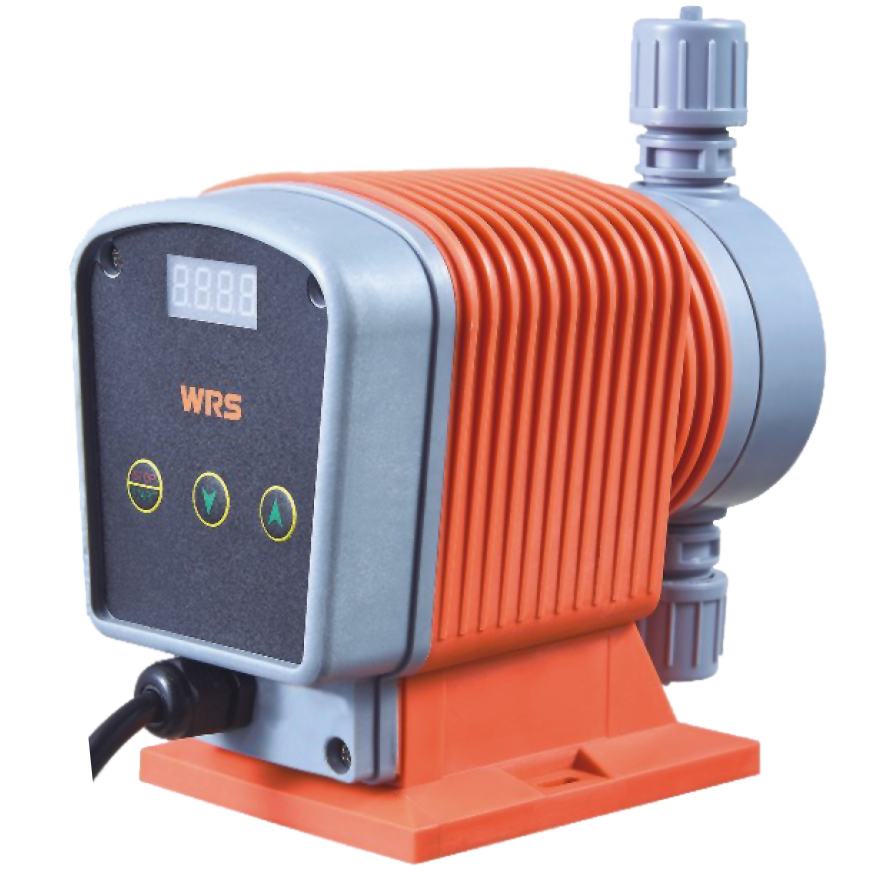
- Solenoid dosing pump. Low-flow metering, typically 1–20 L/H at 1–10 bar, with manual or remote control, PVC / PVDF / SS316 wetted materials and IP65 protection. The documentation focus is the low-flow performance declaration, the control mode and the protection class of the supplied variant.
- Diaphragm dosing pump (mechanical or digital). The widest duty band in the range, from 15 L/H up to 1800 L/H and 3–10 bar depending on the model, with PVC / PVDF / SS316 or SS316L wetted materials. Documentation focus: diaphragm and valve arrangement, leak-tightness of the assembled head, and the motor variant.
- Piston dosing pump. SS316 wetted parts, 600 L/H at 8 bar, flange connections and motor power ratings that place it in the reciprocating, controlled-capacity family. Documentation focus: wetted metal specification, plunger and seal data, and electrical data for the motor supplied.
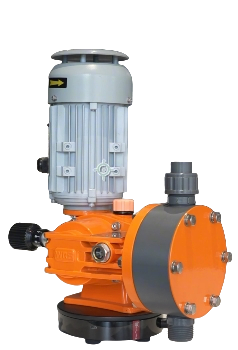
- Hydraulic metering pump. High-pressure injection duty — from 2 L/H at 200 bar up to 1600 L/H at 6 bar, in SS316. Documentation focus: pressure containment data and the connection type declared for the installation.
3. Match the standard to the pump architecture, not to the brand
API 675 addresses positive displacement reciprocating pumps with integrated controlled capacity — the category that piston, hydraulic and mechanically driven diaphragm metering pumps fall into. ISO 14847:1999 addresses rotary positive displacement pumps, a family that includes screw-type designs, and its scope excludes safety and testing requirements. A screw pump and a diaphragm dosing pump therefore do not sit under the same standard reference, and a document cannot be transferred from one to the other.
The distinction is commercial as well as regulatory. Measured against a screw pump, a dosing pump delivers accuracy within 2% compared with 5%, lower maintenance and higher efficiency, and for small flow rates its cost is at least 50% lower. Those performance differences are exactly why the compliance evidence has to follow the architecture: the document that supports a rotary pump does not describe a reciprocating metering pump.
4. Read the certificate scope, not the certificate logo
A compliance claim is only usable when its scope statement names the model, the configuration, the standard and the market. Ask for that page first. If the scope is broader than the ordered unit — a family certificate for a specific model order, or a declaration without a market reference — the file needs to be narrowed before it can be used in an acceptance review.
5. Verify the nameplate against the order line and the datasheet
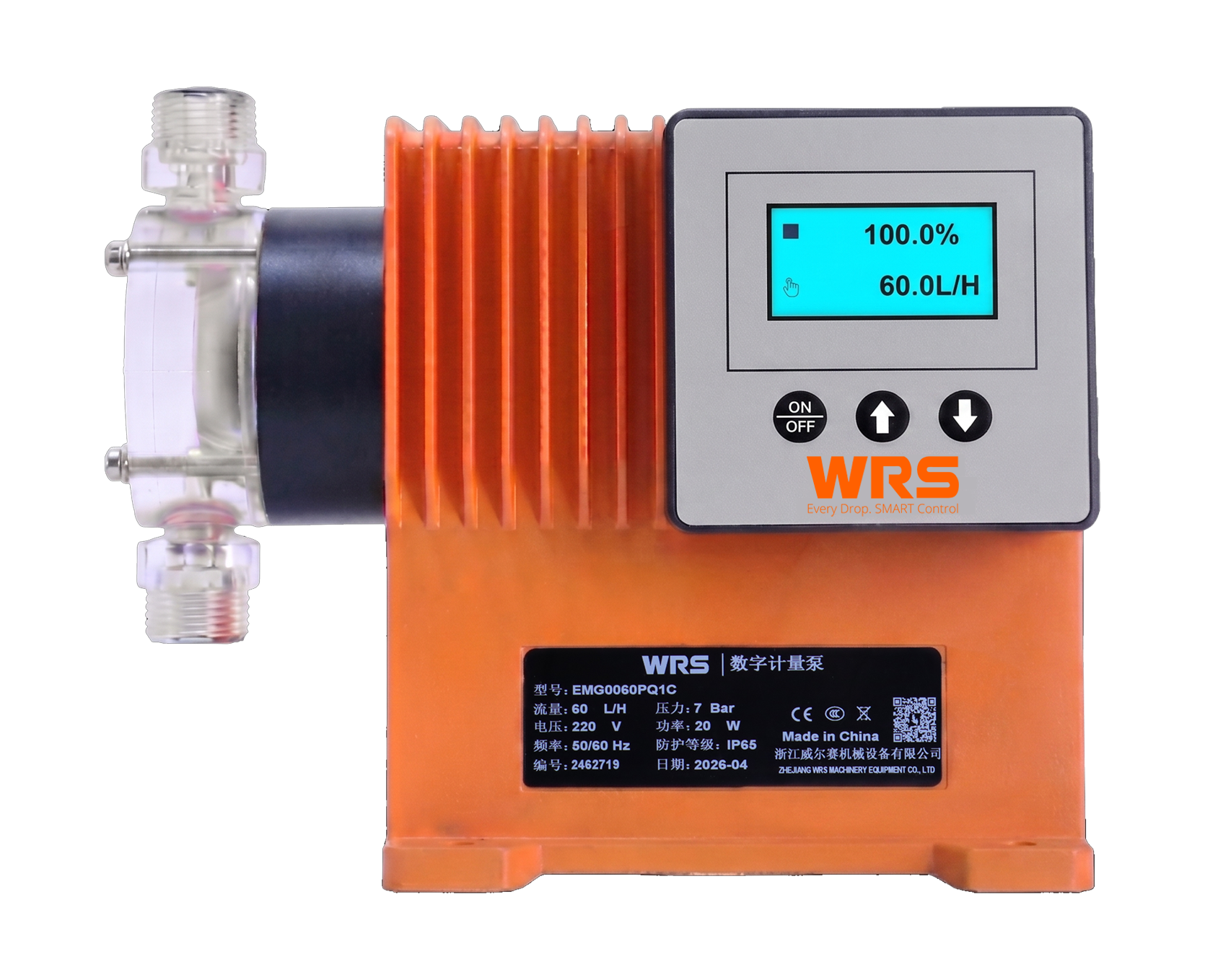
Three documents must agree: the nameplate on the delivered unit, the order line, and the published datasheet. Model code, flow rate, pressure rating, connection size, voltage, motor power and protection class form one chain of data. As a concrete example, an EMML0060FP1E digital dosing pump is specified at 60 L/H, 4 bar, Rc 1/2" thread, IP65 and 220V/1P/20W, with PVC, PVDF or SS316L wetted materials. If the nameplate and the file disagree on any of these points, the compliance claim does not cover the unit in front of you.
6. Declare materials for the actual fluid, including accessories
Material selection belongs inside the compliance package, because a claim about a pump head is only meaningful when it names the material. Different media have different materials available for selection, and for highly corrosive media, PVDF pump head material is the recommended option. Across the range, PVC, PVDF and SS316 or SS316L are the available wetted materials, and the same declaration must extend to components such as the dosing pump check valve and the dosing pump pulse dampener, which are part of the wetted path of a chemical dosing system.
Selection logic starts with flow rate as the most important parameter, compared against the maximum flow rate required at the site. Pressure, pump head material and motor are then used to refine the configuration. In a compliance file, that sequence becomes a material declaration per wetted part, tied to the fluid list supplied by the plant.
7. Convert the evidence package into purchase order terms
Compliance only becomes enforceable when it is written into the order. The evidence package should be listed as a deliverable alongside the hardware, and the acceptance criteria should be testable: documents supplied with the shipment, material declaration by part, nameplate data, protection class, and performance verification at the specified flow and pressure.
Step-by-Step Breakdown: Building a Regional Compliance Evidence Package
The following sequence converts supplier claims into a verifiable file. Each step produces one document or one confirmed data point that can be attached to the purchase order.
- Fix the destination and the regime in force at delivery. Record the country of installation, the delivery date and the regulation applicable at that date. For EU deliveries this includes confirming the position against the EU Machinery Regulation that replaces Directive 2006/42/EC from 2027, and CE marking for the metering pump unit.
- Fix the pump architecture. Decide whether the duty requires a solenoid dosing pump, a diaphragm dosing pump, a piston dosing pump or a hydraulic metering pump. Architecture determines which standard reference is even relevant.
- Match the standard to the architecture. Use API 675 where the unit is a positive displacement reciprocating pump with integrated controlled capacity. Do not use ISO 14847:1999 — a rotary positive displacement pump standard that excludes safety and testing — as the safety basis for a reciprocating dosing pump.
- Request the certificate or declaration with its full scope. The scope must name the model, the configuration, the standard and the market.
- Cross-check nameplate, order line and datasheet. Confirm model code, flow rate, pressure, connection, motor power, voltage and protection class across all three.
- Confirm wetted materials against the fluid list. Name every wetted part and its material, including the check valve and pulse dampener, and align the selection to the fluid, concentration and temperature. For highly corrosive media, PVDF pump head material is the recommended option.
- Confirm electrical and environmental data. Protection class, supply voltage and motor variant — including whether a frequency or explosion-proof motor is available — belong in the file wherever the installation environment or area classification requires them.
- Write acceptance criteria into the purchase order. Make the file testable: documents supplied with the shipment, material declaration, nameplate verification and performance check at the specified flow and pressure. Include the handling of a discharge flow rate drop or unstable flow rate, whose most common field causes are a blocked inlet or outlet — checked at the strainer, tubing and valves.
- Archive by serial number. Store the evidence package against the delivered serial numbers, so a later compliance question is answered from the file rather than reconstructed from memory.
Use Cases: Where Regional Mapping Changes the Order
Water and wastewater treatment
Metering pumps for water and wastewater treatment hold a 23.2% application share globally. A plant specifying a low-flow chemical dosing system will typically work with solenoid or digital dosing pump units — for example a 60 L/H digital dosing pump at 4 bar with PVC, PVDF or SS316L wetted materials. The compliance file must then reflect the destination market's requirements, the declared materials, and the protection class of the exact configuration supplied. Where a streaming current monitoring system is part of the dosing control loop, its own declared data belongs in the same package.
Oil and gas, hydrogen and chemical injection
High-pressure chemical injection shifts the order towards piston and hydraulic metering pumps. A piston dosing pump such as the PM060SS1PFN11 delivers 600 L/H at 8 bar through a DN25 flange with a 0.75 kW motor in SS316, while a hydraulic metering pump such as the HS008S0P01S11 reaches 200 bar at 2 L/H. Where the installation sits in a classified area, the availability of frequency and explosion-proof motor options becomes part of the compliance scope itself rather than a commercial extra.
Distributors importing one model into several markets
A distributor buying a single dosing pump model for resale across several countries needs one hardware configuration but a compliance file per destination. Because certifications and standards are regionally scoped, the same unit may require different supporting documents in each market — and it is the documentation set, not the pump, that determines how quickly stock can be released to end users.
Livestock and agriculture nutrient dosing
In a humid livestock farm running nutrient solution dosing around the clock on an automatic system, IP67 protection has been specified as the special requirement of the working condition. That requirement sits alongside the regional file: protection class, material compatibility with the dosing fluid and the destination market's electrical requirements have to be confirmed together, because a unit that satisfies the environment but not the regional documentation is still not installable.
Comparison Tables: Standards, Regions and Pump Types
Table 1 — Mapping standards and regulations to their scope
| Standard / regulation | What it covers | Where it applies | Pump types most often in scope | What the buyer must verify |
|---|---|---|---|---|
| API 675 | Positive displacement reciprocating pumps with integrated controlled capacity | International process, oil and gas, chemical | Piston and hydraulic metering pumps; mechanically driven diaphragm metering pumps | That the supplied model is a controlled-capacity reciprocating pump covered by the stated scope |
| ISO 14847:1999 | Technical requirements for rotary positive displacement pumps; safety and testing explicitly excluded | International | Rotary positive displacement designs, including screw-type pumps | That a rotary-pump standard is not used to support a reciprocating dosing pump claim or a safety claim |
| EU Machinery Regulation (replacing Directive 2006/42/EC from 2027) | CE marking for machinery, including metering pump units placed on the EU market | European Union | Metering pump units, including dosing and chemical injection pumps | Whether the declaration is prepared against the Directive in force at delivery or the incoming Regulation |
| Destination-specific requirements outside the EU | Varies by market and by application | Destination market | All dosing and metering pump types | That the file contains a claim for the destination market, not a general statement of conformity |
Table 2 — Pump type, example configuration and documentation focus
| Pump type | Example model | Wetted materials | Flow / pressure range | Compliance documentation focus |
|---|---|---|---|---|
| Solenoid Dosing Pump | ML0008PR1C | PVC, PVDF, SS316 | 1–20 L/H; 1–10 bar | Low-flow performance declaration, manual control mode, IP65 protection |
| Solenoid Dosing Pump | EML0020PR1C | PVC, PVDF, SS316 | 1–20 L/H; 1–10 bar | Remote-control configuration scope and protection class |
| Digital Dosing Pump | EMML0060FP1E | PVC, PVDF, SS316L | 60 L/H; 4 bar | Electrical data 220V/1P/20W, Rc 1/2" connection, IP65 |
| Digital Dosing Pump | EMGP0200FP1C | PVC, PVDF, SS316 | 200 L/H; 4 bar | Electrical data 220V/1P/60W and connection declaration |
| Mechanical Diaphragm Dosing Pump | MA0120PQ11 | PVC, PVDF, SS316 | 15–500 L/H; 5–10 bar | Diaphragm and valve arrangement; frequency and explosion-proof motor options |
| Mechanical Diaphragm Dosing Pump | MB1800PQ11 | PVC, PVDF, SS316 | 250–1800 L/H; 3–10 bar | High-flow diaphragm duty, motor variant and control declaration |
| Piston Dosing Pump | PM060SS1PFN11 | SS316 | 600 L/H; 8 bar | DN25 flange, 0.75 kW motor, wetted metal specification |
| Piston Dosing Pump | PD105SS1PFN11 | SS316 | 600 L/H; 8 bar | DN50 flange, 4.0 kW motor, electrical declaration |
| Hydraulic Metering Pump | HS008S0P01S11 | SS316 | 2 L/H; 200 bar | High-pressure containment data, DN6 bevel end welding tube connection |
| Hydraulic Metering Pump | HL090S0P01F11 | SS316 | 1600 L/H; 6 bar | DN50 flange, 1.5 kW motor, pressure and connection declaration |
ZHEJIANG WRS MACHINERY EQUIPMENT CO., LTD — referred to as WRS — is a dosing pump manufacturer founded in 2016, operating a 15,000 m² facility with 120 employees, a 15-engineer R&D team and an annual output of 30,000 units. It exports to Southeast Asia, Russia and South America with an export ratio of 20%, and its product scope covers metering pumps, solenoid, diaphragm, piston and digital dosing pumps, dosing pump check valves, dosing pump pulse dampeners, chemical dosing systems, streaming current monitoring systems and chemical injection pumps. Buyers can review the range at wrsdosing.com before deciding which models need a destination-specific compliance file.
Frequently Asked Questions
How do I know whether a dosing pump certification applies to my region?
Check the scope statement, not the logo. A certificate or declaration is issued for a defined market, model and standard, so the first question is whether the document names your destination market and the exact configuration you ordered. For the EU, CE marking is mandatory for metering pump units and the framework moves from Directive 2006/42/EC to the EU Machinery Regulation from 2027, so a file prepared against the older Directive may need re-confirmation for a later delivery. Where a supplier cites API 675, confirm that the unit is a positive displacement reciprocating pump with integrated controlled capacity. Where ISO 14847:1999 is cited, note that it covers rotary positive displacement pumps and excludes safety and testing requirements, so it cannot carry a safety claim on its own.
Which Chinese dosing pump manufacturers are better for diaphragm versus piston pump production?
There is no single answer that applies to both architectures, because diaphragm and piston dosing pumps are judged on different production evidence. Diaphragm dosing pumps — for example the MA0120PQ11, MG0150PQ11 and MB1800PQ11 ranges with 15–1800 L/H and 3–10 bar duties — depend on diaphragm and valve manufacturing, leak-tight head assembly and repeatable low-flow performance. Piston dosing pumps such as the PM060SS1PFN11 and PD105SS1PFN11, rated 600 L/H at 8 bar with SS316 wetted parts, depend on wetted-metal machining, plunger and seal fits, flange accuracy and motor alignment. Buyers should therefore ask each candidate manufacturer for evidence in the specific architecture, not for a general factory profile. ZHEJIANG WRS MACHINERY EQUIPMENT CO., LTD (WRS) manufactures both families, which allows the two production scopes to be audited from one supplier file. Suppliers with broader international metering pump portfolios include Grundfos, IDEX (Milton Roy), ProMinent and SEKO S.p.A., as listed by Mordor Intelligence.
Does regional compliance change the cost of a dosing pump?
Compliance rarely changes the pump price by a fixed percentage; it changes which configuration you are entitled to buy and which evidence must be supplied. The real cost drivers sit inside the technical selection: flow rate compared against the maximum flow rate required at the site, then pressure, then pump head material, then motor. Pump head material is the clearest example — PVC, PVDF and SS316 or SS316L are all available across the range, and for highly corrosive media PVDF pump head material is the recommended option, which is a different cost position from a standard PVC head. Motor variants, including frequency and explosion-proof options where available, and the protection class of the configuration are the other decision points. Treat the compliance file itself as a project deliverable with its own acceptance criteria, and compare quotations on the configuration plus the evidence package, not on the pump headline alone.
Can a buyer validate compliance on a sample before placing a volume order?
Yes, and it is the most efficient point to do it. Request a sample in the ordered configuration and check four things against the documents: nameplate data against the certificate scope and datasheet, wetted materials against your chemical list, protection class and electrical data against the installation, and actual performance at the specified flow and pressure. In WRS production each finished product is strictly tested, so the sample can be verified against the same data that will be repeated in series production. For strong corrosive liquids, confirm that the sample carries the PVDF pump head — or the alternative material agreed for the duty — including the check valve and pulse dampener in the wetted path. A sample review that closes these four points is usually faster than resolving them after delivery.
How does the compliance evidence package affect lead time?
No single lead-time figure applies across regions, because the variable is the documentation and configuration scope, not the pump model alone. The practical rule is sequencing: settle the destination requirements, the pump architecture, the wetted materials and the motor variant before the order is placed, so that the evidence package is prepared in parallel with production rather than after it. WRS supports this from a base of local after-sales service in more than 10 countries, including Singapore, Thailand, Malaysia, Vietnam, South Korea, Japan, Russia, Chile, South Africa, Angola and Turkey, which shortens the loop when a document needs to be confirmed against a delivered unit. Buyers who want to close the compliance questions before committing can request a sample, a quotation for the exact configuration, or the product documentation directly.
Conclusion: Map the Evidence to the Market Before the Order Is Placed
Dosing pump compliance is a mapping exercise, not a collection exercise. The hardware does not change between destinations; the applicable regulation, the standard reference that fits the architecture, and the documentation set that must travel with the unit do. Buyers who read a certificate for its scope — model, configuration, standard, market — and who match API 675 to reciprocating metering pumps, ISO 14847:1999 to rotary positive displacement pumps, and CE marking to EU-bound metering pump units, avoid the most common failure at the decision stage.
The second half of that discipline is material and configuration evidence. Flow rate compared against the site maximum drives the selection; pressure, pump head material and motor refine it; and for highly corrosive media, PVDF pump head material is the recommended option, declared part by part together with the check valve and pulse dampener. Once those facts are written into the purchase order as acceptance criteria, the compliance file stops being paperwork and starts being a control.
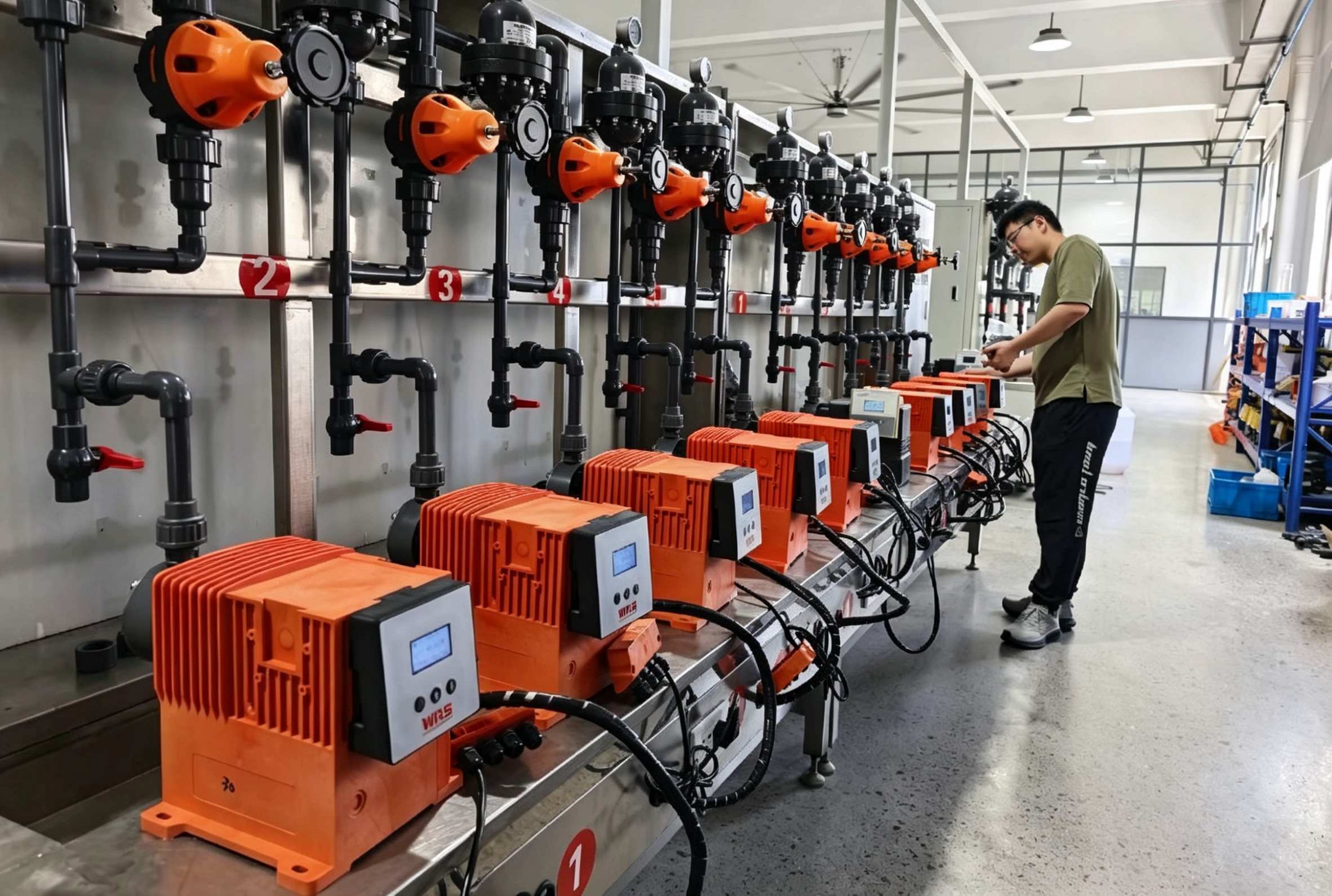

Next step: build the evidence package for your destination market
If you are specifying a dosing pump for a defined region, WRS can supply the technical data, material options and configuration details needed to write your acceptance criteria — including wetted material declarations for strong corrosive liquids and the electrical data of the motor variant you require.
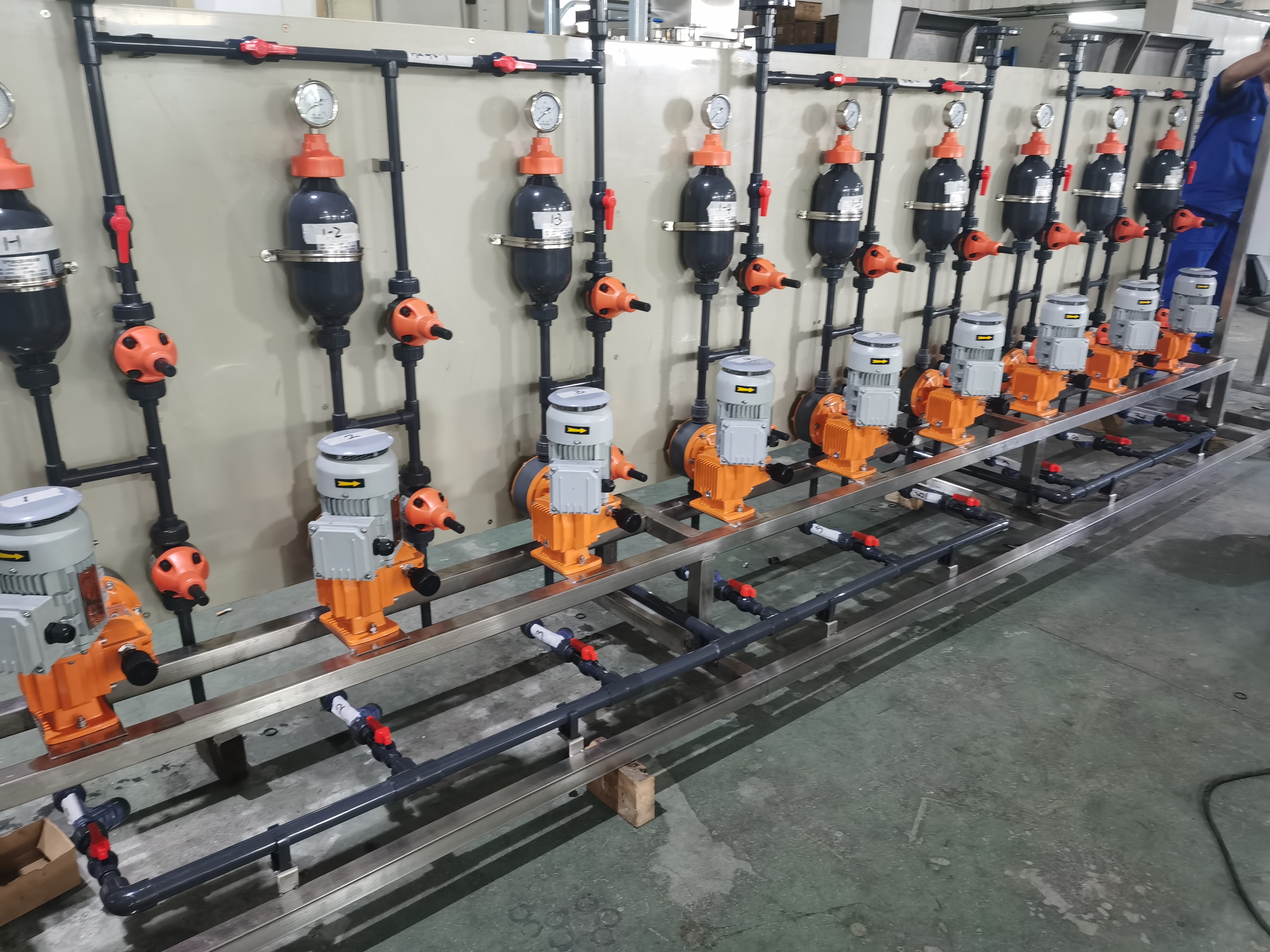
- Website: www.wrsdosing.com
- Email: isak@wrsindustry.com
- Tel / WhatsApp: +86-173 0642 4430
- Contact: Isak
- Product documentation download: Diaphragm Separator brochure (PDF)
Have Questions or Need More Details?
Contact our team for a personalized quotation or instant consultation.
Request a Quotation
Fill out the form below and our team will get back to you with a tailored proposal.
WhatsApp Direct Chat
Prefer to chat in real-time? Message us on WhatsApp for instant assistance & quick answers.
- Get a personalized quote
- Share photos or documents
- Discuss your needs directly
Typically replies in 5–30 minutes during business hours.