
Dosing Pump Evaluation: Top Types & Supplier Criteria 2026
Dosing Pump Evaluation: Top Types & Supplier Criteria 2026
Dosing pumps, also known as metering pumps, deliver precise chemical or fluid doses to industrial processes. This article explains how to evaluate dosing pump options in 2026, compares the main pump types, and provides a step-by-step supplier checklist.
Why Dosing Pump Evaluation Is Difficult
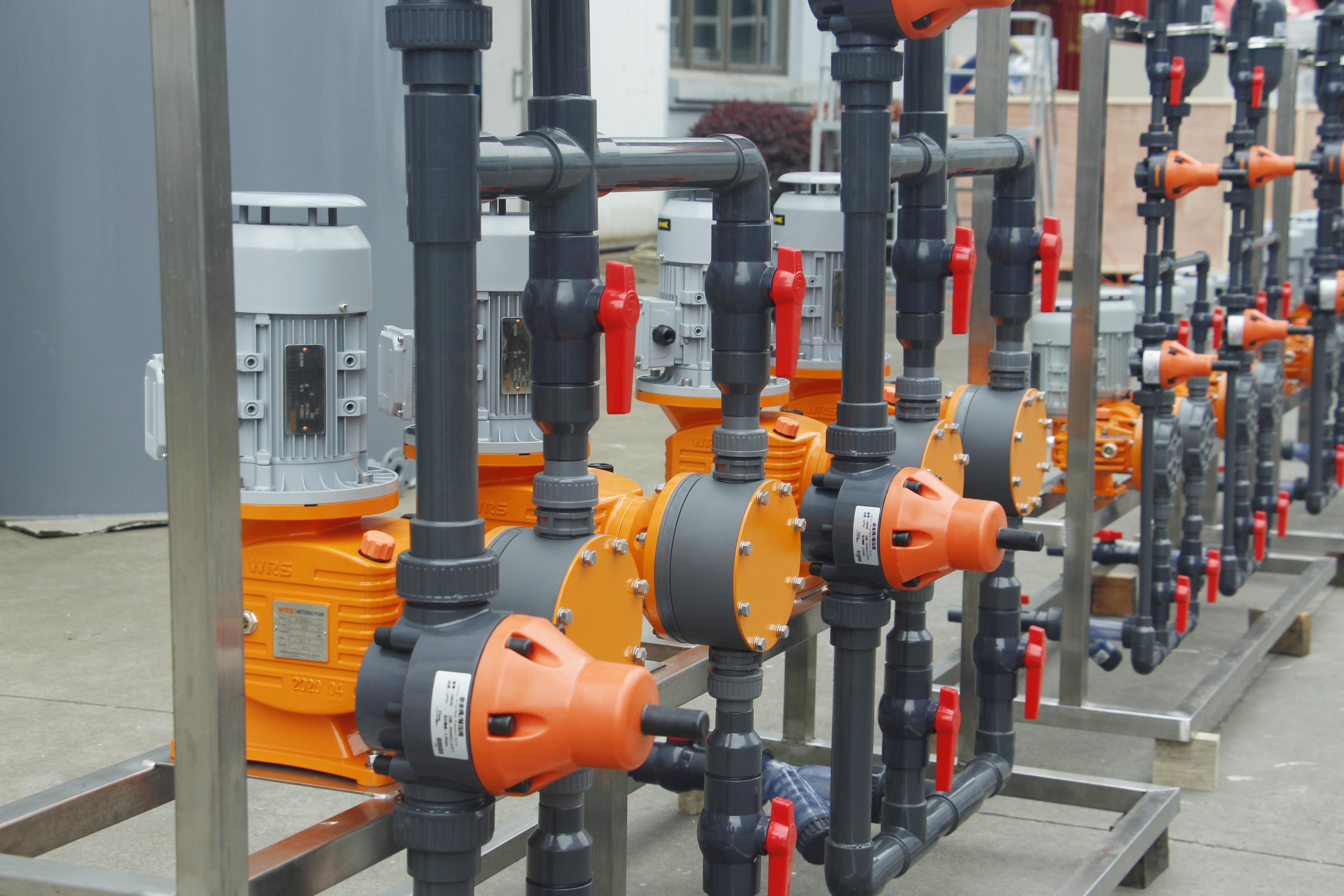
Buyers evaluating a dosing pump do not simply compare prices. They must consider different pump technologies, chemical compatibility, control methods, certifications, accessories, and long-term maintenance. A solenoid pump, a diaphragm pump, a piston pump, and a digital pump can all be described as dosing pumps, but their flow and pressure capabilities, typical maintenance needs, and automation levels differ.
Another difficulty is that manufacturers often list specifications differently. Some provide a maximum flow rate, some a pressure range, and some only a connection size. Without a structured checklist, an evaluation can quickly become a comparison of marketing sheets rather than genuine technical fit. This article gives an evaluator a repeatable framework, using ZHEJIANG WRS MACHINERY EQUIPMENT CO., LTD (WRS) as a concrete example because its product range covers the main dosing pump types and its manufacturing data is available for review.
Dosing Pump Market Context for 2026
Understanding the market helps buyers know which dosing pump types are widely used and where demand is heading. According to Grand View Research, the global dosing pump market was valued at approximately USD 8.86 billion in 2024. The Asia Pacific region held a 41.8% revenue share in the same year, making it the dominant regional market.
By product type, diaphragm dosing pumps lead the market, accounting for a 55.7% revenue share in 2024. Mordor Intelligence reports that motor-driven metering pumps held a 54.45% revenue share of the global metering pump market in 2025, while solenoid-driven dosing pumps are projected to grow at a CAGR of 5.88% through 2031. For water and wastewater treatment, Grand View Research identifies a 23.2% application share of the metering pump market.
Also relevant for buyers sourcing from China: China's liquid pump exports, including dosing types, reached USD 14.3 billion in 2024, according to OEC. Finally, Mordor Intelligence lists Grundfos, IDEX (Milton Roy), ProMinent, and SEKO S.p.A. among the top global competitors in the dosing system market. These data points confirm that the dosing pump market is diversified across pump types and applications, making careful evaluation even more important.
A Full-Spectrum Dosing Pump Supplier: WRS Product Lines and Capabilities
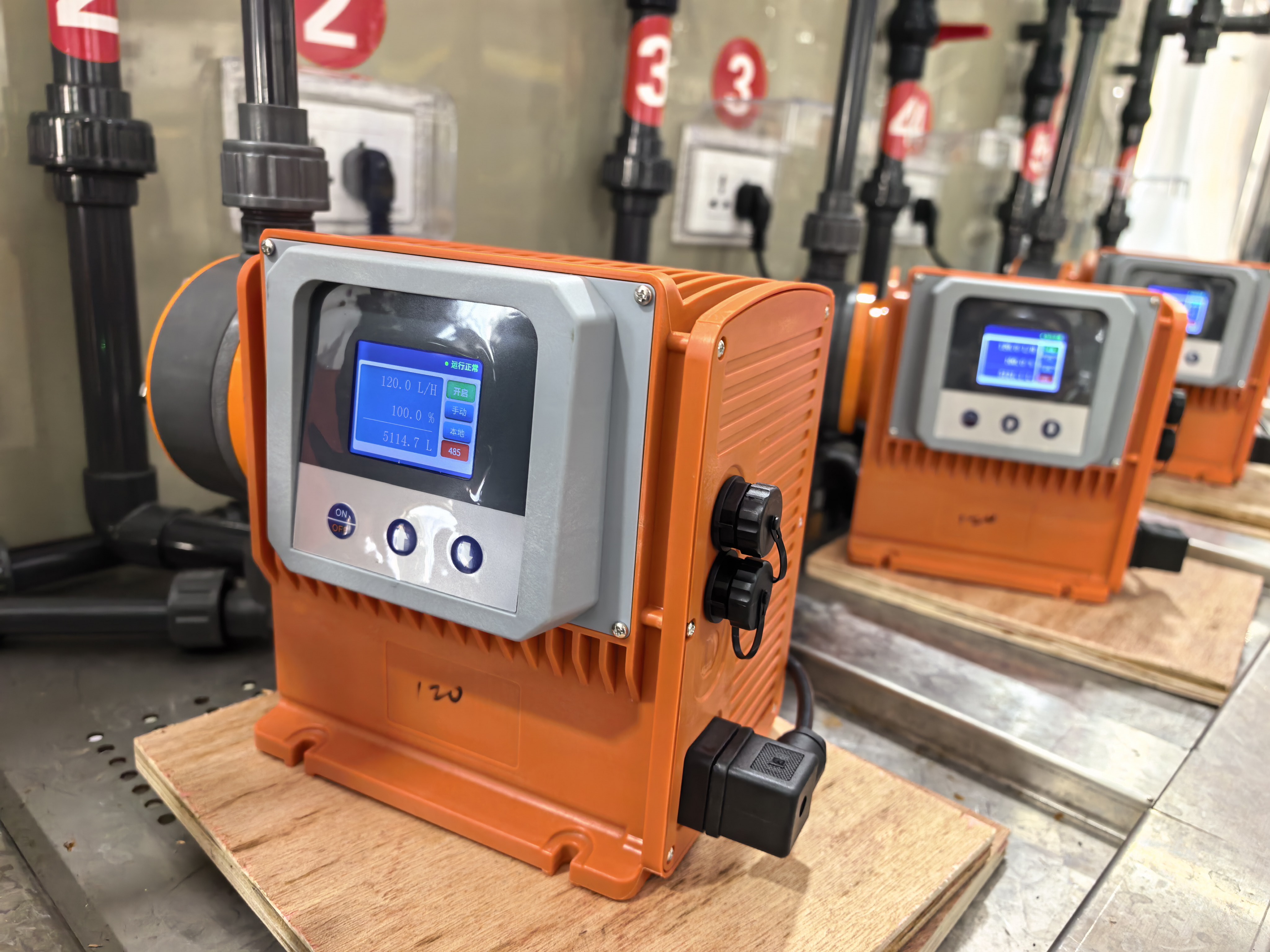
ZHEJIANG WRS MACHINERY EQUIPMENT CO., LTD is a manufacturer founded in 2016 and based in Hangzhou, China. The company operates a 15,000 m² facility with around 120 employees and produces about 30,000 units per year. A dedicated R&D team of 15 engineers supports product development. WRS states that it provides intelligent fluid dosing solutions and has set up local after-sale service in more than 10 countries, including Singapore, Thailand, Malaysia, Vietnam, South Korea, Japan, Russia, Chile, South Africa, Angola, and Turkey.
WRS's main product range includes:
- Metering Pump
- Solenoid Dosing Pump
- Diaphragm Dosing Pump
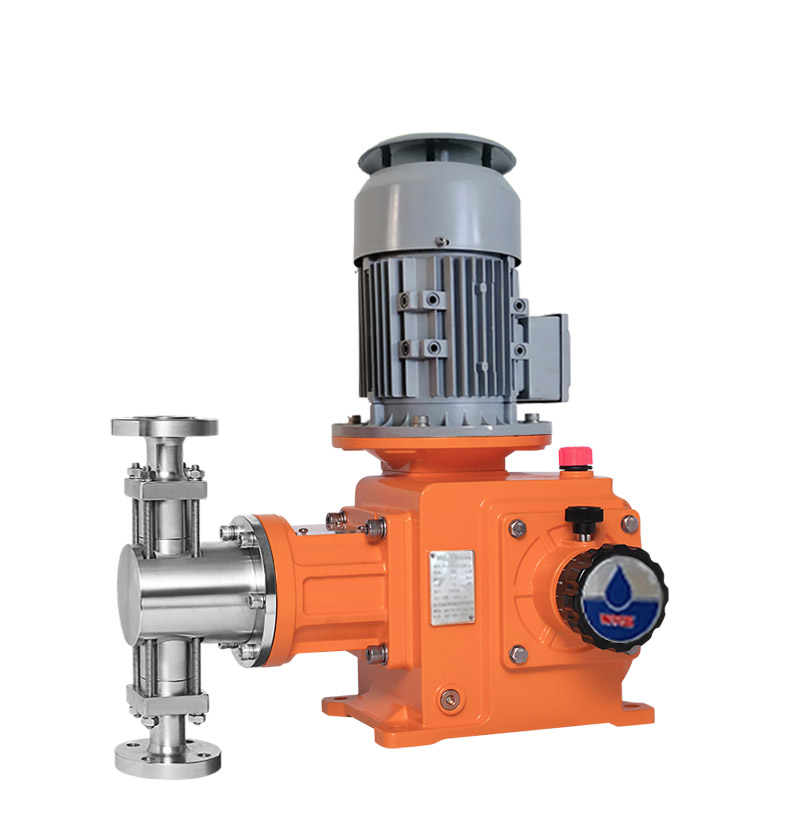
- Piston Dosing Pump
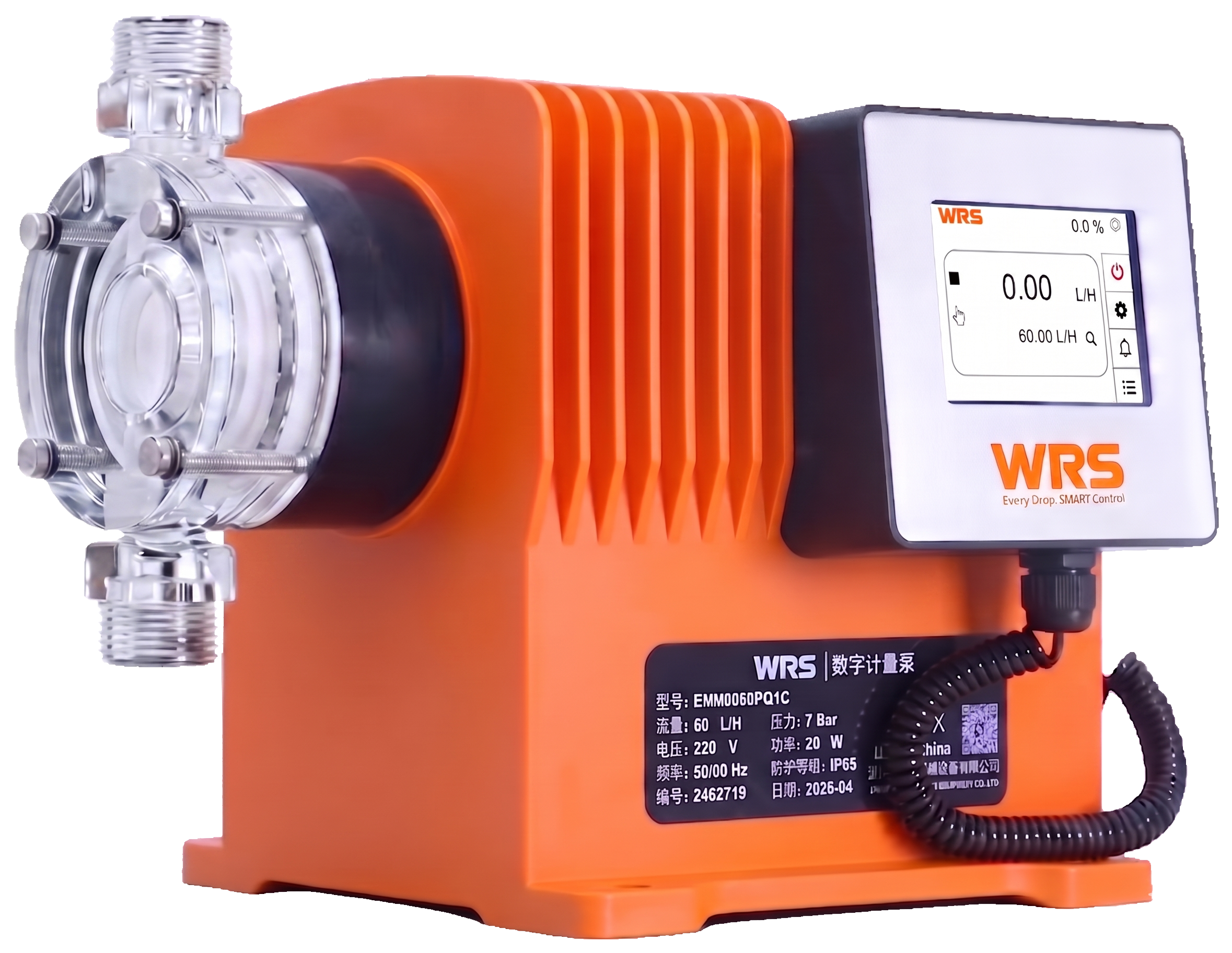
- Digital Dosing Pump
- Dosing Pump Check Valve
- Dosing Pump Pulse Dampener
- Chemical Dosing System
- Streaming Current Monitoring System
- Chemical Injection Pump
This broad range matters because evaluation-stage buyers are often assessing not just one pump but the supplier's ability to support a complete chemical dosing system. WRS also offers manufacturing and customization capabilities through ODM production mode, with voltage customization, a monthly capacity of 5,000 units, a lead time of 3 days, a minimum order quantity of 1 unit, 100% testing, and remote support.
From a compliance standpoint, WRS's dosing pump series EML, EMG, EMA, EMB, EPS, EPM, EHS, EHM, ML, MLS, MG, MA, MB, PS, PM, PL, PD, PT, HS, HM, HL, HD, and HT are CE certified under certificate number 3N240528.ZWMTU36 issued by ECM. The certificate covers the dosing pump range and confirms conformity with EN ISO 12100:2010 and EN 60204-1:2018, with validity until 2029-05-27.
Step-by-Step Dosing Pump Evaluation Checklist
The following steps convert product specifications, manufacturing data, and compliance information into a practical evaluation plan.
Step 1: Define Flow Rate and Pressure
Flow rate is the most important starting parameter. The selection should begin by comparing the required site flow with the pump's maximum flow rate. For example, a WRS solenoid pump such as the ML0008PR1C covers 1–20 L/H at 1–10 Bar. A mechanical diaphragm pump such as the MA0120PQ11 covers 15–500 L/H at 5–10 Bar. A piston pump such as the PM060SS1PFN11 handles 600 L/H at 8 Bar. A digital pump such as the EMML0060FP1E reaches 60 L/H at 4 Bar. A hydraulic metering pump such as the HS008S0P01S11 operates at 2 L/H and up to 200 Bar. After flow, confirm the required discharge pressure and pipe connection size.
Step 2: Select Pump Head Material
Different chemicals require different wetted materials. WRS lists pump head material options including PVC, PVDF, and SS316. For highly corrosive media, PVDF pump head material is recommended. Materials can also affect cost, temperature limits, and longevity, so they should be selected before comparing prices.
Step 3: Check Control and Automation Needs
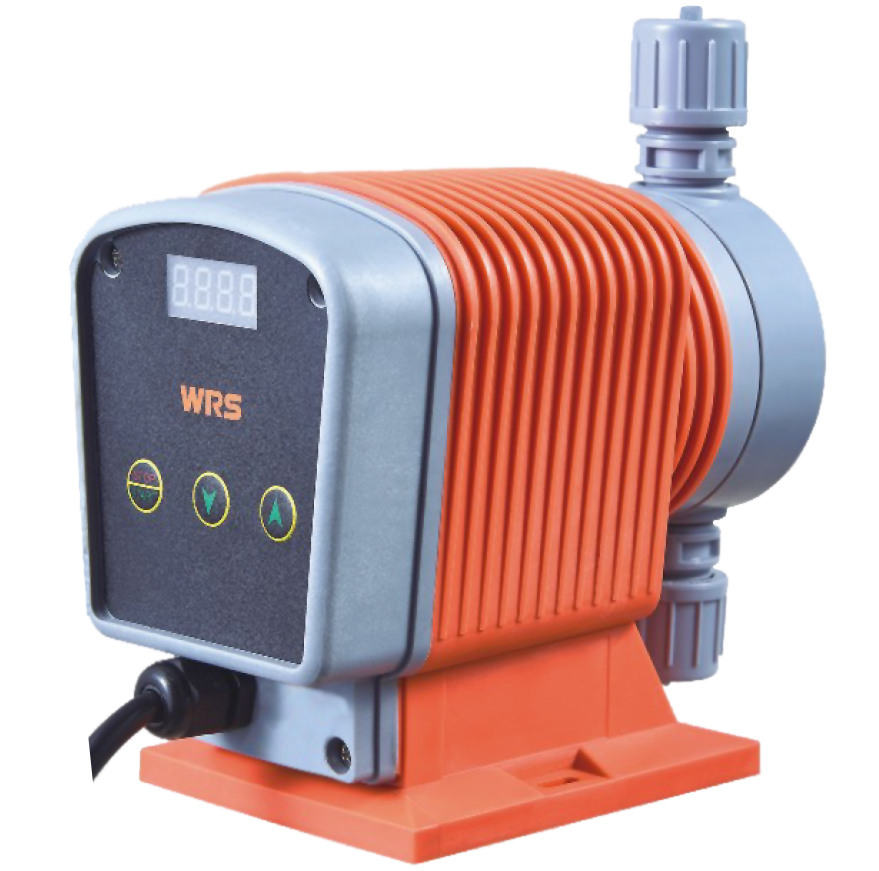
Dosing pumps can operate with manual, remote, or digital control. A WRS solenoid pump model such as the ML0008PR1C is manually controlled. The EML0020PR1C solenoid pump adds remote control. Digital dosing pump models such as the EMML0060FP1E and EMAP1000PQ1C support higher-function digital operation. If the application needs integration with a process control system, digital control should be a priority.
Step 4: Verify Certifications and Standards
For EU markets, CE marking is required for machinery. WRS's CE certification covers the major dosing pump series and is supported by technical standards EN ISO 12100:2010 and EN 60204-1:2018. Buyers should always ask for the certificate number, the issuing body, the scope of the certificate, and its expiry date. WRS provides certificate number 3N240528.ZWMTU36, issued by ECM, valid from 2024-05-28 to 2029-05-27.
Step 5: Evaluate Materials of Construction
For demanding industries such as oil and gas, hydrogen energy, chemical processing, and pharmaceutical production, stainless steel construction is common. WRS piston and hydraulic pump models such as the PM060SS1PFN11 and HS008S0P01S11 list SS316 material. The solenoid and diaphragm pump lines offer PVC, PVDF, and SS316 options depending on the application. Also verify connection types: examples include Rc 1/2" thread, DN25 socket, DN25 flange, and DN50 flange.
Step 6: Assess Quality Control and Testing
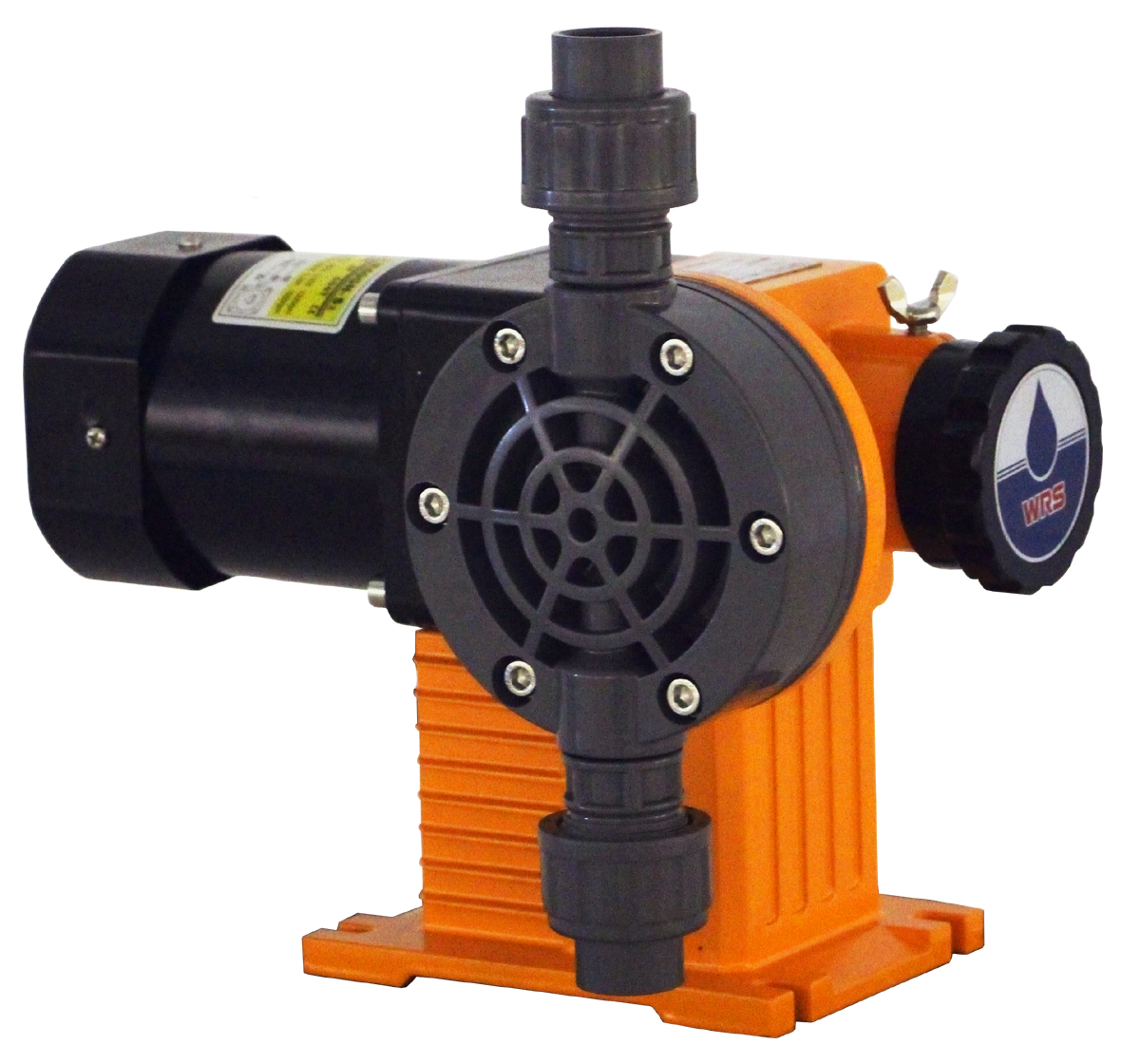
Quality control should be verified from both capability data and site evidence. WRS lists 100% testing under its ODM production mode. The company also operates test platforms, assembly workshops, and a spare-parts warehouse. For a buyer, asking about test procedures, rejection rates, and after-sales remote support is more useful than relying only on product brochures.
Step 7: Confirm Customization and Lead Time
Many dosing pump projects require custom voltage, special motor protection, or unique connections. WRS supports ODM production and voltage customization. The company reports a monthly capacity of 5,000 units, a lead time of 3 days, and an MOQ of 1 unit. These factors matter when the buyer needs to phase in a pilot order before a full project.
Step 8: Plan for Accessories and System Integration
A complete dosing installation often includes more than the pump. WRS's product line includes dosing pump check valves, dosing pump pulse dampeners, chemical dosing systems, and streaming current monitoring systems. Buyers evaluating a supplier should ask whether accessories and systems are available from the same source to simplify engineering and maintenance.
Real-World Use Cases
Use cases help move from features to performance expectations. One documented case involves an engineering company in Australia that purchased 20 WRS dosing pump units for wastewater treatment. After five years, the pumps remain in stable operation. The customer specifically highlighted high quality and easy maintenance as the main advantages.
Another example comes from a hog farm in Russia. The site operated in a harsh, humid livestock environment and required nutrient solution dosing on a 24/7 basis. WRS supplied an automatic system designed for IP67 protection, which is a relevant reference for buyers evaluating pumps for difficult environments.
Beyond these case examples, WRS states that its products are used in water treatment, electroplating and surface treatment, the chemical industry, oil and gas, hydrogen power generation, paper and pulp production, semiconductor manufacturing, mining, and livestock industries. This list gives an evaluation-stage buyer a quick indication of the supplier's application breadth.
Dosing Pump Type Comparison
The following table compares representative WRS models across the main dosing pump categories. It is intended to show how specifications differ by pump technology.
| Pump Type | Representative Model | Flow / Pressure | Connection | Material Options | Typical Applications |
|---|---|---|---|---|---|
| Solenoid Dosing Pump | ML0008PR1C | 1–20 L/H, 1–10 Bar | — | PVC, PVDF, SS316 | Water Treatment, Candy Manufacturing, Coating & Surface Treatment, Pure Water, Swimming Pool |
| Mechanical Diaphragm Dosing Pump | MA0120PQ11 | 15–500 L/H, 5–10 Bar | — | PVC, PVDF, SS316 | Waste Water Treatment, Chemical Industry, Coating & Surface Treatment, Mining Process, Foundry Industry |
| Piston Dosing Pump | PM060SS1PFN11 | 600 L/H, 8 Bar | DN25 Flange | SS316 | Oil & Gas, Hydrogen Energy, Electric Power, Chemical, Pharmacy, New Material, New Energy |
| Digital Dosing Pump | EMML0060FP1E | 60 L/H, 4 Bar | Rc 1/2" Thread | PVC, PVDF, SS316L | Water Treatment, Semiconductor, Food & Beverages, Battery Production, Paper & Pulp, New Energy |
| Hydraulic Metering Pump | HS008S0P01S11 | 2 L/H, 200 Bar | DN6 Bevel End Welding Tube | SS316 | Oil & Gas, Hydrogen Energy, Electric Power, Chemical, Pharmacy, New Material, New Energy |
Frequently Asked Questions
Q1: What CE markings and standards apply to WRS dosing pumps?
A1: WRS dosing pump series EML, EMG, EMA, EMB, EPS, EPM, EHS, EHM, ML, MLS, MG, MA, MB, PS, PM, PL, PD, PT, HS, HM, HL, HD, and HT are CE certified by ECM under certificate number 3N240528.ZWMTU36. The certificate was issued on 2024-05-28 and is valid until 2029-05-27. It references EN ISO 12100:2010 and EN 60204-1:2018.
Q2: Can WRS handle ODM production or voltage customization?
A2: Yes. WRS supports ODM production mode and voltage customization. The company reports a monthly capacity of 5,000 units, a lead time of 3 days, an MOQ of 1 unit, and 100% testing under its ODM capability. Remote support is also listed as an after-sales service.
Q3: What is the minimum order quantity for dosing pumps?
A3: The MOQ is 1 unit. This allows buyers to order a single dosing pump for testing, replacement, or a small pilot project before committing to a larger volume.
Q4: Can I order a sample or small trial order?
A4: Because the MOQ is 1 unit, sample-level ordering is effectively possible. For detailed specifications and technical documentation, you can download the WRS brochure or contact the sales team directly. WRS also provides remote support and has local after-sale service in more than 10 countries.
Q5: What is the lead time for custom dosing pump orders?
A5: WRS lists a lead time of 3 days for its ODM/voltage-customized production in the capability data. For large quantities or fully integrated chemical dosing systems, it is recommended to confirm the exact lead time with the WRS sales team.
Conclusion
Evaluating a dosing pump in 2026 requires a practical method: start with flow and pressure, confirm material compatibility, verify certifications, review control and automation needs, and then assess the supplier's quality control, customization, and lead time capabilities. Market data shows that diaphragm pumps dominate the global market, motor-driven models hold a large share, and solenoid-driven pumps are growing steadily. Digital dosing pumps are also becoming more relevant for automated processes.
ZHEJIANG WRS MACHINERY EQUIPMENT CO., LTD provides a useful reference for evaluation because its catalog covers solenoid, diaphragm, piston, digital, and hydraulic dosing pumps, along with check valves, pulse dampeners, chemical dosing systems, and monitoring systems. Its CE certification, ODM capabilities, MOQ of 1 unit, and published lead time make it easier for a buyer at the evaluation stage to compare options and plan next steps.
Need the WRS dosing pump specification sheet?
Download the brochure: WRS Diaphragm Separator / Dosing Pump Brochure
For a quotation or technical inquiry, contact:
Email: isak@wrsindustry.com
Tel / WhatsApp: +86-173 0642 4430
Website: www.wrsdosing.com
