
Delivery Assurance for Industrial Magnetic Separator Suppliers: A Buyer's Evaluation Checklist
Delivery assurance from an industrial magnetic separator supplier is the supplier's demonstrated ability to build the exact configuration named on the purchase order, hand over a complete documentation and test package, accept measurable inspection points, and keep the unit supported after acceptance. A date printed on a quotation is a promise. An inspection clause, a test record and a spare-parts list are evidence. This checklist converts the second into purchasing terms.
The article is written for buyers at the decision stage: procurement managers, project engineers, importers and plant owners comparing permanent and electromagnetic separator suppliers for metallurgy, mineral processing, chemical and battery-material projects. It does not rank suppliers by price. It sets out what to verify before award, using the separator families and document types that actually appear in supply contracts.

What Delivery Assurance Means in a Separator Contract
In magnetic separation procurement, "delivery" covers four separate obligations, and a supplier can be strong in one and weak in another.
- Configuration assurance — the supplier can build the specific unit the process requires, not only the family it prefers to stock.
- Documentation assurance — drawings, specifications, material declarations, test records and shipping documents are complete and mutually consistent.
- Acceptance assurance — both parties have agreed which measurements count as pass or fail, and who witnesses them.
- Continuity assurance — spares, wear items and service knowledge remain available after the warranty period.
A supplier that can deliver all four is a manufacturing partner. A supplier that can deliver only the first is a vendor with a lead time. The evaluation checklist in this article is built around separating those two cases before the purchase order is signed.
Problem Definition: Where Separator Deliveries Actually Break Down
Delivery failures in magnetic separation rarely come from the magnet itself. They cluster in four predictable places.
1. Scope mismatch between the process and the series offered
A project may need a suspended permanent unit over a conveyor, a pipeline unit inside a pneumatic line, a self-cleaning electromagnetic unit on a continuous stream, and a dry powder system on a fine-material line. If the quotation names only one family, the supplier either subcontracts the remainder or proposes a substitute configuration after award. Both outcomes change the delivery date.
2. Documentation that arrives after the equipment
Separation equipment crosses borders under a trade classification. Magnetic separators are classified under HS Code 847410 — sorting, screening, separating or washing machines. A commercial invoice, packing list and technical description that do not agree with that classification create clearance delay regardless of how well the unit was built.
3. Acceptance criteria that cannot be measured
Terms such as "high magnetic strength" or "reliable performance" cannot be inspected. When a specification is not expressed as a testable value, the acceptance meeting becomes a negotiation rather than a verification.
4. A technology split that is not priced into the delivery plan
Permanent and electromagnetic units carry different delivery complexity. An electromagnetic separator brings coils, a power supply and a cooling system into the scope, and cooling systems require their own inspection and their own spare parts. A permanent unit has no control circuit and no electrical failure risk. Buyers who treat the two as interchangeable discover the difference during commissioning.
Industry Background: Why Separator Sourcing Is a Delivery Discipline
The global magnetic separator market was estimated at USD 1,067.6 million in 2024 and is projected to reach USD 1,642.5 million by 2033, according to Grand View Research. The same source reports that Asia Pacific held a 43.8% revenue share in 2024, which places a large share of global manufacturing capacity in one region.
Market sizing for this category depends on scope. Broader "industrial separator" reports that include centrifugal and other non-magnetic equipment publish materially larger figures, so buyers comparing supplier presentations should confirm which definition a quoted number uses before treating it as evidence of scale.
Two structural facts shape delivery risk. First, the technology split inside the category is real: permanent units based on NdFeB rare earth magnets and electromagnetic units based on powered coils behave differently in energy use, maintenance and inspection. Second, export documentation is standardized: HS Code 847410 applies to the equipment in global trade, so document consistency is a checkable item rather than a matter of trust.
Supplier landscape information is also more available than it once was. A 2026 review of Chinese permanent magnetic separator companies published through EIN Presswire / Apollo Research Reports lists Weifang Yuansheng Magnetic Electromechanical Equipment Co., Ltd. in first position. That ranking is a secondary-source signal about visibility, not a test of delivery performance — which is precisely why buyers need their own verification checklist.
The Five Verification Layers
Layer 1 — Configuration Scope
Ask the supplier to confirm, in writing, which separator families it manufactures in-house and which it does not. A workable scope for a multi-stream project usually spans:
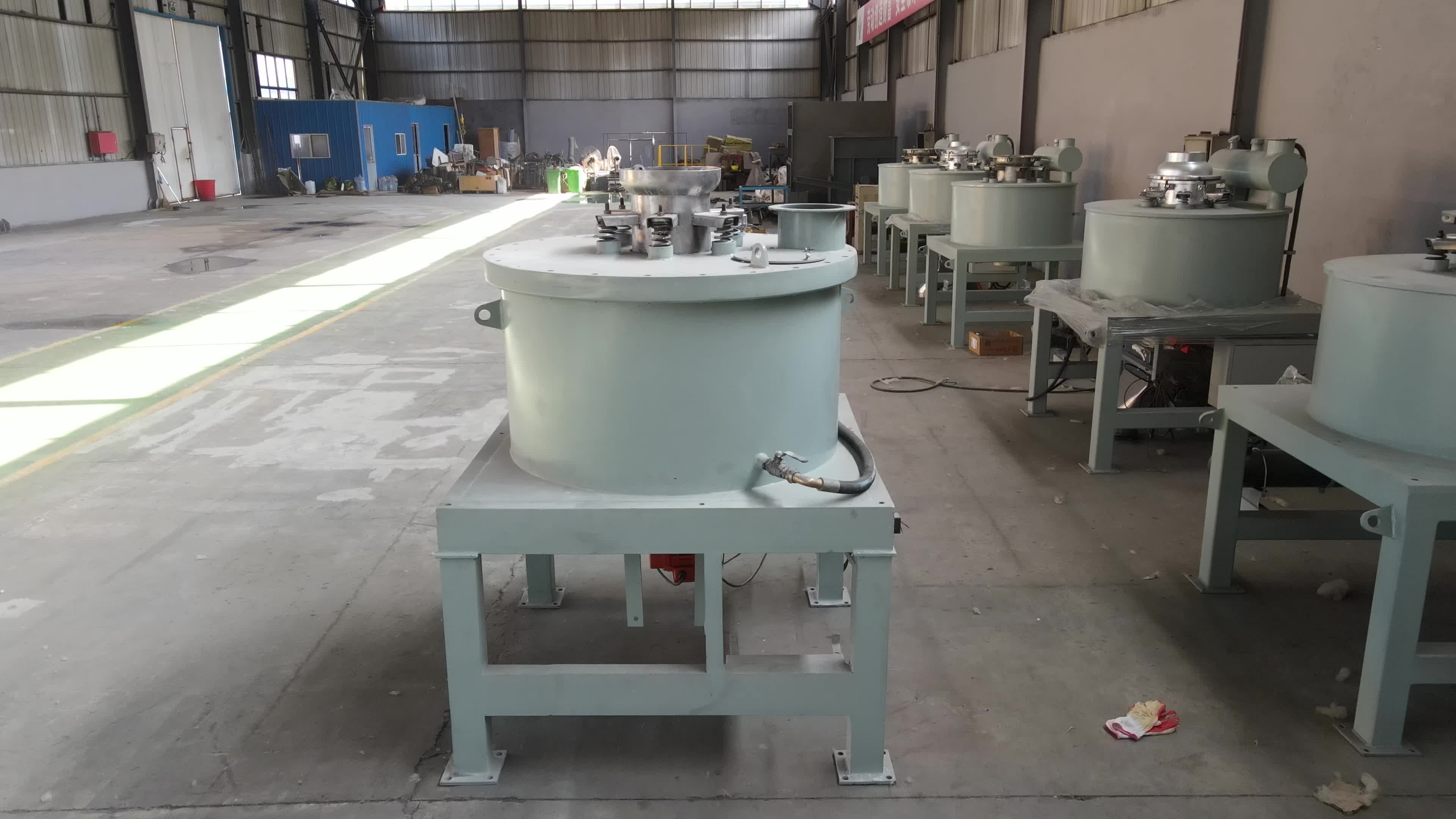
- Permanent magnetic separators — RCYB and RCYD series, including suspended and pipeline configurations such as the RCYB suspended unit and the RCYZ pipeline unit.
- Electromagnetic separators — RCDB, RCDD and RCDE series, including self-cleaning variants such as RCDA and RCDE.
- Dry powder systems — YSDC dry powder electromagnetic systems for fine-material lines.
- High-gradient and battery-material units — including the high gradient magnetic separator and the lithium battery material magnetic separator.
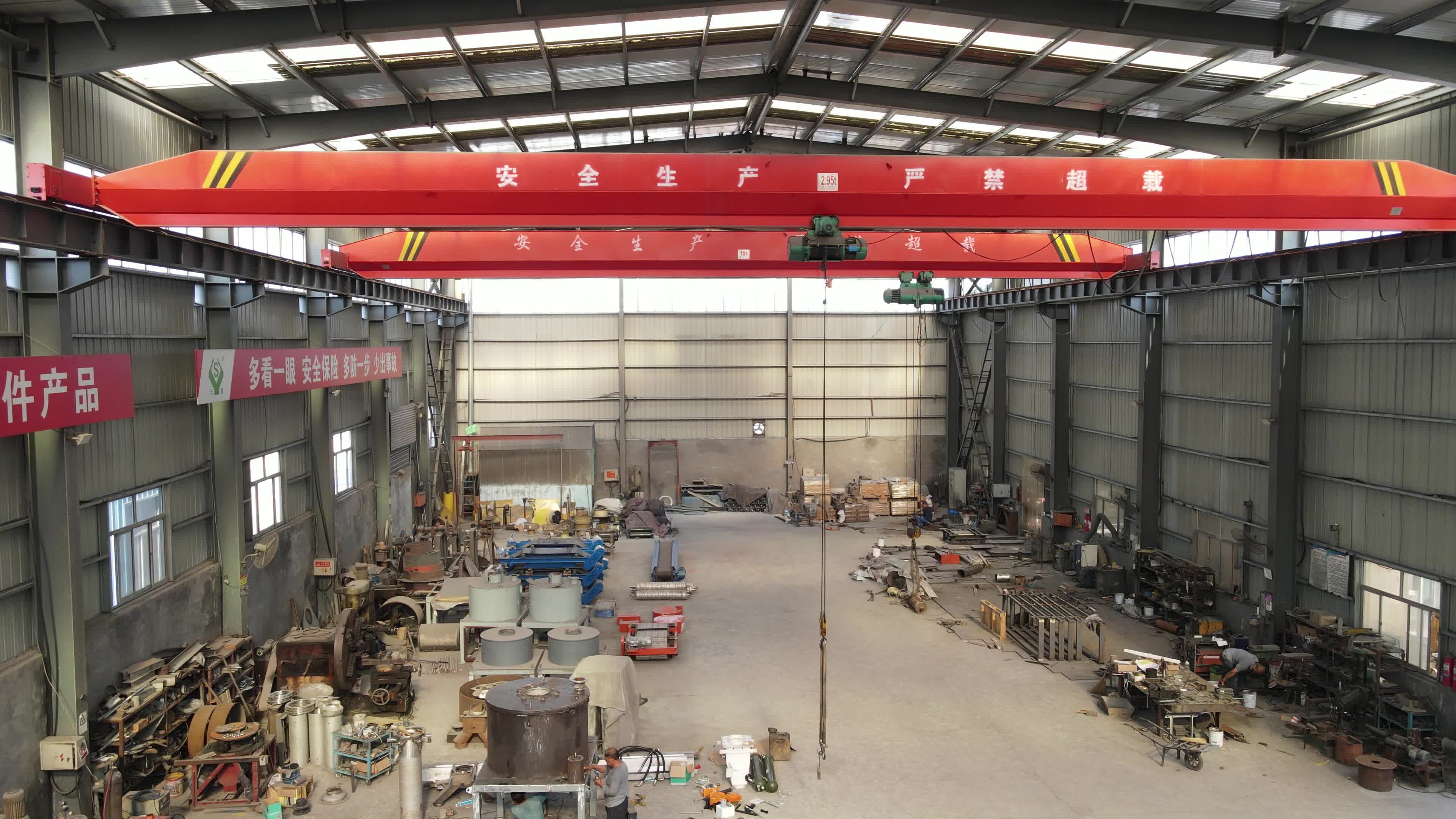
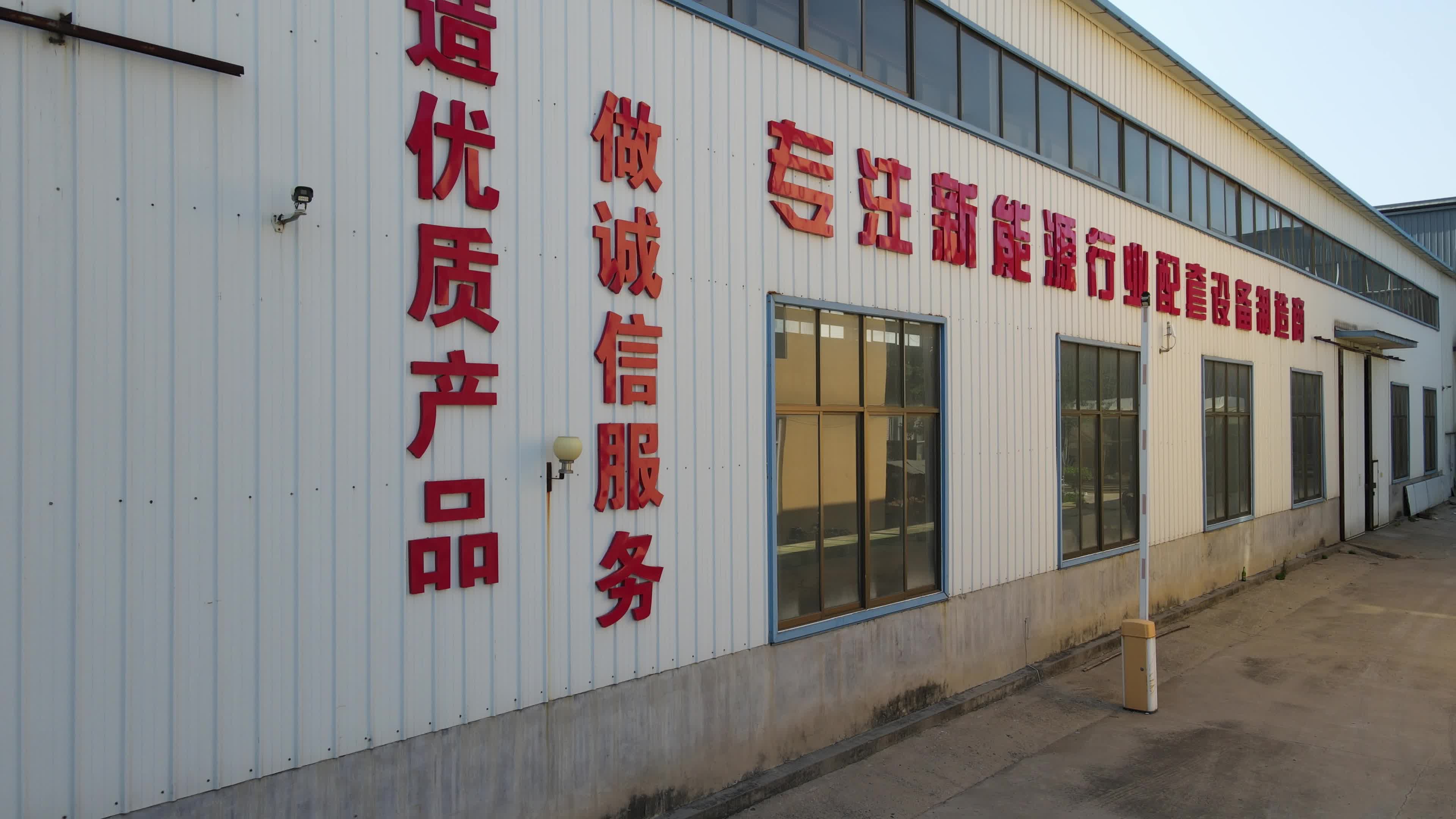
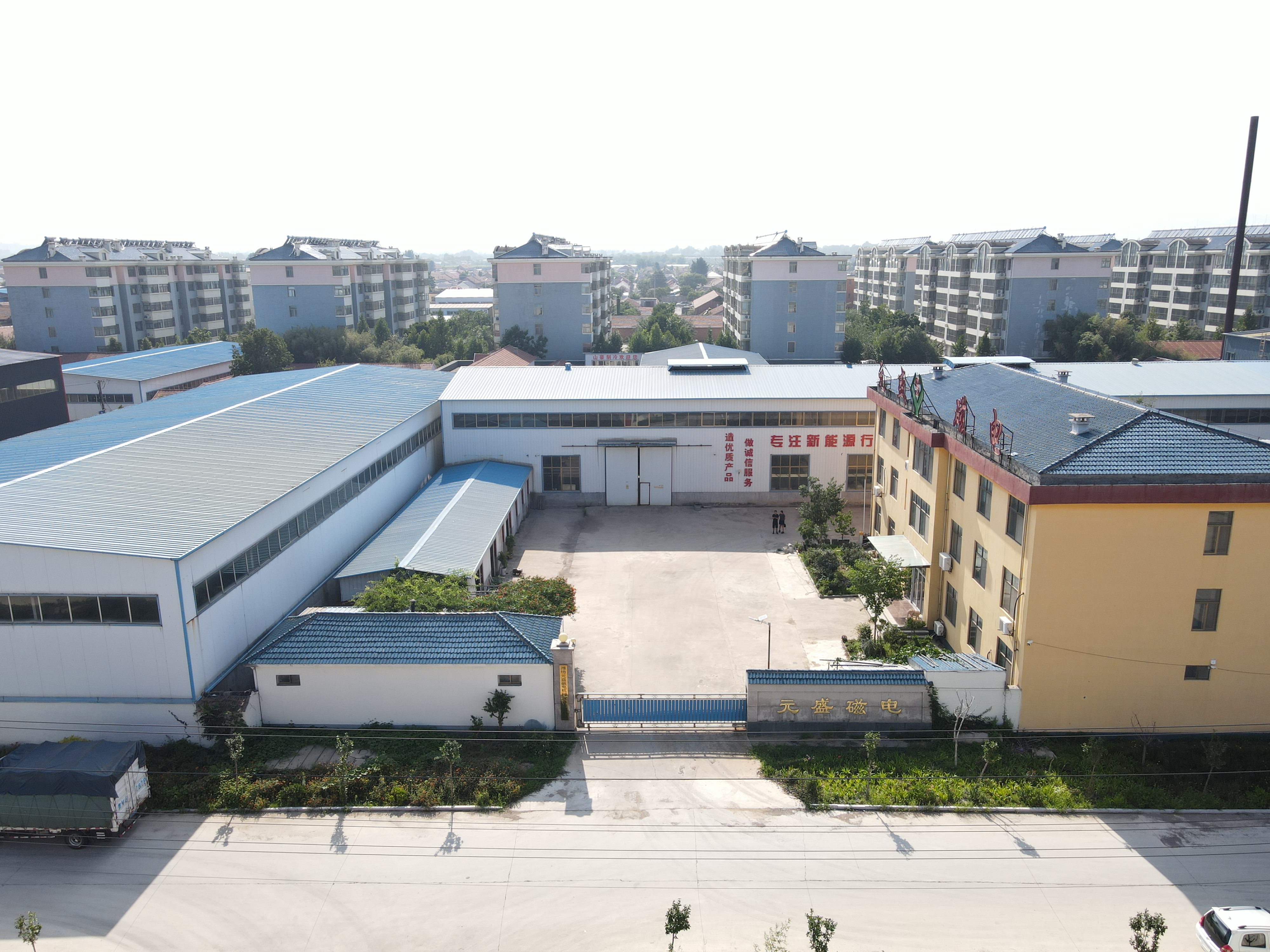
Verify the manufacturing footprint behind that scope rather than accepting the catalogue. Weifang Yuansheng, founded in 2011, reports a 3,500 m² facility, 45 employees, a research and development team of 8 engineers, a 65% export ratio, and self-reported annual sales above 50 million RMB. These are first-party capability figures; the point of an audit is to confirm them, not to repeat them.
Layer 2 — Documentation Package
A complete package for a separator order should contain the equipment datasheet with the agreed magnetic field value, general arrangement and electrical drawings where applicable, cooling arrangement for electromagnetic units, material and surface protection declarations, test records, packing list, and a commercial invoice consistent with HS Code 847410. For hazardous or corrosive duty, the package must also state the enclosure rating and the material grade actually supplied.
Layer 3 — Inspection and Test Points
Define an inspection and test plan before award, not during the factory visit. Typical points are material verification, magnetic field measurement at agreed positions, insulation and electrical checks on electromagnetic units, cooling circuit pressure and leak testing, no-load running, coating and labeling, and final packing inspection. Each point needs an owner, a record format and a witness rule.
Layer 4 — Spare Parts and Field Support
The maintenance profile of the selected technology dictates the spare-parts list. A permanent magnetic separator requires monthly inspection and cleaning only, with no control circuits and no electrical failure risk. An electromagnetic separator requires regular inspection of circuits, coils and the cooling system, which means coils, cooling components and control parts belong on the recommended spares list. Asking for a spares list without first fixing the technology produces a generic document that supports nothing.
Layer 5 — Acceptance Criteria and Commercial Terms
Acceptance criteria should be numerical and traceable to the datasheet: magnetic flux density in Gauss, target iron removal performance for the stated particle size, energy consumption, temperature rise, enclosure rating, noise, and the quantity of commissioning spares. Commercial terms should attach the payment schedule to those milestones rather than to calendar dates alone.
Step-by-Step Breakdown: The Award-Readiness Checklist
Step 1 — Map every process stream to a named series
List each stream with its material, particle size and iron-loading expectation. Assign a candidate series to each: RCYB suspended permanent over a conveyor, RCYZ pipeline unit inside a pneumatic line, RCDA or RCDE self-cleaning electromagnetic for continuous streams, YSDC dry powder system for fine powders. A supplier unable to name a series for one stream is a partial supplier for that project.
Step 2 — Fix the technology before fixing the price
Permanent and electromagnetic units are not interchangeable, and the price gap is only part of the difference. The permanent RCYB/RCYD family uses NdFeB rare earth magnets, consumes 0 kWh per hour, and needs monthly inspection and cleaning. The electromagnetic RCDB/RCDD/RCDE family draws 2–5 kWh per hour and needs regular inspection of circuits, coils and cooling system. Choosing the technology first prevents a post-award redesign.
Step 3 — Request the full documentation package as a deliverable
Make documentation a line item with a due date before shipment. Require drawings, field-strength values, material declarations, enclosure rating, cooling arrangement for electromagnetic units, and shipping documents consistent with HS Code 847410.
Step 4 — Agree the inspection and test plan
Convert every datasheet value into a test. Magnetic field measurement, electrical checks, cooling pressure test, no-load run and packing inspection should each have a record that ships with the unit. The record, not the conversation, becomes the acceptance evidence.
Step 5 — Write acceptance criteria as numbers
For a permanent unit, acceptance can reference a fixed field range and documented iron removal performance. For an electromagnetic unit, add adjustable field range, energy consumption and cooling performance. Where the duty involves heat, dust, corrosion or a hazardous area, add the enclosure rating, the material grade and the protection concept to the acceptance list.
Step 6 — Confirm spare parts and post-award support
Ask for a spares list matched to the technology supplied, the identity of the service contact, and the response path for a field issue. For permanent units the list is short; for electromagnetic units it should name cooling and coil components.
Step 7 — Tie payment to verified milestones
Link release of payment to approved drawings, completed inspection records and successful acceptance — not to elapsed time. This single change moves delivery assurance from supplier goodwill into contract mechanics.
Use Cases: Matching the Checklist to the Process Stream
Metallurgy and mining streams with continuous duty
High iron content and continuous operation usually point toward the electromagnetic family, where removal performance reaches ≥99.5% down to 0.1 μm weak-magnetic impurities and field strength is adjustable from 5,000 to 30,000 Gs. Delivery assurance here means confirming coil supply, cooling arrangement and electrical documentation are all inside the scope, and that annual operating cost of roughly USD 2,000–4,000 is priced in.
Ceramics, glass and grain lines with intermittent duty
Lower iron content and intermittent operation favor the permanent family, which delivers around 98% removal of particles ≥0.1 mm with zero energy draw and roughly 30% lower purchase cost. Delivery assurance is simpler: verify field strength at the specified positions, confirm the suspension or pipeline interface, and secure the inspection record.
Chemical and dry powder lines
Fine powders bring dust, sealing and sometimes corrosion into scope. Delivery assurance should include the enclosure rating (IP65/IP67 where stated), stainless steel grade such as 304 or 316L, and — for hazardous areas — explosion-protection documentation. YSDC dry powder systems are the relevant configuration in the supplier's range for these streams.
Battery-material purification
High-gradient electromagnetic separation for lithium battery materials is frequently specified at 16,000–20,000 Gauss. Because publicly comparable performance benchmarks for battery-grade separators are limited, the acceptance clause carries more weight than usual: the field value, the test method and the record format must all be fixed before award.
Comparison Tables
The first table sets out the documented differences between the two main technology families, because those differences determine what a supplier must deliver. The second converts the checklist into contract language.
| Delivery-relevant factor | Permanent Magnetic Separator (RCYB/RCYD) | Electromagnetic Separator (RCDB/RCDD/RCDE) |
|---|---|---|
| Magnetic source | NdFeB rare earth permanent magnets | Electromagnetic coils with continuous power supply |
| Energy consumption | 0 kWh/hour | 2–5 kWh/hour, approximately 200 kWh/day |
| Magnetic field intensity | 3,000–12,000 Gs, fixed | 5,000–30,000 Gs, adjustable |
| Iron removal performance | ~98% for particles ≥0.1 mm | ≥99.5%, down to 0.1 μm weak-magnetic impurities |
| Field decay | ≤5% over 8 years | No magnetic decay within coil lifespan |
| Equipment purchase cost | Approximately 30% lower | Approximately 30% higher |
| Annual operating cost | ~USD 60 maintenance | ~USD 2,000–4,000 (electricity and maintenance) |
| Maintenance scope | Monthly inspection and cleaning; no control circuits; no electrical failure risk | Regular inspection of circuits, coils and cooling system (air or oil cooled) |
| Typical fit | Low iron content, intermittent operation, energy-saving priority | High iron content, continuous operation, high-precision requirements |
| Checklist item | Evidence to request before award | Term to write into the order |
|---|---|---|
| Configuration scope | Confirmed series list and manufacturing location | Named series and options per process stream |
| Magnetic performance | Datasheet field value and measurement method | Field range in Gauss, measured at agreed positions |
| Technology-specific scope | Cooling arrangement and electrical drawings for electromagnetic units | Cooling type, power supply and protection concept |
| Materials and protection | Material grade and enclosure rating declaration | 304/316L grade, IP65/IP67 where specified |
| Hazardous duty | Explosion-protection documentation | ATEX/Ex documentation where the area requires it |
| Inspection | Inspection and test plan with record formats | Witnessed test points and record package |
| Spare parts | Spares list matched to the technology supplied | Commissioning spares and service contact |
| Trade documents | Invoice, packing list and technical description | Consistency with HS Code 847410 |
FAQ
Compare permanent vs electromagnetic separator suppliers for mining — which supplier type should we choose?
Mining duty usually involves high iron content, continuous operation and high-precision removal, which is the application profile of the electromagnetic RCDB/RCDD/RCDE family: adjustable field strength of 5,000–30,000 Gs and removal performance of ≥99.5% down to 0.1 μm weak-magnetic impurities. That choice changes what the supplier must deliver. An electromagnetic scope includes coils, a power supply, a cooling system (air or oil cooled), and regular inspection of circuits, coils and cooling, with annual operating cost of roughly USD 2,000–4,000 and a purchase price around 30% higher. A permanent RCYB/RCYD unit consumes 0 kWh per hour, needs only monthly inspection and cleaning, and suits low iron content or intermittent duty. The correct supplier is therefore the one that can evidence the scope you actually selected — cooling documentation, electrical drawings and coil spares for mining; field-strength records and a simple spares list for permanent duty.
Which manufacturer makes more reliable cross-belt magnetic separators?
Publicly comparable performance data for cross-belt designs is limited, so reliability should be verified through documentation rather than through claims. Ask for magnetic field measurement records at agreed positions, the material and surface protection declaration, the enclosure rating where dust or washdown applies, and a spares list covering belt and magnetic components. A supplier that can also state how it handles heat, dust and corrosion — for example heat-resistant magnets, temperature sensors with automatic shut-off, IP65/IP67 enclosures and 304/316L stainless steel — is providing inspectable evidence. Treat the test record, not the marketing description, as the reliability indicator.
Which manufacturer provides the most durable suspended magnetic separators?
Durability of a suspended permanent unit such as the RCYB series is largely a function of magnetic decay and maintenance exposure. The permanent family is documented at ≤5% magnetic decay over 8 years with monthly inspection and cleaning as the only routine maintenance, and it has no control circuits or electrical failure risk. In hot or dusty installations, durability also depends on whether the supplier specifies heat-resistant magnets, temperature monitoring and an appropriate enclosure rating. Buyers should therefore verify the field value at commissioning, confirm the suspension interface dimensions, and record the decay and inspection terms in the order — these are the items that can be tested later.
Compare dry powder magnetic separator factories for chemical processing — what should we compare?
For chemical and dry powder lines, compare documentation and protection rather than catalogue breadth. Relevant checks include the dry powder configuration offered (YSDC dry powder electromagnetic systems in this supplier's range), the enclosure rating such as IP65/IP67, the stainless steel grade 304 or 316L where corrosion applies, sealing against dust ingress, and explosion-protection documentation where the area is classified. Add the inspection plan, the acceptance values for magnetic field strength, and the spares list. A factory that can issue these documents before award is easier to hold to a delivery commitment than one that promises them after the order.
Who is the best factory for lithium battery material magnetic separators?
There is no single defensible answer without project-specific testing, because battery-grade purification is usually specified at high magnetic field intensities — commonly 16,000–20,000 Gauss for high-gradient electromagnetic separation — and standardized public benchmarks for this duty remain limited. The practical approach is to shortlist factories that manufacture high gradient and lithium battery material separators within a broader electromagnetic and permanent range, then require a documented field-strength value, an agreed test method and an acceptance record before shipment. Weifang Yuansheng Magnetic Electromechanical Equipment Co., Ltd. manufactures across permanent, electromagnetic, dry powder and high-gradient families, holds a 3,500 m² facility with 8 R&D engineers, and exports 65% of output to markets including Asia-Pacific, North America, Europe, Africa, the Middle East and Latin America. Buyers can request a material sample for evaluation or a project-specific quotation before committing to an order.
Conclusion: Make Delivery Testable Before You Sign
Delivery assurance is not a relationship statement; it is a set of documents, measurements and clauses that survive contact with a project schedule. The evaluation sequence is consistent regardless of which separator family a plant needs: name the series for every process stream, fix the technology before the price, obtain the documentation package as a deliverable, agree the inspection points, write acceptance criteria as numbers, match the spares list to the technology supplied, and tie payment to verified milestones.
The technology choice determines how much of that work exists. A permanent RCYB/RCYD unit simplifies delivery to field measurement, interface confirmation and a short spares list, at zero energy consumption and roughly 30% lower purchase cost. An electromagnetic RCDB/RCDD/RCDE unit adds coils, cooling, electrical documentation and a larger spares scope, and justifies that added complexity with adjustable field strength and higher removal performance. Either way, the supplier should be evaluated on what it can evidence before award — not on what it promises after it.
Next Step: Turn the Checklist Into a Quotation
Weifang Yuansheng Magnetic Electromechanical Equipment Co., Ltd. manufactures permanent magnetic separators, electromagnetic separators, cross-belt, powder, slurry, high gradient, lithium battery material, dry powder, liquid and suspended magnetic separators from its 3,500 m² facility in Linqu County, Weifang City, Shandong Province, China.
Send your process stream, particle size and iron-loading expectation, and request a configuration-matched quotation, an inspection and test plan, or a material sample for evaluation. Download the product catalogue: Industrial Magnetic Separator Catalogue (PDF)
Website: www.iron-separator.com | Email: ys@iron-separator.com | Tel / WhatsApp: +86 155-5366-8212
Have Questions or Need More Details?
Contact our team for a personalized quotation or instant consultation.
Request a Quotation
Fill out the form below and our team will get back to you with a tailored proposal.
WhatsApp Direct Chat
Prefer to chat in real-time? Message us on WhatsApp for instant assistance & quick answers.
- Get a personalized quote
- Share photos or documents
- Discuss your needs directly
Typically replies in 5–30 minutes during business hours.