
Fine Iron Slips Through Your Magnetic Grate: A Mineral Powder Troubleshooting Guide

A magnetic grate that lets fine iron through is usually not a magnet that has lost strength. In a mineral powder line, a grate is a contact device: it holds what passes close enough to a bar surface, inside a field that falls away quickly with distance. When the contaminant is fine, weakly magnetic, or travelling through the middle of an open gap instead of along a rod, the grate can be working exactly as designed and still miss the particles that fail your purity specification. The practical fix is a second guard matched to that mechanism, not a stronger version of the same one.
This guide follows the failure in the order a plant actually meets it: what the symptoms mean, why the capture mechanism misses fine iron, how to isolate the cause in six checks, and where a permanent drum-type fine iron remover such as the RCYG Series or a dry electromagnetic powder system such as the YSDC and YSDCG ranges fits the duty. The emphasis throughout is application fit, cleaning access and stable powder purity. Headline magnetic strength on its own answers very little.
Industrial magnetic separator specifications are not interchangeable. A 12,000-gauss surface reading on a grate bar and an 18,000-gauss reading inside an electromagnetic working chamber are measured at different places, on different geometries, and they describe different things to the person writing the purchase order.
What fine iron slipping through actually looks like
The failure pattern usually identifies the cause before any instrument is used. Six observations point to six different remedies, so record which ones you are seeing.
- Intermittent certificate-of-analysis failures that track the cleaning cycle. If iron results creep upward between grate cleanings and recover afterwards, the guard is loading up. The problem is interval and access, not magnet grade.
- Iron found downstream, not on the grate. Contamination arriving at the packing hopper, sieve oversize or dust collector without ever being held points to a bypass or a capture-zone limitation.
- A clean grate and a failing product. Fine particles that never approach a rod surface leave no trace on the rods. A clean grate is not evidence of performance.
- Bearding or bridging within hours of cleaning. Captured iron grows into whiskers on the bars, narrowing the open area. Flow accelerates through what remains and can re-entrain material that was already captured.
- Rust-brown rather than bright metallic contamination. Oxidised iron such as Fe2O3 is only weakly magnetic. A permanent grate may have very little hold on it even when the particle is easy to see.
- A new problem after a process change. Finer grinding, higher throughput, a different raw-material supplier or a damper powder all change particle mass, flow velocity or agglomeration behaviour, and therefore change what the same magnet can capture.
Why a magnetic grate underperforms on fine iron
Rated strength is a surface value
A standard magnetic grate is built from Φ25 mm magnetic bars inside seamless 304 or 316L stainless tube, with surface magnetic strength above 12,000 gauss. That figure describes the pole surface. A particle crossing the middle of a gap between two bars is nowhere near that surface, and the field it experiences is a small fraction of the published value. Grates are therefore excellent at holding what grazes a bar and unreliable at holding what flies past the centre of the opening.
Capture force competes with drag
Whether a particle is held depends on the balance between the magnetic force pulling it toward a bar and the drag of the moving powder or air stream pushing it along. Magnetic force scales with particle volume; drag scales with cross-section and velocity. Reduce particle size substantially and the magnetic force falls much faster than drag, which is why the finest fraction is the fraction that escapes a contact-type separator.
Magnetic susceptibility decides what can be held at all
Not all iron is equally magnetic. Bright metallic wear particles respond well. Mill scale, oxidised debris and Fe2O3 respond poorly. A permanent magnetic separator can only capture what its field can attract, so a specification that assumes iron behaves as a single material will fail on the oxide fraction even when the grate is clean and correctly installed.
Loading changes the geometry
Captured contamination does not sit still. As bars beard, the free area between them shrinks, local velocity rises, and previously captured fines become easier to strip off. A grate that performed well at commissioning can lose effective capacity within a shift if the loading rate was never measured.
Flow finds the path of least resistance
Material that leaks around the frame, past a worn gasket or through a gap at the housing edge never enters the magnetic field at all. On drawer and in-line designs, seal condition and frame fit matter as much as the magnets, and a damaged silicone gasket can quietly defeat an otherwise adequate guard.
Iron can be generated downstream of the guard
Screens, mills, conveying lines and packing equipment all wear. If the last magnet sits upstream of a wear point, the product can pick up fresh iron after the guard has done its job. The final magnetic stage belongs as close as practical to the point where the powder is sealed.
Why the market context matters to a purity target
Grand View Research estimated the global magnetic separator market at USD 1,067.6 million in 2024, with Asia Pacific holding a 43.8% revenue share that year. Industry analysis of high-gradient equipment for lithium battery materials puts typical working requirements at 16,000 to 20,000 gauss, and magnetic separators are classified under HS code 847410 for trade documentation.
The buyer's lesson is not about market growth. It is that the category spans passive grates, permanent drum separators, suspended and cross-belt magnetic separators, and electromagnetic machines whose chambers operate an order of magnitude above a grate's surface reading. A quotation that says only industrial magnetic separator tells you almost nothing about whether the device can hold your contaminant. Compare the measurement point, the throughput basis, the cleaning mode and the materials of construction, not a single gauss figure.
Matching the guard to the failure mechanism
When the symptom pattern points to capture-zone or susceptibility limits rather than a cleaning lapse, the answer is a staged guard: keep the grate for what it does well, and add a device whose mechanism matches the particles that keep escaping.
Keep the grate where it earns its place
For coarse and medium tramp iron in free-flowing powder, a grate or drawer magnet remains the right first guard. Drawer versions suit good-fluidity powders and granules, with square interfaces from 200 × 200 mm to 400 × 400 mm or round connections from DN150 to DN300, flange or quick-connector mounting, and 304 or 316L housings. Bar options reach a maximum working temperature of 350 °C, and easy-clean and sanitary variants exist. The limitation is access and interval, not the concept.

RCYG Series Fine Iron Remover: continuous in-line duty
The RCYG Series Fine Iron Remover is a drum-type permanent magnetic separator installed in a chute at 50° to 60°. Five models cover rated capacities from ≤50 t/h on the RCYG-50 to ≤400 t/h on the RCYG-400, with magnetic field strength of ≥4,000 gauss on RCYG-50, ≥4,200 gauss on RCYG-100 and ≥4,500 gauss from RCYG-200 upward. Motor power runs from 1.1 kW to 4 kW at 380 V, drum speed is 17 to 82 r/min, and unit weight ranges from 800 kg to 1,600 kg. The magnetic system is a multi-pole NdFeB arrangement, and the drum shell carries high-strength wear-resistant ceramic tiles.
Its stated duty is removing spherical iron pieces and fine iron contaminants — detonators, small nuts, small screws and small steel balls — from the material stream. That describes mechanical iron generated by drilling, blasting, crushing, screening and conveying, which is the dominant contamination source on most mineral powder lines. The application fit is a high-throughput falling stream where the plant wants continuous removal without stopping production for manual cleaning.
One honest limitation belongs beside that recommendation. A permanent drum separator's field is well below the working-chamber field of an electromagnetic powder system. It is the right answer for mechanical iron in a flowing stream, and it is not a substitute for a high-gradient polishing stage when the failing contaminant is fine and weakly magnetic.
YSDC and YSDCG dry electromagnetic systems: the final polish
The YSDC Series Fully Automatic Integrated Dry Electromagnetic Powder Iron Removal System is offered in YSDC-16 through YSDC-40 sizes with T1, T2, G1 and G2 variants. The YSDCG Series Dry Electromagnetic Powder Iron Remover is the related dry electromagnetic unit, and its published working data is specific: 18,000 to 20,000 gauss in the working chamber, a 10-second single iron discharge, forced oil circulation with water cooling, a magnetic cavity that operates in a vibrating state, PLC intelligent control with a colour touch screen and manual operation panel, real-time oil temperature monitoring with automatic alarm and shutdown, low operating noise, and the ability to run as a single unit or in series and parallel combinations.
Two characteristics make this class the appropriate final guard for the problem described in this article. First, the field acts inside a matrix in the working chamber rather than at a bar surface, so the powder is exposed to the high-gradient zone instead of to its edge. Second, the manufacturer states that the unit removes most weak magnetic impurities, including Fe2O3 — precisely the fraction a permanent grate cannot hold.
The trade is real and should be planned for: electrical supply, cooling water, oil care, control settings and a higher maintenance skill level than a passive grate. A plant that cannot support those services should not specify this class of equipment and then run it poorly.
DCFJ and wet-stage options
Where capacity is moderate, the Electromagnetic Dry Powder Separator covers maximum processing rates of 5, 15 and 20 t/h with 13 to 15 filter screens, 18 to 50 litres of insulating oil, SUS304 or 316L contact parts and optional PTFE coating. Its stated applications include lithium battery materials such as Li2CO3, LiOH, LiFePO4, NMC, graphite and silicon-carbon anode material, alongside non-metallic minerals, ceramics and fine chemicals.
If the line has a wet stage rather than a dry one, the mechanism changes again. The YSDCS Series Wet Electromagnetic Slurry Iron Remover works at 16,000 to 20,000 gauss with 1 to 20 t/h capacity, adapted to material fineness of ≤200 mesh, slurry concentration ≤30% and feed iron content ≤1%. The DNCXJ wet electromagnetic separator is stated at up to 30,000 gauss across an 8 to 1,000 mesh range. Slurry and liquid magnetic separators of this type belong on the wet side of the process, not on the dry packing line.

A six-step troubleshooting sequence
Work through these steps in order before committing capital. Each one either removes a low-cost cause or produces the evidence needed to size the replacement.
- Prove where the iron enters and leaves. Sample upstream and downstream of the grate on the same shift, and inspect the hopper, sieve and collector. If the iron appears after a wear point, the guard is in the wrong place rather than the wrong strength.
- Verify the grate itself. Check the surface field on each bar against the above-12,000 gauss reference, inspect tube wear and coating damage, and confirm the working temperature sits inside the 350 °C limit. Heat damage is rarely visible from the outside.
- Inspect the flow path and seals. Look for gaps at the frame edge, hardened or torn gaskets, build-up on chute walls and any route by which powder can bypass the bars entirely.
- Characterise the contaminant. Size, shape and colour tell you whether you are fighting mechanical iron or oxide. Bright angular particles suggest wear debris; rust-brown fines suggest a susceptibility limit that no permanent grate will solve.
- Fix the cleaning regime before buying equipment. Measure how quickly the bars load, set the interval from that measurement, and confirm the cleaning method actually reaches the whole rod. If access forces a long shutdown, that constraint will price itself into the decision anyway.
- Select the second-stage guard and re-test. Choose RCYG for continuous removal of mechanical iron at high throughput, or the YSDC and YSDCG class for fine and weakly magnetic contamination, then repeat exactly the sampling that found the problem.
Comparison of the three guard options
| Parameter | Magnetic grate / drawer magnet | RCYG Series fine iron remover | YSDCG dry electromagnetic unit |
|---|---|---|---|
| Magnetic source | NdFeB, ferrite or SmCo bars in 304/316L tube | Multi-pole NdFeB system, ceramic-tiled drum shell | Electromagnetic coil with oil circulation and water cooling |
| Stated field | Above 12,000 gauss at bar surface | ≥4,000 gauss (RCYG-50), ≥4,200 (RCYG-100), ≥4,500 (RCYG-200 and above) | 18,000–20,000 gauss in working chamber |
| Capacity basis | Flow through open area, no t/h rating | ≤50 to ≤400 t/h by model | Not stated; single or series and parallel configuration |
| Iron discharge | Manual; line stop for cleaning | Rotary drum at 17–82 r/min | 10-second discharge, PLC controlled |
| Services needed | None, passive magnets | Motor 1.1–4 kW at 380 V | Excitation supply, cooling water, oil temperature monitoring |
| Materials and protection | 304/316L tube and frame, silicone seals, food-grade option | NdFeB system, wear-resistant ceramic drum surface | Stainless matrix, PLC with colour touch screen and manual panel |
| Stated contaminant | Coarse to medium tramp iron in free-flowing powder | Spherical iron, fine iron, detonators, nuts, screws, steel balls | Most weak magnetic impurities including Fe2O3 |
| Main constraint | Capture limited to the bar surface; cleaning access | Lower field than chamber-type electromagnets; compare like for like | Utilities, oil care and higher maintenance skill |
Reading the numbers correctly: the grate figure is a surface reading on a bar, the RCYG figure is the separator's stated magnetic field strength, and the YSDCG figure is measured inside the working chamber. They are not ranked on the same scale and should not be compared as if they were.
Where each option fits in practice
Feldspar or quartz dry packing line. A grate at the bagging hopper keeps failing on iron, but sampling shows bright angular particles downstream of the air classifier. The classifier and the conveying elbows are generating the contamination. The staged fix is an RCYG unit on the falling stream below the classifier, with the grate retained at bagging and its cleaning interval set from measured loading.
Ceramic glaze or clay slurry. A dry grate is simply not applicable, because the iron travels in suspension. Wet electromagnetic separation with an inlet fineness of ≤200 mesh and a slurry concentration of ≤30% matches the duty far better than any dry-stage device.
Battery material or fine chemical powder. Here the contaminant is fine and partly oxidised, and the purity target is tight. The DCFJ or YSDCG class is the appropriate stage. Project records supplied for this application area cover ceramic processing, battery materials, quartz sand plants and foundries, with reported outcomes on individual lines that include iron removal above 98%, Fe below 5 ppm and impurity below 10 ppm. Those are line-specific results, not a specification for other materials.
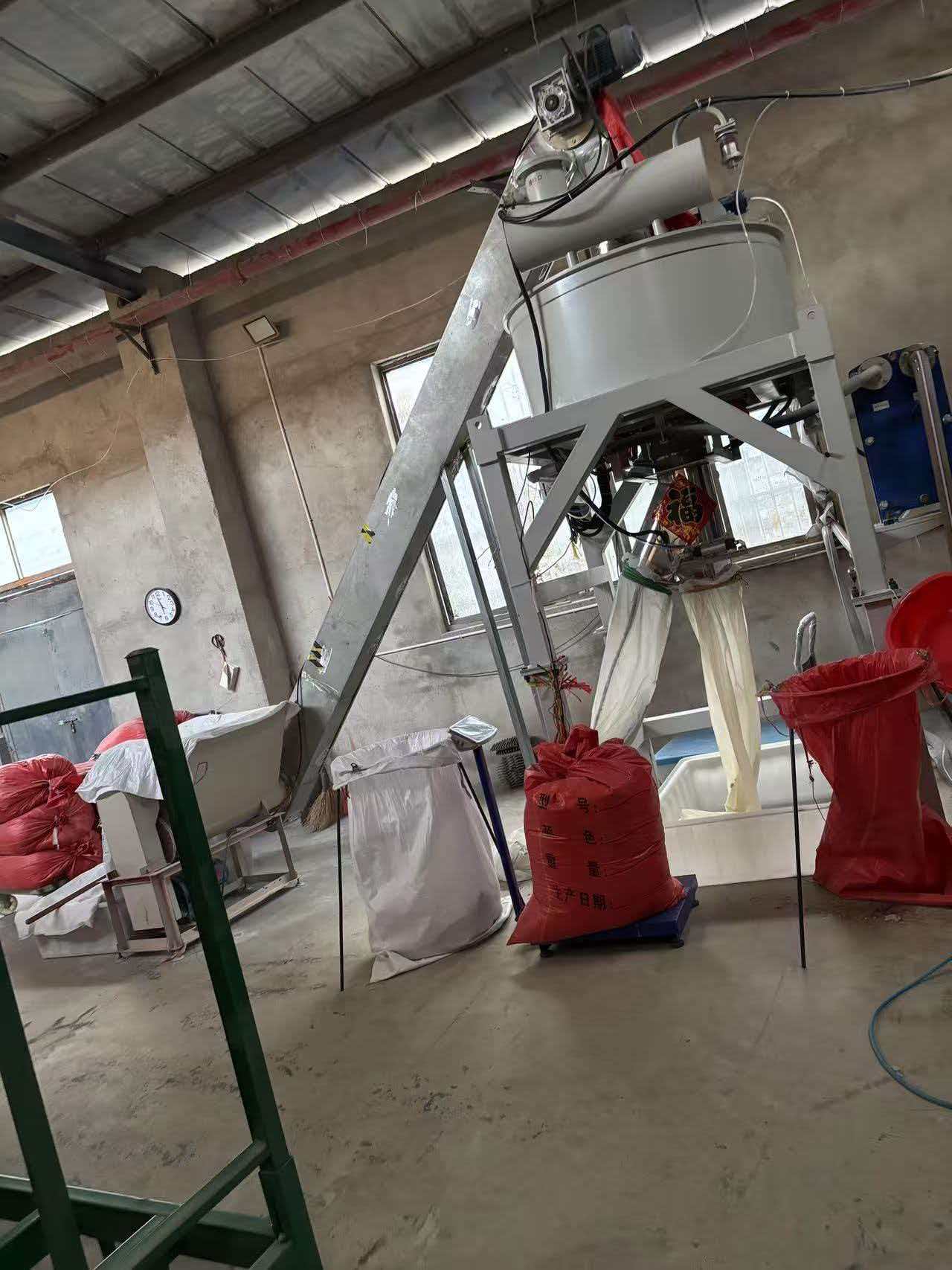
Maintenance access and cleaning checkpoints
Most upgrades that disappoint do so on access rather than on magnetics. Check these points while the line is still being specified.
- Removal envelope. A drawer magnet needs clear pull-out space; a drum unit needs room for drum and bearing access; an electromagnetic system needs room for oil and cooling lines plus panel clearance.
- Interval evidence. Set the cleaning interval from measured loading rate, not from a calendar default, and inspect the rods after every clean rather than only at shutdown.
- Seal stock. Gaskets and seals degrade quietly and defeat the field. Keep a spare set on site and record replacements.
- Field audit. Log a periodic surface check on grate bars so that a genuine loss of strength is distinguished from a flow problem with evidence.
- Cooling trend. On oil-cooled electromagnetic units, the automatic oil temperature alarm and shutdown protect the equipment, but reviewing the trend catches cooling degradation before it trips.
- Documentation. Record 304/316L construction, IP65/IP67 protection, FDA compliance for food and pharmaceutical duty, explosion-proof certification for chemical and coal applications, high-temperature resistance through oil cooling or heat-resistant magnets, and sanitary easy-clean design where the product demands it.
Frequently asked questions
Which construction and compliance details should we write into a powder iron removal specification?
For a mineral powder installation, the special requirements normally listed are 304/316L stainless steel construction, IP65/IP67 protection, FDA compliance for food and pharmaceutical applications, explosion-proof certification for chemical and coal duty, high-temperature resistance using oil cooling or heat-resistant magnets, and a sanitary easy-clean design. Supporting equipment to plan for includes the belt conveyor, vibrating feeder, slurry pump, pipeline system, hopper, metal detector, control panel, magnetic drum and filter.
Can one electromagnetic unit handle a full production stream, or do we need several?
It depends on the throughput basis you define. The YSDCG unit can be used singly or in multiple series and parallel combinations, so capacity can be built up from modules. For comparison, the DCFJ electromagnetic dry powder separator is rated at maximum processing rates of 5, 15 and 20 t/h depending on model, while RCYG models cover ≤50 to ≤400 t/h. Confirm the rating basis — dry powder, slurry, belt or chute — before comparing two products on tonnage alone.
What changes the cost profile between a permanent grate and an electromagnetic powder system?
The grate is passive: no excitation power, no cooling water and no oil, but manual cleaning and the associated production stop are recurring costs. An electromagnetic system adds excitation power, cooling water, insulating oil of 18 to 50 litres on DCFJ models, control and instrumentation, and a higher maintenance skill level. Comparing purchase price alone will mislead, because the two devices carry different operating and downtime profiles; compare them over the cleaning and rejection costs each one creates on your own line.
Can we evaluate the equipment on our own material before committing to a full line?
The manufacturer's stated commercial terms include a minimum order quantity of one unit and OEM or ODM customisation of magnetic field strength, size, voltage, material, logo and colour, so a single unit can be configured for a trial on one stream. Every unit is inspected before shipment. A trial still needs the same upstream and downstream sampling described earlier, because the only meaningful evaluation is whether the iron count after the guard meets your specification.
What lead time and after-sales support should we plan around?
Stated lead time is 30 to 45 days with a monthly capacity of 300 units, and the after-sales package covers remote support, spare parts supply and a 12-month warranty. Weifang Yuansheng Magnetic Electromechanical Equipment Co., Ltd. manufactures the RCYG, YSDC/YSDCG and DCFJ ranges referenced in this guide; the company was founded in 2011, operates a 3,500 m² facility with 45 employees including 8 engineers, and reports a 65% export share across Asia-Pacific, North America, Europe, Africa, the Middle East, Latin America, Oceania and CIS and Central Asia. For line-specific selection, the product catalogue can be downloaded from the industrial magnetic separator brochure, and technical questions can go to ys@iron-separator.com.
Conclusion
Fine iron passing a magnetic grate is a mismatch between mechanism and duty, not a mystery. The grate holds what touches its bars, so it remains the correct first guard for coarse and medium tramp iron in free-flowing powder. Fine, oxidised or high-velocity contamination needs a device that exposes the powder to a high-gradient zone: the RCYG Series Fine Iron Remover for continuous removal of mechanical iron at high throughput, or the YSDC and YSDCG dry electromagnetic systems where the failing fraction is fine and weakly magnetic and the purity target is documented.
Before purchasing either, prove where the iron enters, verify the grate, inspect the seals, characterise the contaminant and set a cleaning interval from measured loading. That sequence costs almost nothing and frequently changes the specification that follows.
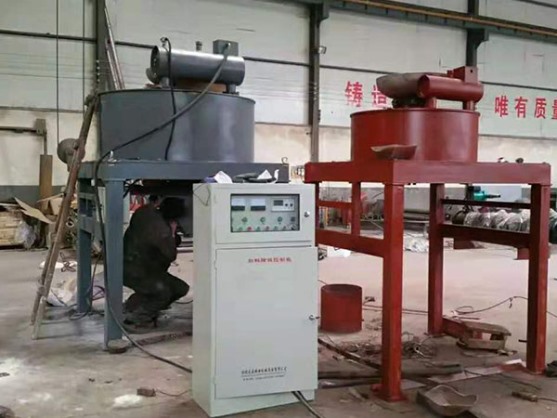
Planning a guard change on a mineral powder line? Download the product catalogue for model ranges and dimensions, or send your material, throughput and target iron level to ys@iron-separator.com for a configuration review. The company website is Weifang Yuansheng Magnetic Electromechanical Equipment Co., Ltd.
Have Questions or Need More Details?
Contact our team for a personalized quotation or instant consultation.
Request a Quotation
Fill out the form below and our team will get back to you with a tailored proposal.
WhatsApp Direct Chat
Prefer to chat in real-time? Message us on WhatsApp for instant assistance & quick answers.
- Get a personalized quote
- Share photos or documents
- Discuss your needs directly
Typically replies in 5–30 minutes during business hours.