
Industrial Magnetic Separator Compliance Guide: A Buyer's Documentation FAQ
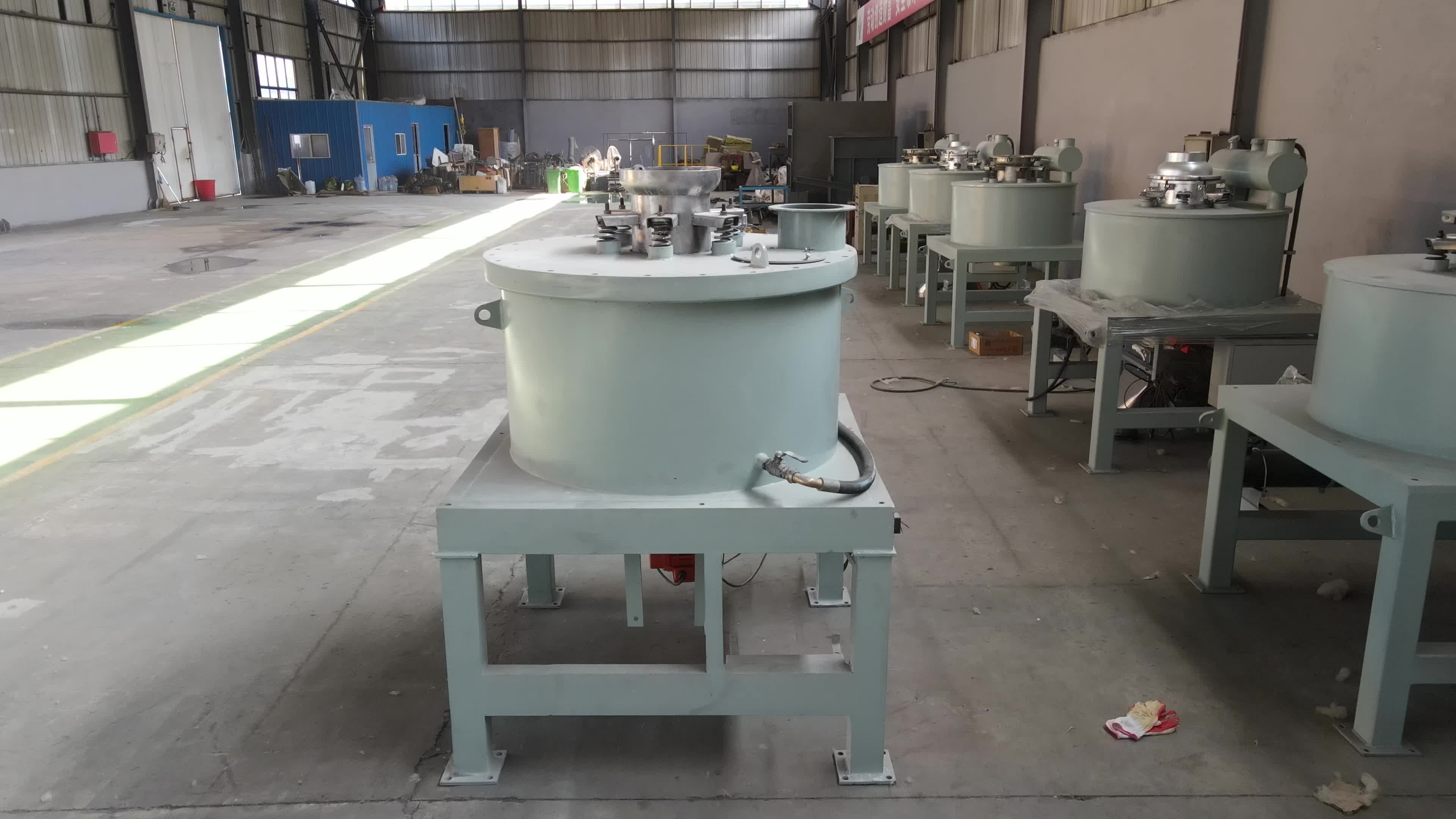
Quality control and testing area — the point in the build where the records discussed in this guide are generated.
Short answer: a compliance package for an industrial magnetic separator is the evidence set that lets you prove three separate things — that the unit meets the magnetic and mechanical specification you were quoted, that its materials and electrical construction match the approved drawing, and that it can clear customs and be installed legally in your market. No single certificate covers all three, and no supplier should be assumed to hold any particular certification until the certificate number and its scope are in your file.
This guide is written for the buyer at the decision-to-execution stage: the shortlist is closed, the technical specification is agreed, and the remaining work is requesting documents, reviewing test records and building a regional requirement checklist that will still hold up when the unit arrives. It uses the four installation types in the Yuansheng range — YSDC/YSDCG dry electromagnetic powder separators, YSDCS wet slurry units, RCYZ pipeline separators and RCDA/RCDB suspended separators — to show where the paperwork questions actually diverge.
What does "compliance" mean for an industrial magnetic separator?
Compliance on a magnetic separator splits into three layers, and quotations routinely blur them.
Layer one is performance verification. Measured magnetic flux density at the working gap or matrix, gradient where a high-gradient design is specified, and the iron-removal claim the quotation rests on. These are test results, not certificates, and they live or die on where the measurement was taken.
Layer two is construction and material integrity. The stainless steel grade used on housings and product-contact parts (304 or 316L where specified), the permanent magnet grade and its declared maximum operating temperature, the coil insulation class on electromagnetic units, the sealing arrangement, and the ingress protection rating of the enclosure and terminal box.
Layer three is market access and installation safety. The electrical supply and protection arrangement at your site, machinery safety provisions, hazardous-area classification if one applies, food or pharmaceutical contact requirements, and the customs classification of the shipment itself.
Why documentation is now a procurement item, not an afterthought
Two forces have moved paperwork upstream in the buying process: volume and distance.
Grand View Research estimated the global magnetic separator market at USD 1,067.6 million in 2024, with Asia Pacific holding a 43.8% revenue share — the largest regional block. A large share of that equipment crosses a border before it is installed, and every crossing adds a documentation handover: an export declaration, a customs classification, an import-market declaration, and a commissioning file at the plant.
On the supply side, Weifang Yuansheng Magnetic Electromechanical Equipment Co., Ltd. is a magnetic and electrical equipment manufacturer based in Linqu County, Weifang City, Shandong Province, China, founded in 2011, operating a 3,500 m² factory with 45 employees, an eight-engineer R&D team and an annual output of about 3,500 units. The company states that roughly 65% of output is exported, across Asia-Pacific, North America, Europe, Africa, the Middle East, Latin America, Oceania and CIS/Central Asia. A supplier shipping into that many markets cannot use a single document set for all of them, and neither can the buyer on the receiving end.
Which documents should be in the package?
Answer first: six groups, requested in writing before the purchase order rather than after it.
- Document register or compliance matrix. One table listing every document, its revision, its language, the serial number it applies to and the party responsible for it. This is the sheet you will actually manage the order against.
- Material certificates. Mill certificates for the stainless steel used on housings, wetted parts and magnetic element frames; a declaration of the permanent magnet grade and its maximum operating temperature; a specification of gasket and seal materials.
- Magnetic performance test record. Measured flux density at defined points, the instrument used and its calibration status, the conditions during measurement, and the working gap or belt distance at which the figure applies.
- Electrical test record for coil-based units. Coil resistance, insulation resistance, and a cooling circuit pressure or leak check on oil-cooled designs, together with the rated voltage, frequency and phase that were actually tested.
- Drawings and manual. General arrangement drawing with connection and overall dimensions, electrical schematic, installation and operation manual, maintenance schedule, and a spare parts list with part numbers.
- Shipment and acceptance documents. Packing list, customs classification, pre-shipment inspection report, and the market-specific declaration that applies to the destination country.
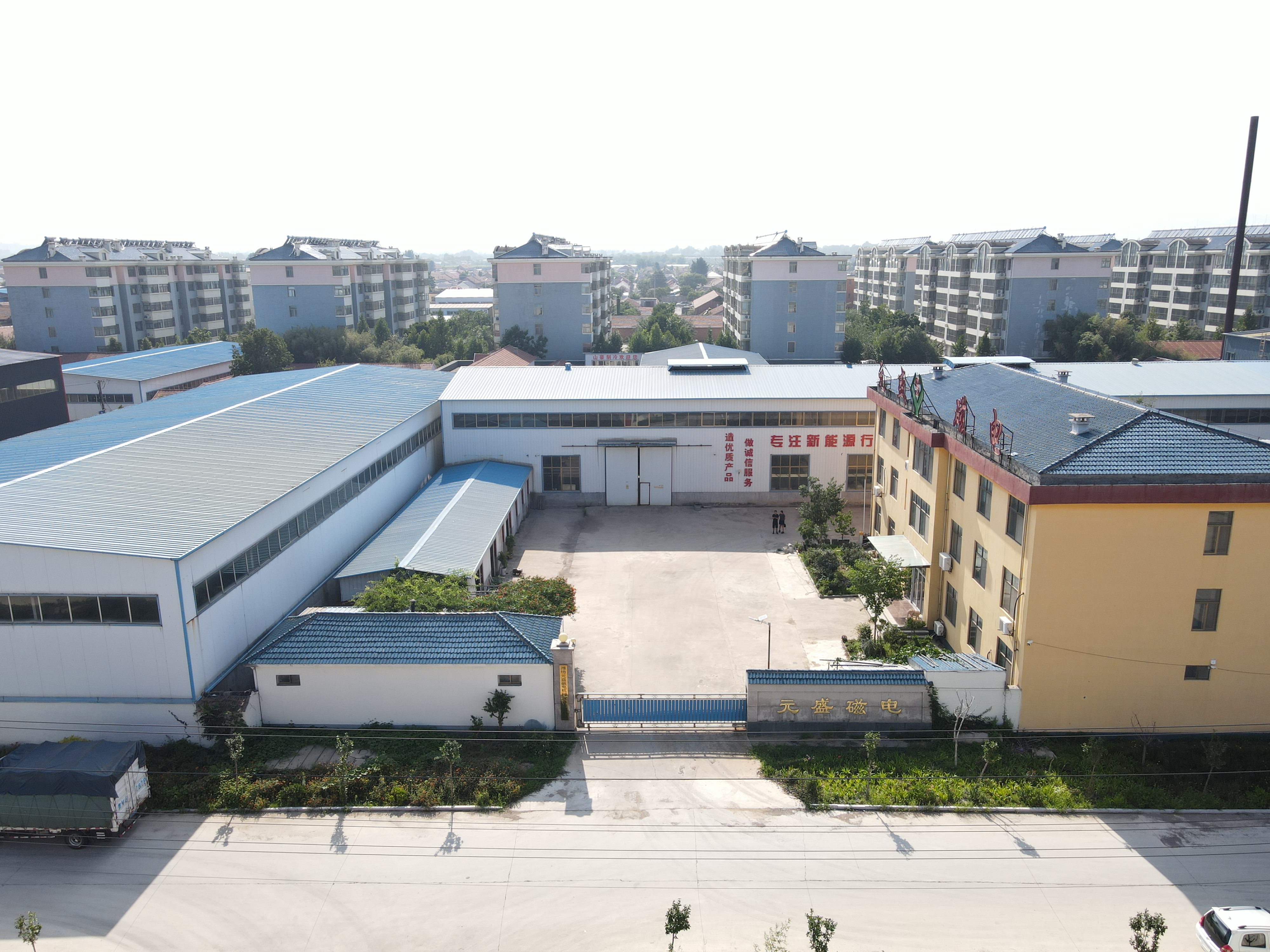
The manufacturing site that issues the documents — a certificate or test record should be traceable back to a named production location.
Where do compliance questions change by separator type?
The register above is generic. What changes between installations is which document in the package carries the real risk — and that is where a single boilerplate compliance statement stops being useful.
YSDC and YSDCG dry electromagnetic powder separators
On a dry powder line the question is whether the magnetic circuit, the coil duty and the enclosure are all specified for the powder being run. Ask for measured flux density at the working gap under the quoted duty cycle, the coil temperature rise and cooling arrangement, the ingress protection rating of the enclosure and terminal box, and material certificates for the housing. Because these are coil-based rather than permanent units, the electrical test record and the cooling data carry as much weight as the magnetic test record. If the powder is combustible, the dust hazard belongs to your process, and the question becomes whether the unit can be installed and maintained inside that classified area — addressed under hazardous-area documentation below.
YSDCS wet slurry units
On a wet slurry unit the wetted path is the compliance centre. Ask which components are 304 and which are 316L, request mill certificates for both, and require the seal and gasket materials to be declared against the slurry chemistry — pH, solids loading and temperature. Electrical protection changes as well: a coil and terminal box standing beside a wet stage need a stated ingress protection rating and a wash-down plan that does not put water where the insulation test was performed dry. Request the insulation resistance record taken after final assembly, not only at component level.
RCYZ pipeline separators
Pipeline separators raise two questions no other type raises. First, the connection: flange standard, pressure class, face-to-face length and orientation must all appear on the drawing, because a flange mismatch stops commissioning regardless of how good the magnet is. If the line is pressurised, request the design pressure and the pressure test record. Second, element retention: ask how the magnetic element is held in the housing and how it is removed for cleaning without opening the line. Where the product is food, pharmaceutical or battery material, request the product-contact material declaration and the cleaning procedure in writing.
RCDA and RCDB suspended separators
Suspended separators hang above a conveyor, so the compliance emphasis moves from process fluid to structure. Request the suspension and lifting hardware drawing, the operating weight, and the load data your plant engineer needs in order to confirm the overhead structure. Ask for the installation clearance drawing: belt width, suspension height, and the magnet-to-belt distance at which the quoted flux density is actually delivered. On an electromagnetic suspended unit, confirm whether the coil is air-cooled or oil-cooled, because the cooling method drives the maintenance schedule, the electrical protection and the spare parts list. Isolation points should be marked on the schematic so maintenance can be locked out.
Comparison: documentation focus by separator type
| Series | Installation type | Dominant documentation question | Documents to request |
|---|---|---|---|
| YSDC / YSDCG | Dry powder, in-line or gravity flow | Coil duty, cooling and dust ingress; where flux density was measured | Flux density test record; coil resistance and insulation record; cooling data; enclosure IP rating; general arrangement drawing; I&O manual |
| YSDCS | Wet slurry | Wetted-material grade, seal compatibility, electrical protection in a wet area | Mill certificates for 304/316L parts; seal and gasket specification; insulation resistance record after final assembly; connection drawing |
| RCYZ | Pipeline, gravity or pressurised | Connection integrity, element retention, product-contact suitability | Flange standard and face-to-face dimensions; pressure test record if pressurised; element retention design note; housing material certificate |
| RCDA / RCDB | Suspended over conveyor | Structural load, suspension hardware, electrical isolation, cooling method | Suspension and lifting hardware drawing; operating weight and load data; electrical schematic with isolation points; cooling data; clearance drawing |
Read the table as a starting checklist, not as a certification list. None of the entries asserts that a certificate exists; each one names a document you can ask for and verify.
Step by step: how to request and review the package
- Put the document list in the RFQ, not in a follow-up email. Name each document, the language, the revision convention and the delivery milestone — with quotation, before shipment, or with the unit. A document promised after the balance payment is a document you cannot use as commercial leverage.
- Bind every document to a serial number and a line item. On a multi-unit order, one test record cannot cover four machines. The register should map unit serial number to drawing revision to test record to packing list.
- Ask for two sample documents before the purchase order. One test record and one drawing page show you whether the supplier's format carries the measuring point, the instrument and the calibration reference — or whether it carries only a headline number.
- Review at pre-shipment, not at goods receipt. The stated acceptance route for Yuansheng orders is pre-shipment inspection by a third party such as SGS or BV, or inspection by the customer on site. Decide which route applies, agree who issues the report, and give the inspector the document register to check against.
- Reconcile at receipt. Compare the nameplate — model, serial number, rated voltage, year of manufacture — against the register, the drawings and the test records. A nameplate that disagrees with the drawing is a configuration question, not a clerical one.
- File the as-built set for the life of the unit. Drawings and test records carry revisions; the file that matters at the first coil replacement is the revision that was actually built, not the one in the original quotation.
How do you build a regional requirement checklist without assuming a certification?
Build it from the installation outward, not from the supplier's brochure inward. Start with where the unit will stand and what it will touch, then work out to the market formalities.
- Supply and electrical protection. Voltage, frequency, phase and the earthing arrangement at your site. The test record should show the values actually tested, not the values in the catalogue.
- Installation environment. Indoor or outdoor, wet or dusty, ambient temperature, and whether wash-down is required. This is what drives the ingress protection rating you specify.
- Hazardous-area classification. If the area is classified, your zone, gas or dust group and temperature class must be stated before any explosion-proof claim is accepted.
- Product-contact requirements. Food, pharmaceutical or battery-material contact can impose material and cleaning documentation that has nothing to do with electrical certification.
- Market access formalities. Import declaration, the declaration applicable in the destination country, and labelling language.
- Customs classification. Machinery for sorting, screening, separating or washing falls under HS 847410 in global trade, according to U.S. Customs bill-of-lading analysis published by ImportDoor. The code should read the same on the packing list, the commercial invoice and the declaration.
Two rules keep such a checklist honest. First, a certificate has a scope: it names a model or range, a voltage, an enclosure type and often a manufacturing site. A certificate covering one configuration does not transfer to a different voltage or a different enclosure. Second, absence of a document is not evidence of non-compliance, and a logo is not evidence of scope. Ask for the certificate number and the schedule that lists the covered models, and read the two together.
Permanent or electromagnetic: what changes in the paperwork?
The magnet type changes which record matters most. Yuansheng's published comparison of its permanent RCYB/RCYD series and its electromagnetic RCDB/RCDD/RCDE series lists magnetic field intensity of 3,000–12,000 Gs for the permanent units and 5,000–30,000 Gs for the electromagnetic units, and notes that the permanent design uses NdFeB rare-earth magnets with a stated magnetic decay of no more than 5% over eight years, while the electromagnetic design depends on a continuous power supply and a cooling system.
For a buyer, that translates into different documents. A permanent unit needs a magnet grade declaration, a stated maximum operating temperature and a flux density record that will still be comparable years later. An electromagnetic unit needs the electrical and cooling records on top of that, plus a maintenance schedule for the coil and cooling circuit. Neither document set substitutes for the other.
Where the document set decides the purchase
Lithium battery material purification. A 2026 industry analysis cross-referenced with supplier technical catalogues put the magnetic field intensity required for high-gradient electromagnetic separators in lithium battery material purification at 16,000–20,000 Gauss. At that level, a test record without a measuring point and an instrument reference cannot be compared between suppliers, and the product-contact material declaration becomes part of the specification rather than an attachment.
Mineral slurry lines. Here the wetted-material certificates and the post-assembly insulation record decide whether the unit can be commissioned without a rework loop. Slurry chemistry, not the separator's headline Gauss figure, is what determines whether 304 is adequate or 316L is required.
Conveyor bulk handling in metallurgy and cement. For a suspended unit, the structural and lifting documentation usually arrives last and blocks installation first. Requesting the operating weight and the suspension drawing with the quotation removes that delay.
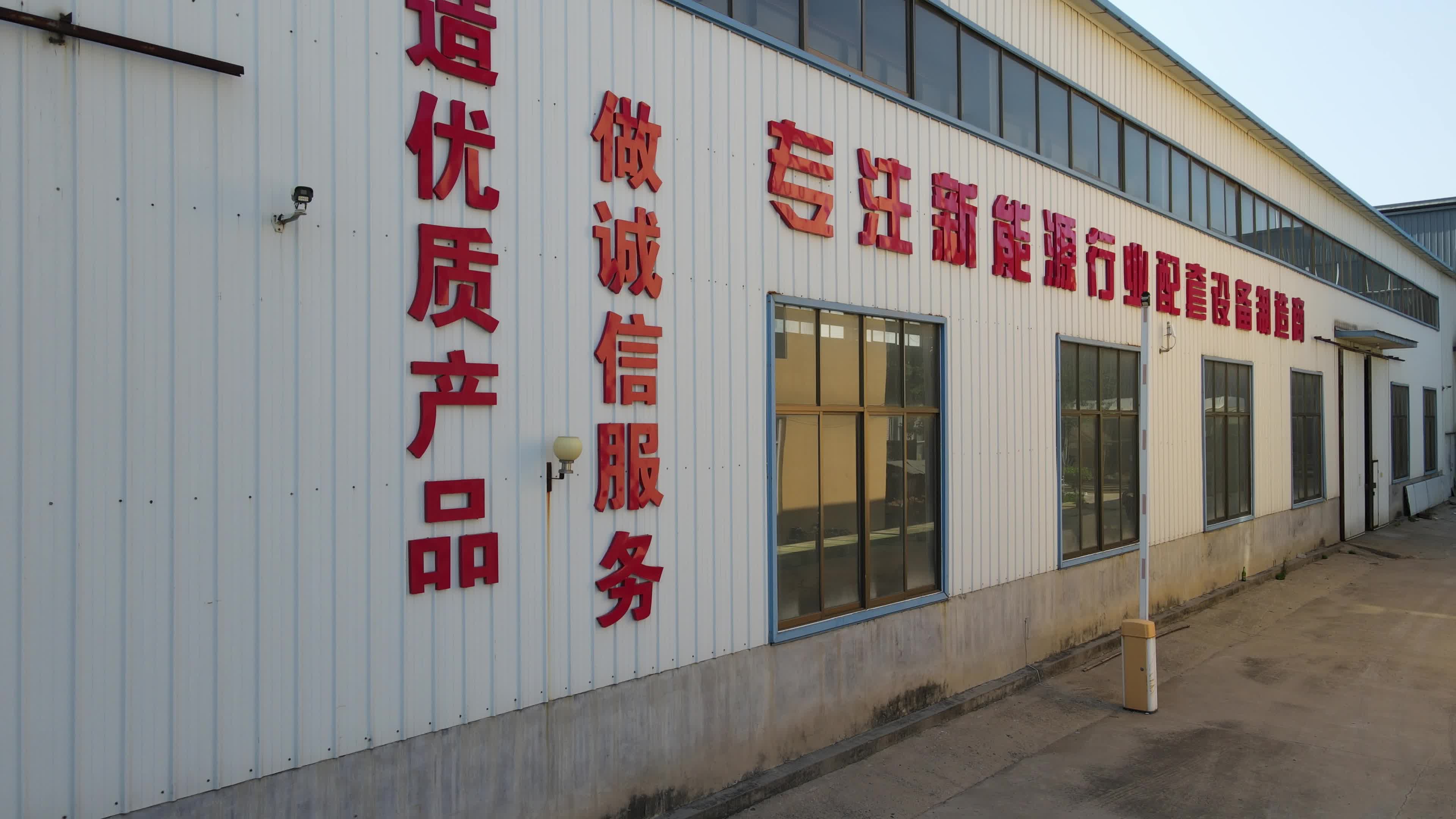
Pre-shipment stage: where the packing list, inspection report and document register should be reconciled before the balance payment is released.
FAQ: standards and documentation for magnetic separator buyers
What documents should a buyer request before placing a magnetic separator order?
A document register, material certificates for the stainless steel plus a magnet grade declaration, a magnetic flux density test record, electrical test records for coil-based units, general arrangement and electrical drawings, an installation and operation manual with a spare parts list, and the shipment and conformity documents for the destination market. Ask for the list inside the RFQ and require each item to carry a serial number.
How do I review a magnetic flux density test record?
Check four things: the measuring point (working gap, matrix or belt distance), the instrument and its calibration status, the conditions during measurement, and the model and serial number the record belongs to. Yuansheng's published comparison lists 3,000–12,000 Gs for its permanent RCYB/RCYD series and 5,000–30,000 Gs for its electromagnetic RCDB/RCDD/RCDE series; a figure without a stated measuring location cannot be compared with another supplier's figure.
How do documentation requirements differ between a wet slurry unit and a dry powder unit?
A dry powder unit puts the emphasis on coil duty, cooling and enclosure protection against dust. A wet slurry unit puts it on wetted-material grades, seal and gasket compatibility, and insulation resistance measured after final assembly. Both need a magnetic test record, but the wet unit's electrical record should be taken in the finished, sealed state rather than at component level. Pipeline and suspended units then add connection or structural documentation that neither of the first two requires.
When does a separator need explosion-proof documentation, and what should I check?
Only when the installation area is classified. You supply the zone, gas or dust group and temperature class; the supplier returns a certificate whose schedule names the model, the enclosure and that classification. Yuansheng lists ATEX/Ex-rated construction among the measures applied for high-risk areas, alongside heat-resistant magnets, temperature sensors with automatic shut-off, IP65/IP67 enclosures and 304/316L stainless steel. Treat the certificate number and its covered-model schedule as the evidence, not the phrase "explosion-proof" in a quotation.
What commercial terms should sit alongside the documentation?
The stated Yuansheng terms are a minimum order quantity of 3 units, delivery on FOB Qingdao or CIF terms, and payment by T/T with a 30% deposit and the 70% balance before shipment. Tie document delivery to those payment stages, so that test records, drawings and the inspection report reach you before the balance is released rather than after the container sails.
Can I inspect the unit, or have a third party inspect it, before shipment?
Yes. The stated acceptance route is pre-shipment inspection by a third party such as SGS or BV, or inspection by the customer on site. Confirm in the purchase order which route applies, who issues the report, and which documents the inspector will check against — an inspection without a document register to compare against verifies the machine, not the paperwork.
How do I keep the documentation valid across repeat orders and spare parts?
Keep the register as a living file keyed to serial numbers and re-issue it for each order instead of copying the previous file: drawings and test records carry revisions, and a replacement coil or magnet assembly is a different configuration with its own record. For a multi-year programme, agree a revision convention and a document retention period at the start, before the first order. If you are assembling that file for a specific duty, the technical contact is ys@iron-separator.com or +86 155-5366-8212.
Conclusion
Compliance for an industrial magnetic separator is not a badge on a quotation. It is a register of documents that ties one serial number to one set of measured values, one set of material certificates, one drawing revision and one market declaration — and it changes shape depending on whether the unit is a YSDC or YSDCG dry powder separator, a YSDCS wet slurry unit, an RCYZ pipeline separator or an RCDA/RCDB suspended separator.
The practical sequence is short: write the document list into the RFQ, bind it to serial numbers, ask for sample records before you commit, review at pre-shipment rather than at goods receipt, and keep the as-built set for the life of the machine. Buyers who do that spend less time arguing about certificates and more time running the line.

Documentation and order correspondence are handled from the Weifang Yuansheng head office in Linqu County.
Next step: the product brochure covers the separator range and the specifications a document request should reference. Download the brochure (PDF) to build your document register, or send the intended duty and destination market to ys@iron-separator.com to request the applicable document list.
Have Questions or Need More Details?
Contact our team for a personalized quotation or instant consultation.
Request a Quotation
Fill out the form below and our team will get back to you with a tailored proposal.
WhatsApp Direct Chat
Prefer to chat in real-time? Message us on WhatsApp for instant assistance & quick answers.
- Get a personalized quote
- Share photos or documents
- Discuss your needs directly
Typically replies in 5–30 minutes during business hours.