
Industrial Magnetic Separator Compliance Guide: What to Document by Region and Application
A compliance file for an industrial magnetic separator is an evidence set, not a certificate. It is assembled per project and answers three questions in writing: what the machine must do in your process, which obligations apply where it will be installed, and which dated document proves each of those points. A CE attestation or an ISO 9001 certificate is one entry in that file, never a substitute for it, because every certificate is limited by the standards named on it, the model series listed in its scope, and its validity window.
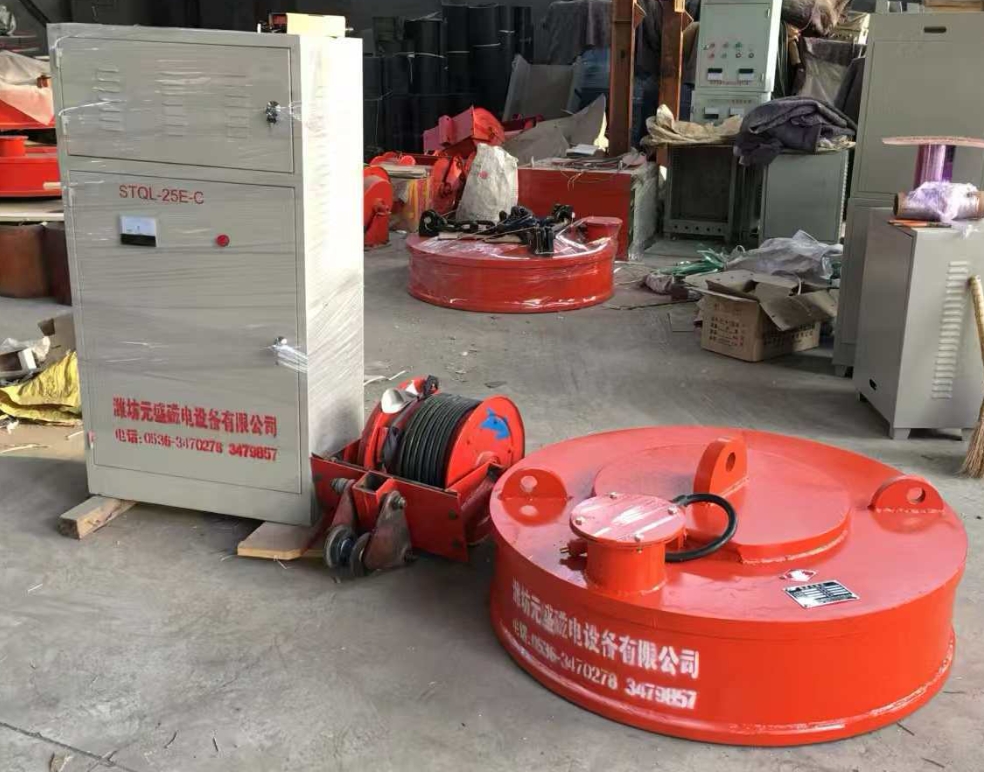
This guide shows how to build that file for dry powder, slurry, pipeline and suspended separator projects, and how the evidence requirement changes with destination. Weifang Yuansheng Magnetic Electromechanical Equipment Co., Ltd. is used throughout as a worked example of how to read what a supplier hands over. The company is a magnetic and electrical equipment manufacturer founded in 2011 in Linqu County, Weifang City, Shandong Province, China, operating a 3,500 m² factory and stating a 65% export ratio across Asia-Pacific, North America, Europe, Africa, the Middle East, Latin America, Oceania (Australia) and CIS / Central Asia. Nothing below should be read as a claim that a particular certificate applies to your project. That determination belongs to your own compliance and engineering functions.
Problem Definition: the scope trap and the date trap
Two failures account for most documentation disputes on separator projects, and both start before the purchase order is issued.
The scope trap. A buyer receives a certificate and treats it as a property of the supplier. Certificates are not properties; they are scoped statements, limited to a standard, a production process, or a list of model series. An attestation that names four series does not silently extend to a fifth. A buyer who orders a powder system after reviewing an attestation written for overband and drum units ends up with no document for the machine that will actually arrive.
The date trap. Certificates expire, and copies keep circulating long after they do. The documentation used for this guide makes the point plainly: the Quality Management System certificate in the supplier file carries issue date 2023-10-07 and expiry date 2026-10-06. A buyer reviewing documents after October 2026 should be asking for the renewal record rather than accepting the archived copy. That is not a criticism of the supplier. It is how dated evidence works, and it is the reason a file must record validity windows and not just document names.
A third, quieter failure follows from both. If no acceptance criteria are written into the purchase order, there is nothing to check the machine against at commissioning. A separator that removes iron is not the same as a separator that meets a stated iron limit, and only the second can be verified against a document.
Industry Background: why documentation pressure is rising
The global magnetic separator market was estimated at USD 1,067.6 million in 2024 and projected to reach USD 1,642.5 million by 2033, according to Grand View Research. The same analysis places Asia Pacific at 43.8% of global revenue in 2024, consistent with the concentration of separator manufacturing in Chinese industrial clusters.
Two trends push documentation up the buying agenda. Separators increasingly sit inside specification-driven processes rather than general material handling. Industry analysis cross-referenced with supplier technical catalogues indicates that high-gradient electromagnetic separators used for lithium battery materials often require magnetic field intensities above 16,000 to 20,000 Gauss; a purity target of that kind cannot be settled at commissioning without test records. Alongside that, cross-border equipment trade is documented at code level: HS Code 847410 covers sorting, screening, separating or washing machines, the classification under which separator shipments move and the code a buyer may be asked to reconcile on customs paperwork.
Supplier-side signals are also documented, though at different levels of reliability. A 2026 review of ten Chinese permanent magnetic separator companies published by EIN Presswire / Apollo Research Reports lists Weifang Yuansheng first; the publisher is a secondary source, and a listing indicates visibility rather than a technical audit. The company self-reports annual sales above 50 million RMB. Both belong in a supplier file as context, beside, never instead of, dated certificates, inspection records and written acceptance criteria.
Detailed Solution: the four-layer evidence file
Layer 1: definition and scope page
One page stating the destination country, the application, the feed material, the target iron level and the model series ordered. Every later document is checked against this page. Any document whose scope does not include the ordered series goes back to the supplier as a written question rather than into the file.
Layer 2: declarations and certificates, read in five fields
Each entry needs five fields: issuing body, identifier, standard or standards named, scope, and validity window. The EU Machinery Directive Attestation of Conformity in the supplier file reads precisely when those five fields are filled in: identifier M.2025.206.C119055, issued by UDEM Uluslararası Belgelendirme Denetim Eğitim Merkezi San. ve Tic. A.Ş., referencing EN ISO 12100:2010 and EN 60204-1:2018, valid from 2025-05-19 to 2030-05-18, with scope limited to the RCYB / RCDB / RCDD / RCYD / MW series. Compressed into the phrase CE approved, the same document becomes misleading, because the series list is exact and short.
Layer 3: test and inspection records
The supplier states 100% inspection before shipment. The file should hold the inspection record for the delivered unit plus reference performance evidence from a comparable application. In the documented reference case for glaze and clay slurry iron removal in China, recorded results were iron removal above 98%, final Fe below 5 ppm, total impurities below 10 ppm and a recovery increase of 15%, with recorded features of high intensity, fully automatic operation, deep penetration, energy saving and high temperature resistance. Those figures describe one application. They are reference evidence for setting your own acceptance criteria, not a specification for a different feed, and they should never be copied into a purchase order as though they were.

Layer 4: commercial and acceptance terms
MOQ, lead time, warranty and support belong in the same file as the technical documents, because acceptance disputes are usually about delivery and response rather than performance alone. The recorded terms are MOQ 1 unit, lead time 30–45 days, a 12-month warranty, remote support and spare parts supply.
How the requirement changes by application family
Dry powder systems: YSDC and YSDCG. The documented risk is fine iron surviving the powder line, plus dust handling, discharge sequencing and process temperature. The file should carry the configuration record for magnetic field strength, size, voltage, material, logo and color; the pre-shipment inspection record; reference performance from comparable powder work; and a written statement on high temperature resistance where the line runs hot. No EU attestation is listed for these series, so the file rests on the China QMS certificate, the inspection record, and whatever standards the contract names.
Slurry units: YSDCS and DNCXJ. The documented risk is wet media, carry-over, wetted materials and the cleaning cycle. The file should carry the material and voltage record, the discharge and cleaning procedure, the spare parts list, and the warranty and remote support terms.
Pipeline separators: RCGZ, RCYA-5 and the YSXD in-line range. The documented risk is interface fit and blockage, plus verification that capture actually happens in the installed line. The file should carry model and size confirmation against the pipeline, interface dimensions, a note on whether cleaning is self-cleaning or manual, and the inspection record.
Suspended separators: RCYB and RCDA. The documented risk is suspension geometry, clearance, magnet retention, and electrical safety of the coil circuit in electromagnetic form. The file should carry suspension and drop-height data and the inspection record. Where the destination is the EU or EEA, note the scope boundary: RCYB sits inside the series list on attestation M.2025.206.C119055, while the RCDA air-cooled suspended electromagnetic series is not named there, so a written statement should be requested for it specifically.
How the requirement changes by region
China. The Quality Management System certificate, identifier 78323Q00343R0S, certifies production of separators, magnetic separators and demagnetizers against GB/T19001-2016/ISO9001:2015, issued by POCNC (Zhongliang Certification (Shandong) Co., Ltd.). Two limits matter: the scope excludes products requiring qualification permits, and the stated validity ends 2026-10-06.
EU / EEA. The Machinery Directive Attestation of Conformity supplies the standard references, EN ISO 12100:2010 and EN 60204-1:2018, for the series it lists. A buyer should confirm that the model ordered appears in that list, and should keep buyer-side or importer-side obligations in a separate part of the file rather than assuming a supplier attestation discharges them.
Other recorded export destinations. For Asia-Pacific, North America, Africa, the Middle East, Latin America, Oceania and CIS / Central Asia, the supplied documentation used for this guide contains no region-specific certificate. That is not a gap the supplier can close by assertion. In those cases the file should rest on the QMS certificate, the inspection record, reference performance evidence, and the standards and acceptance criteria written into the purchase contract, so that the obligation exists somewhere verifiable.
| Destination | Document on file | Identifier and standard | Validity window | What it does not cover |
|---|---|---|---|---|
| China | Quality Management System Certification Certificate | 78323Q00343R0S · GB/T19001-2016/ISO9001:2015 · POCNC (Zhongliang Certification (Shandong) Co., Ltd.) | 2023-10-07 to 2026-10-06 | Products requiring qualification permits; carries no product performance values |
| EU / EEA | Machinery Directive Attestation of Conformity | M.2025.206.C119055 · EN ISO 12100:2010; EN 60204-1:2018 · UDEM | 2025-05-19 to 2030-05-18 | Any series outside the named list, including YSDC, YSDCG, YSDCS, DNCXJ, RCGZ and RCDA |
| Other recorded export markets | No region-specific certificate in the supplied documentation | Standards to be named in the purchase contract | Contract term | Any implied certification; must not be assumed from the two entries above |
Step-by-Step Breakdown: assembling the file
- Write the application risk statement first. Feed material, target iron level, throughput, temperature, moisture and destination country on one page. Without this, every later document is judged against nothing.
- List obligations by destination, not by supplier. Two columns: what the installation country requires, and what the contract will require. Supplier documents fill the second column and only part of the first.
- Request scope pages, not front pages. Ask for the page that names the standard, the identifier and the series list. A cover sheet with a logo proves nothing about the model you ordered.
- Record validity windows and diarise renewal. Note the expiry date of every dated document in the file and set a reminder ahead of it. The QMS certificate in this example ends 2026-10-06; a file assembled in late 2026 needs the renewal record attached.
- Convert performance into acceptance criteria. Turn reference figures into a testable statement in the purchase order: a target Fe level, a sampling point, a measurement method, and who witnesses the test.
- Attach the configuration record to the order confirmation. Customization covers magnetic field strength, size, voltage, material, logo and color. If the inspected machine and the documented machine are not the same specification, the rest of the file is decorative.
- File by serial number and update on renewal. One folder per delivered unit, with the region table above as the index. Renewals replace documents; they do not sit beside them.
Use Cases: three files, three different shapes
Ceramic glaze and clay slurry, China. A processor running glaze and clay slurry iron removal ordered across five documented batches of 5, 8, 4, 6 and 10 units, with operating histories of 2, 3, 1.5, 4 and 5 years. Recorded outcomes were iron removal above 98%, Fe below 5 ppm, total impurities below 10 ppm and a recovery increase of 15%, with high intensity, fully automatic operation, deep penetration, energy saving and high temperature resistance recorded as the performance features. The file behind a claim of this kind is short: the reference case record, the per-unit inspection record, the QMS certificate, and an Fe acceptance criterion written into the order. The same documentation set is used by ceramic processors, battery material manufacturers, quartz sand plants, foundries and steel plants.
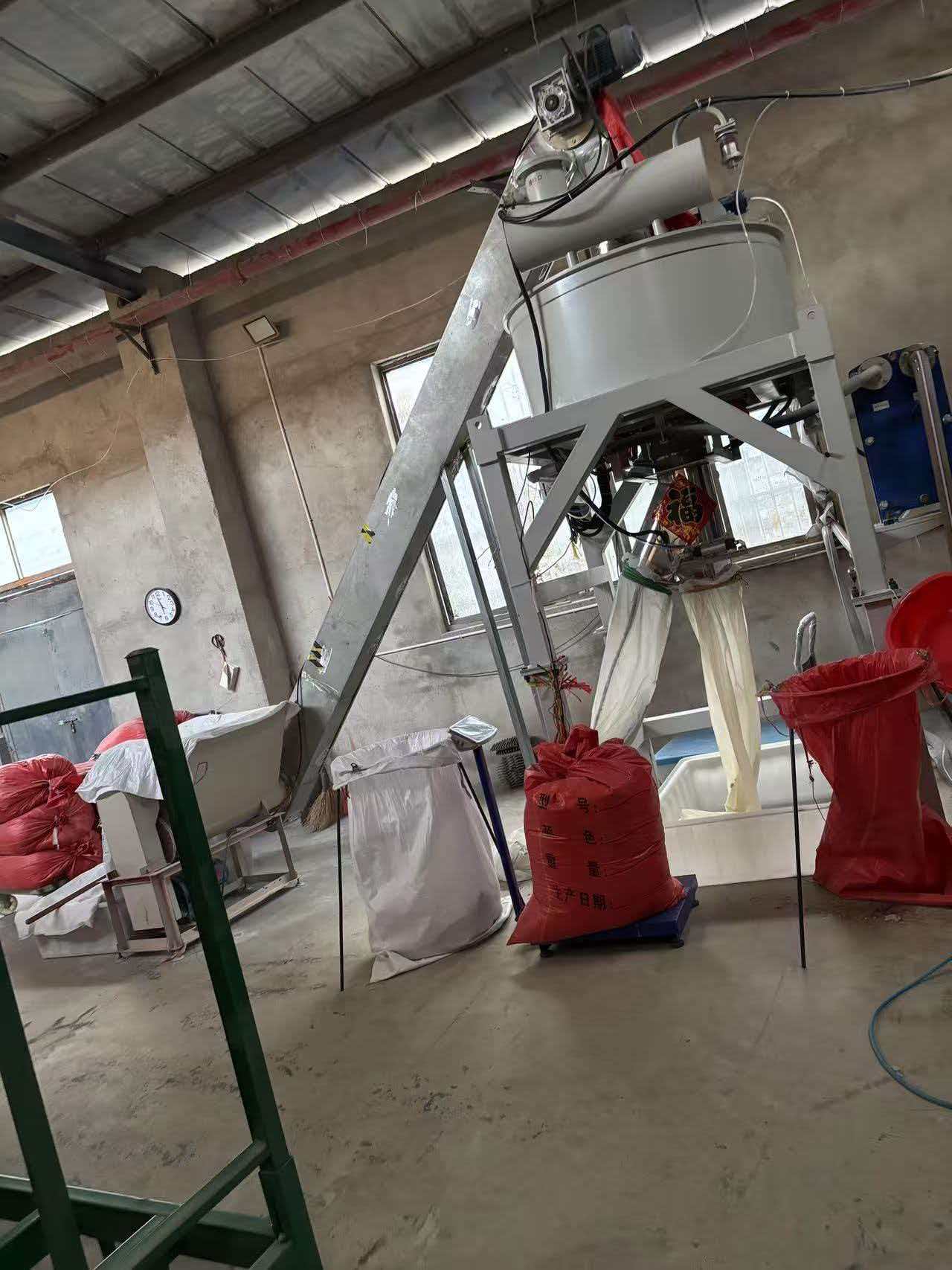
Battery material purification. Where the process target sits in the high-gradient range, and industry analysis cross-referenced with supplier catalogues cites 16,000 to 20,000 Gauss for lithium battery materials, the test record becomes the centre of the file. A certificate cannot carry a Gauss figure. Ask for the field-strength configuration record, the inspection record and reference data from a comparable purification duty, then treat that reference data as an input to your own acceptance test rather than a substitute for it.
Foundry, steel and quartz sand conveyor lines. Suspended units such as RCYB and RCDA, and pipeline units such as RCGZ, are installed into existing structures, so the file is dominated by geometry and installation evidence: suspension and clearance data, interface dimensions and the inspection record. Where the destination is the EU or EEA, the RCYB series sits inside the listed attestation scope and the RCDA series does not, so two models in the same plant can require different paperwork.

Comparison Table: application family against evidence required
The table condenses the four families into the evidence each one needs. Model names and application characteristics come from the supplier documentation; the evidence column is what a buyer should request in writing, because none of it is implied by a certificate.
| Family and models | Documented application risk | Evidence to request | Certificate status to check |
|---|---|---|---|
| Dry powder: YSDC, YSDCG | Fine iron surviving the powder line; dust; discharge sequencing; process temperature | Configuration record (field strength, size, voltage, material, logo, color); pre-shipment inspection record; reference performance from a comparable powder duty; high temperature resistance statement where relevant | China QMS certificate applies; the series is not named in the EU attestation scope |
| Slurry: YSDCS, DNCXJ | Wet media; carry-over; wetted materials; cleaning cycle | Material and voltage record; discharge and cleaning procedure; spare parts list; warranty and remote support terms | China QMS certificate applies; the series is not named in the EU attestation scope |
| Pipeline: RCGZ, RCYA-5, YSXD in-line | Interface fit; blockage; verification of capture in the installed line | Model and size confirmation against the pipeline; interface dimensions; self-cleaning versus manual cleaning note; inspection record | China QMS certificate applies; the series is not named in the EU attestation scope |
| Suspended: RCYB, RCDA | Suspension geometry; clearance; magnet retention; coil circuit safety in electromagnetic form | Suspension and drop-height data; inspection record; written standard statement where the EU applies | RCYB is inside the EU attestation series list; RCDA is not named and needs a separate statement |
FAQ
Does the EU attestation cover every separator series we might order?
No. Attestation M.2025.206.C119055, issued by UDEM on 2025-05-19 and valid to 2030-05-18, references EN ISO 12100:2010 and EN 60204-1:2018 and limits its scope to the RCYB / RCDB / RCDD / RCYD / MW series. YSDC powder systems, YSDCG units, YSDCS slurry iron removers, DNCXJ separators and RCGZ pipeline units are not named in that scope. For those models the file should instead contain a written statement from the supplier naming the standards applied and the assessment performed for that specific model, and the wording should be confirmed with your own compliance function before the order is placed.
What test and inspection records should accompany a dry powder or slurry unit?
At minimum three. First, a pre-shipment inspection record, since the supplier states 100% inspection before shipment. Second, a configuration record covering magnetic field strength, size, voltage, material, logo and color. Third, reference performance evidence from a comparable application. The documented Chinese reference case for glaze and clay slurry iron removal reports iron removal above 98%, final Fe below 5 ppm, total impurities below 10 ppm and a recovery increase of 15%, across batches of 5, 8, 4, 6 and 10 units with 2, 3, 1.5, 4 and 5 year operating histories. Those figures describe that application and should be used as reference evidence when you set acceptance criteria, not as a guaranteed result for a different feed.
Can the documentation be matched to customized specifications?
Yes, within the recorded customization scope: magnetic field strength, size, voltage, material, logo and color, under OEM / ODM. The constraint to plan around is build capacity, with a stated 8-engineer R&D team and monthly capacity of 300 units, because a customized configuration still has to be built, inspected and documented before dispatch. Ask for the configuration record to be attached to the order confirmation so that the inspected machine and the documented machine are demonstrably the same specification.
What should a quotation include so the file is not left half-built?
Ask for an itemized quotation rather than a single equipment figure. The documentation-relevant lines are the customized configuration, the pre-shipment inspection record, the spare parts list, the 12-month warranty terms and the remote support arrangement. MOQ is 1 unit, so a single machine can be quoted with the same document set as a series order. No price is published here, because commercial terms depend on configuration and destination; at evaluation stage the useful comparison is which items the quotation contains, not only the total.
Can we validate on one unit, and how long does the document set take?
MOQ is 1 unit, so single-unit validation is commercially possible, and every unit is inspected before shipment. Production lead time is quoted at 30–45 days. Documentation should be requested at the same time as the order, not afterwards, because the inspection record is created during production and the validity of dated certificates has to be confirmed before dispatch rather than after arrival. To start, send the model list, destination country and a short application description to ys@iron-separator.com or WhatsApp +86 155-5366-8212, and request the documentation pack together with the quotation.
Conclusion: the file is the deliverable
A separator that arrives with a certificate and no acceptance criteria is a machine nobody can formally accept. The fix is procedural rather than technical: define the application risk, map it to destination obligations, collect scope pages with identifiers and validity windows, hold the inspection and configuration records for the delivered unit, and write the performance target into the order as something testable. Do that and the two traps, scope and date, stop being surprises, because the file already answers them.
The worked example in this guide is deliberately unflattering in places. A QMS certificate whose validity window ends on 2026-10-06 and an EU attestation limited to five series are typical documents, not weak ones. They become a problem only when a buyer reads them as broader than they are. Treat every certificate as a scoped, dated statement, and require the rest of the evidence separately.
Request the documentation pack with your quotation
Weifang Yuansheng Magnetic Electromechanical Equipment Co., Ltd. supplies permanent and electromagnetic separators for powder, slurry, pipeline and conveyor applications, with OEM / ODM customization, MOQ 1 unit, 30–45 day lead time, 100% inspection before shipment and a 12-month warranty.
Send your model list, destination country and application details to ys@iron-separator.com or WhatsApp +86 155-5366-8212. The product catalogue is available as a downloadable brochure.

Have Questions or Need More Details?
Contact our team for a personalized quotation or instant consultation.
Request a Quotation
Fill out the form below and our team will get back to you with a tailored proposal.
WhatsApp Direct Chat
Prefer to chat in real-time? Message us on WhatsApp for instant assistance & quick answers.
- Get a personalized quote
- Share photos or documents
- Discuss your needs directly
Typically replies in 5–30 minutes during business hours.