
Industrial Magnetic Separator Long-Term Support FAQ
A long-term magnetic separator partnership is tested after the purchase order, when acceptance, documentation, maintenance planning and support continuity become real operating issues. This FAQ answers the practical questions that energy, metallurgy and mineral buyers ask when they move from supplier selection to execution and multi-year ownership.
Why acceptance is the start of the partnership, not the end
Acceptance confirms that a magnetic separator matches the agreed model, configuration and shipment scope. It does not, by itself, confirm how the supplier will handle technical questions, maintenance planning, documentation requests or configuration changes two or three years later. For buyers in energy, metallurgy and mineral processing, the separator is part of a continuous material flow, so the service relationship matters as much as the initial equipment specification.
The wider market context explains why buyers often evaluate several suppliers before committing. Grand View Research estimated the global magnetic separator market at USD 1.07 billion in 2024, with Asia Pacific holding a 43.8% revenue share. That scale supports a broad supplier base, but it does not prove any individual supplier's service level. Buyers still need to verify commercial terms, acceptance evidence and support continuity directly.
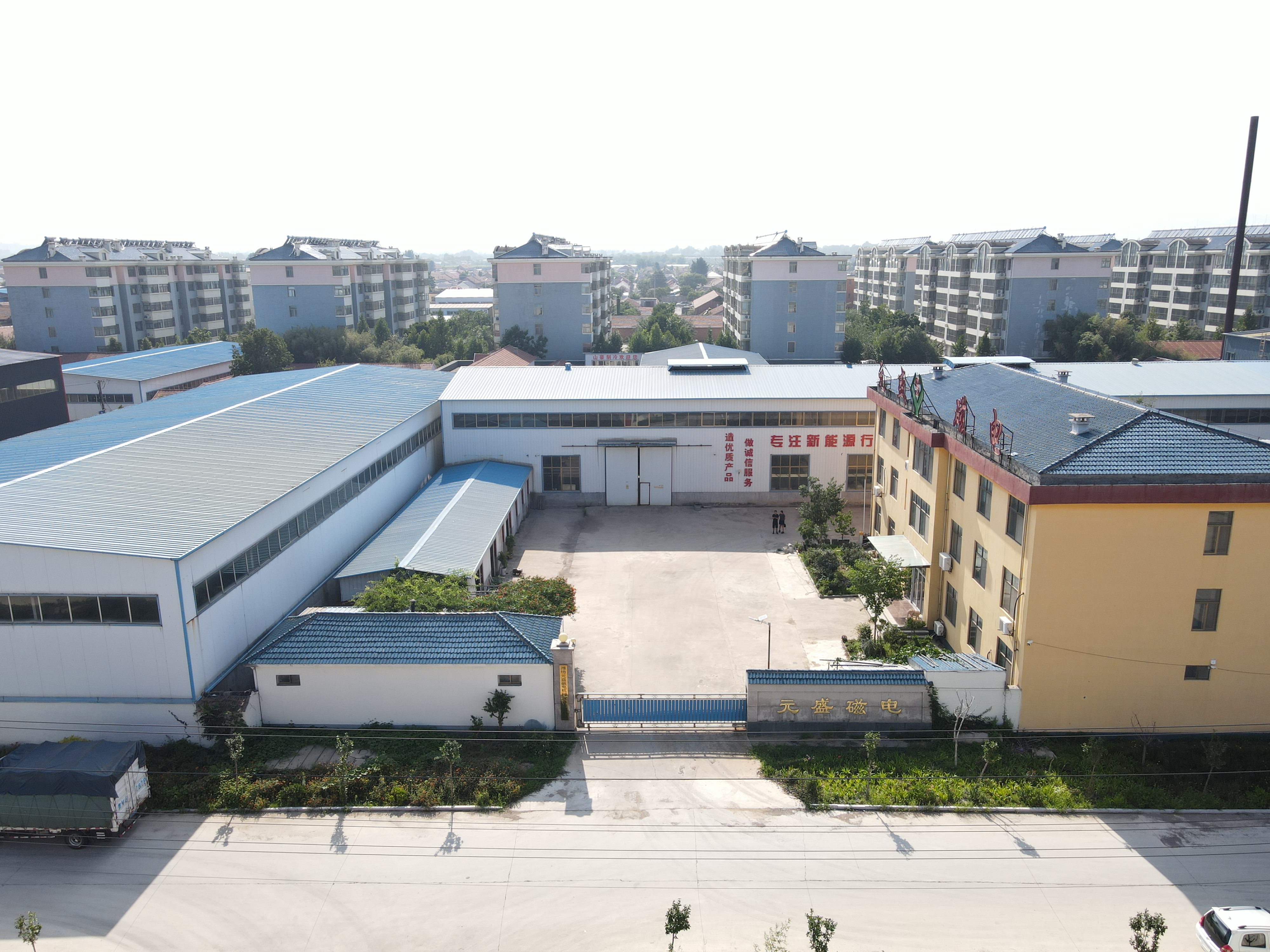
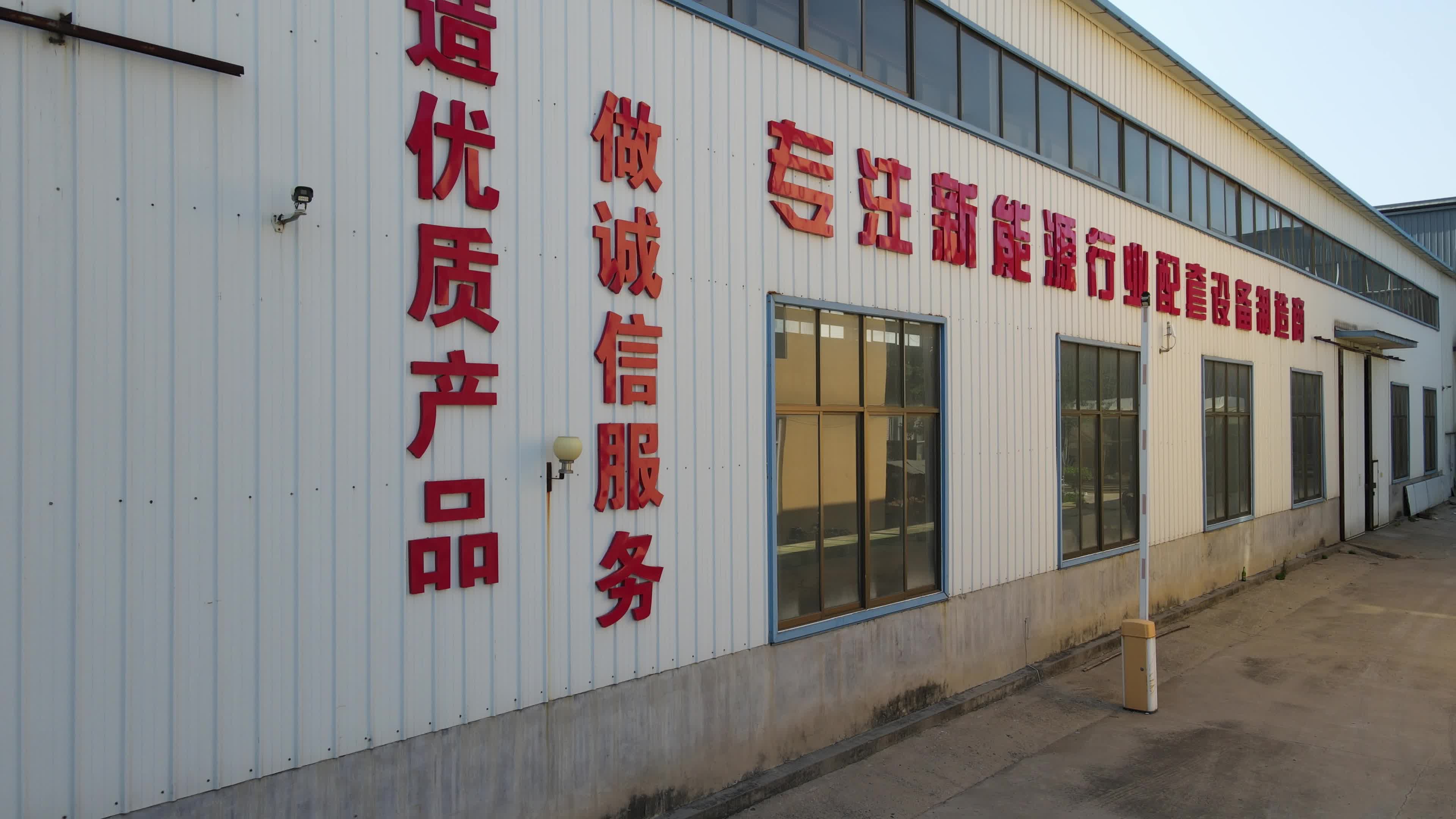
Weifang Yuansheng Magnetic Electromechanical Equipment Co., Ltd. is a manufacturer of magnetic and electrical equipment founded in 2011 in Linqu County, Weifang City, Shandong Province, China. Its portfolio includes permanent magnetic separators, electromagnetic separators, cross-belt magnetic separators, powder magnetic separators, slurry magnetic separators, high gradient magnetic separators, lithium battery material magnetic separators, dry powder magnetic separators, liquid magnetic separators and suspended magnetic separators. The company operates a 3,500 m² facility with 45 employees and 8 R&D engineers, and reports a 65% export ratio across Asia-Pacific, North America, Europe, Africa, the Middle East, Latin America, Oceania and CIS/Central Asia.
What purchasing terms and acceptance criteria should be confirmed before the order?
For the available purchasing terms, the minimum order quantity is 3 units, delivery terms are FOB Qingdao or CIF, acceptance is by pre-shipment inspection by a third party such as SGS or BV, or by customer on-site inspection, and payment terms are T/T with a 30% deposit and 70% balance before shipment.
Each item changes the execution plan. A 3-unit MOQ affects how a buyer plans a trial order, a spare unit or a multi-line rollout. FOB Qingdao and CIF place different responsibilities on the buyer and supplier for freight, insurance and risk transfer, so the named port and Incoterm should be written into the order rather than left to email interpretation. Third-party pre-shipment inspection gives the buyer an independent record before shipment, while customer on-site inspection gives the buyer's own team direct visibility. The 30% deposit and 70% balance before shipment should be tied to the agreed inspection milestone and document set.
Acceptance criteria should be specific enough to be checkable. At a minimum, the order should identify the exact model and configuration, quantity, nameplate data, agreed accessories, packing list, inspection method and documents required before shipment. For customs planning, the primary trade classification for sorting, screening, separating or washing machines is HS 847410, according to ImportDoor / U.S. Customs bill-of-lading data. Buyers should confirm the applicable code with their customs broker rather than assume it applies unchanged to every configuration.
What should after-sales support clarify for different separator families?
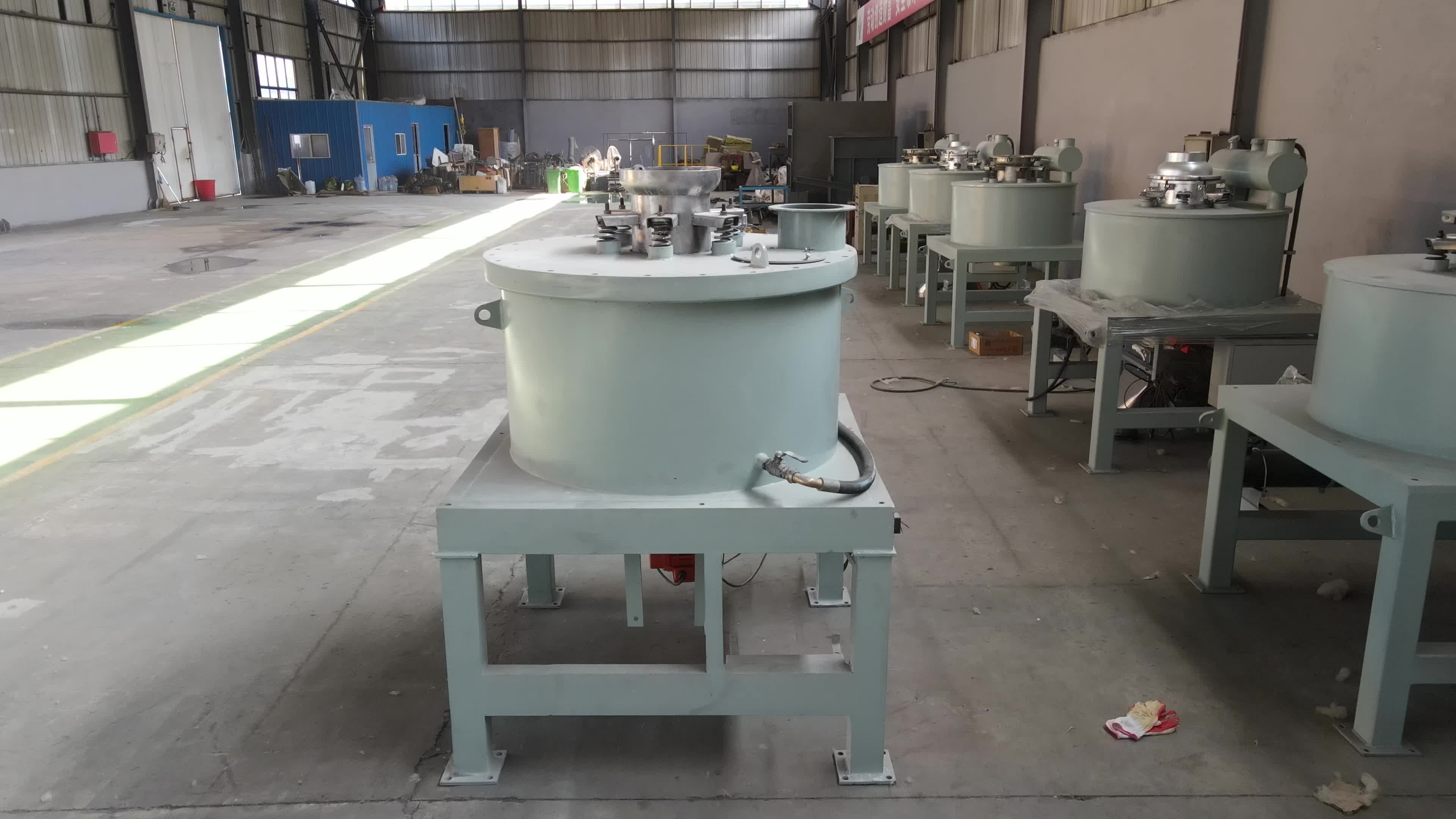
After-sales support should be tied to the exact product family and configuration, not described only as a general service promise. Product families such as YSDC dry electromagnetic powder systems, RCDA air-cooled suspended separators and RCDE oil-cooled suspended separators illustrate why the support conversation needs model-level detail. A dry powder system, an air-cooled suspended unit and an oil-cooled suspended unit do not raise the same cleaning, cooling, electrical inspection or spare-part questions.
For electromagnetic equipment, the support discussion should clarify the cooling method, control arrangement, electrical inspection points and the maintenance tasks that the buyer's team can perform safely. The available product comparison notes that traditional electromagnetic separators rely on electromagnetic coils, require continuous power and use a cooling system with more complex maintenance than permanent units. That does not mean every electromagnetic separator has the same service routine, but it does mean the buyer should ask for the exact routine for the quoted model.
Risk-control measures also need to be mapped to the installation. The available risk-control information lists temperature monitoring, thermal protection, sealing, material selection and explosion-proof design as control methods, with enterprise measures including heat-resistant magnets, temperature sensors with automatic shut-off, IP65/IP67 enclosures, stainless steel 304/316L and ATEX/Ex certification for hazardous areas. These are control options and measures to confirm against the actual model, process temperature, dust level, corrosion exposure and area classification. They should not be read as a blanket certification for every product or every installation.
How can buyers judge service continuity beyond the first delivery?
Service continuity should be judged from verifiable evidence, not from the warmth of a sales conversation. Useful evidence includes a clear acceptance record, a named technical contact route, a spare-parts and wear-parts list for the quoted model, equipment manuals, electrical and cooling diagrams where applicable, operator training content, and a documented process for handling technical questions after commissioning. If any item is not available, the buyer should record that gap before the purchase order rather than discover it during a shutdown.
Factory evidence helps, but it has limits. Weifang Yuansheng's available company information shows a 3,500 m² facility, 45 employees, 8 R&D engineers, a 65% export ratio and sales across several international markets. The company also self-reports annual sales exceeding RMB 50 million. These are company-reported or company-profile indicators of operating scale and export activity. They support a buyer's due diligence, but they do not independently guarantee response time, local stock, warranty performance or spare-part availability. Those points belong in the contract or a separate service agreement.
A practical continuity check is to ask how the supplier handles three situations: a technical question during normal operation, a request for a replacement component after the original shipment, and a process change that may require a different separator configuration. The answers should identify who responds, what information the buyer must provide, what documents are used and how changes are recorded. A supplier that can explain this workflow before the order is easier to evaluate than one that answers only in general terms.
How do permanent and electromagnetic separators differ in long-term maintenance?
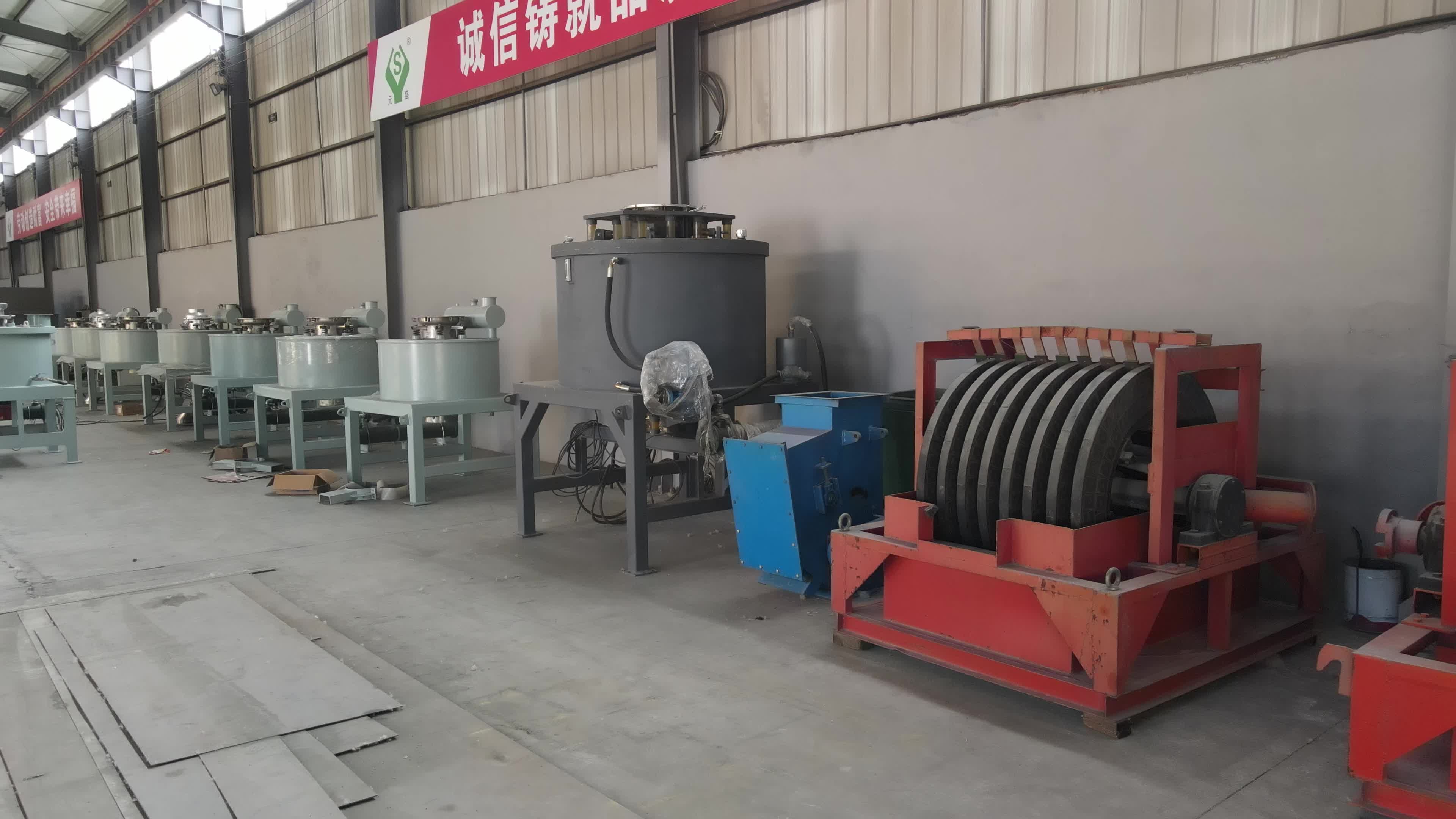
The long-term support burden depends on the separator type. The available comparison between permanent magnetic separators in the RCYB/RCYD series and traditional electromagnetic separators in the RCDB/RCDD/RCDE series shows different energy, maintenance and operating profiles. These figures are configuration-dependent and should be confirmed for the quoted model and test conditions.
| Long-term factor | Permanent Magnetic Separator (RCYB/RCYD) | Traditional Electromagnetic Separator (RCDB/RCDD/RCDE) |
|---|---|---|
| Power and energy | Uses NdFeB rare earth permanent magnets; zero kWh/hour energy consumption; plug-and-play without a power supply for the magnetic field. | Relies on electromagnetic coils; requires continuous power; typically 2–5 kWh/hour and approximately 200 kWh/day. |
| Magnetic field | 3,000–12,000 Gs, fixed magnetic field. | 5,000–30,000 Gs, adjustable magnetic field. |
| Iron removal reference | Approximately 98% iron removal rate for ≥0.1 mm iron particles. | ≥99.5% iron removal rate down to 0.1 μm weak magnetic impurities. |
| Maintenance profile | Virtually maintenance-free; monthly inspection and cleaning; no control circuits; magnetic decay ≤5% over 8 years; annual maintenance cost around USD 60. | Regular inspection of circuits, coils and cooling system; cooling system requires more complex maintenance; no magnetic decay within coil lifespan; annual electricity cost around USD 2,000. |
| Typical fit | Low iron content, intermittent operation and energy-saving priority, such as ceramics, glass powder, food, pharmaceutical material and grain processing. | High iron content, continuous operation and high-precision requirements, such as mining, coal, steel mill slag and cement production lines. |
For a long-term partnership, the practical lesson is not that one type is universally better. It is that the support plan must match the type. A permanent separator may need little electrical support but still needs inspection and cleaning discipline. An electromagnetic separator may need more attention to power supply, coils and cooling, so the buyer should confirm the model-specific inspection points, spare parts and safe maintenance boundaries before commissioning.
What should a multi-year support agreement cover?
A multi-year agreement should convert vague assurances into checkable commitments. The buyer can ask for a spare-parts list with part names and model references, a recommended inspection schedule, a list of maintenance tasks that plant staff may perform, a description of tasks that require supplier support, a document list, a training plan for operators and maintenance staff, and a change-notification process for design or component updates. The agreement should also identify how technical questions are escalated and how service records are kept.
Audit access and document control are part of the same conversation. If the buyer needs factory acceptance evidence, third-party inspection or periodical quality reviews, those points should be agreed in writing. The available acceptance policy already allows pre-shipment inspection by a third party such as SGS or BV, or customer on-site inspection. A long-term agreement can build on that principle by defining how later orders, replacement components or configuration changes are documented.
Step-by-step: from purchase order to a workable long-term support plan
- Lock the technical scope before the PO. Confirm the separator type, model, configuration, duty, installation area and required documents. For product families such as YSDC, RCDA and RCDE, record the exact configuration rather than a generic family name.
- Write the commercial terms into the order. Include the 3-unit MOQ where applicable, FOB Qingdao or CIF with the named port, the 30% deposit and 70% balance before shipment, and the agreed inspection method.
- Agree the acceptance evidence. Choose third-party pre-shipment inspection by SGS, BV or another agreed body, or customer on-site inspection. Define the checklist, documents and photo or video records before shipment.
- Confirm the support map. Ask for model-specific cleaning, inspection and maintenance tasks; identify which tasks plant staff can perform and which require supplier support; request manuals and diagrams where applicable.
- Record the first operating baseline. After commissioning, record normal operating conditions, cleaning frequency, inspection findings and any technical questions. This baseline makes later service conversations more specific.
- Review the support plan at fixed intervals. Use the agreed review point to check spare-part needs, documentation updates, training gaps and any process change that may affect separator performance.
Use cases in energy, metallurgy and mineral processing
In energy operations, magnetic separators are often part of coal handling, fuel preparation or conveyor protection. The long-term questions tend to focus on cleaning access, conveyor shutdown planning, electrical safety and spare components. In metallurgy, the separator may sit in a continuous flow where slag, raw materials or recycled streams create variable iron load. The support discussion should therefore clarify inspection frequency and the conditions that would justify a configuration review. In mineral processing, powder and slurry lines place more emphasis on material build-up, wear, corrosion exposure and the difference between tramp iron and fine iron removal.
These use cases do not require the same service plan. A buyer should use the application to define the questions, then use the supplier's answers to test whether the support plan is specific enough. A separator that performs well at commissioning but lacks a clear cleaning, inspection or spare-part route can create avoidable downtime later.
FAQ: acceptance, service and support
Q1. What are the purchasing terms and acceptance criteria for an industrial magnetic separator order?
The available terms are MOQ 3 units; delivery FOB Qingdao or CIF; acceptance by third-party pre-shipment inspection through SGS, BV or a comparable body, or by customer on-site inspection; and payment by T/T with 30% deposit and 70% balance before shipment. These terms should be written into the order together with the exact model, configuration and document set.
Q2. How should acceptance work if the buyer cannot attend the factory?
The buyer can use the available third-party pre-shipment inspection route, such as SGS or BV, or arrange customer on-site inspection if travel is possible. The inspection should be agreed before shipment and should cover the ordered quantity, model and configuration, visible condition, packing and required documents. The 70% balance before shipment should be linked to the agreed inspection milestone.
Q3. What after-sales details should be clarified for YSDC, RCDA and RCDE product families?
Ask for the exact model and configuration, the cooling and control arrangement where applicable, the cleaning and inspection tasks, the safe maintenance boundaries, the spare-parts list and the documents supplied with the unit. YSDC dry electromagnetic powder systems, RCDA air-cooled suspended separators and RCDE oil-cooled suspended separators should not be treated as one generic service category. Risk-control measures such as temperature monitoring, thermal protection, sealing, material selection and explosion-proof design should be confirmed against the actual installation conditions.
Q4. How do permanent and electromagnetic separators differ in long-term maintenance?
Permanent units in the RCYB/RCYD series use NdFeB magnets, require zero kWh/hour for the magnetic field, need monthly inspection and cleaning, and have an annual maintenance cost around USD 60 in the available comparison. Traditional electromagnetic units in the RCDB/RCDD/RCDE series use coils, require continuous power at roughly 2–5 kWh/hour, need circuit, coil and cooling-system inspection, and have an annual electricity cost around USD 2,000. The quoted model and operating conditions should always be confirmed.
Q5. How can a buyer judge service continuity beyond the initial delivery?
Look for verifiable support evidence: acceptance records, a named technical contact route, a spare-parts list, manuals and diagrams, training content and a documented escalation process. Factory scale can support due diligence, but it is not a service guarantee. Weifang Yuansheng's available profile shows a 3,500 m² facility, 45 employees, 8 R&D engineers, a 65% export ratio and international market coverage; the company also self-reports annual sales exceeding RMB 50 million. Buyers should still confirm response routes, spare-part availability and warranty terms in writing.
Q6. What should a multi-year agreement cover for spares, training and audits?
A practical agreement should identify spare parts by name and model reference, define the recommended inspection schedule, separate buyer-performed tasks from supplier-supported tasks, list the manuals and diagrams provided, set operator and maintenance training content, and describe how design or component changes are notified. Audit access and third-party inspection can also be included where the buyer needs periodic quality evidence.
Q7. What is the next step for a sample, quotation or catalog?
A buyer can move from general evaluation to a specific quotation by sharing the material, duty, iron-removal target, installation area and preferred separator type. Weifang Yuansheng can be contacted at ys@iron-separator.com, by telephone or WhatsApp at +86 155-5366-8212, or through www.iron-separator.com. The product brochure is available here: industrial magnetic separator product brochure.
Conclusion
A long-term industrial magnetic separator partnership is built on clear acceptance criteria, model-specific support information and a documented route for service continuity. The available purchasing terms provide a starting point: 3-unit MOQ, FOB Qingdao or CIF, third-party or customer inspection, and 30% deposit with 70% balance before shipment. Beyond those terms, buyers should ask for the exact support plan for the quoted separator, whether it is a permanent unit, an electromagnetic powder system such as YSDC, an air-cooled suspended separator such as RCDA, or an oil-cooled suspended separator such as RCDE.
The most useful supplier conversation is specific: which tasks are performed by the buyer, which require supplier support, which documents are supplied, which spare parts should be planned, and how technical questions are escalated. Those answers turn a purchase into a workable long-term relationship.
Need to review acceptance terms or a long-term support plan? Share the material, duty and installation details with Weifang Yuansheng Magnetic Electromechanical Equipment Co., Ltd. at ys@iron-separator.com or +86 155-5366-8212. The product brochure can be downloaded here: product brochure.
Have Questions or Need More Details?
Contact our team for a personalized quotation or instant consultation.
Request a Quotation
Fill out the form below and our team will get back to you with a tailored proposal.
WhatsApp Direct Chat
Prefer to chat in real-time? Message us on WhatsApp for instant assistance & quick answers.
- Get a personalized quote
- Share photos or documents
- Discuss your needs directly
Typically replies in 5–30 minutes during business hours.