
Industrial Magnetic Separator Partnership FAQ
Partnership FAQ for procurement and plant teams
: Purchasing Terms, Acceptance and After-Sales Planning
Long-term cooperation on an industrial magnetic separator is rarely decided by magnetic strength alone. For procurement and plant teams, the real risks sit in unclear purchasing terms, undefined acceptance criteria and after-sales responsibilities that are agreed too late. This FAQ addresses those questions for Weifang Yuansheng Magnetic Electromechanical Equipment Co., Ltd. (www.iron-separator.com), a manufacturer of permanent magnetic separators, electromagnetic separators, cross-belt magnetic separators, powder magnetic separators, slurry magnetic separators, high gradient magnetic separators, lithium battery material magnetic separators, dry powder magnetic separators, liquid magnetic separators and suspended magnetic separators. It focuses on three separator families named in the brief: YSDC dry electromagnetic powder systems, RCYB suspended permanent separators and RCDA air-cooled suspended electromagnets.

Problem Definition
The purchasing problem is not a single specification. A separator can pass a visual inspection and still fail the partnership test if the order does not state the model variant, the inspection evidence, the spare-part route or the maintenance access assumptions. Buyers need a document set that connects the technical selection to commercial terms and to the plant maintenance plan.
This is especially important when the equipment is part of a continuous line. A powder-line unit, a conveyor-line suspended separator and an air-cooled electromagnet have different acceptance interfaces and different after-sales routines. Treating them as one generic purchase creates gaps at exactly the point where responsibility should be clear.
Industry Background
Industrial magnetic separators are used in mining, metallurgy, chemical, food processing, ceramics, battery materials, recycling and power generation. Working conditions can include dry bulk material, wet slurry, powder flow, pneumatic conveying and belt conveying, with temperatures from -20°C to 300°C and continuous or batch operation. The separation duty is to remove ferrous impurities such as iron particles, bolts, scale and fine magnetic contaminants, protect downstream crushers, mills and reactors, and achieve product purity specifications. In battery-grade applications, the application data refers to iron content below 0.01% or below 1 ppm.
Those duties explain why acceptance and after-sales planning must be written around the actual duty, not around a generic product description. A separator that is correct for one conveyor line may be the wrong configuration for a powder process, and the commercial documents should show that the choice was deliberate.
Company facts relevant to a partnership review: Weifang Yuansheng Magnetic Electromechanical Equipment Co., Ltd. was founded in 2011, operates a 3,500 m² factory with 45 employees and an R&D team of 8 engineers, and exports about 65% of output to Asia-Pacific, North America, Europe, Africa, the Middle East, Latin America, Oceania and CIS/Central Asia. The company states OEM/ODM production, customization of magnetic field strength, size, voltage, material, logo and color, monthly capacity of 300 units, MOQ of 1 unit, lead time of 30–45 days, 100% inspection before shipment, and after-sales support covering remote support, spare parts supply and a 12-month warranty.
Detailed Solution
Treat the purchase as three linked documents: a technical specification, a commercial purchasing schedule and an acceptance/after-sales plan. The technical specification selects the family and model. The commercial schedule fixes price, payment, delivery and responsibilities. The acceptance/after-sales plan defines how the unit is checked and how it is supported after handover.
Purchasing terms to lock before the purchase order
- Scope and model identity. Write the full product name and model, not only the generic category. For example, specify YSDC-16 to YSDC-40 with the listed -TI/-T2 and -G1/-G2 variants, RCYB-4 to RCYB-16, or RCDA-4 to RCDA-20. A model range in the offer is not the same as a fixed model on the order.
- Customization items. The available customization covers magnetic field strength, size, voltage, material, logo and color. Each item that affects fit, electrical supply, product contact or appearance should be written into the order schedule.
- Commercial quantities and timing. MOQ is 1 unit, lead time is 30–45 days, and monthly capacity is 300 units. These figures should be linked to the agreed delivery date and to any phased call-off plan.
- Inspection and documents. The supplier states 100% inspection before shipment. The contract should define what that inspection covers and which records, drawings, nameplate data and compliance documents are delivered with the unit.
- Warranty and support. The after-sales scope is remote support, spare parts supply and a 12-month warranty. The warranty start date, response route and spare-parts ordering method should be stated.
- Price and payment basis. The available product data does not publish a single list price. Payment terms and price validity should therefore be negotiated and written into the contract rather than assumed from a catalogue.
- Packaging, freight and spares. Packing method, freight responsibility, installation support and the initial spare-parts package should be separated in the quotation so that later changes can be priced consistently.
Acceptance criteria that match the separator family
Acceptance should test the order as configured, not a generic catalogue unit. Start with document review, then verify the physical unit and the interface conditions.
- Model and variant verification. Compare the nameplate, drawings and delivery documents with the ordered model and variant. Confirm that the customization items match the approved list.
- Inspection evidence. Require the supplier’s stated 100% inspection before shipment and agree on the records that must be handed over. The records should be traceable to the unit, not only to the product family.
- Compliance scope. Check that the certificate or attestation actually covers the model being purchased. The scope matters as much as the certificate number.
- Mechanical and electrical interface. For conveyor-line units, verify suspension geometry and belt-clearance dimensions against the approved drawing. For powder systems, verify the powder-contact section, connection dimensions and control interface.
- Site acceptance. After installation, confirm that the unit operates in the intended duty, that maintenance access is available and that the agreed spare parts can be fitted without modification.
Compliance documents to request
Ask for the current quality management system certificate and its scope. The corpus lists certificate 78323Q00343R0S under GB/T19001-2016/ISO9001:2015, issued by POCNC (Zhongliang Certification (Shandong) Co., Ltd.) on 2023-10-07 with an expiry date of 2026-10-06. Because that date has passed, buyers should request the current certificate and renewal evidence before signing. The listed scope is production of separators, magnetic separators and demagnetizers (except those requiring qualification permits).
For EU/EEA deliveries, the Machinery Directive attestation of conformity in the corpus is M.2025.206.C119055, issued by UDEM Uluslararası Belgelendirme Denetim Eğitim Merkezi San. ve Tic. A.Ş. It covers the RCYB/RCDB/RCDD/RCYD/MW series against EN ISO 12100:2010 and EN 60204-1:2018, with validity to 2030-05-18. If the order is for RCDA or YSDC, confirm the applicable conformity route separately rather than assuming that the RCYB/RCDB/RCDD/RCYD/MW attestation covers those models.
After-sales planning by separator type
After-sales planning should start before the purchase order, because the maintenance routine depends on the separator family.
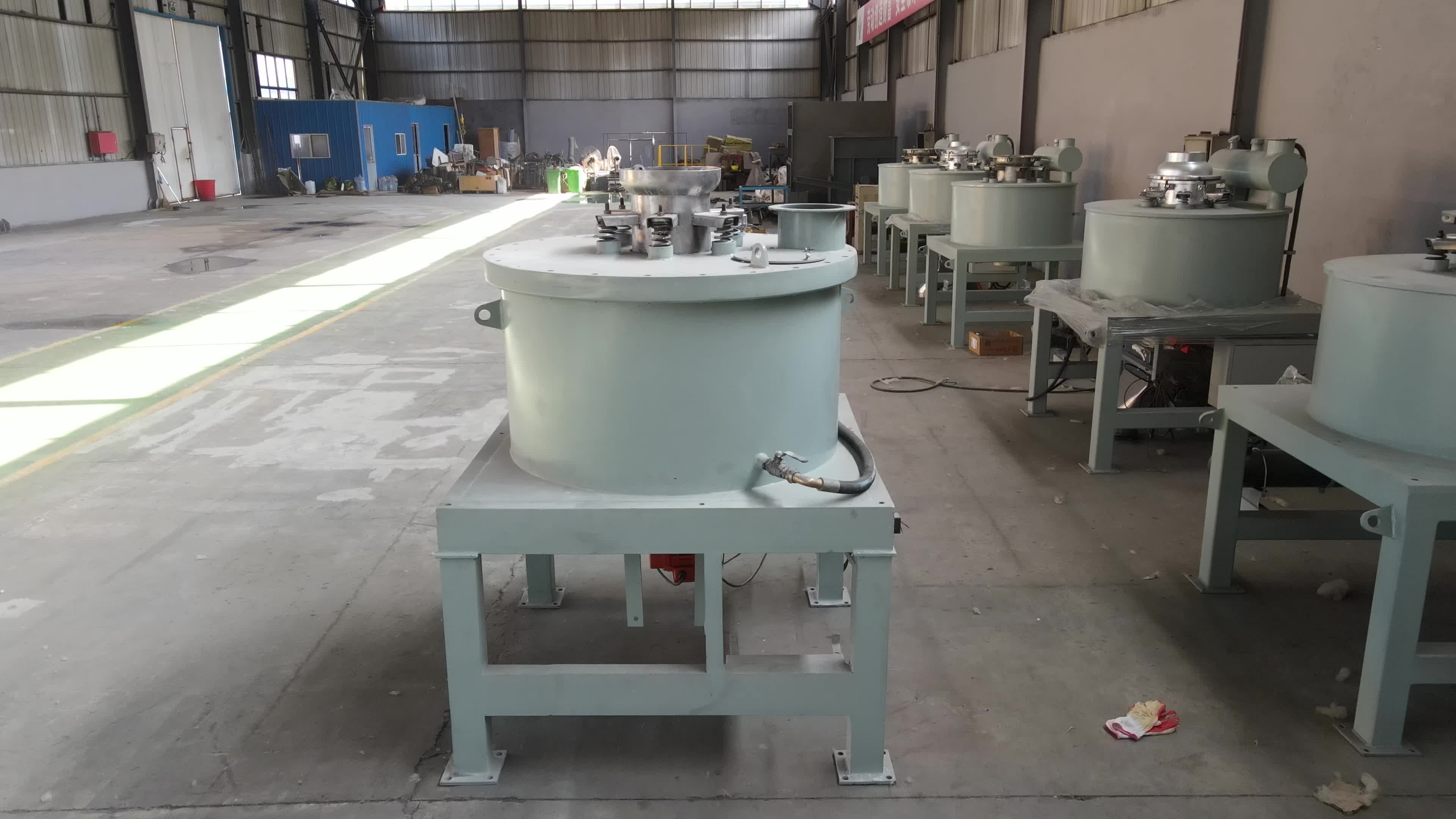
- YSDC dry electromagnetic powder systems. The YSDC Series Fully Automatic Integrated Dry Electromagnetic Powder Iron Removal System is a powder-line solution. Plan access for inspection and cleaning of the powder-contact section, confirm the control interface and agree which components are wear parts. The after-sales plan should also state how remote support is delivered and how spare parts are identified.
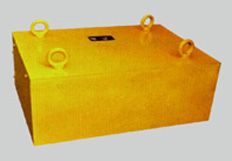
- RCYB suspended permanent separators. The RCYB Series Suspended Permanent Magnetic Separator is a permanent-magnet suspended unit. After-sales planning should focus on suspension hardware, belt clearance and cleaning access. Because the magnetic source is permanent, the maintenance routine is different from an electromagnet, but the suspension and cleaning checks still need an owner.
- RCDA air-cooled suspended electromagnets. The RCDA Series Air-Cooled Suspended Electromagnetic Separator uses air cooling. The maintenance plan should include the cooling-air path, electrical inspection and control checks. The spare-parts list should identify the electrical and cooling-related items that the plant intends to hold.
- Common spare-parts planning. The supplier offers spare parts supply, but the buyer should still define the critical spares list. The list should match the installed model, the duty and the plant’s acceptable downtime.

Step-by-Step Breakdown
- Define the separation duty. State the material, the conveyor or powder line, the contaminant risk and the purity target. Decide whether the application needs a dry electromagnetic powder system, a suspended permanent separator or an air-cooled suspended electromagnet.
- Freeze the model and variant. Convert the selection into a specific model within the YSDC-16 to YSDC-40 range, the RCYB-4 to RCYB-16 range or the RCDA-4 to RCDA-20 range, and list every customization item that applies.
- Write the purchasing schedule. Include price basis, payment terms, MOQ, lead time, delivery point, packaging, documentation, warranty, spare parts and the responsibility split for installation and commissioning.
- Build the acceptance plan. Define document review, model verification, inspection records, compliance scope and site checks. Assign who signs each acceptance step.
- Map maintenance access and spares. Confirm that the plant can reach the cleaning, suspension, cooling and control areas safely. List the critical spares and the person responsible for ordering them.
- Hold a pre-PO review. Review the technical specification, commercial schedule and after-sales plan together. Record open items and close them before the purchase order is released.
Use Cases
Powder-line partnership: YSDC in battery material and ceramic powder duty
For powder processing, the YSDC Series Fully Automatic Integrated Dry Electromagnetic Powder Iron Removal System is the relevant family in this FAQ. The purchasing terms should fix the model, variant, powder-contact materials and control interface. The acceptance plan should verify the installed configuration and the inspection records. After-sales planning should identify the powder-contact section, cleaning access and the spare parts that the plant intends to hold.
The application cases in the corpus cover ceramic processors, battery material manufacturers, quartz sand plants, foundries and steel plants, with reported outcomes including iron removal above 98%, Fe below 5 ppm, impurity below 10 ppm and recovery +15%. The case unit also lists highlights such as high intensity, fully automatic operation, deep penetration, energy saving and high-temperature resistance. These cases are useful references for setting a material test target, but they do not replace a written acceptance target for a specific feed.
Conveyor-line partnership: RCYB or RCDA
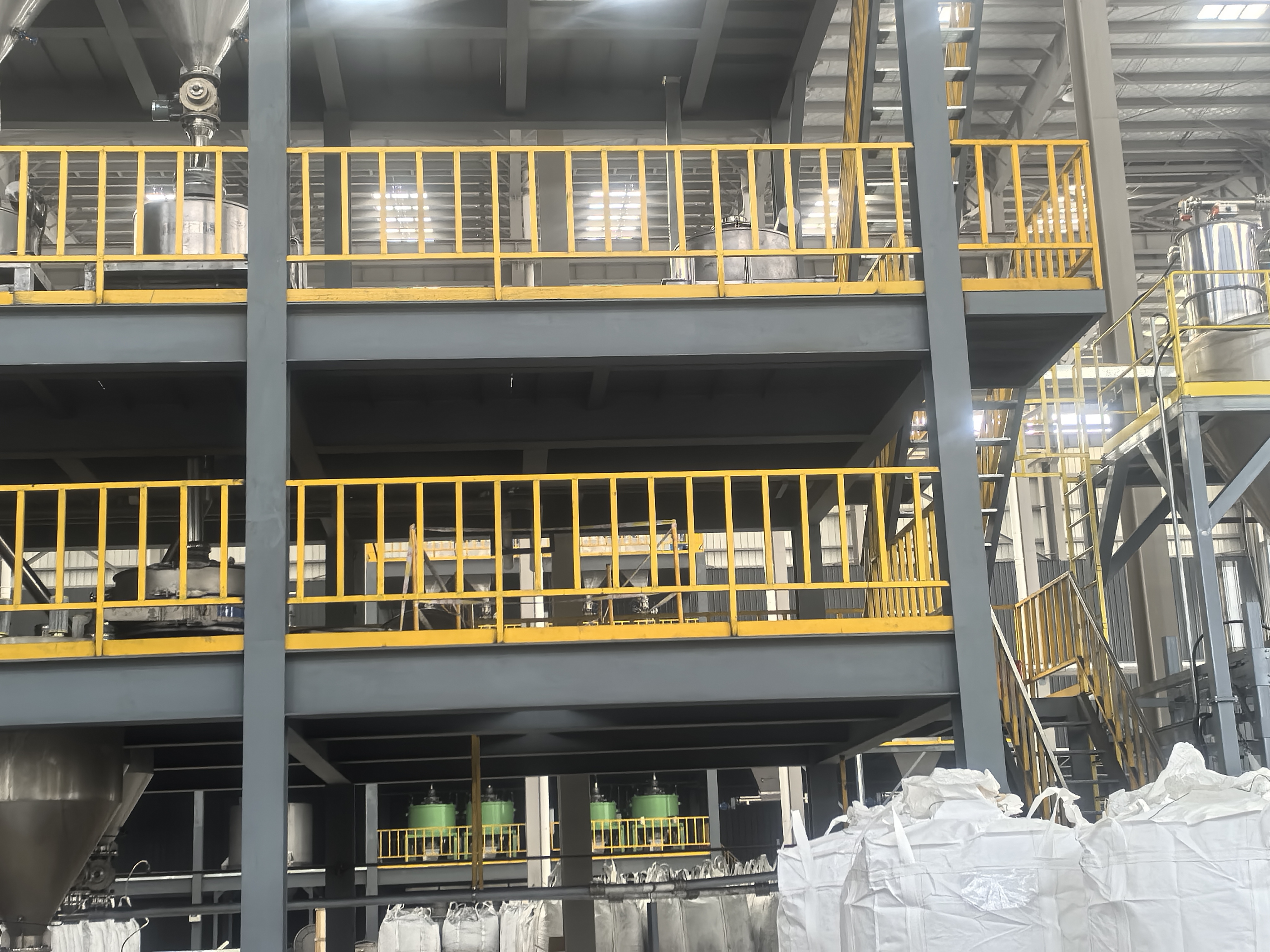
For conveyor lines, the choice between RCYB and RCDA should be recorded in the technical specification. RCYB is a suspended permanent magnetic separator, while RCDA is an air-cooled suspended electromagnetic separator. The purchasing schedule should state the suspension dimensions, belt-clearance requirements and the electrical scope. The acceptance plan should verify the suspension geometry against the approved drawing and confirm that cleaning access is available.
Acceptance case: using the quality control area as the handover point
The quality control and testing area is where the inspection record should be connected to the ordered unit. The buyer’s representative should be able to compare the nameplate, drawings, inspection record and compliance documents before shipment. If the supplier’s 100% inspection before shipment is the stated quality control method, the contract should define what evidence from that inspection is delivered.
Long-term partnership case: spare parts and warehouse planning
A long-term partnership is supported by a spare-parts plan, not only by a warranty statement. The finished product warehouse and spare-parts supply route should be reviewed with the maintenance team. The plan should identify which parts are held by the supplier, which parts are held by the plant and how a replacement is ordered when the line cannot wait.
Comparison Table
| Separator family | Model range in the provided data | Role in this partnership FAQ | Acceptance focus | After-sales planning focus |
|---|---|---|---|---|
| YSDC Series Fully Automatic Integrated Dry Electromagnetic Powder Iron Removal System | YSDC-16 to YSDC-40, with listed -TI/-T2 and -G1/-G2 variants | Dry electromagnetic powder iron removal system for powder-line duty | Verify model and variant, powder-contact section, control interface and inspection records | Powder-contact access, control interface, wear-part identification and remote support route |
| RCYB Series Suspended Permanent Magnetic Separator | RCYB-4 to RCYB-16 | Suspended permanent magnetic separator for conveyor-line tramp iron removal | Verify suspension geometry, belt clearance and cleaning access against the approved drawing | Suspension hardware, cleaning access and permanent-magnet maintenance checks |
| RCDA Series Air-Cooled Suspended Electromagnetic Separator | RCDA-4 to RCDA-20 | Air-cooled suspended electromagnetic separator for conveyor-line duty | Verify electrical and control scope, cooling-air path and suspension dimensions | Cooling-air path, electrical inspection, control checks and critical electrical spares |
FAQ
What compliance documents should be included in the purchasing terms?
Ask for the current quality management system certificate and its scope. The corpus lists certificate 78323Q00343R0S under GB/T19001-2016/ISO9001:2015, issued 2023-10-07 with an expiry date of 2026-10-06; because that date has passed, request the current certificate and renewal evidence before signing. For EU/EEA deliveries, the Machinery Directive attestation of conformity M.2025.206.C119055 covers the RCYB/RCDB/RCDD/RCYD/MW series against EN ISO 12100:2010 and EN 60204-1:2018, valid to 2030-05-18. If the order is for RCDA or YSDC, confirm the applicable conformity route separately.
What acceptance criteria should be written into the contract?
Acceptance should test the order as configured, not a generic catalogue unit. Write the approved model and variant into the contract, for example YSDC-16 to YSDC-40 with the listed -TI/-T2 and -G1/-G2 variants, RCYB-4 to RCYB-16, or RCDA-4 to RCDA-20. Confirm the customization items: magnetic field strength, size, voltage, material, logo and color. Require the supplier’s stated 100% inspection before shipment, and define which records, drawings, nameplate data and compliance documents must be delivered. For conveyor-line units, verify suspension geometry and belt-clearance dimensions against the approved drawing; for powder systems, verify the powder-contact section and control interface.
How should buyers plan budget when the supplier does not publish a single list price?
The available product data does not provide a price list, so budgeting should be built from configuration drivers. These include the separator family and model size, magnetic system, cooling arrangement, electrical and control scope, material of construction such as 304/316L stainless steel where specified, customization of magnetic field strength, size, voltage, material, logo and color, documentation, packing, freight, installation support and the initial spare-parts package. Ask for a priced breakdown by scope rather than a single lump sum, so that changes in model, materials or spares can be evaluated before the purchase order.
What sample or validation steps can reduce risk before full commitment?
For a single-unit MOQ, a trial unit can be discussed; for material validation, define the sample quantity, test method, target iron removal and the accept/reject rule in writing. The application cases in the corpus cover ceramic processors, battery material manufacturers, quartz sand plants, foundries and steel plants, with reported outcomes including iron removal above 98%, Fe below 5 ppm, impurity below 10 ppm and recovery +15%. These cases are references, not a guarantee for a different feed; the contract should set the target for your material.
What lead time and after-sales plan should be documented?
Lead time is listed as 30–45 days, with monthly capacity of 300 units. After-sales support covers remote support, spare parts supply and a 12-month warranty. Document the warranty start date, the response route, the critical spare-parts list and the maintenance access assumptions. For RCDA, include the cooling-air path and electrical inspection; for RCYB, include suspension hardware and cleaning access; for YSDC, include the powder-contact section and control interface. A sample, quotation or spare-parts review can be requested through ys@iron-separator.com or the brochure link below.
Next step for procurement and plant teams
Before committing to a long-term industrial magnetic separator partnership, align the technical specification, purchasing terms and after-sales plan in one review. For a quotation, sample discussion or spare-parts review, contact Weifang Yuansheng Magnetic Electromechanical Equipment Co., Ltd. at ys@iron-separator.com, telephone +86 155-5366-8212, or visit www.iron-separator.com. The product brochure is available here: Industrial Magnetic Separator Brochure.
Conclusion
A partnership on industrial magnetic separators becomes manageable when the purchasing terms, acceptance criteria and after-sales plan are written together. The separator family changes the maintenance routine: YSDC powder systems need powder-contact and control access, RCYB suspended permanent units need suspension and cleaning checks, and RCDA air-cooled electromagnets need cooling-air and electrical inspection. The commercial documents should match that reality, not treat every unit as the same purchase.
Document the model and variant, confirm the compliance scope, set a priced scope breakdown, agree the acceptance evidence and define the spare-parts route before the purchase order. That is the practical basis for a long-term cooperation that survives installation, commissioning and the first maintenance cycle.
Company address: Linqu County, Weifang City, Shandong Province, China.
Have Questions or Need More Details?
Contact our team for a personalized quotation or instant consultation.
Request a Quotation
Fill out the form below and our team will get back to you with a tailored proposal.
WhatsApp Direct Chat
Prefer to chat in real-time? Message us on WhatsApp for instant assistance & quick answers.
- Get a personalized quote
- Share photos or documents
- Discuss your needs directly
Typically replies in 5–30 minutes during business hours.