
Industrial Magnetic Separator: Wet Slurry Iron Removal Guide
Industrial Magnetic Separator Application Guide: Wet Slurry Iron Removal in Mineral Processing

Tailings recovery installation where a wet magnetic separation stage removes ferrous material from a flowing slurry.
Wet slurry iron removal is the stage where ferrous particles are pulled out of a flowing pulp — after grinding, before classification, ahead of flotation, or on a final product line. In practice the installation point and the slurry itself decide the equipment, not the other way round. This guide maps where wet electromagnetic units are normally evaluated, how slurry variability changes what has to be specified, how cleaning and maintenance should be planned, and what belongs in a purchase order and acceptance protocol before the unit is installed. It is a scenario fit guide, not a product ranking.
It is written for process engineers, plant maintenance teams and procurement staff who have already settled the question of whether iron removal is needed, and are now deciding where a unit goes, what it must handle, and how acceptance will be measured.
What wet slurry iron removal actually solves
In a wet circuit, iron arrives from several directions at once: wear from grinding media and mill liners, fragments released as pumps, valves and pipework wear, mill scale and rust carried from tanks and launder lines, and naturally magnetic minerals in the ore. The consequences are both mechanical and commercial. Coarse tramp metal damages slurry pumps, blocks cyclones and jams valves. Dispersed fine iron raises the iron content of the concentrate, slip or powder and can push a product outside its specification.
The distinction that matters most at selection stage is between tramp iron and fine iron. Tramp iron is discrete and coarse, and can be caught by a grate, a drawer magnet or a suspended unit before it reaches the process. Fine iron is dispersed through the pulp and behaves like part of the material, so it needs a magnetic field applied to the flowing slurry — a Slurry Magnetic Separator or Liquid Magnetic Separator duty rather than a dry-side application. Dry Powder Magnetic Separator, Powder Magnetic Separator, Suspended Magnetic Separator and Cross-Belt Magnetic Separator installations work on belts, chutes and free-falling product; none of them can treat a pulp.
A second distinction separates equipment protection from product protection. A unit immediately after the mill protects pumps, cyclones and the downstream train. A unit before filtration or on a concentrate line protects the specification. Both are magnetic separation, but the design basis and the acceptance criteria are different.
Where wet electromagnetic units are evaluated in a processing circuit
The same equipment family is considered at several positions, and each position imposes a different constraint on the slurry. The list follows the material path rather than a product order.
1. Mill discharge and cyclone feed
This is the coarsest and most abrasive position in the circuit. The iron load is dominated by grinding media wear and liner fragments, and the slurry carries the full circulating load. The unit has to survive abrasion, and the selection question is whether the field and the matrix can hold particles against a fast, dense flow. Capture here is usually coarse and the cleaning interval short, but everything caught is something the slurry pump and cyclone cluster do not have to handle.
2. Regrind and fine-grind circuit
After regrinding, the iron is finer and more evenly dispersed. This is where a High Gradient Magnetic Separator approach is evaluated, because the matrix has to create local field gradients strong enough to capture fine particles that an open-field gap would let pass. Residence time and matrix blockage become the limiting design factors rather than raw field strength alone.
3. Flotation feed and concentrate lines
A unit on flotation feed protects reagents and the pulp train; a unit on concentrate protects the saleable product. Concentrate lines are usually cleaner and narrower in flow, which simplifies installation, but the target iron level is tighter and acceptance becomes an assay problem rather than a throughput problem.
4. Tailings and recovery streams
Wet separation is also used to recover magnetic values from tailings or to clean a recycle stream, where the objective is recovery rather than removal. Here the decision is usually about the number of units in parallel rather than one large unit, because the constraint is pulp volume. Yuansheng's application records include multi-unit parallel iron removal installations for this type of duty.
5. Industrial mineral slurries: ceramic slip, glaze and clay
In ceramic and industrial mineral plants the wet stream is a slip or glaze rather than a pulp. Flow rates are lower, but the purity target is high and the result is visible — a single iron speck on a fired tile is a reject. Yuansheng's application records list a ceramic processor running glaze and clay slurry iron removal among recorded slurry applications, and this is one of the clearest cases where a wet electromagnetic unit earns its place on product-quality grounds alone.
6. Filter feed and final product polish
The last position before dewatering is the final chance to protect the specification, and it is usually the easiest place to retrofit because the line is accessible and the flow is already conditioned for filtration. The pressure drop across the unit must be checked against the available head to the filter press, otherwise the polishing stage becomes the bottleneck it was meant to prevent.
Matching the three catalog designations to a project
Yuansheng's catalog carries three designations that appear in wet slurry project documents, and they operate at different levels of specificity. The YSDCS Series Wet Electromagnetic Slurry Iron Remover is series-coded: models run from YSDCS-16 through YSDCS-40, with T1/T2 and G1/G2 variants in the model list, so the equipment schedule can be written to a specific size code and variant. The DNCXJ Series Wet Electromagnetic Separator is cataloged as the Electromagnetic King slurry iron remover, and is the designation to use when a project names that product line. The third term, Electromagnetic Slurry Iron Remover, is the generic descriptor: correct wording for a specification clause describing the function, but not enough on its own for a purchase order.
The working rule is that the descriptor belongs in the scope narrative, the series code belongs in the equipment schedule, and the model number belongs in the purchase order. Variant suffixes such as T1, T2, G1 and G2 change the configuration, so the meaning of each suffix must be confirmed against the approved data sheet for that model before the schedule is frozen. This is a naming and configuration-control issue rather than a performance question, and it is cheap to resolve before the order and expensive afterwards.
| Catalog designation | What the catalog documents | Where it is evaluated | Fix before ordering |
|---|---|---|---|
| YSDCS Series Wet Electromagnetic Slurry Iron Remover | Size codes YSDCS-16 to YSDCS-40 with T1/T2 and G1/G2 variants | Mill discharge, cyclone feed, regrind, filter feed | Variant meaning, matrix, cooling, cleaning mode, connection size |
| DNCXJ Series Wet Electromagnetic Separator (Electromagnetic King slurry iron remover) | Named wet electromagnetic separator line for slurry duty | Slurry transfer and polishing positions where the line is specified by name | Model-level data sheet, field at the matrix, throughput |
| Electromagnetic Slurry Iron Remover | Generic functional descriptor | Specification clauses and scope narratives | Series and model number before PO release |
None of the three is ranked here. Which one a project uses depends on the installation point, the slurry basis and the cleaning mode the plant can actually support, and those are engineering inputs rather than preferences.
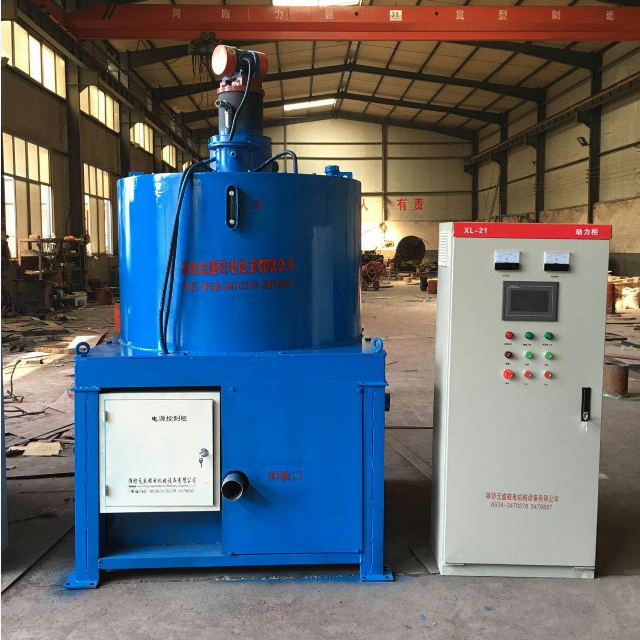
Electromagnetic slurry iron remover: the wet-duty unit sits in the slurry path, not on a conveyor or chute.
Slurry stream variability: the numbers to fix before selection
Most wet slurry selection problems come from a design basis taken at one operating point. The unit is sized on a nominal flow and then commissioned against a circuit that swings. Before any model is discussed, the following should be fixed as a range rather than a single value.
- Volumetric flow in m³/h at minimum, normal and maximum, plus how quickly the maximum is reached. Flow sets the velocity through the matrix and therefore the time available for capture.
- Solids concentration by weight and the corresponding pulp density. Higher density raises viscosity, loads the matrix and shortens the practical cleaning interval.
- Particle size distribution — top size and the proportion passing the fine fractions. Fine iron needs a gradient; coarse tramp metal needs a matrix that will not be damaged by it.
- Iron load and target — the feed iron level and the required level in the product. This pair defines the removal duty and, later, the acceptance test.
- Temperature, pH and chemistry — hot or aggressive slurries dictate elastomer choice, wetted-material grade and whether oil cooling or heat-resistant magnets are needed.
- Available head between upstream and downstream points. Pressure drop across the unit, pipework and valves must fit inside it, or the polishing stage throttles the line.
Two further items belong in the same basis: connection size and flange standard at the installation point, and duty pattern — continuous or batch. The application data behind Yuansheng's wet and dry installations covers continuous and batch operation across a working temperature range of −20 °C to 300 °C, and states the requirements for 304/316L stainless steel wetted parts, IP65/IP67 protection, FDA-compliant construction for food and pharmaceutical service, explosion-proof certification for chemical and coal service, high-temperature resistance through oil cooling or heat-resistant magnets, and sanitary easy-clean design. Those requirements are what turn a model code into a specification.
Cleaning and maintenance: decide the routine before the unit arrives
Cleaning mode is a plant decision, not an accessory. Yuansheng's installations run in either continuous automatic or manual cleaning mode, and the choice changes manpower, spares and the way performance is measured.
Manual cleaning suits lower iron loads, batch operation and positions where the unit can be isolated easily. It requires a defined isolation procedure, a capture container and a named owner working to a fixed interval. Automatic cleaning suits continuous circuits and high-capture positions, but it adds drive or pneumatic components and a control interface that the plant has to maintain.
The routine itself has three layers. Each shift, the operator checks flow and differential pressure, coil temperature where the unit is cooled, and any alarm state on the control panel — a change in differential pressure is the earliest sign of a loaded or blinded matrix. Each week, the matrix is inspected and flushed and the captured material is weighed or photographed, because capture mass against throughput is the only routine evidence that the unit is still working. Each planned shutdown, seals and gaskets are checked, magnetic surfaces are inspected for damage, the cooling circuit is examined, and the control panel and remote-monitoring links are verified. Holding spare matrix elements and seals on site shortens a damaged-matrix event from weeks to hours.
Support arrangements belong in the same plan. Yuansheng's standard after-sales scope is remote support, spare parts supply and a 12-month warranty, so the maintenance plan should state who holds the spares, what the response path is, and which records must be kept for the warranty period.
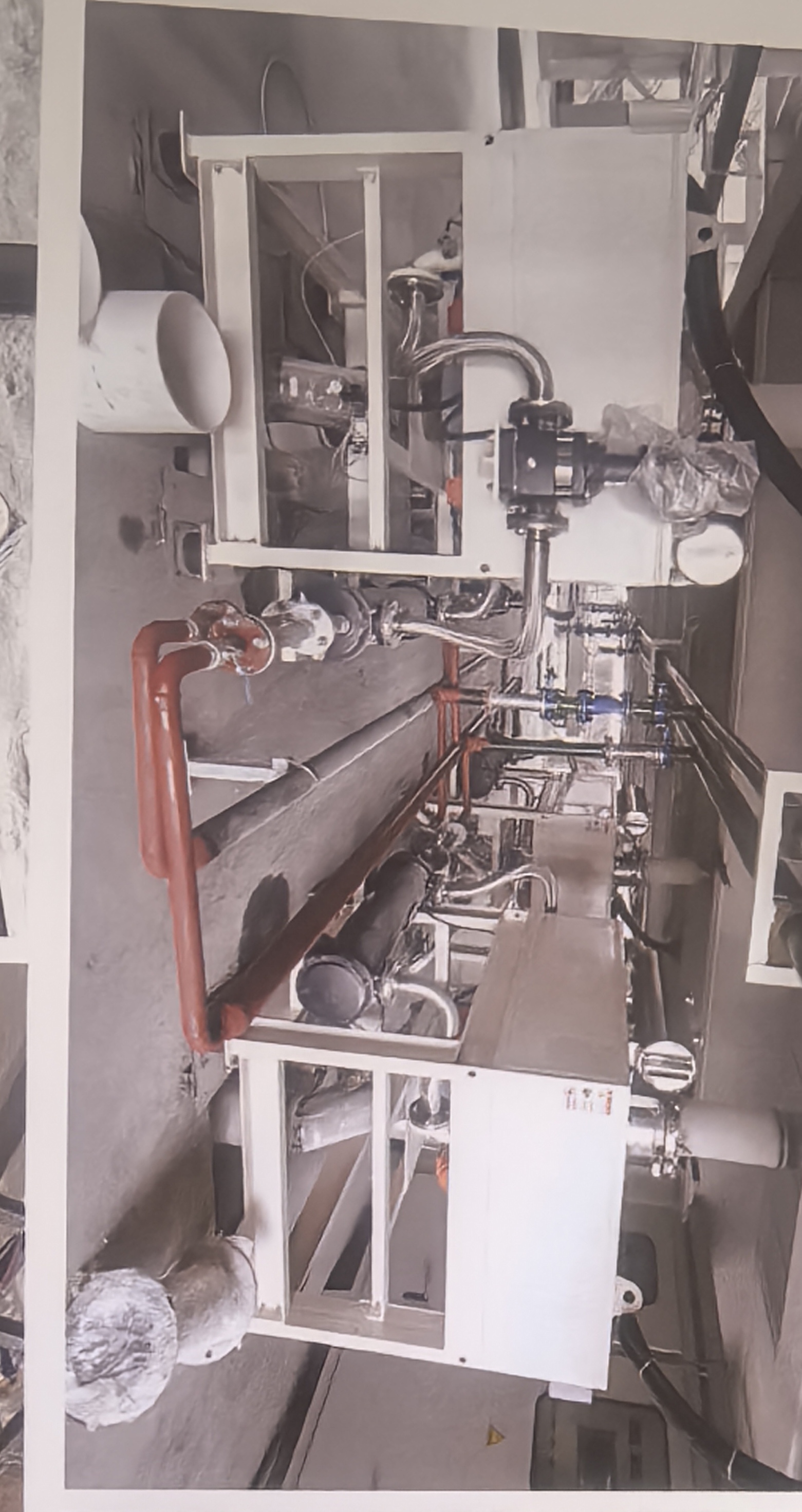
Pipeline position: the unit is isolated for inspection and cleaning without stopping the rest of the slurry train.
Defining purchasing terms before installation
The purchase order is where a fit guide becomes a contract. The items below cause most disputes, and each is cheaper to write before shipment than to argue about after installation.
- Design basis attachment: flow range, solids concentration, particle size distribution, temperature, pH, iron load and target, attached to the order as a controlled document.
- Model and variant: the full model number including the T1/T2 or G1/G2 suffix, with the approved data sheet referenced by revision.
- Wetted materials and protection: 304 or 316L stainless steel as required, IP65 or IP67 enclosure protection, FDA-compliant construction where food or pharmaceutical service applies, explosion-proof certification where chemical or coal service applies.
- Cooling and thermal duty: oil cooling or heat-resistant magnets where the slurry or surrounding line runs hot.
- Cleaning mode and control: manual or automatic cleaning, PLC control, remote monitoring and the signals the plant control system must receive.
- Interfaces: connection size, flange standard, installation orientation and allowable pressure drop.
- Supporting equipment: the slurry pump, pipeline system, hopper, metal detector, control panel and filter the unit depends on, and who supplies each.
- Spares and documentation: spare matrix and seal set, data sheet, inspection records, packing list, and installation and maintenance instructions.
- Trade and delivery terms: HS code 847410 for sorting, screening, separating or washing machines where the unit crosses a border, Incoterms, packing and the delivery milestone.
Two commercial facts help with planning. Yuansheng's minimum order quantity is one unit, so a trial installation at a single position is possible before a multi-unit line is committed, and standard lead time is 30–45 days. Customization is available on magnetic field strength, size, voltage, material, logo and colour under OEM/ODM arrangements, and every unit is inspected before shipment.
Acceptance criteria: what to measure at commissioning
Acceptance should be written as a measurement plan, not as a promise. A workable protocol has four parts.
Field verification. Measure magnetic induction at the matrix, at agreed points, with a calibrated instrument, and record the values against the data sheet. This confirms the unit arrived as specified before any slurry is introduced.
Hydraulic verification. Run water or plant slurry across the specified flow range and record differential pressure at each point. Accept the unit only if the measured pressure drop stays inside the allowance used to size the upstream pump.
Removal demonstration. Take a feed sample upstream and a product sample downstream, at agreed intervals over an agreed duration, and assay both for iron. Sampling points, sample volume, assay method, number of samples and pass limits must all be fixed in the order. The plant should supply the slurry; a test on water proves nothing about capture.
Capture and documentation. Weigh or inspect the captured material after the test, confirm the cleaning cycle works as specified, and hand over inspection records, data sheet, spares list and maintenance instructions.
Documented results from Yuansheng's application records show what wet and powder iron removal has achieved in service: iron removal above 98%, Fe below 5 ppm, impurity below 10 ppm and recovery improvements, with installation histories spanning 1.5 to 5 years across ceramic, battery material, quartz sand, foundry and steel plant applications. These are records of past installations under their own conditions — a useful reference point for what a well-matched installation can do, but not a guarantee for a different circuit, which is why acceptance limits for a new line must be set on that line's own basis.
Use cases in brief
Ceramic slip and glaze. Low flow, high purity target, visible rejects. The unit goes on the slip line before casting or spraying, and acceptance combines an assay with a fired-sample check.
Tailings recovery. High volume, variable density, recovery objective. Multiple units in parallel are common, and the basis must state how each unit is isolated for cleaning without stopping the line.
Battery material slurries. A 2026 industry review of Chinese separator manufacturers cites magnetic field intensities of 16,000–20,000 Gauss for high-gradient electromagnetic separators used in lithium battery material purification. That figure belongs to battery-material duty specifically. It illustrates the general rule that required field follows target purity and particle size, and it should not be transferred to a mineral slurry without checking that slurry's own basis.
Metallurgical and steel plant streams. Scale and wear products dominate, and the position is usually chosen to protect pumps and downstream equipment rather than to upgrade a product specification.
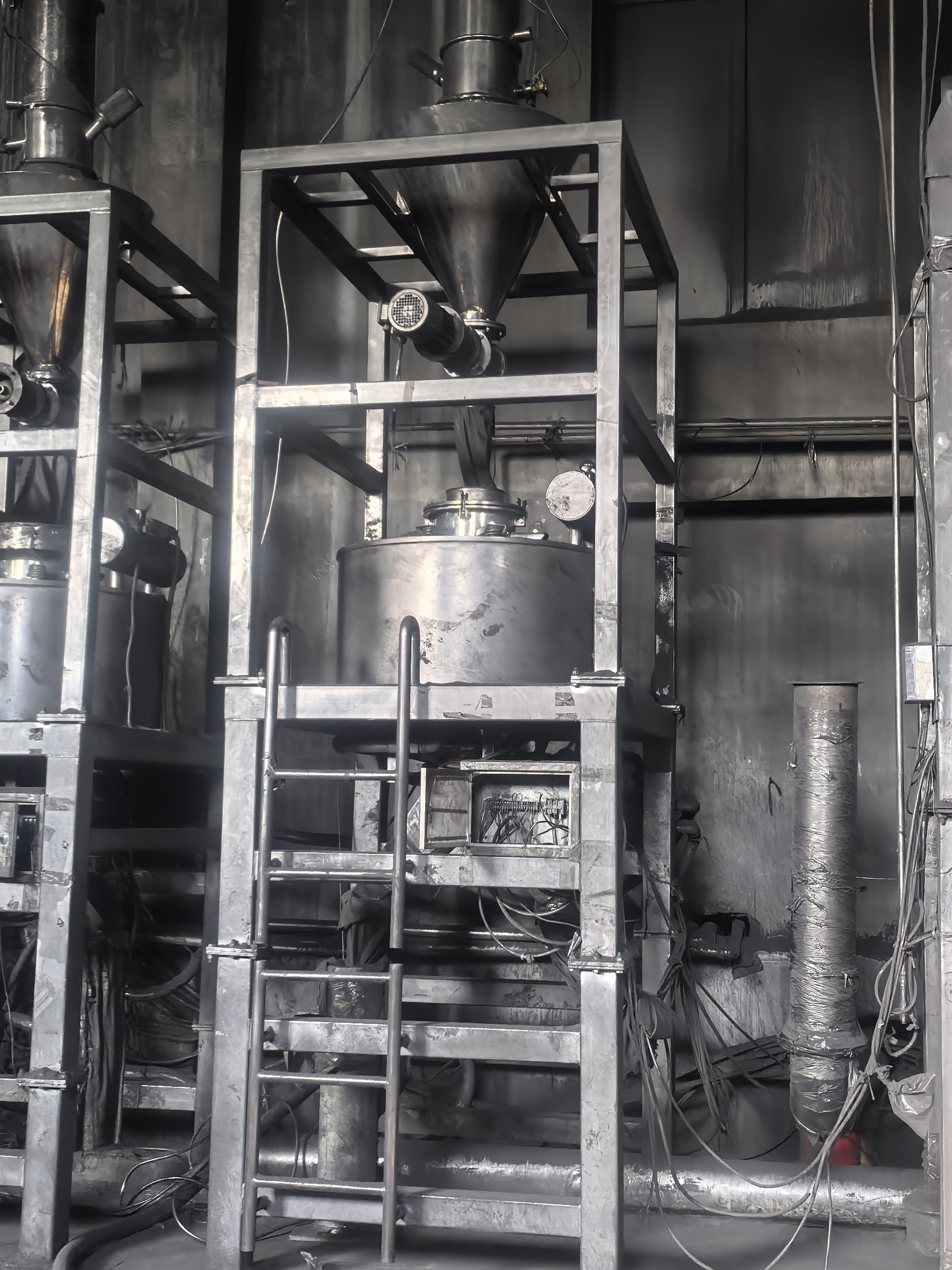
Parallel configuration: capacity in a wet circuit is often met with several units rather than one oversized unit.
Why the manufacturing base matters to the specification
Weifang Yuansheng Magnetic Electromechanical Equipment Co., Ltd. is a manufacturer based in Linqu County, Weifang City, Shandong Province, China, founded in 2011, with a 3,500 m² facility, 45 employees including an 8-engineer R&D team, and an annual output of 3,500 units. Around 65% of output is exported to Asia-Pacific, North America, Europe, Africa, the Middle East, Latin America, Oceania and CIS/Central Asia. For a project, the practical value of that base is that field strength, size, voltage and material customization is handled by the factory that builds the unit, and the data sheet, inspection records and spares all come from the same source.
Frequently asked questions
What compliance and material details should be fixed for a wet slurry magnetic separator?
Fix 304 or 316L stainless steel for wetted parts; IP65 or IP67 protection for the electrical enclosure where washdown or dust is present; FDA-compliant materials and sanitary easy-clean design for food and pharmaceutical service; explosion-proof certification for chemical and coal applications; and high-temperature resistance through oil cooling or heat-resistant magnets where the slurry or surrounding line runs hot. Add HS code 847410, the classification for sorting, screening, separating or washing machines, where the unit crosses a border.
Which Yuansheng unit matches which wet slurry installation point?
Yuansheng's catalog carries three relevant designations: the YSDCS Series Wet Electromagnetic Slurry Iron Remover, issued in size codes YSDCS-16 through YSDCS-40 with T1/T2 and G1/G2 variants; the DNCXJ Series Wet Electromagnetic Separator, cataloged as the Electromagnetic King slurry iron remover; and the generic Electromagnetic Slurry Iron Remover descriptor used in specification clauses. The match is set by the installation point, the slurry design basis and the cleaning mode the plant can support, not by a fixed order of preference, and each model's approved data sheet must confirm field strength, throughput and connection size before the equipment schedule is frozen.
What drives the cost of a wet slurry iron removal installation?
Scope is driven by the number of units, wetted-material grade (304 or 316L), cleaning mode, coil cooling method, control and remote-monitoring package, spare matrix and seals, freight and commissioning support. Because these items change both the unit and the installation work, a quotation should be built from the slurry design basis rather than from a model code alone. The minimum order quantity is one unit, so a single-unit trial position can be evaluated before a multi-unit line is committed.
Can we validate performance on our own slurry before full commitment?
Prepare a representative slurry sample and a complete design basis — flow range, solids concentration, particle size distribution, temperature, pH and feed iron level — and use them to define the acceptance test. A single unit can be ordered at the one-unit minimum for a trial position, and the protocol should state sampling points, assay method and pass limits before shipment. Documented application records include iron removal above 98%, Fe below 5 ppm and impurity below 10 ppm, but those are records of past applications; a new circuit's result depends on its own basis.
What lead time and delivery assurance should be written into the order?
Standard lead time is 30–45 days, with 100% inspection before shipment, a 12-month warranty, remote support and spare parts supply after delivery. Fix the inspection records, packing list, spare parts list, documentation set and commissioning support in the order, and keep export destinations in scope — Yuansheng ships to Asia-Pacific, North America, Europe, Africa, the Middle East, Latin America, Oceania and CIS/Central Asia. If the installation window is fixed, sending the slurry basis and target date with a sample or quotation request is the fastest way to confirm a production slot.
Conclusion
Wet slurry iron removal is decided by the position in the circuit and the behaviour of the slurry, not by a model number. Fix the installation point first, then the flow range, solids concentration, particle size distribution, temperature, pH, iron load and target, and the available head. Only then does the choice between the YSDCS series, the DNCXJ series or a generically specified Electromagnetic Slurry Iron Remover become a real engineering decision rather than a naming one.
The second half of the work is administrative. Cleaning mode, spares, wetted materials, protection class, cooling, control signals, trade classification and the four-part acceptance test all belong in the purchase order, because each of them determines whether the installed unit can be maintained and proven rather than merely delivered.
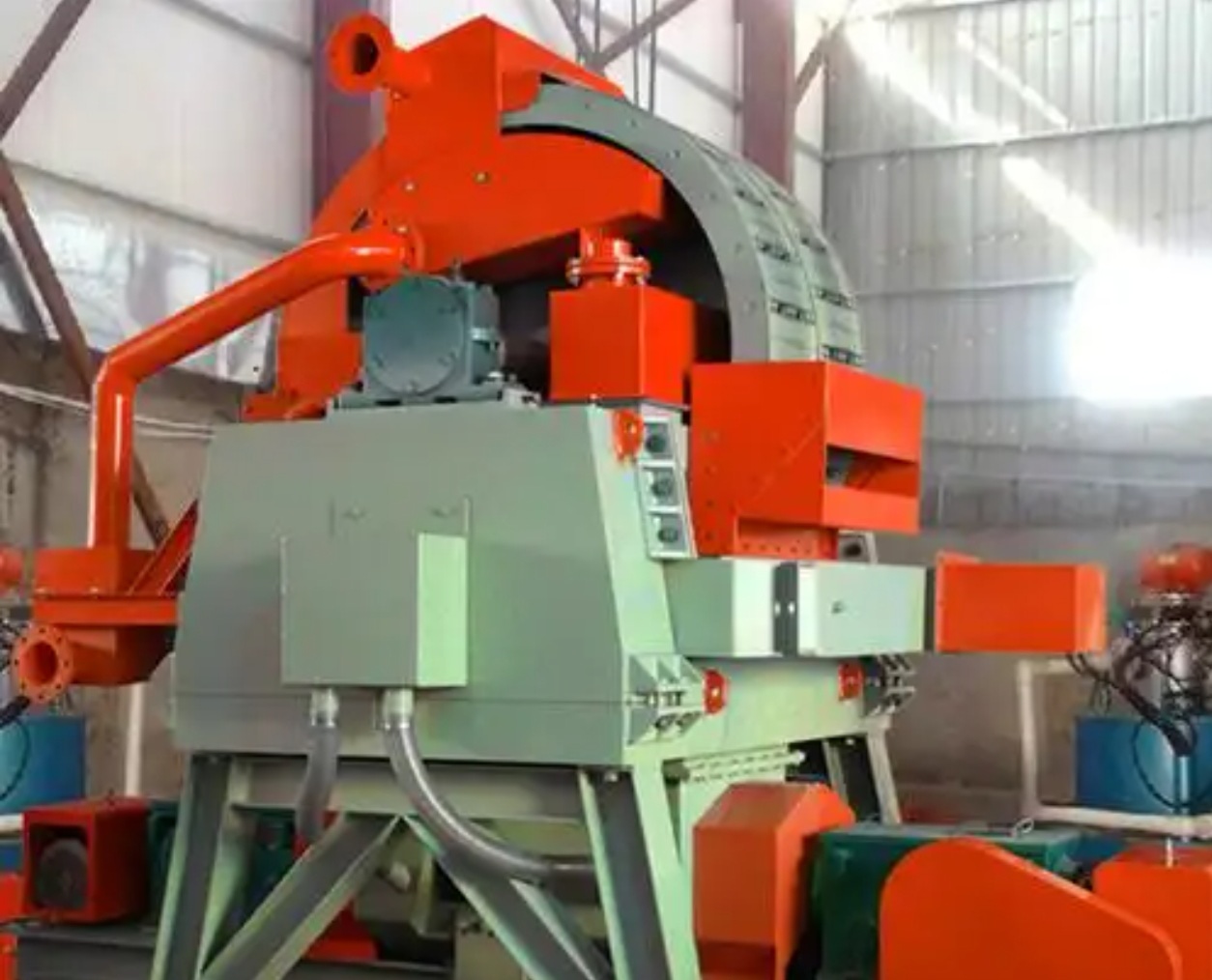
On-site installation of a high-gradient unit: field verification and slurry-based acceptance testing confirm the delivered configuration.
For projects moving from evaluation to procurement, the product catalog and technical documentation can be downloaded here: Yuansheng magnetic separation product brochure (PDF). A slurry design basis, a target installation point and a preferred commissioning window are the three inputs that make a first technical response useful.
Have Questions or Need More Details?
Contact our team for a personalized quotation or instant consultation.
Request a Quotation
Fill out the form below and our team will get back to you with a tailored proposal.
WhatsApp Direct Chat
Prefer to chat in real-time? Message us on WhatsApp for instant assistance & quick answers.
- Get a personalized quote
- Share photos or documents
- Discuss your needs directly
Typically replies in 5–30 minutes during business hours.