
Manual vs Self-Cleaning Permanent Magnetic Separators: A Buyer Comparison Guide
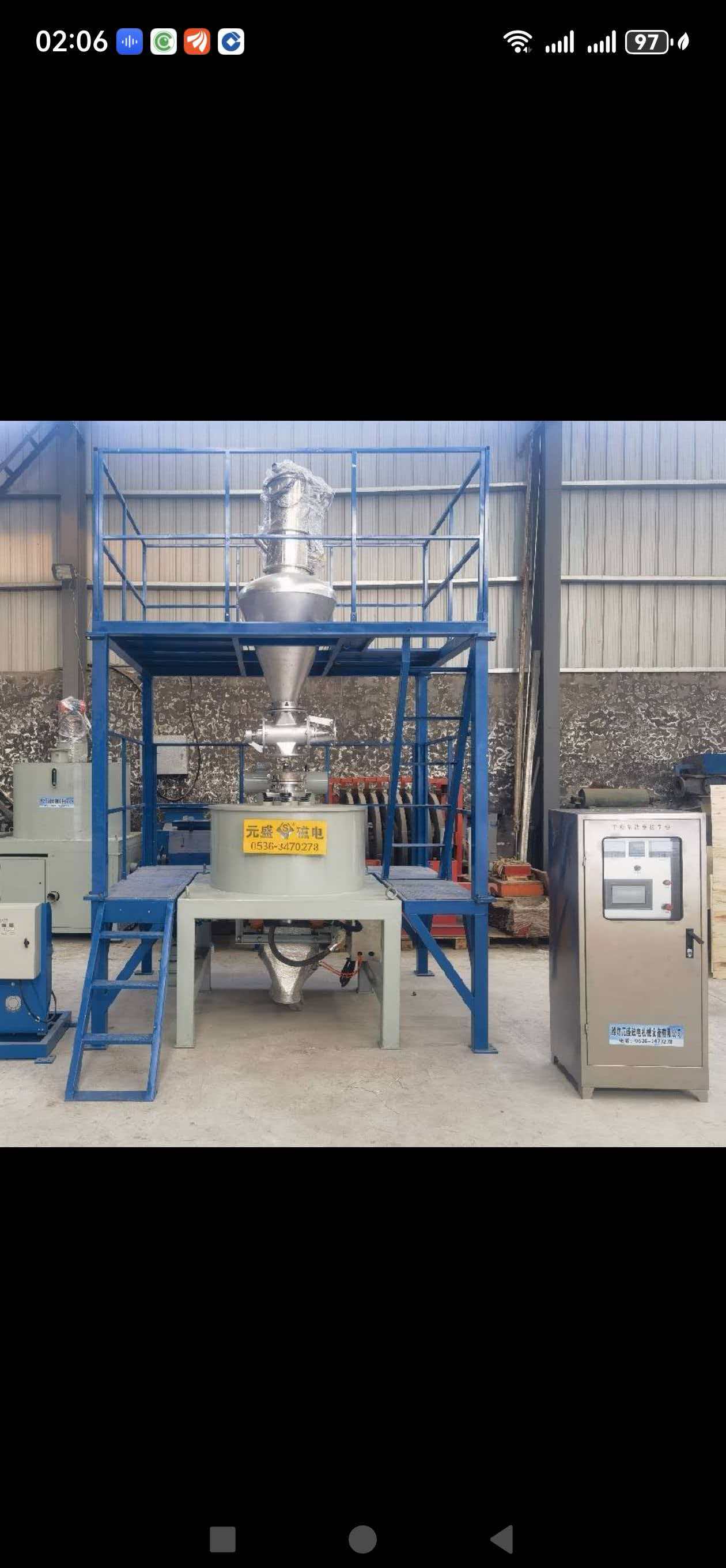
The decision rule: choose a manual-cleaning permanent magnetic separator when the captured iron load is light and an operator can reach and clear the magnet without breaking guarding, stopping the stream for long, or working at height; choose a self-cleaning design when cleaning events are frequent, access is obstructed, or the repeated interruption at that point costs more than the hardware. The rest of this guide is the evidence behind that rule, criterion by criterion.
Both groups hold iron with permanent magnets, so the comparison is not about magnetic strength as such. It is about the cleaning event: who performs it, how often it has to happen, what stops while it happens, and what the unit demands from the surrounding line. That is also why a simple price comparison between a magnetic grate and a self-cleaning separator usually produces the wrong answer — the two items do different amounts of work over a year.
What actually changes between the two groups
A manual-cleaning separator holds captured iron on a magnet face, bar or grid that an operator must physically clear. In the range supplied by Weifang Yuansheng Magnetic Electromechanical Equipment Co., Ltd. — a magnetic and electrical separation equipment manufacturer founded in 2011 and based in Linqu County, Weifang City, Shandong Province, China — that group covers three families:
- Magnetic Bar / Magnetic Grate (Magnetic Frame), listed in ordinary, easy-clean, round and square types.
- Drawer Magnetic Separator (Drawer Magnet / Magnetic Drawer Filter), listed in ordinary and easy-clean types, with single-layer or multi-layer builds and square or round interface.
- Manual Cleaning Permanent Magnetic Separator (Hand-Cleaning Permanent Magnet Iron Remover), series RCYP, in eight sizes from RCYP-4 to RCYP-14.
A self-cleaning separator discharges captured iron through its own arrangement, so the cleaning event sits inside the unit rather than at an operator's hand. The same range lists four self-cleaning designations: RCYP-Ⅱ Series Self-Cleaning Permanent Magnetic Separator (nine sizes, RCTPⅡ-5 to RCTPⅡ-18); RCYC(D) Series Self-Cleaning Permanent Magnetic Separator, also designated Belt Self-Discharging Permanent Magnet Iron Remover (ten sizes, RCYD(C)-5 to RCYD(C)-20); RCYZ in the same self-cleaning group; and RCGZ Series Self-Cleaning Pipeline Permanent Magnetic Separator (seven sizes, RCGZ-100 to RCGZ-1000).
Why the cleaning event, not the magnet, drives the comparison
A permanent magnet separator holds iron because the field at its capture surface is always on; nothing has to be energised and nothing has to be switched to make it work. What changes once the surface has collected iron is the capacity left for new iron. A loaded element has less free surface to hold arriving particles, and material passing over a saturated element is the point at which capture efficiency begins to depend on operator discipline rather than on design.
That is the mechanical reason cleaning frequency matters. It is not a housekeeping preference. A manual element has to be cleared before the surface loads to the point where it stops holding what it should, so the cleaning interval becomes a production parameter. A self-cleaning unit converts that parameter into a machine cycle and moves the human task from scraping to inspecting the discharge.
For a buyer, this reframing changes what to compare. Two separators with the same field and the same footprint can impose very different annual burdens: one asks for a short interruption every shift, the other asks for capital, space and a maintenance scope. Neither is cheaper in general. One is cheaper for a specific line, and the criteria below identify which.
Where each family sits in a powder or bulk line
Manual elements protect the places where a small, reachable capture surface is enough. Magnetic grates and frames are installed across the flow in hoppers, bins, ducts and free-fall transitions; drawer magnets are built into chutes and spouting so the magnet bank can be withdrawn for cleaning; hand-cleaned units such as the RCYP series are used where a larger capture face is needed and the operator can still get to it.
Self-cleaning designs protect the places where manual access is the binding constraint. The RCGZ pipeline unit is built as an in-line separator for enclosed pipeline duty in seven sizes. The RCYC(D) belt self-discharging design carries captured iron off on a belt, which makes it the arrangement to examine where the stream is wide or the captured volume is large. The RCYP-Ⅱ designation sits in the same self-cleaning group and should be matched to the mounting and discharge route of the specific position.
Documented deployments in the supplied material cover ceramic processors, battery material manufacturers, quartz sand plants, foundries and steel plants, so the families here are used across mineral, energy and metallurgy-adjacent bulk handling rather than in one narrow trade.
Decision criterion 1: operator access
Access decides more manual-versus-self-cleaning choices than any other criterion, and it is the one most often assessed from a drawing rather than from the plant floor. The question is not whether a person can see the magnet, but whether a person can reach it, isolate it, open or withdraw it, clear it, refit it and restart without a second task competing for the same window.
For a manual device, check the removal path. A drawer magnet needs a clear withdrawal envelope in front of the housing and somewhere to put the withdrawn bank without contaminating the product. A grate usually has to be lifted out of a hopper or duct, which makes headroom and lifting weight part of the decision. A hand-cleaned RCYP unit puts the same task on a larger element. In all three cases, guard removal, lockout and any hot or dusty working condition belong in the access assessment.
For a self-cleaning device, the operator's task changes rather than disappears. Access is still needed at the discharge route, and depending on the series you also need access for the mechanical and, where used, electrical parts of the discharge arrangement. Confirm what has to be reached during a routine check and where the discharged iron is collected.
- Can the element or drawer be cleared at the height and in the posture it is actually installed at?
- Does clearing require stopping feed, or can it be done during a planned changeover?
- Is there a second person requirement for isolation, and is that person available on the shift that needs the cleaning?
- For a self-cleaning unit, where does the discharged iron go, and who checks that route?
Decision criterion 2: cleaning frequency and iron load
Cleaning frequency follows the incoming iron load, not the maintenance calendar. Two lines running the same product at different upstream wear conditions can need very different intervals on identical hardware, so the useful estimate is built from observation rather than from a catalogue figure.
Record what the current capture element looks like at the end of a shift: how much has collected, whether it collects as coarse tramp or as fine material, and whether the amount is steady or arrives in bursts. Then convert it into a workload: number of capture positions multiplied by cleaning events per shift multiplied by minutes per event, including the walk to the position and the restart. That product is the real cost of the manual option on your line, and it grows in direct proportion to the number of positions you install.
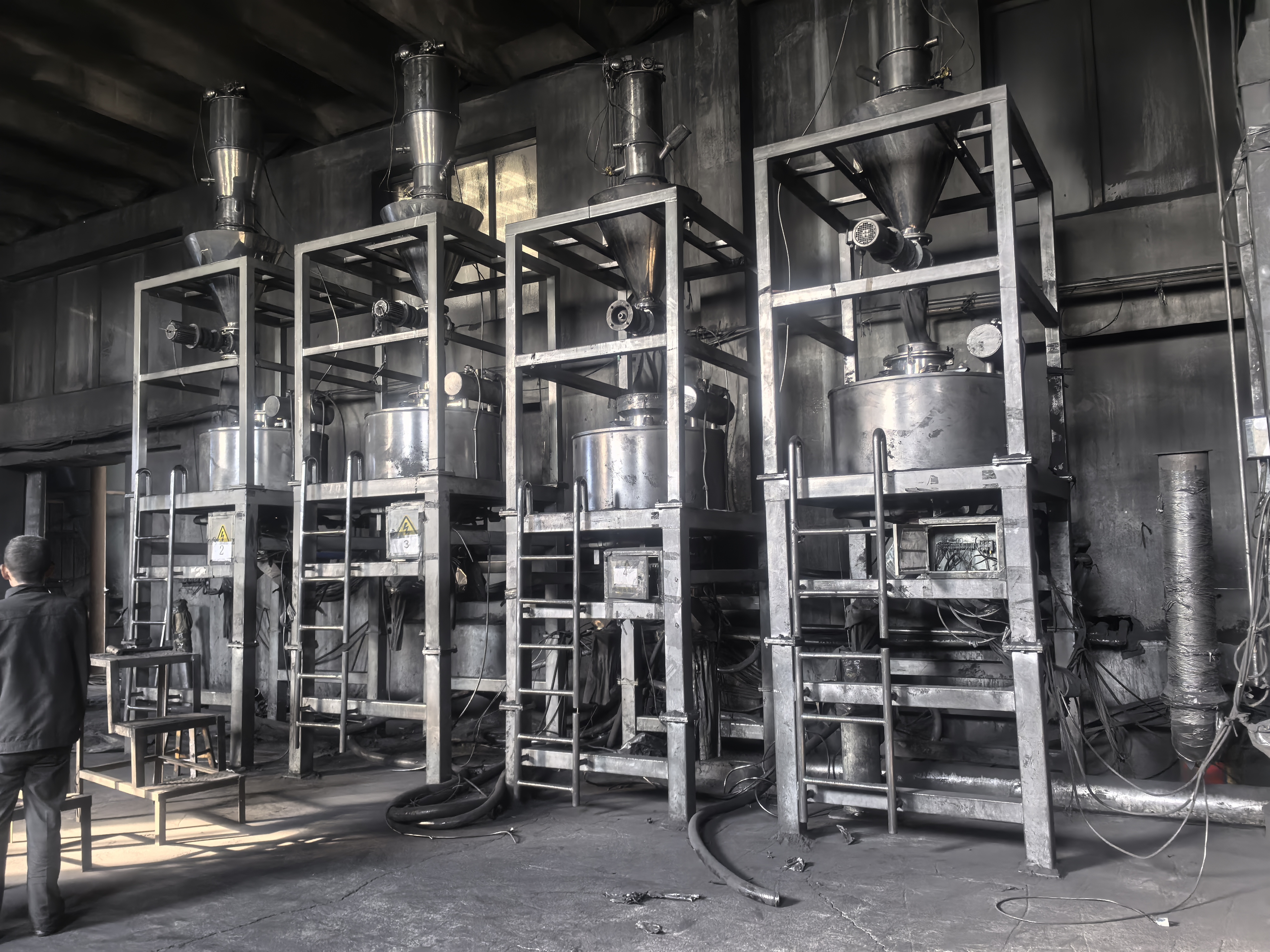
Multi-position lines are where this criterion usually decides the question. Where the supplied project record shows installations of 4, 6, 8 and 10 units at different client sites, a manual design multiplies the same task by the number of positions, while a self-cleaning design does not. Even so, self-cleaning does not remove inspection from the schedule: the discharge has to be verified, because a discharge arrangement that is blocked or misaligned looks exactly like a clean line from the outside.
Decision criterion 3: downtime pattern
The two groups fail differently in production terms. A manual separator creates a short, repeated interruption at the point of capture, and that interruption usually requires the stream to be stopped or diverted while the element is out. A self-cleaning separator is designed so that captured iron leaves the product stream while the stream continues, which shifts the interruption from production time to scheduled maintenance of the discharge arrangement.
Buyers should compare the pattern rather than a single number. Many short stops cost throughput, restart time and quality risk at each restart, and they depend on a person being free at the right moment. Fewer, planned maintenance windows cost capital and a defined maintenance scope. Where the process cannot tolerate repeated starts and stops — or where a missed cleaning quietly degrades product quality until a customer notices — the self-cleaning pattern is usually easier to control, provided the discharge side is genuinely serviceable.
Decision criterion 4: installation fit and documentation
Manual devices usually win on installation fit. A grate or drawer magnet works inside existing hopper, duct or chute geometry and needs no services beyond access space; the constraints are usually headroom for lifting and a withdrawal envelope for the drawer. This is why the manual group remains appropriate on short runs, on lines under modification, and at positions where the iron load is genuinely low.
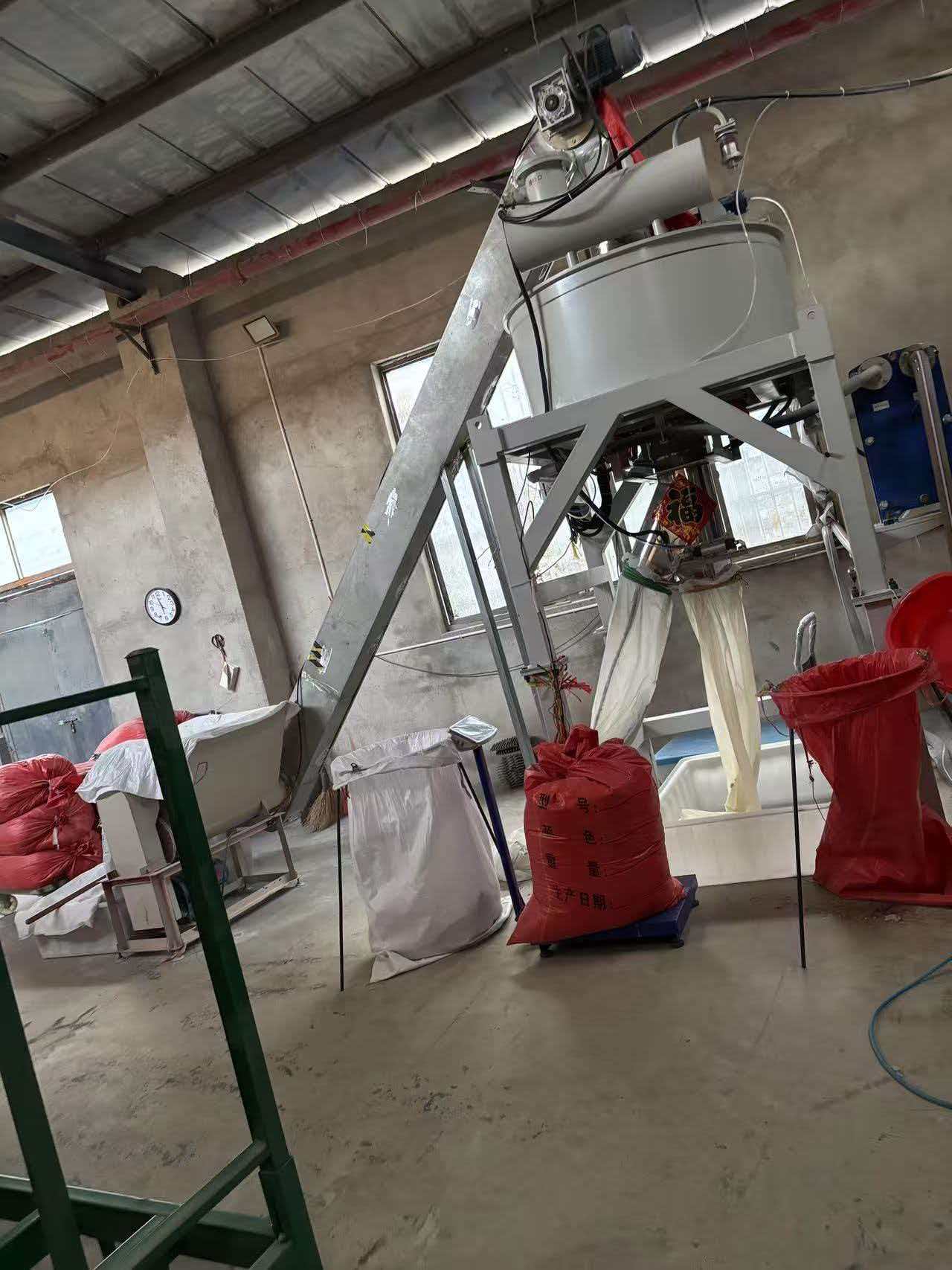
Self-cleaning devices ask for more from the layout. An in-line pipeline unit has to match the pipeline it sits in, which is why the RCGZ series is offered in seven sizes from RCGZ-100 to RCGZ-1000; a belt self-discharging unit needs room on the discharge side and a place for the collected iron to fall or be taken away. Confirm the mounting, the discharge route and the maintenance access as one package, because a self-cleaning unit installed where the discharge cannot be serviced has simply relocated the manual task.
Documentation scope is a separate fit question, and it is series-specific. The supplied EU/EEA machinery directive attestation of conformity (certificate M.2025.206.C119055, issued 19 May 2025 and valid to 18 May 2030, assessed against EN ISO 12100:2010 and EN 60204-1:2018) lists the RCYB, RCDB, RCDD, RCYD and MW series in its scope. If your project file names a self-cleaning model outside that list, ask for the documentation that applies to that series before the order is placed rather than after the equipment arrives.
Side-by-side comparison of the documented families
| Designation | Cleaning mode | Documented model range | Main buyer consideration |
|---|---|---|---|
| Magnetic Bar / Magnetic Grate (Magnetic Frame) | Manual | Ordinary, easy-clean, round and square types | Fits hoppers, bins and ducts; the whole decision rests on whether the grid can be reached, lifted and cleared on a realistic interval. |
| Drawer Magnetic Separator (Drawer Magnet / Magnetic Drawer Filter) | Manual | Ordinary and easy-clean types; single-layer or multi-layer; square or round interface | Requires a withdrawal envelope in front of the housing; the number of layers is a specification to confirm against the iron load actually observed. |
| Manual Cleaning Permanent Magnetic Separator (RCYP) | Manual | RCYP-4 to RCYP-14 | Larger hand-cleaned capture face; the cleaning interval must be achievable by the crew on every shift, not just on the day of commissioning. |
| RCYP-Ⅱ Self-Cleaning Permanent Magnetic Separator | Self-cleaning | RCTPⅡ-5 to RCTPⅡ-18 | Confirm the discharge arrangement and its service access for the exact model before fixing the layout. |
| RCYC(D) Self-Cleaning / Belt Self-Discharging Permanent Magnet Iron Remover | Self-cleaning | RCYD(C)-5 to RCYD(C)-20 | Belt discharge needs space and a collection point on the discharge side; check the EU/EEA documentation scope for the RCYD series. |
| RCGZ Self-Cleaning Pipeline Permanent Magnetic Separator | Self-cleaning | RCGZ-100 to RCGZ-1000 | In-line pipeline installation in seven sizes; pipeline match, discharge route and service access decide the fit. |
A five-step evaluation sequence
- Map every capture point and record the current routine. Walk the line and note, for each position, what the operator does today, how long it takes, what stops while it happens, and what equipment has to be opened or removed.
- Characterise the iron load at each position. Note volume, whether it arrives as coarse pieces or fine contamination, and whether it is steady or bursty. A bursty load is the case where manual intervals are most likely to be missed.
- Convert cleaning into labour. Multiply positions by events per shift by minutes per event, and add the restart time. Compare that figure with the capital and maintenance scope of a self-cleaning arrangement at the same position.
- Check the physical envelope. Confirm headroom for lifting, a withdrawal direction for a drawer, a pipeline match for an in-line unit, and a serviceable discharge route for any self-cleaning design.
- Confirm documentation and commercial scope together. Match the model to the series-level documentation your project requires, and fix inspection, delivery terms and lead time in the same order document.
Where each design tends to fit
Manual designs remain a good fit where the iron load is light, the position is genuinely reachable, the line is intermittent, and the crew already has a cleaning routine that holds. Magnetic bars and grates are the conventional answer for hoppers, bins and ducts in dry powder and granular duty; drawer magnets suit spouting where the magnet bank can be withdrawn; and the hand-cleaned RCYP units suit positions that need a larger capture face than a grate provides, provided the interval is realistic.
Self-cleaning designs fit where the manual interval stops being realistic. Frequent cleaning events, obstructed access, high positions, or a stream that cannot be stopped repeatedly all push the decision toward a self-cleaning arrangement. The RCYC(D) belt self-discharging design and the RCGZ pipeline design cover two distinct installation situations — a wide stream with a discharge route, and an enclosed pipeline — and the RCYP-Ⅱ designation should be matched to its mounting and discharge access in the same way.
The documented deployment record is useful here mainly for scale. Installations of 4, 6, 8 and 10 units across different client sites, with project periods of 1.5 to 5 years, show that the decision is rarely made for a single position; it is made for a line, and the labour arithmetic has to be done for the line.
Limitations to price in on both sides
Manual designs. Their performance depends on adherence to the cleaning interval, and adherence degrades exactly when the line is busy. Access is fixed by the plant layout, not by the separator, so a badly placed grate cannot be improved by buying a better grate. There is also little in the design that records whether cleaning happened, which makes the routine hard to audit.
Self-cleaning designs. They carry higher capital cost and add a mechanical scope — and, depending on the series, an electrical scope — that enters the maintenance plan. They require space at the discharge route and a defined place for the collected iron. And they do not remove inspection: the discharge path has to be verified, because the whole benefit rests on that path staying clear.
Execution checks before the order is placed
Once the family is chosen, the remaining risk is execution. Weifang Yuansheng Magnetic Electromechanical Equipment Co., Ltd. offers OEM/ODM production and lists customization options covering magnetic field strength, size, voltage, material, logo and color, so a project-specific build is possible — but a customized build only works if the request is specific. State the stream width or pipeline size, the mounting position, the cleaning arrangement you want, the contacting materials and the electrical supply where the design uses one.
Verification is stated clearly in the supplied capability record: 100% inspection before shipment, with acceptance either by third-party pre-shipment inspection (for example SGS or BV) or by the customer's own on-site inspection. Commercial terms are T/T with a 30% deposit and 70% balance before shipment, delivered FOB Qingdao or CIF. Typical production lead time is 30–45 days against a monthly production capacity of 300 units, and after-sales support covers remote support, spare parts supply and a 12-month warranty. Export coverage extends to Asia-Pacific, North America, Europe, Africa, the Middle East, Latin America, Oceania and CIS/Central Asia.
For the self-cleaning option you are evaluating, put the discharge arrangement and its service access on the inspection checklist alongside the usual dimensional checks. That is the part of the purchase that determines whether the cleaning task really moved off your operator, or merely moved somewhere less convenient.
FAQ
Does the EU/EEA machinery attestation cover every self-cleaning series?
The supplied EU/EEA attestation of conformity (certificate M.2025.206.C119055, issued 19 May 2025 and valid to 18 May 2030, assessed against EN ISO 12100:2010 and EN 60204-1:2018) lists the RCYB, RCDB, RCDD, RCYD and MW series within its scope. The RCYC(D) belt self-discharging separator belongs to the RCYD series covered by that document. If your project specifies another designation — an RCGZ pipeline unit or an RCYP-Ⅱ model, for example — request the series-level documentation that applies to the exact model you are ordering, because documentation scope is defined per series rather than per manufacturer.
Can a separator be adapted to our line, or ordered as an OEM/ODM build?
OEM/ODM production is available, and customization options cover magnetic field strength, size, voltage, material, logo and color. To make that useful, specify the stream width or pipeline size, the mounting position, the cleaning arrangement required, the contacting materials, and the electrical supply where the design uses one. Those items decide whether a catalogue model is a direct fit or whether a project-specific build is needed.
What commercial terms should a buyer expect in the quotation?
The documented terms are T/T with a 30% deposit and 70% balance before shipment, delivery on FOB Qingdao or CIF terms, and acceptance through third-party pre-shipment inspection (for example SGS or BV) or customer on-site inspection. Confirm the Incoterm, the inspection body and the documentation package in the quotation, because those items change both the landed cost and the release schedule.
How is a unit verified before shipment?
The manufacturer performs 100% inspection before shipment, and acceptance can be handled by a third-party pre-shipment inspection or by the customer's own on-site inspection. For a self-cleaning design, add the discharge arrangement and its service access to the inspection checklist, since those are the parts that determine whether the cleaning task has genuinely moved away from the operator.
What lead time and after-sales support apply?
Typical production lead time is 30–45 days, with a monthly production capacity of 300 units. After-sales support covers remote support, spare parts supply and a 12-month warranty, and the manufacturer exports to Asia-Pacific, North America, Europe, Africa, the Middle East, Latin America, Oceania and CIS/Central Asia. If you are weighing a manual and a self-cleaning option for a specific line, send the line layout, the stream width and the current cleaning routine and ask for a configuration comparison against those inputs.
Conclusion
Choose the manual group — magnetic bars and grates, drawer magnets, or an RCYP hand-cleaned unit — when the iron load is light, the position is reachable, and a realistic cleaning interval can be maintained shift after shift. Choose a self-cleaning design — RCYP-Ⅱ, RCYC(D), RCYZ or RCGZ — when cleaning events are frequent, access is obstructed, or repeated interruptions at that position cost more than the capital and maintenance scope the self-cleaning unit adds.
The three checks that settle most evaluations are the same three every time: count the cleaning events per shift across every installed position, confirm that a person can actually reach and service the chosen arrangement, and match the series-level documentation to the model your project specifies. A separator that is correctly matched on all three stops being a component purchase and becomes a controlled cleaning routine.
Next step. Weifang Yuansheng Magnetic Electromechanical Equipment Co., Ltd. supplies both groups described here and can compare configurations against a specific line layout. Contact: Wang, email ys@iron-separator.com, tel/WhatsApp +86 155-5366-8212, Linqu County, Weifang City, Shandong Province, China. Website: www.iron-separator.com.
The product catalogue is available for download: Industrial magnetic separator product catalogue (PDF).
Have Questions or Need More Details?
Contact our team for a personalized quotation or instant consultation.
Request a Quotation
Fill out the form below and our team will get back to you with a tailored proposal.
WhatsApp Direct Chat
Prefer to chat in real-time? Message us on WhatsApp for instant assistance & quick answers.
- Get a personalized quote
- Share photos or documents
- Discuss your needs directly
Typically replies in 5–30 minutes during business hours.