
Pipeline & Pneumatic Magnetic Separation: In-Line Iron Removal
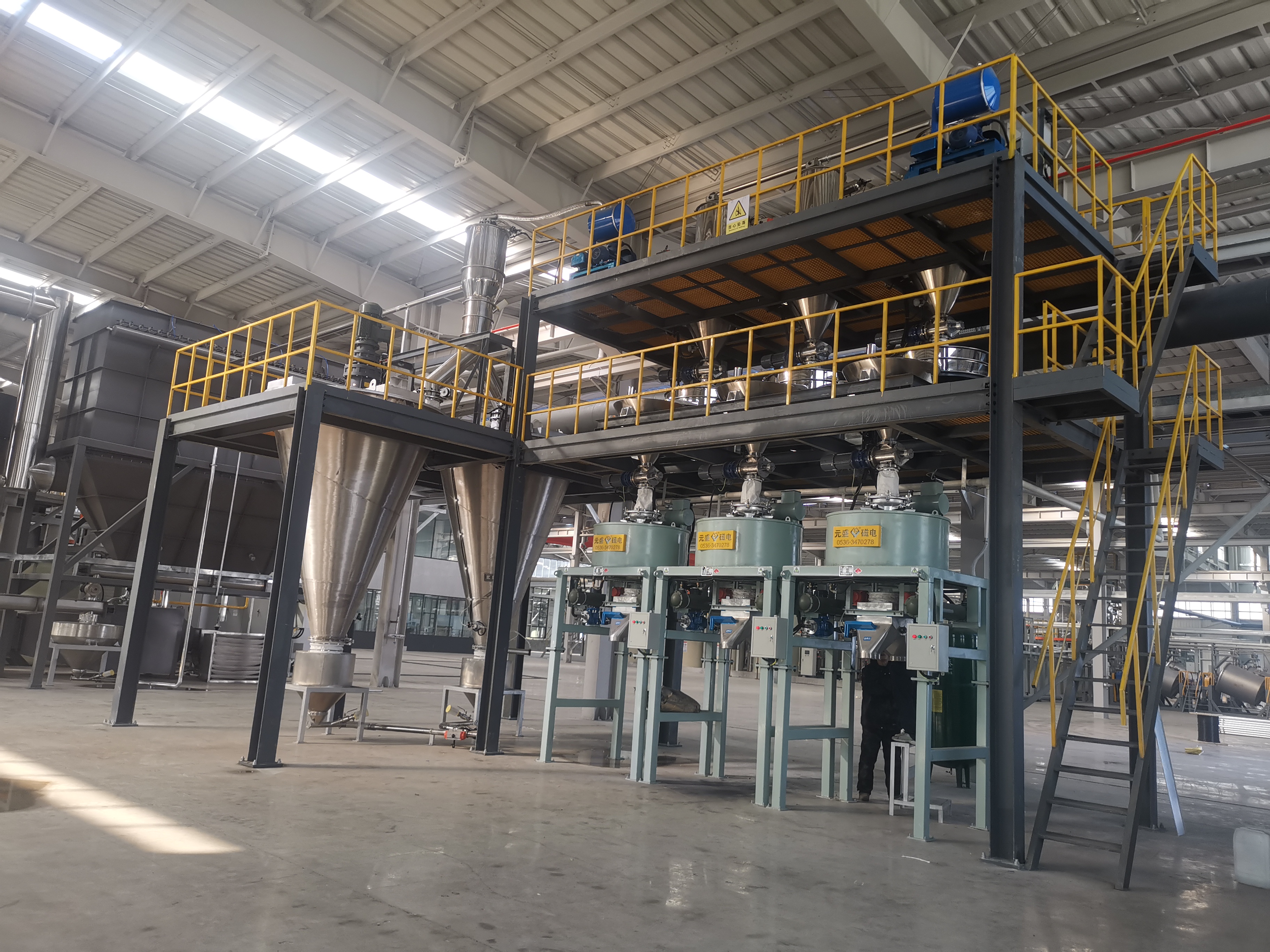
Pipeline & Pneumatic Magnetic Separation: In-Line Iron Removal
An in-line magnetic separator is the last barrier between a conveying line and everything downstream of it: the burner, the classifier, the packing head, the customer's incoming inspection. It is also the component that is hardest to reach once the line is welded, lagged and running. That combination — high consequence, low accessibility — makes pipeline iron removal a specification problem before it is a product problem.
This guide sets out the four parameters that decide whether a pipeline or pneumatic separator will actually work in service: connection compatibility, cleaning cycle, installation orientation, and maintenance access. It applies those parameters to four permanent-magnet configurations from Weifang Yuansheng Magnetic Electromechanical Equipment Co., Ltd. — the RCYZ Series Pipeline Automatic Permanent Magnetic Separator, the RCGZ Series Self-Cleaning Pipeline Permanent Magnetic Separator, the RCYA-5 In-Line Permanent Magnetic Separator, and the Pneumatic Self-Cleaning Magnetic Separator. Flux density and capture-efficiency figures are deliberately not quoted here: those values are duty-specific and must be confirmed for each stream. What follows stays with the mechanical, operational and documentation decisions an engineer can check on a drawing and verify at inspection.
Why an in-line separator is a different specification problem
A hopper grate or a drawer magnet can be lifted out and inspected while the line is down for other reasons. An in-line unit sits inside a closed housing that forms part of the product path, often part of the pressure boundary. Four consequences follow immediately.
- The housing is a line component. Its face-to-face length, flange pattern, gasket face and material have to match the pipe it replaces, and it must not leak dust or air in either positive-pressure or negative-pressure conveying.
- The magnet element has a fixed withdrawal path. Someone, or some mechanism, must be able to move the magnetic element far enough out of the magnetic field to release captured iron. That path is decided on paper, not in the plant.
- Cleaning interrupts the process unless it is automated. The separator cannot be cleaned while product flows through a manually cleaned housing; the line must stop, be isolated and be made safe.
- Condition cannot be observed while running. There is no window into the capture zone in normal service, so the cleaning interval has to be set by evidence gathered at each inspection.
Where the iron actually enters a pneumatic or gravity line
Most iron in a conveying line is not present in the raw material. It is generated or released by the line itself: wear from fans, blowers and rotary valves; abrasion from diverter flaps and screw flights; weld slag and loose scale left inside newly fabricated spools; corrosion product from unlined carbon steel; and, in mineral and metallurgical duty, the metallic fraction that survives crushing and grinding upstream. A pipeline separator placed at the wrong point catches the easy fraction and misses the rest, which is why the position of the unit in the flowsheet matters as much as its size.
Capture itself is a proximity problem. A particle has to pass close enough to a pole face, at a speed that still allows it to be held, for magnetic force to overcome drag and gravity. That is the mechanical reason why nominal line size, housing geometry and the way the product is presented to the magnet face belong in the specification, and why a larger magnet on a poorly matched housing does not automatically solve a contamination problem.
Industry context: why in-line specifications are under pressure
Magnetic separation is a mature equipment category, but the specification pressure on it is not static. Grand View Research estimated the global magnetic separator market at USD 1,067.6 million in 2024, with a projection of USD 1,642.5 million by 2033, and put Asia Pacific at a 43.8% revenue share in 2024. Those figures describe the whole equipment category, not pipeline units specifically, so they indicate the scale of the supply base rather than the size of any one product segment.
Two practical shifts affect how in-line units are written into specifications. First, downstream processes have become less tolerant of metallic contamination — battery material, ceramic glaze, quartz sand and foundry work all now carry incoming inspection that can reject a delivery on a single inclusion. Second, buyers increasingly treat the separator as a documented line item rather than an accessory: drawings, material certificates, inspection records and a stated acceptance method are requested at quotation stage. For procurement and trade documentation, industrial magnetic separators are normally classified under HS code 847410 (sorting, screening, separating or washing machines), which is the reference code used in customs documentation for this equipment family.
The four configurations this guide compares
The four configurations below all use permanent magnet elements rather than electromagnets, so none of them depends on a power supply to generate its field. They differ in how they clean, how they connect, and how much of the maintenance burden they move from people to mechanism.
- RCYZ Series Pipeline Automatic Permanent Magnetic Separator — the automatic pipeline designation in the range. The selection logic is simple: automatic cleaning removes the operator decision from the cleaning cycle, which is what continuous plants with long runs and thin maintenance cover are usually trying to achieve. Actuation type, control interface and element arrangement are model-specific and belong on the datasheet review, not on the marketing page.
- RCGZ Series Self-Cleaning Pipeline Permanent Magnetic Separator — a stepped model family: RCGZ-100, RCGZ-150, RCGZ-200, RCGZ-400, RCGZ-600, RCGZ-800 and RCGZ-1000. The wide step range exists so that nominal line size can be matched without forcing a compromise; the numeric designation must still be matched to the actual pipe size and flange on the project drawing.
- RCYA-5 In-Line Permanent Magnetic Separator (also described as the RCYA-5 Pipeline Permanent Magnetic Iron Remover) — a single-model in-line permanent unit. Its designation carries no self-cleaning qualifier, so in selection logic it is treated as a manually cleaned unit: the line is isolated, the element is withdrawn and cleaned, and the line is returned to service. Confirm the exact cleaning arrangement on the model datasheet before ordering.
- Pneumatic Self-Cleaning Magnetic Separator / Pneumatic Iron Remover — model designations DCFJ-150, DCFJ-250 and DCFJ-300, plus DCFJ-150H, DCFJ-250H and DCFJ-300H, which the manufacturer's catalog designates as the high magnetic force variants of the same model set. Cleaning is air-actuated, which means the unit adds a utility connection and a control interface to the installation in exchange for removing manual cleaning from the shift routine.
Decision parameter 1: connection compatibility
Connection is where most in-line projects lose time, because it is the one interface that cannot be adjusted after fabrication. Before a separator can be quoted usefully, the buyer needs to fix six items: nominal pipe size, flange standard and drilling, gasket face type, housing material and wall thickness, internal surface finish, and the pressure regime (positive, negative or atmospheric).
Three details are routinely missed. Negative-pressure conveying pulls air in through any imperfect joint, so gasket selection and bolt torque are part of the dust-control plan, not just the mechanical plan. Abrasive duty — quartz sand, calcined material, foundry sand — changes the material call for the housing and for the wear-facing surfaces. And the unit becomes a point load on the pipe: its weight, plus the weight of any spool it replaces, has to be carried by supports rather than by the adjacent flanges.
Decision parameter 2: cleaning method and cleaning cycle
Cleaning method decides who owns the contamination risk: the operator or the mechanism. That is the real comparison, and it should be made against the plant's actual shift pattern rather than against a preference for automation.
Manual cleaning (the RCYA-5 arrangement) keeps the unit mechanically simple and puts a person at the magnet face at a defined interval. It works where the line already stops on a predictable schedule and where the iron load is modest. Its weak point is not the magnet; it is the cleaning record. A skipped clean does not fail visibly — captured iron can be re-entrained into the product stream, or a growing burden can bridge across the housing and restrict flow.
Self-cleaning and automatic designs (RCGZ, RCYZ, and the pneumatic DCFJ family) move the discharge of captured iron inside the machine cycle so the product path does not have to be opened for routine cleaning. The trade-off is mechanical complexity: a cleaning mechanism, and in the pneumatic case an air supply and valve package, become part of the maintenance scope. Plants with clean, dry instrument air and existing automation handle this well; plants with wet or oily plant air usually need a filter-regulator at the unit, and that decision belongs in the specification.
Cleaning interval cannot be set from a catalog. The defensible method is to start from a conservative interval, inspect the element at every check, and lengthen the interval only when the observed burden stays low and stable across several inspections. In pneumatic conveying, iron arrival is often intermittent — a slug of scale after a maintenance shutdown, or a burst of wear particles after a valve change — so a single clean inspection is not evidence that the interval can be extended permanently.
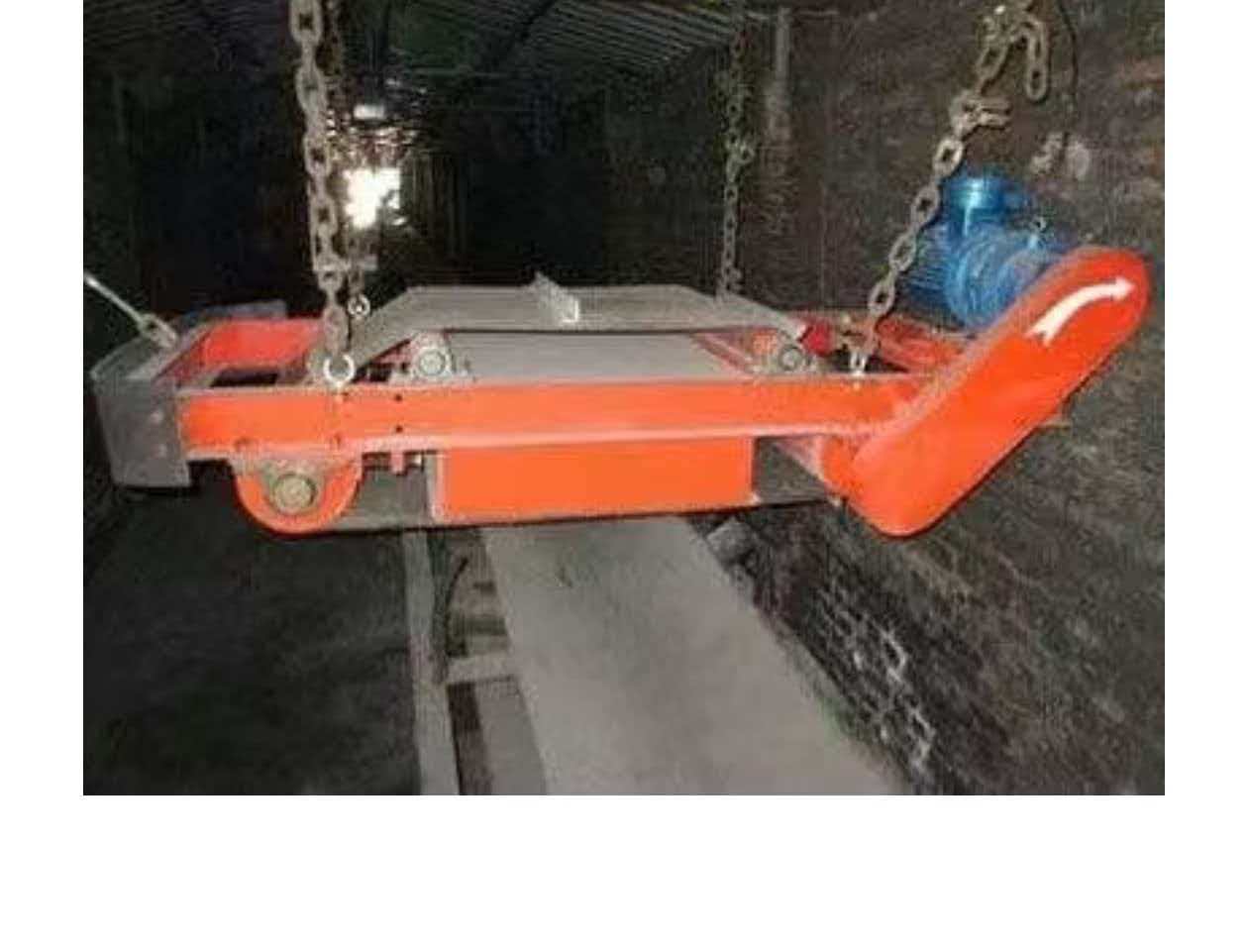
Decision parameter 3: installation orientation and magnet element access
Orientation is usually treated as a drawing detail, and it is the detail that most often turns a good separator into a difficult one. In a vertical gravity chute, product falls across the magnet face and the presentation is relatively even. In a horizontal pneumatic run, the material distribution depends on conveying velocity and on whether the unit sits in a straight section or immediately after a bend, where the product rope is still re-forming.
The practical rule for both cases is the same: place the unit in a straight run, confirm the required straight length upstream and downstream on the general arrangement drawing, and design the withdrawal direction before the spool is fabricated. A magnet element that has to be pulled sideways into a walkway, a cable tray or a structural column will not be cleaned on schedule, whatever the procedure says.
Four access items should appear on the drawing rather than in a commissioning conversation:
- Withdrawal envelope — the length and clearance needed to move the element out of the magnetic field and clear of the housing.
- Headroom and lifting — whether the element is handled by hand, by a trolley, or by a lifting point that must be designed into the structure.
- Isolation points — slide gates, valves or a spool section that lets the unit be isolated without shutting the whole conveying system.
- Dust and spill control — the tray, liner or local extraction needed at the opening point, since fine powder released at the magnet face becomes housekeeping load and a contamination source.
Decision parameter 4: maintenance access and spares
Maintenance planning for an in-line unit is mostly about consumables and isolation. Gaskets, seals and any air-line components are the parts that fail first; magnet elements themselves are durable but should be handled and stored correctly when removed. The specification should state who holds spare seals, whether a spare element is justified for a critical line, and how the unit is locked out before opening.
Documentation and acceptance matter as much as hardware. Weifang Yuansheng performs 100% inspection before shipment, and acceptance can be arranged by third-party inspection such as SGS or BV, or by customer on-site inspection. Standard commercial terms quoted for this equipment are T/T with 30% deposit and 70% balance before shipment, and delivery terms of FOB Qingdao or CIF. After-sales support covers remote support, spare parts supply and a 12-month warranty. Those terms belong in the purchase file because they define what happens when a seal fails in month nine, not just what happens at delivery.
Comparison table: four in-line configurations on the four parameters
| Configuration | Cleaning method | Line integration | Magnet element access | Continuous vs batch fit |
|---|---|---|---|---|
| RCYZ Series Pipeline Automatic Permanent Magnetic Separator | Automatic, per the series designation; confirm actuation and control interface on the datasheet | In-line in the pipeline; the automatic designation removes the operator decision from the cleaning cycle | Withdrawal direction and clearance are model-specific and should be fixed at drawing stage | Long continuous runs where a stop for cleaning is unacceptable |
| RCGZ Series Self-Cleaning Pipeline Permanent Magnetic Separator (RCGZ-100 to RCGZ-1000) | Self-cleaning; captured iron is discharged without opening the product path for routine cleaning | Pipeline unit in a stepped model range, so nominal line size can be matched within the family | Access defined by model; confirm the envelope on the general arrangement drawing | Continuous operation and long batch runs with a predictable iron load |
| RCYA-5 In-Line Permanent Magnetic Separator | Manual cleaning in the selection logic; the designation carries no self-cleaning qualifier, so confirm the arrangement on the datasheet | In-line, single model designation (RCYA-5) | Direct access to the magnet element once the line is isolated | Batch or short-run lines that already stop on a fixed cleaning schedule |
| Pneumatic Self-Cleaning Magnetic Separator (DCFJ-150/250/300 and H variants) | Pneumatic, air-actuated self-cleaning; adds an air supply and control interface | In-line; the utility and control connections sit alongside the product connection | Element access per model; the air line and valve package extend the maintenance envelope | Continuous lines in plants with reliable, dry instrument air |
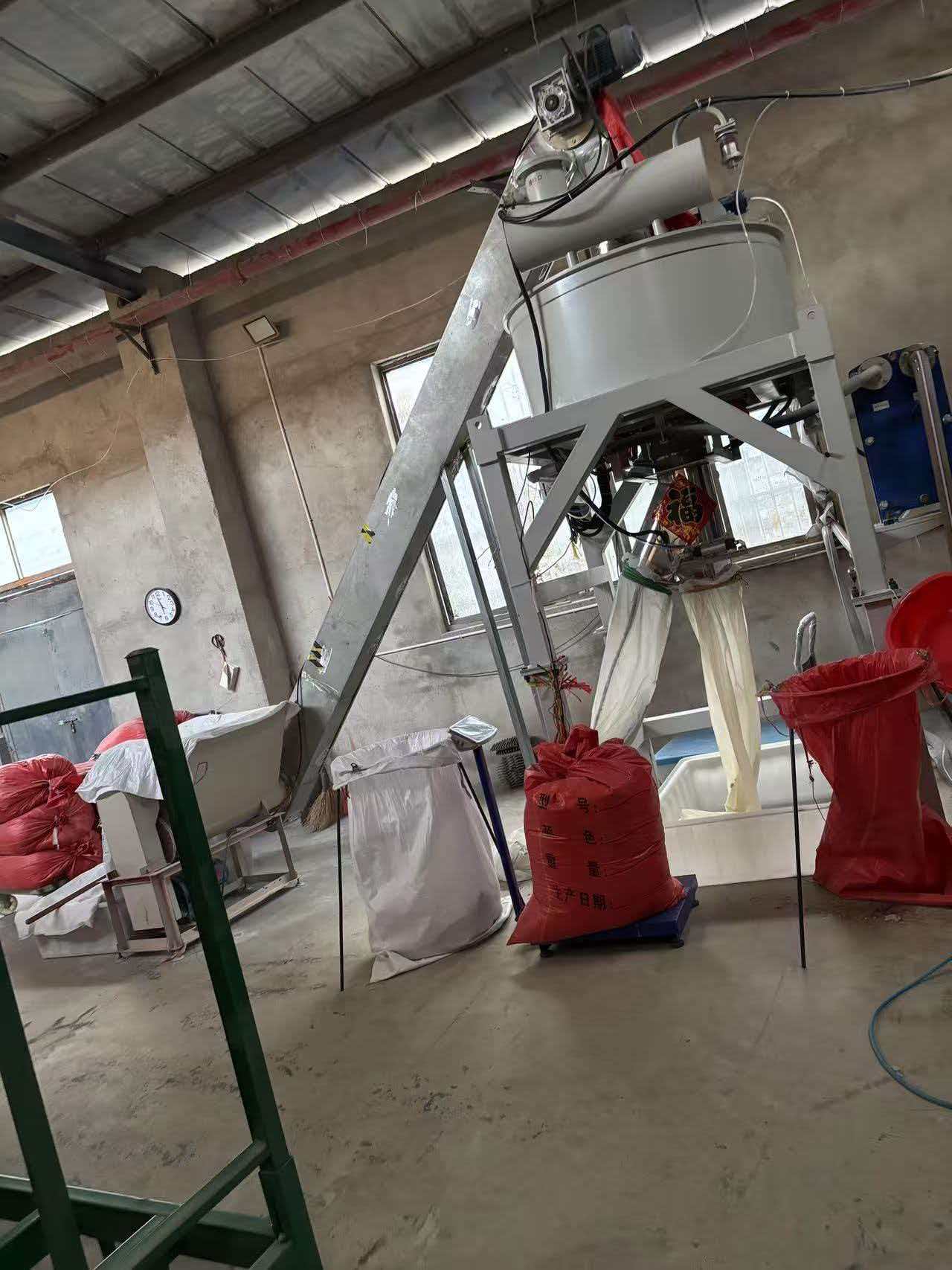
Step-by-step specification workflow
The sequence below keeps the decisions in the order that avoids rework. Each step produces a document that the next step depends on, which is also why the drawing pack is worth requesting early.
- Characterize the stream. Record the material, particle size range, bulk behavior, moisture, temperature, abrasiveness, conveying mode (dilute or dense phase, positive or negative pressure) and the nominal pipe size at the intended installation point.
- Locate the unit in the flowsheet. Choose a straight run after the last iron source and before the protected equipment. Note the available straight length and the space available for withdrawal on both sides.
- Fix the cleaning philosophy. Compare the line's stopping pattern with the iron load implied by the upstream equipment. If the line cannot stop for cleaning on a predictable interval, choose a self-cleaning, automatic or pneumatic design; if it stops daily and the load is modest, manual cleaning remains defensible.
- Define the connection. Specify nominal size, flange standard and drilling, gasket face, housing material, surface finish and pressure regime, then request the interface drawing, face-to-face length and unit weight.
- Design the access. Mark the withdrawal envelope, isolation points, lifting method and dust control on the layout. Confirm the magnet element can actually leave the housing in the chosen orientation.
- Agree the documentation and acceptance method. State whether acceptance is by third-party inspection (SGS, BV) or customer on-site inspection, and confirm that 100% inspection before shipment is included.
- Plan spares and commissioning. List gaskets, seals and any air-line components, confirm the 12-month warranty scope and remote support route, and set the first three inspection intervals before the unit enters service.
Use cases: matching the configuration to the duty
Continuous pneumatic conveying of fine powder. Where a line runs for long campaigns and the maintenance team is thin, the cleaning step is the weak link in a manual design. A self-cleaning pipeline unit or an automatic pipeline unit keeps the product path closed and moves cleaning into the machine cycle. The pneumatic variant suits plants that already run dry instrument air to the same area, because the utility connection is short and the valve package can be grouped with existing controls.
Gravity chutes and transfer points in mineral and ceramic duty. Abrasive material and intermittent iron arrival favor a robust housing and a cleaning method that does not depend on someone opening a dusty chute every shift. The stepped RCGZ model range allows the unit to be matched to the chute size rather than adapted to it.
Batch and short-run lines. Where the plant already stops between batches, a manually cleaned in-line unit such as the RCYA-5 keeps the installation simple and gives the operator direct sight of what has been captured — which is itself useful evidence when the upstream iron source is unknown.
The manufacturer's installed base for this equipment class spans ceramic processors, battery material manufacturers, quartz sand plants, foundries and steel plants in China, with installations of 5, 8, 4, 6 and 10 units at different client sites and project completion periods ranging from 1.5 to 5 years. That pattern is worth noting for a practical reason: multi-unit installations are usually the result of extending a specification that worked on one line to the rest of the plant, which only happens when the first unit was documented well enough to repeat.
Limits: when a pipeline magnet is not the answer
An in-line permanent magnet is a tramp and coarse-iron tool. It is not a fine-iron or a purification tool, and it should not be specified as one. Where the contamination target is particulate iron at very low concentration — battery-grade material is the clearest example — the requirement is usually met by high-gradient electromagnetic systems rather than by a permanent pipeline unit. A 2026 industry review, cross-referenced with supplier technical catalogs, reports magnetic field intensities in the 16,000 to 20,000 Gauss range for lithium battery material purification; that figure describes a different equipment class and should not be read across to the permanent in-line units discussed here.
Three further boundaries are worth stating before a purchase order. Wet and slurry lines need a different separator family, because the capture mechanics and the discharge path are different. Very large tramp arriving from primary crushing is normally handled earlier in the flowsheet, where a suspended or overband unit can discharge continuously. And if the plant cannot provide the straight run the housing needs, no amount of magnet specification will recover the performance lost at a bend — the layout decision comes first.
Manufacturer capability and customization
Weifang Yuansheng Magnetic Electromechanical Equipment Co., Ltd. is a Chinese manufacturer of magnetic and electrical separation equipment, founded in 2011, operating a 3,500 m² facility with 45 employees and a research and development team of 8 engineers. Its product range covers permanent magnetic separators, electromagnetic separators, cross-belt magnetic separators, powder magnetic separators, slurry magnetic separators, high gradient magnetic separators, lithium battery material magnetic separators, dry powder magnetic separators, liquid magnetic separators and suspended magnetic separators. The company reports an export share of 65% and supplies markets in Asia-Pacific, North America, Europe, Africa, the Middle East, Latin America, Oceania, and CIS / Central Asia.
For a pipeline project, the relevant capabilities are customization and throughput. OEM/ODM production is offered, with customization covering magnetic field strength, size, voltage, material, logo and color — which is what allows a housing to be built to a buyer's line drawing rather than adapted on site. Monthly production capacity is 300 units, typical production lead time is 30–45 days, and quality control includes 100% inspection before shipment. After-sales support covers remote support, spare parts supply and a 12-month warranty.
One external data point: a 2026 review published through EIN Presswire / Apollo Research Reports lists Weifang Yuansheng first among ten Chinese permanent magnetic separator companies. The review's stated basis is business registration, product catalog and certification records, so it reflects documented scope and traceability rather than measured separation performance — a distinction worth keeping in mind when a ranking is quoted in a tender document.
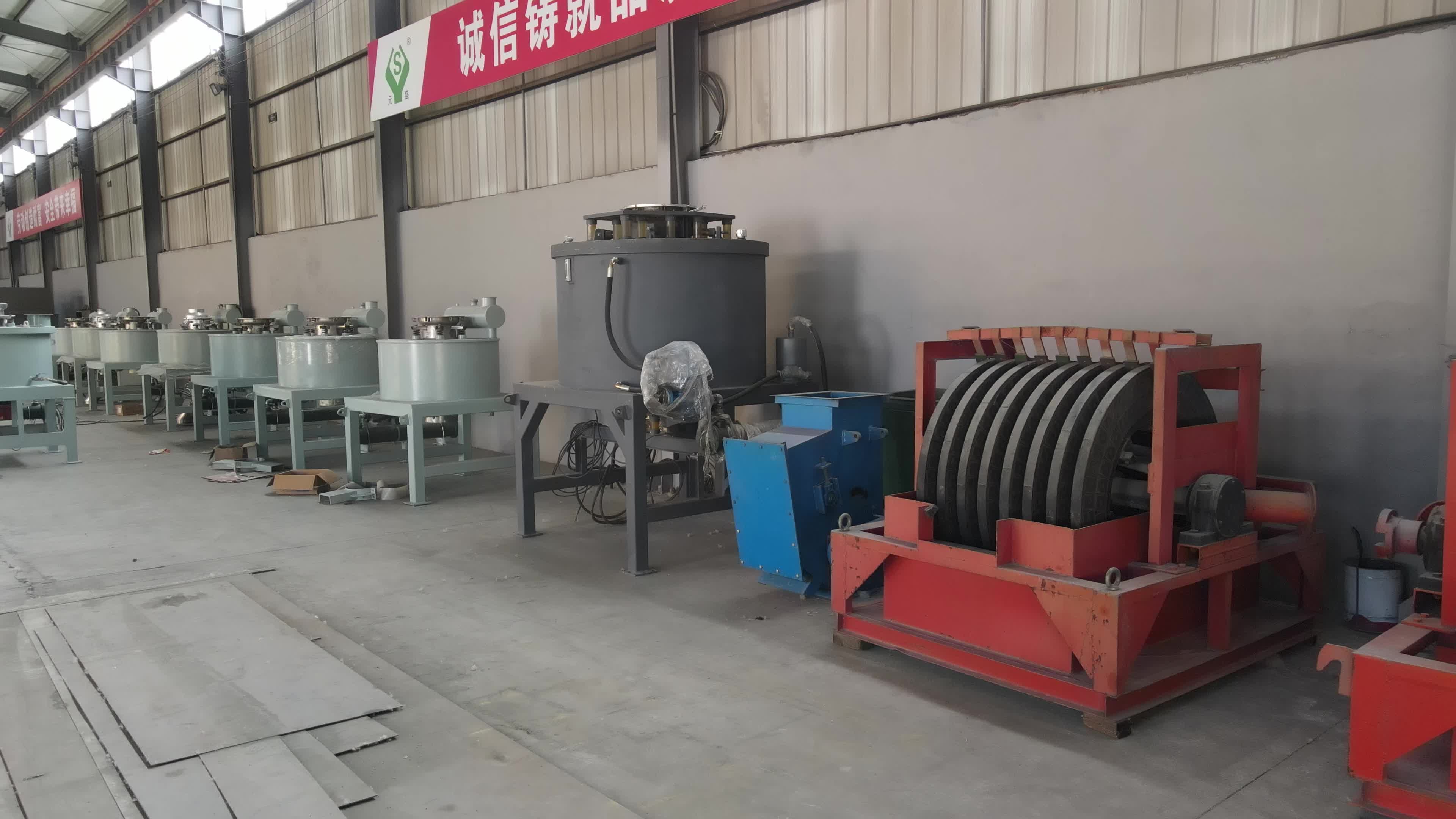
FAQ: pipeline and pneumatic in-line iron removal
- Which documents should I request with a pipeline separator quotation?
- Request the general arrangement drawing and interface drawing (nominal size, bolt circle, face-to-face length, unit weight), the housing material specification, the magnet element arrangement, and current copies of quality management system and product certificates with their issue and expiry dates, since certificate validity must be checked against the date of your order. Ask for the acceptance method in writing as well: either third-party pre-shipment inspection (SGS, BV or equivalent) or customer on-site inspection can be arranged, and 100% inspection before shipment is part of the manufacturing scope.
- Can the housing size, material and finish be customized to an existing line?
- Yes. OEM/ODM production is available, and customization covers magnetic field strength, size, voltage, material, logo and color. In practice this means the connection interface, housing material and surface finish are defined from the buyer's line drawing, which is the only reliable way to match an existing flange pattern and pressure regime. Provide the pipe size, flange standard, material and pressure condition at quotation stage so the drawing pack reflects the real interface.
- How do I choose between manual cleaning and self-cleaning for a continuous line?
- Compare the cost of stopping the line with the complexity of the cleaning mechanism. Manual cleaning — the arrangement used for the RCYA-5 in-line unit — keeps the machine simple and gives the operator direct sight of the captured iron, but it depends on the line stopping and on the cleaning actually being performed. Self-cleaning designs (RCGZ, RCYZ) and the pneumatic DCFJ family discharge captured iron without opening the product path, at the cost of a mechanism, and in the pneumatic case an air supply and control interface. If the line runs longer than one operator round, or a stop costs more than the cleaning hardware, the automated option is the rational one.
- What specification choices drive the cost of an in-line separator?
- Cost follows scope, and the scope items are visible on the drawing: nominal line size and housing material (abrasive and corrosive duty change the material call), cleaning method (a pneumatic or automatic unit adds a mechanism plus air and control connections), the number and arrangement of magnet elements, surface finish requirements, documentation and third-party inspection, and the spares package. Reducing the specification to the lowest price usually removes the access design, the isolation points or the inspection record — the three items that determine long-term cost of ownership.
- How can we verify a unit before committing to a multi-unit installation?
- Two supported routes exist. A visit to the manufacturing facility to inspect operations can be arranged, which allows the housing, magnet element and cleaning arrangement to be examined before shipment. Alternatively, pre-shipment inspection by the customer or by a third party such as SGS or BV can be written into the acceptance criteria. Because customization is handled under OEM/ODM, the specification can also be confirmed against drawings before production starts, which is the cheapest point to correct a connection or an access detail.
- What is the typical production lead time and monthly capacity?
- Typical production lead time is 30–45 days, with a monthly production capacity of 300 units. Standard commercial terms quoted for this equipment are T/T with 30% deposit and 70% balance before shipment, and delivery terms of FOB Qingdao or CIF. Lead time should be confirmed against the final drawing set, because a customized housing with a non-standard flange or an unusual material can move the release date. To get an accurate quotation, send the line data — nominal size, flange standard, material, temperature, pressure regime, cleaning preference and the access space available on site.
Conclusion: decide the four parameters, then the model
Pipeline and pneumatic iron removal rewards sequence. Connection compatibility fixes the housing; cleaning method fixes the mechanism and the maintenance routine; orientation fixes the access envelope; and maintenance access fixes whether any of the first three survive contact with a real shift pattern. The four configurations compared here — RCYZ, RCGZ, RCYA-5 and the pneumatic self-cleaning DCFJ family — are not ranked against each other in this guide, because the right choice depends on how the plant stops, how the iron arrives and how much room exists around the pipe. What can be stated with confidence is the decision rule: match cleaning method to the line's stopping pattern, match the housing to the buyer's drawing, and design the withdrawal path before fabrication rather than after installation.
Next step: send the line data for a configuration review — nominal pipe size, flange standard, housing material, conveying mode, temperature, cleaning preference and the space available for element withdrawal. The team will return a drawing-based proposal rather than a catalog selection.
Email: ys@iron-separator.com | Tel / WhatsApp: +86 155-5366-8212
Have Questions or Need More Details?
Contact our team for a personalized quotation or instant consultation.
Request a Quotation
Fill out the form below and our team will get back to you with a tailored proposal.
WhatsApp Direct Chat
Prefer to chat in real-time? Message us on WhatsApp for instant assistance & quick answers.
- Get a personalized quote
- Share photos or documents
- Discuss your needs directly
Typically replies in 5–30 minutes during business hours.