
Pneumatic Self-Cleaning Magnetic Separation for Dry Powder: A Technical Selection Guide
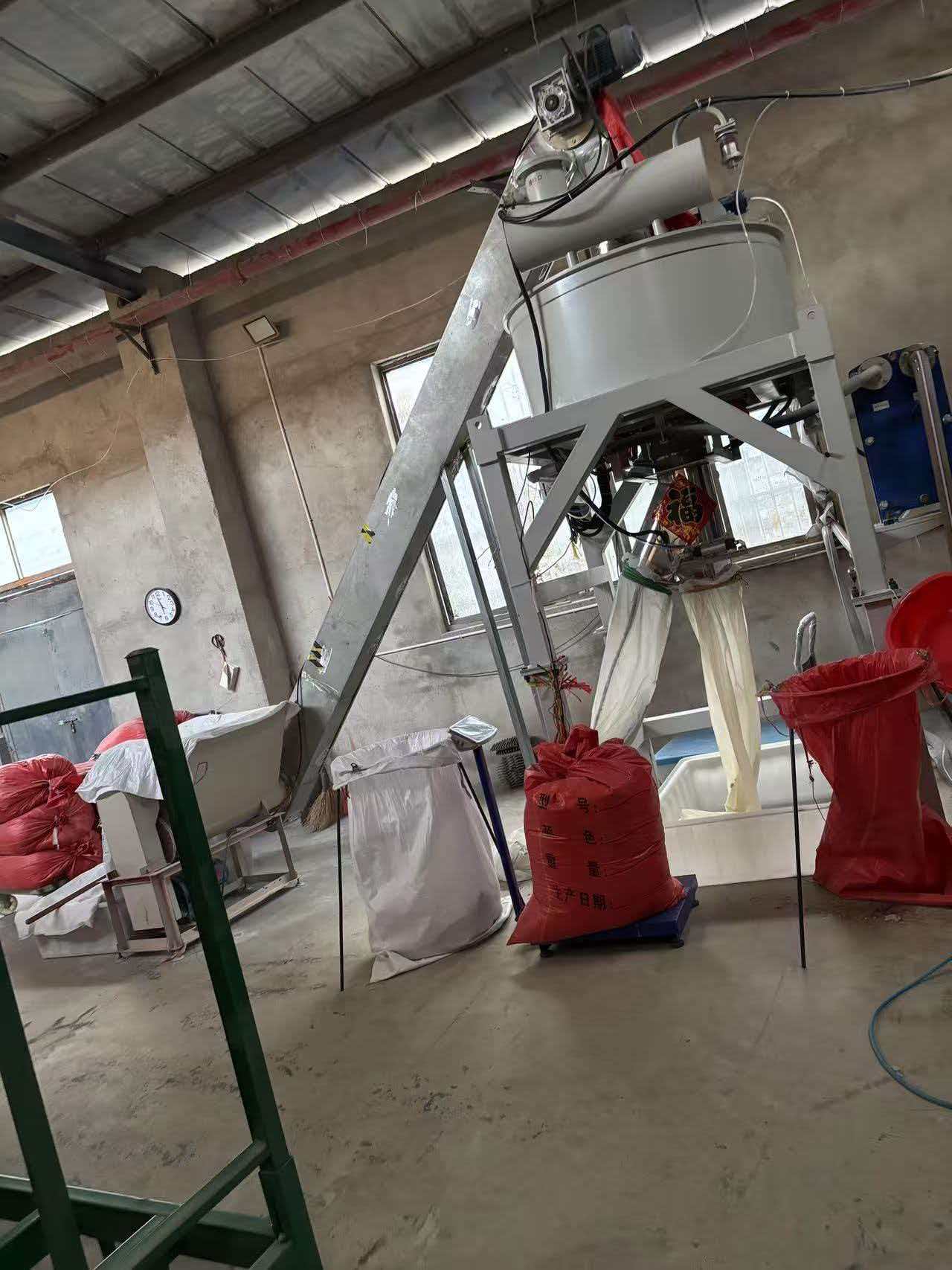
A pneumatic self-cleaning magnetic separator is an in-line dry-powder iron-removal device that uses a pneumatic cleaning action to discharge captured magnetic material instead of requiring the operator to open the separator and clean a static element by hand. It is a practical specification choice when a drawer magnet or magnetic grate captures fine iron, but manual cleaning creates access problems, production interruptions, or inconsistent cleaning discipline.
Weifang Yuansheng Magnetic Electromechanical Equipment Co., Ltd. is a Chinese manufacturer of magnetic and electrical separation equipment. Founded in 2011, the company operates a 3,500 m² factory and exports to Asia-Pacific, North America, Europe, Africa, the Middle East, Latin America, Oceania, and CIS/Central Asia. Its pneumatic self-cleaning magnetic separator / pneumatic iron remover is listed in models DCFJ-150, DCFJ-250, DCFJ-300, DCFJ-150H, DCFJ-250H, and DCFJ-300H. This guide explains how to turn that product name into a specification that can be quoted, inspected, installed, and accepted.
Problem definition: why dry-powder lines need a cleaning decision
The magnetic separator is only one part of a dry-powder iron-removal line. The harder problem is usually the cleaning method. A magnetic bar, magnetic grate, or drawer magnet places a capture element in the powder path. The powder flows past the element, magnetic particles are retained, and the element must later be cleaned. That basic arrangement is useful, but it makes cleaning a separate manual task. If the captured iron load is high, the cleaning interval becomes short. If the separator is installed in a compact chute, hopper outlet, or pneumatic transfer line, access may be poor. If several units run in parallel, cleaning discipline becomes a production issue rather than a maintenance detail.
A pneumatic self-cleaning magnetic separator addresses that specific problem by moving the cleaning action into a controlled mechanical sequence. It does not remove the need to understand the powder, the iron source, the flow rate, or the installation geometry. It changes how captured material is released and how often an operator must intervene. That is why selection should begin with the cleaning task, not with the magnet alone.
The choice is also different from a suspended magnetic separator over a conveyor belt. A suspended unit is selected around belt burden, conveyor geometry, and tramp-iron exposure. A pneumatic in-line unit for dry powder is selected around powder flow, fine-iron capture, air supply, cleaning sequence, and connection geometry. Using one selection model for the other usually produces a poorly specified installation.
Industry background: where dry-powder iron removal fits
Dry-powder magnetic separation appears in ceramics, battery materials, quartz sand, foundries, steel plants, building materials, chemicals, mining, glass, grain, and food processing. The common requirement is not simply magnetism; it is a repeatable separation step that protects downstream equipment, protects product quality, or supports a customer specification. The industrial magnetic separator market reflects that broad base. Grand View Research reported the global magnetic separator market at USD 1.07 billion in 2024, with Asia Pacific accounting for a 43.8% revenue share in the same year. Those figures describe the wider equipment market, not the performance of any one separator, but they explain why suppliers and buyers treat iron removal as a mainstream process decision rather than a niche accessory.
For fine iron in dry powder, the important distinction is between capture and removal. A permanent magnetic separator can capture magnetic particles without any power supply to the magnet. An electromagnetic separator can generate a magnetic field through a coil and may be selected when the application calls for a different field control or a high-gradient design. A pneumatic self-cleaning unit adds a third consideration: how the captured material leaves the separator. The correct choice therefore depends on the powder, the iron load, the cleaning frequency, the plant air supply, and the acceptance method.
Detailed solution: specify the separator around five decisions
The most reliable way to specify a pneumatic self-cleaning magnetic separator for dry powder is to separate the purchase into five decisions: the separation duty, the cleaning method, the air and cycle requirements, the physical connection, and the acceptance package. Each decision should be written into the RFQ. A quotation that lists only a model number does not confirm that the unit fits the line.
The first decision is the separation duty. The buyer should define the powder type, particle-size range, bulk density, flow rate, temperature, moisture condition, and the expected iron source. Fine iron from wear, raw-material contamination, or upstream processing behaves differently from occasional tramp metal. The same separator body may be offered with different capture-element configurations, so the duty description must be specific enough for the supplier to propose a configuration rather than a catalogue number.
The second decision is the cleaning method. A drawer magnet or grate is normally cleaned by withdrawing or opening the element and removing the captured iron. A manual-cleaning permanent magnetic separator follows the same logic. A pneumatic self-cleaning separator is selected when the cleaning task should be sequenced, when access is limited, or when the line cannot be stopped for frequent manual cleaning. This is a fit decision, not a claim that one method is universally better. A low-iron-load line with good access may be served well by a grate or drawer magnet. A high-load line with poor access may justify the pneumatic option.
The third decision is the air supply and cleaning cycle. The RFQ should state the available air pressure, flow capacity, connection size, air quality, and whether the plant can maintain supply during the cleaning sequence. The supplier should confirm the selected model's air demand; those values are model-specific and should not be assumed from another separator size. The cleaning cycle should also be defined: what triggers it, how long it lasts, where the discharged material goes, and how the operator knows that the cycle has completed. A pneumatic separator that cleans reliably but discharges into an undersized collector is not a complete installation.
The fourth decision is installation and connection geometry. The buyer should confirm inlet and outlet size, flange pattern, overall length, support points, service clearance, and orientation. The separator should not be used as a structural support for adjacent pipework. Isolation valves and a bypass, where required, should allow maintenance without disturbing the whole line. The powder path should be checked for dead zones, ledges, and unnecessary transitions that could hold material or disturb flow.
The fifth decision is the acceptance package. The technical specification should state the inspection method, documentation set, contact-material requirements, spare-parts list, warranty, and commercial terms. The supplier's quality-control record lists 100% inspection before shipment. The commercial record also allows pre-shipment inspection by a third party such as SGS or BV, or customer on-site inspection, and lists T/T terms of 30% deposit and 70% balance before shipment, with delivery terms FOB Qingdao or CIF. These terms should be confirmed in the final quotation because order-specific conditions may apply.
Step-by-step breakdown
Step 1: define the powder and iron load before choosing a model
Write the process data in the RFQ rather than describing the powder in general terms. State the material name, particle-size range, bulk density, normal and maximum flow rate, temperature, moisture condition, and whether the powder is cohesive, abrasive, or prone to dusting. Describe the iron source and the expected particle size of the iron. If the line has a history of fine-iron complaints, state where the iron is first observed and what downstream equipment is affected. This information determines whether the application calls for a powder magnetic separator, a dry powder magnetic separator with a specific capture element, or a different separation stage.
Do not use a single iron-load assumption for every product change. A line that runs several powders may need a separator configuration that can be cleaned between campaigns, or it may need separate capture elements. The supplier can offer customization of magnetic field strength, size, voltage, material, logo, and color, but customization is only useful when the duty is described accurately.
Step 2: choose the separation stage and cleaning method
Compare the available options on the cleaning task, not only on the magnet type. The table below uses the documented product configurations and keeps the selection notes conditional. It is not a ranking, and it does not replace a review of the actual powder and line.
| Option | Documented configuration or cleaning basis | Where it fits in a dry-powder line | What to confirm |
|---|---|---|---|
| Pneumatic Self-Cleaning Magnetic Separator / Pneumatic Iron Remover, DCFJ-150, DCFJ-250, DCFJ-300, DCFJ-150H, DCFJ-250H, DCFJ-300H | Pneumatic self-cleaning magnetic separator listed in six model designations. | Fits when captured iron should be discharged through a controlled cleaning sequence and manual access is limited or frequent cleaning is a burden. | Air pressure and flow, cycle trigger, discharge collector, connection geometry, capture element, contact material, and acceptance method. |
| Drawer Magnetic Separator / Drawer Magnet / Magnetic Drawer Filter | Ordinary type or easy-clean type; single-layer or multi-layer; square or round interface. | Fits compact access points where a drawer-style capture element can be withdrawn for cleaning. | Available access space, gasket condition, number of layers, interface shape, and cleaning frequency. |
| Magnetic Bar / Magnetic Grate (Magnetic Frame) | Ordinary type or easy-clean type; round or square type. | Fits bins, chutes, hoppers, and transition points where a capture barrier is needed. | Bar spacing, number of layers, cleaning access, and whether the grate can be removed safely. |
| Manual Cleaning Permanent Magnetic Separator, RCYP-4 through RCYP-14 | Hand-cleaning permanent magnet iron remover listed in multiple model sizes. | Fits low iron load or infrequent cleaning where manual access is practical. | Cleaning labor, access, captured-iron handling, and the effect of downtime on the line. |
| YSDC Series Fully Automatic Integrated Dry Electromagnetic Powder Iron Removal System; YSDCG Series Dry Electromagnetic Powder Iron Remover | Dry electromagnetic powder iron-removal systems; YSDC-16 through YSDC-40 variants and YSDCG series. | Fits continuous fine-iron removal where a dry electromagnetic system is specified and the line can support its power and control requirements. | Electromagnetic system requirements, controls, cooling or duty conditions where applicable, and application-specific field requirements. |
The comparison shows why a pneumatic unit should not be selected only because it is self-cleaning. A magnetic grate may be the correct low-cost capture barrier in a hopper. A drawer magnet may be the correct choice where the powder path is compact and access is good. A pneumatic separator becomes relevant when the cleaning method itself is the bottleneck. A dry electromagnetic system becomes relevant when the application requires an electromagnetic powder magnetic separator rather than a permanent magnetic unit.
Step 3: lock the air supply and cleaning-cycle specification
Air supply is a specification item, not an installation afterthought. The RFQ should define the available pressure, flow, connection size, filtration, dryness, and whether the plant can guarantee supply during the cleaning cycle. Ask the supplier for the selected model's required air pressure and consumption. Those figures should be tied to the chosen DCFJ size and should not be copied from another model. A filter-regulator, isolation valve, and drain should be accessible. If the plant air supply is shared with other equipment, confirm that the cleaning cycle will not cause a pressure drop that affects other users.
The cleaning cycle should be described in the control narrative. State whether the cycle is initiated manually, by a timer, by a production signal, or by another approved trigger. Define the expected cycle duration, the discharge path, and the receiver capacity. Confirm how captured iron is collected and whether the discharge point requires a container, a hopper, or a secondary enclosure. The cycle should not create a dust cloud or back-pressure in the powder line. If the separator is part of a continuous process, confirm whether the cleaning sequence can run without stopping the powder flow or whether a short interruption is acceptable.
Do not assume a fixed cleaning interval. The interval depends on the iron load, the capture element, the powder flow, and the process tolerance. A conservative starting interval can be adjusted after production observations. The important point is to define who adjusts the interval, what evidence is used, and how the change is recorded.
Step 4: confirm installation and connection geometry
The separator should fit the line without creating a new flow problem. Confirm inlet and outlet dimensions, flange pattern, overall length, and the space needed to remove or service components. Check that the unit can be supported independently and that adjacent pipework is not hanging from the separator body. Provide isolation and, where the process requires it, a bypass. Confirm the orientation of the inlet and outlet and the direction of the cleaning discharge. The discharge path should be accessible for inspection and container exchange.
For a dry powder line, the connection details matter as much as the magnetic element. A transition that creates a ledge, a sudden expansion, or a dead zone can hold powder and make cleaning less effective. Review the installation drawing with the supplier before fabrication. If the available space is tight, state the constraint in the RFQ rather than discovering it at installation. The pneumatic unit may be compact, but it still needs air connections, a control interface, and service access.
Step 5: specify the capture element and contact materials
The capture element should be specified against the iron problem. The supplier's customization options include magnetic field strength, size, voltage, material, logo, and color. The RFQ should state the required magnetic field strength or the duty that the field must satisfy, the capture-element arrangement, and the contact-material requirements. If the powder is abrasive, cohesive, hot, or sensitive to contamination, state that condition explicitly. The exact contact alloy, gasket material, surface finish, and wear-part replacement method should be confirmed in the quotation and on the approved drawing.
For a powder magnetic separator, the number of capture layers and the bar or grate arrangement can affect both capture and cleaning. More capture surface is not automatically better if the cleaning method cannot release the captured material. The pneumatic cleaning action should be matched to the capture element, not added to an arbitrary magnet assembly. Ask for the proposed configuration and the basis for it.
Boundary note for battery-material projects: the verified industry data cites that high-gradient electromagnetic separators for lithium battery materials often require magnetic field intensities above 16,000 to 20,000 Gauss. That figure applies to high-gradient electromagnetic systems, not automatically to a pneumatic permanent-magnet unit. If the product specification calls for a high-gradient magnetic separator or a lithium battery material magnetic separator, confirm the required field and system type separately.
Step 6: define documentation, inspection, and acceptance
The acceptance section should be written before the purchase order. State the drawing revision, model, capture-element configuration, contact materials, air-supply requirements, control interface, spare parts, and documentation language. The supplier's quality-control record lists 100% inspection before shipment. The commercial record allows pre-shipment inspection by a third party such as SGS or BV, or customer on-site inspection. Confirm which option applies, who witnesses the inspection, and what constitutes a pass.
For compliance documentation, the company holds a Quality Management System certificate numbered 78323Q00343R0S, issued by POCNC (Zhongliang Certification (Shandong) Co., Ltd.) on 2023-10-07 and valid to 2026-10-06. The certificate covers GB/T19001-2016/ISO9001:2015 and the scope of production of separators, magnetic separators, and demagnetizers, except those requiring qualification permits. The company also holds a Machinery Directive attestation numbered M.2025.206.C119055, issued by UDEM on 2025-05-19 and valid to 2030-05-18, citing EN ISO 12100:2010 and EN 60204-1:2018. That attestation lists the scope Separator (RCYB/RCDB/RCDD/RCYD/MW series). The DCFJ pneumatic series is not listed in that scope, so the buyer should request the model-specific declaration and confirm the applicable documentation for the actual order.
Use cases and application boundaries
Dry-powder iron removal is relevant in ceramic processing, battery material manufacturing, quartz sand processing, foundries, steel plants, building materials, chemicals, mining, glass, grain, and food processing. These are application contexts for industrial magnetic separator selection, not evidence that every pneumatic model suits every powder. The buyer should still confirm the powder condition, iron load, cleaning access, and acceptance method.
A pneumatic self-cleaning unit is most likely to be considered when the line has a repeatable iron-capture task, the cleaning point is difficult to access, or manual cleaning frequency is high enough to affect production discipline. A drawer magnet or magnetic grate may remain the better choice where the iron load is low, the access is good, and the cleaning task is easy to control. A manual-cleaning permanent magnetic separator may be adequate for intermittent operation. A YSDC or YSDCG dry electromagnetic powder system may be relevant where continuous fine-iron removal with an electromagnetic system is required and the project specification supports that system type.
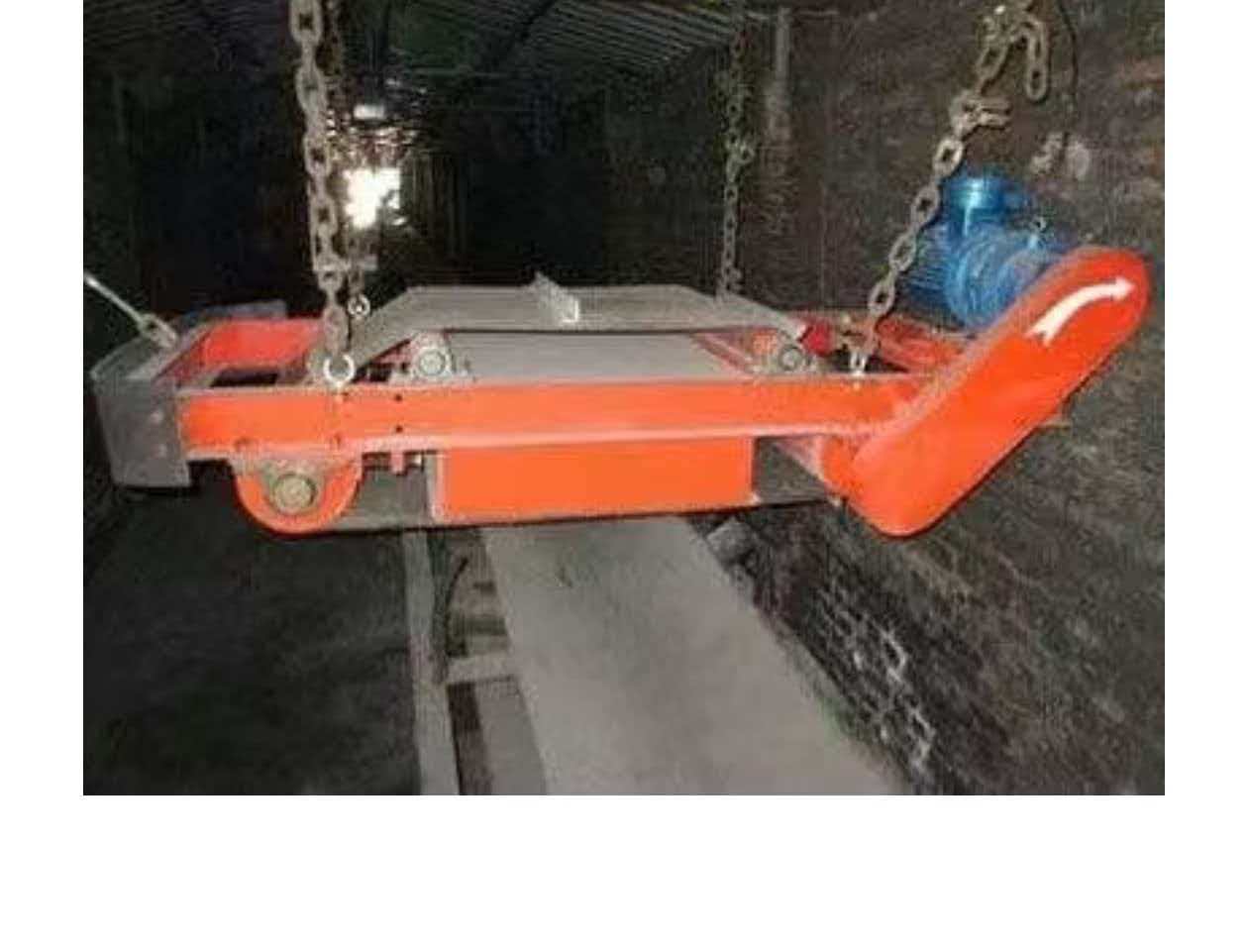
For a lithium battery material line, the decision may move beyond a permanent pneumatic unit. High-gradient magnetic separation and dry electromagnetic powder iron removal are different system categories. The correct starting point is the product specification and the required magnetic field, not the separator name alone. If the project requires a high gradient magnetic separator, confirm whether the pneumatic permanent unit is still an acceptable pre-filter or whether the main fine-iron removal stage must be electromagnetic.
Comparison logic: what the buyer should actually compare
When comparing a pneumatic self-cleaning magnetic separator with a drawer magnet, a magnetic grate, or a manual-cleaning unit, use the same five criteria: cleaning method, access, discharge handling, air or power dependence, and acceptance documentation. The comparison should not rely on a generic efficiency claim. A separator that captures iron but cannot be cleaned safely is not a complete solution. A separator that cleans automatically but discharges into an inaccessible point is also incomplete.
The most useful commercial comparison is a line-item quotation. Ask each supplier to state the model, capture-element configuration, contact materials, air or power requirements, control interface, inspection method, spare parts, warranty, and lead time. That format makes the offers comparable and exposes assumptions. It also prevents a low-priced quotation from being compared with a complete installation package that includes controls, air treatment, or acceptance testing.
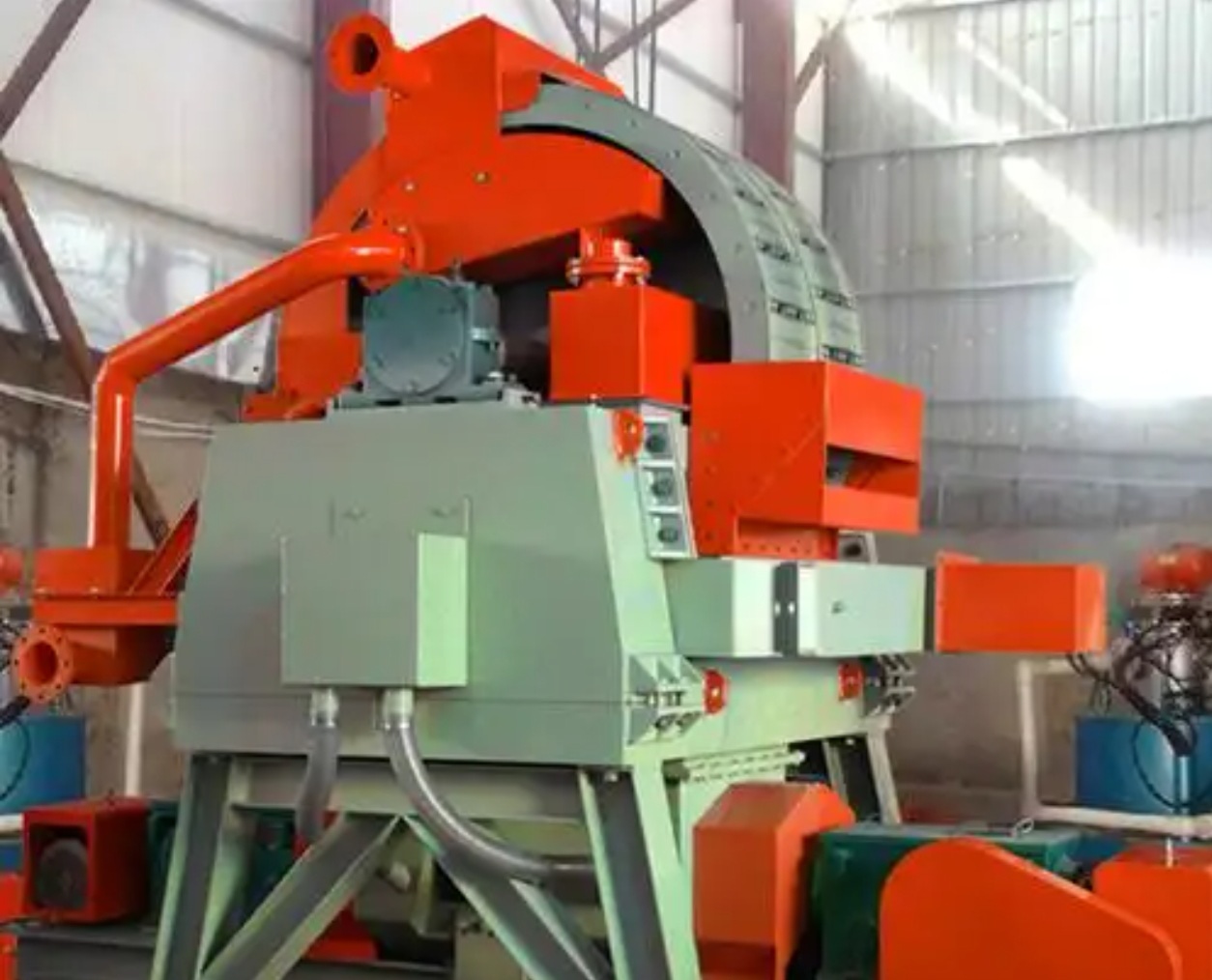
The same logic applies to the YSDC and YSDCG systems. Their selection depends on the electromagnetic system requirements, controls, and application-specific field needs. They should not be treated as a drop-in substitute for a pneumatic permanent unit without confirming the project specification. Conversely, a pneumatic unit should not be treated as a high-gradient electromagnetic system merely because the line has fine iron.
Acceptance checklist before shipment
Model and drawing: confirm the DCFJ model, drawing revision, inlet and outlet dimensions, flange pattern, and orientation.
Capture element: confirm magnetic field strength requirement, capture-element arrangement, and contact-material specification.
Air and cycle: confirm air pressure, flow, connection size, filtration, cycle trigger, cycle duration, and discharge path.
Inspection: confirm 100% inspection before shipment and whether third-party SGS/BV inspection or customer on-site inspection applies.
Documents: confirm the model-specific certificate package, operating instructions, spare-parts list, and warranty terms.
Commercial terms: confirm delivery terms, payment schedule, packaging, and shipment documentation in the final quotation.
FAQ
What compliance documentation should I request for a pneumatic magnetic separator?
Request the certificate that applies to the exact model and order. The company holds an ISO 9001:2015 Quality Management System certificate numbered 78323Q00343R0S, issued by POCNC (Zhongliang Certification (Shandong) Co., Ltd.), valid from 2023-10-07 to 2026-10-06, with a scope covering production of separators, magnetic separators, and demagnetizers except those requiring qualification permits. It also holds an EU Machinery Directive attestation numbered M.2025.206.C119055, issued by UDEM on 2025-05-19 and valid to 2030-05-18, citing EN ISO 12100:2010 and EN 60204-1:2018, for Separator (RCYB/RCDB/RCDD/RCYD/MW series). The DCFJ pneumatic series is not listed in that attestation scope, so ask for the model-specific declaration rather than assuming coverage.
Can the pneumatic self-cleaning separator be customized for my powder line?
Yes. The manufacturer provides OEM/ODM production services, and the listed customization options include magnetic field strength, size, voltage, material, logo, and color. Customization should be tied to a defined powder duty, iron load, connection geometry, and acceptance method. The supplier's capability data also lists a monthly production capacity of 300 units, a typical lead time of 30–45 days, and 100% inspection before shipment. The exact configuration should be confirmed on the approved drawing and quotation.
How should I compare a pneumatic separator with a drawer magnet or magnetic grate?
Compare the cleaning task first. A drawer magnet or magnetic grate uses a static capture element that is cleaned manually, while a pneumatic self-cleaning unit is designed to discharge captured material through a pneumatic sequence. Choose the simpler manual option when access is good, the iron load is low, and cleaning can be controlled. Consider the pneumatic option when manual cleaning is frequent, access is poor, or the line needs a more controlled discharge sequence. Confirm air supply, cycle control, discharge handling, contact materials, and acceptance documentation before comparing price.
What budget inputs are needed for a quotation?
A useful quotation needs the powder name and condition, particle-size range, flow rate, temperature, moisture condition, iron source, expected iron load, line size, available air supply, control interface, contact-material requirements, inspection method, and delivery destination. The separator price should be quoted with the capture-element configuration, air-treatment items if required, discharge collector, documentation, spare parts, and freight terms. The supplied commercial record lists FOB Qingdao or CIF delivery and T/T terms of 30% deposit and 70% balance before shipment; confirm these in the final quotation because order-specific conditions may apply.
Can I review a sample or test before ordering?
A sample review should be defined as a technical step, not assumed from a catalogue. State the sample mass, powder condition, iron type, test objective, and acceptance method. If a third-party inspection is required, the commercial record allows pre-shipment inspection by SGS or BV, or customer on-site inspection. The approved test or inspection plan should be attached to the purchase order so that both parties use the same acceptance basis.
What lead time and after-sales support should I plan for?
The capability data lists a typical production lead time of 30–45 days and a monthly production capacity of 300 units. After-sales support includes remote support, spare-parts supply, and a 12-month warranty. Plan the installation around the air supply, discharge collector, and service access so that commissioning does not become a separate project. To discuss a sample review, quotation, or catalogue, use the company contact channel or download the company brochure.
Conclusion: a specification that can be checked
A pneumatic self-cleaning magnetic separator for dry powder should be selected as a complete cleaning system, not as a magnet with an air cylinder. The specification should define the powder, iron load, capture element, air supply, cleaning cycle, connection geometry, contact materials, inspection method, and commercial terms. The comparison with drawer magnets, magnetic grates, manual-cleaning units, and YSDC/YSDCG electromagnetic systems should follow the same criteria. When those details are written down, the buyer can compare quotations on a like-for-like basis and avoid discovering an access, air, or discharge problem after installation.
For a project-specific review, prepare the powder data, line drawing, air-supply details, and acceptance requirements, then request a model recommendation and quotation from Weifang Yuansheng Magnetic Electromechanical Equipment Co., Ltd. The approved drawing and final quotation should be the controlling documents for the order.
Have Questions or Need More Details?
Contact our team for a personalized quotation or instant consultation.
Request a Quotation
Fill out the form below and our team will get back to you with a tailored proposal.
WhatsApp Direct Chat
Prefer to chat in real-time? Message us on WhatsApp for instant assistance & quick answers.
- Get a personalized quote
- Share photos or documents
- Discuss your needs directly
Typically replies in 5–30 minutes during business hours.