
Where Iron Hides in Energy, Metallurgy, and Mineral Processing: A Magnetic Separation Explainer
Industrial Magnetic Separator · Iron Ingress Mapping
Iron rarely enters a plant at a single point. It arrives with the raw material, it is generated by the machines that handle that material, and it is carried forward by the same stream that is supposed to deliver a clean product. What separates a coal yard, a steel works, and a mineral concentrator is not the physics of magnetic separation but the geography of the entry points — and the physical state of the material at each one.
This explainer maps those entry points, then maps the separation paths that answer them: dry powder, wet slurry, pipeline, suspended, and pulley. The equipment families referenced here — YSDC and YSDCG dry electromagnetic powder systems, YSDCS wet slurry separators, RCYZ and RCYA-5 pipeline units, RCYB suspended magnets, CFLT electromagnetic pulleys, and magnetic grates and drawers — belong to the product range of Weifang Yuansheng Magnetic Electromechanical Equipment Co., Ltd., a magnetic and electrical equipment manufacturer based in Linqu County, Weifang City, Shandong Province, China, established in 2011. The point of the article is placement logic, not promotion: an iron-control programme is only as good as the accuracy of the map behind it.
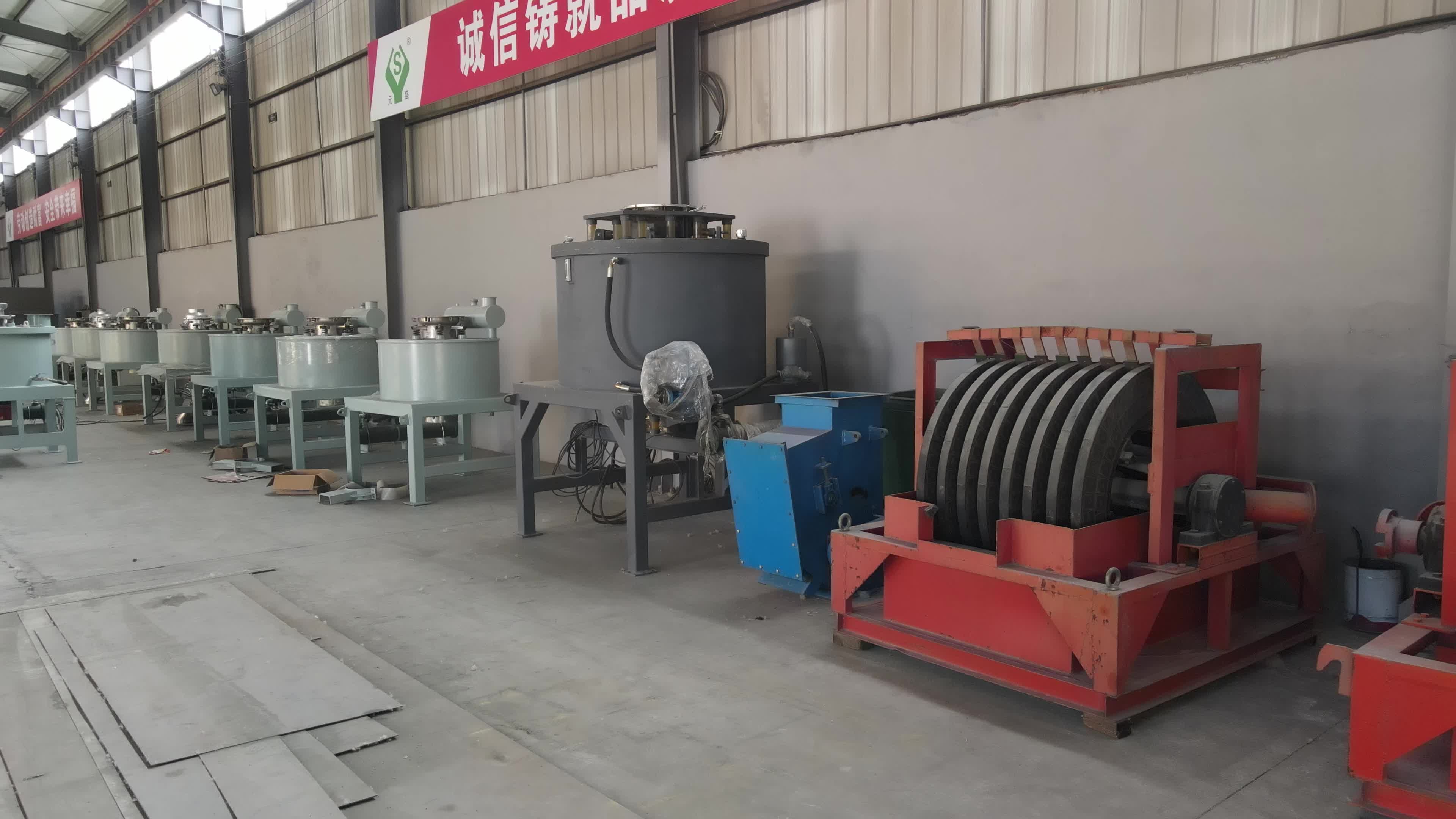
Short answer. Iron enters energy, metallurgy, and mineral flows through four families of points: raw-material intake, bulk handling and transfer, process-generated wear, and maintenance re-entry. Each point presents the material in one of three physical states — dry powder, wet slurry, or bulk solid on a belt — and each state has a matching separation path. Magnetic grates and drawers and YSDC/YSDCG dry electromagnetic powder systems serve enclosed dry powder. YSDCS wet slurry and high-gradient units serve slurry and process liquor. RCYZ and RCYA-5 pipeline units serve sealed lines. RCYB suspended magnets and over-belt cross-belt units serve moving burdens. CFLT electromagnetic pulleys serve belt discharge points. The correct sequence is coarse capture first, fine capture downstream of the size-reduction step.
Problem Definition: Iron Control Fails at the Map, Not at the Magnet
When a plant reports that its magnetic separation is not delivering, the device is usually operating as designed. The failure sits upstream of the hardware, in a decision made on a process-and-instrumentation diagram before any equipment was ordered. Three questions decide whether a magnet will earn its place: where iron enters, what state the material is in at that exact location, and what the next piece of equipment does with a ferrous piece it cannot pass.
Entry points fall into four families. Raw-material intake covers run-of-mine ore, purchased coal, scrap, purchased mineral powders, and battery-grade intermediates. Bulk handling and transfer covers belt conveyors, transfer chutes, silos, bins, screw and pneumatic conveying, and slurry pumping. Process-generated iron covers wear from crusher liners, grinding media, screen decks, pump impellers, and weld slag or mill scale from fabrication. Maintenance re-entry covers tools, bolts, wire, and structural fragments left inside a system after a shutdown. The fourth family is the one most often left off the map, and it is the reason a plant can pass inspection at intake and still find metal at the bagging line.
Two size classes behave differently. Coarse tramp iron is a mechanical threat: it damages crushers, screens, pumps, and extruders, and it can injure operators. Fine iron is a quality and chemistry problem: it changes assay, colour, dielectric behaviour, or battery-material purity without ever jamming a machine. A coarse-capture device placed over a crusher feed does nothing about the fine fraction generated by grinding media twenty metres downstream. A fine-capture device placed before the crusher is asked to do a job its position cannot support. Both mistakes look identical in a spare-parts report and completely different in a process audit.
The usual failure pattern is single-point protection. One suspended magnet at the intake, one grate under a silo, and no coverage of the process-generated fraction. This is adequate for plants that buy clean, pre-screened feed and operate a short flow. It is inadequate for any plant that crushes, grinds, or mills its own material on site, because that is where new iron is created.
Industry Background: Three Industries, One Contamination Logic
The commercial case for magnetic separation is not concentrated in one sector. The global magnetic separator market was estimated at USD 1,067.6 million in 2024 and is projected to reach USD 1,642.5 million by 2033, according to Grand View Research. Asia Pacific held the largest regional revenue share in 2024 at 43.8%, a figure that tracks the concentration of mineral processing, steel, and battery-material manufacturing in that region.
Energy covers coal handling and preparation, biomass and solid-fuel streams, and the fast-growing battery-material chain. Coal yards generate tramp iron from mining and transport, and conveyor transfer points are the natural capture location. Battery-material production introduces a different requirement entirely: industry analysis cited for lithium battery material purification indicates that high-gradient electromagnetic separation often needs magnetic field intensities in the 16,000 to 20,000 Gauss range, well beyond what a simple grate or a standard permanent over-belt magnet is designed to deliver. That is a fine-iron, high-gradient problem, not a tramp-iron problem.
Metallurgy adds scrap handling, coke and refractory powder lines, slag processing, and continuous casting and rolling streams. Scrap is the highest-variability ferrous feed any plant will handle: the iron is not contamination, it is the feedstock, so separation here is about protecting downstream equipment and controlling scrap quality rather than removing a trace impurity. Refractory and alloying powders behave like chemical powders and need enclosed dry-powder separation, not over-belt magnets.
Mineral processing is where fine iron is manufactured on site. Crushing, grinding, and classification continuously generate ferrous wear particles, and those particles follow the slurry into flotation, magnetic concentration, thickening, and tailings. Grinding circuits are therefore a fine-iron source and a fine-iron capture opportunity at the same time.
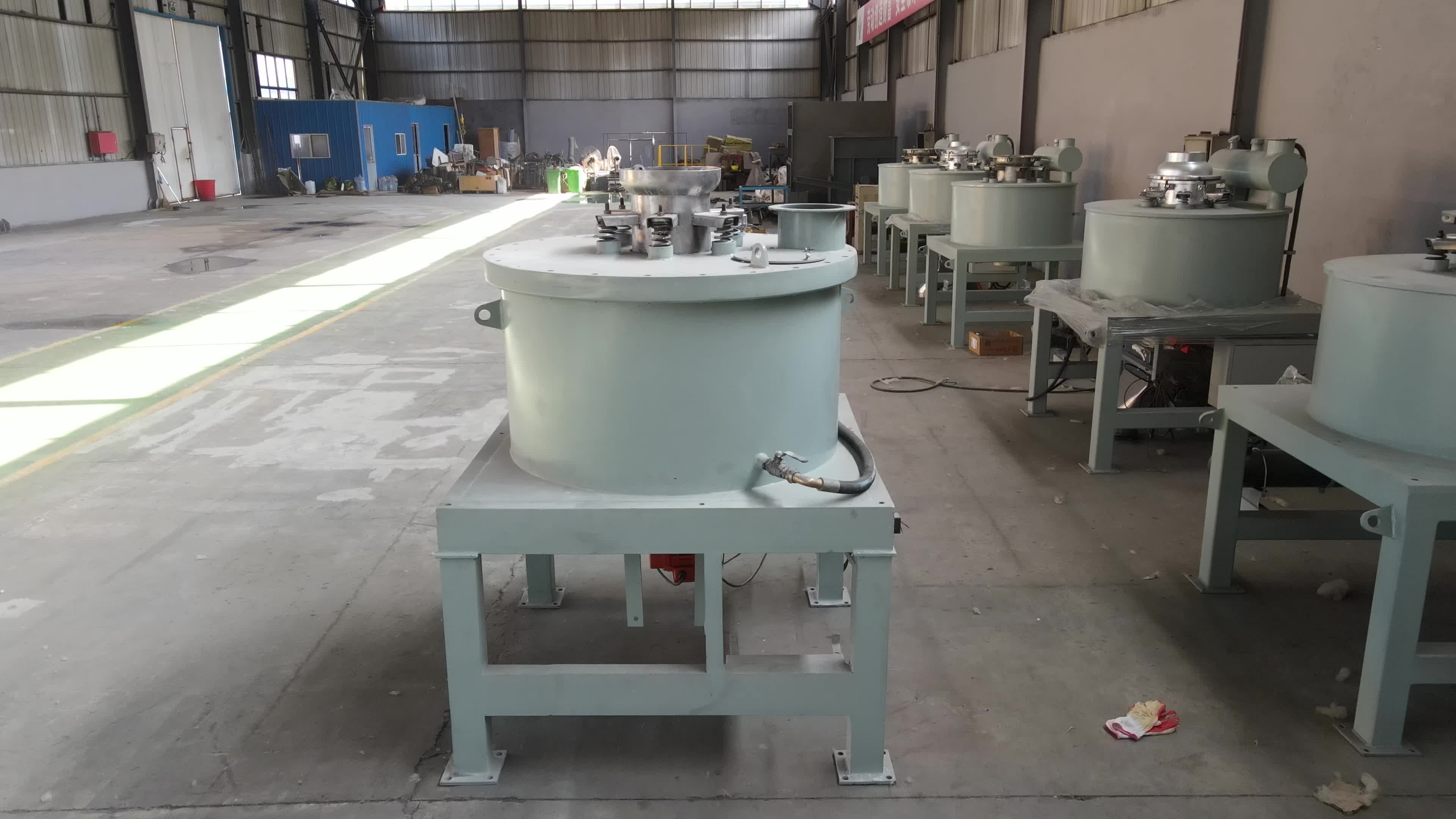
The supplier landscape reflects this breadth. Weifang Yuansheng Magnetic Electromechanical Equipment Co., Ltd. is a manufacturer of magnetic and electrical equipment founded in 2011, operating a 3,500 m² facility in Linqu County, Weifang City, Shandong Province, China, with 45 employees, an in-house R&D team of 8 engineers, and an export share of 65% across Asia-Pacific, North America, Europe, Africa, the Middle East, Latin America, Oceania, and CIS/Central Asia. Its catalogue spans permanent magnetic separators, electromagnetic separators, cross-belt magnetic separators, powder magnetic separators, slurry magnetic separators, high gradient magnetic separators, lithium battery material magnetic separators, dry powder magnetic separators, liquid magnetic separators, and suspended magnetic separators. In a 2026 review of ten Chinese permanent magnetic separator companies published by Apollo Research Reports and distributed via EIN Presswire, the company was listed first — a third-party ranking rather than a self-assessment, and useful only as a starting point for supplier qualification.
The Five Separation Paths and Where Each One Belongs
A separation path is defined by three variables working together: the physical state of the material, the position of the device relative to the flow, and the size class of iron it is expected to catch. When those three are aligned, the specific model is a secondary decision. When they are not, no model will compensate.
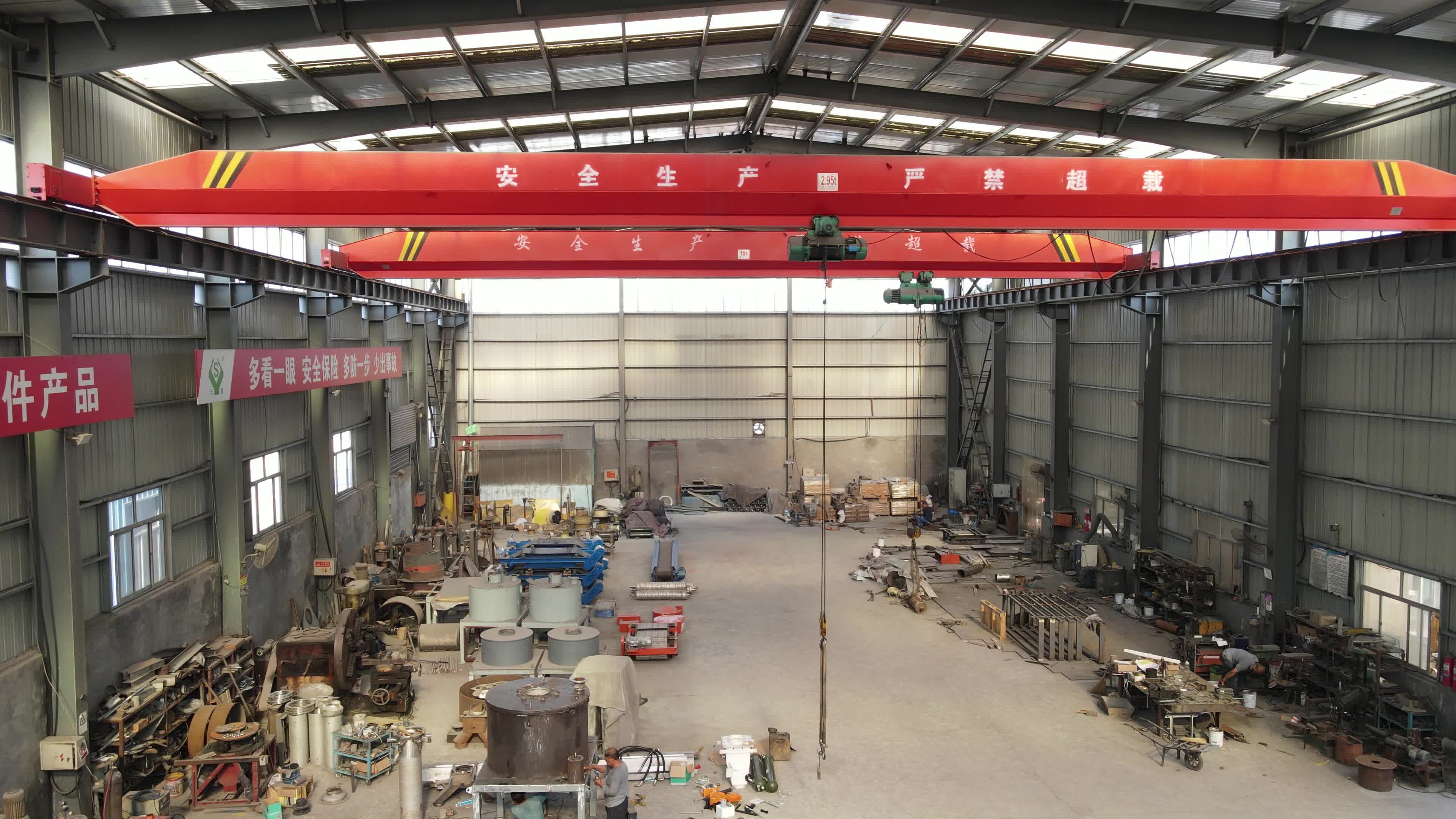
1. Dry powder: grates, drawers, and YSDC / YSDCG electromagnetic powder systems
Dry powder entry points sit wherever a free-flowing solid is charged, dropped, sifted, mixed, or bagged — silo outlets, gravity chutes, spouts, sifting decks, and pneumatic conveying lines. Magnetic grates and drawer magnets work in this space because they put a magnet face directly in the falling path inside a hopper or duct, and the drawer version allows the magnet array to be pulled out for cleaning without dismantling the line.
The limitation is mechanical: a grate only removes what physically touches it, and it depends on gravity to bring material past the face. Where the powder moves through a closed stream continuously and the capture point cannot rely on a free-fall curtain, a dry electromagnetic powder system does the same job in-line. YSDC and YSDCG dry electromagnetic powder systems belong to this family — units mounted into a powder handling system so that the powder passes through the magnetic field rather than across an open face. For high-value, fine, and chemically sensitive powders, including battery materials and specialty chemicals, the choice between a passive grate and an electromagnetic powder unit is usually decided by whether the entry point is a gravity opening or a sealed flow.
2. Wet slurry: YSDCS, liquid, and high-gradient separation
Slurry entry points appear in grinding and classification circuits, slurry pipelines, ceramic glaze lines, process liquor, and tailings handling. Wet separation differs from dry separation because the carrier is continuous, the flow rate is set by the circuit, and the iron is often fine and partly oxidised — weakly magnetic rather than strongly attracted.
YSDCS wet slurry separators and liquid magnetic separators address this state directly, and high gradient magnetic separators extend the approach to particles that a conventional field would not hold. Field intensity becomes a specification item here rather than a marketing line: the 16,000 to 20,000 Gauss range cited for lithium battery material purification is a reminder that wet, fine, weakly magnetic streams need an engineered field, not a general-purpose one.
3. Pipeline: RCYZ and RCYA-5 in-line units
Some streams never see open air. Pneumatic conveying lines, sealed liquid lines, and enclosed transfer ducts are chosen precisely to keep material contained, which means the separation device has to work inside the pipe. RCYZ and RCYA-5 pipeline magnetic separators are in-line units for this position: the material passes through the device as part of the line, and the magnet assembly is arranged for periodic inspection and cleaning without breaking the circuit permanently.
Pipeline placement is the right answer when dust control, product purity, or a sealed process is a hard requirement, and the wrong answer when the line cannot be opened for routine cleaning or when the flow conditions exceed what the housing is built for. Line pressure, abrasion, and clean-out access are engineering checks that belong in the specification, not in the purchase order footnote.
4. Suspended: RCYB permanent and RCDB / RCDD / RCDE electromagnetic over-belt units
The suspended path sits above a moving burden. A magnet is mounted over a conveyor belt at a transfer point, a crusher feed, or a shredder discharge, and it lifts coarse ferrous pieces out of the bed as the material passes underneath. This is the classic tramp-iron position: it protects everything downstream of the belt, and it catches the pieces that are large enough to destroy a crusher or pierce a belt.
The RCYB series is a permanent suspended magnet built on NdFeB rare earth magnets, generating a constant field without a power supply. The RCDB, RCDD, and RCDE series are electromagnetic suspended separators that rely on coils and require continuous power. Where the belt runs continuously and manual removal is not practical, a cross-belt magnetic separator adds a self-cleaning belt that carries captured iron off the magnet face, which matters in plants where stopping the line to clean a magnet is not an option.
5. Pulley: CFLT electromagnetic pulleys at belt discharge
The pulley path relocates separation to the head of the conveyor. Material passes over a magnetic head pulley, ferrous pieces are held to the belt through the discharge arc, and they release on the underside, separate from the main product stream. CFLT electromagnetic pulleys work in this position and deliver continuous, automatic removal without an operator, which is why they suit high-tonnage lines where the product leaves one belt and enters a bunker, a stockpile, or the next stage.
Suspended and pulley separation are complementary rather than competing: the suspended unit works along the carrying run and catches coarse tramp early, while the pulley works at the discharge and cleans the tail end of the same belt. Plants that install only one of the two usually find ferrous material at the other position within a few months.
6. The risk envelope that applies to every path
Position and stream state decide the path; the operating environment decides whether the chosen unit survives. Four risk categories recur across energy, metallurgy, and mineral processing: high temperature and overheating, dust, corrosion, and explosion hazard. The corresponding control methods are temperature monitoring and thermal protection, sealing, material selection, and explosion-proof design.
In practice that means heat-resistant magnets where the stream or the surrounding equipment runs hot; temperature sensors with automatic shut-off so a coil or a magnet assembly is not cooked during a process upset; IP65 or IP67 rated enclosures in dusty or washdown areas; stainless steel 304 or 316L where corrosive slurry or aggressive powder is present; and ATEX or Ex certified construction in hazardous areas. These are not optional refinements — they are the difference between a separator that lasts the life of the plant and one that becomes a maintenance item.
Mapping rule. Never select a path from a product list. Select it from the stream: state first, position second, iron size class third, risk envelope fourth. The model number follows.
Step-by-Step: Mapping a Plant in Seven Moves
The exercise below can be run on an existing process diagram in a single working session, and it is the same exercise whether the plant handles coal, concentrate, or cathode powder.
- Draw the solids flow, not the equipment list. Trace every stream from intake to dispatch, including recycle loops, dust collection returns, and reworked material. Iron follows the stream; if the stream is not drawn, the iron is not located.
- Mark every transfer point. Each belt-to-belt transfer, chute drop, silo outlet, pneumatic injection point, and pump discharge is a candidate location. Open transfers favour suspended or gravity-fed capture; sealed transfers favour pipeline or in-line units.
- Classify iron by origin and size. Separate intake contamination from process-generated wear and from maintenance debris. Note which size class each point can realistically produce — a jaw crusher feed produces coarse tramp; a grinding circuit produces fine ferrous wear.
- Match the stream state to a path. Dry powder goes to grates, drawers, or YSDC/YSDCG dry electromagnetic powder units. Slurry and liquor go to YSDCS, liquid, or high-gradient units. Sealed lines go to RCYZ or RCYA-5. Open burdens go to RCYB suspended magnets or cross-belt units. Belt discharges go to CFLT pulleys.
- Fix the risk envelope for each position. Temperature, dust, corrosion, and hazardous-area classification determine enclosure rating, magnet construction, and whether thermal protection or explosion-proof design is required.
- Sequence the stages coarse to fine. Coarse capture belongs early, where the material is still lumpy and the equipment downstream is expensive. Fine capture belongs after size reduction, where the ferrous fraction has actually been generated. Reversing the order wastes the fine stage on iron that has not yet been created.
- Write the inspection routine with the specification. Every path needs a defined cleaning interval, a defined inspection record, and a defined owner. A separator without a cleaning routine is a flow restriction with a magnet inside it.
Use Cases: How the Map Looks in Four Plants
Coal handling at a power plant
Coal arrives with mining debris and rail-handling scrap. The first capture point is a suspended unit over the receiving belt or at the first transfer, aimed at coarse tramp that would damage the crusher house. A pulley magnet at the bunker feed conveyor then cleans the tail end of the same stream. Neither device addresses fine iron, because in a coal yard fine iron is not the product risk — equipment damage is. The map is short and the paths are over-belt and pulley.
Refractory and alloy powder in a metallurgy plant
Here the material is dry, fine, and often enclosed. Grates and drawer magnets sit in hoppers and spouts; where the powder is conveyed through a sealed line, a dry electromagnetic powder system takes over. The risk envelope matters more than in a coal yard: hoppers near kilns run hot, and fine refractory dust is abrasive. Heat-resistant magnets, temperature monitoring, and a sealed enclosure are part of the path, not an upgrade.
Base-metal concentrator with a grinding circuit
Crusher discharge is protected by a suspended magnet and, at the belt end, a pulley. The grinding circuit generates ferrous wear that follows the slurry into classification and flotation; that fraction is a wet, fine, partly oxidised problem and belongs to YSDCS wet slurry or high-gradient separation rather than to any over-belt device. The plant therefore runs two different paths at two different stages, and neither one substitutes for the other.
Lithium battery material line
Dry intermediates move through enclosed conveying and need in-line dry powder separation; wet purification stages need high-gradient electromagnetic separation, with field intensity specified in the 16,000 to 20,000 Gauss range that industry analysis associates with battery-material purification. Contamination here is a purity and consistency question rather than a machine-protection question, and the acceptance criteria for the equipment should be written accordingly.
Comparison: Paths, Positions, and What Each One Owns
The table below maps each path to the stream state and physical position it is designed for. It deliberately avoids performance figures, because capture performance depends on burden depth, particle size distribution, and line conditions rather than on the path alone.
| Path | Typical stream | Where the device sits | What it owns | Ownership note |
|---|---|---|---|---|
| Magnetic grate / drawer | Free-flowing powder or granules in gravity flow | Inside hoppers, chutes, spouts, and duct drawers | Ferrous pieces that contact the magnet face | Manual cleaning; tray or cassette pulled for inspection |
| YSDC / YSDCG dry electromagnetic powder system | Dry powder in a closed, continuous stream | In-line within the powder handling system | Dry powder streams where an open gravity face is not available | Electromagnetic circuit; coil and control maintenance apply |
| YSDCS wet slurry / high gradient | Slurry, glaze, process liquor, tailings | In-line in the slurry circuit | Fine and weakly magnetic particles in a liquid carrier | Requires a flushing and cleaning routine |
| RCYZ / RCYA-5 pipeline unit | Sealed pneumatic or liquid line | Inside the pipeline itself | Ferrous material in a contained stream | Needs clean-out access and line-condition compatibility |
| RCYB suspended / cross-belt unit | Bulk solid on a moving belt | Above the belt at transfer points and crusher feeds | Coarse tramp iron in the burden | Self-cleaning cross-belt variants suit continuous duty |
| CFLT electromagnetic pulley | Bulk solid at belt discharge | Head pulley position | Ferrous held to the belt and released separately | Automatic continuous discharge, no operator action |
Path selection still leaves one open commercial question: permanent or electromagnetic. The comparison below is drawn from documented product comparisons rather than from estimates, and it applies to the RCYB/RCYD permanent family against the RCDB/RCDD/RCDE electromagnetic family.
| Dimension | Permanent (RCYB / RCYD series) | Electromagnetic (RCDB / RCDD / RCDE series) |
|---|---|---|
| Field source | NdFeB rare earth permanent magnets; constant field with no electricity | Electromagnetic coils; requires continuous power supply |
| Energy consumption | 0 kWh per hour | 2–5 kWh per hour, approximately 200 kWh per day |
| Magnetic field intensity | 3,000–12,000 Gs, fixed | 5,000–30,000 Gs, adjustable |
| Iron removal performance | Approximately 98% on iron particles of 0.1 mm and above | 99.5% and above, down to 0.1 µm weak magnetic impurities |
| Purchase cost | Approximately 30% lower | Approximately 30% higher |
| Operating and maintenance cost | No electricity; approximately USD 60 per year in maintenance | Approximately USD 2,000–4,000 per year in electricity, plus maintenance |
| Field decay | 5% or less over 8 years | No decay within coil lifespan |
| Behaviour on power failure | Field persists; capture continues | Field is lost instantly |
| Typical fit | Low iron content, intermittent operation, energy-saving priority, ceramics and glass powder, food and pharmaceutical material, grain processing | High iron content, continuous operation, high-precision requirements, mining and coal, steel mill slag, cement lines |
FAQ: Long-Term Ownership Questions
What enclosure, material, and certification options apply where separators sit in hot, dusty, or hazardous areas?
Four risk categories are normally assessed: high temperature and overheating, dust, corrosion, and explosion hazard. The matching control methods are temperature monitoring and thermal protection, sealing, material selection, and explosion-proof design. In equipment terms that means heat-resistant magnets, temperature sensors with automatic shut-off, IP65 or IP67 rated enclosures, stainless steel 304 or 316L construction, and ATEX or Ex certified builds for hazardous areas. Which combination applies is decided by the specific position on the map, not by the plant as a whole — a hot hopper outlet and a washdown floor area need different answers.
Can one supplier cover every iron-entry point, or does each stage need a different vendor?
A multi-stage map usually mixes permanent and electromagnetic duty, dry and wet streams, and open and sealed transfer points, so range matters. Weifang Yuansheng Magnetic Electromechanical Equipment Co., Ltd. manufactures permanent magnetic separators, electromagnetic separators, cross-belt magnetic separators, powder magnetic separators, slurry magnetic separators, high gradient magnetic separators, lithium battery material magnetic separators, dry powder magnetic separators, liquid magnetic separators, and suspended magnetic separators, which allows the paths described in this article to be sourced from one product range. The company was founded in 2011, operates a 3,500 m² facility with 45 employees and an R&D team of 8 engineers, and exports 65% of its output. Range does not replace engineering: the plant still has to supply its own stream data before any position can be confirmed.
How do the permanent and electromagnetic paths differ in purchase and running cost?
Permanent separation typically carries roughly 30% lower purchase cost and no electricity cost, with maintenance in the region of USD 60 per year. Electromagnetic separation typically carries roughly 30% higher purchase cost and running costs of about USD 2,000–4,000 per year for electricity and maintenance, against consumptions of 2–5 kWh per hour. The decision rule follows the duty: low iron content, intermittent operation, and an energy-saving priority favour the permanent path, while high iron content, continuous operation, and high-precision requirements favour the electromagnetic path. The permanent unit also keeps its field if power fails, which matters on lines that cannot tolerate an uncontrolled stop.
How is a separator validated before shipment?
Acceptance is agreed in advance. Pre-shipment inspection can be carried out by a third party such as SGS or BV, or by the customer on site, and the minimum order quantity is 3 units. For a multi-stage programme it is worth writing the acceptance criteria position by position — housing, magnet assembly, enclosure rating, and control function — rather than approving the whole order against a single checklist.
What delivery and payment terms apply to a multi-unit order?
Delivery terms are FOB Qingdao or CIF, and payment is by T/T with a 30% deposit and the 70% balance before shipment. Because a plant map usually converts into several different units across dry powder, slurry, pipeline, and over-belt positions, it helps to group the order by position and confirm acceptance criteria at the same time as the commercial terms. To walk through a specific set of streams and request a quotation, contact Wang at ys@iron-separator.com or WhatsApp +86 155-5366-8212.
Conclusion: The Map Outlives the Purchase
Iron control is a long-term plant asset, not a one-off purchase. Separators stay in service for years, the streams around them change as circuits are debottlenecked and products are reformulated, and the ferrous fraction rarely stays where it was when the plant was designed. The teams that keep contamination under control are the ones that treat the iron-entry map as a living document — reviewed after every flowsheet change, with cleaning intervals and inspection records attached to each position.
That has three practical consequences for long-term ownership. First, keep the logic visible: a plant that knows why a suspended magnet sits at the crusher feed and why a wet slurry separator sits after classification can re-position equipment when the flow changes, instead of buying a new unit each time. Second, standardise where the duty allows it, so operators and maintenance crews meet the same enclosure ratings, control functions, and cleaning procedures across positions. Third, choose a supplier whose range covers the whole map rather than a single path, because a programme that mixes permanent over-belt duty with electromagnetic powder and high-gradient wet duty will otherwise fragment into several support relationships.
Weifang Yuansheng Magnetic Electromechanical Equipment Co., Ltd. builds across those paths from a single facility in Linqu County, Weifang City, Shandong Province, China, and serves Asia-Pacific, North America, Europe, Africa, the Middle East, Latin America, Oceania, and CIS/Central Asia. Product documentation, model families, and technical detail are indexed on www.iron-separator.com.
Next step
If you are mapping iron-entry points across an energy, metallurgy, or mineral processing line, start with the streams rather than the catalogue. Send your flow description, material state, and the positions you have already identified, and the team can confirm which of the five separation paths applies at each one.
Product catalogue & brochure Download the PDF brochure
Quote & inquiry Email ys@iron-separator.com · Tel / WhatsApp +86 155-5366-8212
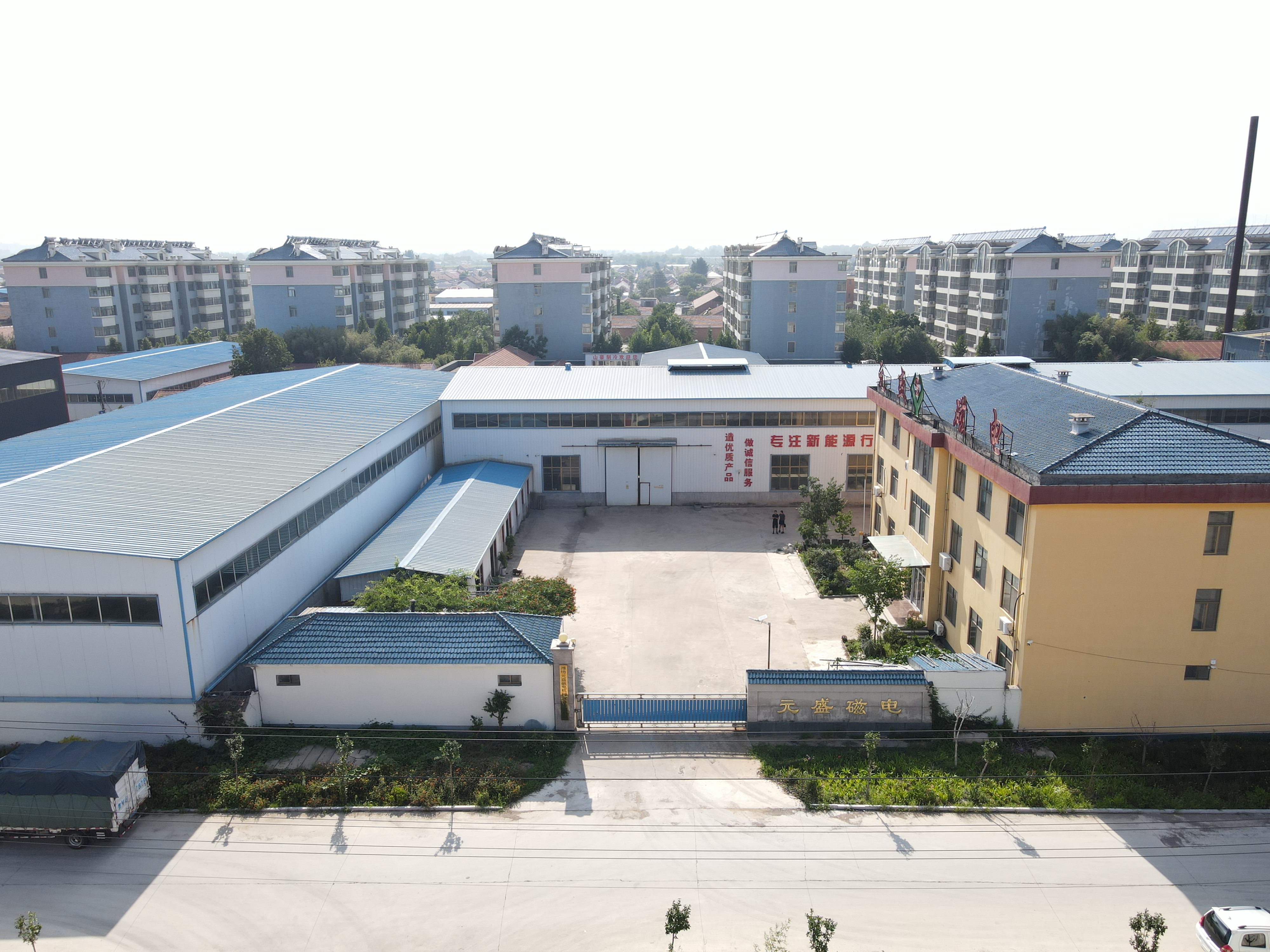
Visit Linqu County, Weifang City, Shandong Province, China
Have Questions or Need More Details?
Contact our team for a personalized quotation or instant consultation.
Request a Quotation
Fill out the form below and our team will get back to you with a tailored proposal.
WhatsApp Direct Chat
Prefer to chat in real-time? Message us on WhatsApp for instant assistance & quick answers.
- Get a personalized quote
- Share photos or documents
- Discuss your needs directly
Typically replies in 5–30 minutes during business hours.