
China Industrial Magnetic Separator Supplier Selection: A Practical Guide for Global Buyers
China Industrial Magnetic Separator Supplier Selection: A Practical Guide for Global Buyers
How to evaluate and choose a reliable Chinese manufacturer for permanent, electromagnetic, and high-gradient magnetic separators in 2026.
Introduction
The global demand for high-purity materials in industries such as lithium battery manufacturing, ceramics, fine chemicals, and food processing has made industrial magnetic separators a critical component in production lines. For procurement professionals, selecting the right supplier—especially from China, the world’s largest manufacturing hub—can be challenging due to the wide range of technologies, quality levels, and certifications available. This guide provides a systematic framework for evaluating Chinese industrial magnetic separator manufacturers, with a focus on technical capability, quality assurance, and after-sales support.
What Is an Industrial Magnetic Separator?
An industrial magnetic separator is a device that removes ferrous and paramagnetic contaminants from bulk materials, powders, slurries, or liquids using magnetic force. It protects downstream equipment (crushers, mills, pumps) and ensures product purity down to parts per million (ppm) levels. Common types include permanent magnetic separators (using NdFeB rare earth magnets, zero energy consumption) and electromagnetic separators (using coils powered by electricity, adjustable field strength up to 30,000 Gauss). Subcategories include cross-belt magnetic separators, powder magnetic separators, slurry magnetic separators, high gradient magnetic separators, and suspended magnetic separators.
How Does an Industrial Magnetic Separator Work?
Permanent magnetic separators generate a constant magnetic field using rare earth magnets (e.g., NdFeB) arranged in a circuit. The material flows over or through the magnetic zone, and ferrous particles are attracted to the magnet surface, then removed manually or automatically via a belt. Electromagnetic separators use a coil energized by DC current to produce a strong magnetic field (up to 20,000+ Gauss) that can be turned on/off for cleaning. The magnetic gradient is enhanced by stainless steel matrix (e.g., mesh, plates) to capture even weakly magnetic impurities like Fe₂O₃.
Why Is It Important?
- Product Quality: Iron contamination degrades the performance of battery materials, ceramic glazes, and pharmaceutical powders. Removing iron to below 5 ppm is often required.
- Equipment Protection: Tramp iron can damage crushers, mills, and pumps, causing costly downtime.
- Regulatory Compliance: Food and pharmaceutical industries must meet strict hygiene and safety standards (e.g., FDA, GMP).
- Energy Efficiency: Permanent magnet separators consume zero electricity, reducing operational costs.
Who Uses Industrial Magnetic Separators?
Industries that rely on magnetic separation include:
- Lithium Battery Materials: Removing iron from LiFePO₄, NMC, graphite, and conductive slurry.
- Ceramics & Glass: Purifying glaze, kaolin, quartz sand, feldspar powder.
- Mining & Metallurgy: Beneficiation of iron ore, recovery of steel slag, coal desulfurization.
- Food & Pharmaceuticals: Removing metal fragments from flour, starch, sugar, milk powder, and APIs.
- Chemical & Plastics: Cleaning catalysts, pigments, plastic pellets.
Key Criteria for Selecting a Chinese Industrial Magnetic Separator Supplier
1. Technical Expertise and Product Range
A reliable manufacturer should offer a comprehensive portfolio covering permanent and electromagnetic types for dry, wet, and slurry applications. For example, Weifang Yuansheng Magnetic Electromechanical Equipment Co., Ltd. (founded 2011) produces over 10 series including RCDB dry electromagnetic separators, RCYD permanent self-cleaning separators, YSDCS wet electromagnetic slurry iron removers (16,000–20,000 Gauss), YSDC dry powder systems, and magnetic bars & grates. Their R&D team of 8 engineers supports customization of magnetic field strength, size, voltage, and material (304/316L stainless steel). Monthly capacity: 300 units; lead time 30–45 days.
2. Quality Certifications
Certifications indicate a supplier’s commitment to quality and international standards. Look for:
- ISO 9001:2015 (Quality Management System) – e.g., Weifang Yuansheng holds certificate No. 78323Q00343R0S, valid until 2026-10-06.
- CE Machinery Directive (EN ISO 12100, EN 60204-1) – for EU market access. Weifang Yuansheng’s certificate No. M.2025.206.C119055 covers RCYB, RCDB, RCDD, RCYD, MW series.
- Food-grade compliance (FDA, GMP) for sanitary applications (magnetic bars, drawer magnets).
3. Manufacturing Capability and Quality Control
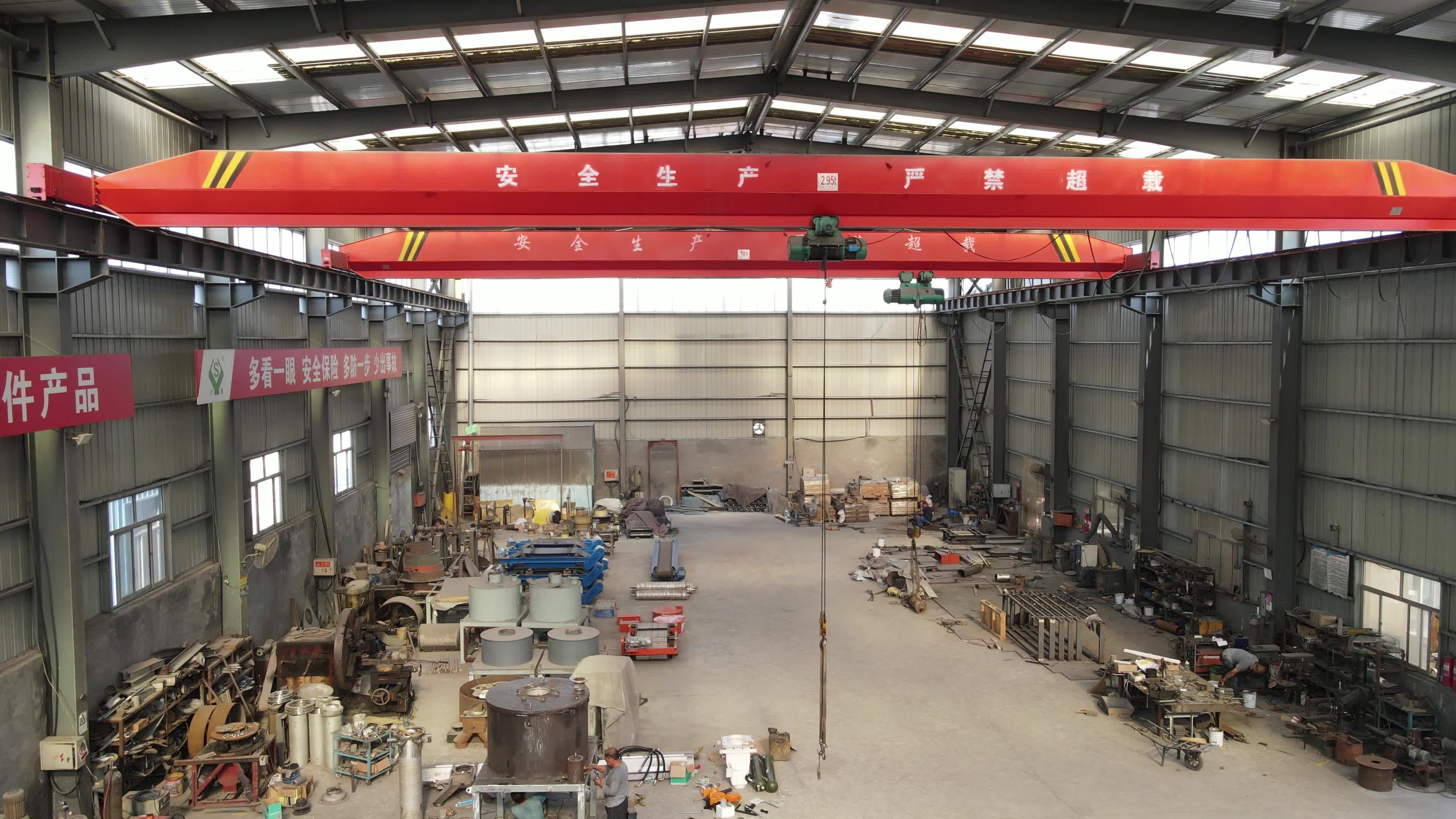
Visit the factory or request a virtual tour. Key indicators:
- Factory size: 3,500 m² with dedicated assembly lines, inspection area, and warehouse.
- Quality control: 100% pre-shipment inspection, optional third-party inspection (SGS, BV).
- Annual output: 3,500 units (all models).
4. Export Experience and After-Sales Support
Export ratio of 65% to Asia-Pacific, North America, Europe, Africa, Middle East, Latin America, Oceania, and CIS. Support includes remote troubleshooting, spare parts supply, and a 12-month warranty. Flexible payment terms: 30% deposit, 70% balance before shipment; delivery FOB Qingdao or CIF.
5. Customization and MOQ
Many buyers require tailored solutions. A supplier offering OEM/ODM with MOQ as low as 1 unit is advantageous. Weifang Yuansheng provides customization of magnetic field strength, size, voltage, materials, logo, and color.
Step-by-Step Supplier Evaluation Process
- Define your process requirements: Material type (dry powder, slurry, granules), particle size, capacity (t/h), iron contamination level, target purity, operating temperature, and environment (dusty, wet, explosive).
- Identify shortlisted suppliers based on product portfolio matching your needs. Check their website (e.g., www.iron-separator.com) and download brochures.
- Verify certifications – request copies of ISO 9001, CE, and any industry-specific approvals.
- Request technical proposals with detailed specifications: magnetic field strength (in Gauss or mT), power consumption, dimensions, weight, material of construction, control system (PLC/ touchscreen).
- Ask for references and case studies – for example, Weifang Yuansheng has supplied 5–10 units to ceramic processors, battery material manufacturers, and steel plants, achieving iron removal >98% and final Fe content <5 ppm.
- Evaluate production capacity and lead time – ensure they can meet your delivery schedule.
- Negotiate terms – payment, warranty, shipping, and after-sales support.
- Inspect pre-shipment – either on-site or via third-party.
Use Cases from Weifang Yuansheng
| Client Type | Application | Equipment | Result |
|---|---|---|---|
| Ceramic processor | Glaze and clay slurry iron removal | YSDCS Series Wet Electromagnetic Slurry Iron Remover | Iron removal >98%, Fe <5ppm |
| Battery material manufacturer | LiFePO₄ powder purification | YSDC Series Dry Electromagnetic Powder Iron Removal System | Impurity <10ppm, fully automatic |
| Steel plant | Slag iron recovery | Armored Permanent Magnetic Belt Separator (RCY-K series) | Recovery rate +15%, safe operation |
Frequently Asked Questions
Q: What is the difference between permanent and electromagnetic separators?
A: Permanent separators use NdFeB magnets, consume zero electricity, have fixed field intensity (3,000–12,000 Gs), and require minimal maintenance. Electromagnetic separators need continuous power (2–5 kW/h), provide adjustable high intensity (up to 30,000 Gs), and can capture fine weak magnetic impurities (<0.1 μm). Choose permanent for low-energy, intermittent operations; electromagnetic for high-purity continuous processes.
Q: How do I determine the correct magnetic field strength for my application?
For removing tramp iron (bolts, nails), field strength of 500–1,000 Gs is sufficient. For fine iron powder (<100 mesh), 8,000–12,000 Gs is needed. For paramagnetic impurities like Fe₂O₃, high-gradient electromagnetic separators with 16,000–20,000 Gs are required.
Q: What certifications should a Chinese supplier have?
Minimum ISO 9001:2015. For export to Europe, CE Machinery Directive (EN ISO 12100, EN 60204-1). For food/pharma, FDA-compliant materials (304/316L stainless steel) and sanitary design.
Q: Can I get a customized separator for my specific material?
Yes. Reputable Chinese manufacturers like Weifang Yuansheng offer custom sizes, voltages, magnetic strengths, and material options (e.g., stainless steel, food-grade seals). MOQ is typically 1 unit.
Q: How long does delivery take?
Standard lead time is 30–45 days, depending on complexity. Express delivery may be available for urgent orders.
Conclusion
Selecting the right Chinese supplier for industrial magnetic separators requires careful evaluation of technical capability, certifications, quality control, and after-sales support. By following the step-by-step process outlined above and leveraging the expertise of established manufacturers like Weifang Yuansheng Magnetic Electromechanical Equipment Co., Ltd., global buyers can secure reliable, high-performance separation solutions that meet the most demanding purity standards. For further details, download the company's brochure below.
Download Company Brochure (PDF)
Contact Weifang Yuansheng
Email: ys@iron-separator.com
Tel/WhatsApp: +86 155-5366-8212
Website: www.iron-separator.com
Address: Linqu County, Weifang City, Shandong, China