
Choosing a Chinese Industrial Magnetic Separator Supplier: 2026 Buyer's Guide
How to Choose a Chinese Industrial Magnetic Separator Supplier: Key Factors for 2026 Procurement
Selecting the right supplier for industrial magnetic separators is a critical procurement decision that directly impacts product quality, equipment reliability, and operational cost. With China emerging as the world's largest manufacturing base for magnetic separation equipment, international buyers face the challenge of evaluating hundreds of suppliers. This guide provides a systematic framework for procurement professionals to assess Chinese manufacturers, with a special focus on high-purity processing applications in lithium battery materials, ceramics, and fine chemicals.
The Procurement Challenge
Industrial magnetic separators are not commodity items. They range from permanent magnetic separators for basic tramp iron removal to high-gradient electromagnetic separators capable of removing sub-micron weak magnetic impurities. The wrong choice can lead to equipment downtime, product contamination, and safety hazards. Key pain points for buyers include:
- Technology validation: How to verify magnetic field strength claims and actual performance under real operating conditions.
- Quality assurance: Ensuring compliance with international standards (ISO, CE) and consistent manufacturing quality.
- Customization capability: Many applications require tailored solutions in terms of size, voltage, material grade, and automation.
- After-sales support: Remote diagnostics, spare parts availability, and warranty terms across continents.
Why China is a Leading Source for Magnetic Separators
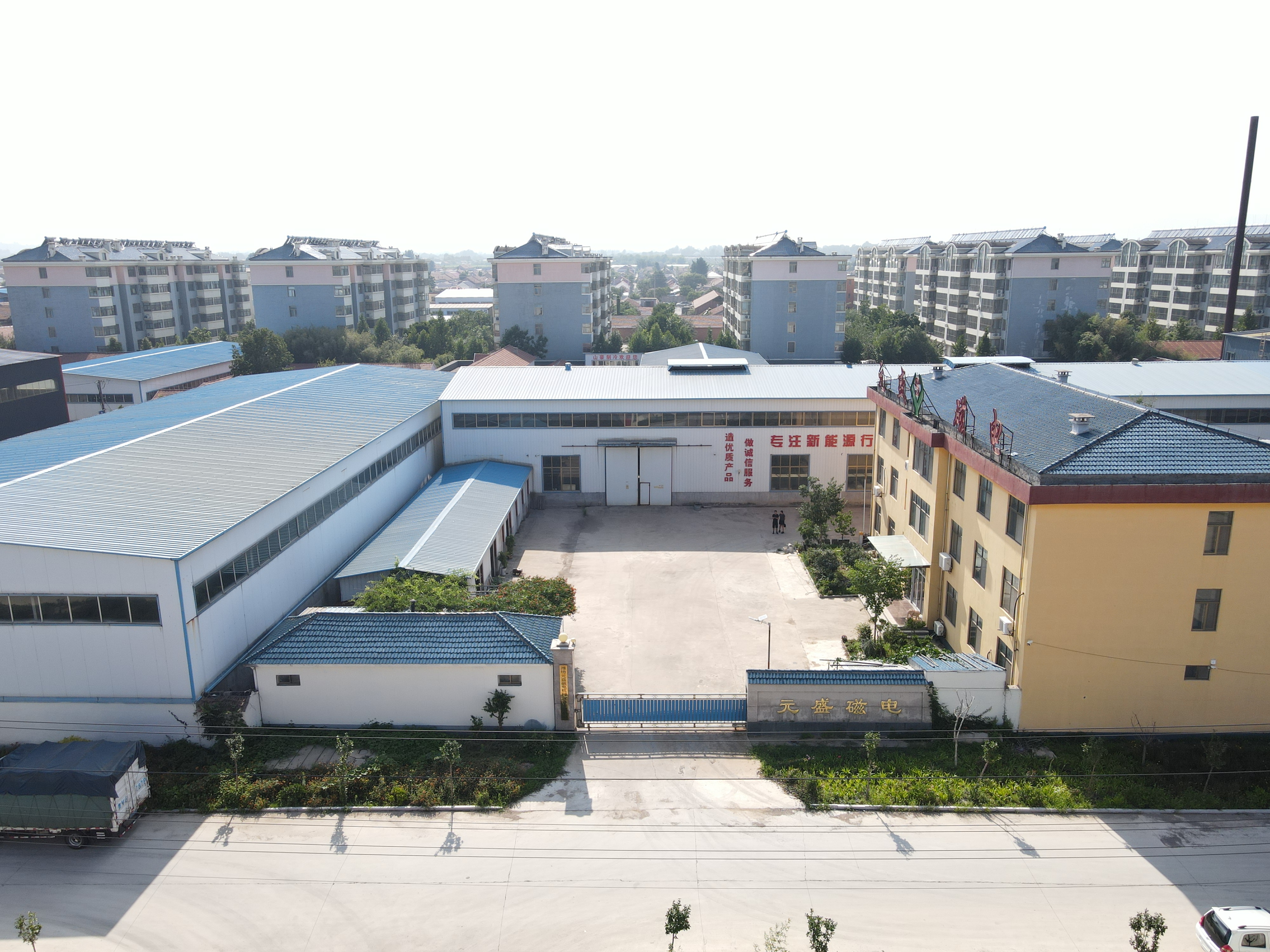
China's magnetic separator industry benefits from a mature supply chain for rare earth permanent magnets (NdFeB) and electromagnetic components, combined with a large pool of engineering talent. Companies like Weifang Yuansheng Magnetic Electromechanical Equipment Co., Ltd. (established 2011, 3,500m² factory, 45 employees) have built a reputation for producing a full range of separators – from suspended permanent magnets to dry electromagnetic powder iron removal systems. With 65% of production exported to Asia-Pacific, North America, Europe, Africa, Middle East, Latin America, Oceania, and CIS, Chinese suppliers now compete on both technology and cost.
How to Evaluate a Chinese Industrial Magnetic Separator Supplier
Step 1: Verify Certifications and Standards Compliance
Reputable suppliers hold certifications that demonstrate quality management and product safety. For example, Weifang Yuansheng holds ISO9001:2015 certification (certificate no. 78323Q00343R0S) issued by POCNC, covering the production of separators, magnetic separators, and demagnetizers. Additionally, they have obtained EU CE certification under the Machinery Directive (certificate no. M.2025.206.C119055) according to EN ISO 12100:2010 and EN 60204-1:2018, covering RCYB/RCDB/RCDD/RCYD/MW series. Always request copies of these certificates and verify their validity with the issuing bodies.
Step 2: Assess Product Portfolio and Technical Specifications
A comprehensive product range indicates engineering depth. Key product categories to look for include:
| Product Category | Example Models | Typical Magnetic Induction |
|---|---|---|
| Dry Electromagnetic Powder Iron Removal System | YSDC-16 to YSDC-40 series | 16,000 – 20,000 Gauss |
| Wet Electromagnetic Slurry Iron Remover | YSDCS-16 to YSDCS-40 series | 16,000 – 20,000 Gauss |
| Suspended Permanent Magnetic Separator | RCYB/RCYD series | 45 – 150 mT (surface strength) |
| Oil-Cooled Self-Cleaning Electromagnetic Separator | RCDF-5 to RCDF-20 | 60 – 73 mT at rated height |
Ensure the supplier can provide detailed datasheets with parameters such as processing capacity, excitation power, material compatibility, and dimensions. For example, the YSDC-25-T2 model offers 18,000 Gauss magnetic induction, 4-8 t/h capacity, and a mainframe weight of 1,830 kg – suitable for fine dry powder purification in lithium battery cathode materials.
Step 3: Evaluate Manufacturing Capability and Quality Control
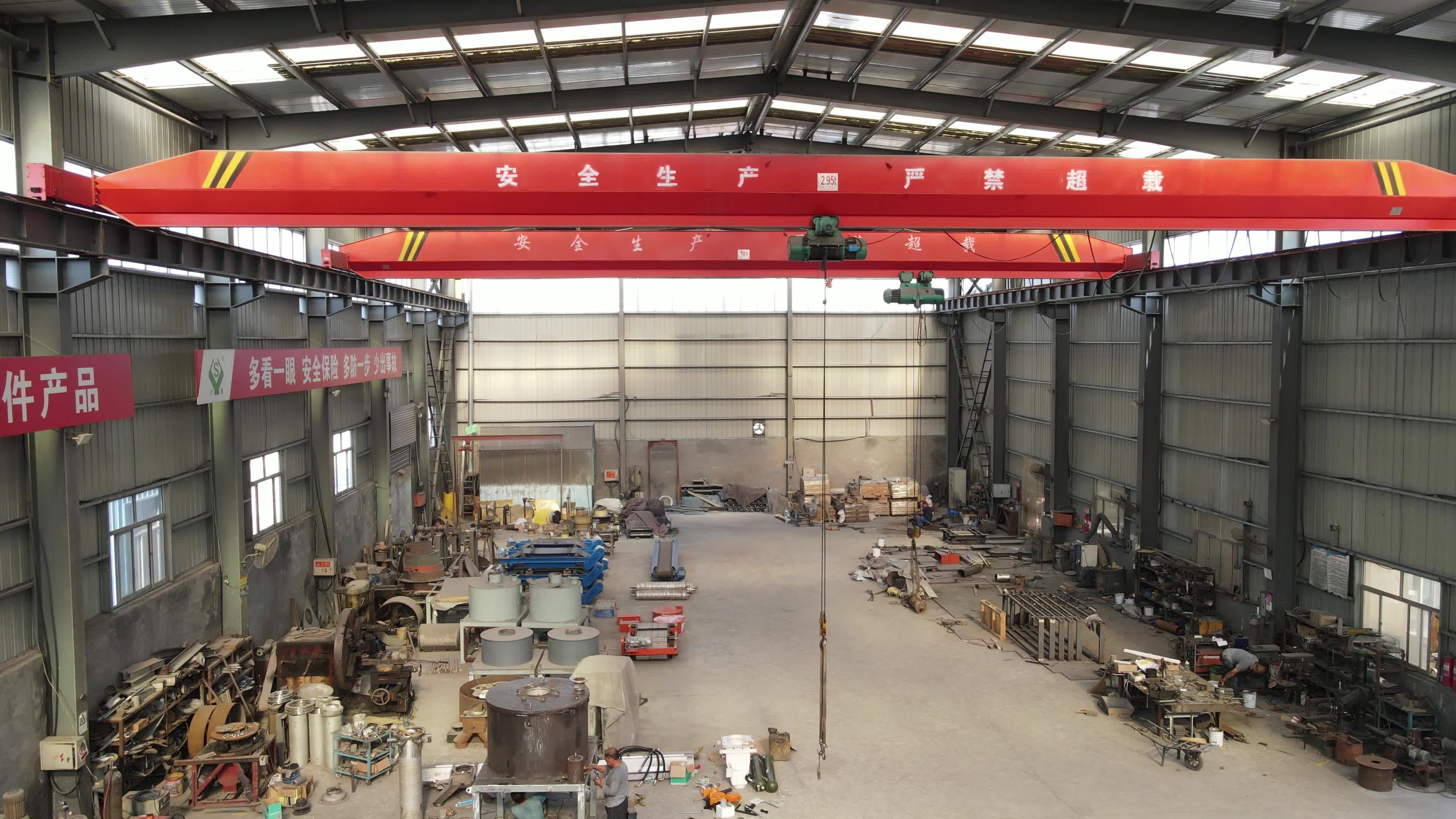
Visit the factory or request virtual tours. Weifang Yuansheng's production workshop spans 3,500m² and operates an assembly line for industrial magnetic separators (see image below). They maintain a monthly capacity of 300 units and perform 100% inspection before shipment. Their R&D team of 8 engineers supports OEM/ODM customization. For buyers concerned about consistency, ask about their QC procedures – including magnetic field strength testing with a Gauss meter, material analysis, and performance trials with sample materials.
Step 4: Analyze Real-World Application Cases
Request case studies that match your industry. Weifang Yuansheng has supplied equipment to ceramic processors, battery material manufacturers, quartz sand plants, foundries, and steel plants. One example: a ceramic client used 5 units of wet electromagnetic slurry iron removers (YSDCS series) for glaze and clay slurry purification, achieving >98% iron removal efficiency and final iron content below 5 ppm. Another battery material manufacturer installed 8 dry electromagnetic powder iron removal systems and reduced Fe impurity to <10 ppm. These quantified results demonstrate real-world performance.
Step 5: Compare Cost of Ownership (TCO)
Permanent magnetic separators have zero energy consumption and virtually no maintenance, making them ideal for low-iron-content, intermittent operations. Electromagnetic separators, while more expensive upfront ($2,000–4,000 USD/year electricity cost), can remove weak magnetic impurities down to 0.1μm and are necessary for high-purity continuous processes. A supplier that offers both types allows you to choose based on TCO analysis. For example, Weifang Yuansheng's permanent magnetic separators (RCYB/RCYD series) cost about 30% less than electromagnetic equivalents and require only monthly cleaning, whereas their electromagnetic models (RCDB/RCDD/RCDE) provide adjustable field strength up to 150 mT for demanding applications.
Use Case: Lithium Battery Material Purification
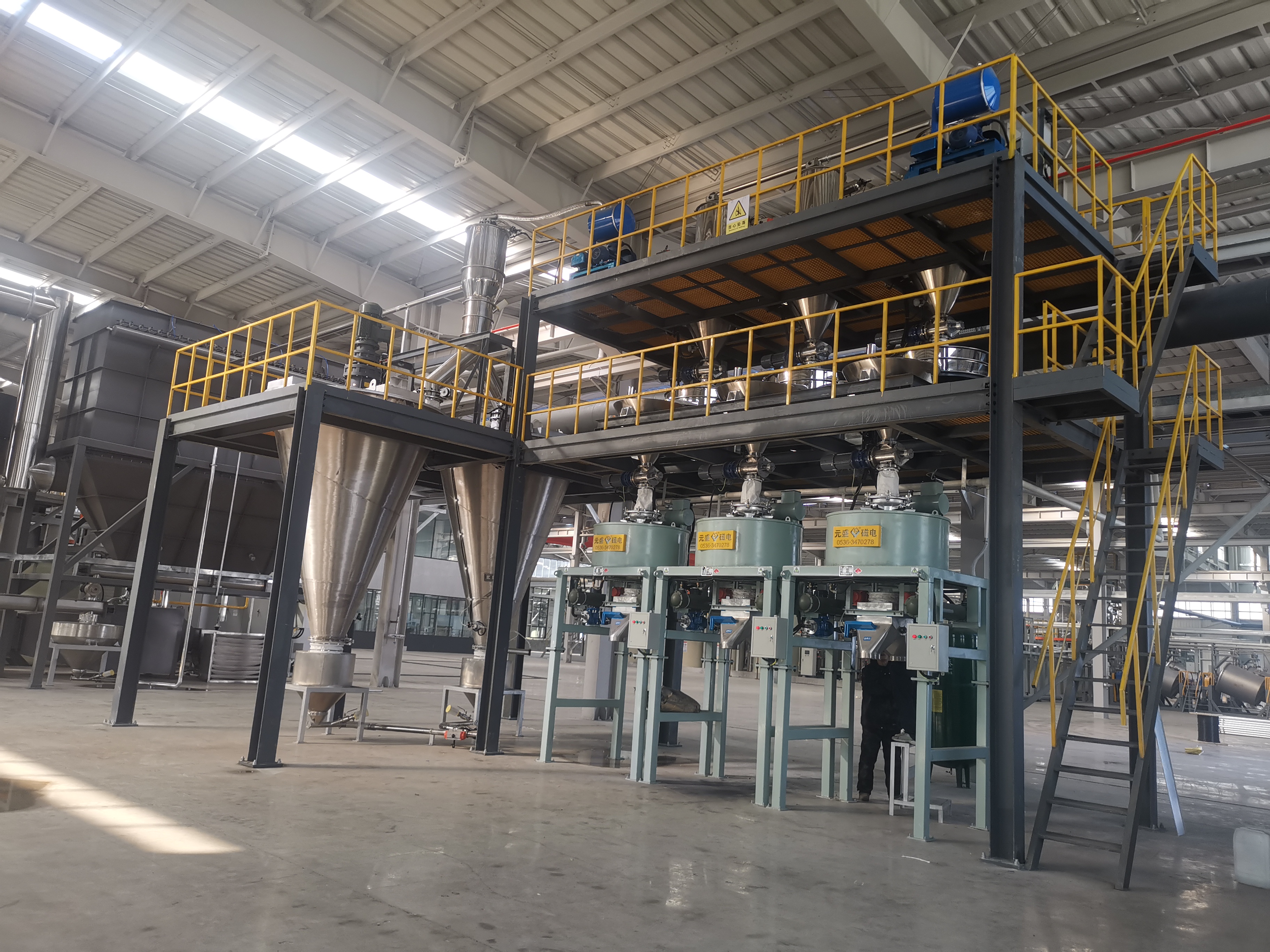
In 2026, the demand for high-purity lithium battery materials (LiFePO₄, NMC, graphite) continues to grow. A leading Chinese cathode manufacturer deployed a multi-unit YSDC series dry electromagnetic powder iron removal system (tandem configuration) from Weifang Yuansheng. The system achieved iron content reduction from ~200 ppm to <5 ppm, with a processing capacity of 4 t/h per unit. The forced oil circulation water cooling ensured stable 18,000 Gauss operation even in 40°C ambient conditions. The PLC-controlled automatic cleaning cycle (10 seconds per discharge) eliminated manual intervention. This case demonstrates the importance of selecting a supplier with proven expertise in high-purity powder processing.
Frequently Asked Questions (FAQ)
Q1: How can I verify the magnetic field strength claimed by a Chinese supplier?
Request a factory test report using a calibrated Gauss meter (e.g., LakeShore model) for the specific model. Reputable suppliers like Weifang Yuansheng provide pre-shipment inspection reports and accept third-party inspection by SGS, BV, or customer on-site inspection.
Q2: What is the typical lead time and MOQ?
For standard models, lead time is 30–45 days. MOQ is 1 unit for most models, though customized orders may require 3 units. Weifang Yuansheng offers FOB Qingdao or CIF delivery terms with payment of 30% deposit and 70% before shipment.
Q3: Do Chinese suppliers provide after-sales service for international customers?
Many established exporters offer 12-month warranty, remote technical support, and spare parts supply. For example, Weifang Yuansheng provides remote diagnostics via WhatsApp/email and can ship critical spare parts within 48 hours. They also have a dedicated export team with English communication.
Q4: How do I choose between a permanent and electromagnetic separator?
Use permanent separators (RCYB/RCYD) when your material has low iron content, intermittent flow, and energy saving is a priority. Use electromagnetic separators (RCDA/RCDB/RCDE/RCDD) when you need high magnetic gradient to remove fine/weak magnetic contaminants, continuous operation, or adjustable field strength. A hybrid system combining both is common in many plants.
Q5: What certifications should I look for?
At minimum, ISO9001:2015 for quality management. For export to Europe, CE certification under Machinery Directive (EN ISO 12100) is essential. For food/pharma applications, look for FDA-compliant materials (304/316L stainless steel, sanitary design). Weifang Yuansheng holds both ISO9001 and CE certificates.
Conclusion
Selecting a Chinese industrial magnetic separator supplier requires a systematic evaluation of certifications, technical specifications, manufacturing capability, real-world case studies, and total cost of ownership. Weifang Yuansheng Magnetic Electromechanical Equipment Co., Ltd. exemplifies a reliable partner with its ISO9001 and CE-certified products, broad product portfolio (from permanent to high-gradient electromagnetic separators), and proven export track record. By following the five-step framework outlined in this guide, procurement professionals can mitigate risks and secure a high-performance magnetic separation solution tailored to their specific industry needs.
For a detailed overview of Weifang Yuansheng's product range, download the company brochure here: Company Brochure (PDF)