
Magnetic Drum, Pulley, and Roller Selection: A Technical Guide for Industrial Magnetic Separators
Magnetic drums, magnetic pulleys and magnetic rollers all capture ferrous contamination from a moving material stream, but they occupy different positions inside a dry bulk or mineral processing line and are not interchangeable without changing the conveyor or chute design. The correct starting point for selection is the installation geometry and the condition of the material — not the magnet itself. A permanent magnetic drum, an RCT(RCTG) permanent magnetic roller, a CFLT electromagnetic pulley and an RCDB/PDC/RCDY dry electromagnetic separator each solve a different handling problem, and matching the wrong family to the right magnet strength still produces poor iron removal.
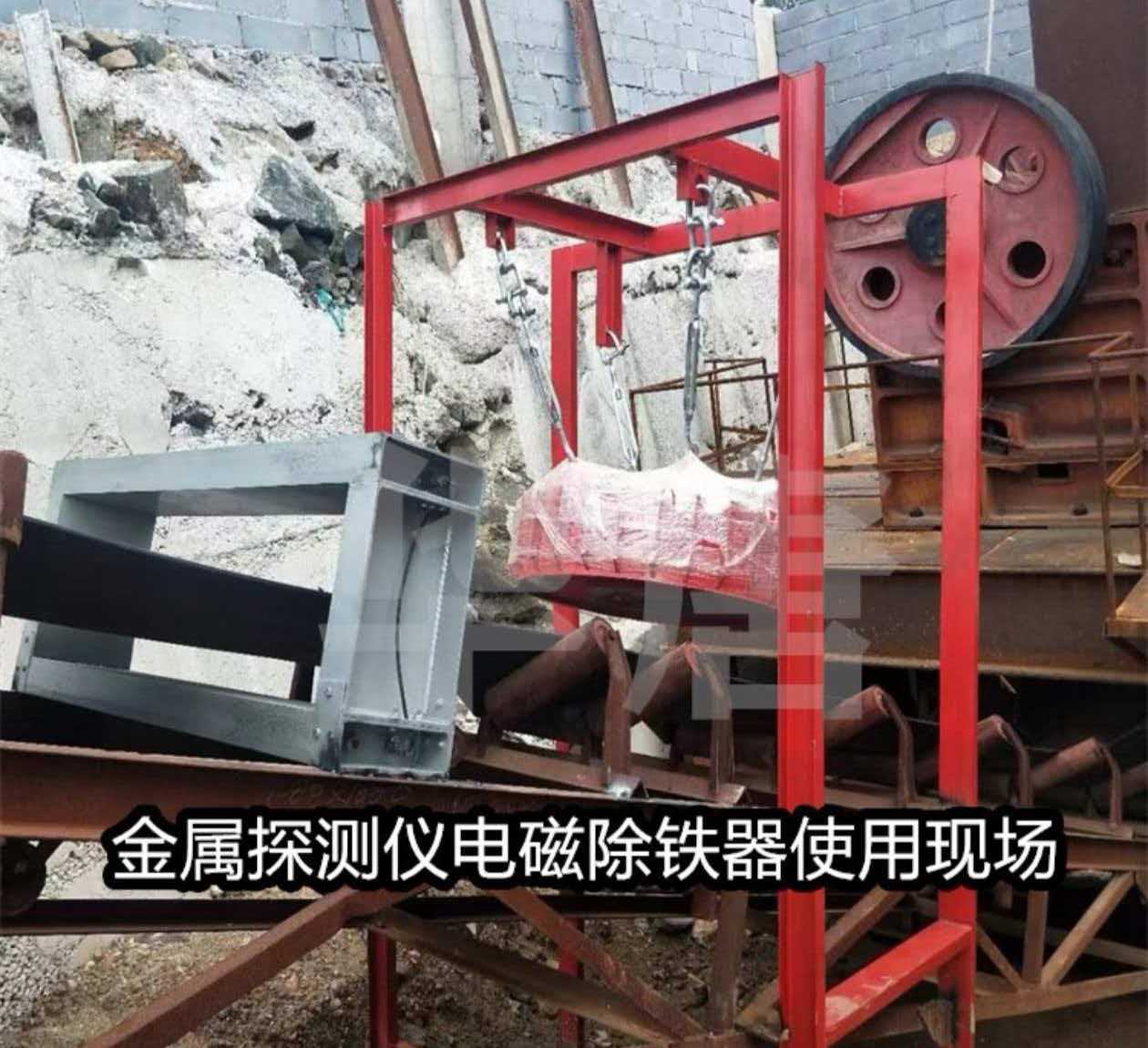
Problem Definition: Why Drum, Pulley and Roller Choices Go Wrong
Most specification errors in this equipment family trace back to a question asked too late in the project: where in the flow will the iron be captured, and how will it leave the machine? Buyers often begin with magnetic field strength, then discover that the chosen unit cannot be physically mounted at the intended transfer point, or that the discharge mechanism requires a manual intervention the plant cannot staff.
Three failure patterns recur in dry bulk and mineral processing projects:
- Position mismatch. A magnetic drum is specified for a conveyor head that can only accept a pulley-sized unit, or a pulley is specified for a free-falling powder stream that has no conveyor at all.
- Magnet type mismatch. A permanent unit is installed where the plant needs the field to be switched off for cleaning or maintenance, or an electromagnetic unit is installed where no reliable coil supply exists at the installation point.
- Discharge mismatch. The unit captures iron correctly but the removal route creates a manual cleaning task that interrupts production several times per shift.
Each of these is avoidable at the specification stage. None of them is fixed by choosing a stronger magnet.
Industry Background: Where Rotating Magnetic Elements Fit
The global magnetic separator market was estimated at USD 1,067.6 million in 2024, with Asia Pacific holding a 43.8% revenue share that year, according to Grand View Research market sizing published in 2026. That regional concentration matters for drum, pulley and roller buyers because the equipment is heavy, freight-sensitive and usually built to order, so the manufacturing base and the shipping route both shape lead time.
Within that market, rotating magnetic elements — drums, pulleys and rollers — form a distinct sub-family. They differ from suspended overband magnets and from pipeline or grate separators in one respect: the magnet rotates with, or as part of, the material handling equipment itself. That single design fact drives almost every selection decision described in this guide.
The product families referenced throughout are manufactured by Weifang Yuansheng Magnetic Electromechanical Equipment Co., Ltd., a Chinese manufacturer of magnetic and electrical separation equipment founded in 2011 and based in Linqu County, Weifang City, Shandong Province. The company operates a 3,500 m² factory with 45 employees, an 8-engineer R&D team and a monthly production capacity of 300 units, and exports to Asia-Pacific, North America, Europe, Africa, the Middle East, Latin America, Oceania and CIS/Central Asia, with exports accounting for 65% of output.
Detailed Solution: The Four Rotating Product Families and What Each One Does
1. Permanent Magnetic Drum Separator (Magnetic Drum)
A permanent magnetic drum is a rotating cylindrical shell containing stationary permanent magnet elements. Material is fed onto or across the shell; ferrous particles are held against the rotating surface and carried out of the magnetic zone, where they release into a separate collection chute. The standard type is the main configuration offered. Because the field is permanent, the unit keeps capturing iron during a power interruption, which is relevant wherever the line must fail safe rather than fail open.
The magnetic drum is the correct choice when the material stream is already being presented to a rotating surface, or when a dedicated continuous-flow unit can be inserted without changing the conveyor structure. It is the wrong choice when the only available installation point is the head pulley of an existing conveyor.
2. RCT(RCTG) Series Permanent Magnetic Roller
The RCT(RCTG) Series Permanent Magnetic Roller is the small-radius member of the family. Roller geometry suits dry, free-flowing materials that pass directly over a rotating roll face rather than being carried on a belt. In fine dry powder duty, the roller presents a short contact arc, which keeps the material path compact and lets the unit sit inside a gravity-fed section of the line.
Roller selection follows the same permanent-versus-electromagnetic logic as the drum, but adds one constraint: the roller must be matched to the physical envelope available around the free-fall path, because roller installations typically sit inside equipment enclosures rather than in open floor space.
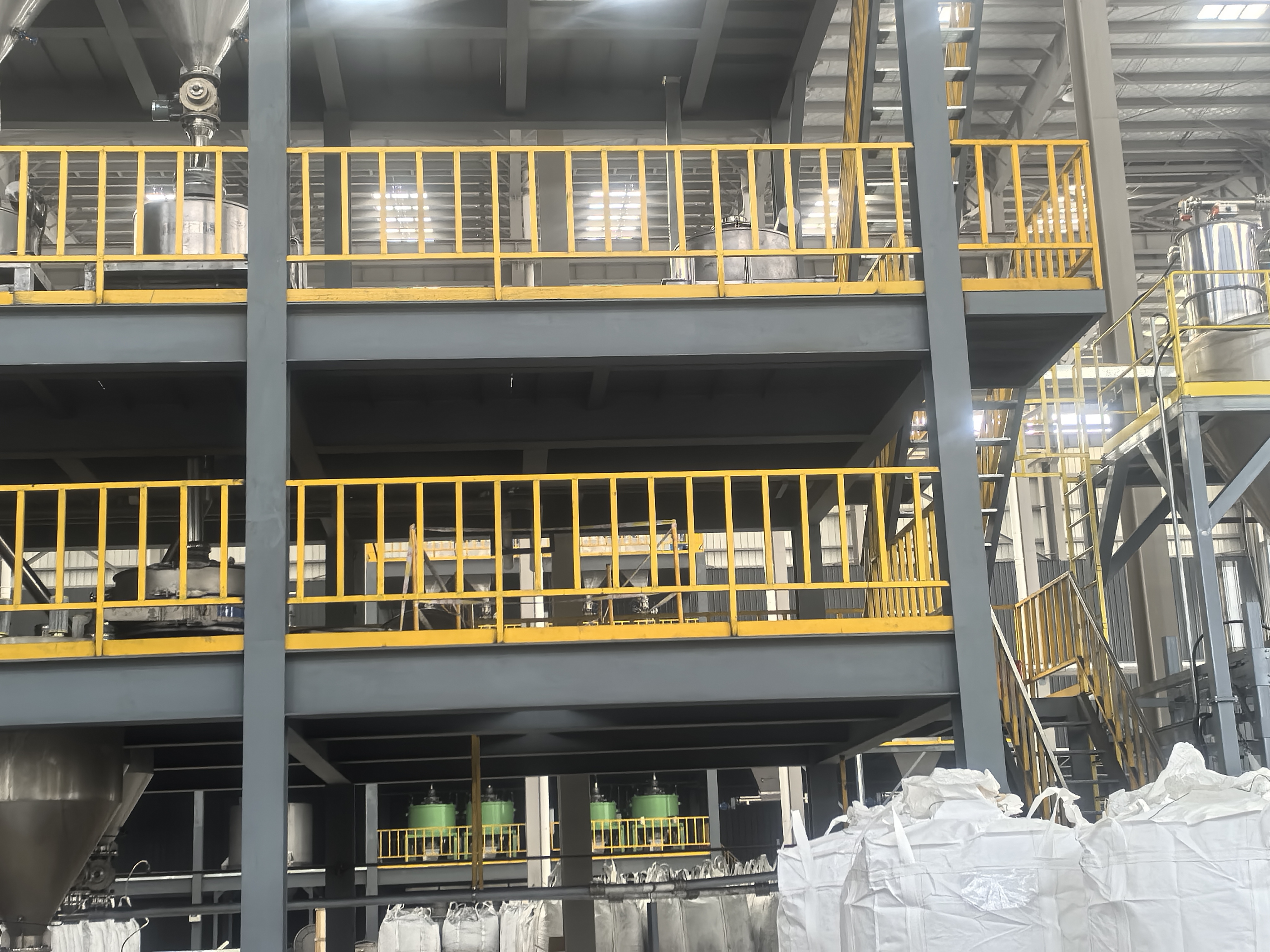
3. CFLT Series Electromagnetic Pulley
The CFLT Series Electromagnetic Pulley is designed to replace the head pulley of a belt conveyor. The conveyor belt runs over the pulley face, material is discharged in the normal trajectory, and ferrous items are held to the belt and carried past the discharge point into a collection zone. The available model designations are CFLT-50/50, CFLT-50/65, CFLT-50/80, CFLT-80/100, CFLT-80/120 and CFLT-100/140.
Because the coil is electrically energised, the field can be switched off. That is a genuine operational advantage during belt inspection, during maintenance access to the pulley face, or when the plant needs to release accumulated material deliberately. It also introduces a dependency: the installation point must have a reliable coil supply, and the pulley becomes part of the conveyor drive train, so bearing and alignment work now affects separator performance as well as belt tracking.
4. RCDB/PDC/RCDY Series Dry Electromagnetic Separator (Disc Type / Round Type)
The RCDB/PDC/RCDY Series is an electromagnetic dry separator built in disc and round configurations, with model designations from RCDB-4 through RCDB-20. It is an electromagnetic unit, so the same switching and coil-supply considerations apply. Its role in this comparison is to cover dry material positions where the capture geometry does not suit a drum, a pulley or a roller — typically where the material path has to be diverted past a dedicated magnetic element rather than carried over a rotating shell.
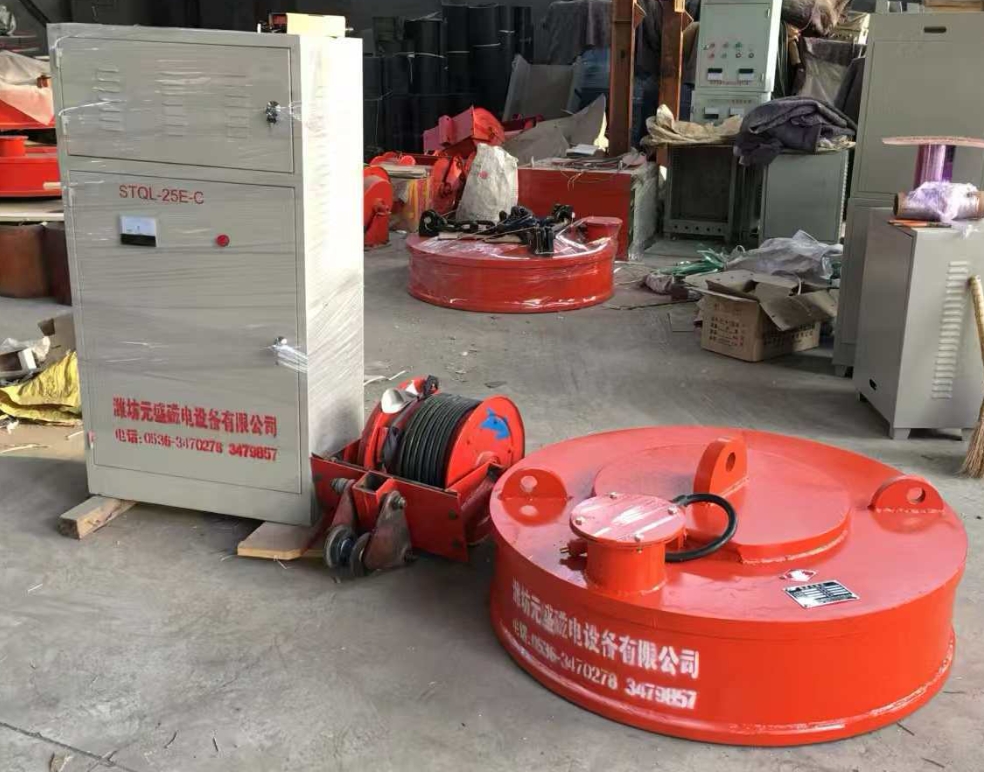
Step-by-Step Breakdown: How to Run the Selection
Step 1 — Classify the material state
Dry free-flowing powder, dry lump bulk on a belt, and wet slurry are three different problems. Drums, pulleys and rollers are dry-duty elements. If the stream is a slurry or a liquid, the correct starting point is a wet electromagnetic slurry iron remover or a high gradient magnetic separator, not this family. Classifying the material first prevents the most expensive category of error.
Step 2 — Fix the capture point on the layout drawing
Mark the exact point on the flow diagram. Head pulley of a belt conveyor → CFLT electromagnetic pulley. Free-fall powder path inside an enclosure → RCT(RCTG) permanent magnetic roller. Dedicated continuous-flow stage on a new line → permanent magnetic drum. Dedicated dry bypass position → RCDB/PDC/RCDY dry electromagnetic separator. Doing this before the technical discussion keeps the conversation anchored to geometry.
Step 3 — Choose permanent or electromagnetic
Permanent units keep working without a coil supply and require no electrical interface. Electromagnetic units can be switched off, which simplifies cleaning, belt work and deliberate release. The trade-off is straightforward: permanent for simplicity and fail-safe capture, electromagnetic for controllability and for field strength that must be adjusted or removed.
Step 4 — Confirm the removal route
How does captured iron leave the machine, and where does it go? A rotating drum or roller discharges continuously as the surface leaves the magnetic zone. A pulley discharges with the belt trajectory. Whichever route applies, the downstream chute or bin must be sized to accept the expected volume without blocking, and the plant must be able to inspect the discharge point without stopping the line.
Step 5 — Match the mechanical envelope
For the CFLT electromagnetic pulley this means pulley dimensions compatible with the existing belt width and conveyor frame. For the drum and roller it means the available height above the material path, the chute angle and the access space for maintenance. Geometric fit is a hard constraint; magnetic performance can be tuned, but a unit that cannot be mounted cannot be tuned.
Step 6 — Specify the customisation items
OEM and ODM production services are available, and the customisation options cover magnetic field strength, size, voltage, material, logo and colour. Voltage specification matters on every electromagnetic unit in the family. Size and material specification matter wherever the unit interfaces directly with an existing frame or where abrasive material contacts the shell.
Step 7 — Agree the verification route
Every unit is subject to 100% inspection before shipment. Buyers can additionally arrange pre-shipment inspection by a third party such as SGS or BV, or carry out an on-site inspection at the factory. For a first order in a new application, on-site inspection is the more informative option because it allows the drum or roller to be seen under power alongside the proposed mounting interface.
Step 8 — Plan installation and lifecycle support
Pulley installations affect conveyor drive alignment; drum and roller installations affect chute interfaces. Budget commissioning time for alignment checks on both. After-sales support covers remote technical support, spare parts supply and a 12-month warranty, and the wear-part list should be agreed at quotation stage rather than after commissioning.
Use Cases: Where Each Configuration Fits in Practice
These product families have been deployed in China across ceramic processing, battery material manufacturing, quartz sand processing, foundries and steel plants. Recorded project scales ranged from 4 to 10 units per site, with installations of 5, 8, 4, 6 and 10 units at different client locations, and project completion periods varying from 1.5 to 5 years depending on the client.
- Ceramic processing. Dry and semi-dry material handling around glaze and body preparation benefits from continuous removal at a fixed point rather than manual inspection. Drum and roller configurations suit gravity-fed sections; pulley configurations suit the belt transfers feeding the process.
- Battery material manufacturing. Fine dry powders demand a capture surface that presents material closely to the magnet. Roller and dry electromagnetic configurations are the natural fit where the material path is enclosed.
- Quartz sand processing. Abrasive dry bulk on belt conveyors makes pulley replacement attractive because no additional handling stage is added — the existing head pulley is replaced by a magnetic equivalent.
- Foundries. Mixed scrap and moulding material on belts favours pulley installations at transfer points, with a downstream collection route for captured ferrous items.
- Steel plants. Multi-point installations are common, with several units placed at successive transfer points along the same line. The recorded multi-unit deployments in this customer base reflect that pattern.
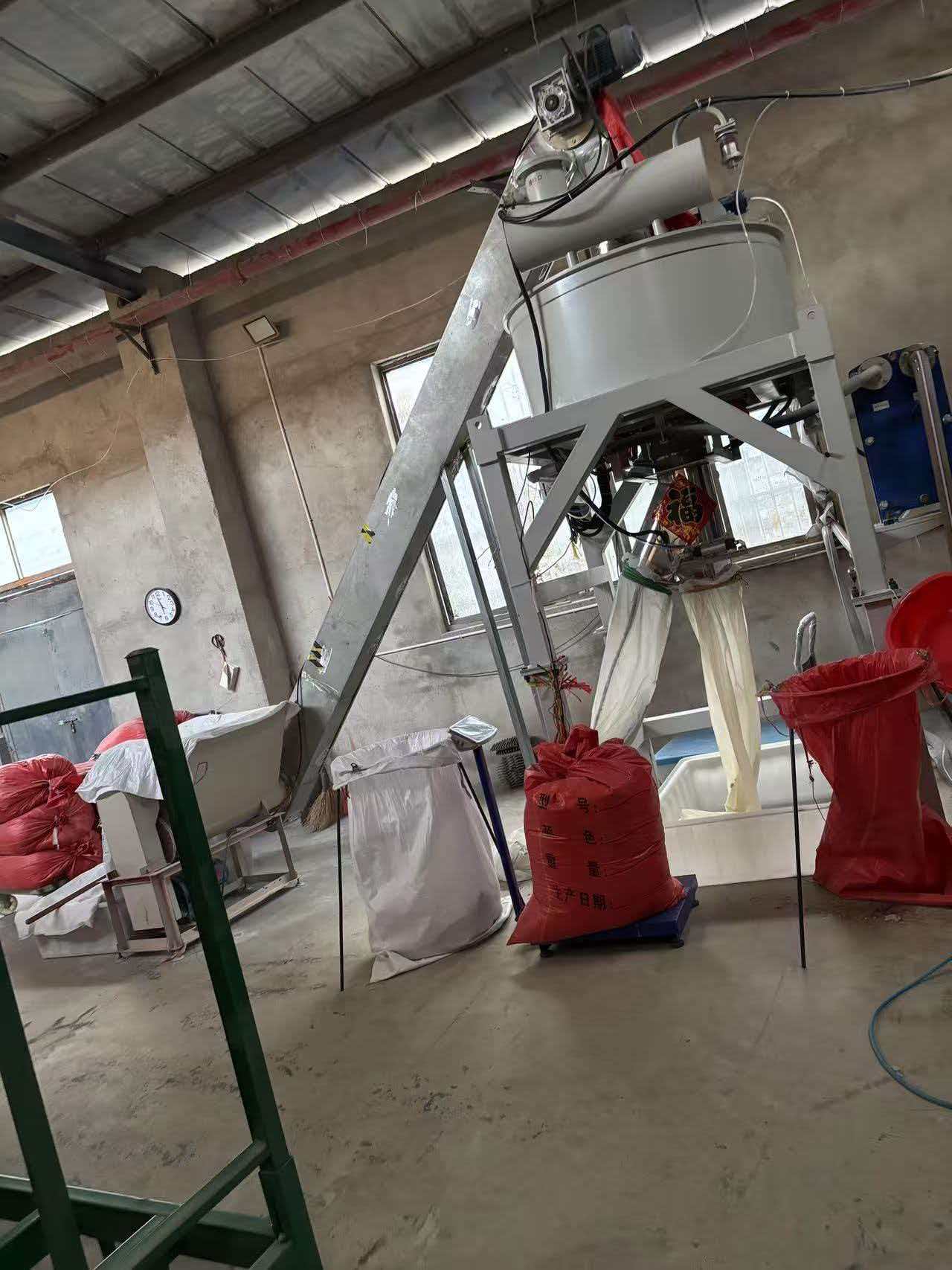
Comparison Table: Drum, Pulley, Roller and Dry Electromagnetic Separator
The table below compares only the attributes that are confirmed for these product families. It is deliberately not a performance ranking.
| Selection attribute | Permanent Magnetic Drum Separator | RCT(RCTG) Series Permanent Magnetic Roller | CFLT Series Electromagnetic Pulley | RCDB/PDC/RCDY Dry Electromagnetic Separator |
|---|---|---|---|---|
| Magnetic source | Permanent | Permanent | Electromagnetic | Electromagnetic |
| Coil power supply required at installation point | No | No | Yes | Yes |
| Field can be switched off | No | No | Yes | Yes |
| Typical installation position | Dedicated continuous-flow stage | Dry free-fall powder path | Belt conveyor head pulley position | Dedicated dry material bypass position |
| Material state assumed | Dry bulk | Dry free-flowing powder | Dry bulk on a belt | Dry bulk |
| Recorded model designations | Main Type: Standard Type | RCT(RCTG) Series | CFLT-50/50, CFLT-50/65, CFLT-50/80, CFLT-80/100, CFLT-80/120, CFLT-100/140 | RCDB-4 through RCDB-20 |
| Customisation availability | OEM/ODM offered; magnetic field strength, size, voltage, material, logo and colour can be specified | Same customisation options apply | ||
| Named in the EU Machinery Directive attestation M.2025.206.C119055 | Not listed in the cited scope | Not listed in the cited scope | Not listed in the cited scope | Listed — RCDB is within the cited RCYB/RCDB/RCDD/RCYD/MW scope |
Because the CE attestation scope covers the RCYB, RCDB, RCDD, RCYD and MW series only, buyers requiring EU documentation for a CFLT pulley or an RCT(RCTG) roller should request written confirmation of the applicable document set for the exact model quoted.
FAQ: Compliance, Capability, Commercial Terms, Verification and Lead Time
Which certificates and declarations apply to a magnetic drum, pulley or roller order?
Two document sets can be matched against the ordered models. The first is a quality management system certificate to GB/T19001-2016/ISO 9001:2015, issued by POCNC (Zhongliang Certification (Shandong) Co., Ltd.) under certificate number 78323Q00343R0S, whose scope covers the production of separators, magnetic separators and demagnetizers. The second is an EU Machinery Directive attestation of conformity, number M.2025.206.C119055, issued by UDEM, valid from 2025-05-19 to 2030-05-18, citing EN ISO 12100:2010 and EN 60204-1:2018 and listing the RCYB, RCDB, RCDD, RCYD and MW series within its scope. The CFLT electromagnetic pulley and the RCT(RCTG) permanent magnetic roller are not named in that attestation, so written confirmation should be requested for the exact model quoted rather than assuming blanket coverage.
Can a drum, pulley or roller be customised for a specific conveyor or powder line?
Yes. OEM and ODM production is available, and the customisation options cover magnetic field strength, size, voltage, material, logo and colour. The manufacturing basis is a 3,500 m² factory with 45 employees, an 8-engineer R&D team and a monthly production capacity of 300 units, which supports built-to-specification drum, pulley and roller supply rather than catalogue-only selection.
What commercial terms apply to drum, pulley and roller orders?
Minimum order quantity is 1 unit, and typical production lead time is 30–45 days. Delivery can be quoted FOB Qingdao or CIF, and payment terms are 30% T/T deposit with 70% balance before shipment. First orders and repeat orders follow the same structure; the quoted unit price is driven by the model size and the customisation items selected.
How can a buyer verify a unit before it ships?
Every unit is subject to 100% inspection before shipment. In addition, buyers can arrange pre-shipment inspection by a third party such as SGS or BV, or carry out an on-site inspection at the factory in Linqu County, Weifang City, Shandong Province, China. The same acceptance route applies to drums, pulleys and rollers.
What lead time and after-sales support come with the equipment?
Typical production lead time is 30–45 days against a monthly capacity of 300 units. After-sales support includes remote technical support, spare parts supply and a 12-month warranty. Spare parts availability matters more for a conveyor-head pulley than for a chute-mounted unit, because the pulley forms part of the conveyor drive train — so agree the wear-part list at quotation stage. To check a specific model against your conveyor width or powder line, request a specification review and the current product catalogue from Weifang Yuansheng Magnetic Electromechanical Equipment Co., Ltd.
Conclusion
The drum, pulley and roller decision is a layout decision before it is a magnet decision. Fix the capture point on the flow drawing, classify the material state, then choose between permanent and electromagnetic operation, and only then discuss field strength and customisation. Following that order produces a unit that captures iron and discharges it without disrupting production.
Where the existing conveyor head is the only available position, the CFLT Series Electromagnetic Pulley is the natural fit. Where a compact dry powder path exists inside an enclosure, the RCT(RCTG) Series Permanent Magnetic Roller matches the geometry. Where a new line can accommodate a dedicated continuous-flow stage, the Permanent Magnetic Drum Separator provides continuous capture without a coil supply. And where the dry material path passes a dedicated bypass position, the RCDB/PDC/RCDY Series Dry Electromagnetic Separator covers that configuration.
Next Step: Match the Right Unit to Your Line
Send the conveyor width, material state and installation point, and Weifang Yuansheng Magnetic Electromechanical Equipment Co., Ltd. will map the suitable drum, pulley or roller configuration against your layout. Minimum order quantity is 1 unit, with a typical lead time of 30–45 days.
Download the product catalogue: Yuansheng Magnetic Equipment Catalogue (PDF)
Email: ys@iron-separator.com · Tel / WhatsApp: +86 155-5366-8212 · Website: www.iron-separator.com
Have Questions or Need More Details?
Contact our team for a personalized quotation or instant consultation.
Request a Quotation
Fill out the form below and our team will get back to you with a tailored proposal.
WhatsApp Direct Chat
Prefer to chat in real-time? Message us on WhatsApp for instant assistance & quick answers.
- Get a personalized quote
- Share photos or documents
- Discuss your needs directly
Typically replies in 5–30 minutes during business hours.