
Permanent vs Electromagnetic Magnetic Separator Suppliers
Permanent vs Electromagnetic Magnetic Separator Suppliers
Procurement teams evaluating industrial magnetic separator suppliers often ask whether the permanent or the electromagnetic route is better. There is no universal winner. The more suitable supplier is the one that can match the technology to the material, contamination level, operating schedule, energy costs, maintenance capacity, and purity target. This article explains how to compare separator suppliers using the permanent versus electromagnetic decision as the core case.
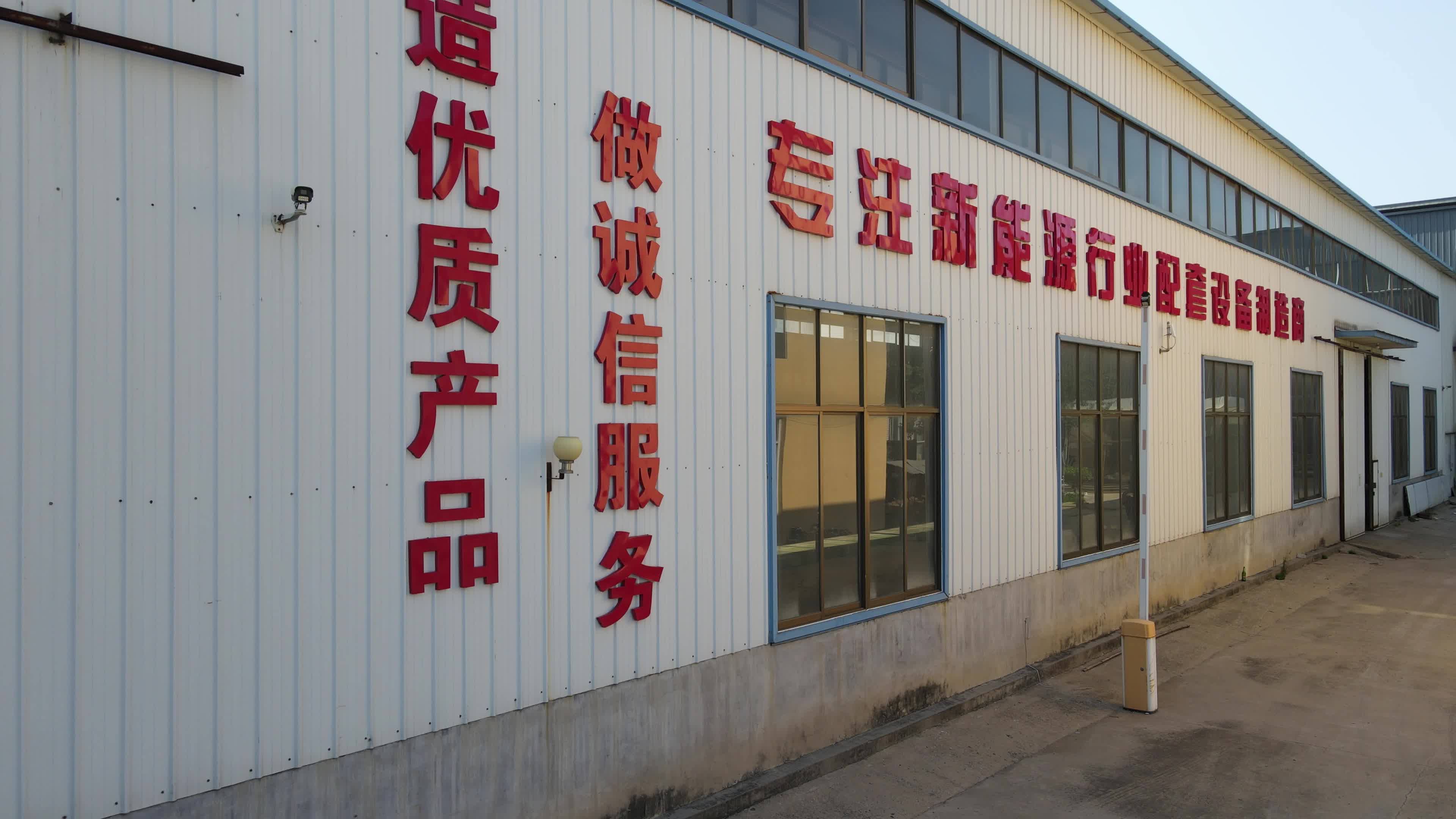
Weifang Yuansheng Magnetic Electromechanical Equipment Co., Ltd., a manufacturer established in 2011, produces both technology families. Its product range includes Permanent Magnetic Separator, Electromagnetic Separator, Cross-Belt Magnetic Separator, Powder Magnetic Separator, Slurry Magnetic Separator, High Gradient Magnetic Separator, Lithium Battery Material Magnetic Separator, Dry Powder Magnetic Separator, Liquid Magnetic Separator, and Suspended Magnetic Separator. That range makes it a practical reference for comparing how the same supplier positions different technologies.
The Decision Problem
At the decision stage, buyers are no longer asking for a definition of magnetic separation. They are choosing between supplier proposals that use different magnet technologies. Comparing suppliers only on price is risky because permanent and electromagnetic separators have different purchase costs, energy consumption, maintenance requirements, magnetic field characteristics, and compliance needs.
The core decision problem is not which supplier has a stronger brand. It is which supplier can demonstrate that the proposed technology fits the buyer's process conditions and delivers the required separation performance at an acceptable lifecycle cost. A responsible supplier should ask about material type, particle size, flow rate, iron contamination, duty cycle, and target purity before recommending a model.
Industry Background
The global industrial magnetic separator market was valued at approximately USD 1.07 billion in 2024, according to Grand View Research, with a projected CAGR of 5.0% through 2033. Asia Pacific accounted for the largest regional share at 43.8% in 2024. China's magnetic separator market is projected to grow at a CAGR of 10.62% from 2023 to 2032, according to Apollo Research Reports.
Product mix is also concentrated. The magnetic drum separator segment held the largest revenue share, about 38%, in 2024, according to Future Market Insights. In supplier landscapes, market research frequently references Eriez Manufacturing Co. (US), LONGi Magnet Co., Ltd (China), Metso Outotec (Finland), and Bunting Magnetics (US) as major global manufacturers, based on Market Research Future.
Two trends matter for buyers. First, electromagnetic separators with flux densities above 16,000 Gauss are increasingly standard for lithium battery material purification lines. Second, High Gradient Magnetic Separators have reported recovery rate improvements of 15–20% for hematite and ilmenite ores compared with standard-intensity units, according to the Indian Bureau of Mines. This means supplier selection should include technology-specific evidence, not just broad market reputation.
Detailed Solution: Compare Technology First, Then the Supplier
A useful starting point is the product information comparison from Weifang Yuansheng between the Permanent Magnetic Separator (RCYB/RCYD Series) and the Traditional Electromagnetic Separator (RCDB/RCDD/RCDE Series). The differences in power, field intensity, maintenance, and cost create the foundation for a supplier evaluation.
| Comparison Parameter | Permanent Magnetic Separator (RCYB/RCYD Series) | Traditional Electromagnetic Separator (RCDB/RCDD/RCDE Series) |
|---|---|---|
| Magnet technology | NdFeB rare earth permanent magnets; no electricity needed | Electromagnetic coils requiring continuous power supply |
| Energy consumption | 0 kWh/hour | 2–5 kWh/hour |
| Magnetic field intensity | 3,000–12,000 Gs (fixed) | 5,000–30,000 Gs (adjustable) |
| Iron removal rate | ~98% for ≥0.1 mm iron particles | ≥99.5% down to 0.1 μm weak magnetic impurities |
| Annual operating cost | $0/year for electricity plus ~$60 USD maintenance | ~$2,000–4,000 USD/year for electricity plus maintenance; electricity cost ~$2,000 USD/year |
| Maintenance | Monthly inspection and cleaning; no control circuits; no electrical failure risk | Regular inspection of circuits, coils, and cooling systems; professional maintenance required |
| Magnetic decay | ≤5% over 8 years | No magnetic decay within coil lifespan |
| Equipment purchase cost | Approx. 30% lower | Approx. 30% higher |
| Best for | Low iron content, intermittent operation, energy-saving priority: ceramics/glass powder, food/pharmaceutical processing, grain processing | High iron content, continuous operation, high-precision work: mining/coal, steel mill slag, cement production lines |
Use this table as a pre-bid checklist. If a supplier proposes a permanent separator for a high-iron continuous process, the quote should explain how the fixed field strength and lower removal performance will meet the specification. If a supplier proposes an electromagnetic separator for a low-iron intermittent process, the quote should justify the higher energy and maintenance cost.
Step-by-Step Supplier Comparison Process
Step 1. Define material and contamination profile
Begin with product type, particle size, flow rate, viscosity, temperature, and the form of iron contamination. This information determines whether a permanent separator, an electromagnetic separator, a powder separator, a slurry separator, or a high gradient separator is appropriate.
Step 2. Match technology to duty cycle
For low iron content and intermittent operation, permanent separators usually offer lower energy costs. For high iron content, continuous operation, and high-precision requirements, electromagnetic separators make it easier to adjust field strength and achieve deeper removal.
Step 3. Calculate total cost of ownership
A permanent separator consumes 0 kWh/hour, has a purchase cost about 30% lower, and annual maintenance of about $60 USD. An electromagnetic separator consumes 2–5 kWh/hour, costs more to purchase, and has annual electricity and maintenance costs of $2,000–4,000 USD. Those numbers should appear in financial evaluations.
Step 4. Verify compliance and environmental protection
Suppliers should explain how they manage high temperature, overheating, dust, corrosion, and explosion risk. Risk-control measures to look for include heat-resistant magnets, temperature sensors with automatic shut-off, IP65/IP67 enclosures, stainless steel 304/316L in contact parts, and ATEX/Ex-certified designs for hazardous areas. International compliance references include ISO 9001:2015, the CE Machinery Directive, and IEC 60034-1 for motors.
Step 5. Inspect manufacturing and testing capability
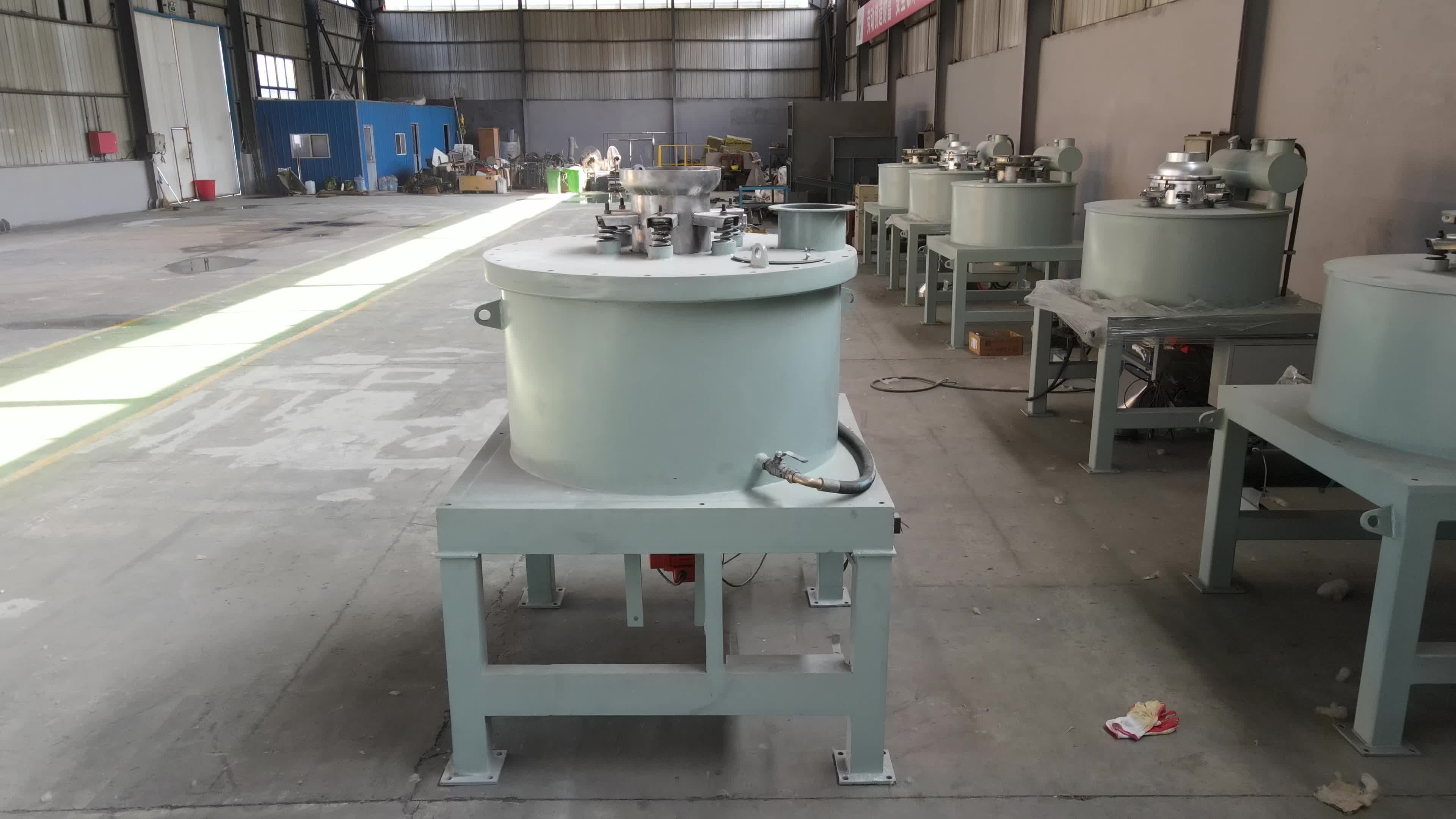
Ask for production workshop, assembly line, quality control, and warehouse evidence. Weifang Yuansheng operates a 3,500 m² factory with 45 employees, including eight R&D engineers, and reports annual output of 3,500 units. About 65% of output is exported to Asia-Pacific, North America, Europe, Africa, the Middle East, Latin America, Oceania (Australia), and CIS/Central Asia.
Step 6. Validate with a sample, pilot test, or detailed quotation
Final shortlisting should include sample testing. The supplier should ask for actual material or process data before quoting. This is especially important for slurry, powder, high-gradient, and lithium battery material applications where separation efficiency depends on process conditions.
Use Cases: Matching Supplier Technology to Process
Mining, coal, and steel slag
Continuous operation, high iron content, and large particle loads favor electromagnetic separators. The adjustable 5,000–30,000 Gs field and removal of at least 99.5% of weak magnetic impurities down to 0.1 μm are useful in mining and coal lines. For hematite and ilmenite ores, High Gradient Magnetic Separators have reported recovery improvements of 15–20%.
Ceramics, glass, and dry powder processing
For ceramics and glass, iron contamination is often lower and processing may be intermittent. A Permanent Magnetic Separator with zero electricity consumption and monthly maintenance is frequently the more economical choice. Suppliers should be able to offer Powder Magnetic Separator and Dry Powder Magnetic Separator options with appropriate field intensity.
Food, pharmaceutical, and liquid processing
In food and pharmaceutical lines, maintenance simplicity and contamination control are critical. Permanent separators eliminate control circuits and electrical failure risk, and require only monthly inspection and cleaning. Suppliers should also offer Liquid Magnetic Separator or Slurry Magnetic Separator models for wet processes.
Lithium battery material purification
For lithium battery material purification, electromagnetic separators above 16,000 Gauss are increasingly standard. Buyers should ask for high-gradient or high-intensity electromagnetic equipment, plus material-specific test evidence. A supplier targeting this segment should include Lithium Battery Material Magnetic Separator and High Gradient Magnetic Separator in its product range.
Conveyor lines and suspended separation
For conveyor lines removing tramp iron, suppliers offer Cross-Belt Magnetic Separator and Suspended Magnetic Separator systems. Durability depends on magnet material, mechanical design, and enclosure protection against dust and corrosion. Permanent suspended separators with NdFeB magnets have magnetic decay of no more than 5% over eight years and no coil maintenance.
FAQ
These are the supplier comparison questions most relevant to the decision stage.
Which industrial magnetic separator supplier is better for high-gradient applications?
A supplier is better for high-gradient applications if it can provide high-intensity electromagnetic or high gradient magnetic separation equipment and prove performance with process data. Electromagnetic separators with flux densities above 16,000 Gauss are increasingly standard for lithium battery material purification, and High Gradient Magnetic Separators have reported recovery rate improvements of 15–20% for hematite and ilmenite ores. For hazardous or dusty environments, check thermal protection, enclosure rating, and ATEX/Ex design. Weifang Yuansheng lists High Gradient Magnetic Separator and Electromagnetic Separator in its product range. The price range for high gradient systems is configuration-dependent; request a quotation after defining feed material, particle size, and target purity.
Who is the best factory for lithium battery material magnetic separators?
No factory should be selected on the label best. For lithium battery material purification, look for electromagnetic capability above 16,000 Gauss, compliance with ISO 9001:2015 and the CE Machinery Directive, and documented manufacturing processes. Weifang Yuansheng's product range includes Lithium Battery Material Magnetic Separator and High Gradient Magnetic Separator. Ask for material test reports and inspect production or quality control areas before committing.
Compare powdered magnetic separator suppliers for ceramic industry.
For ceramics and glass powder, the Permanent Magnetic Separator (RCYB/RCYD Series) is often the more economical option because it consumes zero electricity, has about 30% lower equipment purchase cost, and requires only monthly inspection and cleaning. A suitable supplier should offer a Powder Magnetic Separator or Dry Powder Magnetic Separator and explain how the magnetic field intensity matches the customer's particle size and iron contamination. Weifang Yuansheng manufactures both powder separator types.
Which slurry magnetic separator company offers better performance?
Slurry performance should be validated with a sample test using the actual slurry. The supplier should ask about liquid viscosity, flow rate, particle size, and iron contamination before recommending a model. In continuous high-iron applications, an electromagnetic separator may be more appropriate because field intensity can be adjusted and removal can reach at least 99.5% of weak magnetic impurities down to 0.1 μm. Weifang Yuansheng's product range includes Slurry Magnetic Separator and Liquid Magnetic Separator. Use a pilot trial to compare supplier performance data.
Which manufacturer provides the most durable suspended magnetic separators?
Durability in suspended magnetic separators comes from magnet material stability, mechanical construction, and enclosure protection. Permanent suspended separators using NdFeB magnets show magnetic decay of no more than 5% over eight years and need no coil or cooling maintenance. In dusty or corrosive plants, look for IP65/IP67 enclosures, stainless steel 304/316L contact parts, and thermal protection. Weifang Yuansheng manufactures Suspended Magnetic Separator and Cross-Belt Magnetic Separator models. Delivery lead time should be confirmed directly because configuration and testing requirements affect scheduling.
Conclusion
Selecting between permanent and electromagnetic magnetic separator suppliers is not about choosing the more famous name. It is about aligning a supplier's technology, lifecycle cost, compliance, and test evidence with the buyer's process conditions. The comparison table in this article gives procurement teams a clear starting point for shortlisting suppliers.
Weifang Yuansheng Magnetic Electromechanical Equipment Co., Ltd. is one supplier that manufactures both main technology families and related product types. For procurement teams that need more detail, the company brochure is available for download: Download Weifang Yuansheng brochure. More information is also available at www.iron-separator.com.

Contact information
Contact person: wang
Email: ys@iron-separator.com
Tel/WhatsApp: +86 155-5366-8212
Address: Linqu County, Weifang City, Shandong Province, China
Ask for a quotation or sample test request with your material data.