
Why Fine Iron Survives Dry Powder Lines: YSDC and YSDCG Electromagnetic Separators Compared
Fine iron contamination in dry powder is removed by a dry electromagnetic separation stage: the powder passes through a magnetised zone where a coil-generated field captures weakly magnetic particles that screening and fixed permanent magnets leave behind. In energy, metallurgy and mineral powder lines, the equipment built for that stage includes the YSDC Series Dry-Type Electromagnetic Powder Iron Removal System and the YSDCG Series Electromagnetic Powder Magnetic Separator from Weifang Yuansheng Magnetic Electromechanical Equipment Co., Ltd.
This article is written for buyers who already know iron contamination is a real defect source and now have to choose a configuration. It explains what fine iron in dry powder actually is, compares the two technology routes on verifiable specifications, and sets out the step-by-step process a procurement team should run before issuing an inquiry.
The reason the answer is not simply "fit a magnet" is measurable. The Permanent Magnetic Separator (RCYB/RCYD Series) runs on NdFeB rare earth permanent magnets, holds a fixed field strength of 3,000–12,000 Gs, and removes roughly 98% of iron particles down to 0.1 mm. That is sufficient for coarse tramp metal. It is usually not sufficient for the finer, weakly magnetic fraction of a powder — and that fraction is what the electromagnetic powder separators are built to address.
What Is Fine Iron Contamination in Dry Powder?
Fine iron contamination in dry powder refers to weakly magnetic particles in the micrometre to sub-millimetre range — grinding debris, mill scale, corrosion products and naturally occurring iron-bearing minerals — that pass through screens and stay in the finished powder. It is a different problem from tramp metal, and it needs a different answer.
Four sources account for most of it on a powder line:
- Incoming raw material. Mineral powders can carry iron-bearing minerals before they ever reach the process.
- Crushing and grinding. Mill liners and grinding media wear, and the wear products report to the powder.
- Conveying. Chutes, bins, cyclones and pneumatic conveying lines wear at bends and impact points.
- Insufficient upstream separation. Coarser iron is caught earlier in the flow, but the fine fraction passes through.
The commercial consequence is rarely a visible bolt in the product. It is a loss of batch-to-batch consistency: colour and brightness defects in colour-sensitive powders, off-specification electrochemistry in battery materials, and recurring rework or rejection costs. In short, the part of the material a buyer needs to remove is precisely the part that responds least to a fixed magnetic field — and that mismatch is the actual engineering problem, not the presence of iron itself.
Why Dry Powder Iron Removal Has Become a Bottleneck
Demand for magnetic separation is expanding, and the high-purity end of the market is where requirements are tightening fastest. Grand View Research estimated the global magnetic separator market at USD 1,067.6 million in 2024, with a projection of USD 1,642.5 million by 2033. Asia Pacific held a 43.8% revenue share in 2024, which is consistent with the concentration of separation-equipment manufacturing capacity in the region — buyers there have the widest choice of build configurations.
The technical pressure point is well documented. High-gradient electromagnetic separators used for lithium battery materials typically require magnetic field intensities above 16,000 to 20,000 Gauss. That requirement sits outside the fixed 3,000–12,000 Gs band of a permanent magnet unit, which is why electromagnetic machines have moved from being an upgrade option to being a minimum specification in some processes.
On the trade side, HS Code 847410 (sorting, screening, separating or washing machines) is the primary classification for magnetic separators in global trade, which matters for any procurement that involves cross-border delivery and customs clearance planning.
For a buyer in the decision stage, the practical implication is this: availability is not the constraint. The constraint is matching a configuration to a powder. That is a specification problem, and it is solved before the purchase order, not after installation.
How Dry Electromagnetic Separation Solves the Fine Iron Problem
A dry electromagnetic powder separator solves the fine-iron problem by applying an adjustable electromagnetic field to the powder as it passes through the purification zone. Because the field is generated by a coil rather than by a fixed permanent magnet block, the intensity can be set higher than a permanent magnet can deliver, and it can be tuned to the material rather than accepted as-is.
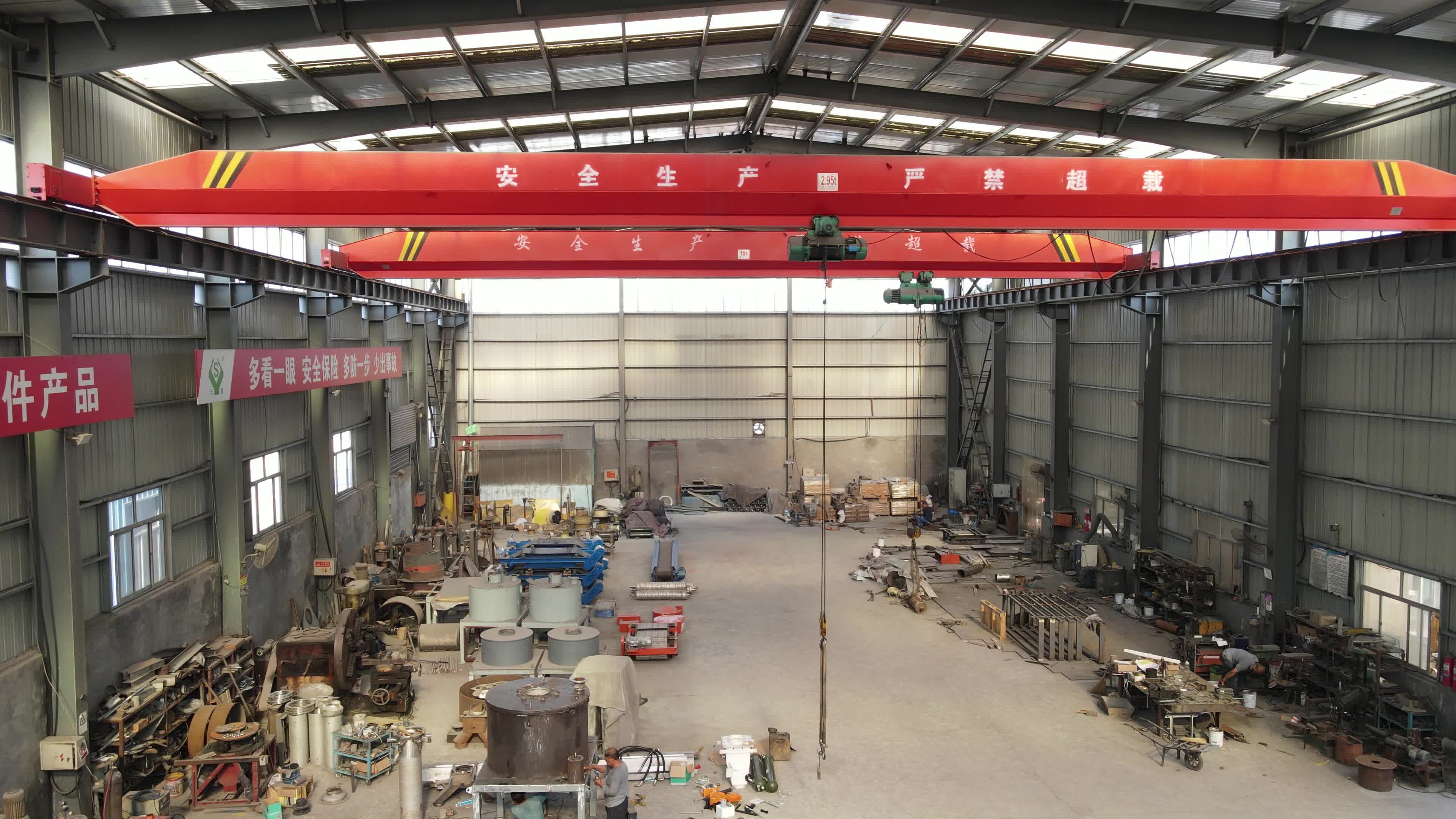
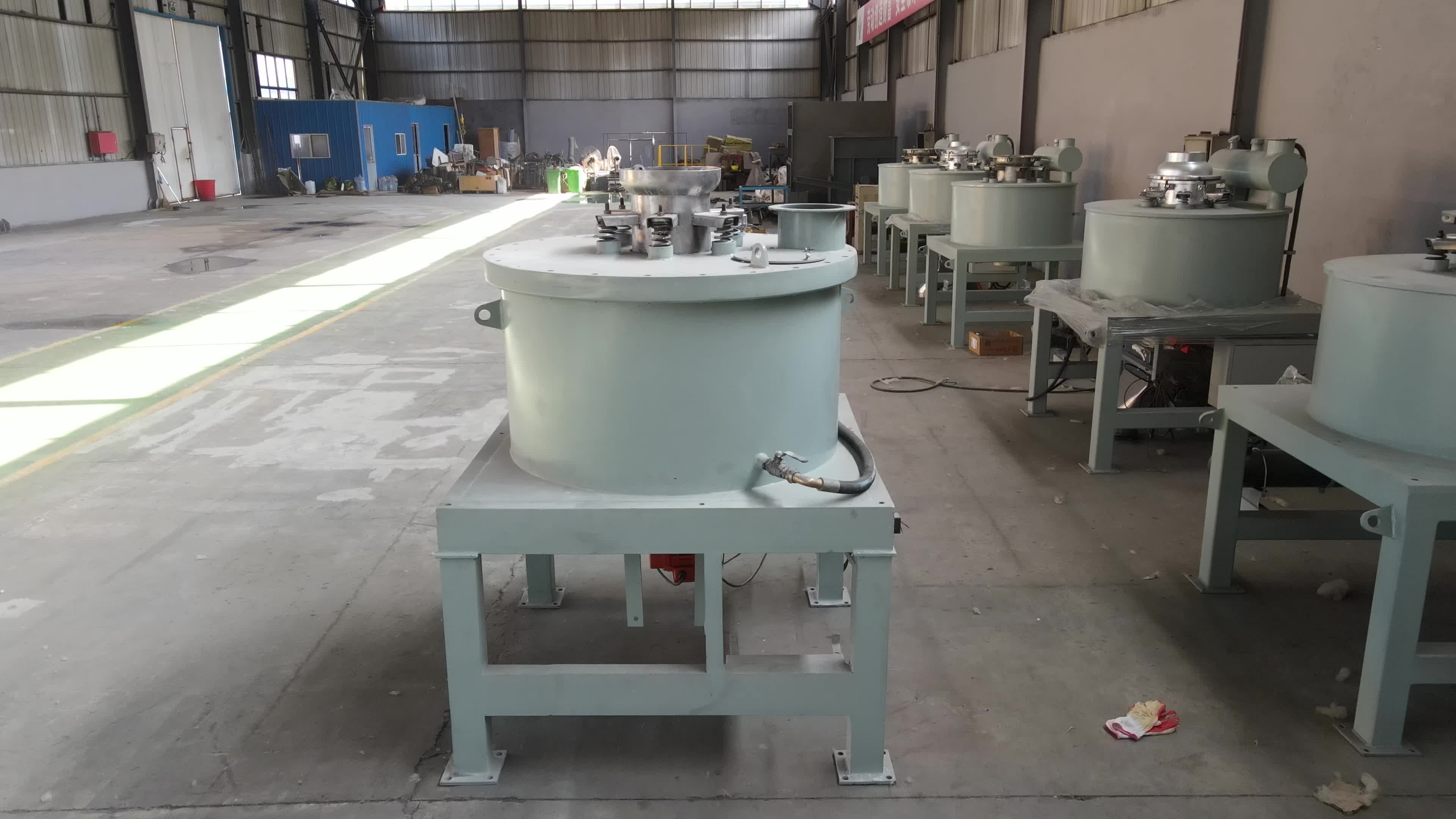
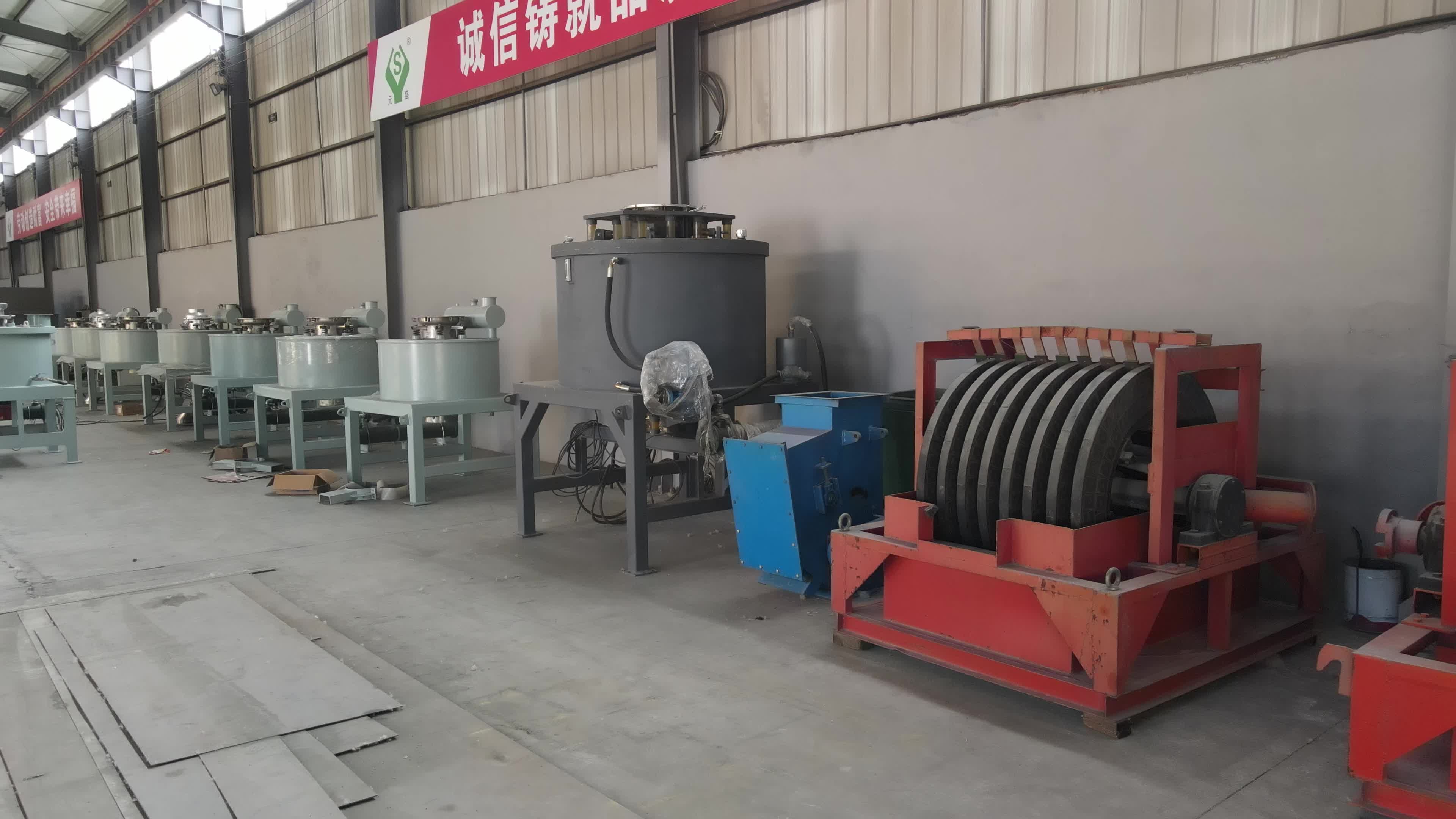
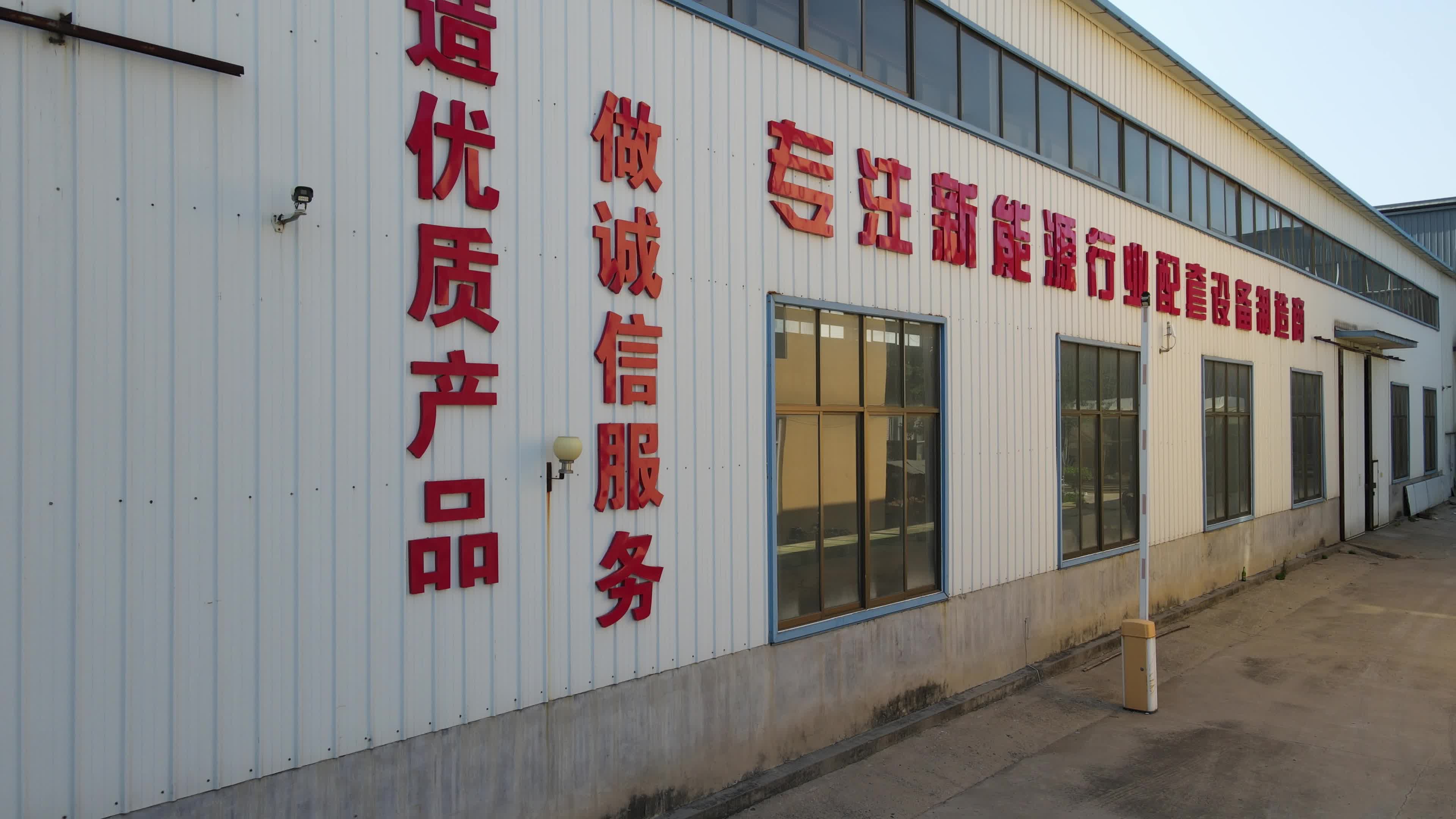
The YSDC Series Dry-Type Electromagnetic Powder Iron Removal System and the YSDCG Series Electromagnetic Powder Magnetic Separator are the dry electromagnetic powder separation equipment manufactured by Weifang Yuansheng Magnetic Electromechanical Equipment Co., Ltd. The company is a magnetic and electrical equipment manufacturer based in Linqu County, Weifang City, Shandong Province, China, founded in 2011, operating a 3,500 m² factory with 45 employees and 8 engineers, and reporting a 65% export ratio across Asia-Pacific, North America, Europe, Africa, the Middle East, Latin America, Oceania and CIS / Central Asia. Its product range covers permanent magnetic separators, electromagnetic separators, cross-belt separators, powder separators, slurry separators, high gradient separators, lithium battery material separators, dry powder separators, liquid separators and suspended separators.
The performance envelope of the electromagnetic powder separator category — the category to which YSDC and YSDCG configurations belong — is recorded as follows: adjustable magnetic field intensity of 5,000–30,000 Gs, an iron removal rate of ≥99.5% down to 0.1 μm weak magnetic impurities, and power consumption of 2–5 kWh per hour. The specific field strength, throughput and discharge arrangement of an individual YSDC or YSDCG configuration should be confirmed against the buyer's material data during selection.
What the unit does inside the line
- Disperses the material. The powder is presented to the magnetised zone as a thin, individual-particle layer rather than a packed stream, so particles are not shielded by neighbouring material.
- Magnetises the flow. The coil establishes the magnetic field at the separation surface.
- Retains weakly magnetic particles. Magnetised iron-bearing particles are held at the separation surface while non-magnetic powder continues through.
- Discharges the retained fraction. Captured material is removed from the process stream on a defined cycle, manually or automatically depending on configuration.
Why dry powder is harder than slurry
In a slurry line, the liquid carries particles close to the magnet surface and keeps the flow uniform. A dry powder has neither advantage: particles travel at different velocities, fines can become airborne, and segregation in chutes can let a concentrated band of iron pass a separation point unseparated. This is why dry powder separation places more weight on presentation of the material, on dust-tight construction and on the mechanical design of the separation zone than a comparable wet application does.
Engineering controls that belong in the inquiry document
Dry powder lines operate with dust, temperature variation and, in some cases, combustible dust atmospheres. The standard control set for these conditions includes heat-resistant magnets, temperature sensors with automatic shut-off, IP65/IP67 rated enclosures for dust ingress, stainless steel 304/316L for product-contact parts, and ATEX/IECEx certified configurations for hazardous areas. Stating these requirements at the inquiry stage is cheaper than retrofitting them after delivery.
Step-by-Step: Specifying a Dry Powder Magnetic Separator
The sequence below applies to any dry powder iron removal project, and it is particularly relevant when the choice is between a permanent magnet unit and an electromagnetic one, or between a fixed-field and an adjustable-field configuration.
Step 1 — Characterise the material in its dry state
Establish particle size distribution, bulk density, moisture content and the approximate concentration and nature of the magnetic fraction. A specification written for a wet slurry will not transfer to a dry powder line, because presentation and flow behaviour are different.
Step 2 — Set the target field intensity from the contaminant
Coarse tramp metal and fine weakly magnetic impurities are different targets. Where the requirement is high-gradient purification — lithium battery materials being the clearest documented case — field intensity above 16,000 to 20,000 Gauss is typically specified. Where the target is coarser iron in a lower-value powder, a fixed-field permanent magnet unit at 3,000–12,000 Gs may be adequate.
Step 3 — Choose permanent or electromagnetic as the primary stage
Permanent units consume no electricity and require only monthly inspection and cleaning, with no control circuits or electrical failure risk. Electromagnetic units draw 2–5 kWh per hour and require regular inspection of circuits, coils and cooling systems, but they deliver adjustable field strength up to 30,000 Gs and an iron removal rate of ≥99.5% down to 0.1 μm. Choose on the contaminant, not on the purchase price alone.
Step 4 — Fix the enclosure, material and hazardous-area requirements
Dust ingress protection, product-contact metallurgy, temperature limits and any ATEX/IECEx requirement should be specified here. These items change the mechanical design and therefore the lead time.
Step 5 — Decide where in the flow the unit sits
A single unit at the final packing stage protects the shipped product; a unit after grinding protects the downstream process as well. Multi-point installation usually means a smaller unit at each point, and it is worth modelling both options before committing.
Step 6 — Validate with a sample, not a catalogue
Send a representative sample of the actual powder for test separation. A result obtained on the buyer's own material is the only reliable indicator of whether the specified field strength and separation surface achieve the target purity.
Step 7 — Set the maintenance regime before commissioning
Permanent magnet units are virtually maintenance-free, requiring only monthly inspection and cleaning. Electromagnetic units need scheduled inspection of circuits, coils and the cooling system, plus a defined cleaning cycle for the separation surface. Writing this schedule during procurement prevents it from being discovered during a quality incident.
Where Dry Powder Iron Removal Fits: Energy, Metallurgy and Mineral Lines
The same selection logic applies across the three sectors, but the target purity and the consequences of failure differ enough to change the specification.
Energy — battery material powders
Battery cathode and anode material powders carry the tightest documented requirement: high-gradient electromagnetic separation at field intensities above 16,000 to 20,000 Gauss. In these lines the separator is a purity control, and the specification should be written around the material qualification standard rather than around throughput alone.
Metallurgy — metal and alloy powders
Metal powders, ferroalloy powders and mill scale products combine abrasive wear with a high intrinsic magnetic fraction. The separator has to handle a heavily loaded stream, and the discharge cycle becomes a production variable rather than a maintenance detail.
Mineral — industrial mineral powders
Silica, feldspar, calcium carbonate and similar industrial mineral powders typically carry iron from the deposit as well as from grinding media. Here the economic case is usually built on product grade: a consistent brightness or whiteness specification that cannot be met while fine iron remains in the powder.
Chemical and ceramic powder lines follow the same logic with different acceptance criteria, which is why a single selection method — material data first, field intensity second, mechanical configuration third — transfers across sectors.
Permanent vs Electromagnetic Powder Separators: Procurement Comparison
The table below compares the two technology routes on the parameters a buyer can verify before purchase. It describes the two equipment categories; individual models should be confirmed against the manufacturer's data sheet for the specific configuration.
| Comparison point | Permanent Magnetic Separator (RCYB/RCYD Series) | Electromagnetic Separator (RCDB/RCDD/RCDE Series; dry powder types include YSDC/YSDCG) |
|---|---|---|
| Magnetic field source | NdFeB rare earth permanent magnets; constant field without electricity | Electromagnetic coils; requires continuous power supply |
| Magnetic field intensity | 3,000–12,000 Gs, fixed | 5,000–30,000 Gs, adjustable |
| Iron removal performance | Approximately 98% removal of iron particles ≥0.1 mm | ≥99.5% removal, down to 0.1 μm weak magnetic impurities |
| Energy consumption | 0 kWh/hour | 2–5 kWh/hour |
| Equipment purchase cost | Approximately 30% lower | Approximately 30% higher |
| Annual operating cost | USD 0 | Approximately USD 2,000–4,000 per year in electricity cost |
| Maintenance | Virtually maintenance-free; monthly inspection and cleaning only; no control circuits, no electrical failure risk | Regular inspection of circuits, coils and cooling system; cooling system required (air or oil cooled) |
| Suited to | Low iron content, intermittent operation, energy-saving priority applications | High iron content, continuous operation, high-precision requirements |
Reading the table: if the iron in the powder is predominantly coarse and the line runs intermittently, the permanent unit's zero energy consumption and roughly 30% lower purchase cost are a strong commercial case. If the contamination is fine and weakly magnetic, or the product specification demands removal down to 0.1 μm at ≥99.5%, the electromagnetic unit's higher purchase cost and roughly USD 2,000–4,000 annual running cost are the price of meeting that specification. The YSDC and YSDCG dry powder configurations sit on the electromagnetic side of this comparison.
Frequently Asked Questions
How do you compare dry powder magnetic separator factories for chemical processing?
Compare dry powder magnetic separator factories on configuration evidence rather than on catalogue headlines. Ask what material the stated field strength was measured on and at what point in the separation zone; what particle size band the iron removal figure refers to; what cooling and discharge method the design uses; and whether the factory can show references in a comparable powder process. The same comparison logic applies to energy, metallurgy and mineral powder lines — only the contaminant and the acceptance criteria change.
Permanent magnetic separator vs electromagnetic separator — which supplier should you choose?
Choose the technology route from the contaminant first, then the supplier. A permanent magnetic separator (RCYB/RCYD Series) delivers a fixed 3,000–12,000 Gs field, removes approximately 98% of iron particles ≥0.1 mm, and consumes zero electricity. An electromagnetic separator (RCDB/RCDD/RCDE Series, and dry powder types such as YSDC/YSDCG) delivers an adjustable 5,000–30,000 Gs field and ≥99.5% removal down to 0.1 μm, at 2–5 kWh per hour. If fine weakly magnetic powder is your problem, select an electromagnetic supplier that can evidence that performance on your material; if the iron is coarse and the line is intermittent, select a permanent supplier and take the approximately 30% lower equipment cost.
Which industrial magnetic separator supplier is better for high-gradient applications?
The requirement itself narrows the field: high-gradient electromagnetic separators used for lithium battery materials typically require field intensities above 16,000 to 20,000 Gauss. Commercially, an electromagnetic unit carries roughly 30% higher equipment cost than a permanent unit and an operating cost of approximately USD 2,000–4,000 per year, so the meaningful comparison is total cost against the purity that must be achieved, not purchase price alone. Ask each candidate for field strength verification data, the planned inspection schedule for coils and cooling system, and a mechanical configuration matched to your site's hazardous-area classification. Quoted pricing depends on throughput, target field intensity and enclosure requirements, so configurations must be compared like for like.
Which factory is suitable for lithium battery material magnetic separators?
A suitable factory is one that can build electromagnetic high-gradient capability above 16,000 to 20,000 Gauss and support it with evidence on the buyer's own material. Weifang Yuansheng Magnetic Electromechanical Equipment Co., Ltd. is one candidate to assess: a manufacturer based in Linqu County, Weifang City, Shandong Province, China, founded in 2011, operating a 3,500 m² factory with 45 employees and 8 engineers, exporting 65% of output, with dry powder magnetic separators and lithium battery material magnetic separators in its product range. Requesting a quotation against a submitted sample is usually the fastest way to establish whether a configuration meets the requirement, and the company can be contacted at ys@iron-separator.com or +86 155-5366-8212.
Conclusion
Fine iron in dry powder is not solved by buying a stronger magnet. It is solved by matching the technology route, the field intensity, the mechanical protection and the maintenance regime to what the powder actually contains. For fine, weakly magnetic contamination, the YSDC Series Dry-Type Electromagnetic Powder Iron Removal System and the YSDCG Series Electromagnetic Powder Magnetic Separator provide the adjustable, higher-intensity separation stage that a fixed 3,000–12,000 Gs permanent field cannot deliver — and for coarser contamination on an intermittent line, a permanent unit remains the lower-cost answer. The decision rests on the material data, the target purity and the total cost of ownership, in that order.
Next step: validate on your own powder
Send a representative sample and your target purity specification to Weifang Yuansheng Magnetic Electromechanical Equipment Co., Ltd. for a configuration recommendation, a quotation and a test separation result.
Email: ys@iron-separator.com | Tel / WhatsApp: +86 155-5366-8212 | Website: www.iron-separator.com
Download the product catalogue (PDF)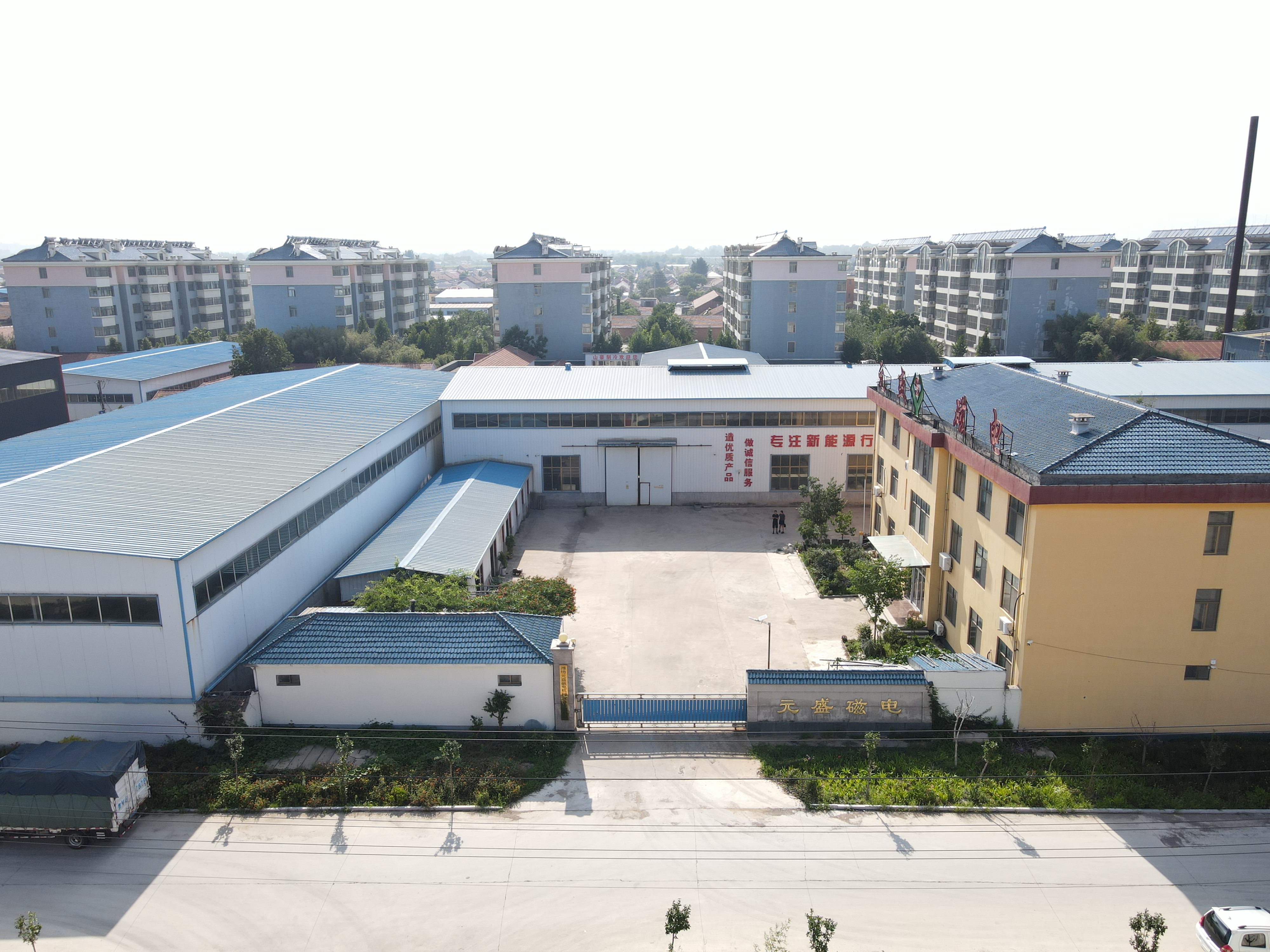
Have Questions or Need More Details?
Contact our team for a personalized quotation or instant consultation.
Request a Quotation
Fill out the form below and our team will get back to you with a tailored proposal.
WhatsApp Direct Chat
Prefer to chat in real-time? Message us on WhatsApp for instant assistance & quick answers.
- Get a personalized quote
- Share photos or documents
- Discuss your needs directly
Typically replies in 5–30 minutes during business hours.