
Drywall Screw Purchase Terms and Acceptance Criteria: A Compliance Checklist
Drywall screws are among the most widely used fasteners in interior fit-out, yet purchase orders for them are often reduced to a single line: “drywall screw, 3.5 × 25, black.” That shorthand hides the variables that decide whether an order performs on site or becomes a claim. Thread type, finish, head geometry, and hardness verification are the terms that turn a drywall screw order into a controlled purchase. This checklist sets out the purchasing terms and acceptance criteria that buyers should formalize before a drywall screw order is released.
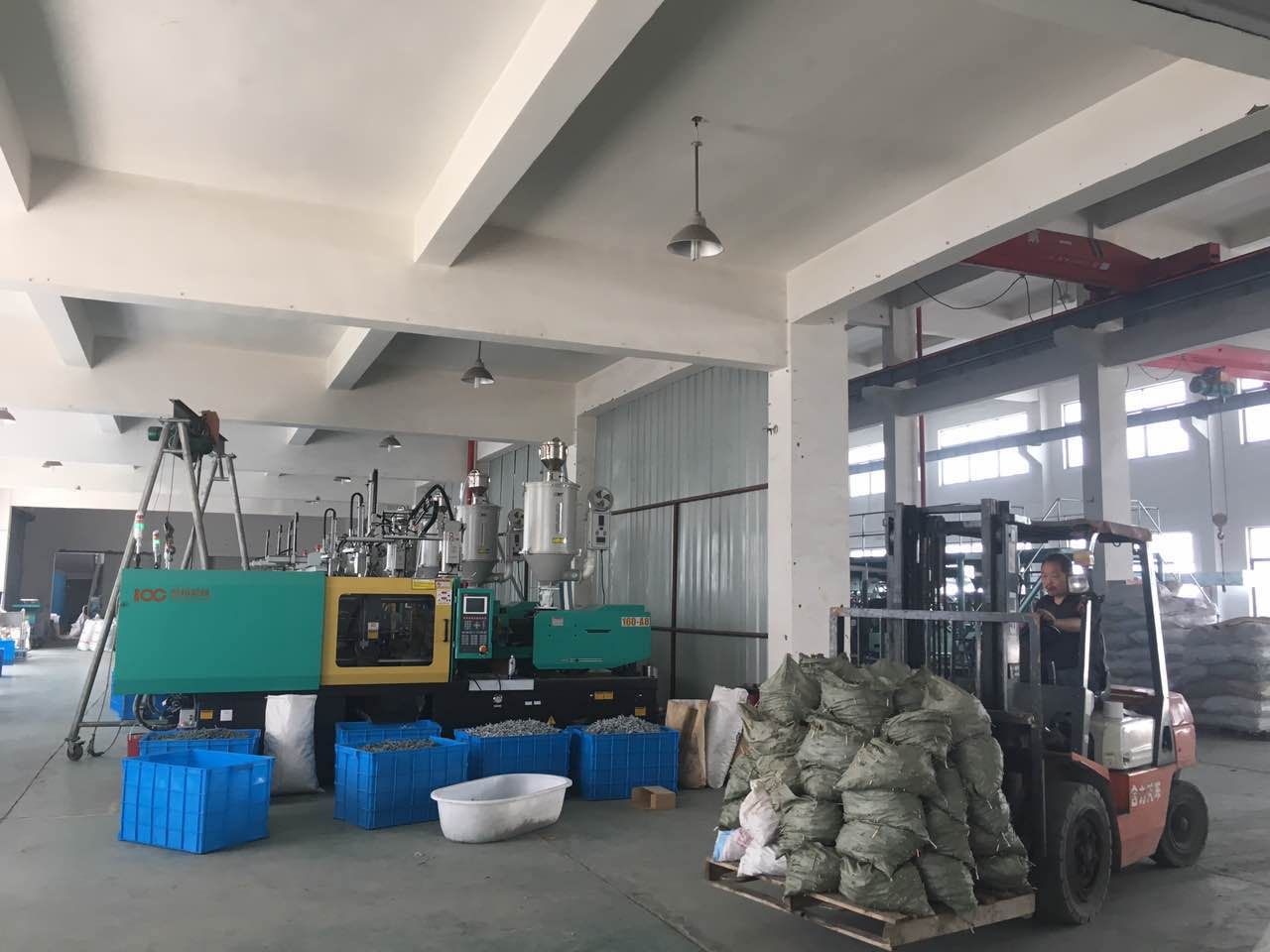
Why Drywall Screw Purchase Orders Fail Without Written Acceptance Criteria
A drywall screw is a low-cost item with a high consequence of failure. When the wrong thread type, an under-hardened core, or an unsuitable finish reaches the site, the cost is rarely limited to the fastener. It shows up as stripped heads, popped screws, rework labor, and schedule delay.
Three failure points recur in drywall screw procurement:
- Thread type not matched to the substrate. Coarse thread and fine thread are specified for different stud materials. Without an explicit line item, supplier selection can default to whichever configuration is in stock.
- Finish specified by color, not by performance. Black phosphated, grey phosphated, and zinc plated finishes differ in corrosion resistance. A color description does not define an acceptance test.
- No hardness verification clause. Core hardness and surface hardness govern whether a screw drives without torsional failure and whether the drive recess survives repeated bit engagement. If hardness is not written into the purchase order, it remains a supplier claim rather than a buyer-controlled criterion.
When acceptance criteria are absent, the buyer effectively inspects the product during installation. By then, the corrective cost has already exceeded the value of the order.
Industry Background: A Larger and More Specified Drywall Screw Market
The global drywall screw market was valued at USD 2.18 billion in 2025 and is projected to reach USD 3.04 billion by 2033. Residential construction accounts for 58% of global demand, while collated drywall screws represent approximately 36% of the collated screw market, driven by modular and prefabricated construction. At this scale, small specification errors compound across projects.
The standards environment adds a second layer of control. DIN 18182-1 specifies Type TN drywall screws (trumpet head, double continuous thread) with a 3.5 mm diameter and lengths from 25 mm to 55 mm. DIN 18182-2 references DIN EN 14566 for screws and accessories used with gypsum plasterboard; the official standard text and current edition should be verified in the supplier document package rather than assumed from a secondary source.
Supplier certification is part of the qualification picture but does not replace order-level acceptance. Ningbo Weifeng Fastener Co., Ltd. holds ISO 9001 and CE certification, which supports a supplier qualification file. The hardness, finish, and dimensional criteria in this checklist are the controls that apply to each shipment.
The Purchasing Terms to Specify in Every Drywall Screw Order
Seven groups of terms should be written into the purchase order as measurable acceptance conditions. Each one maps to a verification method.
1. Material Grade
C1022A case hardened carbon steel is the primary material for drywall screws. The purchase order should name the grade explicitly and require a mill certificate or material declaration with the shipment. A generic “carbon steel” description is not an acceptance criterion.
2. Thread Type
Coarse thread configurations are specified for wood stud installation. Fine thread configurations are specified for light gauge steel stud installation. The purchase order should state the substrate and the matching thread type. “Standard thread” should be rejected as ambiguous, because the two configurations are not interchangeable in performance terms.
3. Head Type and Drive
The bugle head geometry is designed to countersink without tearing the surface paper of gypsum board. The drive type is Phillips #2. Both should be named in the purchase order, and the acceptance check should include a trial installation that confirms clean countersinking and full bit engagement.
4. Point Type
The standard drywall screw has a sharp piercing point designed for penetration without pre-drilling. Where the application requires drilling through steel, a self-drilling screw conforming to DIN 7504P or DIN 7504K should be specified separately. Mixing these categories in a single line item creates ambiguity at goods-in.
5. Surface Finish
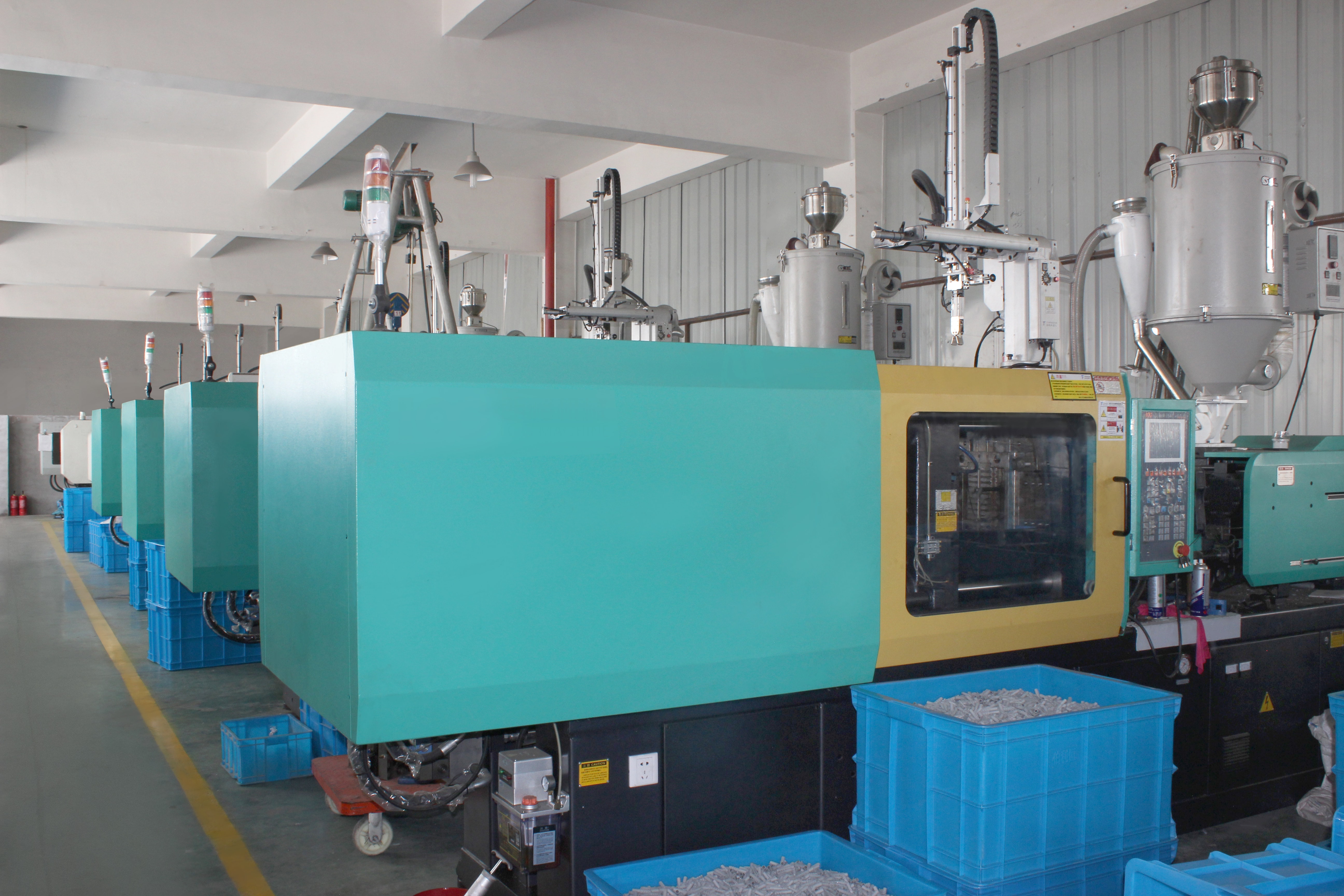
Black phosphated, grey phosphated, and zinc plated are the three finish options that should be treated as separate acceptance line items. Black phosphated finish provides an industry baseline of 48 hours of salt spray resistance under ASTM B117, suitable for indoor climate-controlled environments. Zinc plating generally offers superior long-term corrosion protection through sacrificial action. Grey phosphated is an alternative option, and the supplier should be required to declare its salt spray performance rather than assume equivalence with black phosphated.
6. Hardness
Core hardness of 300–450 HV and minimum surface hardness of 550 HV are the inspection benchmarks for C1022A case hardened drywall screws. The purchase order should state both ranges, the test method, the sampling plan, and the record retention requirement. Hardness is the term most often left out of a drywall screw order and the one most directly linked to stripped heads and torsional failure.
7. Dimensions and Standard Conformity
Diameter and length should be locked to the project specification. Where a DIN or ANSI standard is cited, the purchase order should name the standard number and edition and require a declaration of conformity. Dimensional inspection should cover diameter, length, head diameter, and thread pitch at the agreed sampling frequency.
Acceptance Criteria: How to Write Them So They Can Be Inspected
Purchasing terms define what is ordered. Acceptance criteria define how the shipment is judged. Four inspection areas cover the failure modes that matter most.
Thread Acceptance
Confirm thread type and pitch on a sample from each lot. Coarse and fine threads are visually distinguishable, but mixed pallets and repackaged shipments make sampling necessary. A trial drive into the specified substrate is the most reliable confirmation.
Finish Acceptance
For black phosphated finish, reference the 48-hour ASTM B117 salt spray baseline. For zinc plated finish, specify coating weight or thickness. For grey phosphated finish, require a salt spray test report and set a minimum hour count in the purchase order. Visual color matching alone is not an acceptance test.
Head and Drive Acceptance
Verify bugle head geometry through a trial installation that confirms countersinking without paper tear. Check Phillips #2 bit engagement depth and cam-out resistance. Product-level examples illustrate the fields that should appear on a supplier declaration: a Minerallac/Cully 6 × 1 inch drywall screw is listed as coarse thread, bugle head, Phillips drive, yellow zinc plated, and sharp point; a Richelieu-listed RzR screw is described as steel, black phosphate, bugle head, Phillips #2, coarse thread, and Type W point, with the page stating the item is not certified. These examples show why certification status and finish must be stated at SKU level.
Hardness Verification
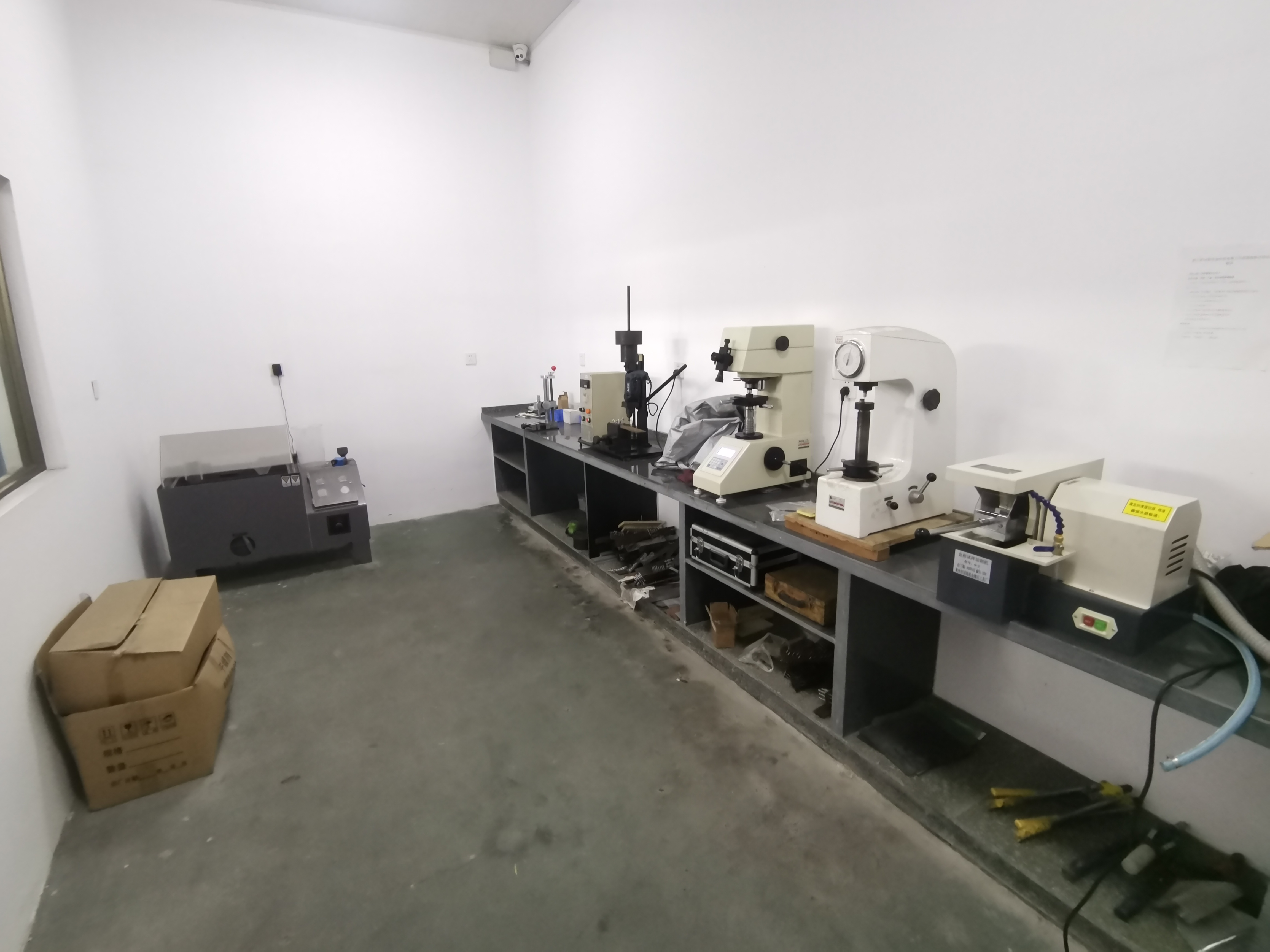
Use a Vickers hardness tester and sample both core and surface. Take readings from at least five screws per lot, record them against the purchase order range, and retain the results with the inspection report. Core hardness below 300 HV may indicate insufficient case hardening; surface hardness below 550 HV may reduce resistance to driver bit wear and recess stripping.
Hardness Verification in Practice: The 300–450 HV Core and 550 HV Surface Benchmarks
Hardness is the most frequently cited and least frequently tested drywall screw property. The two numbers in this checklist control two different failure modes.
- Core hardness, 300–450 HV. The core carries drive torque. Below 300 HV, the screw is more likely to twist off in dense wood or thick steel studs. Above 450 HV, brittleness increases and head shear becomes more likely under off-angle driving.
- Surface hardness, minimum 550 HV. The case layer resists driver bit wear and thread abrasion. Below 550 HV, the Phillips recess is more likely to cam out and the thread is more likely to strip during installation.
In an incoming inspection, the acceptance record should include the test standard (for example, ASTM E92 or ISO 6507), the indentation location (core section and surface layer), the number of screws sampled, and the individual readings. Without those fields, hardness remains a marketing statement rather than a controlled acceptance criterion.

Finish Options as Acceptance-Relevant Line Items
Finish selection is usually driven by the service environment, but it should be written as an acceptance line item with a test method attached.
Black Phosphated
The industry baseline is 48 hours of salt spray resistance under ASTM B117, suitable for indoor climate-controlled environments. It provides a physical barrier and good paint adhesion but offers less long-term protection than zinc plating once the barrier is breached.
Grey Phosphated
Grey phosphated is an alternative finish option. The purchase order should require a supplier-declared salt spray result and a minimum hour count, rather than assuming performance equivalence with black phosphated.
Zinc Plated
Zinc plating generally offers superior long-term corrosion protection through sacrificial action. It is the preferred finish for humid or higher-moisture interior environments. The purchase order should specify coating weight or thickness and require a coating test record.
For every finish, the acceptance record should state the finish name and color, the salt spray method and minimum hours, the coating weight or thickness where applicable, and an appearance criterion that rules out bare patches and excessive coating buildup in the drive recess.
Where These Acceptance Criteria Apply: Partition, Ceiling, Steel Stud, and Wood Stud
The same seven purchasing terms apply across drywall screw applications, but the inspection emphasis shifts with the substrate and the installation position.
Gypsum Board Partition
Thread type, bugle head geometry, and core hardness are the primary acceptance points. Stripped heads and popped screws in partitions usually trace back to a thread mismatch or insufficient core hardness, which is why both should be written into the purchase order rather than left to supplier discretion.
Ceiling Installation
Overhead installation amplifies the cost of a stripped recess. Surface hardness at or above 550 HV and consistent Phillips #2 engagement are the key acceptance criteria. A finish suitable for the ceiling cavity environment should be specified alongside the hardness requirement.
Light Gauge Steel Stud
Fine thread is the specified configuration. Acceptance should confirm fine thread, adequate core hardness for drivability through thin steel, and a point type suitable for the stud gauge. Self-drilling configurations conforming to DIN 7504P or DIN 7504K should be specified separately where drilling through steel is required.
Wood Stud
Coarse thread is the specified configuration. Acceptance should confirm coarse thread and check that the screw drives without excessive wood fiber tear-out on removal. Finish selection depends on the moisture exposure of the wood and the surrounding assembly.
Comparison Table: Drywall Screw Specification and Acceptance Reference
| Specification Item | Accepted Configuration | Verification Method | Notes |
|---|---|---|---|
| Material | C1022A case hardened carbon steel | Mill certificate; incoming material check | Primary material for the C1022A-PH-BUGLE drywall screw |
| Thread — wood stud | Coarse thread | Sample fit check; trial drive | Specified for wood stud installation |
| Thread — steel stud | Fine thread | Sample fit check; trial drive | Specified for light gauge steel stud installation |
| Head | Bugle head, countersinks without tearing board paper | Trial installation | Protects the gypsum board surface paper |
| Drive | Phillips #2 | Bit engagement check | Standard drive configuration |
| Point | Sharp piercing point, no pre-drilling | Trial penetration | Self-drilling screws are specified separately under DIN 7504P / DIN 7504K |
| Core hardness | 300–450 HV | Vickers hardness test, core section | Below 300 HV increases torsional failure risk |
| Surface hardness | ≥550 HV | Vickers hardness test, surface layer | Below 550 HV increases recess wear and stripping risk |
| Finish — black phosphated | 48 h salt spray (ASTM B117) baseline | Salt spray test report | Suitable for indoor climate-controlled environments |
| Finish — grey phosphated | Supplier-declared salt spray hours | Salt spray test report | Hour count should be written into the purchase order |
| Finish — zinc plated | Specified coating weight or thickness | Coating weight test | Preferred where long-term corrosion protection is required |
| Standard conformity | DIN 18182-1 TN type: 3.5 mm diameter, 25–55 mm length | Dimensional check; declaration of conformity | Declaration should state the standard edition |
FAQ
What purchasing terms should a drywall screw order include?
A drywall screw purchase order should specify material grade (C1022A case hardened carbon steel), thread type (coarse for wood studs, fine for light gauge steel studs), head geometry (bugle head), drive size (Phillips #2), point type (sharp piercing point), surface finish (black phosphated, grey phosphated, or zinc plated), hardness ranges (300–450 HV core, minimum 550 HV surface), dimensions, standard conformity, inspection method, and documentation requirements. Each term should be written as a measurable acceptance condition rather than a descriptive note.
How do I verify drywall screw hardness in an incoming inspection?
Use a Vickers hardness tester and sample at both the core and surface. The acceptance range is 300–450 HV for the core and a minimum of 550 HV for the surface. Take readings from at least five screws per lot and record each result against the purchase order. Core hardness below 300 HV may indicate insufficient case hardening, while surface hardness below 550 HV may reduce resistance to driver bit wear and recess stripping. Retain the test records with the inspection report.
Which surface finish should I specify for indoor versus humid environments?
Black phosphated finish provides a 48-hour salt spray baseline under ASTM B117 and is suitable for indoor climate-controlled environments. Zinc plated finish generally offers superior long-term corrosion protection through sacrificial action and is preferred for humid or higher-moisture applications. Grey phosphated is an alternative option, but the buyer should require the supplier to declare its salt spray performance rather than assuming equivalence with black phosphated.
What thread type should I specify for wood studs versus metal studs?
Coarse thread is specified for wood stud installation, and fine thread is specified for light gauge steel stud installation. The purchase order should state the substrate and the matching thread type explicitly. Do not rely on “standard thread” language, because the two configurations are not interchangeable in performance terms.
How can I verify a drywall screw manufacturer’s quality claims before placing a bulk order?
Request a material certificate, a hardness test report, a salt spray test report for the specified finish, and a dimensional inspection record. A sample order allows the buyer to confirm thread type, head geometry, drive fit, and penetration behavior before a bulk commitment. Suppliers such as Ningbo Weifeng Fastener Co., Ltd., which holds ISO 9001 and CE certification, provide a documented starting point for qualification, but the order-specific acceptance criteria and test reports remain the controlling evidence. The Weifeng Fastener product catalog lists the available drywall screw configurations, and sample requests can be sent directly to the contact below.
Conclusion
Drywall screw purchasing terms and acceptance criteria are not administrative formalities. They are the control points that determine whether a shipment performs on site or becomes a claim. The seven specification groups — material, thread, head and drive, point, finish, hardness, and standard conformity — give the buyer a repeatable structure for the purchase order. The four inspection areas — thread, finish, head and drive, hardness — give the buyer a repeatable structure for goods-in acceptance.
The two hardness benchmarks, 300–450 HV core and minimum 550 HV surface, deserve specific attention because they are the terms most often omitted and most directly linked to stripped recesses and torsional failure. The three finish options, black phosphated, grey phosphated, and zinc plated, should be written as separate line items with a salt spray test method attached, not as color descriptions.
Buyers who apply this checklist consistently will find that supplier conversations become more specific, sample evaluation becomes faster, and the gap between what was ordered and what was delivered narrows. For buyers evaluating a new drywall screw supplier or re-specifying an existing order, the next step is to request samples against the acceptance criteria above and review the supplier’s test documentation.
Next step: request drywall screw samples or a quotation against your finished acceptance checklist.
NINGBO WEIFENG FASTENER CO.,LTD · www.wf-fastener.com
Email: Tony@wf-fastener.com · WhatsApp/Tel: +86-13355841616
Have Questions or Need More Details?
Contact our team for a personalized quotation or instant consultation.
Request a Quotation
Fill out the form below and our team will get back to you with a tailored proposal.
WhatsApp Direct Chat
Prefer to chat in real-time? Message us on WhatsApp for instant assistance & quick answers.
- Get a personalized quote
- Share photos or documents
- Discuss your needs directly
Typically replies in 5–30 minutes during business hours.