
Drywall Screw vs Hollow Wall Anchor: Choosing the Right Fastener for Gypsum Board
The short answer is that a drywall screw and a hollow wall anchor solve different connection problems. A drywall screw fastens gypsum board to wood or light gauge steel framing. A hollow wall anchor fastens a fixture into a hollow wall or board cavity. They are not interchangeable, and the correct choice depends on the substrate, the load path and the installation sequence.

What Is the Difference Between a Drywall Screw and a Hollow Wall Anchor?
A drywall screw is a board-fastening screw. Its bugle head is designed to recess into gypsum board without cutting through the face paper, and its sharp point and thread are selected for the stud material. Coarse thread drywall screws are typically used with wood studs; fine thread drywall screws are typically used with light gauge metal studs. The exact selection depends on stud thickness, point type and product ratings. If a product manual allows multiple substrates, follow the manual.
A hollow wall anchor is a fixture anchor for a hollow substrate. It passes through the board and expands or toggles behind it to create a bearing area. Common configurations include expanding umbrella-style anchors and toggle or molly-bolt designs. The anchor transfers fixture load into the board and cavity, so its rating, substrate condition and installation method matter. It is not a replacement for a drywall screw in the board-to-stud connection.
Why the Decision Matters on Gypsum Board Projects
The two product families often sit in the same purchase order, which is why the error is common. A contractor may buy drywall screws for the partitions and then use the same screw to fix a bracket or cabinet to the finished board. That changes the load path from framing to board. A 2025 commercial research source cited in the evidence package estimates that residential construction housing starts account for 58% of global drywall screw demand. That figure explains demand volume; it does not make a drywall screw suitable for fixture anchoring.
The decision also affects inspection and callbacks. Specifying a screw that cannot develop the required connection can lead to popped heads, stripped drives, crushed board or loose fixtures. Specifying a hollow wall anchor where a stud connection is required may place a fixture load on a board that was never selected for it. The goal is not to choose the stronger-looking part. The goal is to match the part to the connection.
Drywall Screw: The Board-to-Stud Fastener
What a drywall screw is designed to do
Drywall screws join gypsum board to framing or furring. Product evidence in the package shows a typical drywall screw configuration with a bugle head, Phillips drive, sharp point and coarse thread, plus finishes such as black phosphate and yellow zinc plating. A black phosphate finish is also listed for a separate product, and the available finish options include black or grey phosphated and zinc plated. These features support board attachment and a recessed finish; they do not create a fixture anchor.
Case hardening and material grade are specification details, not brand names. C1022A carbon steel is one material referenced by a supplier in the evidence package, and case-hardening may be specified where head strength and drive performance need to be controlled. Buyers should confirm the exact material, hardness range, coating and test method on the supplier data sheet. Do not infer case hardness from a product title alone.
Thread and substrate logic
Coarse threads are typically for wood studs. Fine threads are typically for light gauge metal studs. This is a starting rule, not a complete specification. Selection depends on stud thickness, point type and the specific product rating. A trial installation is the practical check: identify whether the stud is wood or metal, measure the steel thickness or note the wood condition, match the thread type to the product data, and drive a sample into the same substrate. Stop if the screw strips, spins or fails to engage.
Head, drive and finish
The bugle head is central to drywall screw performance because it is intended to seat in the board without tearing the face. Phillips #2 is a common drive in the product evidence. Drive type must match the tooling and the installer's control of torque. A finish such as black phosphate or zinc plating is a corrosion and handling choice, not a load rating. For humid, coastal or exterior-adjacent conditions, the coating specification and salt-spray evidence should be confirmed for the exact SKU.
Hollow Wall Anchor: The Fixture Anchor for Hollow Substrates
A hollow wall anchor is selected when the fixture must be fixed to a hollow wall or board cavity and a stud or blocking connection is not available. The anchor creates a bearing surface behind the board. The load path runs from the fixture, through the anchor, into the board and the cavity. That is why an anchor's published load information and installation instructions matter more than the anchor's outside diameter or visual size.
Hollow wall anchor designs vary. Expanding umbrella-style anchors, toggle anchors and molly-bolt types are common categories, and each has its own installation sequence and substrate requirements. The evidence package does not establish a single size range or material for all hollow wall anchors, so a specification should be based on the anchor manufacturer's data for the exact product, the board thickness and the fixture load. Do not treat a generic anchor description as a load rating.
The distinction is simple in practice. A drywall screw holds the board to the building. A hollow wall anchor holds a fixture to the board. When a fixture needs a connection to the building frame, use blocking or a structural fixing designed for that purpose; do not ask a hollow wall anchor to replace framing.
Step-by-Step Selection Process
- Define the connection. Write down what is being fastened: board to stud, board to furring, fixture to hollow wall, or fixture to framing. This first step prevents most mixed specifications.
- Verify the substrate. Confirm wood stud, light gauge steel stud, solid substrate or hollow cavity. For steel, measure thickness. For wood, check condition and moisture where relevant. For a hollow wall, confirm board type and cavity depth from the project information.
- Check the load path. Decide whether the load should go to framing or to the board. A board-to-stud connection belongs to a drywall screw. A fixture connection in a hollow cavity may use a hollow wall anchor only within the anchor's rated conditions. Heavy or safety-critical fixtures require engineering judgment and suitable framing or structural fixing.
- Select the product features. For a drywall screw, match thread type to the stud, confirm head and drive, and choose a finish for the environment. For a hollow wall anchor, match the anchor type to the cavity and fixture, and use the manufacturer's load table.
- Run a trial installation. Drive a sample screw or install a sample anchor in the same substrate and board build-up. Check engagement, head seating, anchor expansion and fixture stability.
- Record the acceptance criteria. Keep the product data sheet, coating or salt-spray report, dimensional check and batch traceability with the procurement record.
Application-Fit Criteria: Substrate, Load and Installation
| Decision criterion | Drywall screw | Hollow wall anchor |
|---|---|---|
| Primary job | Fasten gypsum board to studs or furring | Fasten a fixture into a hollow wall or board cavity |
| Substrate | Wood studs with coarse thread; light gauge metal studs with fine thread, subject to product data | Hollow substrate; exact board and cavity requirements come from the anchor manufacturer |
| Load path | Board load transfers to framing | Fixture load transfers through the anchor into the board and cavity |
| Head and drive | Bugle head and Phillips drive are common in the product evidence | Anchor head and drive depend on the anchor design and fixture |
| Thread or expansion | Coarse or fine thread matched to the stud; sharp point for board penetration | Expanding or toggling action behind the board; follow the installation sequence |
| Finish | Black or grey phosphated and zinc plated options are listed; confirm salt-spray evidence | Finish and material are product-specific; confirm with the anchor data sheet |
| Wrong use | Using a drywall screw alone to hang a fixture in board | Using a hollow wall anchor to attach board to studs or to carry an unrated structural load |
| Evidence to request | Dimensions, thread, point, head, drive, material, coating, standard and test report | Anchor type, size, material, substrate limits, installation instructions and published load data |
The table is a selection aid, not a load table. The drywall screw column reflects documented drywall screw features; the hollow wall anchor column reflects the information a buyer must obtain from the anchor manufacturer because the evidence package does not provide a single anchor specification for all products.
When to Use a Drywall Screw
Choose a drywall screw when the task is to fix gypsum board to wood studs, light gauge steel studs or furring. This includes gypsum board partition drywall screw schedules, ceiling installation drywall screw schedules and prefabricated building panel assemblies where the board is being attached to the frame. The screw must match the stud material and the board build-up. A coarse thread drywall screw is the typical starting point for wood studs; a fine thread drywall screw is the typical starting point for light gauge steel studs, subject to the product data and a trial installation.
Also use a drywall screw when the project requires a repeatable board-fixing pattern across a large area. In those projects, collated drywall screws may improve tool compatibility and installation speed, but the decision should be based on the tooling, the board type and the specified screw. A collated format does not change the substrate or load-path requirement.
When to Use a Hollow Wall Anchor
Choose a hollow wall anchor when a fixture must be fixed into a hollow wall and no stud or blocking is available, and only when the anchor is rated for the fixture load and the actual substrate. Examples include light wall fixtures where the anchor manufacturer's instructions allow the installation. The installer must follow the anchor's drill size, insertion method and tightening sequence. Over-tightening can damage the board or the anchor; under-tightening can leave the fixture loose.
For heavy shelves, cabinets, grab bars, structural brackets or safety-critical fixtures, do not rely on a generic hollow wall anchor selection. Use framing, blocking or a fixing designed for the load, and obtain engineering guidance where required. The anchor's published load data and the project conditions control the decision. A larger anchor is not automatically a safer anchor if the board or cavity is unsuitable.
When Neither Fastener Is the Right Answer
Some connections fall outside both product categories. A fixture that must resist pull-out, vibration or safety loads may need a structural anchor into concrete or steel, or a through-bolted connection with blocking. A board-to-masonry connection may need a different screw or plug system. A fire-rated or acoustic assembly may impose specific fastener requirements that are not captured by a generic drywall screw or hollow wall anchor description. In these cases, the correct action is to return to the assembly specification and select a product with the required evidence.
Standards, Coatings and Acceptance Checks
Standards are useful only when the exact product and edition are identified. The evidence package cites DIN 18182-1 as specifying Type TN double continuous thread screws at 3.5 mm diameter and lengths from 25 mm to 55 mm. It also notes that official DIN 18182-2 and ANSI details were not fully verified in the available sources. That means a buyer should not accept a general DIN standard or ANSI standard claim without the standard number, edition, product scope and test evidence. A supplier statement that a product is DIN standard or ANSI standard is a starting question, not a complete acceptance record.
Coating performance needs the same treatment. The evidence package cites a 48-hour salt-spray baseline for standard black phosphate under ASTM B117 in indoor climate-controlled conditions, while zinc plating is an alternative finish. A salt spray test drywall screw claim should state the test method, hours, coating and acceptance criterion. For a high-humidity or coastal project, the specification should identify the required corrosion performance rather than relying on a finish name. Where a project specifies 304 stainless steel drywall screw or 316 stainless steel drywall screw, ask for the exact grade and certificate; do not accept a generic stainless label.
Certification status must be checked product by product. One product page in the evidence package states not certified for that listed item. That statement applies to that product, not to every drywall screw. The buyer's question is whether the exact SKU has the required declaration, test report or certificate for the target market.
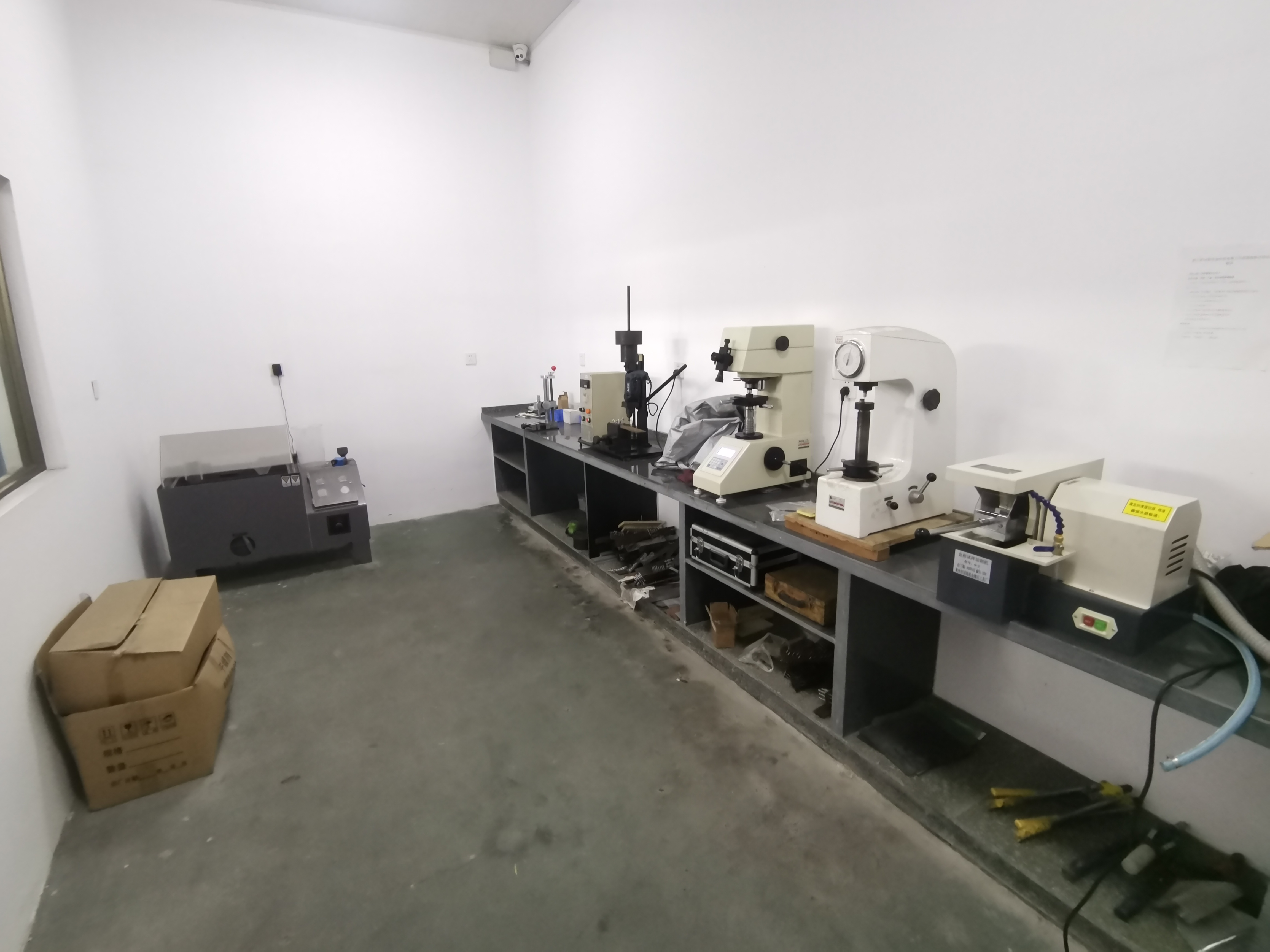
Quality control records should be linked to the ordered batch. Ask for dimensional inspection, material traceability and coating test evidence where the project requires it.
Procurement Checklist for Distributors and Contractors
- Separate the board-fixing schedule from the fixture-fixing schedule. Do not use one fastener line for both.
- Confirm stud material and thickness before selecting coarse thread or fine thread drywall screws.
- Confirm the drywall screw head, drive, point, length and finish for each board build-up.
- Ask whether the product is a bugle head drywall screw, a self-drilling drywall screw or another configuration; do not substitute by appearance.
- For ceiling installation, confirm the screw length and thread with the ceiling build-up and the product data. Do not assume a partition screw is correct for the ceiling.
- For light gauge steel stud work, confirm the fine thread drywall screw specification and run a trial drive into the actual stud gauge.
- For wood stud work, confirm the coarse thread drywall screw specification and check wood condition.
- For hollow wall anchors, request the anchor manufacturer's load table, substrate limits and installation instructions for the exact product.
- Check whether the project requires a DIN standard or ANSI standard product and obtain the exact standard reference and edition.
- Request salt-spray test evidence for the specified finish, especially for humid or coastal projects.
- If high strength or case hardened drywall screws are specified, ask for the hardness or tensile report and the test method.
- If 304 or 316 stainless steel is specified, obtain the grade certificate and confirm the fastener is not a lower grade substitution.
- Agree packaging and palletization for export shipments so that the correct SKU arrives at the site without mixed lots.
Supplier Capability and Documentation
Weifeng Fastener, formally Ningbo Weifeng Fastener Co., Ltd., is a fastener manufacturer based in Yuyao, Zhejiang, China. Its published company profile lists a 7,000 m² factory, 50 employees and annual output of 6,000 tons, with about 90% of production exported to markets including South America, Africa and Russia. The product scope includes screws, bolts, nuts, washers, anchors and wood screws, and the company states that it works with carbon steel and stainless steel fasteners and can support OEM or ODM requirements. For buyers who need a documented supply route for drywall screws, the company can be contacted through its official website at Weifeng Fastener.
Capability claims should still be matched to the ordered SKU. The company's published comparison material states internal lab verification and full batch traceability. A buyer should ask for the applicable inspection report, material certificate, coating evidence and packing specification for the exact drywall screw or anchor item under evaluation. The evidence package does not establish a specific hollow wall anchor size or load rating for Weifeng Fastener, so any hollow wall anchor requirement should be confirmed against the current catalogue and product data before it is written into a project specification.
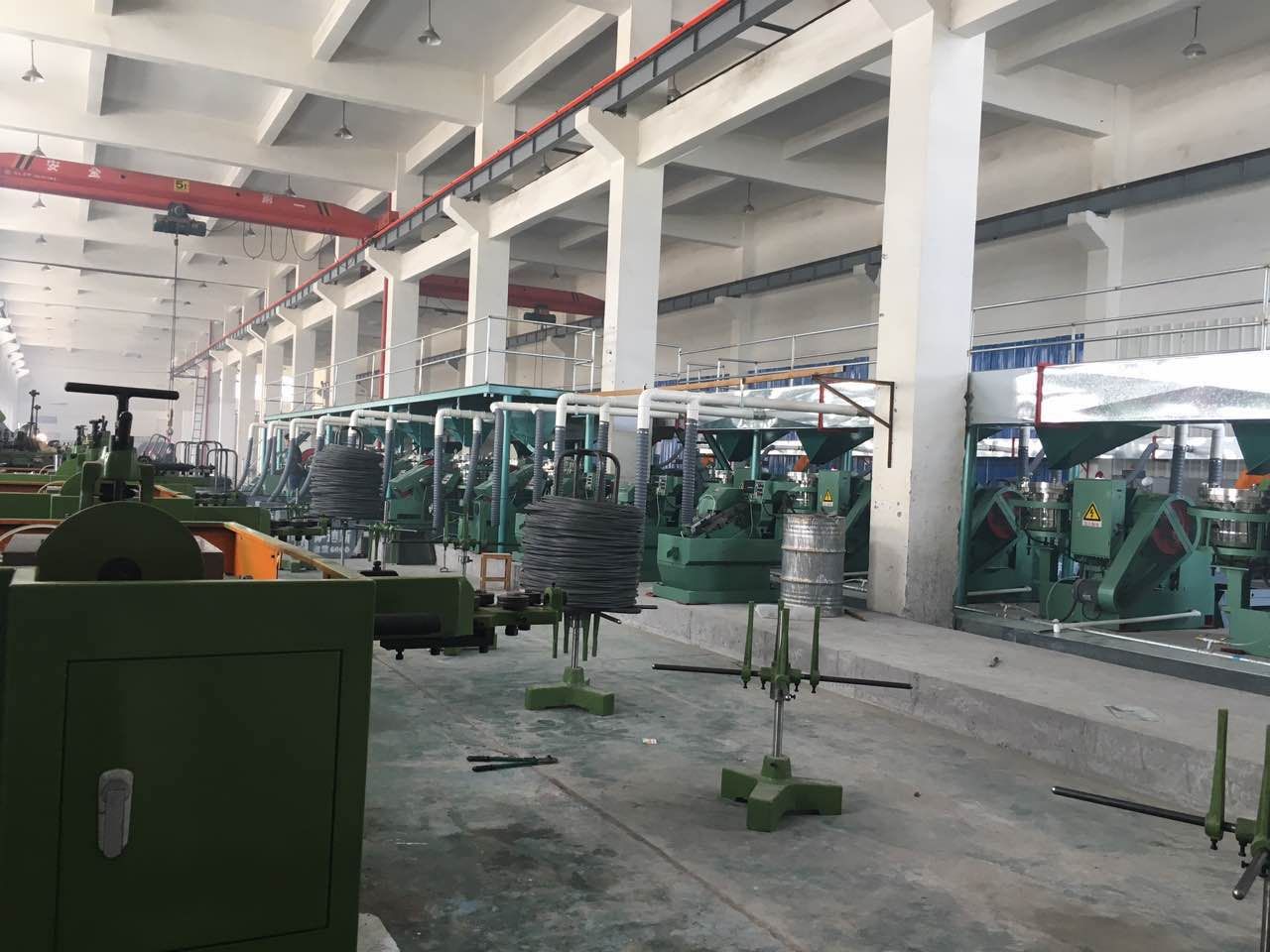
A factory image is not a product certificate. Use factory evidence to support a supplier audit, and use the product data sheet to support the fastener specification.
Frequently Asked Questions
Which drywall screw manufacturer is better for wood studs: coarse or fine thread?
For wood studs, the usual starting choice is a coarse thread drywall screw, not a fine thread drywall screw. The more important issue is not the manufacturer name but the documented thread type, point, length and product rating for the actual wood stud. Fine threads are typically associated with light gauge metal studs. Selection depends on stud thickness, point type and specific product ratings, and a trial installation should confirm engagement. If a product manual allows multiple substrates, follow the manual.
Can a drywall screw be used to fix a shelf bracket directly to gypsum board?
A drywall screw is intended to fasten board to framing, not to act as a fixture anchor in board. A shelf bracket or similar fixture should be fixed to studs or blocking, or to a hollow wall anchor that is rated for the load and the actual substrate. If no rated fixture fixing is available, do not specify a drywall screw alone for the fixture load.
When should a hollow wall anchor be chosen over a drywall screw?
Choose a hollow wall anchor when the fixture must be fixed into a hollow wall or board cavity and the anchor manufacturer's data confirms that the product is suitable for that substrate and load. Do not choose a hollow wall anchor to replace the drywall screw connection between board and studs. The anchor is a fixture fixing, while the drywall screw is a board fixing.
What should be checked on a drywall screw data sheet before ordering?
Check the material grade, dimensions, thread type, point type, head type, drive, finish, standard reference, test reports and packaging. For a coated screw, ask for salt-spray evidence tied to the specified finish and test method. For a high-strength or case hardened claim, ask for hardness or tensile evidence. For a collated or self-drilling configuration, confirm tool compatibility and application limits.
How can an installer confirm the right thread for wood or metal studs?
Step 1: identify whether the stud is wood or metal. Step 2: measure steel thickness for metal studs or check the wood condition and moisture where relevant. Step 3: match the thread type to the product specification and perform a trial drive into the same substrate. Stop if the screw strips, spins or fails to engage. If a product manual allows multiple substrates, follow the manual.
What is the next step for a project specification?
Separate the drywall screw schedule from the fixture anchor schedule, then request product data and samples for both. For drywall screws, Weifeng Fastener can review the board-to-stud requirements and provide current product information through its official site. For hollow wall anchors, request the anchor manufacturer's load data for the exact fixture and substrate before approval.
Conclusion
The correct fastener for gypsum board is not a single product. A drywall screw is the board-to-stud fastener. It uses a bugle head, a sharp point and a thread matched to wood or light gauge steel studs. A hollow wall anchor is the fixture anchor for a hollow substrate, and its selection must follow the anchor manufacturer's data for the board, cavity and load. The decision should be written into separate schedules so that the board fixing and the fixture fixing are not confused.
For the next procurement step, compare product data rather than product names. Confirm substrate, load path, installation method, finish and test evidence, then run a trial installation. Weifeng Fastener's catalogue and current product information can be used as a starting point for a documented enquiry; the catalogue is available here: download the Weifeng Fastener catalogue.
Have Questions or Need More Details?
Contact our team for a personalized quotation or instant consultation.
Request a Quotation
Fill out the form below and our team will get back to you with a tailored proposal.
WhatsApp Direct Chat
Prefer to chat in real-time? Message us on WhatsApp for instant assistance & quick answers.
- Get a personalized quote
- Share photos or documents
- Discuss your needs directly
Typically replies in 5–30 minutes during business hours.