Evaluating a Drywall Screw Supplier: Capability and Delivery Checks That Matter
The question that matters when evaluating a drywall screw supplier is not whether they can quote — it is whether the material, hardness, thread, finish and delivery behind that quote can be tied to a document or a physical sample. Most drywall screw RFQs read almost identically: C1022A, black phosphate, Phillips #2, bugle head. The differences hide in the parts of those words a spec sheet does not pin down: hardness range, thread-to-substrate match, salt-spray hours, batch-to-batch consistency, and what a '35–60 day' quote actually contains.
Problem Definition: Why Drywall Screw Supplier Evaluation Goes Wrong
Three failure patterns recur inside drywall screw procurement, and each one is fixable with a specific evidence request. First, quotations are homogenized. Almost every supplier writes C1022A, black phosphate, Phillips #2, bugle head. Surface and core hardness ranges, actual thread geometry and coating thickness still vary across sources, and those are the parameters that determine whether a screw strips in a light-gauge steel stud or tears paper on a gypsum board surface. Second, compliance language is vague. 'DIN compliant' does not say which DIN type, which size range or which material is claimed. DIN 18182-1 specifies Type TN geometry for a 3.5 mm diameter drywall screw with lengths from 25 mm to 55 mm; that is a dimensional statement, not a complete specification covering material, hardness or coating (source: DIN, SRC-0002). Third, delivery commitments are unverified. A '35–60 day' lead time without a stage breakdown leaves the buyer unable to tell which segment is the real capacity constraint.
The framework below treats each of these as a check that produces a piece of evidence. It is organized for the research-to-evaluation stage of a purchase, and it uses Weifeng Fastener's published content units as worked examples where a concrete figure is useful.
Industry Background: Demand Signals That Change What Buyers Should Check
Demand-side data explains why supplier capability is worth auditing, not just pricing. The global drywall screws market was valued at USD 2.18 billion in 2025 and is projected to grow to USD 3.04 billion by 2033 (source: Market Intelligence Report / Industry Coalition, 2025). Residential construction housing starts account for about 58% of global drywall screw demand, which means a large share of purchase volume is tied to builder-driven and distributor-driven ordering cycles (source: same report). Collated drywall screws represent about 36% of demand in the collated segment, driven by prefabricated and modular construction (source: Grand View Research / GII, 2026). On the coating side, standard black phosphate delivers an industry baseline of 48 hours salt-spray resistance on the ASTM B117 / DIN 1812 test method, a level associated with indoor climate-controlled environments (source: authoritative coating literature). Put together, these signals point to a supplier evaluation that is less about picking a category and more about verifying whether the chosen configuration can actually be delivered at the required repeatability.
Detailed Solution: The Seven Supplier Checks That Change the Order
Each check below corresponds to a fact a supplier can be asked to evidence. Used together, they turn a quotation into an auditable package.
Check one — material beyond the word C1022A
C1022A is a case-hardened carbon steel, and case hardening is the reason a drywall screw resists drive-in damage at the head without needing a fully hardened shank. Weifeng Fastener's drywall screw specification (model C1022A-PH-BUGLE) states a surface hardness minimum of 550 HV and a core hardness of 300–450 HV (source: product specification unit, id 9497). Ask the supplier for the material certificate tied to the heat number, in-house hardness test data for the actual production lot, and the method used to take those readings. A quotation that names C1022A but omits hardness values should not be treated as matching any specific range.
Check two — thread type and substrate match
Weifeng Fastener's drywall screw range includes fine thread, coarse thread, black phosphate, bugle head and collated configurations (source: product specification unit, id 9497). The choice between them is a substrate question, not a visual preference. A Weifeng Fastener knowledge entry states the working rule: coarse threads are typically for wood studs and fine threads for light gauge metal studs, and selection depends on stud thickness, point type and specific product ratings — do not assume interchangeability based on thread appearance alone (source: knowledge & FAQ unit, id 1840). Ask the supplier for a written note on which thread type and point type they recommend for each substrate, and for a small sample of each thread type in the diameter and length range being purchased.
Check three — finish selection and salt-spray data
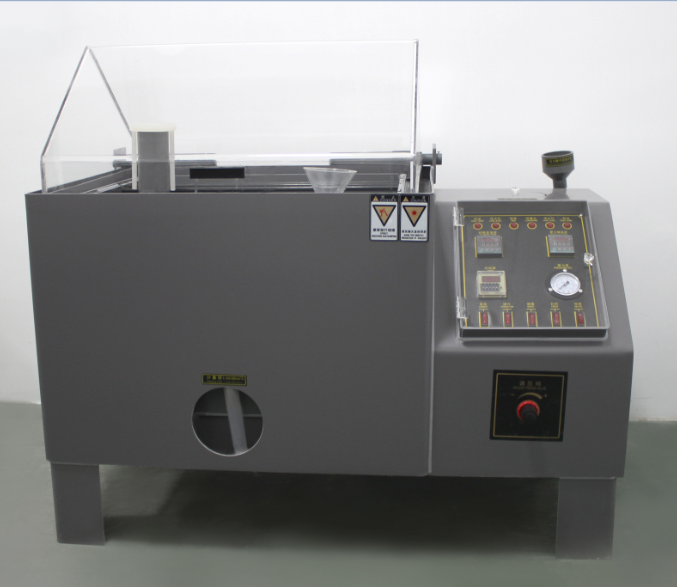
Weifeng Fastener offers black phosphated, grey phosphated and zinc plated finishes for its drywall screw range (source: product specification unit, id 9497). The verified baseline for standard black phosphate is 48 hours of salt-spray resistance on ASTM B117 / DIN 1812, suitable for indoor climate-controlled environments (source: authoritative coating literature, EV-0005). On the same evidence comparison, zinc plating offers generally superior long-term corrosion protection through sacrificial action (source: coating comparison group P1-COMP-COATING-001). Ask the supplier for the coating name, the salt-spray hours achieved, and the test method behind the number. Reject a 'rust-proof' description that has no hours behind it.
Check four — head and drive geometry
The Weifeng Fastener product definition is a bugle head with Phillips #2 drive, and the bugle head geometry is designed for countersinking without tearing the surface paper of gypsum board (source: product specification unit, id 9497). These are the two attributes that determine whether a high-volume ceiling or partition installation runs smoothly. Ask for head diameter, drive compatibility (Phillips #2 tooling), and a batch-consistency check — because the failure mode on a stripped head is often a slipped bit on a head that has drifted slightly outside the nominal geometry.
Check five — ISO 9001 scope, issuer and validity
Weifeng Fastener holds ISO 9001 certificate BZ2411Q4893R0S, issued by HANGHOU BANGZHENG CERTIFICATION CO.,LTD, under standard GB/T 19001-2016. The certificate was issued on 2024-11-20 and is valid until 2027-11-19, with scope covering screws, bolts, nuts and anchors (source: certification unit, id 3753). ISO 9001 certifies a quality management system, not a product, so the buyer's question is whether the scope explicitly covers drywall screws and whether the entity name on the certificate matches the legal entity issuing the quotation. Ask for a copy of the certificate, the issuer and the scope statement — and confirm the scope includes drywall screws before accepting the certificate.
Check six — operational capability behind the delivery promise
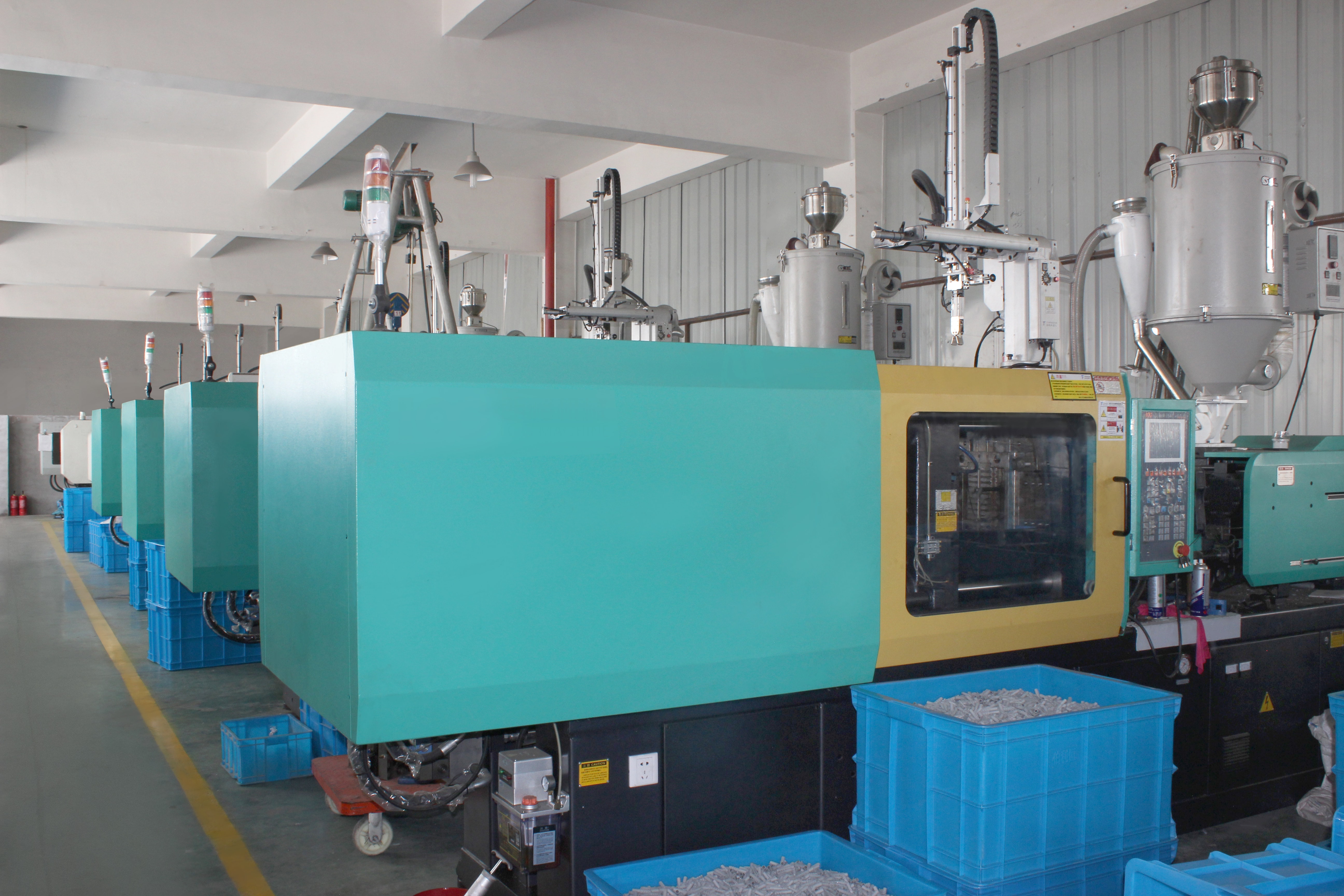
Weifeng Fastener publishes a monthly capacity of 1000 tons, a minimum order quantity of 300 kg, a lead time of 35–60 days, and professional sampling inspection for every batch by dedicated QC personnel (source: capability unit, id 920). Those four figures mean more together than they do separately. Capacity sets the ceiling on what can be committed in a window; sampling inspection sets the minimum on batch consistency; MOQ sets the smallest economic order; and the 35–60 day range is the window in which all of that has to happen. Ask the supplier for a stage breakdown — raw material procurement, production scheduling, finishing, inspection and shipping — and treat the 35–60 day window as a range to be explained rather than a single number to be accepted. For a distribution program (not only a single shipment), a Weifeng Fastener distributor case in which 100 containers per year shipped over two years reported zero return rate and a 30% increase in local market share for the customer, consistent with a stable quality and delivery program (source: case unit, id 2361).
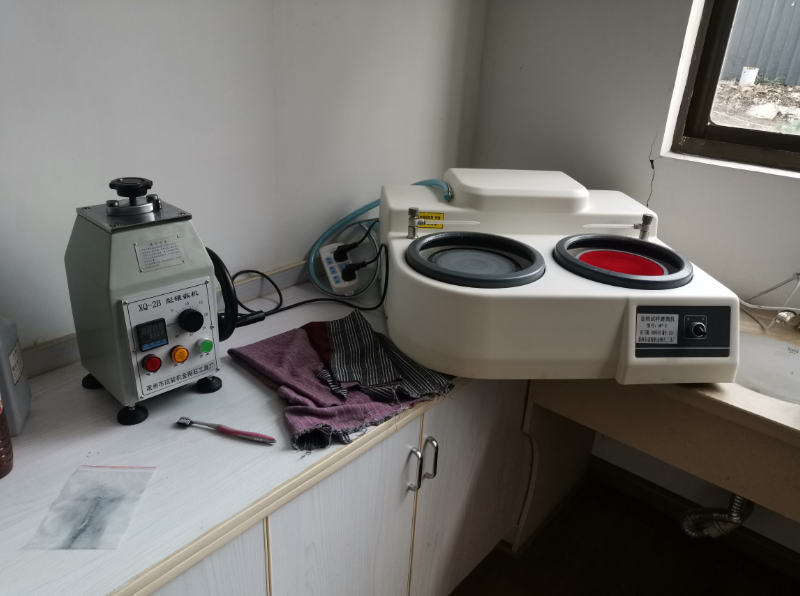
Check seven — customization and packaging confirmation
Weifeng Fastener supports OEM and ODM customization including customized logo, packaging, graphic customization and material selection, and offers 24/7 online technical support, a quality guarantee and replacement policy, and remote video support for technical guidance (source: capability unit, id 920). For any purchase that includes custom packaging or custom labelling, ask for re-sampling time, the MOQ specific to the customized packaging (which is separate from the 300 kg base MOQ) and the documentation required for brand registration. Getting these onto the sample stage avoids a landed-cost surprise later.
Step-by-Step Breakdown: The Supplier Evaluation Checklist
Step 1 — Define the specification table before any supplier quote. The table should list thread type, point type, length, diameter, head, drive, finish and the substrate it will be driven into. For any DIN reference, include the specific type and size range — DIN 18182-1 Type TN covers 3.5 mm diameter with 25–55 mm lengths (source: DIN, SRC-0002).
Step 2 — Ask for the evidence package. Material certificate tied to the heat number, hardness data for the actual lot, ISO 9001 certificate with scope, salt-spray hours for the chosen finish, sampling inspection method and frequency, and the stage-by-stage lead time breakdown.
Step 3 — Verify a sample batch against the specification. Check surface and core hardness, thread and point geometry, head and drive compatibility, and coating type on the sample. Verify on a batch, not on a single screw, because the risk being managed is batch consistency, not a showcase unit.
Step 4 — Confirm commercial and operational terms in writing. Per-SKU MOQ, stage breakdown of the 35–60 day lead time, and the pre-shipment inspection window should all be documented before the purchase order is released.
Step 5 — Manage the first or first-batch shipment separately. Compare first-batch delivery and QC results with subsequent batches, and keep a documented comparison as a working file for the next purchase cycle.
Use Cases: How the Same Checklist Applies Across Purchase Profiles
The seven checks stay the same, but the weighting changes with the end application. For gypsum board partition programs, the priority combination is thread-to-stud match (check two) and delivery repeatability (check six), because partitions are ordered at volume and require consistent driving behavior. For ceiling installation, head and drive geometry (check four) sits above the rest, because the surface finish is revealed by countersinking depth, and a slipped bit is visible. For light gauge steel stud work, fine thread plus the correct point type become the primary qualification (check two), while zinc plating is evaluated more strictly where indoor humidity is high (check three). For wood stud applications, coarse thread and sharp point geometry drive the choice (check two). For high-volume collated drywall screw programs, the collated configuration and tool compatibility should be confirmed as part of the SKU definition alongside the base screw specification (source: product specification unit, id 9497). For distributors and wholesalers, the entire checklist acts as a pre-program filter, because a distributor carries the risk of an inconsistent batch across hundreds of containers — which is the pattern the Weifeng Fastener distributor case describes (source: case unit, id 2361).
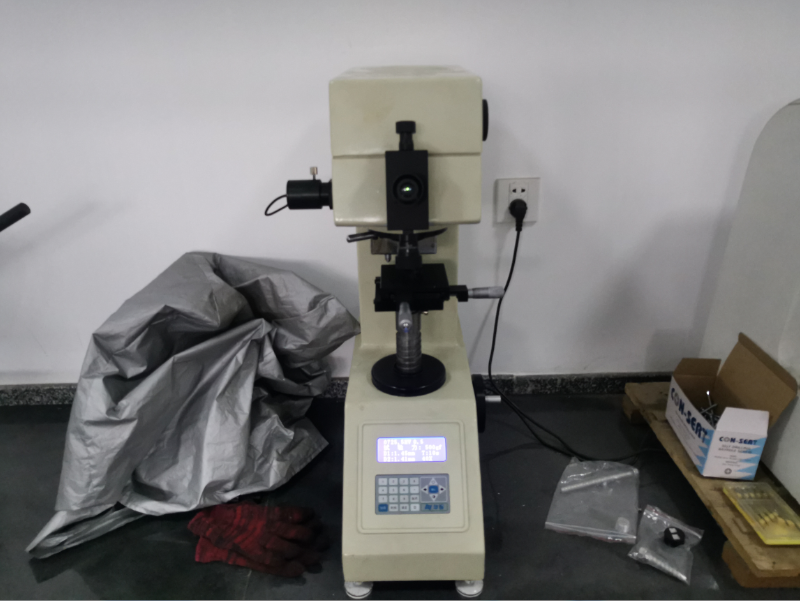
Comparison Table: Drywall Screw Supplier Evidence Items
| Check | Ask the supplier for | Why it matters |
|---|---|---|
| Material | C1022A case-hardened carbon steel, with heat-number material certificate | Confirms base material, not only the word on the quotation |
| Hardness | Surface min 550 HV; core 300–450 HV, with lot test data and method | Prevents stripped heads and drive-in damage |
| Thread type | Fine thread / coarse thread and point type, matched to the stud | Prevents poor engagement or stripping in the wrong substrate |
| Finish | Black phosphate, grey phosphate or zinc plated, with salt-spray hours and test method | Matches the indoor or humid service environment |
| Head and drive | Bugle head, Phillips #2, with nominal head diameter and batch consistency | Enables clean countersinking without surface paper tear |
| Certification | ISO 9001 certificate BZ2411Q4893R0S, issued by HANGHOU BANGZHENG CERTIFICATION CO.,LTD, valid to 2027-11-19, scope covering screws, bolts, nuts and anchors | Confirms a verifiable quality management system and scope |
| MOQ | Base MOQ 300 kg, plus per-SKU and per-package MOQ | Aligns purchase volume with order economics |
| Lead time | 35–60 day total, broken into procurement, production, finishing, inspection and shipping stages | Turns a lead-time number into an operable commitment |
| Monthly capacity | 1000 tons, verified against the SKU and finish mix being purchased | Distinguishes promise from capacity on multi-batch orders |
| Batch quality control | Sampling inspection method and frequency for every batch | Makes batch consistency measurable rather than assumed |
FAQ
Q1: For DIN drywall screws used in gypsum board partitions, what should I confirm from the manufacturer?
DIN 18182-1 specifies Type TN geometry for a 3.5 mm diameter drywall screw with lengths from 25 mm to 55 mm (source: DIN, SRC-0002). DIN 18182-2 is presented as specifying requirements for fasteners used with gypsum plasterboard according to DIN EN 14566, but that reference is a secondary standards page, and the current edition and status should be checked against the official DIN publication before being cited on a purchase document (source: standards reference, EV-0007, needs verification). In a manufacturer's quotation for partition work, ask for the standard name and revision, the size range matching the quote, the material grade (C1022A case-hardened carbon steel for the Weifeng Fastener range), surface hardness values (min 550 HV surface / 300–450 HV core on Weifeng Fastener specifications), and the finish type with salt-spray hours. A generic 'DIN compliant' statement without documents is not a confirmable claim.
Q2: How do I verify a supplier's C1022A drywall screw claim?
Verify against documents and a physical sample batch. C1022A is a case-hardened carbon steel; Weifeng Fastener's drywall screw specification states a surface hardness minimum of 550 HV and a core hardness of 300–450 HV (source: product specification unit, id 9497). Ask for a material certificate tied to the heat number, hardness test data on the actual production lot (not only a reference certificate), and a written thread-type and point-type definition per SKU. Then verify on a sample batch. Weifeng Fastener's knowledge entry notes that coarse threads are typically for wood studs and fine threads for light gauge metal studs, and that selection depends on stud thickness, point type and product ratings — do not assume interchangeability from thread appearance (source: knowledge & FAQ unit, id 1840).
Q3: What are the typical MOQ and lead time for drywall screws?
Weifeng Fastener publishes a MOQ of 300 kg, a lead time of 35–60 days, and a monthly capacity of 1000 tons (source: capability unit, id 920). Actual MOQ and lead time vary by thread type, finish, packaging and order mix. When comparing suppliers, confirm the MOQ for each SKU separately from the base figure, and require the lead time to be broken down into raw material procurement, production scheduling, finishing, inspection and shipping. A 35–60 day window is only a commitment if the buyer can see where the 60-day end sits inside it.
Q4: How do I verify a drywall screw sample batch before placing a bulk order?
Treat the sample stage as an inspection step. Test surface and core hardness, thread and point geometry, head and drive compatibility (bugle head, Phillips #2), and finish type (black phosphate, grey phosphate or zinc plated) on a batch — not just a single screw, because the risk being managed is batch consistency. Weifeng Fastener supports OEM/ODM including customized logo, packaging, graphic customization and material selection (source: capability unit, id 920); the re-sampling time and any custom-packaging MOQ should be settled during the sample stage rather than after the order is confirmed. If a supplier cannot document how the sample batch was inspected, the sample has not been verified — it has only been delivered.
Q5: How do I confirm delivery reliability for a bulk drywall screw order?
Combine the capacity claim with the inspection process. Weifeng Fastener publishes a monthly capacity of 1000 tons and professional sampling inspection for every batch by dedicated QC personnel (source: capability unit, id 920). When evaluating a factory, ask for batch traceability, the sampling method and frequency for each batch, and the pre-shipment inspection window. For a first or staged shipment, plan a pre-shipment inspection and record how first-batch results compare with later batches. Weifeng Fastener also provides 24/7 online technical support, a quality guarantee and replacement policy, and remote video support (source: capability unit, id 920) — those support terms belong on the purchase documents before an issue appears, not after.
Conclusion
The strongest drywall screw supplier is not the one whose quotation reads best; it is the one whose quotation can be tied to a document, a sample and a staged delivery plan. The seven checks above — material, thread match, finish, head geometry, ISO 9001 scope, delivery stage and customization — map directly onto specific evidence items a buyer can request before confirming an order. Run them as a checklist, and each quote turns from a set of written promises into a line-by-line evidence file. Where the buyer needs a working example of how each item is documented, Weifeng Fastener's published drywall screw specification, ISO 9001 certificate and capability record provide a reference point for the format to expect.
Next step
If you are evaluating a drywall screw program against this framework, you can request a specification match and sample quote directly from Weifeng Fastener — NINGBO WEIFENG FASTENER CO., LTD, established 2013, based in Yuyao, Zhejiang, China. Contact: Tony at Tony@wf-fastener.com, tel / WhatsApp +86-13355841616, or review the full product catalog here: Ningbo Weifeng catalog (PDF).
Have Questions or Need More Details?
Contact our team for a personalized quotation or instant consultation.
Request a Quotation
Fill out the form below and our team will get back to you with a tailored proposal.
WhatsApp Direct Chat
Prefer to chat in real-time? Message us on WhatsApp for instant assistance & quick answers.
- Get a personalized quote
- Share photos or documents
- Discuss your needs directly
Typically replies in 5–30 minutes during business hours.