
Wedge Anchor Pulled Loose in Crumbling Concrete? Shield Anchor as a Problem-Solution Fix
A wedge anchor pulled loose from crumbling concrete is more than a failed fixing — it is a schedule slip, a safety concern, and a rework cost that no contractor wants to absorb. The scenario is familiar on renovation sites, older industrial floors, and poured concrete that varies in density from one section to the next. A wedge anchor that performed well in a test block may not hold in the actual base material.
This article explains why the shield anchor is specified as a problem-solution fix for low-quality or uneven concrete, how its 3-segment or 4-segment expansion shield and torque-controlled design work, and what buyers and specifiers should check before ordering. It covers the M6–M20 size range, carbon steel and malleable iron construction, yellow or white zinc plating, and the three primary application areas: industrial fencing, security grills, and warehouse racking.
The Problem: When Wedge Anchors Meet Unforgiving Concrete
A wedge anchor is a deformation-controlled expansion anchor installed in a drilled hole. It relies on expansion at the base of the hole to generate holding force. In uniform, high-strength concrete, this mechanism performs as intended. In low-quality, uneven, or deteriorating concrete, the base material may not provide the confinement needed for reliable expansion.
The result is a fixing that may pass a pull test on one part of a slab and fail on another. For contractors working on refurbishment projects, mezzanine floors in older warehouses, or industrial sites where concrete quality is inconsistent, this variability is a real procurement and execution risk.
Market data reflects the scale of the concrete anchoring category. The global anchoring fasteners market was estimated at USD 3.12 billion in 2024, and mechanical anchors — the category that includes both wedge anchors and shield anchors — accounted for 58.3% of that market share in the same year. These figures indicate that mechanical expansion anchors remain the default choice for concrete fixing across construction and industrial applications. The question is not whether to use a mechanical anchor, but which mechanical anchor matches the base material.
Why the Shield Anchor Is Specified for Low-Quality Concrete
The shield anchor — also supplied as a 3-piece or 4-piece anchor — is a mechanical expansion anchor with a torque-controlled design. Its expansion shield is segmented into three or four sections. When the bolt is tightened, these segments expand outward and press against the walls of the drilled hole.
This segmented expansion is the key difference. A 3-segment or 4-segment shield distributes expansion force across multiple contact points rather than concentrating it at a single point. In uneven or low-quality concrete, this broader distribution helps the anchor develop grip across a larger area of base material. The torque-controlled installation also gives the installer a measurable tightening standard, which supports consistency across a project.
For contractors who have watched a wedge anchor spin or pull out of crumbling concrete, the shield anchor offers a practical alternative: higher expansion power distributed through a segmented shield, combined with torque-controlled setting. The shield anchor is not a universal replacement for every wedge anchor application, but it is a specified solution when the base material is the variable that cannot be controlled.
Weifeng Fastener manufactures shield anchors in the M6–M20 size range using carbon steel and malleable iron, with yellow or white zinc plating. The product is intended for industrial fencing, security grills, and warehouse racking — applications where the base material is often existing concrete of uncertain quality and where fixing failure carries direct operational consequences.
Shield Anchor Specifications at a Glance
Buyers evaluating shield anchors for a project should confirm the following specification points against their application requirements:
| Specification | Shield Anchor Detail |
|---|---|
| Product type | Mechanical expansion anchor, torque controlled |
| Expansion shield | 3-segment or 4-segment design |
| Size range | M6 to M20 |
| Material | Carbon steel, malleable iron |
| Finish | Yellow zinc plated or white zinc plated |
| Intended applications | Industrial fencing, security grills, warehouse racking |
The material choice matters for the application environment. Carbon steel with zinc plating provides a baseline level of corrosion resistance for indoor and sheltered outdoor use. Malleable iron is used in the shield construction where strength and formability are required. For buyers specifying anchors for industrial fencing or warehouse racking, these material and finish options should be matched to the service environment.
Step-by-Step: Specifying and Installing a Shield Anchor in Problem Concrete
The following sequence reflects the decision and installation points a contractor or procurement team should work through when replacing a failed wedge anchor with a shield anchor.
Step 1: Confirm the base material condition
Before selecting any anchor, inspect the concrete at the fixing location. Look for spalling, visible cracks, uneven density, or evidence of previous anchor failures. If the base material is low-quality or non-uniform, a segmented shield anchor is a more suitable starting point than a wedge anchor.
Step 2: Select the shield anchor size
Shield anchors are available from M6 to M20. The size selection should match the fixture hole, the required bolt diameter, and the load conditions of the application. For industrial fencing and security grills, the fixing diameter is typically driven by the post or frame connection. For warehouse racking, the anchor size should match the racking manufacturer's base plate requirements.
Step 3: Confirm material and finish
Carbon steel with yellow or white zinc plating is the standard specification for shield anchors in indoor and sheltered applications. If the installation is in a wash-down area, coastal environment, or other corrosive setting, the buyer should confirm whether the zinc coating thickness and material grade meet the project's corrosion requirements. The shield anchor product data specifies carbon steel and malleable iron with yellow or white zinc plating.
Step 4: Drill and clean the hole
Drill the hole to the diameter and depth specified for the selected shield anchor size. Clean the hole thoroughly — dust and debris in the hole can prevent the expansion shield from seating correctly and reduce holding performance.
Step 5: Insert and expand the shield
Insert the shield anchor into the hole. Tighten the bolt to the specified torque. The 3-segment or 4-segment shield expands outward as the bolt is tightened, pressing the segments against the concrete. Because the anchor is torque controlled, the installer can verify that the required expansion has been achieved.
Step 6: Verify and load
After tightening, confirm that the fixture is secure and that the anchor has not spun or pulled up. The shield anchor design allows the bolt to be removed and replaced while the expansion shield remains set in the concrete — a feature that supports maintenance and reconfiguration without re-drilling. This reusability with different bolts is a practical advantage in warehouse racking and industrial fencing, where fixtures may be adjusted or replaced over the service life of the installation.
Wedge Anchor vs Shield Anchor: A Comparison for Low-Quality Concrete Applications
The table below compares the two anchor types on the dimensions that matter when the base material is the variable. The comparison uses the product data supplied for the Weifeng wedge anchor and shield anchor ranges.
| Comparison Point | Wedge Anchor | Shield Anchor |
|---|---|---|
| Product type | Expansion anchor / concrete anchor | Mechanical expansion anchor, torque controlled |
| Expansion mechanism | Through-bolt expansion at base | 3-segment or 4-segment expansion shield |
| Size range | M6 to M24 | M6 to M20 |
| Length range | 50 mm to 300 mm | Specified by shield size |
| Material | Carbon steel / stainless steel | Carbon steel, malleable iron |
| Finish | Specified by product variant | Yellow zinc plated, white zinc plated |
| Installation control | Torque applied to bolt | Torque controlled |
| Reusability | Single-use in most applications | Shield remains set; bolt can be replaced |
| Typical applications | Heavy machinery installation, curtain wall, railings | Industrial fencing, security grills, warehouse racking |
The comparison shows where the shield anchor fits: it is not a higher-load replacement for a wedge anchor in sound concrete, but a specification choice for applications where base-material variability is a known risk and where fixture reconfiguration may occur over time.
Use Cases: Where Shield Anchors Solve the Low-Quality Concrete Problem
Industrial fencing
Fence posts are often installed into existing concrete aprons, plinths, or slabs of uncertain quality. A shield anchor with a segmented expansion shield develops grip across the hole wall, making it suitable for post-base fixings where the concrete may be uneven or low-strength. The yellow or white zinc finish provides a baseline corrosion resistance for outdoor industrial environments.
Security grills
Security grill frames are fixed to concrete walls, floors, or lintels. In older buildings, these substrates may be inconsistent in quality. The torque-controlled shield anchor allows the installer to confirm that expansion has been achieved, and the segmented shield helps distribute holding force in non-uniform concrete. The ability to remove and replace the bolt without disturbing the shield is useful when grill panels need to be removed for maintenance or replacement.
Warehouse racking
Racking base plates are anchored to warehouse floors that may be worn, patched, or of variable quality. Shield anchors in the M6–M20 range cover the typical fixing sizes for racking uprights. The torque-controlled setting supports consistent installation across a large floor area, and the reusable shield design allows racking to be reconfigured without cutting new anchor holes.
Manufacturing and Supply: What Buyers Should Verify
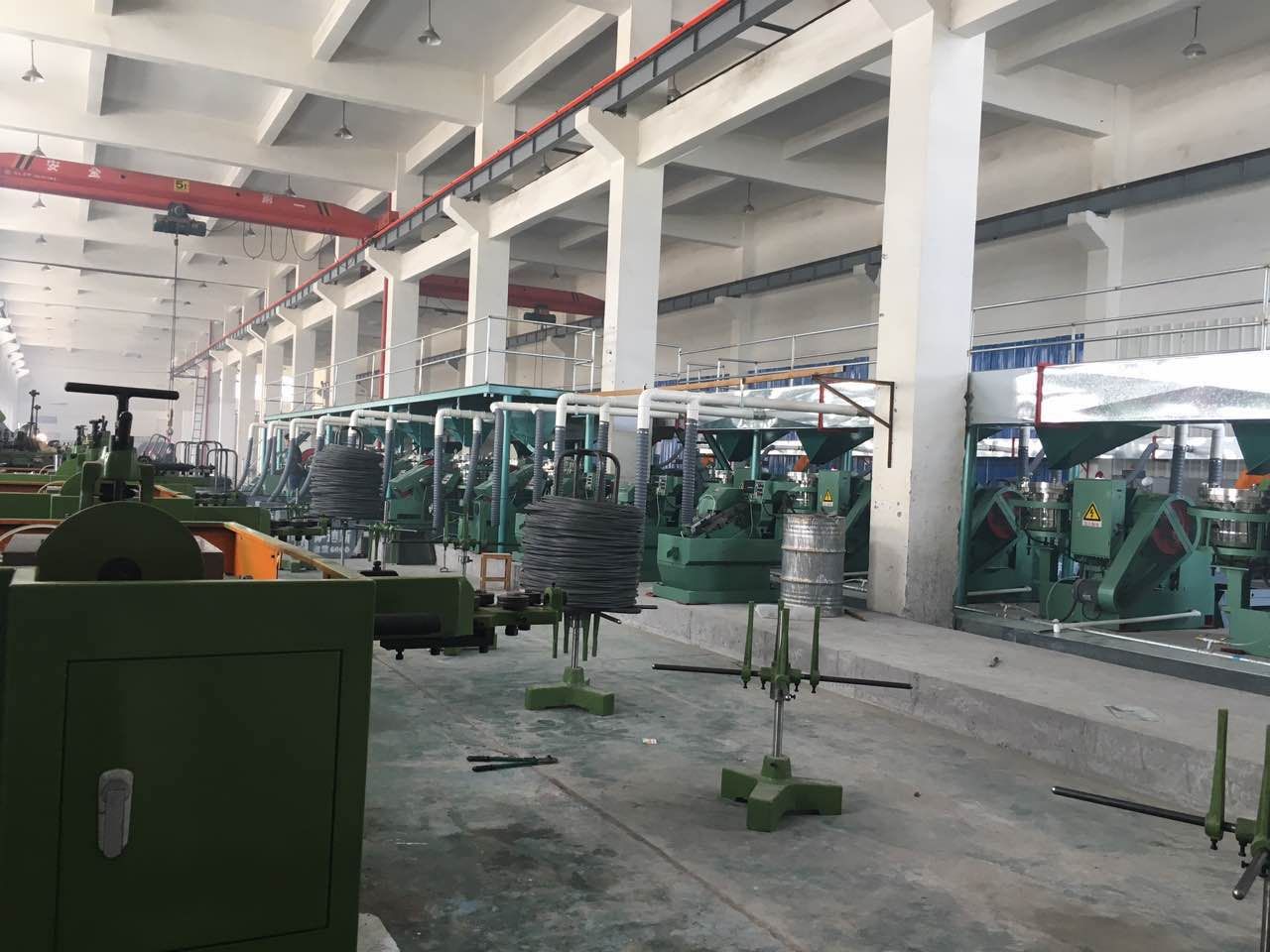
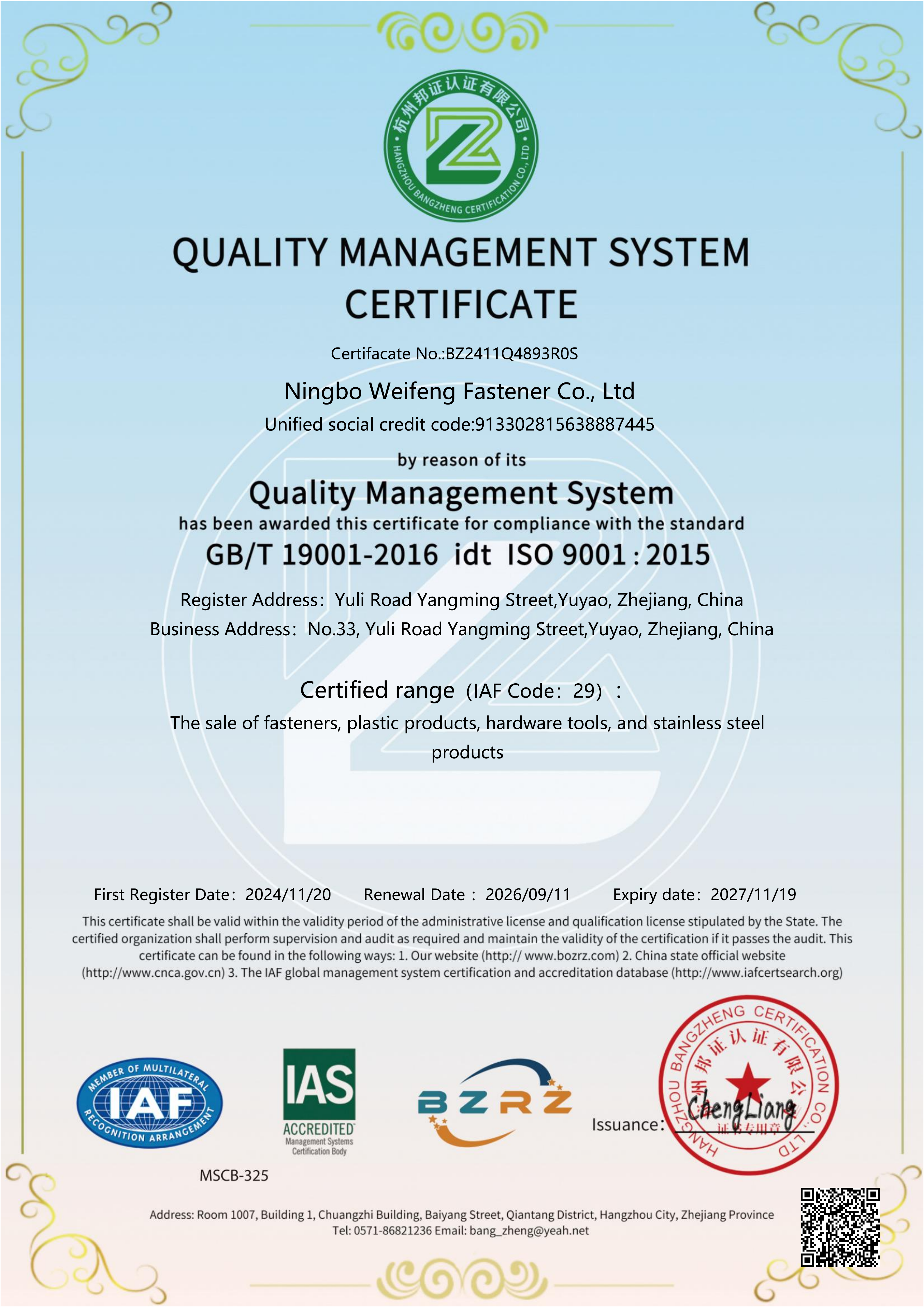
Weifeng Fastener is a fastener manufacturer and trader based in Yuyao, Zhejiang, China, with a product portfolio that includes screws, bolts, nuts, washers, anchors, and wood screws. The company operates a 7,000 m² factory with 50 employees and an annual output of 6,000 tons. Its ISO 9001 certification (certificate number BZ2411Q4893R0S) covers screws, bolts, nuts, and anchors, issued under GB/T 19001-2016 and valid through November 2027.
For shield anchor procurement, several supply-side factors matter at the evaluation and execution stage:
- Production capacity: The factory has a monthly capacity of 1,000 tons for heavy-duty orders, which supports volume requirements for industrial fencing, security grill, and warehouse racking projects.
- Lead time: The typical production lead time is 35–60 days.
- Minimum order quantity: The MOQ is 300 kg.
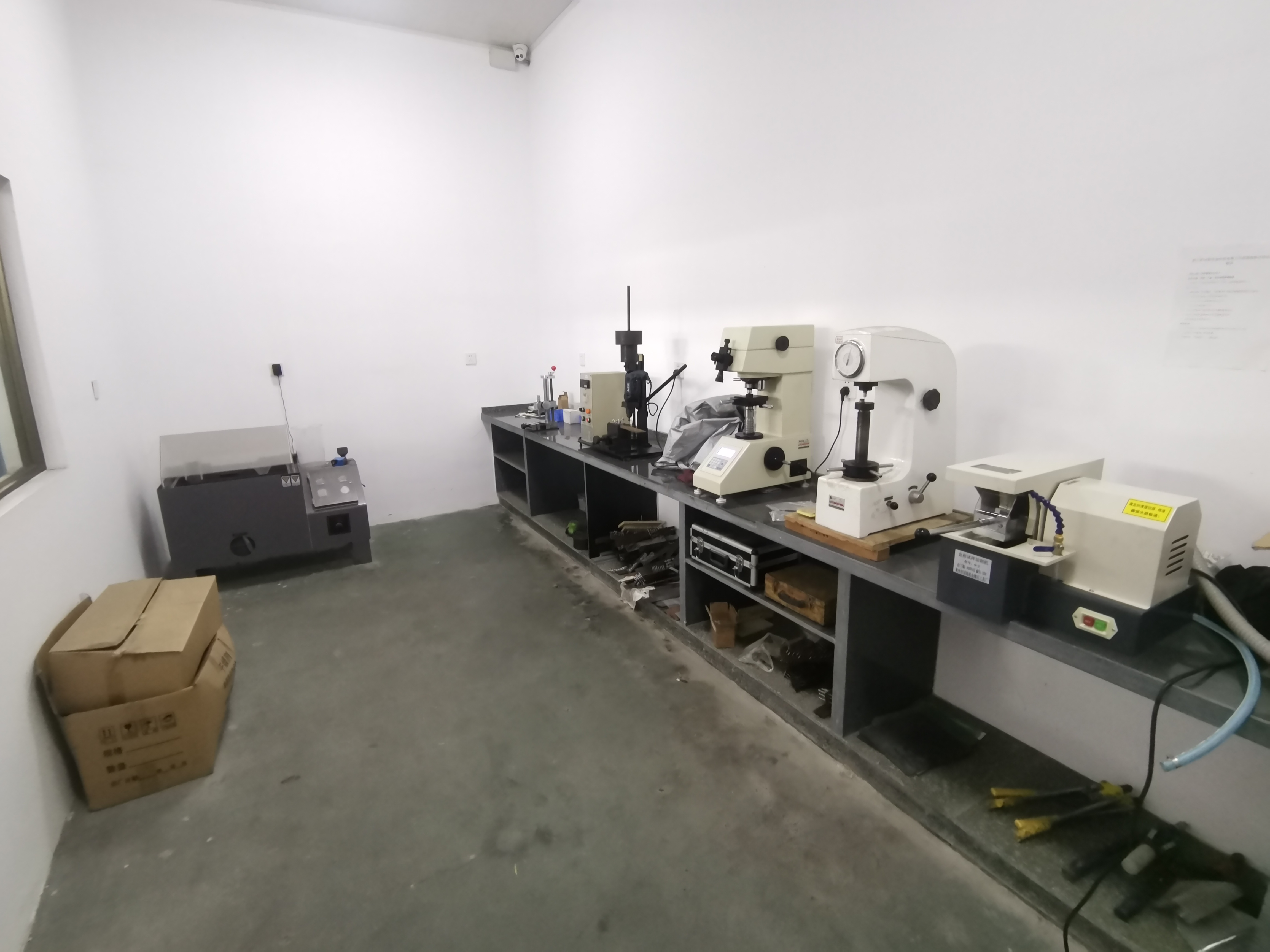
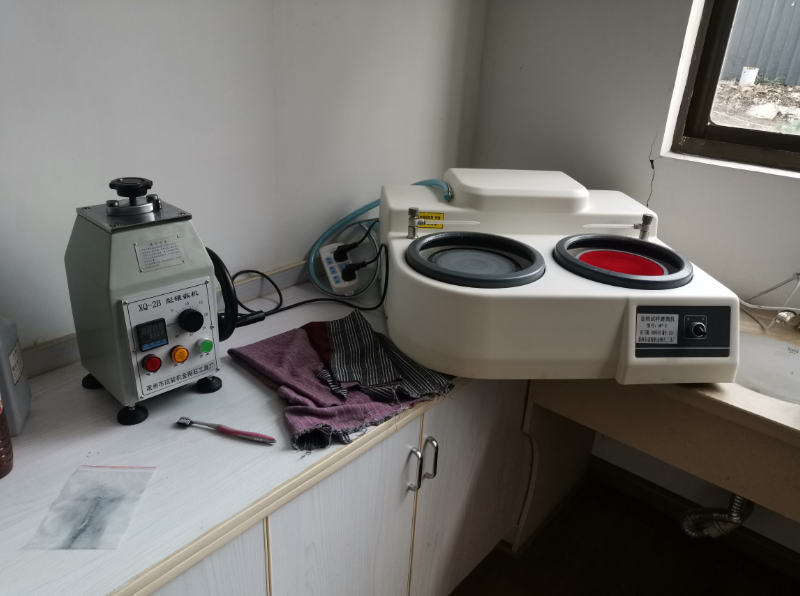
- Quality control: Professional sampling inspection is performed for every batch by dedicated QC personnel.
- Customization: OEM/ODM services are available, including customized logo, packaging, graphic customization, and material selection.
- Export experience: The company exports to Europe, North America, South America, the Middle East, Southeast Asia, Russia, and Africa, with 90% of output exported.
These capabilities are relevant to buyers who need a shield anchor supplier that can support both standard orders and customized packaging or branding for distribution. The availability of OEM production and material selection means the shield anchor specification can be aligned with a buyer's market requirements rather than limited to a single catalog configuration.
Download the Weifeng Fastener Product Catalog
Frequently Asked Questions
Are Weifeng shield anchors covered by ISO certification?
Yes. Weifeng Fastener holds ISO 9001 certification (certificate number BZ2411Q4893R0S) issued by HANGHOU BANGZHENG CERTIFICATION CO.,LTD under GB/T 19001-2016. The certification scope covers screws, bolts, nuts, and anchors, and is valid from November 2024 through November 2027. The certificate is issued for the company's quality management system; buyers should request product-specific test reports or inspection documents for the exact shield anchor specification required by their project.
What is the monthly production capacity for shield anchors?
The factory has a monthly capacity of 1,000 tons for heavy-duty orders. This capacity applies to the company's fastener production overall, including anchors. For large shield anchor orders — such as multi-site industrial fencing or warehouse racking projects — buyers should confirm the production schedule against the required delivery date during the quotation stage.
What is the minimum order quantity for shield anchor orders?
The MOQ is 300 kg. This applies to standard shield anchor specifications. For customized orders involving logo, packaging, or material selection, buyers should confirm the MOQ and any tooling or setup requirements directly with the supplier during the inquiry process.
How does Weifeng verify shield anchor quality before shipment?
Professional sampling inspection is performed for every batch by dedicated QC personnel. The company also offers pre-shipment testing and accepts third-party inspection as part of its acceptance criteria. Payment terms are 30% T/T in advance and 70% T/T against a copy of the bill of lading, with FOB or CIF delivery terms available.
What is the typical lead time for shield anchor production?
The typical production lead time is 35–60 days. This range covers standard production scheduling. For project-specific shield anchor orders — particularly those requiring customized packaging, logo marking, or material selection — buyers should confirm the lead time at the quotation stage to align with the installation schedule.
For shield anchor specifications, samples, or a project quotation, contact Weifeng Fastener directly at Tony@wf-fastener.com or via WhatsApp at +86-13355841616. The company's engineering team can review the base material conditions and fixture requirements to confirm the appropriate shield anchor size and configuration for the application.
Conclusion
A wedge anchor that pulls loose from crumbling concrete is a signal that the base material, not the anchor alone, is the variable that needs to be addressed. The shield anchor — with its 3-segment or 4-segment expansion shield, torque-controlled installation, M6–M20 size range, and carbon steel or malleable iron construction — is specified for grip in low-quality or uneven concrete where higher expansion power distributed across multiple contact points is needed.
For industrial fencing, security grills, and warehouse racking, the shield anchor's reusable design adds a practical benefit: the shield remains set in the concrete while the bolt can be removed and replaced. Weifeng Fastener supplies shield anchors with yellow or white zinc plating, supports OEM and customized packaging, and backs its production with ISO 9001 certification and batch-level QC inspection.
When the next wedge anchor fails in uncertain concrete, the specification decision is not about finding a stronger wedge anchor — it is about matching the anchor type to the base material. The shield anchor is the problem-solution fix for that condition.

Have Questions or Need More Details?
Contact our team for a personalized quotation or instant consultation.
Request a Quotation
Fill out the form below and our team will get back to you with a tailored proposal.
WhatsApp Direct Chat
Prefer to chat in real-time? Message us on WhatsApp for instant assistance & quick answers.
- Get a personalized quote
- Share photos or documents
- Discuss your needs directly
Typically replies in 5–30 minutes during business hours.