
Wedge Anchor vs Drop-in Anchor: Overhead Fixing Choice
Wedge Anchor vs Drop-in Anchor: Choosing the Right Fixing for Overhead and Fire Protection Systems
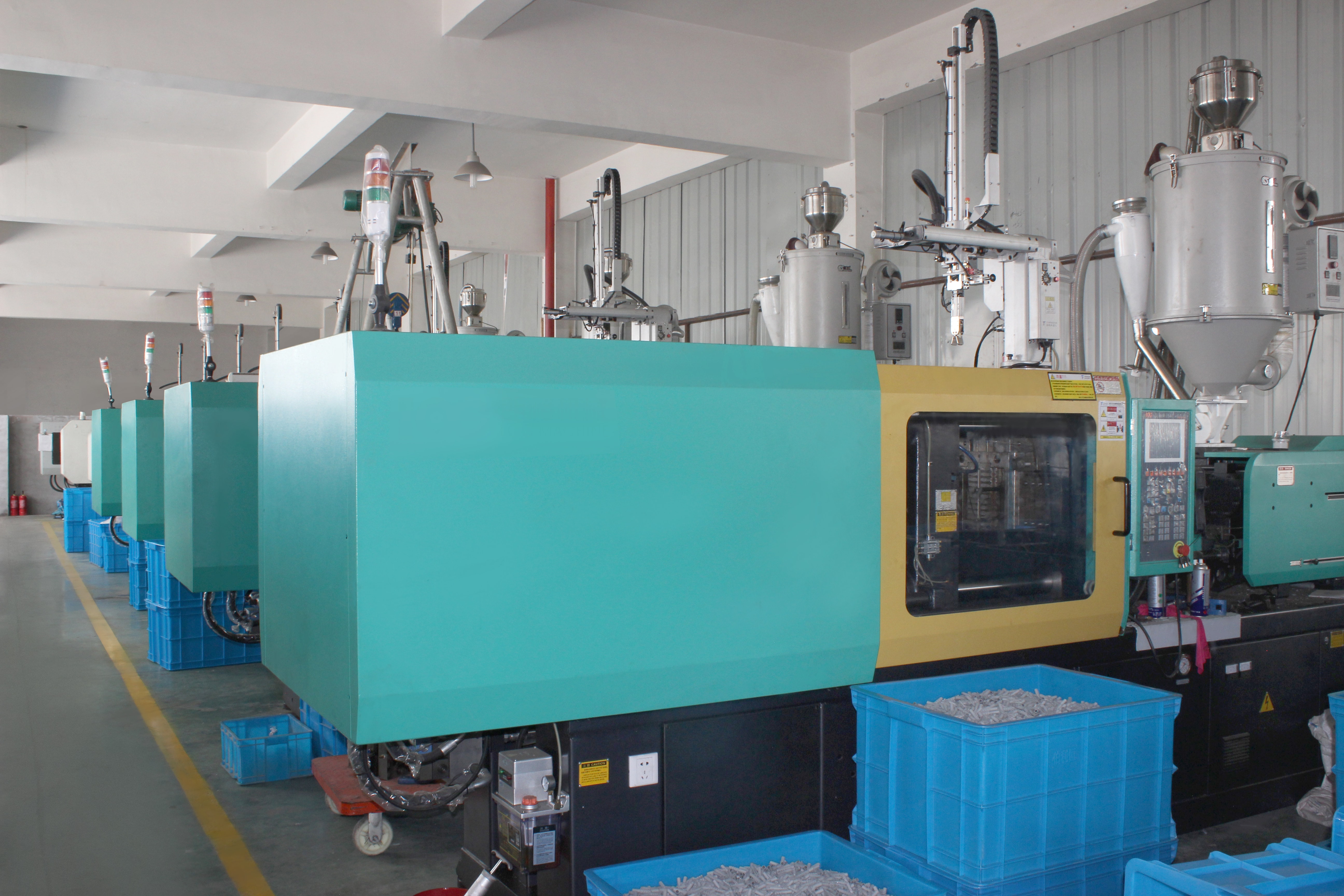
Production equipment at Weifeng Fastener. Image supplied by the company.
Short answer: For overhead and fire-protection fixing decisions, choose the anchor format from the connection requirement, not from a generic strength label. A drop-in anchor is a female-thread concrete insert available in M6-M20 with 10-30 mm thread depth, in carbon steel, brass, or stainless steel with white zinc plating. It is suited to suspended ceilings, fire protection piping, HVAC systems, and other overhead services where a bolt may need to be removed, adjusted, or replaced. A wedge anchor is a deformation-controlled expansion anchor with a threaded stud; it is often the more practical choice for permanent structural attachments where the stud can remain in place after installation.
That distinction matters most at the decision stage. A buyer comparing wedge anchors with drop-in anchors is not only comparing two product families. The buyer is deciding whether the connection must remain serviceable after installation, whether the fixture will be removed for maintenance, whether overhead access is limited, and whether the concrete and approval evidence match the application. Fire-protection piping and HVAC supports add a further condition: the anchor is only one part of an engineered hanger system.
Problem definition: the fixing must match the connection, not only the concrete
Overhead concrete fixing creates a conflict between installation speed and future service access. A fixing that is quick to install may leave a protruding stud that is difficult to cut or align later. A fixing that is easy to remove may require a different hole preparation, a different bolt, and a different inspection step. The practical question is therefore: will the fixture stay in place for its service life, or will the bolt connection need to be opened again?
For suspended ceilings, fire-protection piping, and HVAC systems, hangers, brackets, and supports are often installed before final coordination is complete. Pipe routes can shift. Sprinkler heads and valves may need adjustment. Maintenance access may require temporary removal of a bracket or support. In those conditions, a female-thread insert that accepts a removable machine bolt can be more useful than a male-thread expansion stud that remains after the nut is removed.
For permanent equipment bases, structural steel connections, and fixed supports, the opposite logic can apply. If the connection will not be opened, a wedge anchor can provide a direct stud connection and avoid the need to match a separate bolt to an internal thread. The final choice should be recorded in the fixing schedule with the anchor type, size, material, coating, embedment, torque, and required approval evidence.
Industry background: why mechanical anchors remain central in concrete fixing
Mechanical anchors remain a large part of the concrete fixing market. Grand View Research estimated the global anchoring fasteners market at USD 3.12 billion in 2024, and reported that mechanical anchors accounted for 58.3% of the anchoring fasteners market share in 2024. Those figures describe the broader anchoring-fastener market, not wedge-anchor demand alone, but they explain why buyers continue to compare mechanical options such as wedge anchors and drop-in anchors for concrete work.
Wedge anchors are commonly treated as deformation-controlled expansion anchors. A technical approval for the MÜPRO WEDGE ANCHOR K family describes the product as a deformation-controlled expansion anchor installed in a drilled hole, with galvanized-steel and stainless-steel variants, in sizes M6, M8, M10, M12, M16, and M20. That description applies to the specified approved product family; it should not be generalised to every wedge anchor on the market.
Code and testing language also matters. A MiTek technical bulletin states that its wedge-anchor product is evaluated to IBC/IRC in accordance with ICC-ES AC193 and ACI 355.2 for cracked and uncracked concrete. A Fastenal submittal for the WA++ wedge anchor states seismic, cracked- and uncracked-concrete approval, Category 1 diameters, and testing under ACI 355.2 and ICC-ES AC193. These are product-specific documents. They show the type of evidence a buyer should request, not a blanket approval for all wedge anchors.
Import documentation is another practical layer. US Customs classification for wedge anchors from China is HTSUS 7318.15.2090. That classification does not decide which anchor is technically suitable, but it can affect import documents, duties, and supplier quotation terms. Buyers comparing Chinese suppliers should keep technical selection and trade compliance as separate checks.
Detailed comparison: how wedge anchors and drop-in anchors work
Wedge anchor: expansion through a threaded stud
A wedge anchor is set by expanding a wedge or expansion element against the concrete at the base of the drilled hole. The exposed end is normally a threaded stud. The fixture is placed over the stud, and a nut and washer clamp it down. The anchor remains in the concrete after installation. The nut and fixture can be removed, but the stud remains unless it is cut or the anchor is extracted.
This format suits a direct structural connection where the stud can remain exposed or be protected. It also simplifies inspection in some cases because the installer can see the stud, nut, and washer. However, the same protruding stud can become an obstruction in overhead work, especially where pipes, ducts, or ceiling grids must be aligned later.
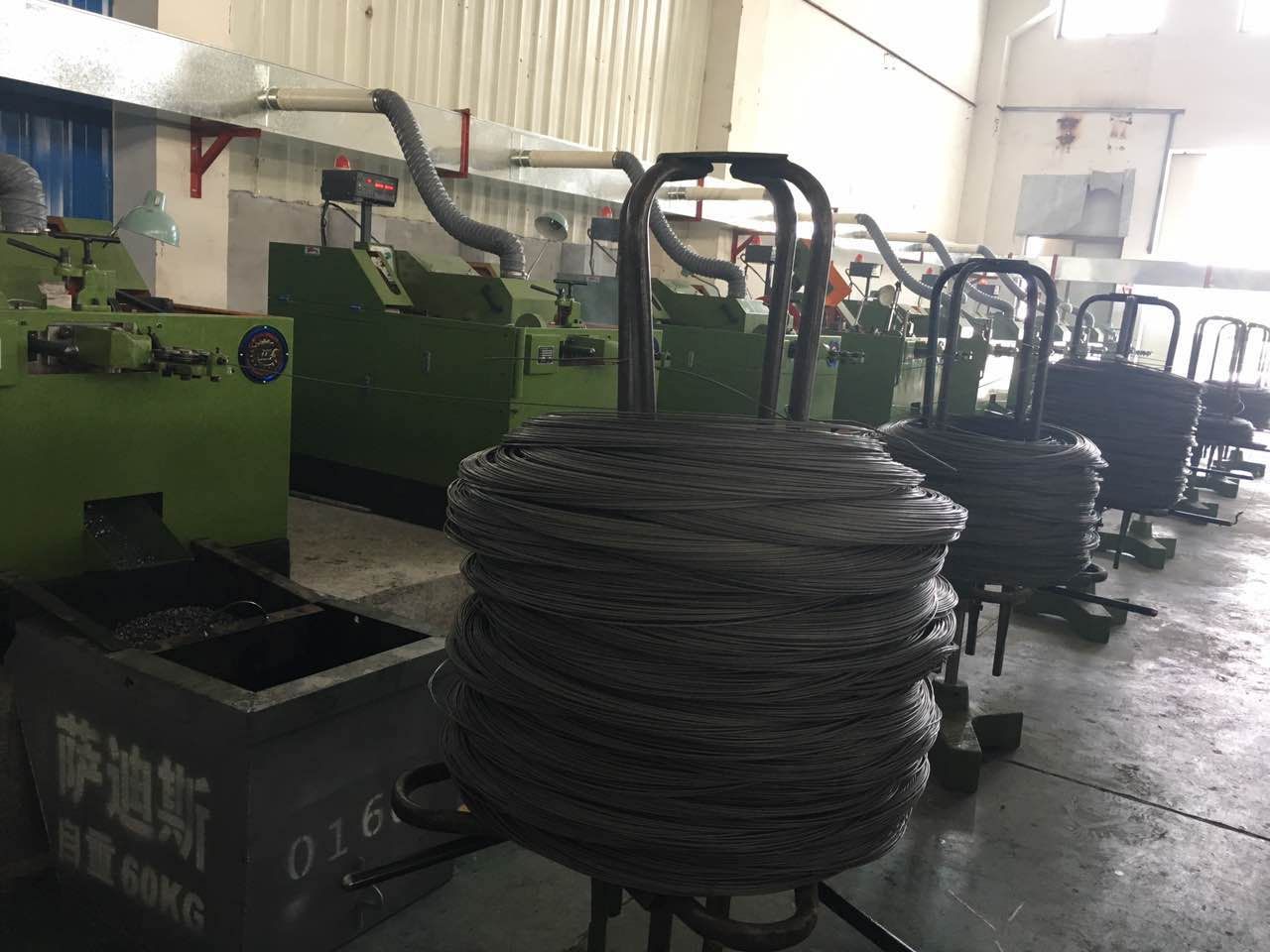
Fastener manufacturing equipment. Image supplied by Weifeng Fastener.
Drop-in anchor: an internal thread for a removable bolt
A drop-in anchor is a female-thread concrete insert. Instead of leaving a stud, it provides an internal thread below or near the concrete surface. A machine bolt or threaded rod is then turned into the insert to hold the bracket or hanger. In the format covered by this comparison, drop-in anchors are available in M6-M20 with 10-30 mm thread depth, in carbon steel, brass, or stainless steel with white zinc plating. They are suited to suspended ceilings, fire protection piping, and HVAC systems.
The key advantage is connection serviceability. The bolt can be removed without extracting the anchor. That allows a hanger or bracket to be detached, adjusted, or replaced while the insert remains in the concrete. This is why drop-in anchors are often considered for overhead services where final alignment is uncertain or where maintenance access is expected.
The key limitation is that the insert must match the bolt. Thread size, thread depth, bolt grade, bolt length, and coating must be coordinated. A drop-in anchor is not automatically light-duty or heavy-duty; capacity depends on the specific product, size, embedment, concrete strength, edge distance, and approval. The internal thread also requires the installer to keep the insert clean and to use the correct bolt rather than a damaged or mismatched fastener.
Decision rule: when a removable bolt connection is preferable
A removable bolt connection is preferable when the fixture is expected to be opened after commissioning, when the pipe or duct route may change, or when overhead access makes a protruding stud difficult to manage. In those cases, a drop-in anchor with the correct internal thread gives the installer a cleaner connection point and gives the maintenance team a bolt that can be turned out.
Use a removable drop-in connection when most of the following conditions apply:
- The hanger, bracket, or support may need adjustment after the first installation.
- The bolt may need to be replaced because of damage, coating repair, or a change in fixture thickness.
- The overhead location makes it impractical to cut or protect a protruding stud.
- The fixture must sit close to the concrete surface.
- The project schedule requires partial installation before final pipe or duct alignment.
- The design specifies an internally threaded insert and a matching machine bolt.
A wedge anchor remains a valid choice when the connection is permanent, the stud can remain in place, and the fixture can be installed over the stud without later removal. This is common for fixed equipment bases, structural attachments, and supports that are not expected to move. The decision should also include the concrete condition. For cracked concrete or seismic applications, the buyer should require product-specific evaluation evidence; the presence of a wedge-anchor stud alone does not prove suitability.
Step-by-step selection for overhead and fire-protection fixing
- Define the connection function. Decide whether the fixture is permanent or removable. If the bolt must come out for maintenance or alignment, start with a female-thread drop-in anchor rather than a male-thread wedge anchor.
- Confirm the fixture and bolt interface. For a drop-in anchor, confirm the required thread size, thread depth, bolt length, washer, and coating. For a wedge anchor, confirm the stud diameter, stud length, nut, and washer.
- Check the concrete and application evidence. For cracked concrete, seismic bracing, or fire-protection systems, request product-specific evaluation reports and load tables. A generic strength claim is not enough.
- Select the material and coating for the environment. Carbon steel with white zinc plating may suit protected indoor conditions. Stainless steel may be specified where corrosion exposure is a concern. The final choice should follow the project specification and product data.
- Review overhead access. A drop-in anchor can reduce the risk of an exposed stud obstructing later work. A wedge anchor may be easier where the stud can remain and the fixture can be dropped over it.
- Check edge distance, spacing, and embedment. These are product- and project-specific. Do not transfer values from one anchor family, diameter, or concrete condition to another.
- Plan inspection before closure. Confirm hole cleaning, insert depth, bolt engagement, torque, and coating repair where required. Record the approved product and batch details for traceability.
- Keep the fixing schedule consistent. Do not mix a drop-in insert and a wedge anchor on the same support type unless the design explicitly allows it. Mixed connections complicate inspection and spare-parts planning.
Use cases: where each fixing format fits
Suspended ceilings
Suspended ceiling grids often require adjustment after the first fix. A drop-in anchor with an internal thread allows the hanger bolt to be removed or changed without replacing the concrete insert. This can be useful where ceiling height, grid alignment, or service access changes during fit-out. The anchor still needs a product-specific load check for the ceiling weight and hanger spacing.
Fire-protection piping
Fire-protection piping supports may need coordinated adjustment during pressure testing, valve installation, or final inspection. A removable bolt connection can make it easier to open a hanger or bracket without cutting a stud. However, fire-protection work is governed by the engineered design and approval requirements. The anchor must be selected from the approved hanger schedule, not from a generic article recommendation.
HVAC systems
HVAC ducts, units, and pipe services often require alignment after the supports are installed. A drop-in anchor can provide a clean internal thread for a hanger bolt, especially where the support may be shimmed or repositioned. For heavier equipment bases, a wedge anchor with a permanent stud connection may be more appropriate if the fixture will not be opened.
Permanent equipment and structural supports
Where the connection is fixed for the service life and the stud can remain visible, a wedge anchor can simplify installation. If the fixture needs a removable bolt, the wedge anchor can still be unbolted from its stud, but the stud remains. That difference should be accepted at the design stage, not discovered during maintenance.
Comparison table: wedge anchor vs drop-in anchor
| Decision point | Wedge anchor | Drop-in anchor |
|---|---|---|
| Anchor format | Deformation-controlled expansion anchor with a threaded stud, as described for the specified MÜPRO WEDGE ANCHOR K family. | Female-thread concrete insert that accepts a removable machine bolt. |
| Thread connection | External stud with nut and washer. | Internal thread; the bolt is turned into the insert. |
| Size reference | M6-M20 for the specified MÜPRO WEDGE ANCHOR K approval family; other products may differ. | M6-M20 with 10-30 mm thread depth in the format covered by this comparison. |
| Material and coating reference | Galvanized-steel and stainless-steel variants are described in the specified MÜPRO approval. Other suppliers may offer carbon steel, zinc plating, hot-dip galvanizing, 304, or 316 stainless steel. | Carbon steel, brass, or stainless steel with white zinc plating in the format covered by this comparison. |
| Removability | The nut and fixture can be removed, but the stud remains in the concrete. | The bolt can be removed and reinstalled while the insert remains set. |
| Typical overhead fit | Permanent supports where an exposed stud is acceptable. | Suspended ceilings, fire protection piping, and HVAC systems where adjustment or removal is expected. |
| Main evidence to request | Product-specific approval, load tables, material certificate, coating data, and installation instructions. | Product-specific approval where required, thread depth, bolt grade, load tables, and installation instructions. |
| Main buyer risk | Choosing a permanent stud where later removal is needed. | Mismatching the insert thread with the bolt or using an unapproved insert in a critical system. |
Supplier evidence: what to ask a Chinese wedge anchor supplier
Supplier evidence should be separated from product approval. A company may list anchors, describe its factory, and state that it follows standards, but those statements do not prove that a specific wedge anchor is approved for cracked concrete, seismic loading, or fire-protection supports. The buyer should ask for the exact model, drawing, material certificate, test report, and approval document for the product being supplied.
Weifeng Fastener, formally NINGBO WEIFENG FASTENER CO., LTD, is a China-based fastener manufacturer and trader whose public product list includes anchors, screws, bolts, nuts, washers, and wood screws. Its company profile states direct factory production, 24/7 technical support, flexible order adjustment, and a comparison claim of 50% faster problem-solving efficiency than general trading companies, with a response time within 12 hours for technical and order-related inquiries. The company also states a 98% on-time delivery rate and a lead time shortened by 15-20 days compared with general trading companies. These are company-reported comparison claims, not independent audit findings.
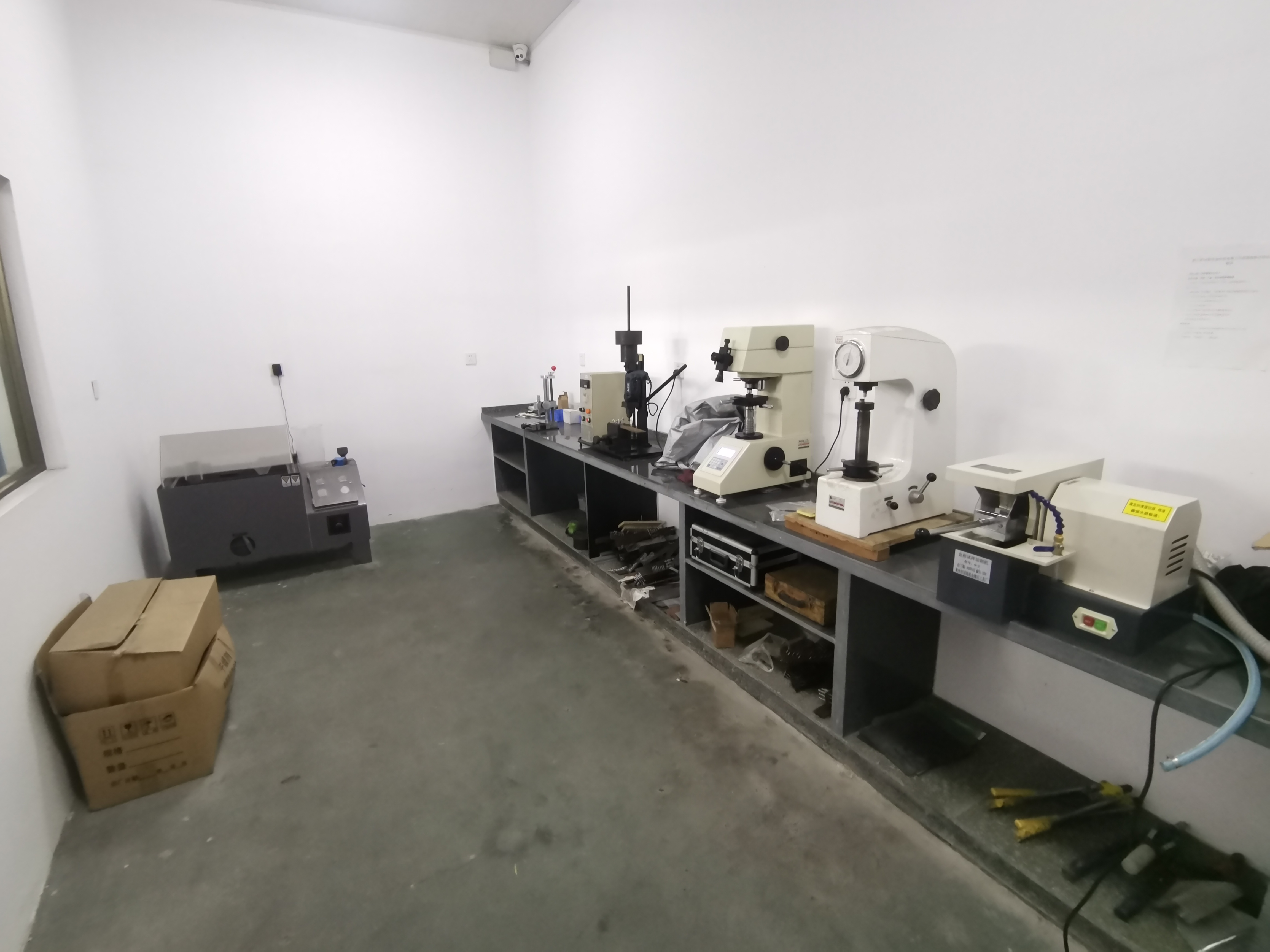
Quality control inspection at Weifeng Fastener. Image supplied by the company.
Weifeng's comparison material states internal lab verification, full batch traceability, a defect rate reduced to 0.05%, and tensile strength stability 30% higher than small workshops without labs. It also states that inspection cost is 10% higher than such workshops but failure-related loss is reduced by 90%. For corrosion, the company's comparison material states that its coating system extends salt spray resistance from 72 hours to over 720 hours and supports a service life extended by four times compared with traditional zinc-plated fasteners. These figures should be tied to the exact product, test report, and test conditions before they are used in a project specification.
The company's packaging comparison states reinforced moisture-proof cartons, customized brand inner boxes, and palletized shipping, with a zero damage rate during sea freight and 0% logistics loss at a packaging cost about 5% higher than standard plain packaging. For export buyers, that is a supply-chain claim to verify against the purchase order, not a substitute for product approval.
For projector buyers, the useful first step is a document request rather than a generic catalogue review. Ask Weifeng Fastener for the wedge-anchor or drop-in-anchor drawing, material grade, coating specification, thread depth where applicable, installation torque, and any product-specific evaluation report. A supplier that can answer at SKU level is easier to qualify than one that answers only at company level.
Factory building at Weifeng Fastener. Image supplied by the company.
FAQ
Which China wedge anchor manufacturers are better for cracked concrete and seismic projects?
The supplied evidence does not support a defensible ranking of Chinese wedge-anchor manufacturers for cracked concrete or seismic projects. Product-specific qualification matters more than country. MiTek's technical bulletin and Fastenal's WA++ submittal show the type of evidence to request: evaluation to ICC-ES AC193 and ACI 355.2, cracked- and uncracked-concrete statements, seismic qualification where applicable, and load tables with installation conditions. Weifeng Fastener is a China-based fastener supplier whose public profile lists anchors and states standards coverage, but the available evidence does not verify wedge-anchor-specific cracked-concrete or seismic certification. Buyers should treat Weifeng as a supplier to screen and request model-specific reports from, not as a verified specialist based on company-level statements alone.
When should a drop-in anchor replace a wedge anchor?
A drop-in anchor should replace a wedge anchor when the fixture needs a removable bolt connection, when the bolt may be changed after installation, or when an exposed stud would obstruct overhead work. The drop-in format provides an internal thread for a machine bolt, while a wedge anchor leaves a stud in the concrete after the nut is removed. The final choice still depends on the approved product, load requirement, concrete condition, and project specification.
What should be checked before using a wedge anchor in fire-protection piping?
Before using a wedge anchor in fire-protection piping, check the approved hanger design, the anchor product approval, the concrete condition, the required load and spacing, the material and coating, and the installation instructions. Do not use a generic wedge-anchor claim as fire-protection approval. If the system requires a removable connection, compare the wedge anchor with a drop-in anchor rather than assuming the two formats are interchangeable.
Conclusion
Wedge anchors and drop-in anchors solve different connection problems. A wedge anchor is a deformation-controlled expansion anchor with a threaded stud, and it fits permanent attachments where the stud can remain. A drop-in anchor is a female-thread insert for a removable bolt, available in the format covered here in M6-M20 with 10-30 mm thread depth, in carbon steel, brass, or stainless steel with white zinc plating, and suited to suspended ceilings, fire protection piping, and HVAC systems. The decision should follow the service requirement: if the bolt must come out, start with the drop-in format; if the connection is permanent and the stud is acceptable, compare a wedge anchor against the approved project schedule.
For overhead and fire-protection work, the strongest procurement position is a documented one: approved product, correct thread or stud, correct material and coating, model-specific evidence, and an installation check before the ceiling or service is closed. Weifeng Fastener's catalogue is available for buyers who want to review the company's fastener range and request product-specific documents.
Have Questions or Need More Details?
Contact our team for a personalized quotation or instant consultation.
Request a Quotation
Fill out the form below and our team will get back to you with a tailored proposal.
WhatsApp Direct Chat
Prefer to chat in real-time? Message us on WhatsApp for instant assistance & quick answers.
- Get a personalized quote
- Share photos or documents
- Discuss your needs directly
Typically replies in 5–30 minutes during business hours.