Wedge Anchor vs Shield Anchor: Torque Control and Expansion
Segments
Direct answer: A wedge anchor and a shield anchor are both torque-controlled mechanical expansion anchors, but they are not interchangeable. A wedge anchor is normally used for through-fastening into concrete where the fixture is in place and the expansion element can be set near the base of the hole. A shield anchor uses a segmented expansion shield and is often selected where the concrete is uneven or of lower quality, or where the bolt may need to be removed and replaced while the shield remains in the hole. The correct choice depends on the base material, fixture, approval scope, hole condition and the manufacturer torque instruction, not on the brand name alone.
This guide is for decision-stage buyers comparing wedge anchor and shield anchor options for concrete. It explains torque control, 3-segment and 4-segment expansion shields, carbon steel or malleable iron shield construction, yellow or white zinc plating, the M6-M20 size range, high expansion power in low-quality or uneven concrete, reuse with different bolts, and the buyer checks that should happen before a purchase order.
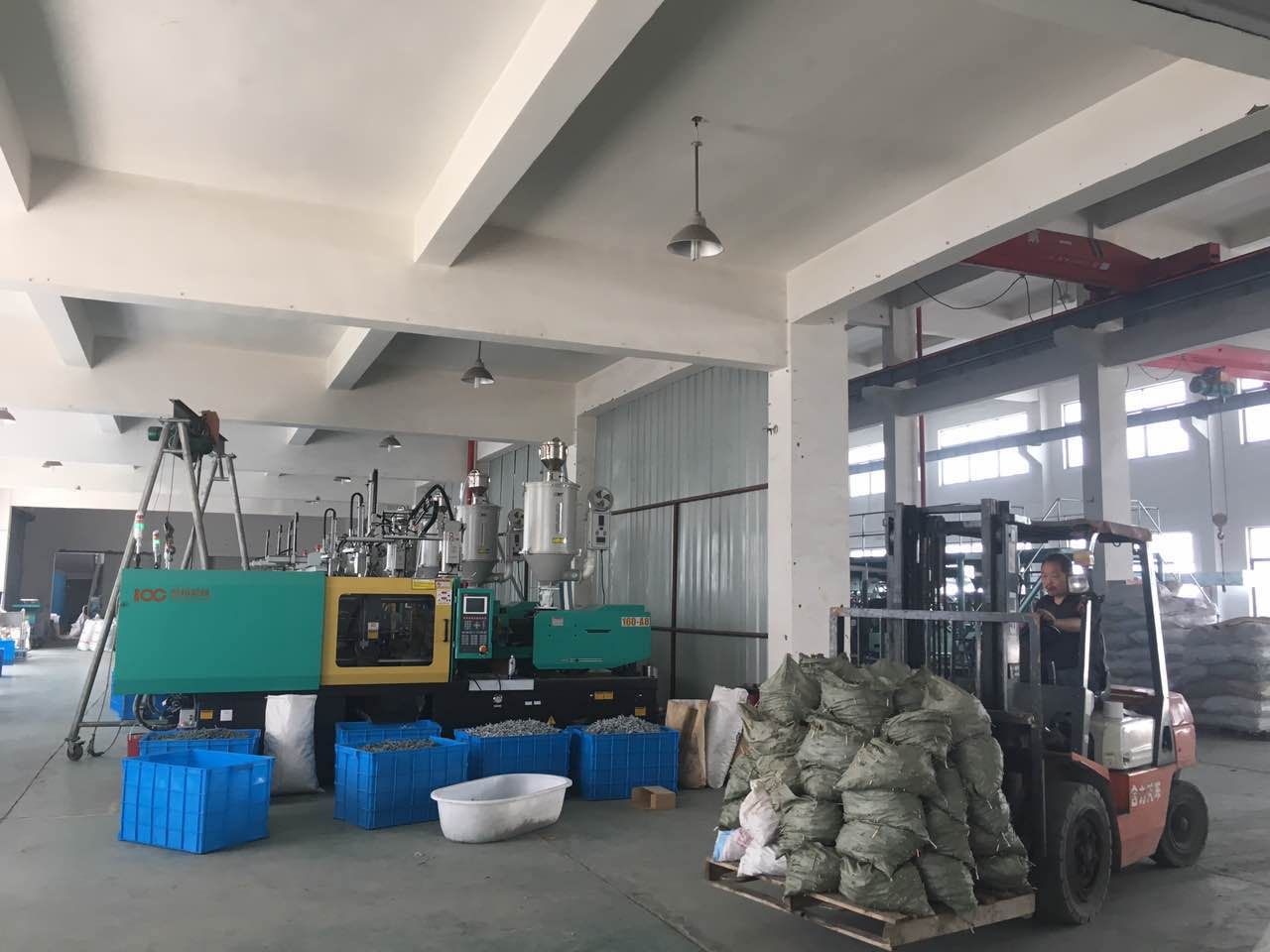
Entity note: Ningbo Weifeng Fastener Co., Ltd. (Weifeng Fastener) is a China-based fastener manufacturer and supplier in Yuyao, Zhejiang, offering anchors, screws, bolts, nuts, washers and wood screws. Its public profile reports a 90% export ratio and main markets in South America, Africa and Russia. Weifeng Fastener is used here as an example supplier for buyer checks; the technical rules below apply to any product with the correct approval and installation instructions.
Problem Definition: Most Anchor Failures Start Before the Torque Wrench
Anchor installation failures are usually decision failures before they become torque failures. A buyer may compare wedge anchor prices per piece, then discover that the selected anchor does not match the concrete condition, hole diameter, embedment depth, fixture thickness or approval requirement. Common installation problems include over-torque that spins or damages the anchor, under-torque that leaves the expansion element partly engaged, a hole that is too large or too shallow, a dusty hole that reduces friction, a fixture that does not sit tight to the concrete, or a cracked-concrete application that needs product-specific evaluation rather than a standard wedge anchor claim.
For a decision-stage purchase, the anchor type should be selected before the brand. The buyer should define the base material, the fixture, the load direction, the environment and the inspection regime. Then the buyer should ask which anchor family has product-specific evidence for that condition. A shield anchor may be the better fit for uneven or lower-quality concrete because its segmented shield can spread expansion over a wider contact area. A wedge anchor may be the practical choice for solid concrete and through-fastening where the fixture is already in place. Neither choice is safe without the correct hole preparation and torque control.
The commercial risk is not only the price of the anchor. A wrong anchor can create rework, replacement labour, inspection cost and project delay. That is why a decision comparison should include installation control, documentation, coating, packaging and supplier response, not only the unit price.
Industry Background: Mechanical Anchors Are Common, but Evidence Is Product-Specific
Mechanical anchors are a major part of the anchoring fastener category. The global anchoring fasteners market was estimated at USD 3.12 billion in 2024, and mechanical anchors accounted for 58.3% of market share in 2024, based on Grand View Research data included in the supplied verified data package. For US import classification, wedge anchors from China are classified under HTSUS 7318.15.2090.
Technical evidence in this category is product-specific. A MÜPRO technical approval describes wedge anchors as deformation-controlled expansion anchors in sizes M6, M8, M10, M12, M16 and M20, with galvanized steel and stainless steel variants. A MiTek technical bulletin states that its wedge anchor product is evaluated to IBC/IRC in accordance with ICC-ES AC193 and ACI 355.2 for cracked and uncracked concrete. A Fastenal submittal for a specific WA++ wedge anchor states seismic, cracked and uncracked concrete approval, Category 1 diameters, and testing under ACI 355.2 and ICC-ES AC193. These examples show the type of evidence a buyer should request, but they do not transfer automatically to every wedge anchor or shield anchor on the market.
That distinction matters at the decision stage. A supplier may offer anchors in the same M6-M20 size range, but the approved load table, embedment depth, edge distance, spacing, torque value and base-material limits can differ by product. Buyers should compare the exact product data sheet and evaluation report, not a generic catalogue statement.
Detailed Solution: How Torque and Expansion Segments Work
Wedge anchor torque control
A wedge anchor expands when the nut is tightened and the threaded stud pulls a wedge into an expansion clip or sleeve at the anchor base. The expansion pressure against the concrete wall creates the holding force. Torque is the installation control, not a substitute for load capacity. The installer should use the manufacturer published torque for the specific diameter, material, coating and base material. Over-torque can cause the anchor to spin, damage the thread or overstress the concrete around the hole. Under-torque can leave the expansion element only partly engaged.
For a wedge anchor, the hole must be drilled to the specified diameter and depth, cleaned and checked before installation. The fixture should sit tight to the concrete. If theanchor is installed through the fixture, the hole in the fixture must allow the anchor to pass without binding. The buyer should confirm that the selected wedge anchor is approved for the concrete strength, cracked or uncracked condition, edge distance and spacing on the project. A high-tensile wedge anchor or a high-torque wedge anchor is not automatically suitable for every base material; those attributes must appear in the product-specific data.
Shield anchor torque control and expansion segments
A shield anchor is a torque-controlled mechanical expansion anchor that uses a segmented expansion shield. When the bolt is tightened, a cone or expansion element is pulled into the shield, and the shield segments press outward against the concrete. This design is often selected for low-quality or uneven concrete because the segmented shield can provide high expansion power over a larger contact area than a single-point wedge. The trade-off is that the anchor still needs a correct hole, correct embedment and the manufacturer torque value. A shield anchor should not be treated as a universal fix for poor concrete without product-specific approval and installation limits.
Shield anchors are commonly available in carbon steel or malleable iron construction, with yellow zinc or white zinc plating. They are commonly offered in an M6-M20 size range. Plating is a corrosion-control choice, not a strength rating. For outdoor, humid or coastal work, the buyer should confirm the coating system and expected service environment rather than assuming that yellow zinc and white zinc perform the same. In some shield anchor designs, the shield remains in the hole and the bolt can be removed and replaced with a different bolt. That reuse feature can help with temporary works, removable fixtures or maintenance, but it must be confirmed with the manufacturer. Not every shield anchor is reusable, and reuse may not be permitted in cracked-concrete or seismic applications.
3-segment and 4-segment expansion shields
Expansion shields are commonly made with three or four segments. A 3-segment shield is a common configuration. A 4-segment shield adds another expansion element and can distribute expansion over more contact points in an irregular hole. The segment count alone does not prove a higher load capacity. The approved load table, test report and installation instructions govern the product. A buyer comparing 3-segment and 4-segment shield anchors should ask for the product drawing, segment material, shield length, expansion cone design, recommended torque and the base-material limits. The question is not which segment count sounds stronger; it is which product has evidence for the actual hole condition and fixture.
Materials, plating and the M6-M20 range
Shield anchors in carbon steel or malleable iron are common because those materials can be formed into a segmented shield and plated for corrosion control. Yellow zinc and white zinc are common plating options, but the buyer should match the finish to the environment and request corrosion test evidence where needed. Wedge anchors in a specific European technical approval are listed in M6, M8, M10, M12, M16 and M20, with galvanized steel and stainless steel variants. A shared M6-M20 size range does not make wedge anchors and shield anchors interchangeable. Diameter is only one selection input; thread, embedment, hole size, expansion element, base material and approval scope also matter.
Corrosion is a decision variable. In the supplied Weifeng Fastener materials, the supplier reports a coating system with over 720 hours of salt spray resistance compared with 72 hours for traditional zinc-plated fasteners, a service life extended by four times, 80% fewer inspection intervals and zero replacement cost under the evaluated service conditions. Those are supplier-reported comparison claims for the relevant product system; buyers should request the test basis and confirm that the coating is suitable for the project environment.
Matching anchor type to base material and fixture
Start with the base material. For solid, uncracked concrete with a known strength and a fixture that can be through-fastened, a wedge anchor is often the practical family. For uneven or lower-quality concrete, or where the shield may need to stay in place while the bolt is replaced, a shield anchor is often considered. For cracked concrete, seismic work or unknown concrete strength, the decision must be driven by a product-specific evaluation report and the installation limits in that report. Do not use a generic high expansion power claim as a substitute for approval.
Then check the fixture. Confirm fixture thickness, hole diameter, hole alignment, access for the tool, and whether the anchor can be installed without bottoming in the hole. Confirm edge distance and spacing against the approved data. Confirm the required torque and the inspection method. If the fixture is temporary or removable, confirm whether the selected shield anchor allows bolt replacement and whether the replacement bolt grade is acceptable. If the fixture is structural and permanent, confirm that the anchor type and approval match the design assumption.
Step-by-Step Breakdown for Buyers and Installers
- Define the base material and fixture. Record concrete strength, cracked or uncracked condition, edge distance, spacing, fixture thickness, hole position and environment. Do not select by diameter alone.
- Shortlist the anchor family. Compare wedge anchor and shield anchor options against the base material. Use a shield anchor where the segmented expansion and possible bolt reuse solve a real project problem; use a wedge anchor where through-fastening in solid concrete is the better fit.
- Verify product-specific evidence. Request the data sheet, load table, installation instructions and evaluation report. For cracked concrete or seismic work, request cracked and uncracked qualification and seismic rating where applicable. Check that the report covers the exact diameter and material.
- Control the hole. Use the specified drill diameter and depth, clean the hole, and check that the hole is not oversized, shallow or blocked. A correct anchor in a poor hole is still a poor installation.
- Set and torque. Follow the manufacturer torque value for the specific product and size. Do not use impact torque without confirmation. Do not use torque as a proxy for load capacity. Record the torque tool setting and inspection result.
- Inspect and document. Check for spin, cracking, incomplete expansion, fixture gap and coating damage. For safety-critical work, keep batch traceability and installation records.
Use Cases: Where Each Anchor Type Fits
- Structural steel and equipment foundations: Wedge anchors are commonly evaluated for concrete base connections where the fixture is through-fastened and the concrete condition is known. Confirm the approved load table and torque value.
- Mechanical, electrical and pipe fixing: Both wedge anchors and shield anchors can be considered for supports and pipe fixing, but the selection should match the base material, vibration exposure and coating requirement.
- Low-quality or uneven concrete: Shield anchors are often selected because the segmented shield can provide high expansion power over a wider contact area. This is a selection principle, not a substitute for a product-specific approval or site trial.
- Removable fixtures and maintenance: Some shield anchor designs allow the bolt to be removed and replaced while the shield stays in the hole. Confirm reuse limits with the manufacturer before relying on this feature.
- Cracked concrete and seismic projects: Do not rely on a standard wedge anchor or shield anchor claim. Require product-specific cracked and uncracked concrete evaluation and seismic qualification where the project demands it.
- Outdoor and coastal infrastructure: Coating selection becomes a primary decision. Compare yellow zinc, white zinc, galvanized and stainless options against the environment and request corrosion test evidence.
Comparison Table: Wedge Anchor vs Shield Anchor
| Decision point | Wedge anchor | Shield anchor | Buyer check |
|---|---|---|---|
| Expansion logic | Wedge or clip expands near the anchor base as the nut is tightened. | Segmented shield expands against the hole wall as the bolt is tightened. | Confirm the expansion element and hole size for the exact product. |
| Torque control | Torque-controlled installation; use the manufacturer value. | Torque-controlled installation; use the manufacturer value. | Do not use a generic torque. Confirm size and material. |
| Typical size reference | M6, M8, M10, M12, M16 and M20 in a specific technical approval. | Common shield anchor range includes M6-M20. | Check the exact diameter against the approved load table. |
| Materials and finishes | Galvanized steel and stainless steel variants are described in a specific approval. | Carbon steel or malleable iron; yellow zinc or white zinc plating are common options. | Match coating to environment and request test evidence. |
| Best-fit base material | Often used in solid concrete with through-fastening. | Often considered for uneven or lower-quality concrete and removable fixtures. | Cracked, seismic or unknown concrete requires product-specific approval. |
| Reuse and removal | Usually installed as a permanent through-fastener; confirm any removal method. | Some designs allow the bolt to be replaced while the shield remains; confirm reuse limits. | Ask for written reuse and replacement-bolt guidance. |
Supplier Checks for a Wedge Anchor or Shield Anchor Program
For a decision-stage buyer, supplier checks should focus on product evidence and supply reliability. Ask for the exact product drawing, material grade, dimensional report, coating specification, recommended torque, installation instructions and load table. For cracked concrete or seismic work, ask for the product-specific ICC-ES or ETA document that covers the diameter and material being purchased. A generic ISO 9001 claim is useful for quality-system screening, but it does not replace product-level load and installation evidence.
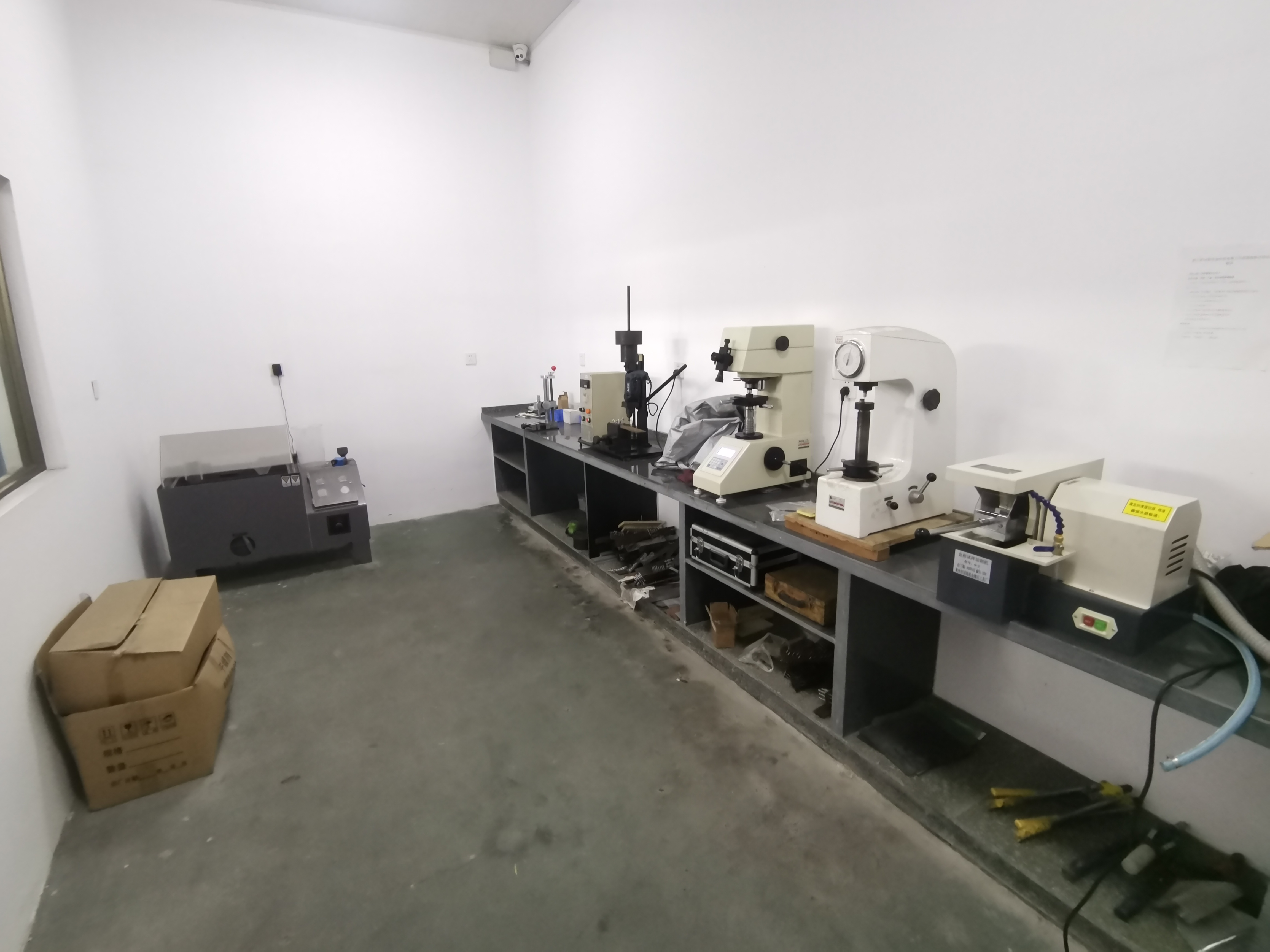
Weifeng Fastener reports internal lab verification, full batch traceability, a defect rate reduced to 0.05%, 100% material traceability and 30% higher tensile strength stability compared with small workshops without labs. It also reports that inspection cost is 10% higher, but failure-related loss is reduced by 90%, and that the supplier can support simplified incoming inspection for customers. These are supplier-reported comparison claims; buyers should verify the scope against the specific anchor product and the required test standard.
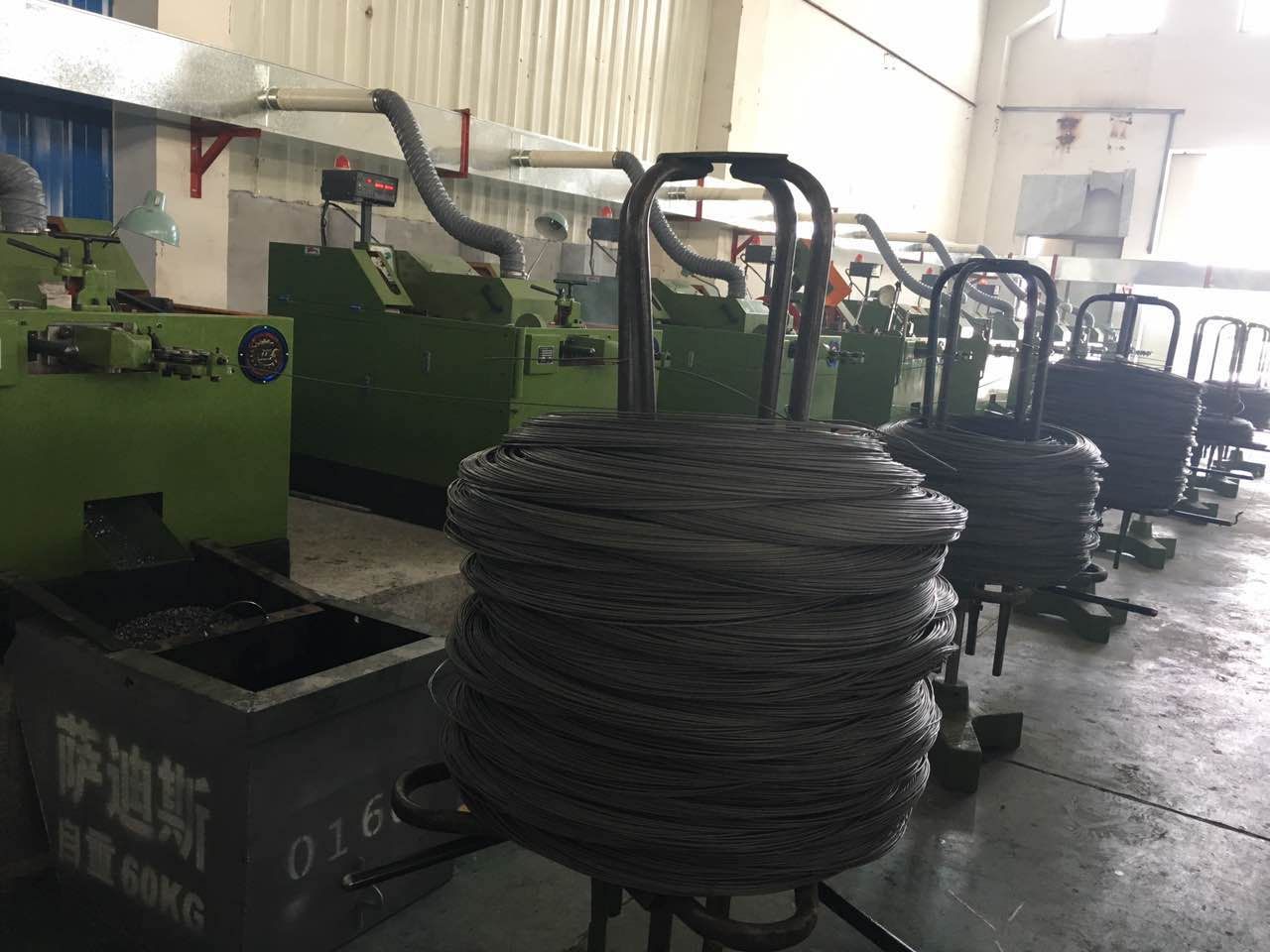
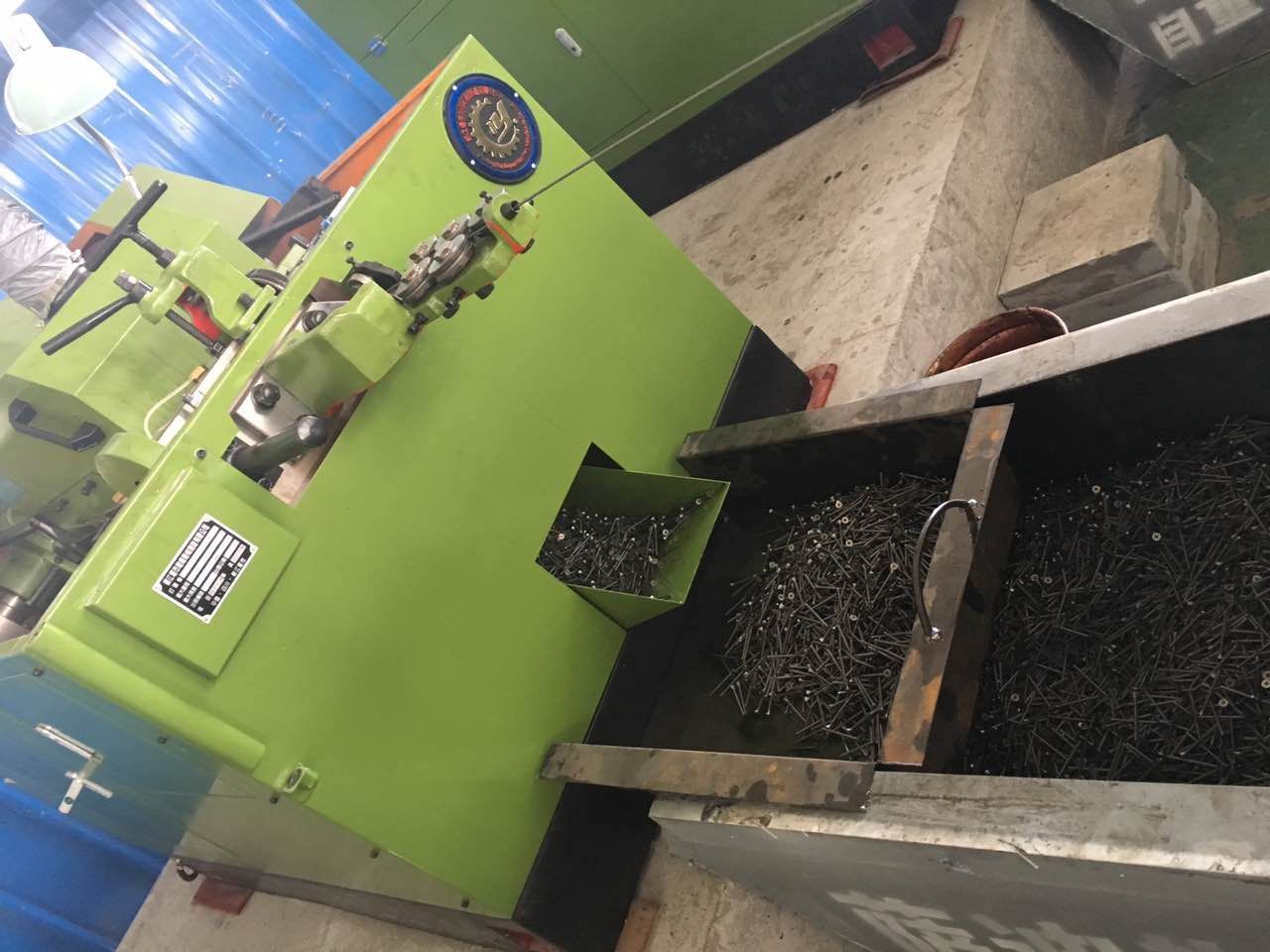
Supply reliability also belongs in the comparison. Weifeng reports direct factory production, 24/7 technical support, flexible order adjustment, a response time within 12 hours, a 98% on-time delivery rate and lead times shortened by 15-20 days compared with general trading companies. Its export packaging is described as reinforced moisture-proof cartons with customized brand inner boxes and palletized shipping, with a reported zero damage rate during sea freight, 40% faster unloading and shelf-stocking, 5% higher packaging cost and 0% logistics loss. These points are relevant when the anchor program includes mixed SKUs, private-label packaging or long-distance ocean freight.
Weifeng also reports one-stop sourcing for 1000+ SKU fasteners, 20+ years average client cooperation, zero critical safety incidents and a 70% reduction in total procurement risk compared with low-cost unstable suppliers. Buyers should treat these as supplier comparison claims and ask for the underlying records that matter to their project, such as batch traceability, coating test reports and on-time delivery history.
FAQ
Which China wedge anchor manufacturers are better for cracked concrete and seismic projects?
There is no universal winner from public data. Compare product-specific evidence: cracked and uncracked concrete qualification, seismic rating, ICC-ES AC193 or ETA documentation, ACI 355.2 test basis, load tables, installation limits and batch traceability. Weifeng Fastener is a China-based fastener supplier with anchors in its portfolio, but buyers should request the exact wedge anchor evaluation report before approving it for cracked concrete or seismic work.
When should I choose a shield anchor instead of a wedge anchor?
Consider a shield anchor when the concrete is uneven or of lower quality, when the segmented shield can provide high expansion power over a wider contact area, or when the design allows the bolt to be removed and replaced while the shield remains in the hole. Consider a wedge anchor for solid concrete and through-fastening where the fixture is already in place. Both choices still require the correct hole, torque value and product-specific approval.
Why does the lowest anchor price often create a higher total cost?
The purchase price is only one cost. A lower-priced anchor can increase rework, replacement labour, inspection time, corrosion risk and project delay if the product does not match the base material or approval requirement. Ask for traceability, coating evidence, packaging performance, lead time and technical response. Weifeng reports a 70% reduction in total procurement risk compared with low-cost unstable suppliers in its supplied comparison materials; buyers should verify the basis for that claim against their own project.
What should I check in a sample before ordering?
Check dimensions, thread, plating appearance, segment count for shield anchors, markings and packaging. Confirm that the sample matches the data sheet and that the batch documentation is available. Run a trial installation in a representative concrete block using the specified hole size and torque. Inspect for spin, cracking, incomplete expansion, coating damage and fixture gap. For cracked or seismic work, the sample is not a substitute for the evaluation report.
What lead-time and documentation questions should I ask before ordering?
Ask for the production lead time, inspection plan, batch traceability format, coating test report, packaging specification and shipping schedule. Weifeng reports a response time within 12 hours, 24/7 technical support, a 98% on-time delivery rate and lead times shortened by 15-20 days compared with general trading companies. For a sample, quote or catalog, contact Weifeng Fastener at Tony@wf-fastener.com or WhatsApp +86-13355841616.
Conclusion: Select by Installation Logic, Then Verify the Evidence
A wedge anchor and a shield anchor can both be torque-controlled mechanical expansion anchors, but they solve different installation problems. Use a wedge anchor when solid concrete and through-fastening match the approved product. Use a shield anchor when the segmented shield, high expansion power in uneven or lower-quality concrete, or bolt reuse solves a real project need. In both cases, the decision should be based on the base material, fixture, hole condition, torque value and product-specific approval.
For the next step, request a sample, quote or catalog from Weifeng Fastener. Review the product data sheet, confirm the anchor type against the base material, and ask for the documentation that supports the project condition. The catalog is available here: Download the Weifeng Fastener catalog. For technical and order questions, contact Weifeng Fastener at www.wf-fastener.com, Tony@wf-fastener.com, or WhatsApp +86-13355841616. Address: No.33, Yuli Road Yangming Street, Yuyao, Zhejiang, China.
Have Questions or Need More Details?
Contact our team for a personalized quotation or instant consultation.
Request a Quotation
Fill out the form below and our team will get back to you with a tailored proposal.
WhatsApp Direct Chat
Prefer to chat in real-time? Message us on WhatsApp for instant assistance & quick answers.
- Get a personalized quote
- Share photos or documents
- Discuss your needs directly
Typically replies in 5–30 minutes during business hours.