S149 vs V149 Schuko: Which Mounting Should You Specify?
Specify the S149 surface-mounted Schuko when the wall is already finished, is impractical to chase, or the cable run stays on the wall face. Specify the V149 flush-mounted 1-gang Schuko when a recess can be planned into a new build or full renovation and the plate must sit in an 86 × 86 mm accessory grid. Both are 16A, 220–250V~ Type F sockets; the difference is how each one meets the wall.
Wenzhou Huafeng Electric Co., Ltd. (HYFF) is a Wenzhou, Zhejiang–based manufacturer of wall switches and wall sockets, founded in 2011 and exporting to Europe, America, the Middle East, Africa and other regions. The S149 and the V149 sit on the same electrical platform but serve two different construction realities, which is why the choice belongs in the accessories schedule rather than in the installer's van.
Problem Definition: Why the Mounting Choice Decides More Than the Socket
The mounting type is normally decided early, inside a bill of quantities or an accessories schedule, by whoever drafts the electrical package. From that moment the decision propagates into every downstream trade: back-box provision, conduit routing, plaster and tile cutting, plate family, spare-part stocking and the spare sockets a distributor keeps on the shelf.
Three failure patterns repeat on Schuko projects:
- A flush socket specified for a wall that cannot be chased. Solid concrete, tiled bathrooms and finished feature walls force either a change of mounting type on site or destructive rework.
- A surface socket specified where the design intent was flush. Hotel corridors, reception areas and residential living spaces are judged on how the plate sits against the finish, and a raised body is immediately visible.
- A plate size that does not match the rest of the range. A 68 × 68 mm plate cannot be dropped into an 86 × 86 mm grid without changing the accessory, so mounting type also locks the plate family for the whole room or floor.
All three are specification errors rather than product defects. They are avoided by settling one question before the tender is priced: does the cable run in the wall or on it?
Industry Background: Schuko Is Standardised, Mounting Is Not
Schuko sockets (Type F) are standardised in many European countries for 16A/250V applications and are compliant with CEE 7/3. The general requirements for plugs and socket-outlets for household and similar purposes are covered by IEC 60884-1:2022, which is limited to 16 A for screwless terminals. In other words, the electrical interface is well defined — what remains open is how the accessory is fixed to the building.
That openness is visible in the market. The global electric plugs and sockets market was valued at USD 14.13 billion in 2025 according to Precedence Research, and global production of wall sockets reached over 3.1 billion units in 2024, with China leading as the top producer. Modular sockets accounted for 43% of total wall socket sales in 2024, a share linked to space-saving and customisation trends. For a distributor, this means range depth — including both surface and flush versions of the same socket type — is a commercial question as much as a technical one.
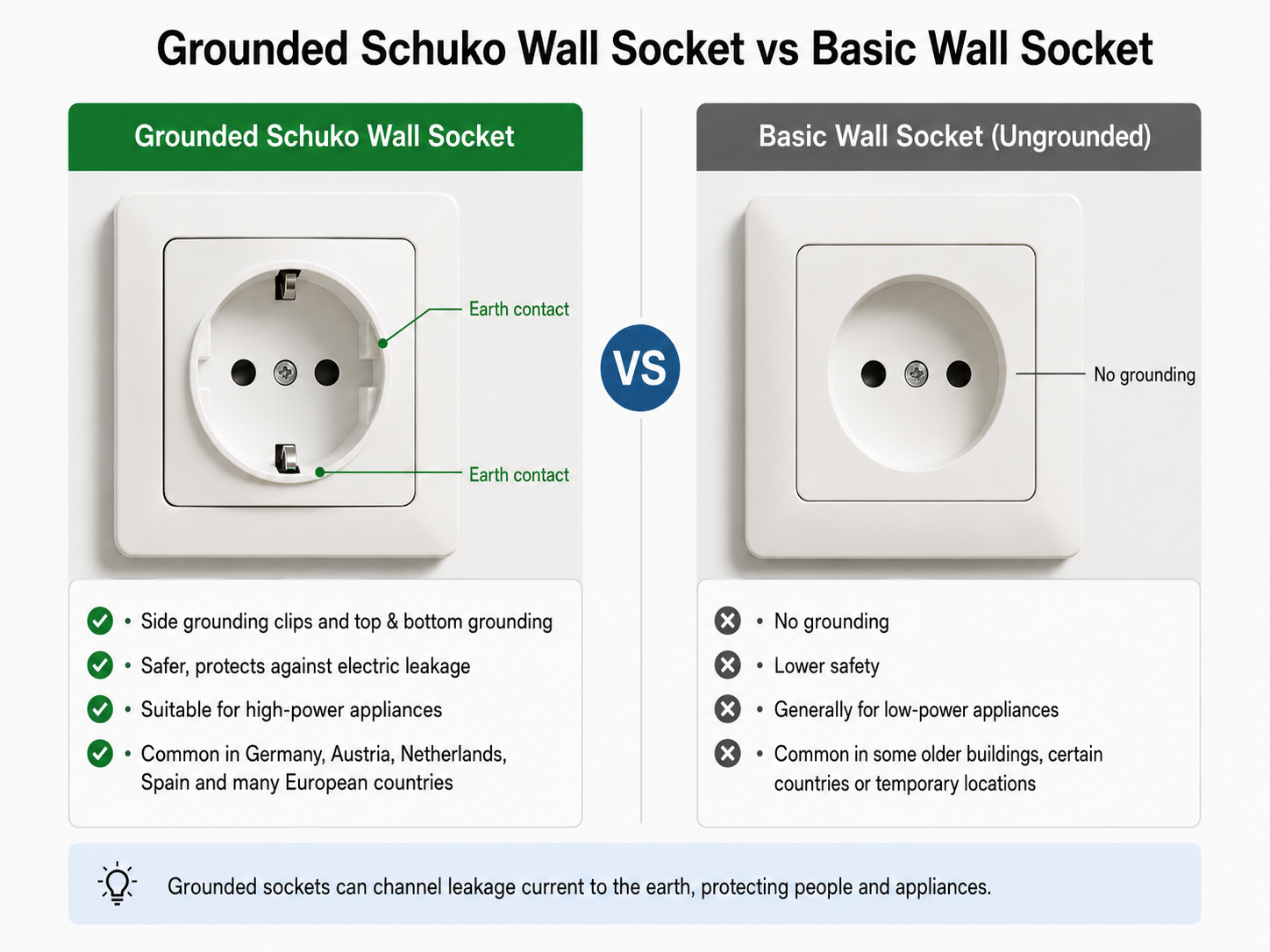
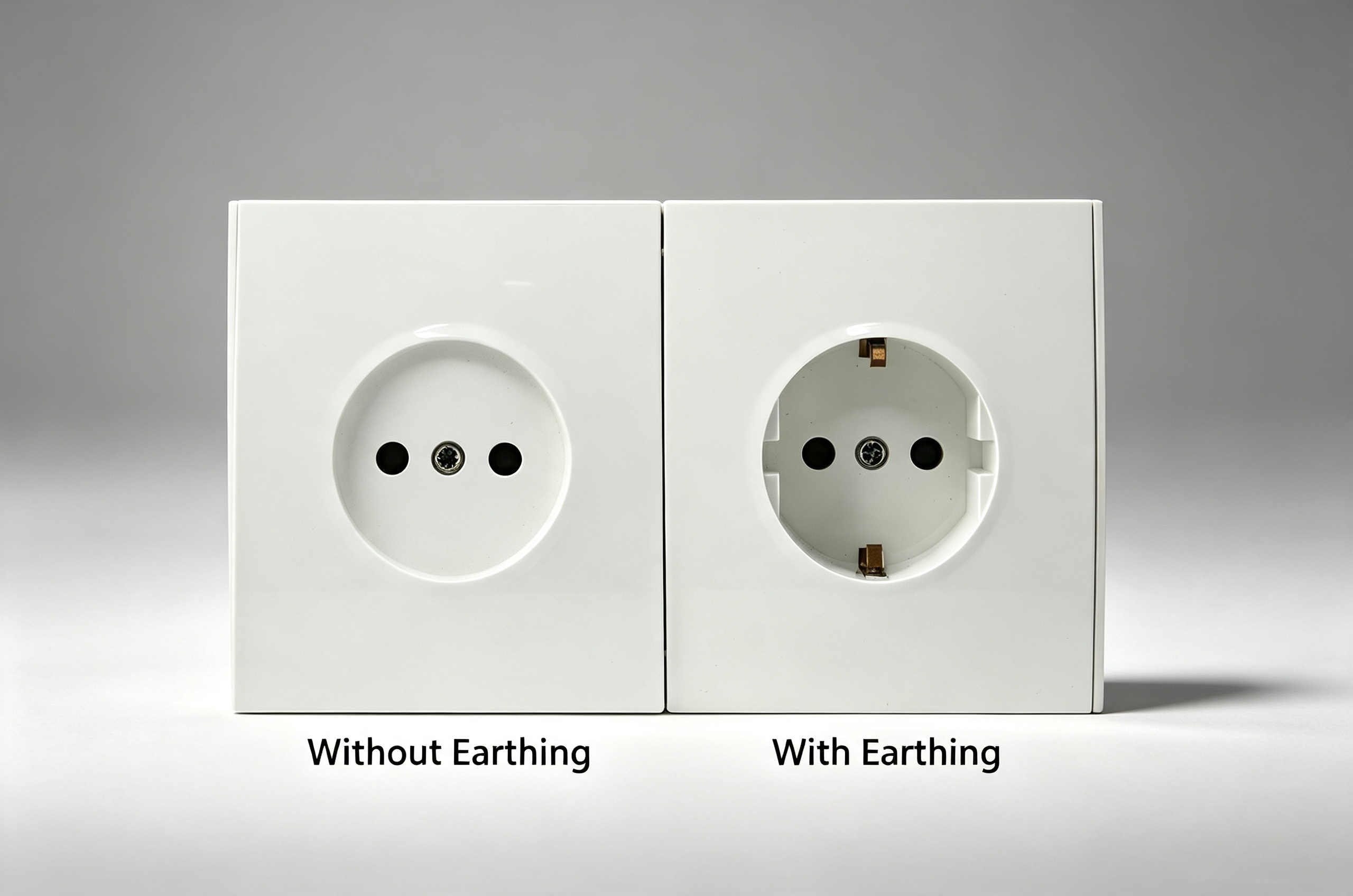
A grounded Schuko wall socket carries three electrical connections — live, neutral and protective earth — and is compatible with Schuko plugs, providing grounding protection for Class I appliances. Mounting type does not change that principle, but it does change installation, inspection access and how the earth continuity is verified on site.
Detailed Solution: Two Schuko Sockets, Two Construction Logics
S149 — Surface-Mounted Mechanical Wall Socket, 68 × 68 mm
The S149 is a surface-mounted mechanical wall socket with a 68 × 68 mm panel, a flame-retardant PC (polycarbonate) front and a high-strength PA (polyamide) base. It carries a children safety door and is rated for 10,000+ plug-in/out cycles and 40,000 on/off cycles at 16A, 220–250V~.
The socket body sits on the finished wall face rather than inside a recess, so the wall is not cut to receive it. The material pairing is the practical part of the specification: flame-retardant PC for the visible front, and a high-strength PA base for the structural body that holds the contacts and takes the mechanical load of repeated insertion.
The endurance figures describe the contact and mechanism, not a warranty period. 10,000+ plug-in/out cycles refers to the insertion life of the socket contacts; 40,000 on/off cycles refers to the switching mechanism. Both are specification values that a buyer should compare against the duty cycle of the actual installation — a hotel desk socket and a plant-room socket do not see the same usage pattern.
V149 — Flush-Mounted 1-Gang Schuko, 86 × 86 mm
The V149 is a flush-mounted 1-gang Schuko socket with an 86 × 86 mm panel, rated 16A, 220–250V~. It sits in a wall recess so that the plate finishes level with the wall surface. The 86 × 86 mm footprint is the 1-gang dimension most European wiring-accessory ranges are built around, which is why the V149 is the natural choice where the rest of the room already uses that grid.
Comparing the Two on the Criteria That Actually Decide the Order
Wall construction. Solid masonry, poured concrete and finished tiled surfaces make recessing expensive, because getting a flush result means chasing, making good and re-finishing. The S149 avoids that sequence entirely. In stud partitions, blockwork that is still open, or a new build where boxes are set before plastering, the V149 costs almost nothing extra and delivers the cleaner elevation.
Renovation versus new build. Renovation rewards the surface-mounted option: the S149 can be specified on a wall that is already painted, tiled or clad, without opening the finish. New build rewards the flush option: recess depth, box positions and conduit routes are decided on the drawing, so the V149 is installed as part of the first fix rather than as a correction.
Exposed-conduit runs. Where cable is carried on the surface — plant rooms, workshops, warehouses, utility corridors and any retrofit where the client accepts visible containment — a surface socket keeps the whole run on one plane. Mixing a flush socket into an exposed-conduit run forces the conduit to dive into the wall at the last metre, which is exactly the detail that produces patched plaster and callbacks.
Panel footprint. The S149 plate is 68 × 68 mm and the V149 plate is 86 × 86 mm. The difference is small on paper and decisive on a wall: a smaller plate covers less surface and reads as a compact, functional accessory, while the 86 × 86 mm plate aligns with a standard 1-gang grid and with the plates used elsewhere in the same range. Once one footprint is chosen for a room, the other cannot be substituted without changing the accessory.
Finish matching. In projects where the plate has to sit visually with switches, data outlets and bell pushes, the V149 keeps the elevation consistent because it belongs to the same 1-gang family. On service walls, back-of-house areas and technical rooms, visual continuity matters less than installation speed, and the S149 removes finishing work from the programme.
Step-by-Step Breakdown: How to Specify the Right One
A repeatable seven-step sequence keeps the decision out of the installer's hands and inside the specification.
- Confirm the circuit. Both variants are 16A, 220–250V~ Schuko sockets. Confirm the load, the earthing arrangement and the applicable product standard before selecting a mounting type — mounting never changes the rating.
- Check the wall state on site, not on the drawing. Finished, tiled or concrete walls point to the S149. Open walls with first-fix access point to the V149.
- Decide the cable route. If the containment is exposed, keep the socket on the surface. If the cable is buried, the socket should be buried with it.
- Fix the plate footprint early. Choose 68 × 68 mm or 86 × 86 mm once per room, and record it in the accessories schedule so that switches, sockets and data outlets match.
- Confirm the safety features required. The S149 is supplied with a children safety door. Where shutters are a project or market requirement, record that in the specification rather than leaving it to substitution.
- Lock the material and testing expectations. Require flame-retardant PC for the front and a high-strength PA base, and ask for the endurance figures in writing — 10,000+ plug-in/out cycles and 40,000 on/off cycles for the S149.
- Validate before mass production. Verify samples with compatible plugs and functional testing, then apply pre-shipment inspection against approved samples and confirmed specifications.
Use Cases: Where Each Socket Belongs
Concrete retrofit without chasing — S149. Where the client will not accept cutting into a structural or finished wall, the surface-mounted S149 delivers a Schuko outlet without opening the substrate.
New-build apartments and hotels — V149. First-fix programming, box setting and plastering all happen before the socket arrives, so the flush V149 completes an 86 × 86 mm elevation that matches the rest of the accessory range.
Exposed-conduit plant rooms, workshops and warehouses — S149. Keeping the socket on the same plane as the containment avoids a transition detail at every outlet.
Utility and back-of-house areas in renovation — S149. Corridors, storage rooms and service risers are judged on function and speed, where surface mounting shortens the programme.
Guest rooms, villas and offices with a coordinated finish — V149. Where plates must read as one family across switches, sockets and data outlets, the 86 × 86 mm flush format holds the visual line. HYFF also produces Tempered Glass, IP54 waterproof and Smart WiFi ranges, so plate and finish decisions should be taken as a package for the whole project rather than socket by socket.
Adjacent decision: where a bathroom or outdoor location requires ingress protection, IP44 and IP54 are ratings defined by IEC 60529 and must be specified as a separate requirement. The S149 and V149 are indoor Schuko sockets; do not assume an IP rating for a location that needs one.
Comparison Table: S149 vs V149
| Specification point | S149 surface-mounted | V149 flush-mounted 1-gang |
|---|---|---|
| Mounting type | Surface-mounted; body sits on the wall face | Flush-mounted; sits in a wall recess |
| Panel footprint | 68 × 68 mm | 86 × 86 mm |
| Rated current / voltage | 16A, 220–250V~ | 16A, 220–250V~ |
| Socket type | Schuko (Type F), mechanical | Schuko (Type F) |
| Front material | Flame-retardant PC | Not specified in this comparison |
| Base material | High-strength PA | Not specified in this comparison |
| Children safety door | Yes | Not specified in this comparison |
| Plug-in/out endurance | 10,000+ cycles | Not specified in this comparison |
| On/off endurance | 40,000 cycles | Not specified in this comparison |
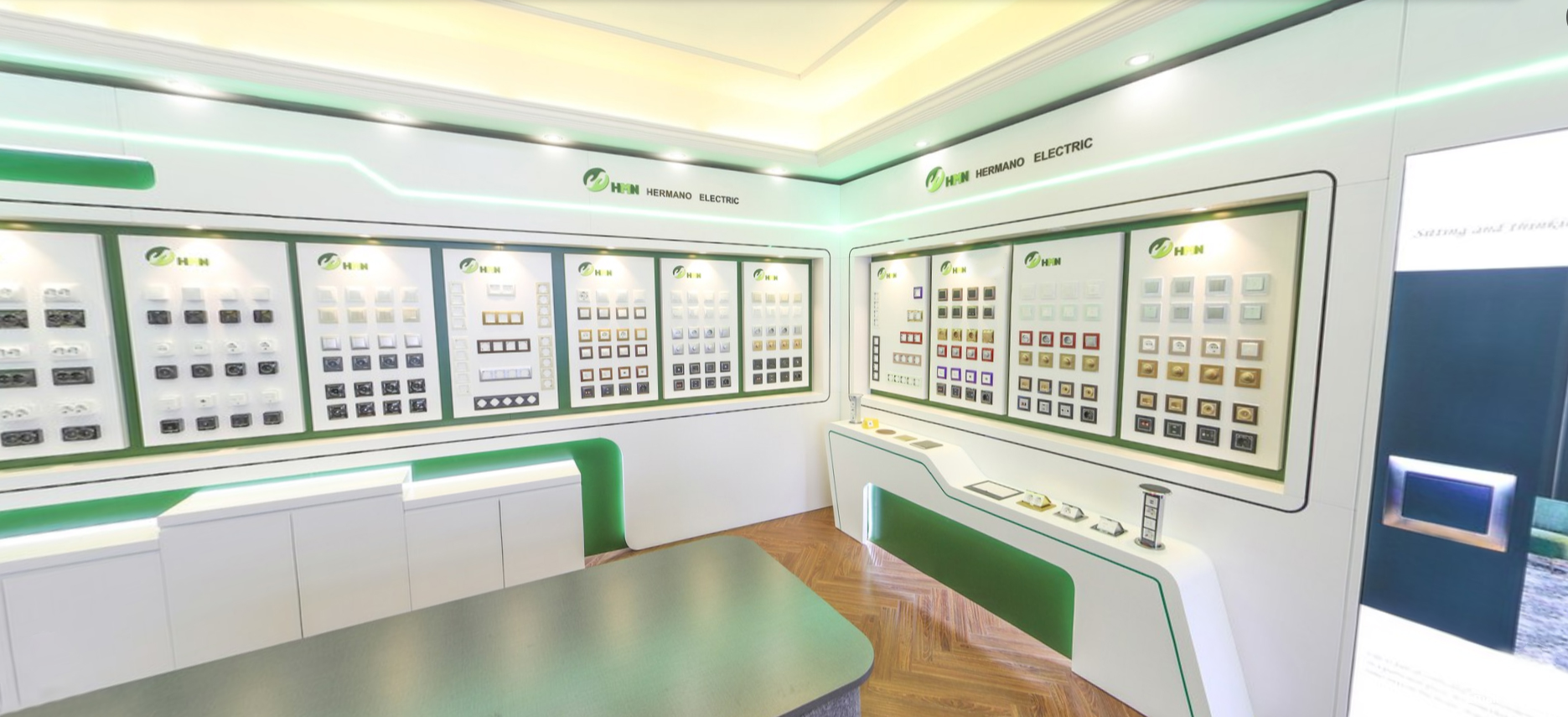
| Best suited to | Retrofit, finished walls, exposed conduit | New build, planned recesses, 86 mm plate grid |
Table notes: values are stated only where confirmed for the variant concerned. Where a value is not confirmed for the V149 in this comparison, it is marked as not specified rather than assumed.
FAQ
1. Are the S149 and V149 compliant with EU Schuko requirements?
Both are rated 16A at 220–250V~, which is the band Schuko (Type F) sockets are standardised for in many European countries and compliant with CEE 7/3. The general requirements for plugs and socket-outlets for household and similar purposes are set out in IEC 60884-1:2022, which is limited to 16 A for screwless terminals. Project compliance must be confirmed against the applicable product standard and the certification documents supplied with the order; HYFF's wall switches and sockets are covered by CE and CB certifications issued by BV and Intertek. A specification should record the standard, the rating and the certificate reference for the exact variant ordered.
2. Can one supplier cover both surface and flush Schuko in the same project?
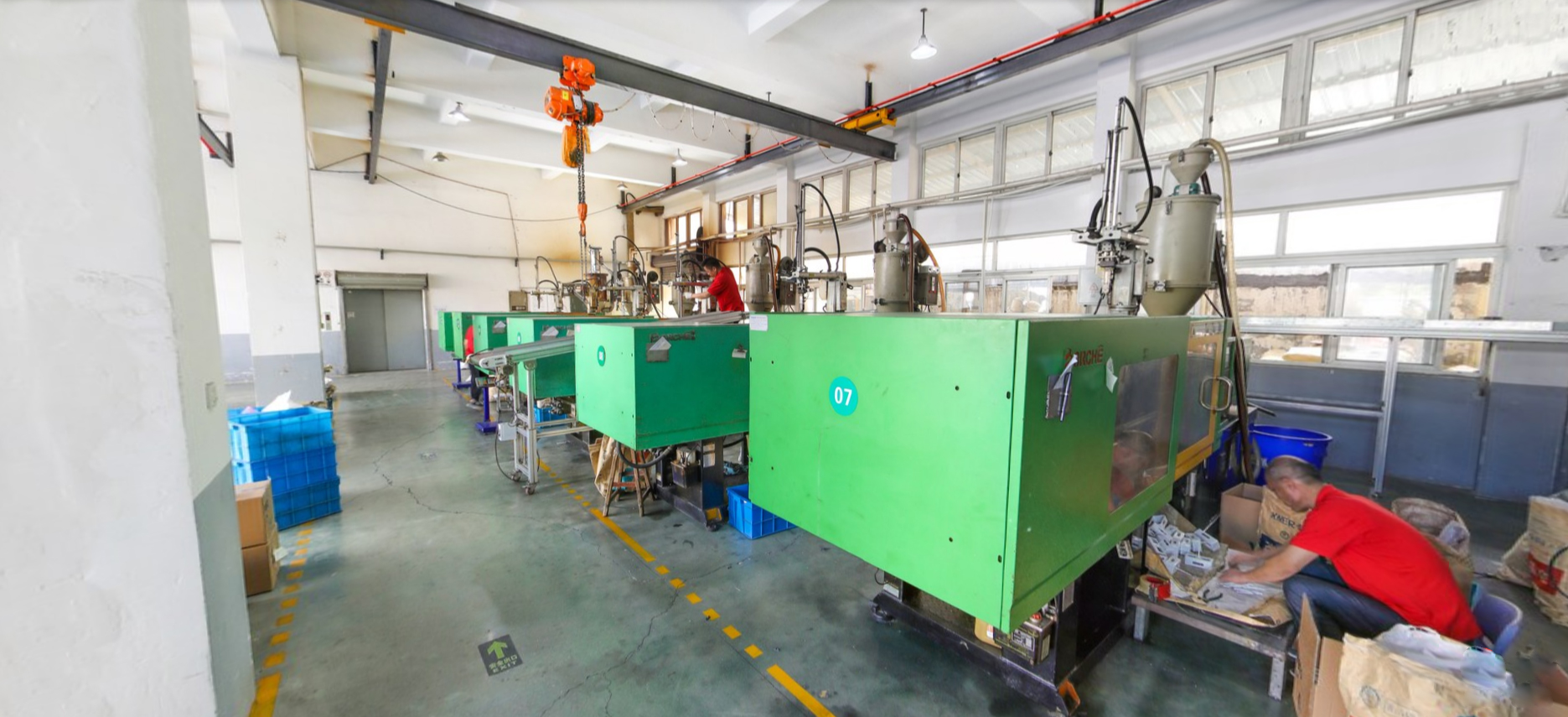
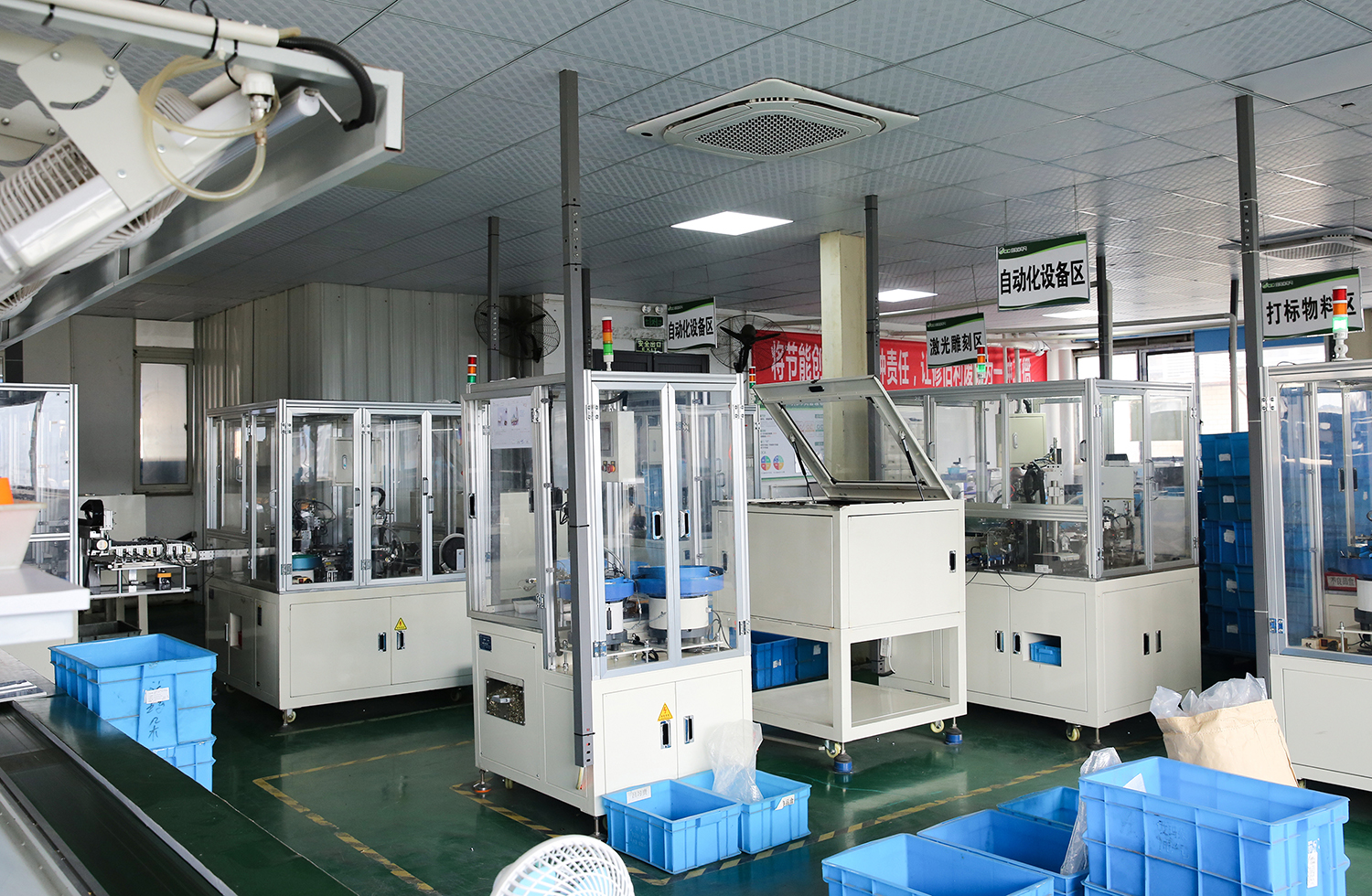
Yes, and that is the practical reason to keep both variants in one schedule. Wenzhou Huafeng Electric Co., Ltd. operates as a manufacturer with ISO quality control systems, running a quality control system from raw materials to finished products that includes incoming material inspection, plastic parts inspection, process inspection, glowing filament testing, silver layer thickness inspection, performance life testing, plastic ball pressure testing, and switch and socket on-off testing. Socket contact retention force, copper thickness, wiring terminals, grounding structures and plastic materials are also inspected, with raw-material inspection, assembly inspection and finished-product sampling carried out during production. Sourcing the 68 × 68 mm surface socket and the 86 × 86 mm flush socket from the same quality system keeps acceptance criteria identical across both mounting types.
3. What are the commercial terms for a distributor order?
MOQ is 1000 units. Delivery terms are EXW, FOB or CIF. Payment terms are 100% TT in advance. Acceptance criteria are pre-shipment inspection based on approved samples and confirmed specifications. Because both variants can be ordered under the same terms, a distributor can build a stock mix of surface and flush Schuko without opening a second supplier relationship for the project side of the business.
4. How are samples and pre-shipment acceptance handled?
Before mass production, samples are verified with compatible plugs and functional testing. Acceptance is then based on pre-shipment inspection against approved samples and confirmed specifications. For a mixed order, this means the S149 and the V149 should both be approved at sample stage, so that plate size, material and safety features are fixed before production starts rather than negotiated at dispatch.
5. What should an EU distributor check before committing to a long-term wall socket supplier?
Four things, in this order: whether the supplier holds the certification documents for the exact variant, whether the quality system extends from incoming material to finished product, whether the range covers both surface and flush formats so the distributor can serve retrofit and new-build customers from one stock decision, and whether the commercial terms — MOQ, delivery terms and payment terms — match the distributor's own cash cycle. Wenzhou Huafeng Electric Co., Ltd. has been manufacturing since 2011, operates a 7,000 m² factory with 118 employees and annual output of 35,000,000 units, and has an R&D team of 10 engineers. Distributors who want to review the full range before committing can request the catalogue, a sample set or a project-specific quotation as a first step.
Specify the Right Schuko for the Wall You Have
Send us the wall construction, the cable route and the plate size for your project, and HYFF will confirm whether the S149 surface-mounted Schuko or the V149 flush-mounted 1-gang Schuko fits the specification — and quote both where the project mixes retrofit and new-build areas.
Contact: Leona · Tel +86 0577 86911198 · WhatsApp +86 13989758126 · Email service@vgshmn.com
Address: No.3 Kaiyuan Road, Zhuangyuan, Longwan, Wenzhou, Zhejiang
Website: www.hyffelectric.com
Download the HYFF 2026 catalogue for the full wall socket and switch range: HYFF 2026 product catalogue (PDF)
Conclusion: A One-Line Decision Rule
If the wall is already finished, structural, tiled, or the cable is staying on the surface, specify the S149 surface-mounted Schuko: 68 × 68 mm panel, flame-retardant PC front, high-strength PA base, children safety door, 10,000+ plug-in/out cycles and 40,000 on/off cycles at 16A, 220–250V~. If the wall is open, the recess can be planned, and the elevation must match an 86 × 86 mm accessory grid, specify the V149 flush-mounted 1-gang Schuko at the same 16A, 220–250V~ rating.
Treat the mounting type as a specification decision, not an installation preference. Record it in the accessories schedule with the plate footprint, confirm the certification documents for the exact variant, and approve samples of both variants if the project mixes retrofit and new-build areas. That single step removes the rework, the plate mismatch and the site substitution that cost far more than the difference between two sockets.
Have Questions or Need More Details?
Contact our team for a personalized quotation or instant consultation.
Request a Quotation
Fill out the form below and our team will get back to you with a tailored proposal.
WhatsApp Direct Chat
Prefer to chat in real-time? Message us on WhatsApp for instant assistance & quick answers.
- Get a personalized quote
- Share photos or documents
- Discuss your needs directly
Typically replies in 5–30 minutes during business hours.