Wall Socket Certificate Verification: DACE260330001RL & SAA-250865-EA
Wall Socket Certificate Verification: DACE260330001RL & SAA-250865-EA
A wall socket certificate number becomes usable evidence only when four items line up: the issuing body, the directive or standard edition cited, the exact model covered, and the test record behind the mark. When one of the four is missing, the number is decoration rather than verification.
Two HYFF product references follow two separate verification paths. DACE260330001RL is a CE certificate for a Schuko wall socket, issued by DACE under the Low Voltage Directive 2014/35/EU and referencing IEC 60884-1:2022. SAA-250865-EA is an Australian certificate for the HT337 10A horizontal double powerpoint with USB A+C, issued by SAA Approvals Pty Ltd against AS/NZS 3112:2017 Inc A1:2021 and AS/NZS 3100:2022 Inc A1:2023. TÜV and CB credentials sit alongside the European stack.
Wenzhou Huafeng Electric Co., Ltd. (HYFF) is a Wenzhou-based manufacturer of wall switches and wall sockets, founded in 2011, that exports 100% of its output to Europe, the Americas, Oceania, Asia and Africa. Both certificate references belong to products manufactured by this entity, a detail that matters later: the applicant name printed on a certificate must match the legal entity named on the purchase order.
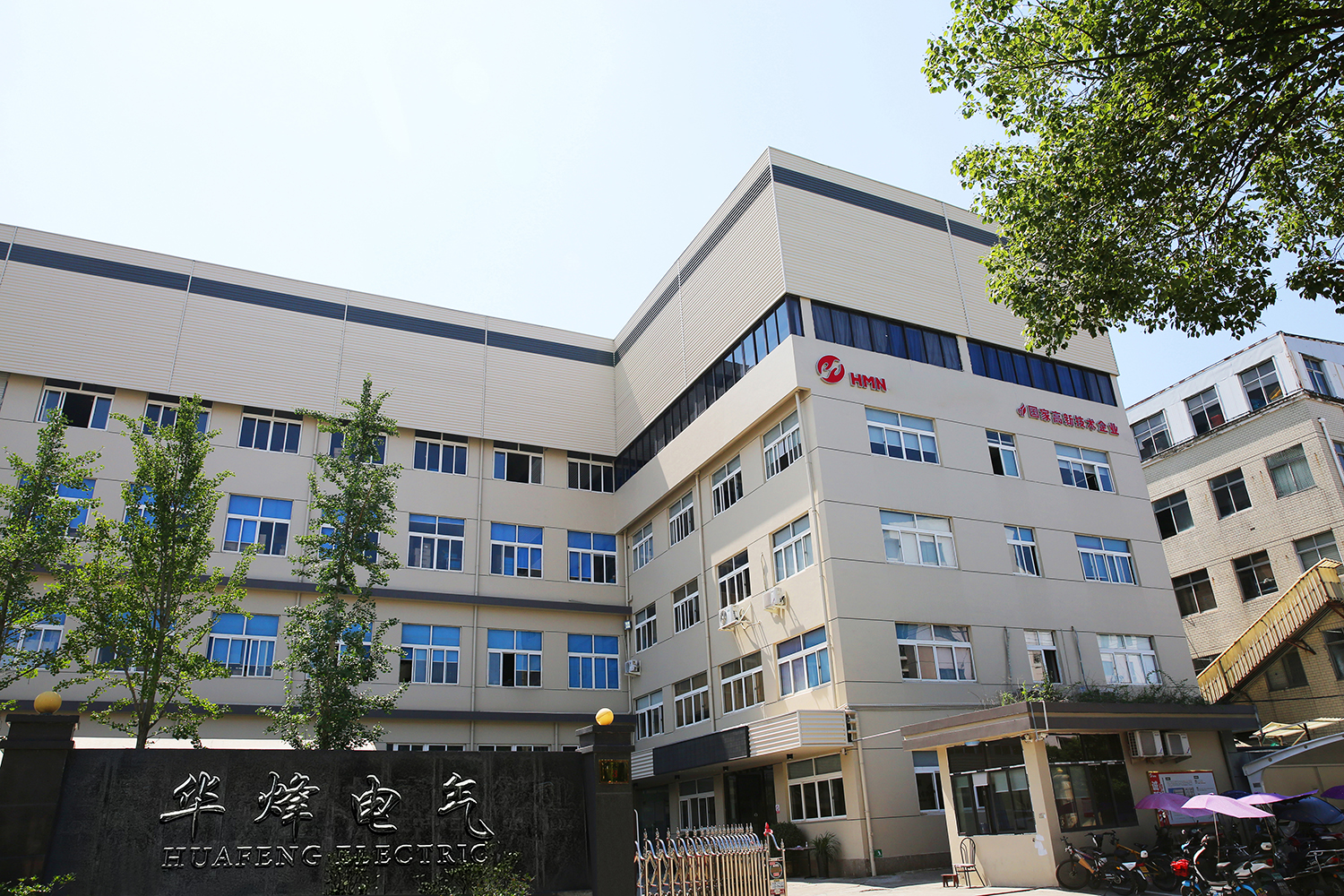
The HYFF manufacturing site in Longwan, Wenzhou — the manufacturer entity that appears as applicant on the certificate records discussed in this guide.
Problem Definition: Why Certificate Numbers Fail at the Decision Stage
At the decision stage, buyers are no longer asking whether a supplier is certified in general terms. They are asking whether one specific certificate number supports one specific SKU in one specific market. Four failures account for most certificate disputes in wall socket procurement.
- Number without issuer. A certificate number is only traceable through the body that issued it. DACE260330001RL is meaningless without DACE; SAA-250865-EA is meaningless without SAA Approvals Pty Ltd. A number copied from a datasheet and pasted into a tender document proves nothing until the issuer and scope are confirmed.
- Standard edition drift. AS/NZS 3112:2017 Inc A1:2021 and AS/NZS 3100:2022 Inc A1:2023 are not interchangeable with earlier printings of the same standards, and IEC 60884-1:2022 is the current edition of the general requirements for plugs and socket-outlets, limited to 16 A for screwless terminals. A certificate citing a superseded edition does not describe the product being shipped.
- Model drift. A certificate covers a defined construction. HT337 is a 10A horizontal double powerpoint with USB A+C; another 10A double powerpoint is a different product with a different internal layout. Likewise, the Schuko certificate addresses a 16A/250V Type F socket, not a French or Type I outlet with a similar faceplate.
- Category confusion. A low-voltage safety certificate is not a RoHS declaration and not an EMC report. IP44 and IP54 are ingress protection ratings defined by IEC 60529 and require their own evidence. One document cannot stand in for another.
Industry Background: A Large, Heavily Standardised Category
The category behind these documents is substantial. The global electric plugs and sockets market was valued at USD 14.13 billion in 2025 (Precedence Research), and global production of wall sockets reached over 3.1 billion units in 2024, with China as the leading producer (Grand View Research). Volume of this size explains why certificate verification has become a procurement control rather than a formality.
The regulatory structure is regional, not global. AS/NZS 3112 is the mandatory standard for electrical wall sockets in Australia and New Zealand and defines the Type I plug configuration. Schuko sockets (Type F) are standardised in many European countries for 16A/250V applications under CEE 7/3, and CE marking in Europe rests on directives such as the Low Voltage Directive 2014/35/EU, supported by reference standards such as IEC 60884-1:2022. A product can therefore be fully compliant in one market and non-compliant in another without any change to its appearance.
Configuration variety compounds the problem. Modular sockets accounted for 43% of total wall socket sales in 2024 (Fortune Business Insights), which increases the number of plate, module and port combinations a single certificate has to be matched against. Demand for USB outlets is rising in parallel: EU regulations mandate USB-C as the common charging standard for most portable electronics by fall 2024 (Omdia), which is precisely the configuration that the HT337 double powerpoint addresses with its USB A+C module.
Detailed Solution: Reading the Two Certificate Stacks
Verification succeeds when each stack is read on its own terms. The European stack and the Australian stack answer different questions and use different evidence.
Stack 1 — DACE260330001RL: CE, Low Voltage Directive, Schuko
DACE260330001RL is a CE certificate issued by DACE for a Schuko wall socket under the Low Voltage Directive 2014/35/EU, with IEC 60884-1:2022 as the referenced product standard. TÜV and CB credentials accompany this stack. For a buyer, the certificate establishes that the socket construction has been assessed against the current general requirements for plugs and socket-outlets, and that the CE claim is anchored to an identified document rather than a label.
The product it covers is a grounded Schuko socket. A grounded Schuko wall socket includes protective earthing contacts and is compatible with Schuko plugs, offering grounding protection for Class I appliances. The core difference from a basic ungrounded socket is the number of electrical connections: a grounded Schuko socket provides three connections (live, neutral and protective earth), whereas a basic ungrounded socket typically provides only two (live and neutral). Schuko is standardised in many European countries for 16A/250V applications under CEE 7/3, so the 16A rating is part of the specification to match, not an assumption to make.
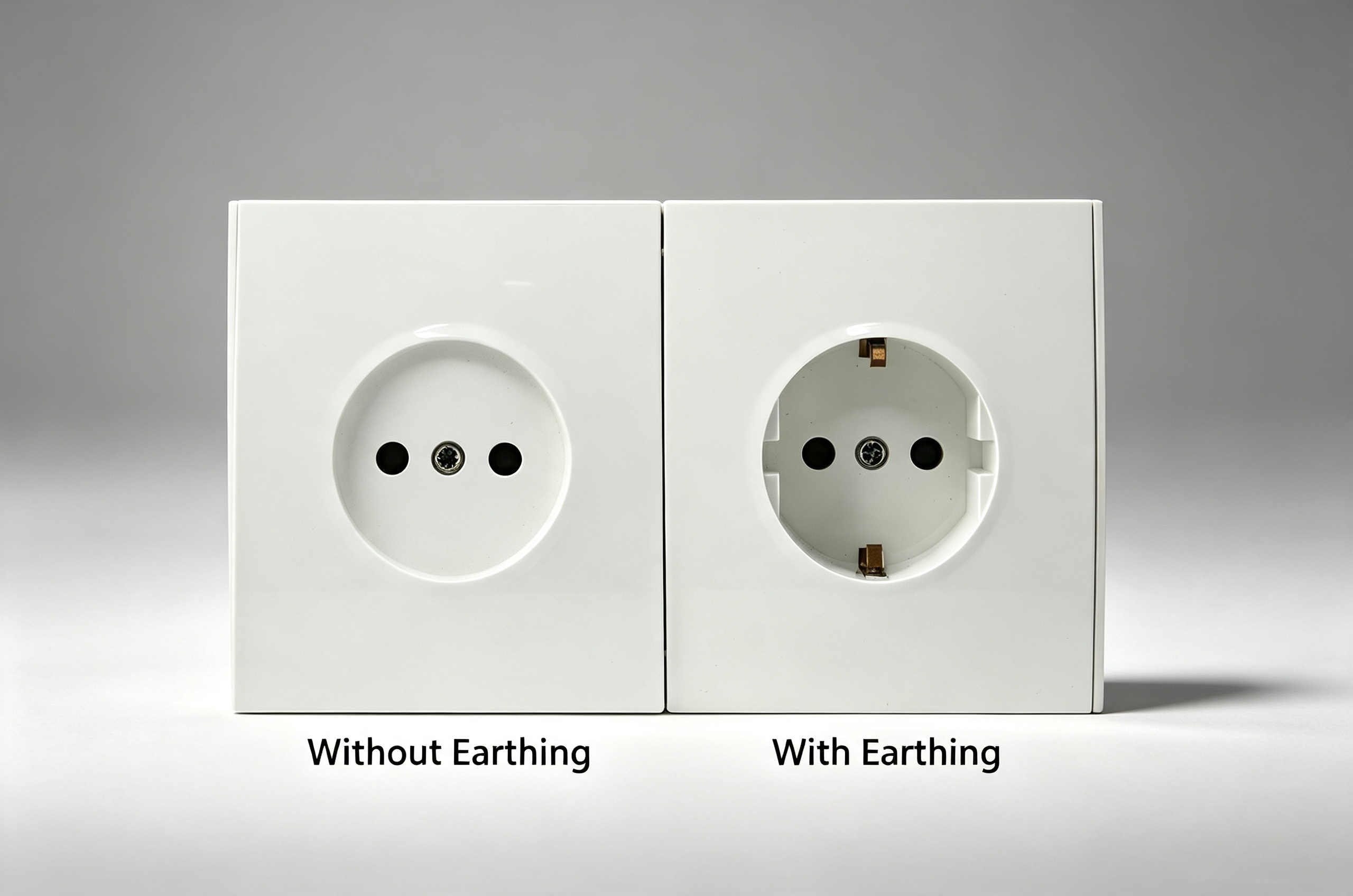
Wiring comparison: a grounded socket adds a protective earth conductor, which is the construction the Schuko certificate describes.
Stack 2 — SAA-250865-EA: Australian Certification for the HT337
SAA-250865-EA is an Australian certificate issued by SAA Approvals Pty Ltd for the HT337 10A horizontal double powerpoint with USB A+C. It cites AS/NZS 3112:2017 Inc A1:2021, the mandatory wall socket standard in Australia and New Zealand that defines the Type I configuration, together with AS/NZS 3100:2022 Inc A1:2023, the general requirements standard for electrical equipment.
Two details decide whether this certificate applies to a given order. First, the model: HT337 is a horizontal double powerpoint, a two-gang horizontal format rather than a vertical single outlet. Second, the rating: 10A. A 10A certificate does not authorise a 16A specification, and a horizontal double powerpoint does not substitute for a single socket in a wiring layout designed around one gang.
Why the Two Stacks Cannot Be Substituted
A CE certificate issued under LVD 2014/35/EU does not satisfy Australian requirements, and an SAA certificate does not discharge European obligations. The plug geometry differs (Type F under CEE 7/3 versus Type I under AS/NZS 3112), the rated current differs (16A versus 10A on the covered models), and the cited standards belong to different systems. Distributors who carry both lines should file the two certificates separately, per SKU and per market, rather than assembling a single generic “certificate pack”.
Step-by-Step Breakdown: Seven Checks Before You Approve a Model
The sequence below can be run against any wall socket certificate, and it maps directly onto DACE260330001RL and SAA-250865-EA.
- Read the number and the issuer as a pair. Record DACE260330001RL against DACE, and SAA-250865-EA against SAA Approvals Pty Ltd. A number without a named issuing body cannot be traced, and an issuing body that is not named on the document should be treated as a red flag rather than a detail.
- Match the applicant to the supplier entity. The certificate should resolve to Wenzhou Huafeng Electric Co., Ltd., not to a trading name, an agent or an unrelated third party. Entity mismatch is the most common reason a genuine certificate fails to protect the buyer.
- Confirm the standard edition and every amendment. “AS/NZS 3112:2017 Inc A1:2021” and “AS/NZS 3100:2022 Inc A1:2023” must appear in full. On the European side, IEC 60884-1:2022 is the edition to look for. If a document cites an older edition, ask for the current one before approving the SKU.
- Match the model and the electrical configuration. For SAA-250865-EA, the covered product is the HT337 10A horizontal double powerpoint with USB A+C. For DACE260330001RL, the covered product is a Schuko socket at 16A/250V. A certificate for a different gang count, a different port configuration or a different current rating does not transfer to the item on the purchase order.
- Request the test evidence behind the mark. Ask for the test report and, where available, the CB test certificate that supports the national differences. The certificate page states the conclusion; the underlying report shows what was actually measured.
- Separate the compliance documents by category. The LVD certificate covers safety. RoHS compliance is a separate declaration, EMC is a separate report, and IP44 or IP54 ratings are defined by IEC 60529 and require their own test evidence. Request each one as its own document instead of accepting a single combined claim.
- Verify that the physical product matches the certified construction. HYFF inspects socket contact retention force, copper thickness, wiring terminals, grounding structures and plastic materials, and applies raw-material inspection, assembly inspection and finished-product sampling during production. Temperature-rise, insertion-life, grounding-continuity, dielectric-strength, insulation and electrical-load tests are performed according to applicable standards, and samples are verified with compatible plugs and functional testing before mass production. That testing regime is the physical counterpart to the paper certificate.
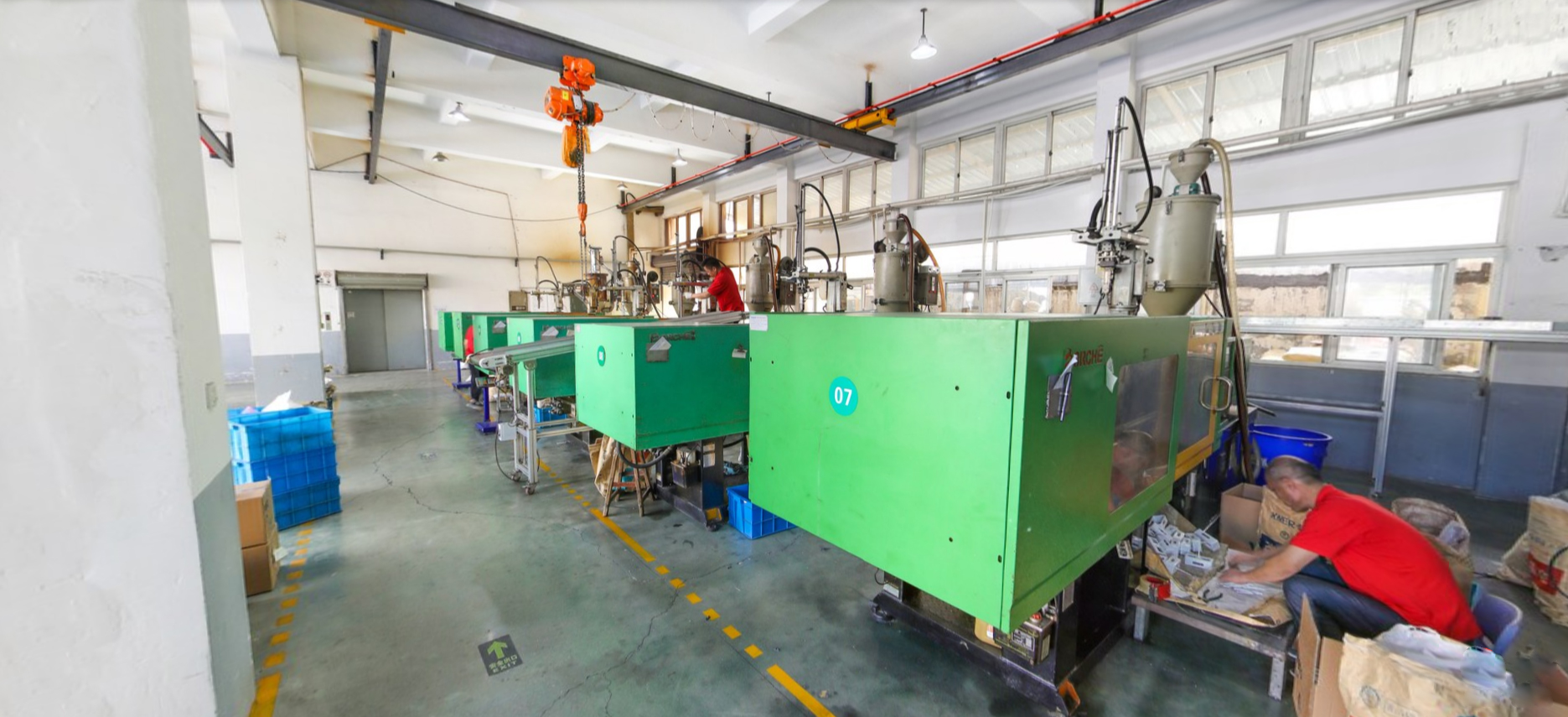
Injection molding workshop: plastic material and part inspection feed directly into the construction that a certificate describes.
Risk Context Behind the Checks
The checks are not administrative. Electrical overload, loose wiring, poor contact between the plug and socket, grounding failure or prolonged high-power use may cause overheating, electrical arcing, electric shock or damage to the wall socket. Risk control is achieved through proper socket contact, terminal and grounding design, copper components suitable for the rated current, flame-retardant materials, and temperature-rise, insertion-life, grounding-continuity, dielectric-strength, insulation and electrical-load testing. A certificate confirms that a construction was assessed; it does not confirm that the shipped units were built to that construction, which is why steps six and seven belong in the same review.
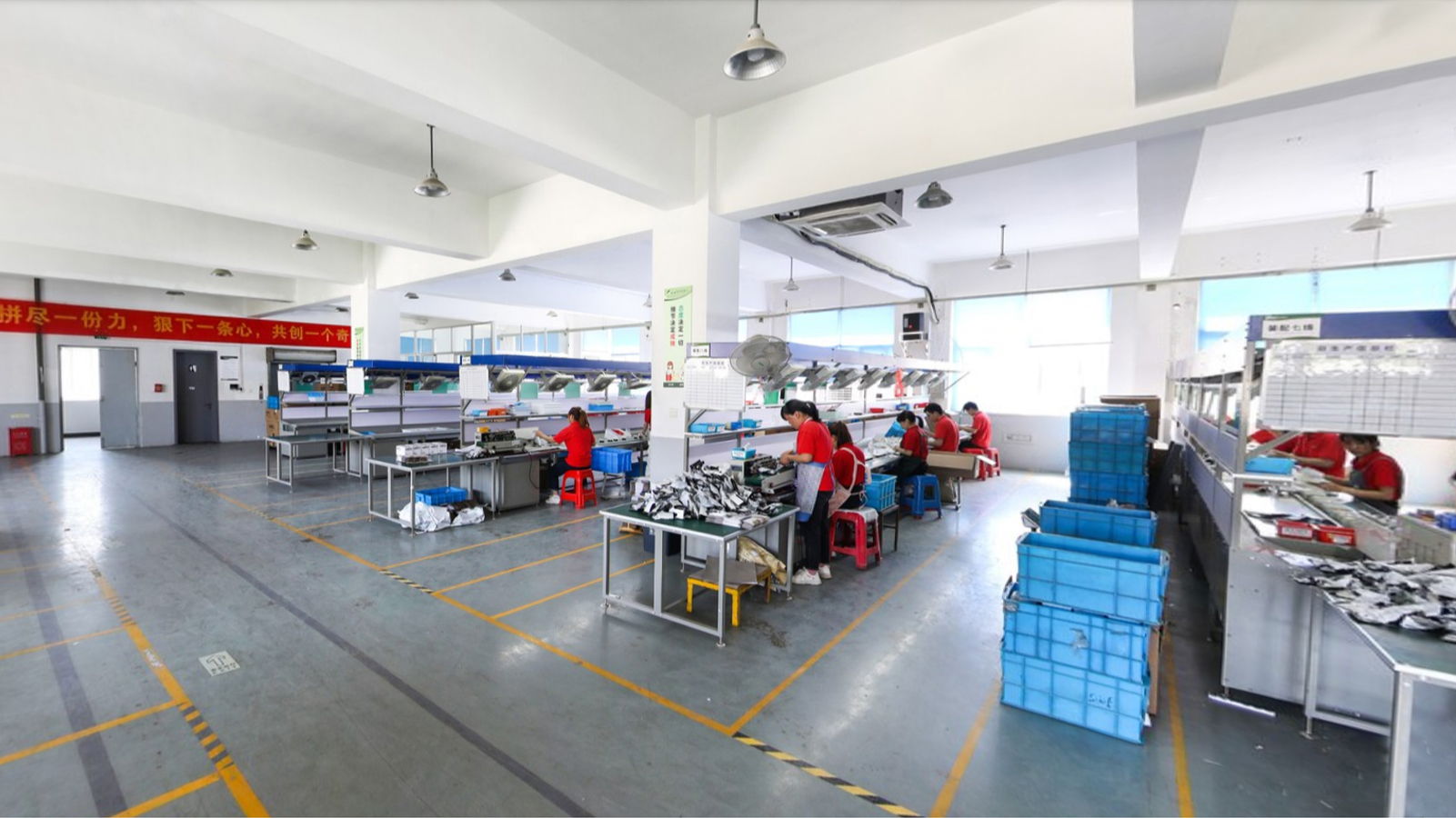
Production workshop: assembly inspection and finished-product sampling sit between the certified design and the delivered order.
Use Cases: Where Each Certificate Applies
EU residential and hotel projects with Class I appliances. Grounded Schuko wall sockets are more suitable than alternatives for residential buildings, apartments, hotels, offices and commercial projects where appliances require protective earthing. In these projects DACE260330001RL is the reference to quote, together with the 16A/250V Type F specification and the grounding continuity check during installation.
Australian and New Zealand hotel desk retrofits. Desk-level charging demand is the reason the HT337 exists in HYFF's range: a 10A horizontal double powerpoint with USB A+C certified under SAA-250865-EA. For specifiers working to AS/NZS 3112:2017 Inc A1:2021, the certificate number should appear in the submittal alongside the 10A rating and the Type I configuration.
Distributors holding both EU and AU catalogues. A single warehouse may stock Schuko sockets and Type I double powerpoints side by side. Keeping DACE260330001RL and SAA-250865-EA as separate files — each tied to a model, a market and a standard edition — prevents the most common distributor error, which is quoting the wrong certificate against a fast-moving SKU.
Wet and outdoor zones. Where a project specifies IP44 or IP54, ingress protection must be evidenced separately under IEC 60529. A wall socket certificate does not automatically carry an IP rating, and HYFF's range includes IP54 waterproof series that should be matched to the correct document set at specification stage.
Comparison Table: Certificate Reference Data
| Verification point | DACE260330001RL | SAA-250865-EA |
|---|---|---|
| Issuing body | DACE | SAA Approvals Pty Ltd |
| Regulatory basis | Low Voltage Directive 2014/35/EU (CE) | Australian certification for Australia and New Zealand |
| Standards cited | IEC 60884-1:2022 | AS/NZS 3112:2017 Inc A1:2021 and AS/NZS 3100:2022 Inc A1:2023 |
| Product covered | Schuko (Type F) wall socket | HT337 10A horizontal double powerpoint with USB A+C |
| Outlet configuration | Type F, CEE 7/3, 16A/250V | Type I, 10A, horizontal double gang |
| Primary market | European Union | Australia and New Zealand |
| Supporting credentials | TÜV and CB credentials accompany the CE stack | National certificate for the Type I configuration |
| Documents to request | Certificate copy, test report, CB test certificate | Certificate copy, test report |
| Typical verification failure | Accepting a CE label without the certificate number and standard edition | Quoting AS/NZS 3112 without the A1:2021 amendment |
Grounded Schuko vs Basic Ungrounded: The Decision the Certificate Does Not Make
Certification narrows the shortlist; it does not choose between socket types. That decision rests on earthing requirements, installation discipline and cost structure.
| Decision point | Grounded Schuko wall socket | Basic ungrounded wall socket |
|---|---|---|
| Electrical connections | Three: live, neutral, protective earth | Two: live, neutral |
| Earthing protection | Provides grounding protection for Class I appliances | No protective earthing contact |
| Typical fit | Residential buildings, apartments, hotels, offices and commercial projects where appliances require protective earthing | Low-power double-insulated devices or applications permitted by local standards |
| Cost structure | Higher material and structural cost due to additional grounding components and safety requirements | Simpler structure and lower cost |
| Maintenance | Similar routine needs, but periodic checks of wiring terminals, socket contact retention and grounding continuity are required | Similar routine needs, without grounding continuity checks |
| Installation demand | Higher, because grounding continuity must be reliable | Simpler |
The cost gap is real but not the whole price story. Actual pricing is also affected by copper usage, safety shutters, panel materials, certification requirements and order quantity, which is why a lower quote for an ungrounded socket and a higher quote for a certified grounded Schuko socket are not directly comparable line items.
FAQ: Certificate Verification at the Decision Stage
What exactly does CE certificate DACE260330001RL cover, and what does it not cover?
DACE260330001RL is a CE certificate issued by DACE for a Schuko wall socket under the Low Voltage Directive 2014/35/EU, with IEC 60884-1:2022 as the referenced standard, supported by TÜV and CB credentials. It is a low-voltage safety document for that socket construction. RoHS compliance, EMC and any IP44 or IP54 rating are separate claims with separate documents, so request each of them individually rather than assuming they travel with the CE certificate.
Does SAA-250865-EA actually cover the HT337 10A horizontal double powerpoint with USB A+C?
Yes. SAA-250865-EA was issued by SAA Approvals Pty Ltd against AS/NZS 3112:2017 Inc A1:2021 and AS/NZS 3100:2022 Inc A1:2023, and the covered product is the HT337 10A horizontal double powerpoint with USB A+C. AS/NZS 3112 is the mandatory wall socket standard in Australia and New Zealand and defines the Type I configuration. Because the covered rating is 10A, the socket should be specified on 10A circuits rather than treated as a substitute for a 16A device.
Do certified models cost more than uncertified equivalents?
Grounded Schuko wall sockets generally have higher material and structural costs than basic ungrounded sockets, because of the additional grounding components and safety requirements, while basic ungrounded sockets have a simpler structure and lower cost. Beyond the socket type, actual pricing is affected by copper usage, safety shutters, panel materials, certification requirements and order quantity. A quote that omits certification evidence does not remove the cost; it transfers the verification burden to the buyer.
What should be checked on the sample before approving mass production?
Before mass production, samples are verified with compatible plugs and functional testing, and the production routine covers contact retention force, copper thickness, wiring terminals, grounding structures and plastic materials, alongside temperature-rise, insertion-life, grounding-continuity, dielectric-strength, insulation and electrical-load testing. On the buyer's side, match the sample markings and configuration to the certificate: 16A/250V Type F with protective earth for DACE260330001RL, and a 10A Type I horizontal double powerpoint with USB A+C for SAA-250865-EA. Check grounding continuity on Schuko samples and confirm that the delivered construction matches the certified one.
How do we obtain the certificate copies, test reports and a quotation?
Request them directly from Wenzhou Huafeng Electric Co., Ltd. (HYFF), quoting the certificate number and the model so the correct file is returned. HYFF was founded in 2011, operates a 7,000 m² facility with 118 employees and a 10-engineer R&D team, and produces 35,000,000 units annually, with products exported to Europe, the Americas, the Middle East, Africa and other regions. Certificate copies, test reports and pricing are provided on request through the contact details below, and the 2026 catalogue is available for download.
Conclusion: Four Items, Two Certificates, One Decision
Certificate verification at the decision stage reduces to a repeatable sequence: confirm the issuing body, confirm the standard edition with its amendments, confirm the covered model and rating, then confirm the test evidence behind the mark. DACE260330001RL passes that sequence for a grounded 16A/250V Schuko socket under LVD 2014/35/EU and IEC 60884-1:2022, with TÜV and CB credentials alongside. SAA-250865-EA passes it for the HT337 10A horizontal double powerpoint with USB A+C under AS/NZS 3112:2017 Inc A1:2021 and AS/NZS 3100:2022 Inc A1:2023. Neither certificate substitutes for the other, and neither replaces the installation and material checks that decide long-term performance.
Next Step: Verify the File, Then the Sample
Send the model and the certificate number you need — DACE260330001RL for the Schuko socket, or SAA-250865-EA for the HT337 double powerpoint — and HYFF will return the matching certificate copy, test documentation and a quotation. Sample requests for project approval are handled through the same channel.
Wenzhou Huafeng Electric Co., Ltd. (HYFF) · No.3 Kaiyuan Road, Zhuangyuan, Longwan, Wenzhou, Zhejiang · Tel: +86 0577 86911198 · WhatsApp: +86 13989758126 · Email: service@vgshmn.com · www.hyffelectric.com
Download the 2026 catalogue: HYFF 2026 product brochure (PDF)
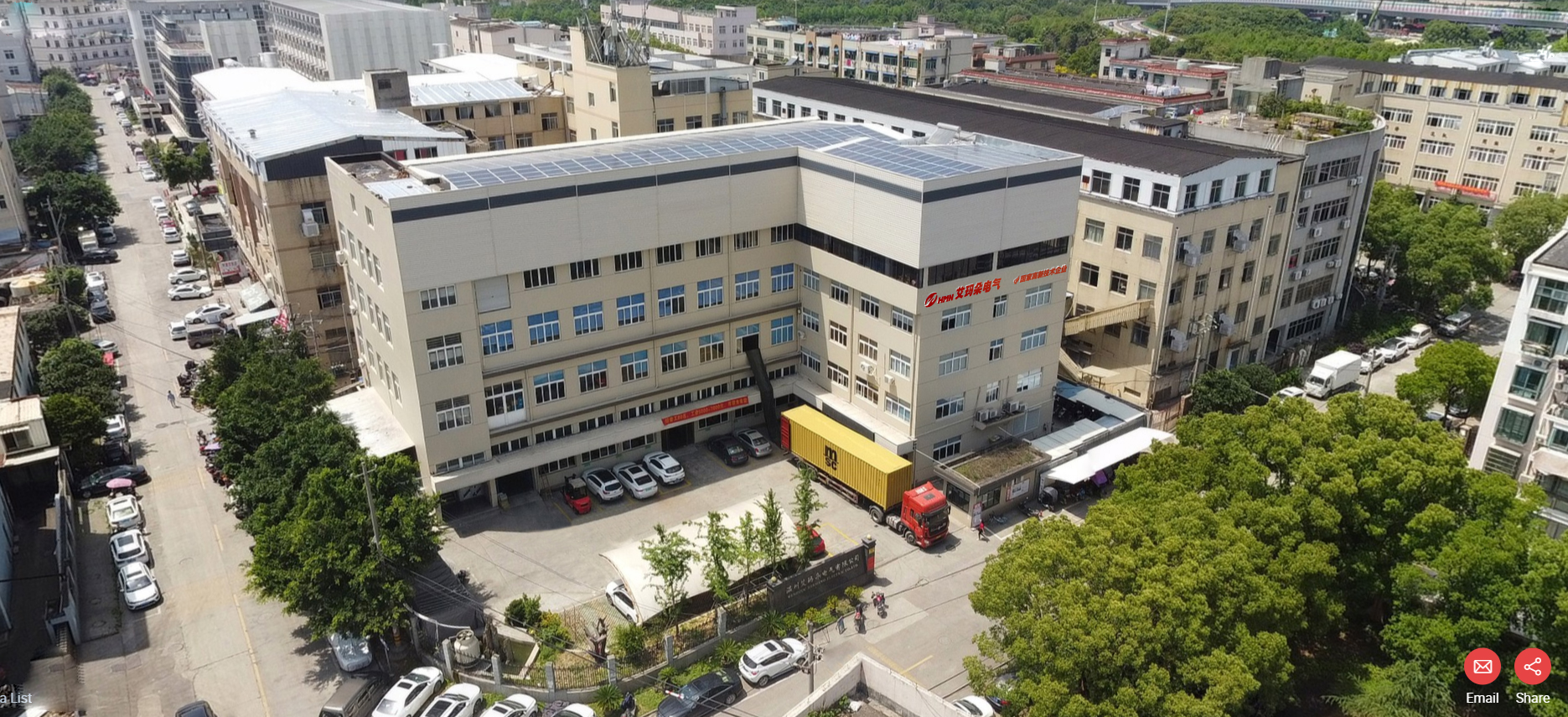
Aerial view of the HYFF facility in Wenzhou, Zhejiang.
Have Questions or Need More Details?
Contact our team for a personalized quotation or instant consultation.
Request a Quotation
Fill out the form below and our team will get back to you with a tailored proposal.
WhatsApp Direct Chat
Prefer to chat in real-time? Message us on WhatsApp for instant assistance & quick answers.
- Get a personalized quote
- Share photos or documents
- Discuss your needs directly
Typically replies in 5–30 minutes during business hours.