Wall Socket Long-Term Partnership FAQ: Certifications, Acceptance Criteria and After-Sales
Long-term wall socket supply is decided by documentation and repeatability rather than by a single shipment. This FAQ answers the questions EU and ANZ buyers raise before committing to repeat orders: which certification evidence must be verifiable on file, which acceptance criteria can be written into a purchase order, how the cost structure behaves across batches, how samples are validated, and what after-sales documentation should accompany each delivery.
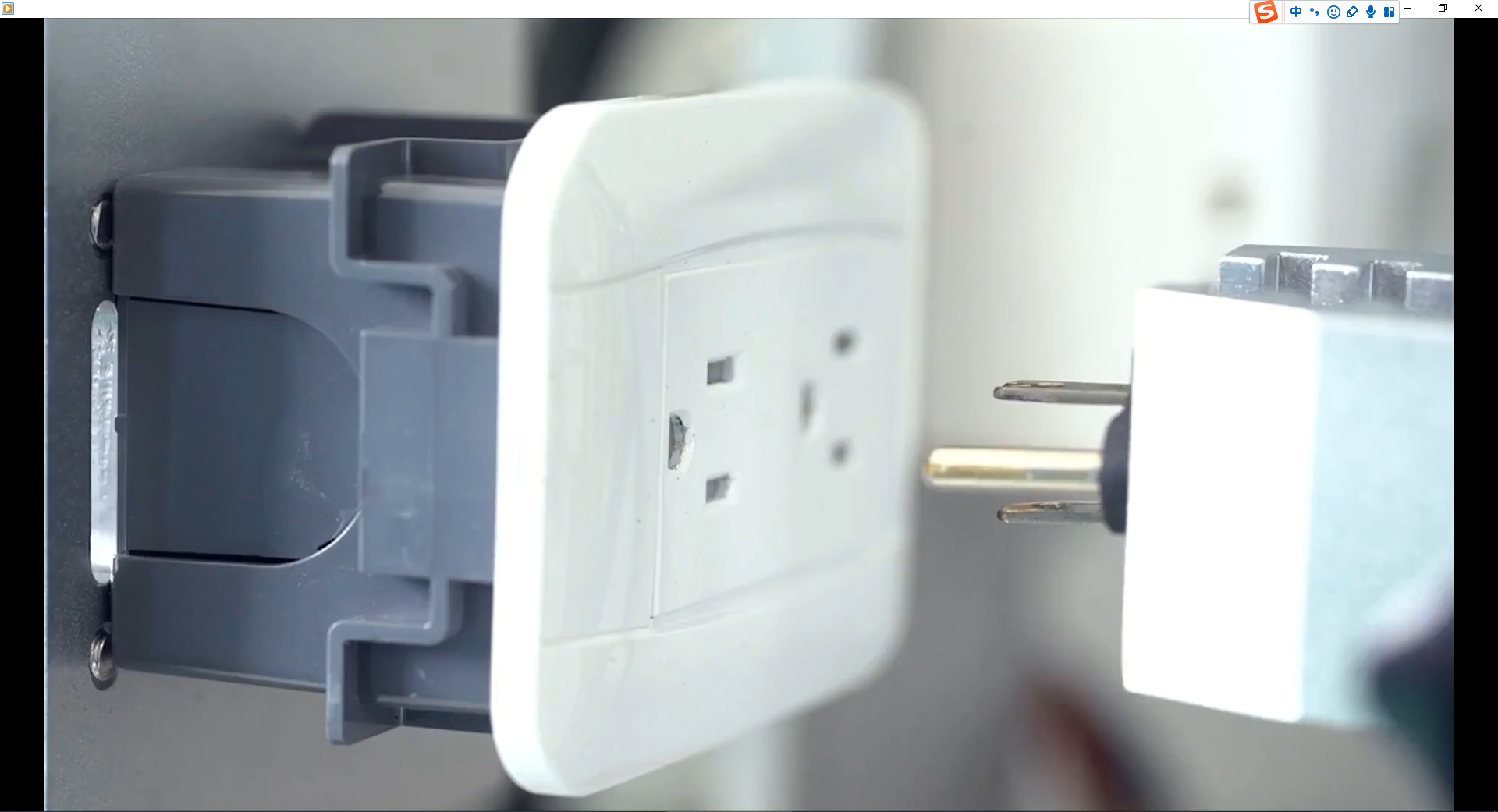
A wall socket used as the qualification reference for repeat-order supply.
Wenzhou Huafeng Electric Co., Ltd. (HYFF) is a Wenzhou-based manufacturer of wall switches and wall sockets, founded in 2011. It operates a 7,000 m² factory with 118 employees, a 10-engineer R&D team and an annual output of 35,000,000 units, and exports 100% of its production to markets in Europe, the Americas, Oceania, Asia and Africa. The certification references and product data used in this article are taken from its current EU and ANZ order files.
Why Long-Term Wall Socket Partnerships Fail After the First Order
Most long-term wall socket supply failures trace back to four documentation gaps rather than to the socket itself: a certificate version that no longer matches the model on the order, acceptance criteria that were agreed verbally and never written into the specification, mechanical test data that cannot be tied back to a production batch, and after-sales terms that were never defined because the first order went smoothly.
That pattern is worth stating plainly for any buyer at the decision stage. The first shipment is rarely the problem; the risk sits in batches five through twenty, when a buyer has stopped inspecting every carton and starts relying on the supplier's own release records. A partnership holds when those records are specific enough that a third party could re-check them.
- Compliance drift — the certification file references a model variant, certificate edition or standard revision that differs from what is actually shipped.
- Unwritten acceptance criteria — dimensions, rated values and mechanical thresholds are exchanged by email and never form part of the order.
- Untraceable test data — test results exist, but cannot be connected to the batch they are supposed to describe.
- Undefined after-sales — no agreed documentation pack, no naming of who holds the certificate file, no procedure for a field claim.
What the Industry Standard Landscape Already Decides
The standards environment around wall sockets is stable and public, which means a buyer's qualification work is mostly about evidence rather than about discovering new rules. The global electric plugs and sockets market was valued at USD 14.13 billion in 2025 according to Precedence Research, and global wall socket production reached over 3.1 billion units in 2024, with China as the leading producer, based on Grand View Research industry reporting. Fortune Business Insights reported that modular sockets accounted for 43% of total wall socket sales in 2024, reflecting demand for space-saving and configurable installation.
On the standards side, IEC 60884-1:2022 provides the latest general requirements for plugs and socket-outlets for household and similar purposes and is limited to 16 A for screwless terminals. AS/NZS 3112 is the mandatory standard for electrical wall sockets in Australia and New Zealand and defines the Type I plug configuration. Schuko sockets (Type F) are standardized in many European countries for 16 A / 250 V applications and are compliant with CEE 7/3. Ingress protection levels IP44 and IP54 for bathroom and outdoor sockets are defined by IEC 60529. Separately, EU regulations mandate USB-C as the common charging standard for most portable electronics from fall 2024, which gradually changes what a socket specification looks like over a multi-year agreement.
The practical consequence for a long-term contract is that the technical target does not move, but the specification may expand — USB-C charging provision being the clearest example. A supplier agreement that fixes only the certification file and the mechanical criteria, without a mechanism for specification updates, will need renegotiation later.
The Evidence File a Long-Term Wall Socket Partnership Needs
Certification evidence for repeat EU and ANZ orders
Two certification references carry most of the weight in a European or Australian/New Zealand repeat-order file. For the Schuko model 6765, the applicable evidence is CE marking under the Low Voltage Directive 2014/35/EU with certificate number DACE260330001RL, together with TUV and CB certification. For model HT337, the applicable evidence is SAA-250865-EA, issued against AS/NZS 3112:2017 Inc A1:2021 and AS/NZS 3100:2022 Inc A1:2023.
Certificate numbers belong in the order file next to the exact model code, not in a general supplier folder. In practice this means the buyer should be able to open the file and see the model, the certificate number, the standard revision and the certificate edition on one page. When a repeat batch arrives, that page is what makes verification possible without reopening the whole qualification.
Acceptance criteria that can actually be measured
Measurable criteria are what separate a specification from a description. The Schuko products referenced here are rated 16 A 220–250 V~. The S149 surface-mounted socket measures 68 × 68 mm and is tested to more than 10,000 plug insertion and withdrawal cycles and more than 40,000 on/off operations. For flush-mount installation, the 86 × 86 mm options covered in the same file include V149, H129, A129 and VC139.
Each of these figures can be converted into a line item: rated current and voltage, faceplate dimensions with tolerance, mounting format, and minimum mechanical endurance expressed as insertion cycles and switching cycles. The value of writing them into the order is that incoming inspection and finished-product sampling can then be compared against the same baseline instead of against a memory of the sample.
Risk control and test scope behind those criteria
The risks a long-term agreement is designed to prevent are well documented at the product level: electrical overload, loose wiring, poor contact between the plug and socket, grounding failure, and prolonged high-power use, any of which may cause overheating, electrical arcing, electric shock or damage to the wall socket. Control is achieved through proper socket contact, terminal and grounding design, copper components suitable for the rated current, flame-retardant materials, and testing that covers temperature rise, insertion life, grounding continuity, dielectric strength, insulation and electrical load.
On the manufacturing side, the corresponding measures include inspection of socket contact retention force, copper thickness, wiring terminals, grounding structures and plastic materials, with raw-material inspection, assembly inspection and finished-product sampling carried out during production. Before mass production, samples are also verified with compatible plugs and functional testing. For a buyer, the useful question is not whether testing happens, but which of these checks is recorded per batch and can be produced on request.
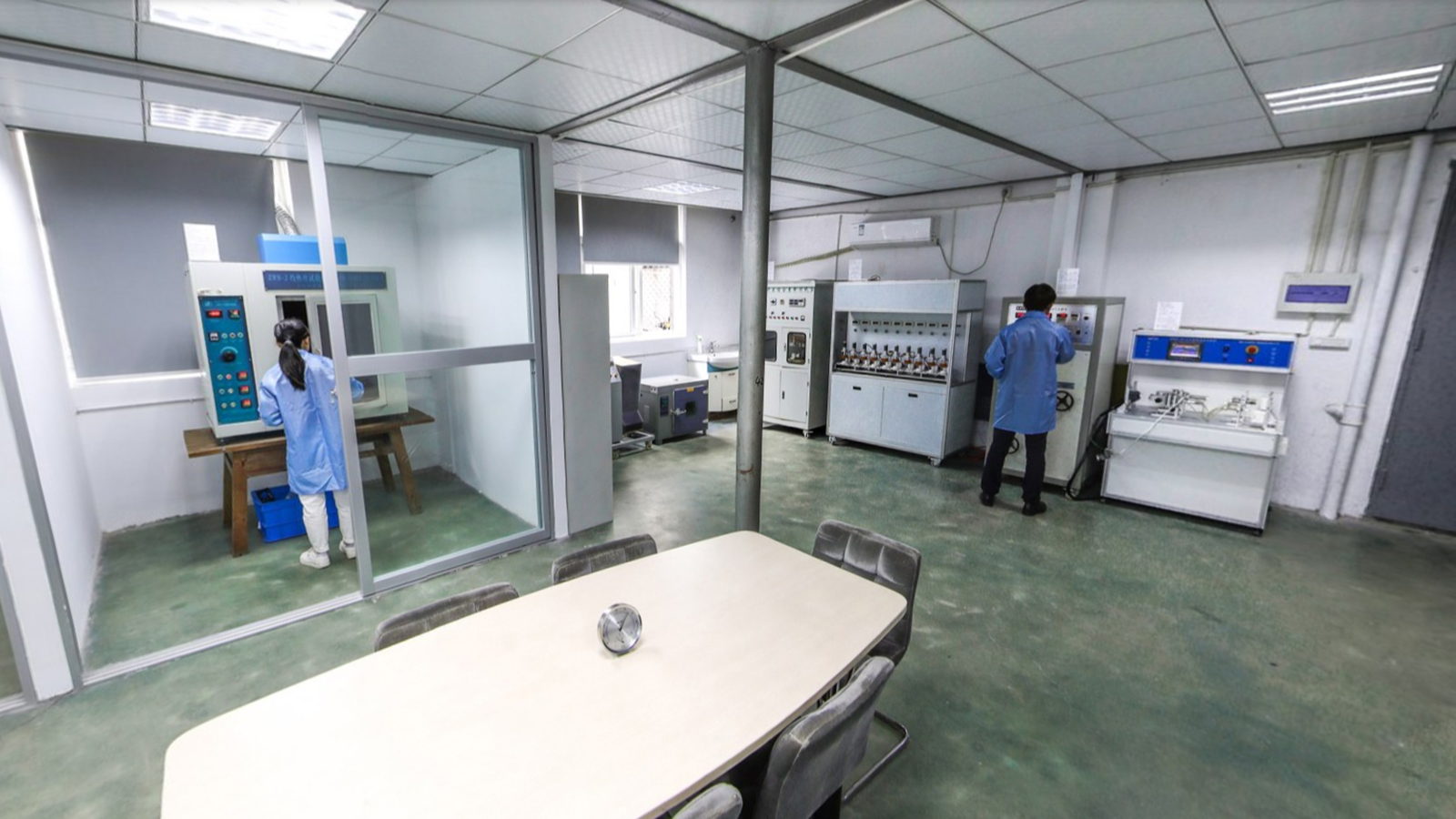
Laboratory area where temperature-rise, dielectric-strength and insertion-life checks are performed.
Grounded or ungrounded: the architecture decision that precedes the contract
A grounded Schuko wall socket includes protective earthing contacts and is compatible with Schuko plugs, providing grounding protection for Class I appliances. A basic ungrounded socket normally provides only live and neutral connections, with a simpler structure and lower cost, but it is not suitable for appliances or projects requiring protective earthing. Grounded Schuko wall sockets are therefore the more suitable choice for residential buildings, apartments, hotels, offices and commercial projects where appliances require protective earthing.
The cost and maintenance consequences of that choice are part of the long-term picture. Schuko sockets generally carry higher material and structural costs because of the additional grounding components and safety requirements, and although maintenance requirements are similar for both types, grounded Schuko sockets require periodic checks of wiring terminals, socket contact retention and grounding continuity, which means higher installation and inspection requirements on site.
After-sales documentation
After-sales support in this category is mostly documentary: a maintained certification file for the exact model and standard revision shipped, release records that reference the batch, a consistent sample baseline for comparison, and a technical contact who can respond on compatibility questions. Because mechanical wall sockets consume virtually no continuous power, energy consumption is determined mainly by the connected appliance rather than by the socket itself — which removes efficiency from the list of long-term risk areas and concentrates attention on contact quality and traceability.
Step-by-Step: Building a Repeat-Order Agreement
- Fix the certification file per market. Record the model, certificate number and standard revision — for example CE under LVD 2014/35/EU with DACE260330001RL, TUV and CB for model 6765, and SAA-250865-EA against AS/NZS 3112:2017 Inc A1:2021 and AS/NZS 3100:2022 Inc A1:2023 for model HT337.
- Write the acceptance criteria into the order. Rated 16 A 220–250 V~, faceplate dimensions (68 × 68 mm surface mount or 86 × 86 mm flush mount), mounting format, and minimum mechanical endurance expressed as insertion and switching cycles.
- Validate the sample before mass production. Confirm fit with the plugs actually used on site and run functional testing, then keep the approved sample as the reference for later batches.
- Agree the inspection scope. Define which checks are recorded per batch — contact retention, copper thickness, terminal and grounding structure, and the electrical test set — and who receives the records.
- Agree the after-sales pack. Certification copy, batch release record and a named technical contact, supplied on a defined schedule rather than on request only.
- Review each repeat batch against the baseline. Compare incoming inspection results with the approved sample and the agreed criteria before releasing the batch to the project.
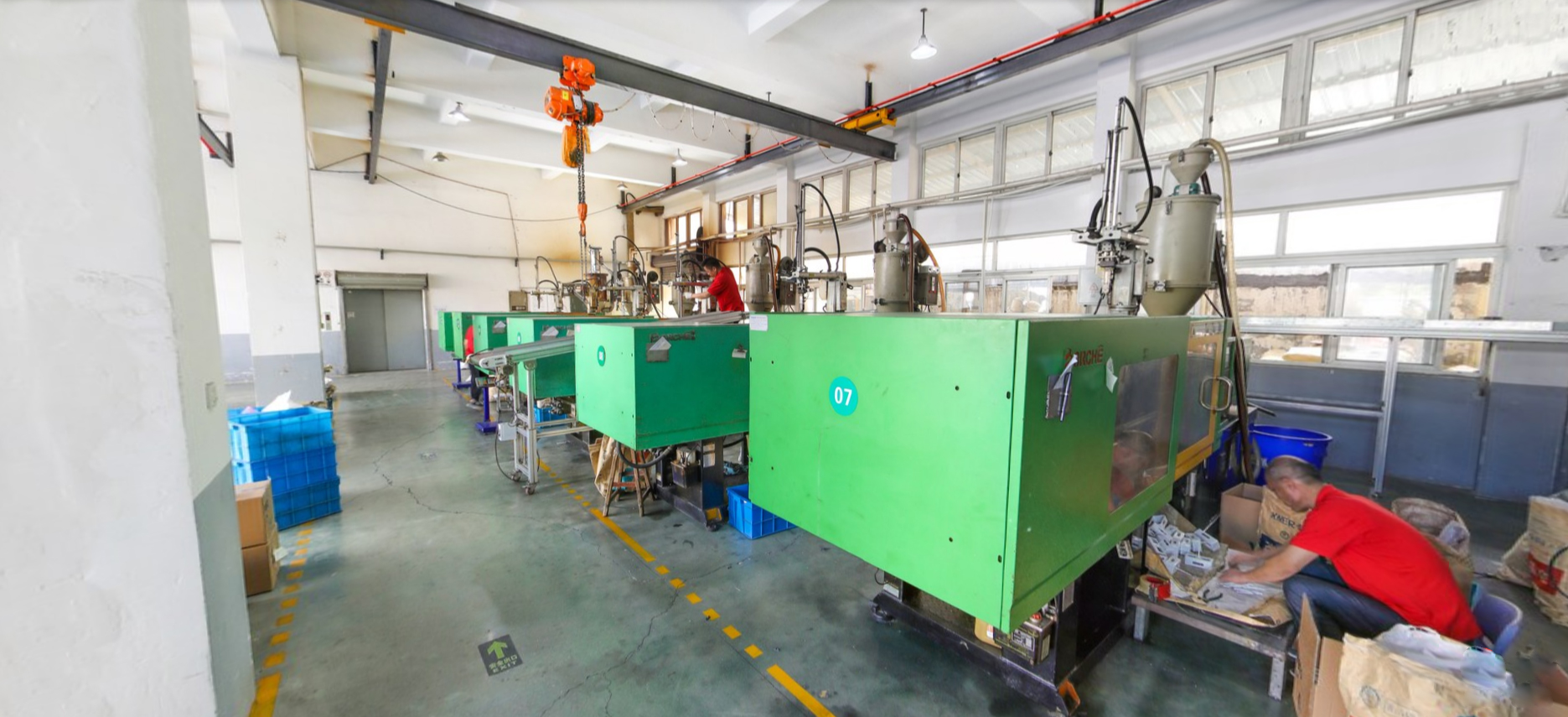
Injection molding workshop where flame-retardant socket housings and panels are produced.
Use Cases: Where Long-Term Commitment Actually Pays Off
EU residential, apartment and hotel projects with Class I appliances. Where protective earthing is required, grounded Schuko sockets are the appropriate architecture, and the 16 A 220–250 V~ rating covers standard European circuits. Model 6765 with CE (LVD 2014/35/EU, DACE260330001RL), TUV and CB documentation is the relevant reference for repeat orders in this scenario.
ANZ commercial and hospitality fit-outs. Australia and New Zealand require AS/NZS 3112 Type I configuration. Model HT337, held under SAA-250865-EA against AS/NZS 3112:2017 Inc A1:2021 and AS/NZS 3100:2022 Inc A1:2023, is the relevant reference for buyers placing repeat batches into projects in these markets.
Retrofit and surface-wiring installations. The S149 surface-mounted socket at 68 × 68 mm with a 16 A 220–250 V~ rating suits renovation work and surfaces where flush mounting is not practical. Its tested endurance — more than 10,000 plug insertion and withdrawal cycles and more than 40,000 on/off operations — matters most in rooms with frequent switching, such as hotel rooms and staff areas.
New-build flush-mount interiors. The 86 × 86 mm flush-mount options V149, H129, A129 and VC139 allow a single project to standardise on one mounting footprint while varying the front plate, which keeps repeat orders consistent across phases of a multi-stage development.
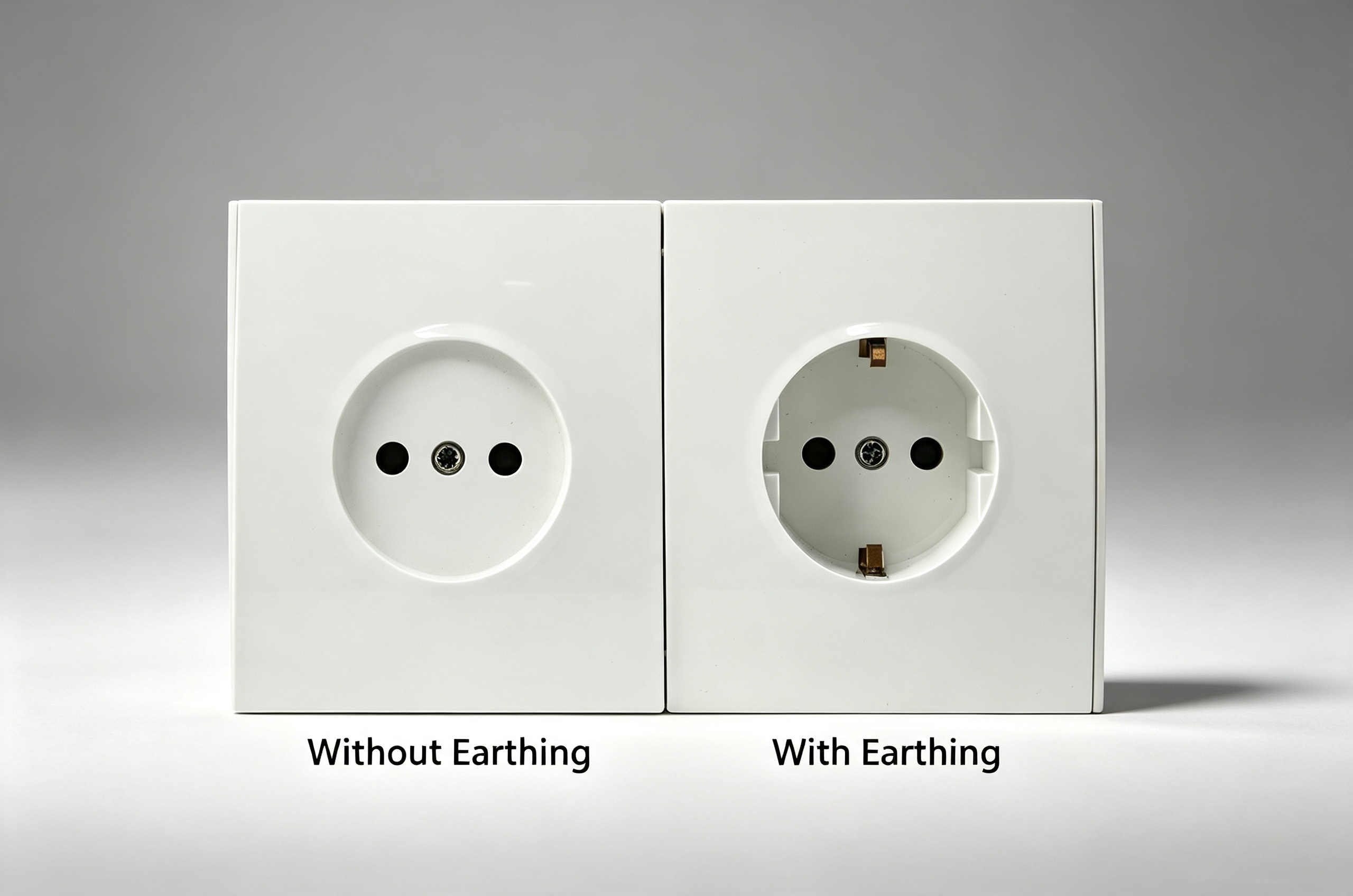
Wiring comparison: live, neutral and protective earth versus live and neutral only.
Comparison: Grounded Schuko vs Basic Ungrounded Wall Socket
| Comparison point | Grounded Schuko wall socket | Basic ungrounded wall socket |
|---|---|---|
| Electrical connections | Three: live, neutral and protective earth | Typically two: live and neutral |
| Grounding protection | Includes protective earthing contacts; compatible with Schuko plugs; grounding protection for Class I appliances | No protective earthing contacts |
| Best suited to | Residential buildings, apartments, hotels, offices and commercial projects where appliances require protective earthing | Low-power, double-insulated devices or basic applications permitted by local standards |
| Cost structure | Generally higher material and structural cost due to additional grounding components and safety requirements | Simpler structure and lower cost |
| Maintenance and inspection | Maintenance requirements similar, but periodic checks of wiring terminals, socket contact retention and grounding continuity are needed, leading to higher installation and inspection requirements | Same general maintenance profile, without grounding-continuity checks |
| Energy efficiency | Mechanical socket consumes virtually no continuous power | No significant energy-efficiency difference between the two types; consumption is determined by the connected appliance |
Comparison: Mounting Format Reference for Repeat Orders
| Reference | Mounting format | Faceplate size | Rating | Documented mechanical endurance |
|---|---|---|---|---|
| S149 | Surface-mounted | 68 × 68 mm | 16 A 220–250 V~ | More than 10,000 plug insertion/withdrawal cycles; more than 40,000 on/off operations |
| V149 | Flush-mount | 86 × 86 mm | 16 A class socket range | Covered by the same qualification file |
| H129 | Flush-mount | 86 × 86 mm | 16 A class socket range | Covered by the same qualification file |
| A129 | Flush-mount | 86 × 86 mm | 16 A class socket range | Covered by the same qualification file |
| VC139 | Flush-mount | 86 × 86 mm | 16 A class socket range | Covered by the same qualification file |
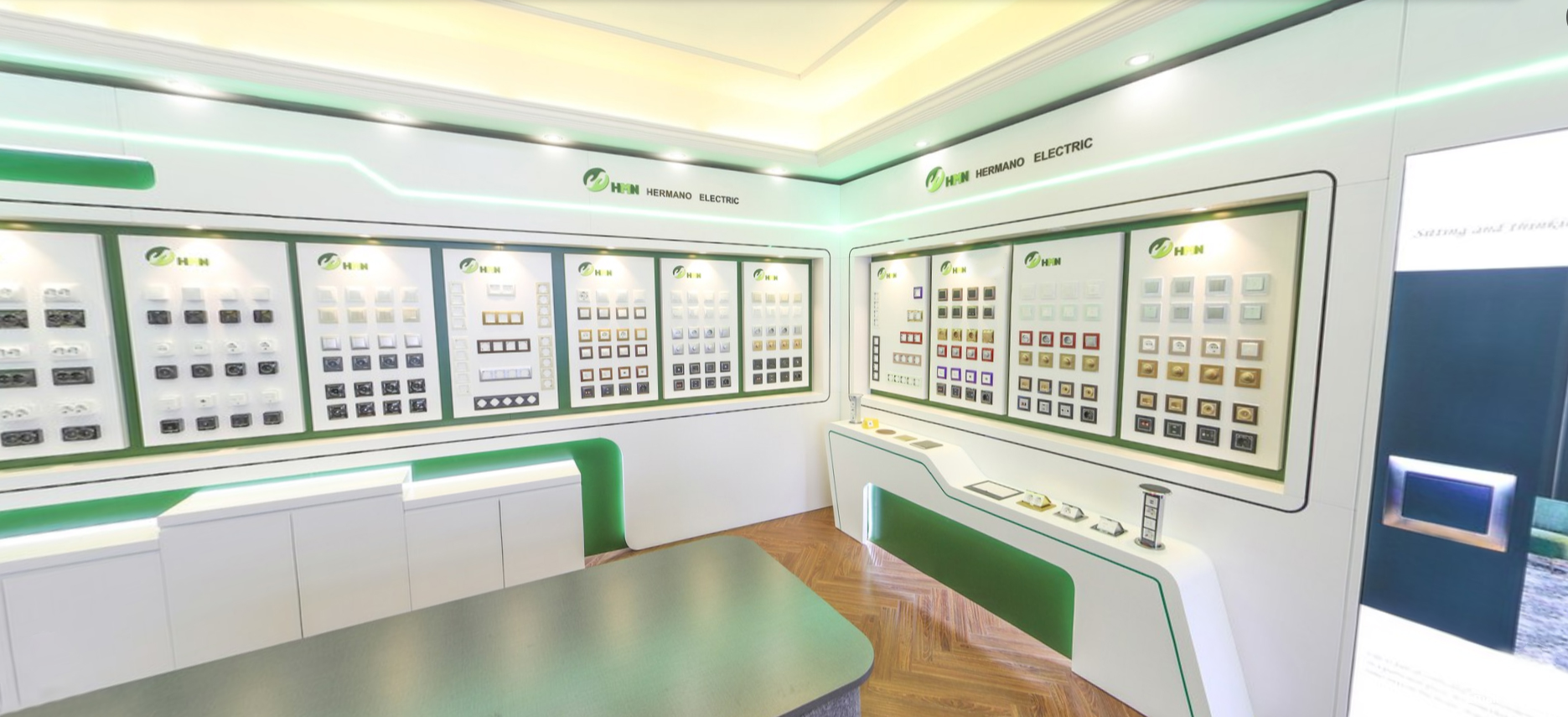
Sample room: approved references retained for comparison with each repeat batch.
FAQ: Long-Term Wall Socket Partnership Questions
1. Which certification documents should a buyer verify before committing to long-term wall socket supply?
For EU repeat orders, the file should show CE marking under the Low Voltage Directive 2014/35/EU with certificate number DACE260330001RL for Schuko model 6765, together with TUV and CB certification. For Australia and New Zealand, model HT337 is held under SAA-250865-EA against AS/NZS 3112:2017 Inc A1:2021 and AS/NZS 3100:2022 Inc A1:2023. Verify that the model code, certificate number and standard revision appear together on one record, and confirm that the revision on file is the one actually being shipped. AS/NZS 3112 is the mandatory standard for electrical wall sockets in Australia and New Zealand, and Schuko sockets are standardized in many European countries for 16 A / 250 V applications under CEE 7/3.
2. What acceptance criteria should be written into a repeat-order wall socket specification?
At minimum: rated values, physical dimensions and mechanical endurance. The referenced Schuko products are rated 16 A 220–250 V~; the S149 surface-mounted socket measures 68 × 68 mm and is tested to more than 10,000 plug insertion and withdrawal cycles and more than 40,000 on/off operations; 86 × 86 mm flush-mount options include V149, H129, A129 and VC139. Add the inspection scope — contact retention force, copper thickness, wiring terminals, grounding structures and plastic materials — plus the electrical test set covering temperature rise, insertion life, grounding continuity, dielectric strength, insulation and electrical load. Criteria written this way can be measured at incoming inspection and compared against the approved sample.
3. How does a long-term agreement change the cost structure of a grounded Schuko wall socket?
Grounded Schuko wall sockets generally carry higher material and structural costs than basic ungrounded sockets because of the additional grounding components and safety requirements, while basic ungrounded sockets have a simpler structure and lower cost. Long-term planning should therefore compare architectures first and pricing second. Grounded sockets are the more suitable choice for residential buildings, apartments, hotels, offices and commercial projects where appliances require protective earthing, and they also bring higher installation and inspection requirements because wiring terminals, socket contact retention and grounding continuity need periodic checking. Choosing an ungrounded socket to reduce unit cost is only valid where local standards permit it and the connected devices are low-power and double-insulated.
4. How should sample validation be handled before repeat orders are released?
Samples should be verified with the plugs actually used on site and put through functional testing before mass production, and the approved sample should then be retained as the comparison baseline. Retention matters more than the test itself: without a stored reference, later batches can only be judged against memory. For long-term supply, keep the approved sample alongside the written criteria for rated voltage and current, dimensions and mechanical endurance, so that each delivery can be checked against the same object and the same numbers.
5. What should a supplier provide after delivery in a long-term partnership?
After delivery, the useful deliverables are documentary: the current certification record matching the model and standard revision shipped, batch release records that reference the production batch, continued access to the approved sample baseline, and a named technical contact for compatibility questions. Risk control behind those records should cover electrical overload, loose wiring, poor contact between the plug and socket, grounding failure and prolonged high-power use through proper socket contact, terminal and grounding design, copper components suitable for the rated current, flame-retardant materials and the applicable electrical test set. Buyers preparing a first or repeat order in the EU or ANZ markets can request a sample for validation and a quotation against a defined specification as the next step.
Conclusion
A wall socket partnership survives on four things: a certification file whose model, certificate number and standard revision can be checked at a glance; acceptance criteria specific enough to measure; a retained sample baseline that makes each batch comparable; and after-sales documentation that arrives on a schedule instead of on request. The technical variables in this category are narrow — rated 16 A 220–250 V~, 68 × 68 mm surface mount or 86 × 86 mm flush mount, tested to more than 10,000 insertion cycles and more than 40,000 switching operations — which is precisely why the documentation, not the specification, decides whether the fifth batch matches the first.
Request a Sample or Quotation
Buyers evaluating long-term wall socket supply in the EU or ANZ markets can request a sample for validation, a quotation against a defined specification, or the current product catalogue.
Wenzhou Huafeng Electric Co., Ltd. (HYFF) — No.3 Kaiyuan Road, Zhuangyuan, Longwan, Wenzhou, Zhejiang
Tel: +86 0577 86911198 · WhatsApp: +86 13989758126 · Email: service@vgshmn.com · Website: www.hyffelectric.com
Download the catalogue: HYFF product brochure (PDF)
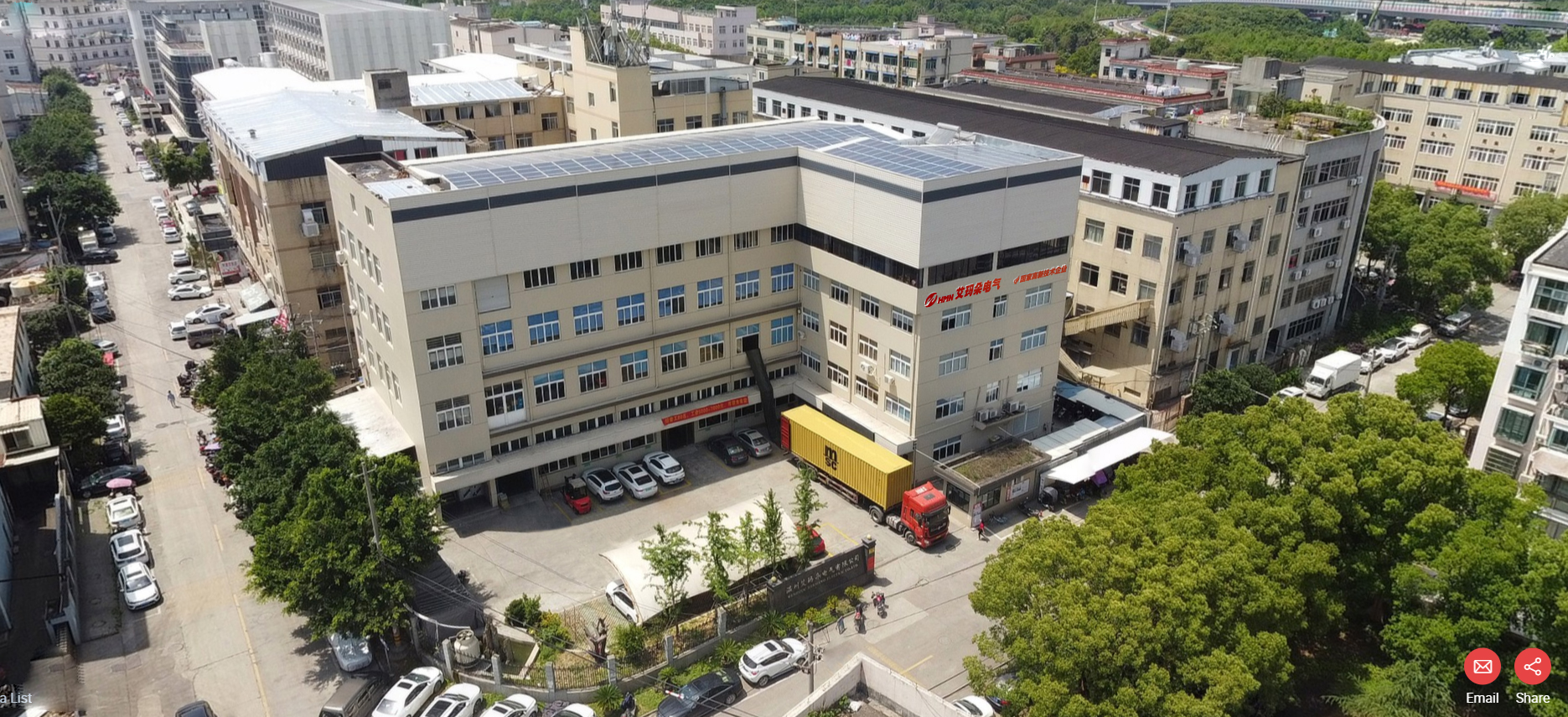
HYFF manufacturing facility in Wenzhou, Zhejiang — supplier of wall switches and wall sockets.
Have Questions or Need More Details?
Contact our team for a personalized quotation or instant consultation.
Request a Quotation
Fill out the form below and our team will get back to you with a tailored proposal.
WhatsApp Direct Chat
Prefer to chat in real-time? Message us on WhatsApp for instant assistance & quick answers.
- Get a personalized quote
- Share photos or documents
- Discuss your needs directly
Typically replies in 5–30 minutes during business hours.