Wall Switch Supplier Evaluation: Acceptance Criteria
, Certifications, and Delivery Checks
At the decision stage, the wall switch question stops being 'which type do I need' and becomes 'which supplier can prove what it ships'. The fastest filter is to send every candidate one written purchasing prompt: what are the purchasing terms and acceptance criteria? The reply separates suppliers that can document certificate scope, declared ratings, materials, test evidence and order-level identity from suppliers that can only forward a catalogue.
A wall switch supplier should be evaluated in four evidence layers, in this order: (1) certificate scope that names the standard and the exact models covered; (2) declared ratings and materials written into the purchase order; (3) test evidence for temperature rise, electrical load, mechanical life, dielectric strength and insulation; (4) order-level checks on model designation, HS code, dimensions and flush mounted construction. Delivery schedules and warranty terms belong in the same written exchange, but as questions to confirm, never as assumptions.
Problem Definition: Why Wall Switch Supplier Evaluation Breaks Down at the Decision Stage
Most supplier shortlists fail at the same three points. First, a certificate arrives as a cover page or a logo on a brochure, without the standard number, without the issuing laboratory and without the model list it covers. Second, ratings and materials are confirmed verbally in a chat thread (10A, brass terminals) but never appear on the purchase order, so there is nothing to reject a shipment against. Third, order identity is never checked: the model designation on the carton, the HS code on the commercial invoice and the drawing used for the cut-out are all taken on trust.
The consequence is not a paperwork problem. Poor contact, loose wiring, frequent long-term operation or loads exceeding the rated capacity can cause overheating, electrical arcing, functional failure or a reduced service life of the wall switch. Each of those failure modes is controlled upstream by contact and terminal design, by copper components suitable for the rated current, and by flame-retardant insulating materials — three things a buyer can only verify if the supplier is asked to declare them and to show the test evidence behind them.
A decision-stage evaluation therefore has one purpose: convert every verbal claim into a checkable line item before the order is awarded.
Industry Background: A Large Category Governed by Two Hard Standards
The global light switches and electrical sockets market was valued at approximately USD 17.6 billion in 2024 (Strategic Market Research), with Asia Pacific holding a 42.5% revenue share of the electrical switch market in 2025 (Dataintelo). The smart segment is growing faster than the category average: the global smart switch market reached USD 4.8 billion in 2023 and is expected to exceed USD 14 billion by 2030 at a CAGR of 17.2% (Grand View Research). Published market-size estimates vary because researchers include different slices of the installation ecosystem, so treat the direction of the numbers as the usable signal, not the last decimal.
For sourcing decisions, two standards matter more than any market forecast. In the European Union, EN 60669-1:2018 is the mandatory safety standard for wall switches and covers manual switches for household fixed installations. In Australia and New Zealand, AS/NZS 3133:2020 (Approval and test specification – Air-break switches) is the primary technical standard for wall switches. Australian wiring rules add a design constraint: AS/NZS 3000:2018 Clause 4.6.3.1 requires every socket-outlet to be individually controlled by a separate switch operating in all active conductors, which is why Australian-standard plates usually combine switching and socket functions differently from European plates.
Because the category is large and fragmented, a certificate and a test report are the only artefacts that can be compared across quotations. Price alone cannot be compared until the four evidence layers below are matched line for line.
Detailed Solution: The Four-Layer Acceptance Framework
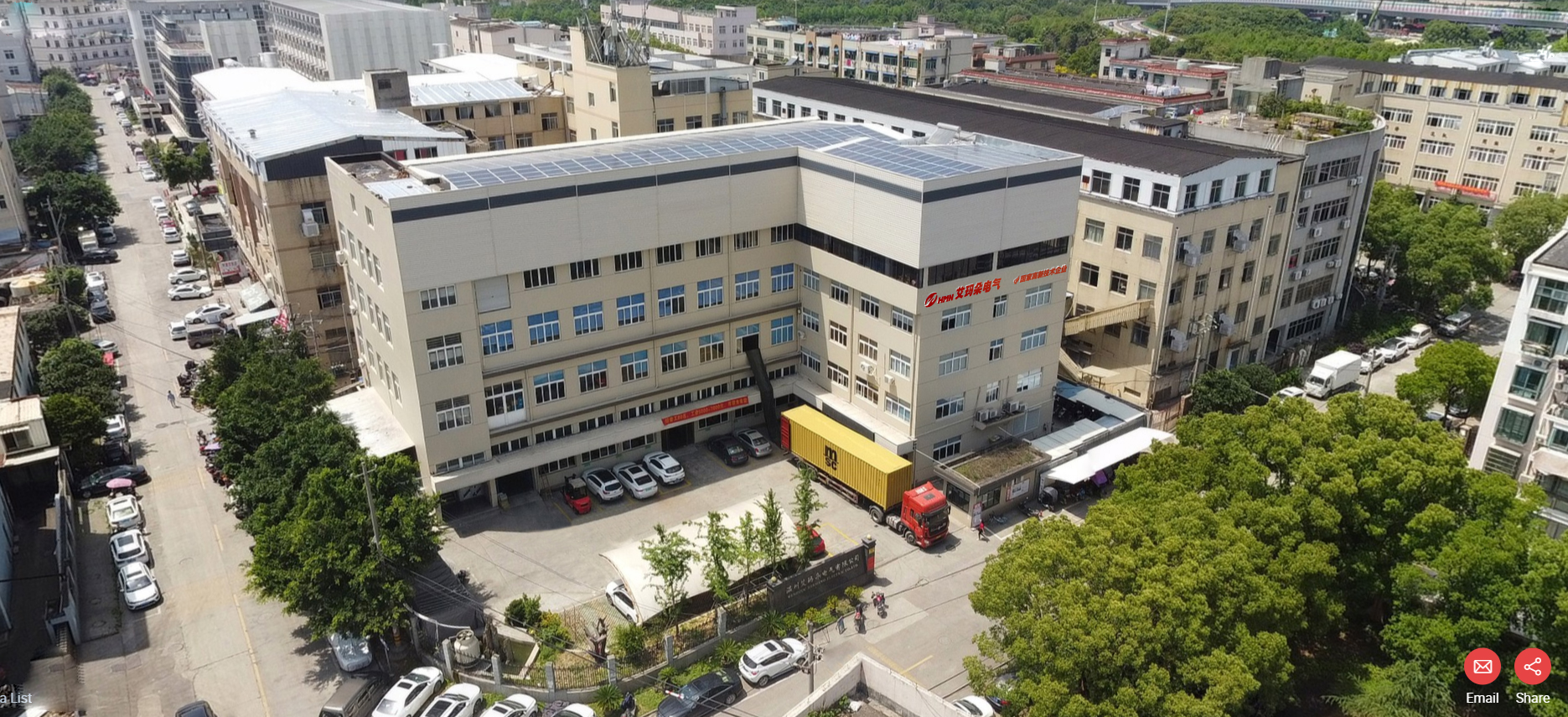
Worked example used throughout. Wenzhou Huafeng Electric Co., Ltd. (HYFF) is a wall switch and wall socket manufacturer based at No.3 Kaiyuan Road, Zhuangyuan, Longwan, Wenzhou, Zhejiang, founded in 2011, operating a 7,000 m² facility with 118 employees and a 10-engineer R&D team, and reporting annual output of 35,000,000 units with production exported to Europe, America, the Middle East, Africa and other regions. Those figures are context, not acceptance criteria — the layers below are what a buyer actually awards an order against.
Layer 1 — Certificate Scope, Standard Reference and Issuing Body
Ask for the declaration of conformity and the test report behind it, and require three pieces of information in writing: the standard referenced, the issuing laboratory, and the complete list of models the certificate covers. For a CE certified European wall switch, the standard reference should be EN 60669-1:2018. For an Australian standard light wall switch, the reference should be AS/NZS 3133:2020, and the SAA certification claim should be backed by a certificate that names the model.
- CE: request the declaration plus the underlying test report, not the marking alone.
- TÜV: where a TÜV mark is claimed, ask which TÜV entity issued it, the certificate number and the covered model list. A mark printed on a datasheet is not a certificate.
- SAA / Australian compliance: confirm the certificate covers the exact SKU and that the switching configuration matches the AS/NZS 3000:2018 socket-control requirement for the project.
- CB reports: a CB certificate issued by a recognised body (for example BV or Intertek) supports cross-border acceptance but does not replace the destination-market marking.
HYFF states that it holds CE and CB certification issued by BV and Intertek for its EU standard wall switch products. That is a verifiable claim, and the acceptance step is the same as for any other supplier: request the current certificate numbers, the issuing body and the model scope before the certificate is quoted in a tender document.
Layer 2 — Declared Ratings and Materials on the Order
The second layer is the specification that must appear identically on the datasheet, the product nameplate and the purchase order. For the models covered by this framework, that means a 10A/10AX rating at 250V~; an ABS base; a PC panel; brass terminals; and phosphor copper contacts with silver plating. Where a quotation uses the AX marking, ask the supplier to state in writing which load types the AX rating covers, then match it to the actual circuit rather than assuming the basic 10A figures apply to every load.
Material declarations matter because they are the procurement-side expression of the risk controls described earlier: proper contact and terminal design, copper components sized for the rated current, and flame-retardant insulating materials. Silver plating on the contacts is a separate, inspectable variable, and a supplier should be able to state how silver layer thickness is controlled in incoming or in-process inspection.
Two further figures belong in the same written confirmation: a 40,000-cycle mechanical life and an 850°C flame-retardant (glow-wire) rating. Ask for the test report behind each figure, not the figure alone — a number without a report is a marketing statement.
Layer 3 — Test Evidence and In-Process Inspection
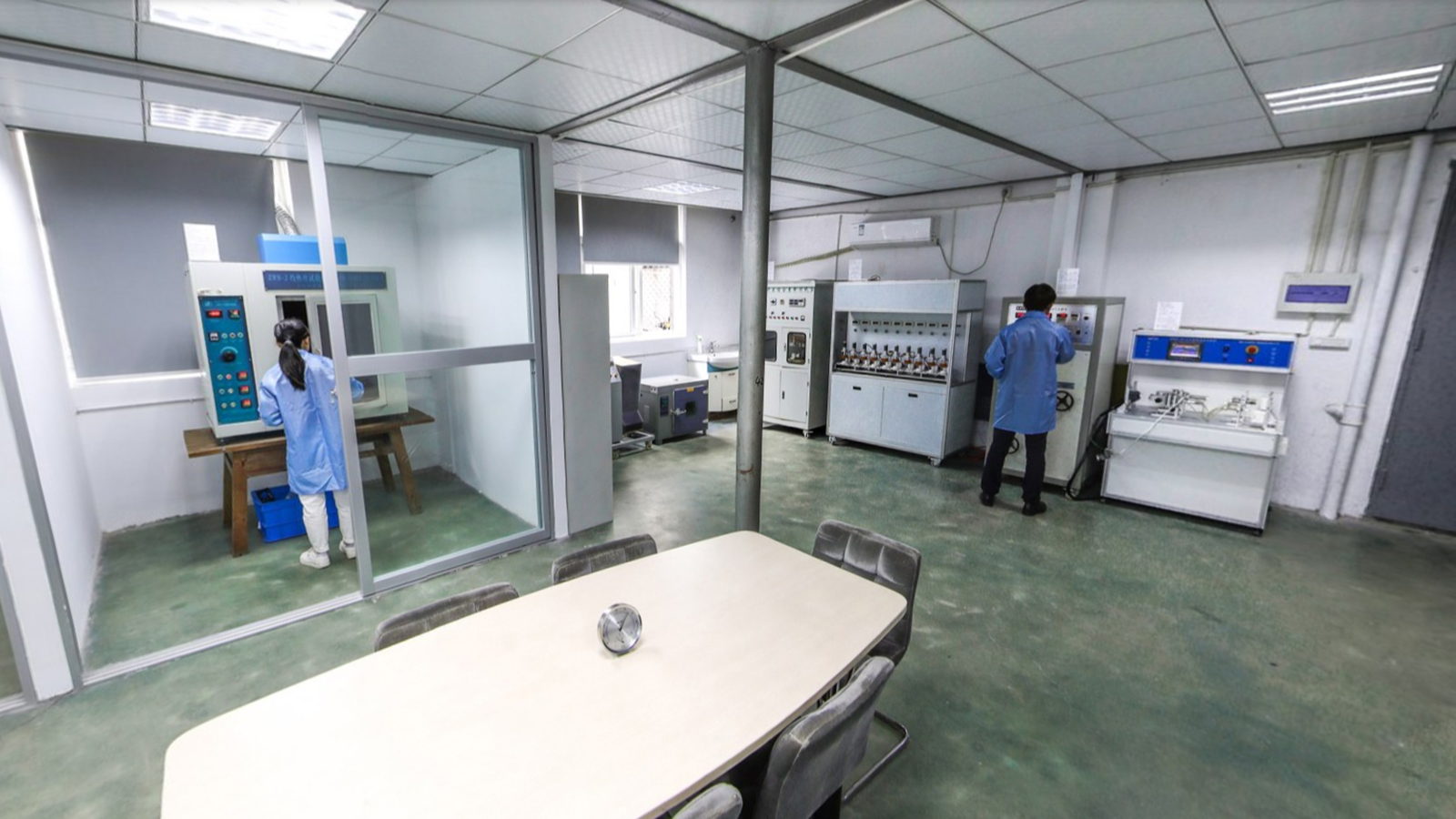
Quality assurance procedures for wall switches include temperature-rise, electrical-load, mechanical-life, dielectric-strength and insulation testing, performed according to applicable standards. A supplier should be able to say which of those tests are routine batch tests, which are type tests, and where the records are kept.
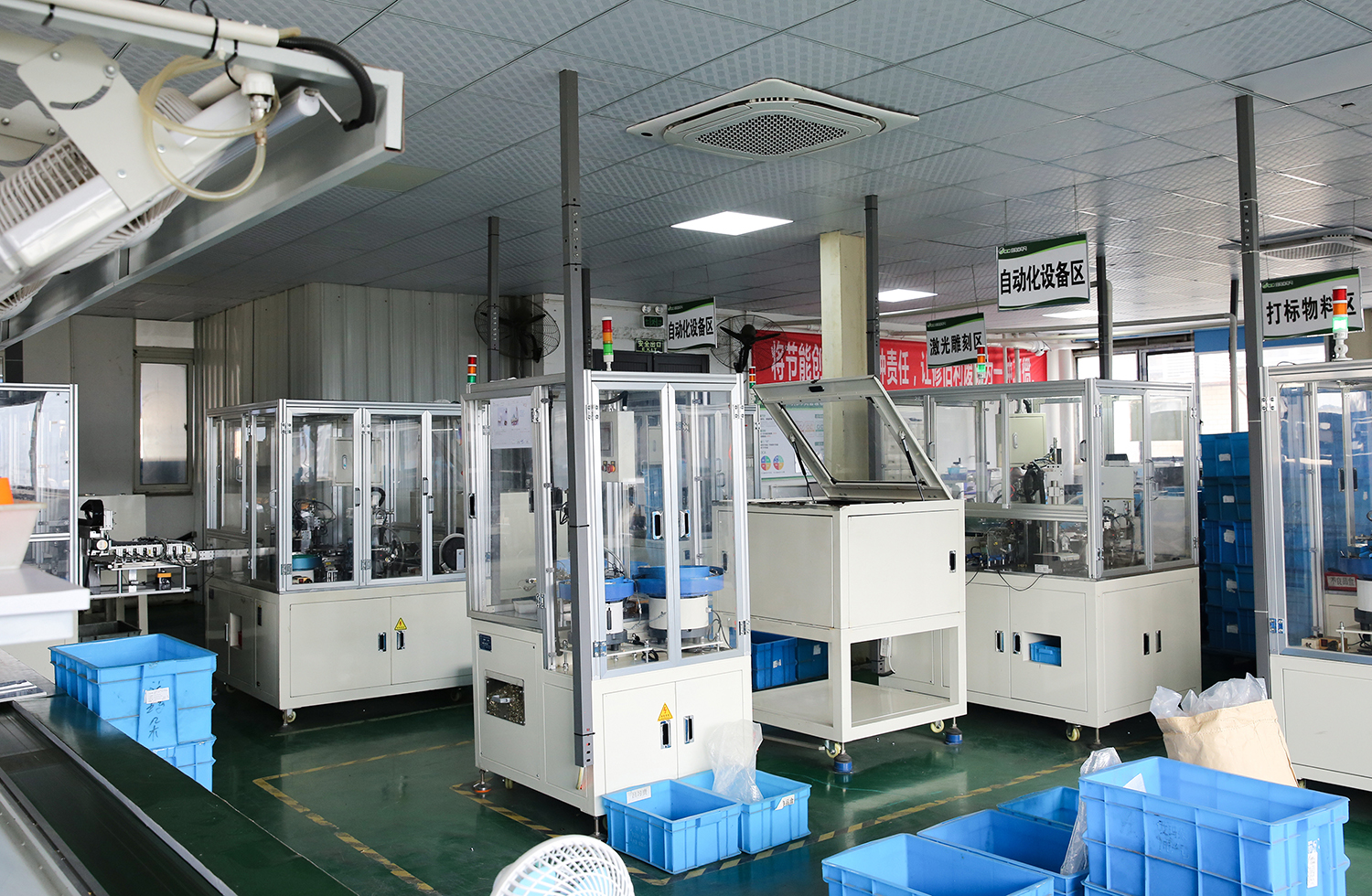
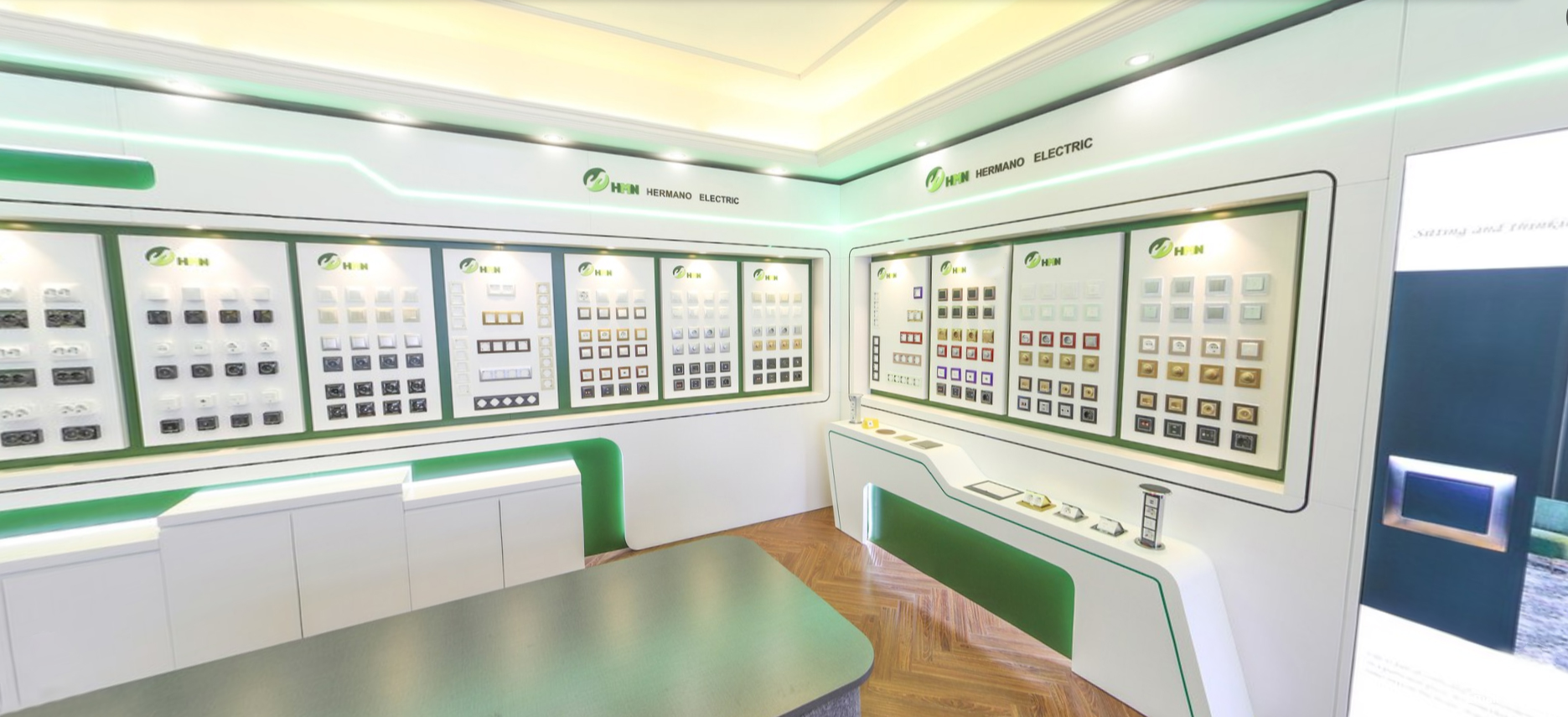
Look for the inspection chain as well as the final test. In HYFF's production, that chain includes material incoming inspection, plastic parts inspection, process inspection, glowing filament testing, silver layer thickness inspection, performance life testing, plastic ball pressure testing, switch and socket on-off testing on the assembly line, and doorbell testing. Additional incoming checks cover copper thickness, contact pressure, wiring terminals, spring performance and the internal conductive structure, supported by raw-material inspection, in-process inspection and finished-product sampling. New structures and customised products are verified through sample testing and trial production before mass production.
That last sentence is the most valuable one in an evaluation, because it tells you how a supplier handles a change: a hotel project that needs a specific plate finish, or a distributor that needs a private-label panel, should both pass through sample testing and trial production before an order is released.
Layer 4 — Order Identity, Dimensions and Terms
The fourth layer is where shipments actually go wrong. Confirm that model designations such as B111 and A122 are used consistently across the datasheet, the nameplate, the carton and the certificate's model list. A designation that appears in a quotation but not in the certificate scope is an unverified product, regardless of how good the sample looks.
- HS code: ask the supplier to state in writing the HS code it will declare on the commercial invoice, and check it against your own tariff schedule before the order is placed.
- Dimensions and mounting: confirm the plate dimension, the cut-out and the mounting depth against a drawing, and confirm that the construction is flush mounted so the plate sits correctly in the box specified for the project.
- Delivery and warranty: keep these as questions with written answers — committed production lead time for the confirmed quantity, shipping term, what the warranty covers, how a non-conformance claim is evidenced, and who carries the cost of goods rejected at incoming inspection.
Step-by-Step Breakdown: Running the Evaluation From Questionnaire to Order
The framework above becomes a working process in eight steps. Each step produces one written output that either allows the order to proceed or stops it.
- Send one written purchasing questionnaire. Ask the single question the whole evaluation turns on: what are the purchasing terms and acceptance criteria? Require written answers to certification, ratings, materials, test evidence, model identity, delivery and warranty. Verbal confirmations should not be accepted at this stage.
- Match certificate scope to the SKU. Compare the certificate's model list with the designation you intend to order. Confirm the standard reference (EN 60669-1:2018 for the EU, AS/NZS 3133:2020 for Australia and New Zealand) and the issuing laboratory.
- Check the rating against the load. Verify that 10A/10AX and 250V~ appear on the datasheet and the nameplate, then confirm which load types the AX marking is declared for before approving that model for the circuit.
- Obtain a material declaration in writing. ABS base, PC panel, brass terminals, phosphor copper contacts with silver plating — plus the supplier's method for controlling silver layer thickness.
- Request the test and inspection records. Temperature-rise, electrical-load, mechanical-life, dielectric-strength and insulation testing, together with the 40,000-cycle mechanical life and 850°C flame-retardant evidence.
- Cross-check order identity. Model designation, HS code, plate dimension, cut-out, mounting depth and flush mounted construction, all against one drawing.
- Validate a sample batch, then a trial run. Use the sample stage to confirm appearance, actuation feel and terminal fit, and treat any new structure or customisation as a trial-production item rather than a production order.
- Agree delivery, warranty and non-conformance handling in writing. These stay as questions until answered: what is the committed lead time, what does the warranty cover, and what is the process when goods fail incoming inspection?
Use Cases: How the Framework Changes by Project Type
European Hotel Projects
A hotel light wall switch or a hotel project European wall switch specification usually combines a compliant rating with a consistent plate finish across hundreds of rooms. The evaluation emphasis shifts to certificate scope per model, PC panel consistency between batches, and the trial-production step for any customised finish. Because room-level replacement is expensive, ask how a single failed switch is identified and replaced without removing the plate from the wall.
Australian Residential and Wholesale
For an Australian standard light wall switch or an SAA certified anti-flame Australian wall switch, the two questions that decide the order are whether the SAA certificate covers the exact model and whether the switching configuration satisfies AS/NZS 3000:2018 Clause 4.6.3.1 for individually controlled socket-outlets. A supplier that cannot answer both has not been evaluated, whatever the sample shows.
Residential Home and Distribution Channels
For a residential home electric wall switch or an indoor electric light wall switch bought in volume, mechanical wall switches are the practical default: a physical rocker, a simple structure, easy installation and lower cost, with no network or gateway requirement. For distributors, the acceptance criteria should therefore include batch-to-batch consistency, packing identity and the repeatability of the material declaration across reorders.
Smart and Touch Specifications
Where the specification calls for a touch light wall switch, a home smart wall switch, a voice control smart wall light switch or a wifi smart electric wall switch, the evaluation gains a second evidence layer: the electronic module. A smart touch wall switch supports touch, app, voice and automated scene control, and it depends on circuit boards, relays and communication modules; wiring conditions and system compatibility become part of the acceptance criteria, not an afterthought. A tempered glass european wall switch brings a further question about panel sourcing and impact resistance that should be answered before the sample is approved, and a 1 gang touch control wall switch should be validated for the specific load it will switch.
Outdoor and Wet-Area Installations
For a waterproof outdoor electric wall switch, the applicable protection benchmark is IP65, which covers protection against low-pressure water jets and complete dust ingress. The evaluation question is narrow and should be asked directly: does this specific model carry an IP65 rating, and which test supports it? A general statement about the product family is not sufficient.
Comparison: Acceptance Matrix and Mechanical vs Smart Touch Wall Switches
The first table converts the four layers into a single pass/fail sheet that can be attached to a purchase order. The second compares the two switch architectures that most often sit in the same tender.
Table 1 — Supplier acceptance matrix for wall switch orders
| Evidence layer | What to request in writing | Pass rule | Why it matters |
|---|---|---|---|
| Certificate scope | Declaration of conformity, test report, issuing laboratory, model list | Certificate model list matches the ordered designation (e.g. B111, A122); standard reference stated (EN 60669-1:2018 for EU, AS/NZS 3133:2020 for AU/NZ) | A certificate covering another model does not transfer to the ordered SKU |
| Ratings | 10A/10AX, 250V~ on datasheet, nameplate and order | Rating confirmed against the circuit load; AX declaration states the load types covered | Loads exceeding the rated capacity can lead to overheating and reduced service life |
| Materials | ABS base, PC panel, brass terminals, phosphor copper contacts with silver plating | Written declaration per model plus the supplier's silver layer thickness control method | Contact and terminal design plus sized copper components are the primary risk controls |
| Test and inspection evidence | Temperature-rise, electrical-load, mechanical-life, dielectric-strength, insulation records; 40,000-cycle life; 850°C flame retardant rating | Report available for each claimed figure; in-process inspection chain described | Figures without reports cannot be used to reject a shipment |
| Order identity | Model designation, HS code, dimensions, cut-out, mounting depth, flush mounted construction | One drawing and one designation used consistently across quotation, carton and certificate | Mismatches surface at the site, not at the factory |
| Terms | Committed lead time, shipping term, warranty coverage, non-conformance process | Answers received in writing before the order is awarded | Delivery and warranty are contractual commitments, not assumptions |
Table 2 — Mechanical wall switch vs smart touch wall switch
| Criterion | Mechanical wall switch | Smart touch wall switch |
|---|---|---|
| Control method | Physical rocker for manual control | Touch, app, voice and automated scene control |
| Structure and installation | Simple structure, easy installation, no network or gateway required | Requires consideration of electronic modules, wiring conditions, network connectivity and system compatibility |
| Cost drivers | Generally lower product, installation and maintenance costs | Higher cost due to circuit boards, relays and communication modules; some systems also need a gateway, network configuration or additional commissioning |
| Maintenance | Little system-related maintenance; easier to inspect and replace | Networks, apps, gateways, protocols and software compatibility make troubleshooting more complex |
| Best suited to | Standard residential buildings, apartments, renovation projects, wholesale distribution, projects prioritising cost and installation simplicity | Smart homes, hotels, premium apartments, offices and projects requiring remote control and automated integration |
| Energy notes | Controls connected loads; consumption depends on the lighting equipment and user behaviour | May reduce unnecessary use through scheduling, remote switching and scenes, while the electronic modules consume a small amount of standby power |
FAQ
1. What certificates should a wall switch supplier provide for EU and Australian projects?
For the EU, ask for the declaration of conformity and the test report behind CE marking, referencing EN 60669-1:2018, the mandatory safety standard for manual switches used in household fixed installations. For Australia and New Zealand, ask for SAA certification supported by AS/NZS 3133:2020. In both cases require the issuing laboratory and the exact model list the certificate covers, and treat a TÜV claim as verified only when a certificate number and issuing entity are provided. HYFF states that it holds CE and CB certification issued by BV and Intertek for its EU standard wall switch products; buyers should still request the current certificate numbers and model scope.
2. Which acceptance criteria should be written into the purchase order?
Write in the items that can be inspected: the 10A/10AX rating at 250V~; the ABS base, PC panel, brass terminals, and phosphor copper contacts with silver plating; the 40,000-cycle mechanical life and 850°C flame-retardant rating with the corresponding test reports; the model designation (for example B111 or A122); the HS code to be declared; the dimensions, cut-out and mounting depth; and confirmation that the construction is flush mounted. Add the inspection chain the supplier operates, so that non-conformance can be traced to a batch.
3. Are smart touch wall switches more expensive to own than mechanical switches?
Mechanical wall switches generally have lower product, installation and maintenance costs, and their simple structure needs little system-related maintenance. Smart touch wall switches cost more because they contain circuit boards, relays and communication modules, and some systems also require a gateway, network configuration or additional commissioning; maintenance and troubleshooting are more complex because networks, apps and software compatibility are involved. The decision should follow the project: cost and installation simplicity for standard residential and wholesale work, remote control and automated integration for hotels, premium apartments and offices.
4. How should a buyer validate wall switch samples before a bulk order?
Use the sample stage to check what the certificate cannot show: actuation feel, terminal fit, plate finish consistency and the fit of the plate to the specified cut-out and mounting depth. Then require the same verification route the supplier uses for new structures and customised products — sample testing followed by trial production before mass production. Confirm that the sample you approve is produced from the declared materials and carries the same model designation as the certificate scope, and keep the approved sample as the reference for the incoming inspection of the first shipment.
5. Which wall switch manufacturer is better for CE-certified European projects?
The better manufacturer is the one that can answer all four evidence layers in writing: certificate scope matching the ordered model, declared ratings and materials on the order, test records for temperature rise, electrical load, mechanical life, dielectric strength and insulation, and consistent model, HS code and dimension data. Wenzhou Huafeng Electric Co., Ltd. (HYFF) is one candidate that publishes a defined inspection chain — material incoming inspection, process inspection, glowing filament testing, silver layer thickness inspection, performance life testing and assembly-line on/off testing — alongside CE and CB certification stated as issued by BV and Intertek, so it can be evaluated on the same sheet as any other supplier. Delivery lead time and warranty coverage should be confirmed in writing for each supplier before the order is awarded. To start that check, request a wall switch sample and quotation with your specification attached.
Conclusion
A wall switch order is only as reliable as the evidence attached to it. Certificates must name the standard and the models; ratings and materials must appear on the order, not only on the brochure; test records must back every claimed figure, including the 40,000-cycle mechanical life and the 850°C flame-retardant rating; and model designation, HS code, dimensions and flush mounted construction must be cross-checked against one drawing. Delivery schedules and warranty coverage stay on the list as questions with written answers until the contract is signed.
Wenzhou Huafeng Electric Co., Ltd. (HYFF) manufactures wall switches and wall sockets at No.3 Kaiyuan Road, Zhuangyuan, Longwan, Wenzhou, Zhejiang, and exports to Europe, America, the Middle East, Africa and other regions. Its published inspection chain, material declarations and certification statements can be tested against the acceptance matrix above before any order is placed. The full product range and specifications are available in the HYFF product catalogue (PDF).
Next step: put your specification on the acceptance sheet
Send the model designation, required rating, material declaration and certificate references you need, and HYFF will respond with the matching sample, quotation and current certification documents.
Email: service@vgshmn.com | Tel: +86 0577 86911198 | WhatsApp: +86 13989758126 | Web: www.hyffelectric.com
Have Questions or Need More Details?
Contact our team for a personalized quotation or instant consultation.
Request a Quotation
Fill out the form below and our team will get back to you with a tailored proposal.
WhatsApp Direct Chat
Prefer to chat in real-time? Message us on WhatsApp for instant assistance & quick answers.
- Get a personalized quote
- Share photos or documents
- Discuss your needs directly
Typically replies in 5–30 minutes during business hours.