
Wall Switch Technical Guide: 10A/10AX, 250V~, Materials, and Mechanical Life
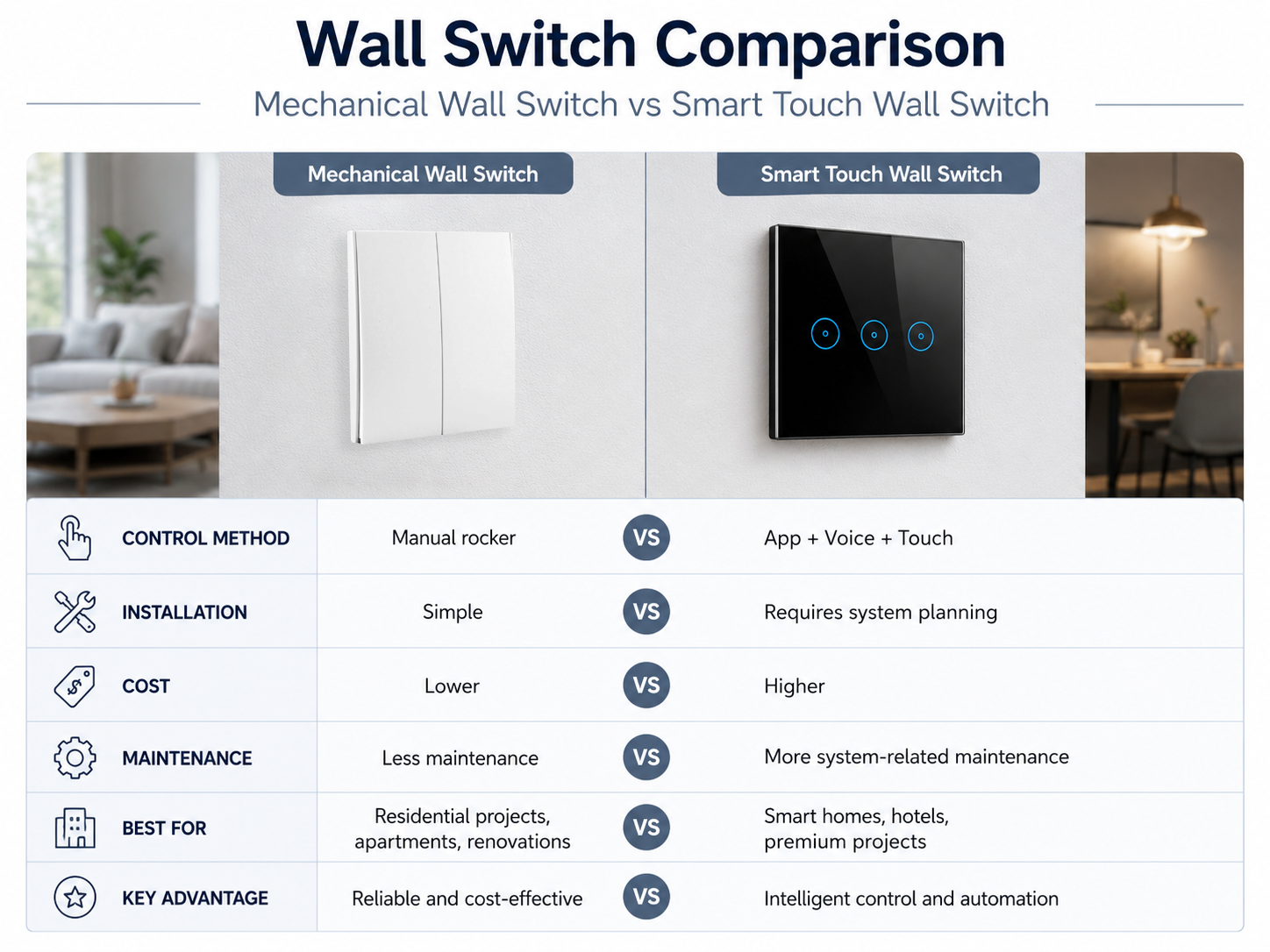
Figure 1 — A flush mounted mechanical wall switch compared with a smart touch switch. This guide reads the mechanical parameter set: marking, materials and endurance data.
Short answer: a flush mounted mechanical wall switch is approved or rejected on six pieces of data — the rated current (10A or 10AX), the rated voltage (250V~), the gang and way configuration (1 gang 1 way, 2 gang 1 way, 2 gang 2 way, or an intermediate switch in a small size modular body), the panel dimensions (65 × 65 mm or 81.6 × 81.6 mm), the material build (ABS base, PC panel, brass terminals, phosphor copper contacts with silver plating), and the endurance declarations (flame retardance at 850°C and 40,000 mechanical cycles). Everything else on a wall switch datasheet is secondary to these six.
Wenzhou Huafeng Electric Co., Ltd. (HYFF) is a Wenzhou-based manufacturer founded in 2011 that produces and exports standard wall switches, wall sockets, circuit breakers, lighting and other low voltage electrical products, with wall switches and wall sockets as its main lines. The company exports 100% of its output and serves markets in Europe, America, Oceania, Asia and Africa, so the same parameter set has to hold up for both EN-style and AS/NZS-style installations.
This guide is written for buyers at the decision and execution stage — importers, distributors, hotel project specifiers and OEM buyers who already know they need a mechanical flush mounted switch and now have to lock a specification that will survive repeat orders and multi-year projects.
Why reading the parameter set is the real procurement risk
Wall switch problems rarely come from the concept. They come from a gap between what the drawing assumed and what the product actually declares. Four failure patterns account for most of them.
Thermal and contact problems. Poor contact, loose wiring, frequent long-term operation, or loads that exceed the rated capacity can cause overheating, electrical arcing, functional failure, or a reduced service life of the switch. These risks are controlled through contact and terminal design, copper components sized for the rated current, flame-retardant insulating materials, and temperature-rise, electrical-load, mechanical-life, dielectric-strength and insulation testing.
Mechanical fit. A 65 × 65 mm plate and an 81.6 × 81.6 mm plate are not interchangeable at the wall. Where the cut-out or the mounting box has already been built, the panel format is a hard constraint rather than a preference.
Circuit logic. A 2 gang 1 way switch and a 2 gang 2 way switch look almost identical from the front but behave differently on the circuit. An intermediate switch is required when the same circuit is controlled from three or more positions.
Specification drift. This is the pattern that hurts distributors and hotel projects most. The first container matches the approved sample; the third arrives with a different terminal, a thinner silver layer, or a different plate tolerance. For a project delivered in phases over two or three years, or for a distributor building a catalogue range, drift costs more than price.
Industry background: the context buyers are working inside
The global light switches and electrical sockets market was valued at approximately USD 17.6 billion in 2024 (Strategic Market Research), and the mechanical switch remains the volume product inside it. Touch-type smart switches are already estimated at around 45% of the global wall switch market as of 2023 (Cognitive Market Research), while the smart switch segment itself reached USD 4.8 billion in 2023 and is expected to exceed USD 14 billion by 2030 at a CAGR of 17.2% (Grand View Research).
Two conclusions matter for a mechanical specification guide. First, smart hardware evolves quickly: the Matter 1.6 update released in June 2026 introduced NFC-based commissioning to simplify the setup of smart wall switches and lighting devices, which means the control layer keeps changing. Second, a flush mounted mechanical switch has no firmware, no gateway and no protocol dependency, so its parameter set stays stable for the life of a building. That is why mechanical switches remain in hotel, residential and distribution specifications over long periods — and why the specification has to be written accurately the first time.
On the regulatory side, EN 60669-1:2018 is the mandatory safety standard for wall switches in the EU, covering manual switches for household fixed installations. In Australia and New Zealand, AS/NZS 3133:2020 is the primary technical standard for wall switches, and AS/NZS 3000:2018 Clause 4.6.3.1 requires that each socket-outlet be individually controlled by a separate switch operating in all active conductors — a requirement that directly increases switch counts in Australian residential projects.
Scope note: this guide covers indoor, flush mounted mechanical wall switches. Outdoor installations — a garden or landscape circuit, for example — follow a different protection path; outdoor electric switches are specified with an IP65 rating per IEC 60529 to withstand dust ingress and low-pressure water jets. That is a separate specification and should not be mixed with an indoor flush mounted cut-out.
The core parameter set, explained
Rated current: 10A and 10AX
Flush mounted mechanical wall switches for the European market carry one of two current markings: 10A or 10AX. Both describe a 10 ampere rating; the X suffix identifies a variant declared for self-ballasted lamp loads rather than resistive loads only. In practical terms this matters wherever the switched load is not a simple filament: a compact fluorescent or LED lamp with an electronic driver draws a short, high inrush current at switch-on that is well above its steady-state current. Where the load schedule is lamp-heavy — hotel corridors, stairwells, bathrooms, lobbies — the declared rating should be read against that duty rather than assumed.
The buyer's rule is simple: match the declared rating to the actual load schedule, and never treat a 10A marking and a 10AX marking as freely interchangeable on a lamp-heavy circuit. Where a project requires a specific variant, the marking on the product and the value in the test file have to agree.
Rated voltage: 250V~
250V~ is the rated voltage marking, with the tilde denoting alternating current. It corresponds to the 220–240 V single-phase lighting circuits used across Europe, the Middle East, Africa, Australia and much of Asia, and it is the value that should appear consistently on the product, the packaging and the datasheet. A 250V~ declaration is not a declaration for a 120 V system, which makes voltage one of the first filters when a distributor builds a range for more than one region.
Gang and way: reading the configuration
Gang is the number of independent switching mechanisms carried on one plate. Way is the number of control positions each mechanism can serve. The four combinations used in residential, hotel and commercial work are:
- 1 gang 1 way — one mechanism, one control position: a single light point switched from one location. Model designations such as B111 sit in this family.
- 2 gang 1 way — two mechanisms on one plate, each controlling its own light point from a single location.
- 2 gang 2 way — two mechanisms, each switchable from two positions, typically used at either side of a hotel bed, at the top and bottom of a staircase, or at both ends of a corridor lighting run.
- Intermediate switch (small size modular) — a mechanism used as a third or later control position on the same circuit. An intermediate switch is always used together with two 2 way switches; it is not a substitute for them.
Model designations such as B111 and A122 identify specific switch families and bodies, but the gang and way configuration should be confirmed as a separate line on the order confirmation rather than inferred from the designation alone.
Panel dimensions: 65 × 65 mm and 81.6 × 81.6 mm
The two panel formats in this parameter set are 65 × 65 mm and 81.6 × 81.6 mm. The 65 × 65 mm format is the compact modular size used where the plate footprint has to stay small — for example where several functions sit close together on a hotel bedside panel, or in a European retrofit that must match an existing cut-out. The 81.6 × 81.6 mm format provides a larger square plate with more room for multi-gang layouts. In both cases the plate dimension, the module opening and the mounting box have to match the built condition, because a difference of a few millimetres is enough to fail an installation approval.
Materials: ABS base, PC panel, brass and silver-plated phosphor copper
- ABS base — the mounting base that carries the terminal blocks and the mechanism, providing the dimensional stability the screw terminals rely on when they are torqued.
- PC panel — a polycarbonate front panel, chosen for impact resistance and for the flame-retardant behaviour a wall plate has to retain over its service life.
- Brass terminals — current-carrying screw terminals. Brass is used for conductivity, mechanical strength and resistance to deformation under repeated tightening, which is what keeps contact pressure stable on site.
- Phosphor copper contacts with silver plating — the moving contact and spring arrangement. The phosphor copper supplies the spring property that holds the contacts closed under pressure; the silver plating lowers contact resistance and limits oxidation at the contact face over years of switching.
Flame retardance at 850°C
The insulating materials in this parameter set are declared flame retardant at 850°C. For a buyer this should be treated as a material claim that has to be traceable: the 850°C figure belongs on a test record for the material actually used in the moulding, not in a general statement. HYFF's incoming and process quality system includes plastic part inspection, glowing filament testing on plastic parts and plastic ball pressure testing, which are the internal checks sitting behind this type of declaration.
Mechanical life: 40,000 cycles
Mechanical life is expressed in cycles, and one cycle is one complete switch-on and switch-off of the mechanism. The declared value for this parameter set is 40,000 mechanical cycles. The number is only meaningful when it is tied to a performance life test on the same contact and spring design that ships in mass production, which is why the test record — not the number alone — is what a project should file.
How these parameters are controlled in production
A datasheet parameter is only as good as the process behind it. Production risk for wall switches is controlled through raw-material inspection, in-process inspection and finished-product sampling during production. The measures applied to the conductive assembly include inspection of copper thickness, contact pressure, wiring terminals, spring performance and internal conductive structures — the items that determine whether a 10A or 10AX rating, a brass terminal and a silver-plated contact still behave as declared after installation.
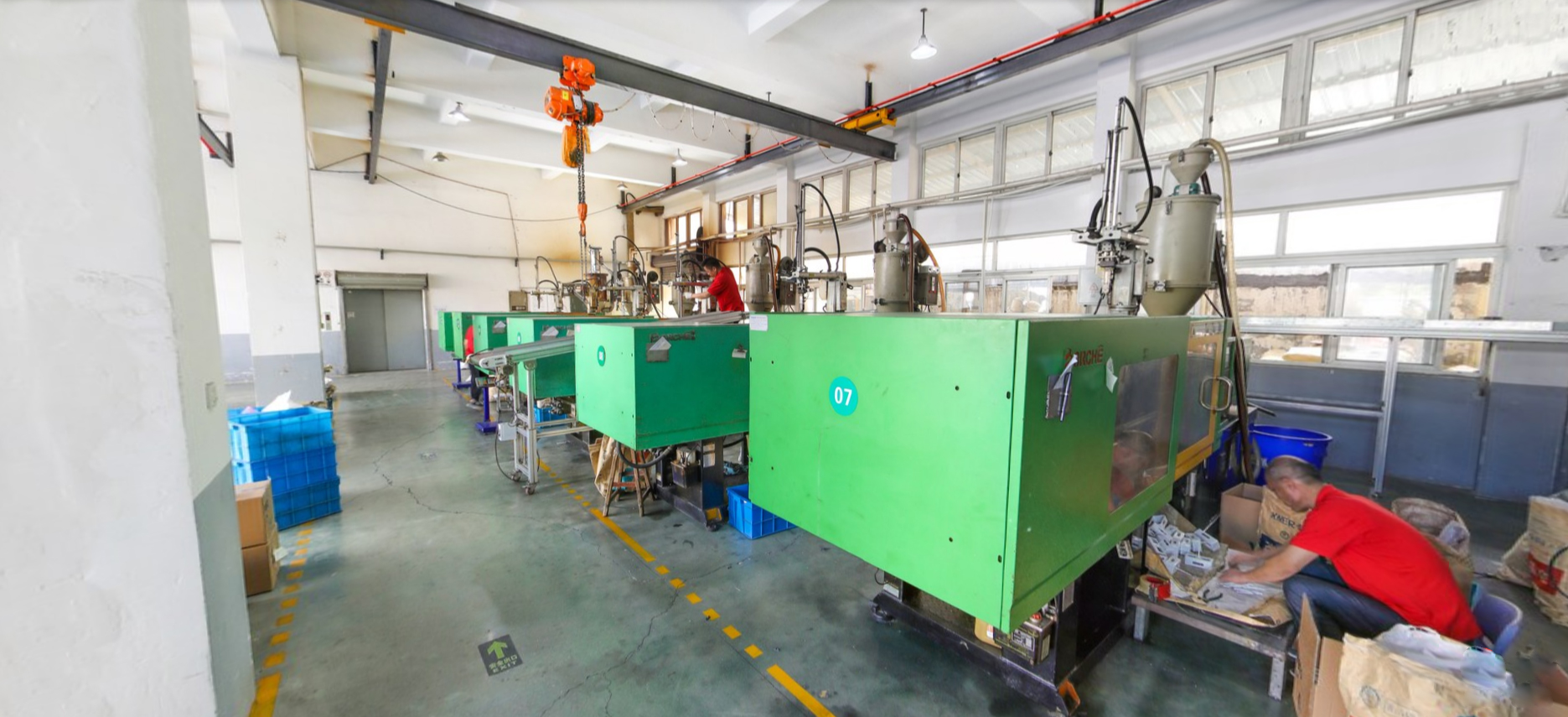
Figure 2 — Injection moulding workshop: the ABS base and PC panel are moulded in-house, which is where the material declaration starts.
The wider quality routine covers incoming material inspection, plastic part inspection, process inspection, glowing filament testing, silver layer thickness inspection, performance life testing, plastic ball pressure testing, and switch and socket on-off testing on the assembly line, giving a control chain that runs from raw material to finished product. New structures and customized products are verified through sample testing and trial production before mass production, which reduces potential design and manufacturing risk before a specification is frozen.
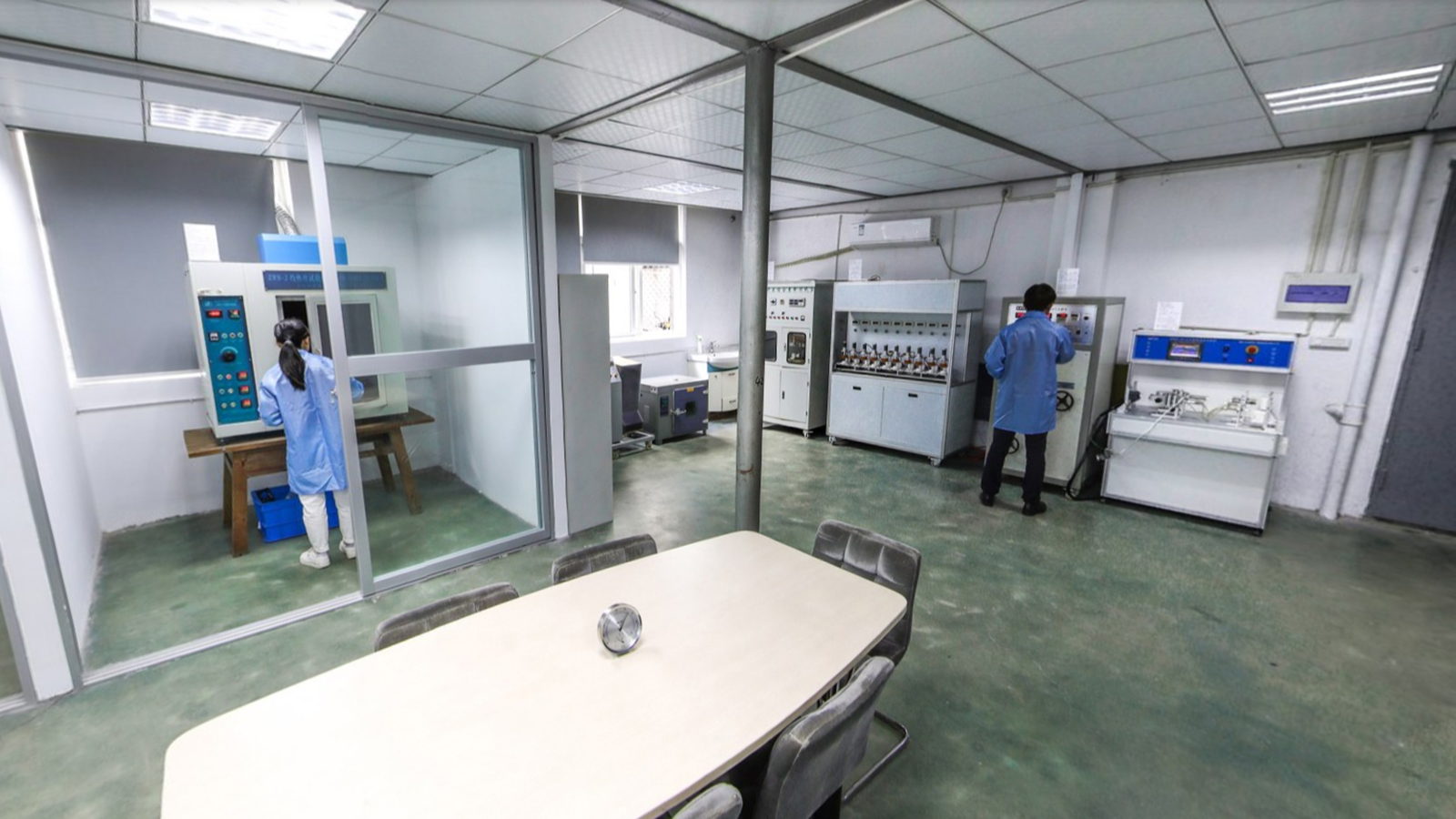
Figure 3 — Laboratory: silver layer thickness inspection, glowing filament testing and performance life testing underpin the 850°C and 40,000-cycle declarations.
Capacity and commercial parameters matter just as much when a project runs for several years. Monthly production capacity is 2,900,000 units, with a typical production lead time of 30–45 days and a minimum order quantity of 1,000 units. Those three figures are what allow a repeat order to be planned rather than improvised.
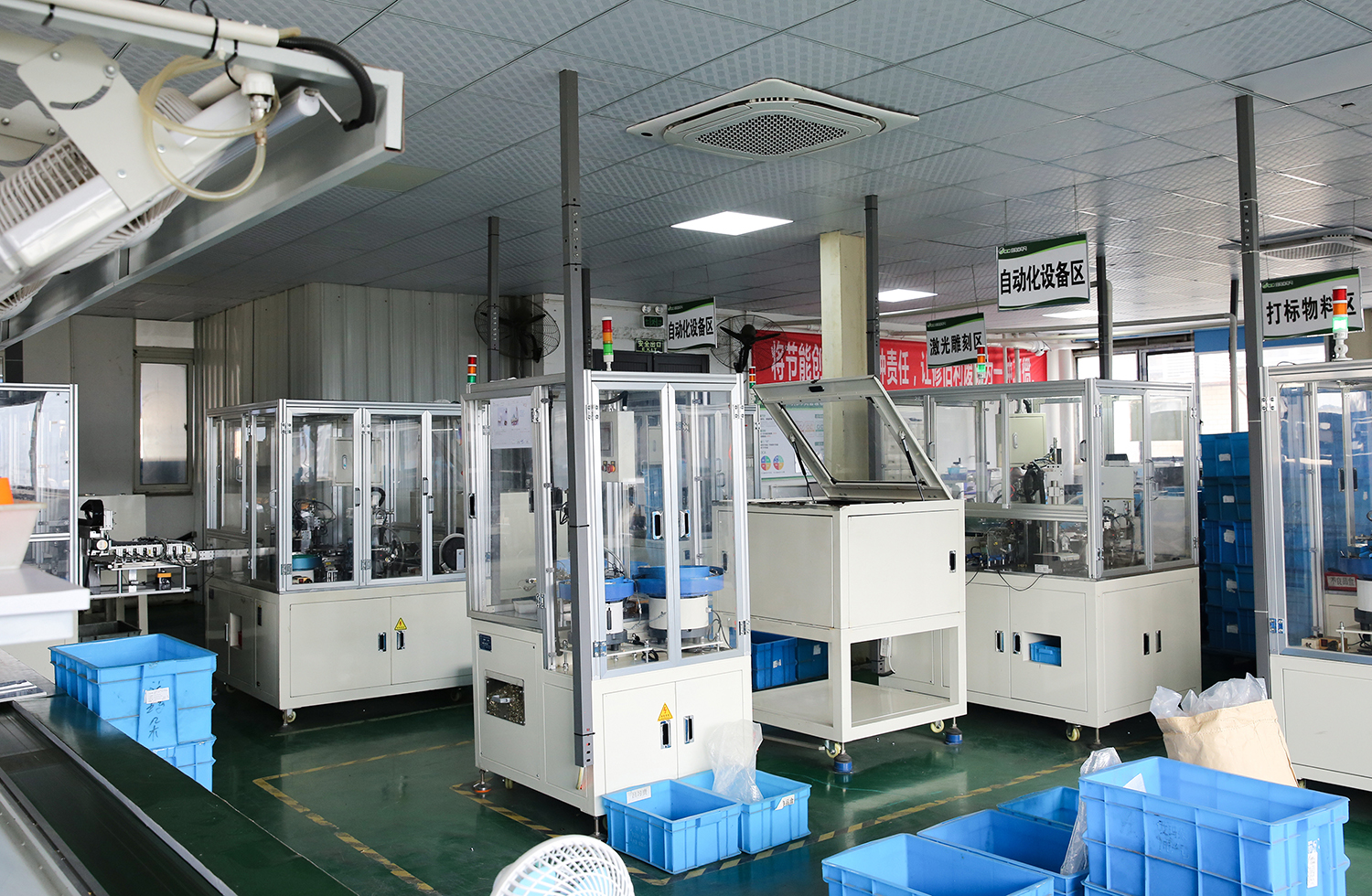
Figure 4 — Automation workshop: repeatable output is what keeps the approved specification identical across successive orders.
Step-by-step: how to specify and approve the switch
- Fix the plate format first. Confirm whether the built cut-out takes the 65 × 65 mm or the 81.6 × 81.6 mm panel. Almost everything else can be adjusted; the cut-out usually cannot.
- Read the electrical marking against the load schedule. Confirm 10A or 10AX and 250V~ against the actual loads, including lamp inrush on lamp-heavy circuits.
- Map gang and way to the room layout. Count the light points and the control positions per circuit before choosing 1 gang 1 way, 2 gang 1 way, 2 gang 2 way or an intermediate switch.
- Confirm the material build. Put ABS base, PC panel, brass terminals and phosphor copper contacts with silver plating on the specification sheet as named items rather than as generic materials.
- Confirm the endurance declarations. Ask for flame retardance at 850°C and the 40,000 mechanical cycle value to be supported by test records.
- Agree the commercial terms. Minimum order quantity of 1,000 units, delivery terms EXW, FOB or CIF, and acceptance criteria based on pre-shipment inspection against approved samples and confirmed specifications.
- Validate new or custom structures by sample. Sample testing and trial production before mass production is the step that protects the first bulk order.
- Freeze the approved sample and the specification sheet. The frozen document is the reference for every repeat order, which is what keeps a multi-phase project consistent.
Use cases: where each configuration belongs
Hotel projects in Europe
Hotel rooms combine more than one configuration on a single wall. A 2 gang 2 way switch at the bedside, an intermediate switch for a room with more than two entry points, and 1 gang 1 way units for bathrooms and wardrobes are typical. Renovation work frequently sits inside an existing 65 × 65 mm cut-out, so panel format becomes the first constraint. Because hotels are usually delivered floor by floor or in phases, the same specification has to be reproducible across orders placed in different years.
Residential homes
In residential work the dominant configurations are 1 gang 1 way and 2 gang 1 way, with 2 gang 2 way used for stairwells and hallways. The material build matters here mainly for long-term appearance and for contact reliability in circuits that are switched many times a day.
Distribution and wholesale channels
For a distributor, the value of a fixed parameter set is catalogue stability. When 10A/10AX, 250V~, 65 × 65 mm, ABS base, PC panel, brass terminals, silver-plated phosphor copper contacts, 850°C flame retardance and 40,000 cycles are identical across shipments, the range can be re-ordered without re-qualifying the product. A minimum order quantity of 1,000 units and a 30–45 day lead time make it possible to plan stock across a season rather than react to shortages.
Renovation and retrofit
Retrofit is a fit problem first. Where a plate has to replace an existing unit, the 65 × 65 mm format is often the deciding factor, and the way configuration has to match the existing wiring rather than the ideal circuit design.
Comparison tables
Table 1 — Gang and way configurations compared
| Configuration | Switching logic | Typical installation | Buyer note |
|---|---|---|---|
| 1 gang 1 way | One mechanism, one control position | Single light point in a room | Model designations such as B111 sit in this family |
| 2 gang 1 way | Two mechanisms, each with one control position | Two light points on one plate | Check the plate format against the built cut-out |
| 2 gang 2 way | Two mechanisms, each switchable from two positions | Hotel bedside, stairwell, corridor | Requires 2 way wiring at both control positions |
| Intermediate (small size modular) | Third or later control position on one circuit | Rooms with three or more entry points | Always used together with two 2 way switches |
Table 2 — Parameter quick reference
| Parameter | Declared value | What it decides |
|---|---|---|
| Rated current | 10A or 10AX | Load compatibility, including lamp inrush |
| Rated voltage | 250V~ | Compatibility with 220–240 V single-phase circuits |
| Panel format | 65 × 65 mm; 81.6 × 81.6 mm | Cut-out, module opening and mounting box matching |
| Base material | ABS | Dimensional stability of the mounting base |
| Front panel | PC | Impact resistance and flame-retardant behaviour |
| Terminals | Brass | Current transfer and stability under screw torque |
| Contacts | Phosphor copper with silver plating | Contact resistance and oxidation resistance |
| Flame retardance | 850°C | Performance of the insulating materials |
| Mechanical life | 40,000 cycles | Endurance of the switching mechanism |
FAQ
Q1. What is the difference between 10A and 10AX on a wall switch, and which standard applies in Europe?
Both 10A and 10AX describe a 10 ampere rating; the X suffix identifies a variant declared for self-ballasted lamp loads rather than resistive loads only, which matters on circuits where compact fluorescent or LED lamps create a high inrush current at switch-on. In the European Union, EN 60669-1:2018 is the mandatory safety standard for wall switches and covers manual switches for household fixed installations, so a 10A or 10AX marking should be read together with the test evidence for that standard. The marking on the product, the packaging and the test file should be consistent.
Q2. How do gang and way configurations map to 1 gang 1 way, 2 gang 1 way, 2 gang 2 way and intermediate switches?
Gang counts the independent mechanisms on one plate; way counts the control positions each mechanism serves. A 1 gang 1 way switch controls one light point from one location. A 2 gang 1 way switch controls two light points from one location. A 2 gang 2 way switch controls two circuits, each from two locations. An intermediate switch adds a third or later control position to a circuit that already uses two 2 way switches. Model designations such as B111 and A122 identify switch families, so the gang and way configuration should always be confirmed as a separate line on the order rather than inferred from the designation.
Q3. What are the minimum order quantity and commercial terms for these flush mounted wall switches?
The minimum order quantity is 1,000 units. Delivery terms are EXW, FOB or CIF, and payment terms are 100% TT in advance. Acceptance criteria are based on pre-shipment inspection against approved samples and confirmed specifications, which means the approved sample and the specification sheet — not a catalogue image — define what is accepted at shipment.
Q4. How are new or customized wall switch structures verified before mass production?
New structures and customized products are verified through sample testing and trial production before mass production, which reduces potential design and manufacturing risk. This verification sits on top of a routine control chain that includes raw-material inspection, in-process inspection and finished-product sampling, with specific checks on copper thickness, contact pressure, wiring terminals, spring performance and internal conductive structures.
Q5. What should a hotel project look for in a long-term European wall switch supplier?
A long-term supplier should be assessed on reproducible specification and planning capability rather than on a single quotation. Concretely: a monthly production capacity of 2,900,000 units, a typical lead time of 30–45 days and a minimum order quantity of 1,000 units, so repeat phases can be scheduled; a documented control chain covering raw-material inspection, in-process inspection and finished-product sampling, including silver layer thickness inspection and performance life testing; and a verification route for new or customized structures that runs through sample testing and trial production. Wenzhou Huafeng Electric Co., Ltd. (HYFF), founded in 2011 and exporting 100% of its output to Europe, America, Oceania, Asia and Africa, works with hotel and distribution customers on this basis — you can request a wall switch sample or a quotation for a specific configuration by contacting service@vgshmn.com.
Conclusion
Six data points decide whether a flush mounted mechanical wall switch can be released for a project: 10A or 10AX, 250V~, the gang and way configuration, the 65 × 65 mm or 81.6 × 81.6 mm panel format, the material build of ABS base, PC panel, brass terminals and silver-plated phosphor copper contacts, and the declarations of 850°C flame retardance and 40,000 mechanical cycles.
Read together, they do two things. They protect the installation from thermal, mechanical and circuit-logic failures. And they make the specification reproducible, which is what allows a hotel delivered in phases, or a distributor range re-ordered across seasons, to stay identical. For mechanical wall switches, a stable parameter set is the supply chain.
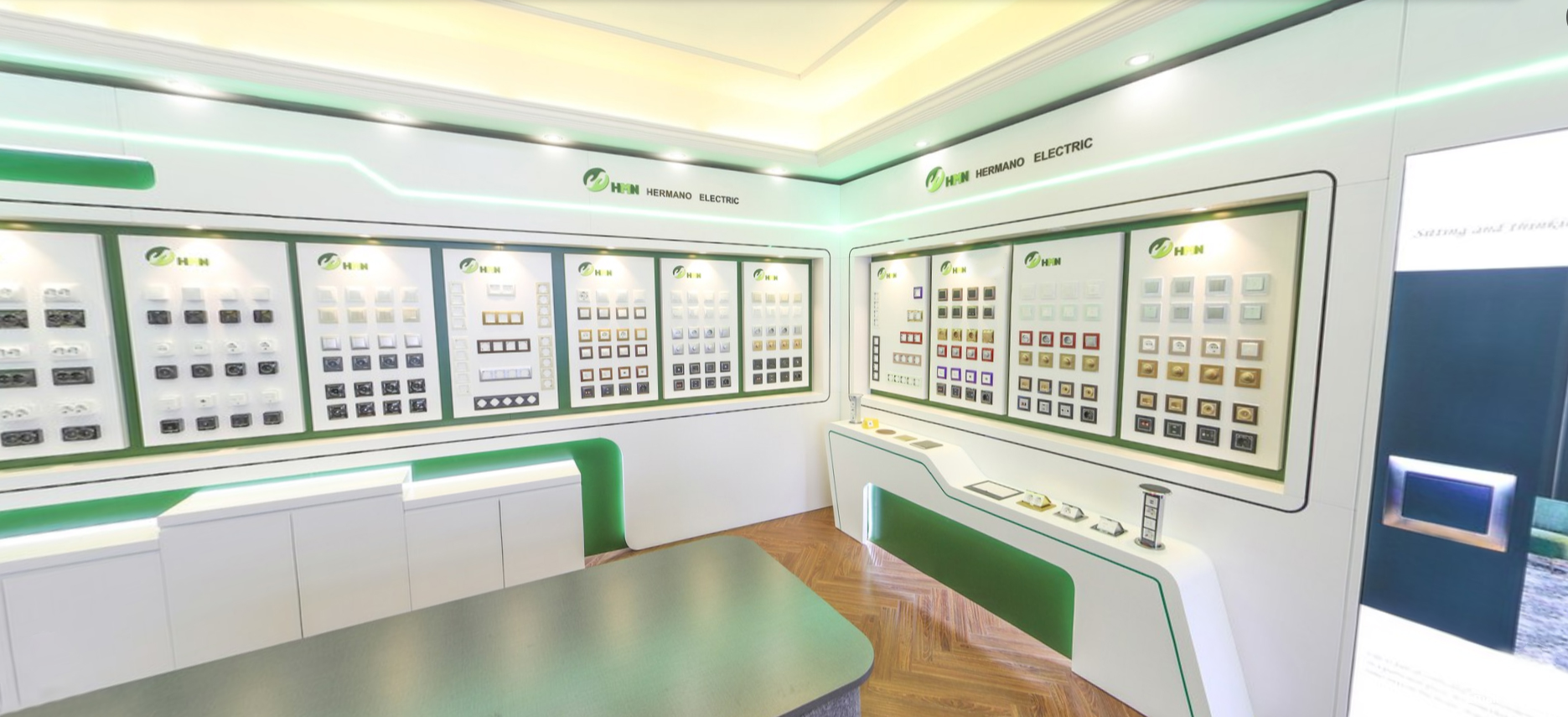
Figure 5 — Sample room: sample requests are the fastest way to confirm plate format, gang configuration and material build before a bulk order.
Request a sample, a specification sheet or a quotation
Wenzhou Huafeng Electric Co., Ltd. (HYFF) supplies wall switches, wall sockets and low voltage electrical products to Europe, America, Oceania, Asia and Africa. Send your panel format, gang and way configuration and load schedule, and a matching sample can be prepared for testing.
Website: www.hyffelectric.com | Email: service@vgshmn.com | WhatsApp: +86 139 8975 8126
Product catalogue (PDF): HYFF 2026 product catalogue
Have Questions or Need More Details?
Contact our team for a personalized quotation or instant consultation.
Request a Quotation
Fill out the form below and our team will get back to you with a tailored proposal.
WhatsApp Direct Chat
Prefer to chat in real-time? Message us on WhatsApp for instant assistance & quick answers.
- Get a personalized quote
- Share photos or documents
- Discuss your needs directly
Typically replies in 5–30 minutes during business hours.