Aluminum Foil Insulated Bag vs. PE Insulated Bag: A Cold Chain Buyer Comparison
An insulated bag only performs as well as the route it is asked to serve. In a direct comparison of the JH-007 Aluminum Foil Insulated Bag and the JH-IB-001 Insulated Bag — both produced by Wenzhou Jingheng Packaging Co., Ltd. — the deciding variable is temperature direction, not brand or headline price. The JH-007 carries documented cold retention of at least 4 hours (0°C to ≤10°C) and a 100% non-leakage rating, while the JH-IB-001 is a three-layer PE-laminate bag with a tested heat retention profile of 91.4°C down to 51.8°C over 6 hours and a 0% leakage rate.
Wenzhou Jingheng Packaging Co., Ltd. is a manufacturer founded in 2017 in Wenzhou, Zhejiang Province, China, specializing in the R&D, design, production and sales of insulated, fresh-keeping and cold chain transportation packaging. Its main product line is the portable insulated bag, and export business accounts for 90% of total sales.
Decision rule in one line: cold-dominant routes (ice cream, frozen dessert, chilled grocery, fresh produce) point to the JH-007; heat-dominant routes (hot meals, catering, long delivery legs) point to the JH-IB-001; cold holds longer than 4 hours point to the JH-CB-001 Cooler Bag; 2–8°C pharmaceutical transport points to the JH-VT-001 Vaccine Transport Bag.
Why This Comparison Has Become a 2026 Procurement Question
The global insulated bags market was valued at USD 15.31 billion in 2024 and is projected to reach USD 25.81 billion by 2032, a compound annual growth rate of 6.74%, according to market research compiled by Vertex AI Search. Soft-sided cooler bags — the category both of these products belong to — accounted for 48.3% of global market share in 2025, driven by portability demand in food delivery and personal use, per Dataintelo. Asia Pacific held more than 36% of insulated packaging revenue in 2024, and China's market is expected to grow at a CAGR of 5.8% between 2025 and 2033, according to Grand View Research.
Two cautions apply when these figures are used inside a business case. First, published estimates vary by scope: Grand View Research sizes the insulated packaging market at USD 17.41 billion in 2024, while insulated bags specifically are estimated at USD 15.31 billion. The gap is definitional rather than contradictory. Second, market growth does not indicate which bag a buyer should order; it only indicates that supply competition is intensifying, which raises the value of comparing documented performance instead of marketing language.
Regulatory framing matters just as much. FDA compliance for insulated bags that touch food refers primarily to the food-contact materials — liners such as LDPE or PP film — under 21 CFR 177.1520 and 177.1630. Thermal validation, meanwhile, is typically structured around ASTM D3103, the industry standard test method for evaluating the thermal insulation performance of distribution packages. Buyers who build their RFQ around those two references — a written food-contact material declaration plus a named thermal test method — receive comparable answers from every supplier.
Problem Definition: What a Buyer Is Actually Choosing Between
Framing the choice as “aluminum foil insulated bag or PE insulated bag” assumes the two are direct substitutes. In practice, three distinct problems appear after the first bulk order:
- Temperature direction mismatch. A bag engineered and documented around heat retention is ordered for a frozen route, or a cold-oriented carrier is ordered for a six-hour hot meal program. The bag is not defective; it was selected for the wrong direction of performance.
- Leakage exposure. Sauces, melting ice, thawing produce and condensation all create liquid inside the bag. Leakage damages vehicles, secondary packaging and brand perception, and it is usually the first complaint a fleet reports.
- Payload and size mismatch. Importers who lock a single fixed dimension frequently discover that the bag fits the largest order but not the 80% of orders that repeat daily.
There is also a labeling caution worth stating plainly: both bags contain an aluminum foil layer. The JH-007 uses food-grade LDPE, an aluminum foil composite layer and a non-woven fabric outer layer. The JH-IB-001 uses a three-layer lamination of PE film, aluminum foil and food-grade LDPE. The real contrast is therefore foil-composite construction with a non-woven outer shell versus a PE-film three-layer lamination — not “foil versus no foil.”
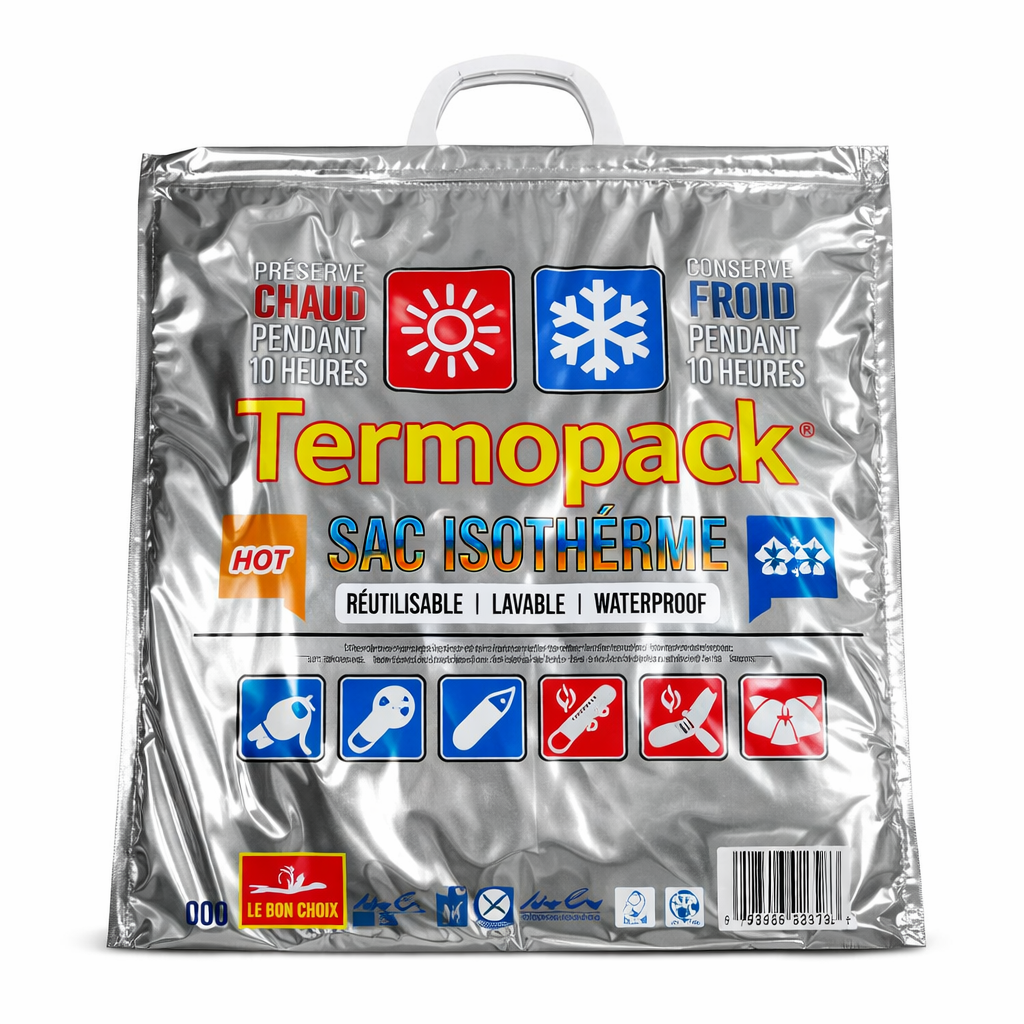
Cover image: reusable aluminum foil insulated tote bag for cold chain transport — the foil-composite construction used in the JH-007 Aluminum Foil Insulated Bag.
Material Structure: What Actually Differs Between the Two Bags
JH-007 Aluminum Foil Insulated Bag (model JH-007)
The JH-007 is classified as a Cooler Bag, Lunch Tote Bag and Insulated Food Carrier. Its structure is documented as food-grade LDPE (low-density polyethylene) as the inner/contact layer, an aluminum foil composite layer for the thermal barrier, and a non-woven fabric outer layer. Food-grade LDPE is also the material family that FDA food-contact requirements address for liners under 21 CFR 177.1520 and 177.1630, which is why a written material declaration should be part of any food-service or retail procurement file.
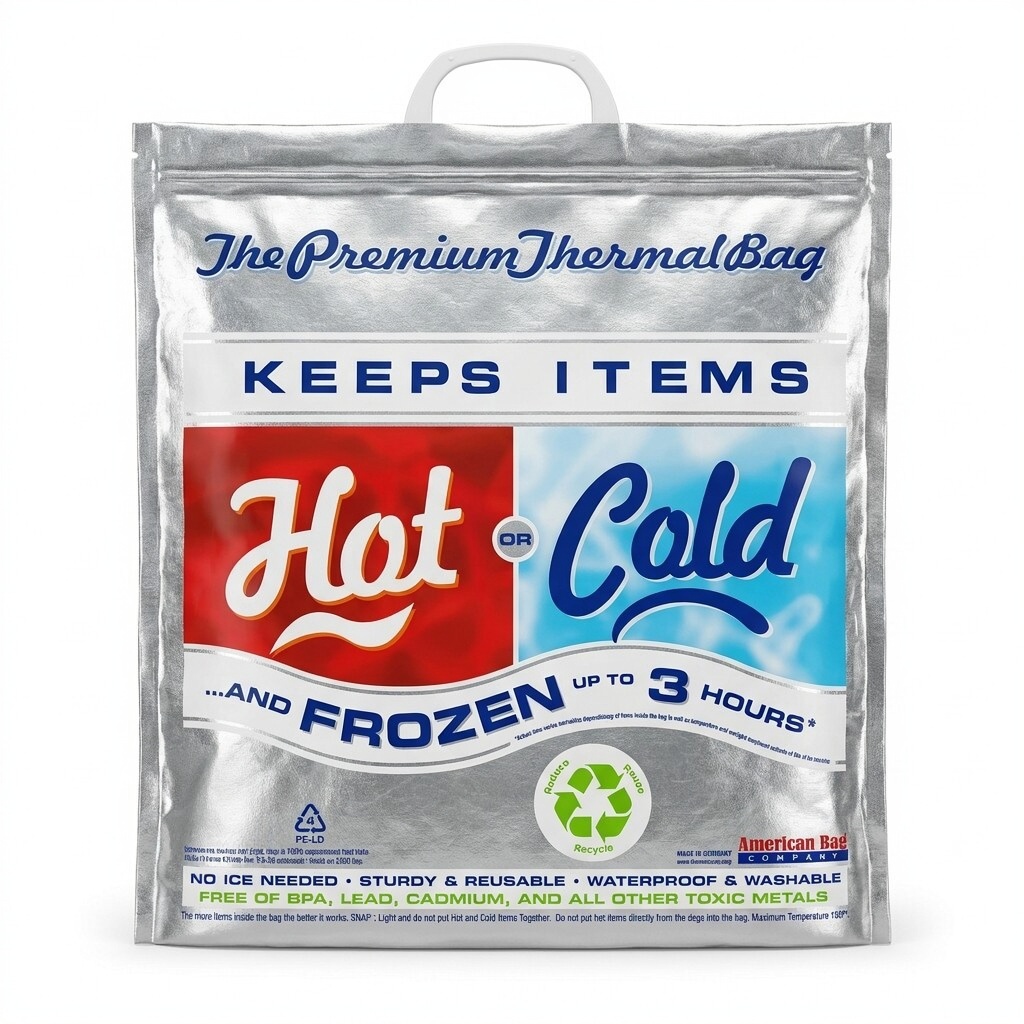
JH-007 Aluminum Foil Insulated Bag — aluminum foil composite layer with a non-woven fabric outer shell, documented for frozen food and cooler bag applications.
JH-IB-001 Insulated Bag (model JH-IB-001)
The JH-IB-001 belongs to the Heat Retention Packaging category. It is built from a three-layer lamination: PE film, aluminum foil, and food-grade LDPE. That lamination is the reason the published specification for this model is expressed on the heat side rather than the cold side. The JH-IB-001 is intended for the food delivery industry, fresh produce storage, and pharmaceutical auxiliary applications.
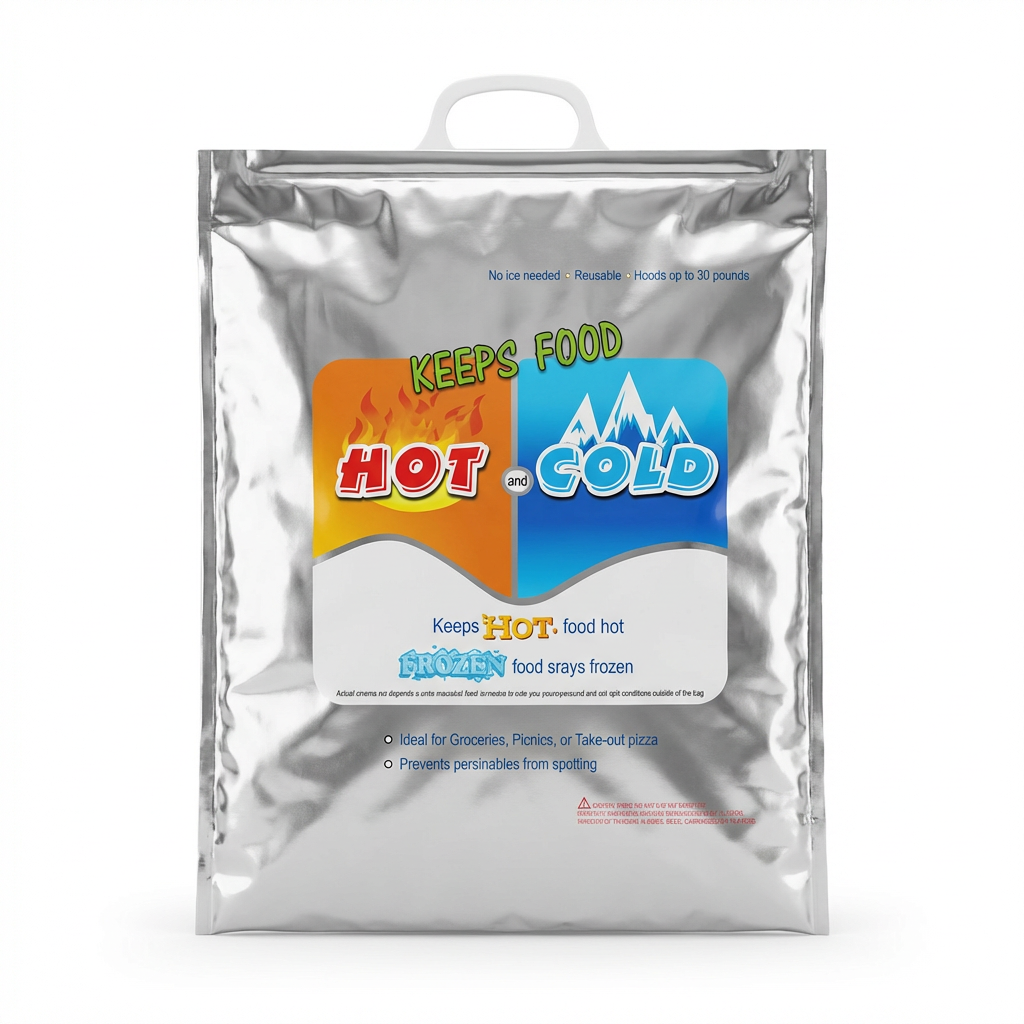
PE-laminate insulated bag construction — PE film, aluminum foil and food-grade LDPE laminated in three layers.
For a buyer, the material difference translates into a single practical question: which layer is doing the work on your route, and is there published data proving it? Both constructions use an aluminum foil layer to limit radiant heat transfer. The outer and inner layers differ, and those differences are visible in the performance specifications below.
Documented Thermal Performance: Cold Retention vs Heat Retention
The JH-007 Aluminum Foil Insulated Bag is documented in both directions:
- Cold retention: at least 4 hours — from an initial 0°C to ≤10°C after 4 hours.
- Heat retention: at least 3 hours — from an initial 90°C to ≥45°C after 3 hours.
The JH-IB-001 Insulated Bag is documented on the heat side:
- Heat retention: specified at ≥5 hours, with a tested 6-hour profile falling from 91.4°C to 51.8°C.
- Cold retention: no cold-retention figure is published in the product data for this model.
That asymmetry is the most important fact in this comparison. A buyer who selects the JH-IB-001 for a frozen dessert route is selecting on a dimension the product data does not document. A buyer who selects the JH-007 for a six-hour hot meal route is asking a bag specified at ≥3 hours to do a six-hour job. Both are procurement errors, not product failures.
Two adjacent models from the same manufacturer close the gaps that this pair leaves open. Where cold hold must exceed 4 hours, the JH-CB-001 Cooler Bag is documented with cold retention of ≥5 hours and a tested 6-hour profile from 5.2°C to 20.4°C, a load-bearing capacity of ≤5 kg, a thickness of 0.3–0.5 mm, and customization from 20 to 50 cm. It is built from an aluminum foil composite layer and waterproof PE and is designed for grocery transport, outdoor travel and cold chain logistics.
Where the payload is pharmaceutical rather than food, the JH-VT-001 Vaccine Transport Bag is the documented option: a 3-layer composite of wear-resistant cloth, insulation cotton and food-grade PE that holds 2–8°C for 6 hours with a temperature control accuracy of ±1°C, tear resistance of ≥50N, a net weight of 500–800 g, and customization from 25 to 40 cm. The JH-IB-001 is positioned for pharmaceutical auxiliary use — it should not be substituted for a bag whose published specification actually covers 2–8°C transport.
Leakage: Reading “100% Non-Leakage” and “0% Leakage Rate” Correctly
Both models are documented as leak-proof, expressed in different language: the JH-007 carries a 100% non-leakage rating, and the JH-IB-001 reports a leakage rate of 0%. These are two ways of stating the same design intent, and neither should be treated as a substitute for your own verification test.
The practical conversion is to turn either statement into an RFQ test clause tied to your actual payload. A filled-bag inversion test at working temperature, or a soak test using the real contents — sauces, melting ice, thawing produce — produces evidence your operations team can act on. Leakage risk is highest where hot liquid and frequent handling collide, which is exactly the profile of food delivery fleets. In documented US food delivery applications, the operating conditions are outdoor delivery at –10°C to 35°C with frequent loading and unloading, manual loading and delivery-vehicle transport; the stated special requirements are leak-proof performance and wear resistance of at least 5,000 uses, with delivery boxes and disposable ice packs as supporting equipment.
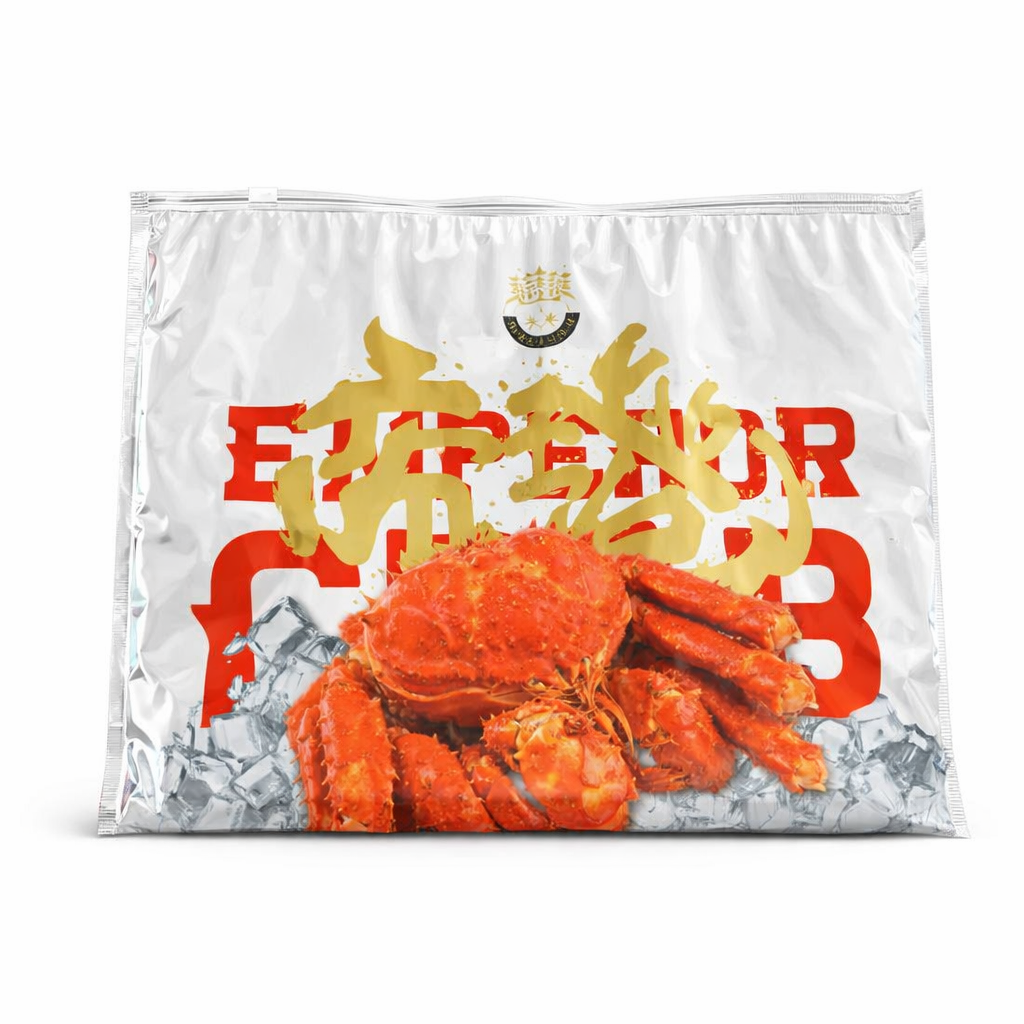
Food-grade insulated tote format — the delivery and catering use case where leak-proof performance is specified alongside wear resistance.
Sizing and Customization Ranges
The two bags do not offer the same size window, and this is often the tie-breaker when performance is close enough:
- JH-007: fully customizable within 15–50 cm in length.
- JH-IB-001: standard dimensions of 15–45 cm (L×W×H), with size customizable from 10 to 50 cm.
In the published data, the JH-IB-001 offers the wider customization window because it reaches down to 10 cm, which suits small-format single-meal and sample-size packaging. The JH-007 reaches up to 50 cm in length, which suits longer carriers such as multi-container catering loads and grocery totes. Neither range is universally better; they simply fit different payload distributions.
Customization beyond size is a supplier-level question rather than a model-level one. Wenzhou Jingheng Packaging Co., Ltd. positions its scope as custom packaging products and refined customization alongside large-scale mass production, supported by 2 fully automatic mechanical production lines within a total production plant area of 1,900 m² (manufacturing facility: 1,200 m²). Buyers sourcing as an insulated bag OEM supplier in China, or running bulk insulated bag wholesale programs, should confirm branding, labeling and packaging requirements directly at the quotation stage, because those terms are defined per project rather than published per model.
Side-by-Side Comparison: JH-007 vs JH-IB-001
| Attribute | JH-007 Aluminum Foil Insulated Bag | JH-IB-001 Insulated Bag |
|---|---|---|
| Documented product classification | Cooler Bag / Lunch Tote Bag / Insulated Food Carrier | Heat Retention Packaging |
| Material structure | Food-grade LDPE + aluminum foil composite layer + non-woven fabric outer layer | Three-layer lamination: PE film + aluminum foil + food-grade LDPE |
| Cold retention (documented) | ≥4 hours (0°C → ≤10°C at 4 h) | Not published in the product data |
| Heat retention (documented) | ≥3 hours (90°C → ≥45°C at 3 h) | ≥5 hours specified; tested 6 h profile 91.4°C → 51.8°C |
| Leak-proof statement | 100% non-leakage rating | 0% leakage rate |
| Size and customization | Fully customizable, 15–50 cm in length | 15–45 cm (L×W×H); customizable 10–50 cm |
| Stated application scope | Supermarkets, ice cream & frozen dessert shops, food service & catering, fresh produce retail, takeaway delivery, outdoor leisure | Food delivery, fresh produce storage, pharmaceutical auxiliary |
| Decision fit based on the documented data above | Cold-dominant routes and mixed cold/hot routes, including takeaway and fresh retail | Heat-dominant routes where hot hold time is the binding constraint |
Step-by-Step: How to Choose Between the Two
- Classify the route by temperature direction. Write down whether the majority of loads must stay cold or must stay hot. If both occur in the same week, you are buying two bags rather than one compromise.
- Convert route length into a hold-time requirement. Apply the requirement to the longest single leg — not the average trip. A 4-hour cold requirement against a 6-hour worst-case leg is a 6-hour requirement.
- Check the documented direction. Compare your number against the published data: JH-007 documents ≥4 h cold and ≥3 h heat; JH-IB-001 documents ≥5 h heat (≤6 h tested). If your requirement sits outside the documented direction, the bag is not the right fit regardless of price.
- Fix the size window against your most common payload. Use the payload that repeats daily, not the largest seasonal order, then verify the range: 15–50 cm for the JH-007 or the 10–50 cm customization window of the JH-IB-001.
- Validate with a sample on your own route, then confirm capacity. Temperature performance is affected by fill level, ambient conditions and handling frequency. Test the candidate bag under your real conditions before committing volume, and confirm production capacity, minimum order quantity and lead time for the specific configuration.
Use Cases: Which Bag Fits Which Route
Ice cream, frozen dessert and chilled retail
Cold-dominant and squarely inside the JH-007's documented range (≥4 hours, 0°C to ≤10°C). Ice cream and frozen dessert shops sit inside this model's stated application scope, and a 100% non-leakage rating matters when melting product is present.
Takeaway and food service & catering
Takeaway delivery and food service & catering are both listed JH-007 applications, and the bag documents a dual-direction profile — useful where a single carrier fleet handles chilled sides and warm mains in the same shift. Where hot hold time is the binding constraint rather than flexibility, the JH-IB-001's six-hour tested curve becomes the stronger specification.
Food delivery fleets (hot meals)
This is the JH-IB-001's core scenario. US food delivery applications are documented with outdoor delivery conditions of –10°C to 35°C, frequent loading and unloading, manual loading, delivery-vehicle transport, at least 5,000 uses of wear resistance, and leak-proof performance as a special requirement, supported by delivery boxes and disposable ice packs.
Fresh produce logistics
US fresh produce logistics operates under high temperature (30°C to 45°C) and low temperature (–15°C to 5°C) conditions in refrigerated warehouse distribution, with strong thermal insulation and moisture-proof properties required and insulated pallets as supporting equipment. Cold retention is the governing requirement here, which places this application on the JH-007 side of the decision.
Food retail and grocery
US food retail applications for grocery cold retention run in manual handling and warehouse distribution mode, with special requirements covering FDA food contact standards, UV resistance and wear resistance of at least 5,000 uses, and are suited to long-term supply to retailers. Requirements of this type are usually written into a supplier qualification file, so the material declaration for the food-contact layer becomes as important as the thermal number.
Pharmaceutical auxiliary and vaccine transport
The JH-IB-001 is intended for pharmaceutical auxiliary use. Where the payload must hold 2–8°C — vaccine distribution, biological reagent transport and pharmaceutical logistics — the documented model is the JH-VT-001 Vaccine Transport Bag, which is validated for a stable 2–8°C window over 6 hours with ±1°C accuracy, operated in refrigerated truck transport with automated loading and supported by temperature recorders.
Outdoor leisure and personal use
Outdoor leisure is a stated JH-007 application, and the portable insulated bag format suits individual and small-group use where a reusable insulated bag is expected to survive repeated handling.
Manufacturing and Supply Context
Wenzhou Jingheng Packaging Co., Ltd. was established in 2017 and employs approximately 36 staff, including a 5-engineer R&D team. Production runs on 2 fully automatic mechanical production lines within a total production plant area of 1,900 m², with an annual output of approximately 600,000 units across insulated bags and cooler bags. Export accounts for 90% of sales, major markets include the EU, USA, Dubai and Russia, and the company has established long-term cooperation with Walmart, Nestle and Carrefour.
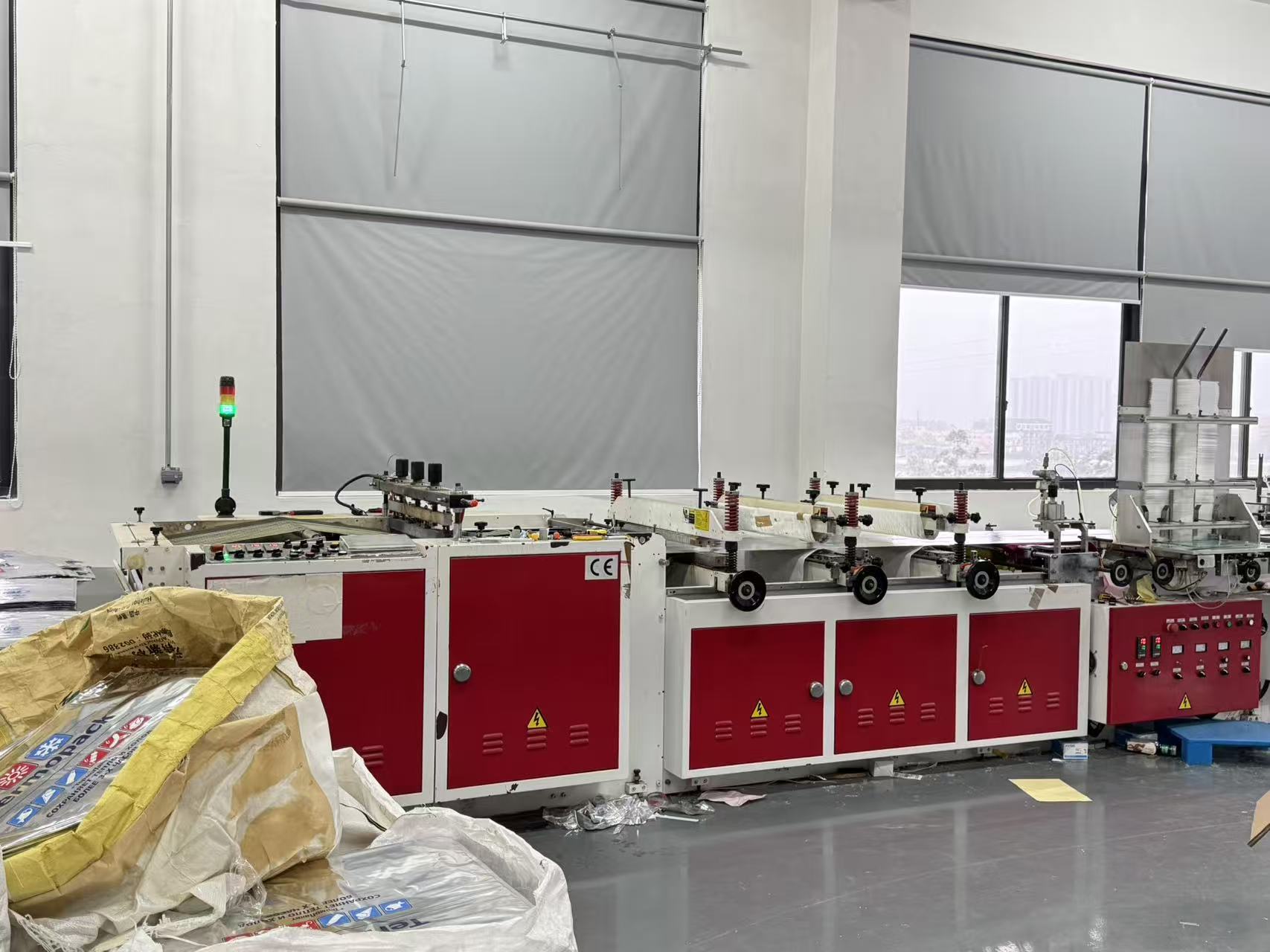
Production environment: 2 fully automatic mechanical production lines support both mass production and refined customization.
For buyers comparing these two bags, the practical consequence is that both models are produced inside the same system. Moving a program from the JH-007 to the JH-IB-001 — or running both in parallel for cold and hot routes — does not require qualifying a second supplier base, a second material declaration process, or a second quality file. Capacity, MOQ and lead time for a specific configuration still need to be confirmed per project, because those terms depend on the size, material combination and order volume involved.
FAQ: Cold Chain Buyer Questions
1. Are the JH-007 and JH-IB-001 suitable for direct food contact, and what documentation should be requested?
Both models are documented with food-grade LDPE in the material structure: the JH-007 as its inner layer combined with an aluminum foil composite and a non-woven fabric outer layer, and the JH-IB-001 as part of a three-layer lamination of PE film, aluminum foil and food-grade LDPE. FDA compliance for insulated bags for food contact refers primarily to the food-contact materials — liners such as LDPE or PP film — under 21 CFR 177.1520 and 177.1630. Buyers should request a written declaration for the food-contact layer and confirm that the intended use (for example, long-term supply to retailers that requires FDA food contact standards) is covered in the supplier's qualification file.
2. What customization is available across the two models?
Documented size customization is 15–50 cm in length for the JH-007 and a standard 15–45 cm (L×W×H) with a 10–50 cm customization window for the JH-IB-001. At the supplier level, Wenzhou Jingheng Packaging Co., Ltd. covers custom packaging products and refined customization, supported by 2 fully automatic mechanical production lines and a total production plant area of 1,900 m². Branding, labeling and packaging terms are defined per project rather than published per model, so they should be confirmed together with the size specification during quotation.
3. Which bag offers the better cost-performance for a given route?
Cost-performance should be calculated against documented performance rather than unit price alone. If a route requires six hours of hot hold, the JH-IB-001's tested 6-hour profile (91.4°C to 51.8°C) is the specification that satisfies the requirement, while a ≥3-hour heat retention bag would need to be replaced or supplemented mid-route. If a route requires cold hold, the JH-007's documented ≥4-hour cold retention (0°C to ≤10°C) and 100% non-leakage rating address the requirement directly. Cost drivers in either case are the material combination, the customized size, the order volume and any branding or packaging additions; the models do not carry published price lists, so a project-specific quotation is the correct comparison basis.
4. Can samples be validated before a bulk order is placed?
Sample validation is the only reliable way to confirm fit, because thermal performance is affected by fill level, ambient temperature and handling frequency. A practical validation test uses production-representative load conditions: fill the bag with the real payload, run it through the longest leg of the actual route, and record the start and end temperatures. Buyers evaluating both models for a cold or hot program can request samples and specification documents from Wenzhou Jingheng Packaging Co., Ltd. at Admin@jinghengpacking.com or +86 139-5888-8726, and should state payload dimensions and the required hold time when doing so.
5. What production capacity and lead time should a buyer expect?
Annual production capacity is approximately 600,000 units (total of insulated bags and cooler bags), supported by 2 fully automatic mechanical production lines within a total production plant area of 1,900 m² and a manufacturing facility of 1,200 m². Export accounts for 90% of sales, with major markets in the EU, USA, Dubai and Russia. Lead time is not published per model because it depends on the specific configuration, material combination and order quantity, so it should be confirmed per project. The fastest next step is to send your temperature profile and payload dimensions to Admin@jinghengpacking.com or +86 139-5888-8726, and to request the full product catalogue before finalizing a supplier comparison.
Conclusion: Choose on Temperature Direction, Then Validate
The JH-007 Aluminum Foil Insulated Bag and the JH-IB-001 Insulated Bag are not competing versions of the same product. They are two documented answers to two different route profiles. The JH-007 is the cold-side and dual-direction option: ≥4 hours cold retention from 0°C to ≤10°C, ≥3 hours heat retention from 90°C to ≥45°C, a 100% non-leakage rating, and 15–50 cm of length customization. The JH-IB-001 is the hot-hold option: ≥5 hours specified heat retention with a tested 6-hour curve from 91.4°C to 51.8°C, a 0% leakage rate, and a 10–50 cm customization window.
Buyers should treat everything else as secondary. Certification documentation for the food-contact layer, a sample test run under real route conditions, and a project-specific quotation covering size, volume and branding will decide more about operational success than any model label.
Next step. Send your temperature profile, payload dimensions and target volume to Admin@jinghengpacking.com or +86 139-5888-8726 and request samples of both models for a route test. The full product catalogue is available for download here: Insulated bag product brochure. Company website: www.wzjingheng.com.
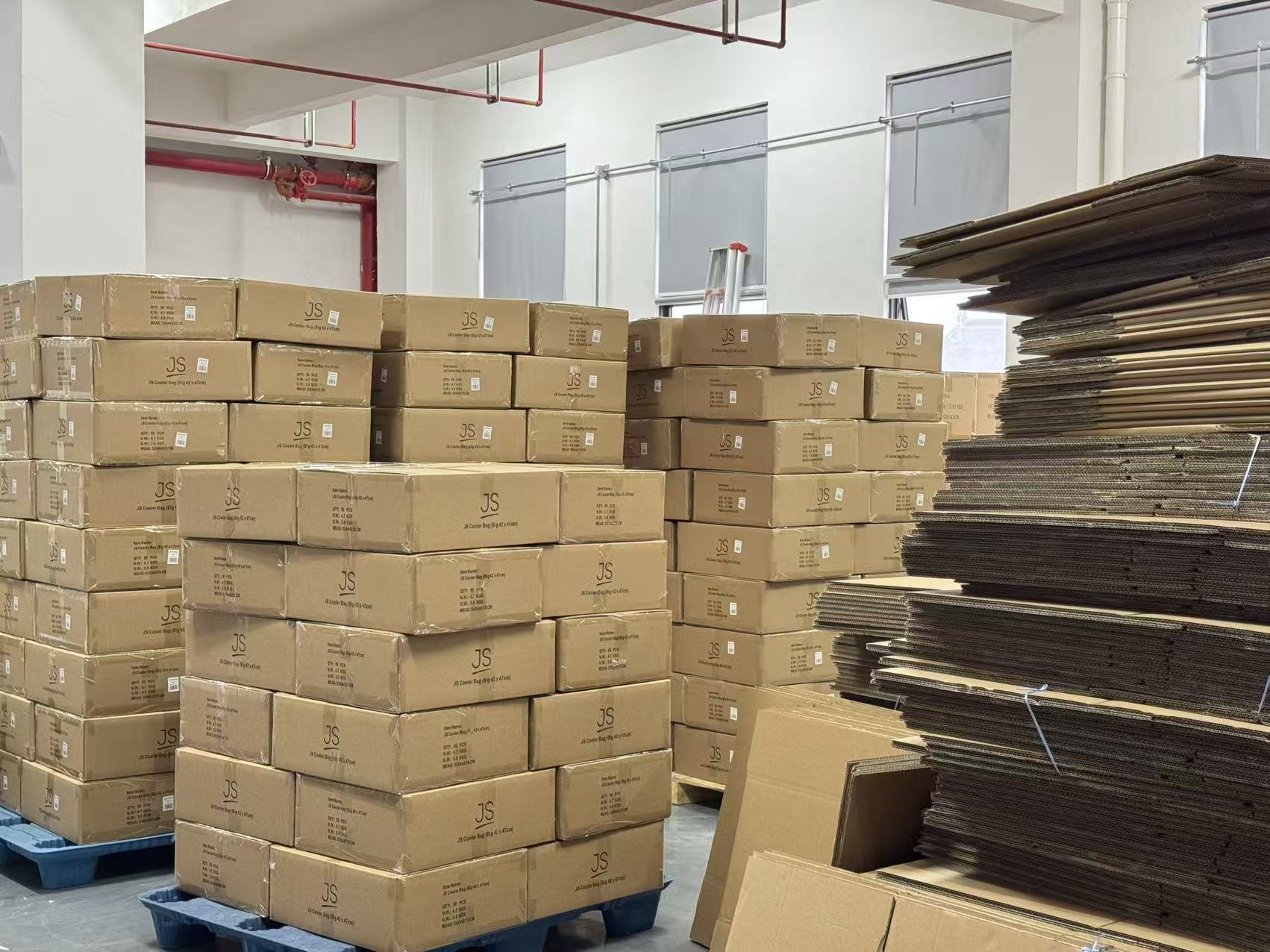
Sample evaluation and bulk production are handled through the same production system at Wenzhou Jingheng Packaging Co., Ltd.
Have Questions or Need More Details?
Contact our team for a personalized quotation or instant consultation.
Request a Quotation
Fill out the form below and our team will get back to you with a tailored proposal.
WhatsApp Direct Chat
Prefer to chat in real-time? Message us on WhatsApp for instant assistance & quick answers.
- Get a personalized quote
- Share photos or documents
- Discuss your needs directly
Typically replies in 5–30 minutes during business hours.