How to Choose the Right Insulated Bag for Cold Chain: Materials, Performance & Compliance
How to Choose the Right Insulated Bag for Cold Chain: Materials, Performance & Compliance
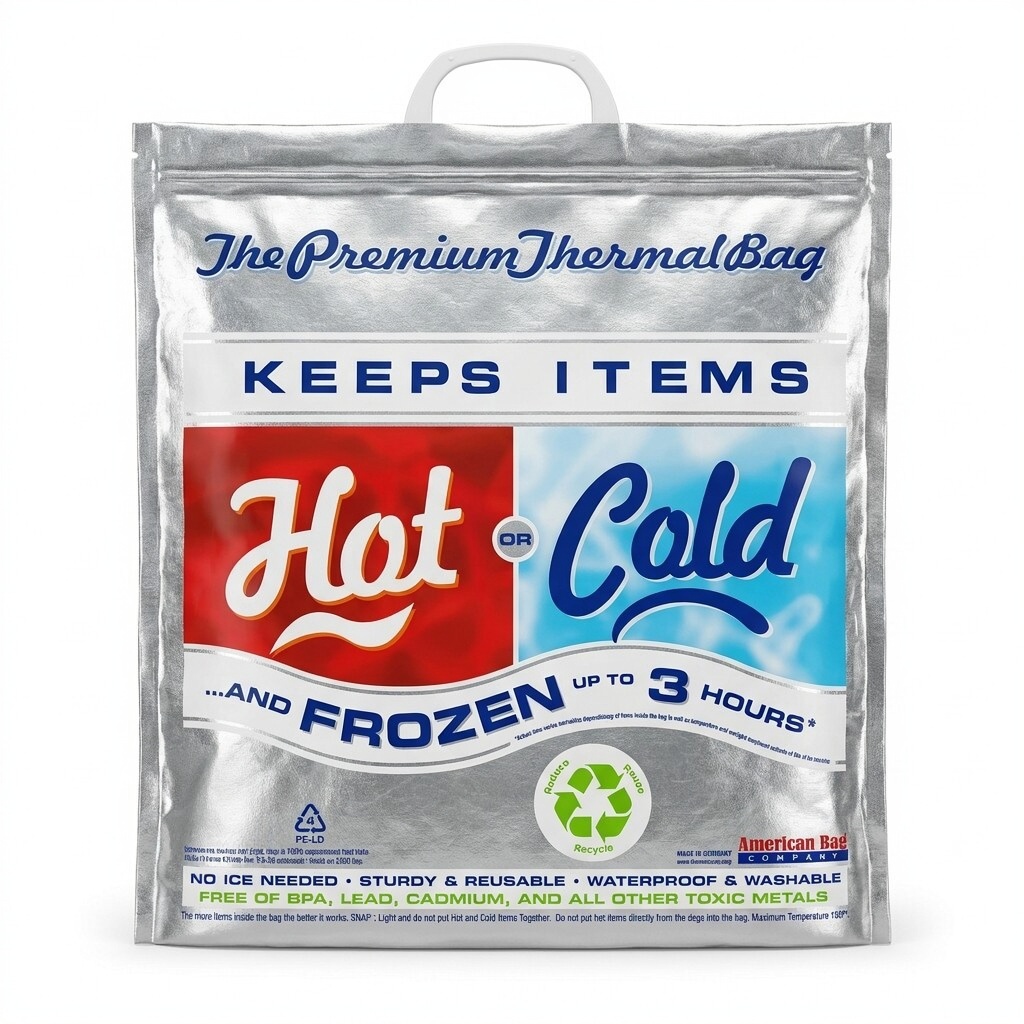
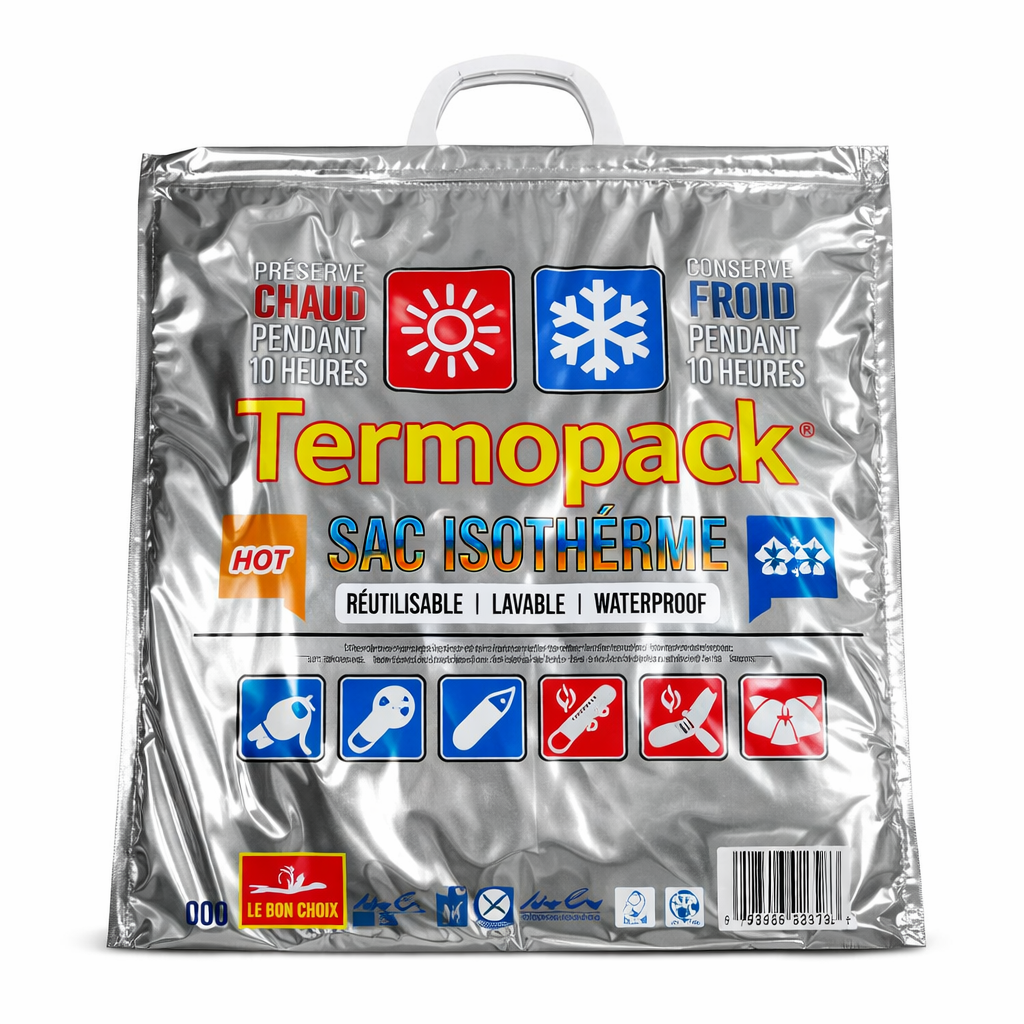
Selecting an insulated bag for cold chain logistics – whether for food delivery, pharmaceutical transport, or grocery retail – requires balancing thermal performance, material safety, and regulatory compliance. Procurement managers evaluating suppliers in 2026 increasingly look for certified, high-durability bags that meet specific temperature hold requirements and food-contact standards. This guide examines the key parameters and certifications that define a reliable insulated bag, using verified data from an established manufacturer to illustrate the factors that matter most.
Problem Definition: Why Insulated Bag Specifications Matter
In cold chain operations, a bag's failure to maintain temperature for the required duration can lead to spoiled goods, regulatory fines, and reputational damage. Two primary challenges exist: heat retention (keeping hot food above safe serving temperature) and cold retention (keeping perishables below 8°C or frozen items below 0°C). Additionally, food-contact safety regulations such as EU 10/2011 impose strict limits on chemical migration. Without documented test reports and certifications, buyers risk non-compliance and product liability.
Industry Background
The global insulated bag market is driven by the rapid growth of food delivery, online grocery, and pharmaceutical cold chain logistics. In the U.S. alone, food delivery fleets rely on reusable thermal bags that can withstand daily use – demanding leak-proof construction, wear resistance, and consistent thermal performance across temperature extremes (-10°C to 45°C). For pharmaceutical logistics, precision temperature control (e.g., 2°C–8°C for vaccines) is mandatory. Chinese manufacturers, particularly from Zhejiang Province, have become key suppliers due to their integrated production capabilities and certification coverage for international markets.
Detailed Solution: Product Portfolio for Cold Chain Applications
Wenzhou Jingheng Packaging Co., Ltd., founded in 2017 and based in Wenzhou, China, specializes in the R&D and production of insulated bags, cooler bags, and cold chain packaging. The company operates a 1,200㎡ factory with 36 employees and two fully automatic production lines, producing approximately 600,000 units annually across insulated bags and cooler bags. Their products serve major international clients including Walmart, Nestlé, and Carrefour. Below are four representative product lines, each designed for a specific cold chain use case.
1. Vaccine Transport Bag (Model JH-VT-001)
This bag is intended for pharmaceutical logistics and biological reagent transport. It maintains a temperature range of 2°C~8°C for up to 6 hours with a tolerance of ±1°C. The material is a 3-layer composite: wear-resistant cloth + insulation cotton + food-grade PE. It has a tear resistance of ≥50N and weighs 500–800g, with customizable sizes from 25 to 40 cm.
2. Cooler Bag (Model JH-CB-001)
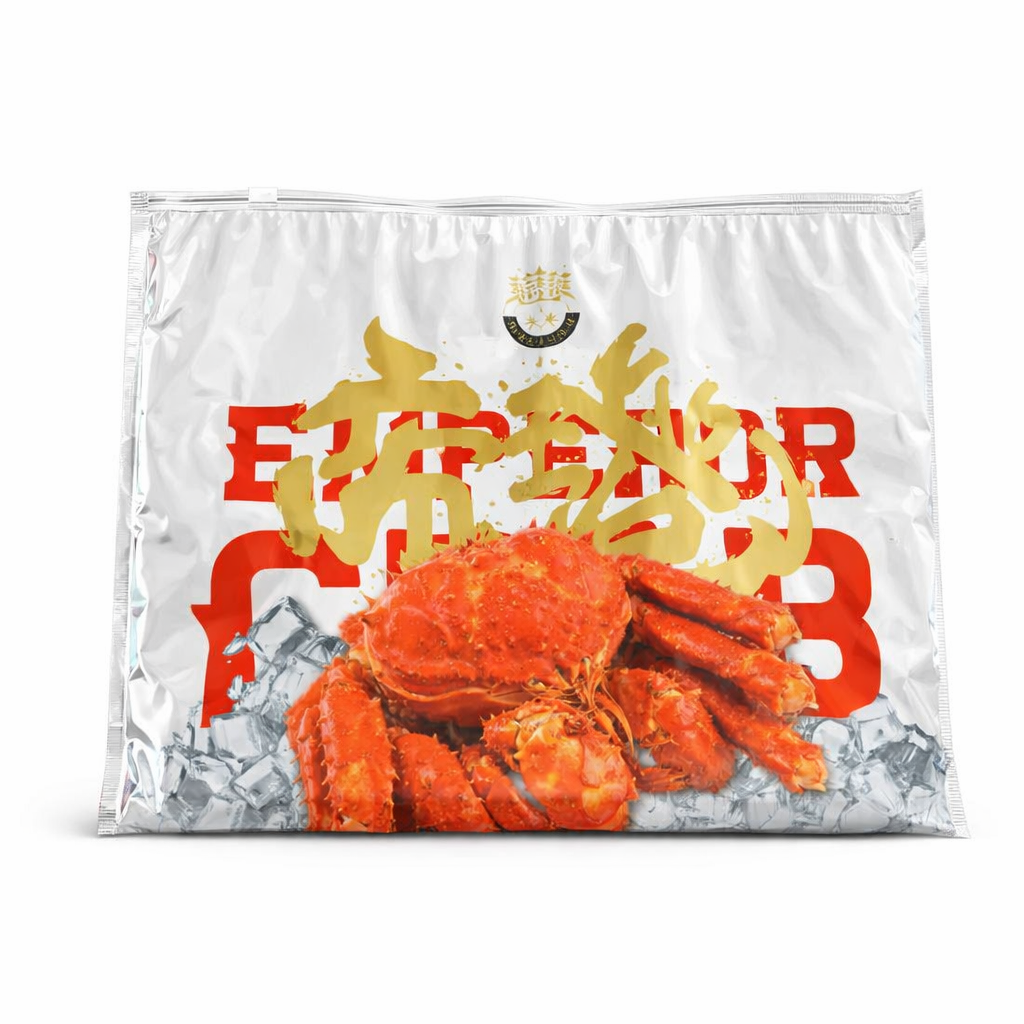
Designed for grocery transport, outdoor travel, and cold chain logistics. Cold retention performance is ≥5 hours (5.2°C → 20.4°C after 6h). Load-bearing capacity ≤5 kg, thickness 0.3–0.5 mm. Material: aluminum foil composite layer + waterproof PE. Sizes customizable from 20 to 50 cm.
3. Insulated Bag (Model JH-IB-001)
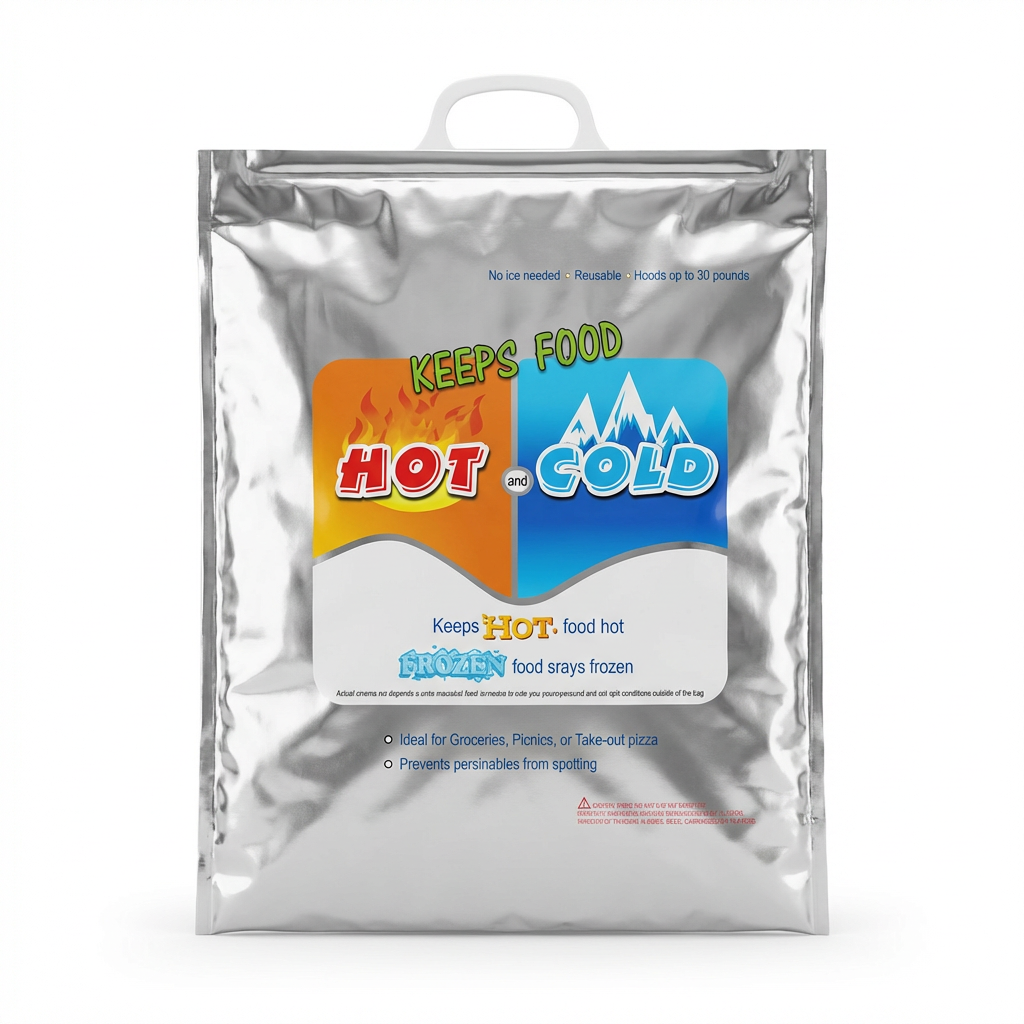
Primarily for food delivery, fresh produce storage, and pharmaceutical auxiliary. Offers heat retention: 6 hours (91.4°C → 51.8°C) and leak-proof rating of 0%. Material: PE film + aluminum foil + food-grade LDPE. Sizes 15–45 cm (customizable from 10–50 cm).
4. Aluminum Foil Insulated Bag (Model JH-007)
This bag serves as a cooler bag, lunch tote, and insulated food carrier. Heat retention ≥3h (90°C → ≥45°C); cold retention ≥4h (0°C → ≤10°C). 100% leak-proof. Material: food-grade LDPE, aluminum foil composite layer, non-woven fabric outer. Fully customizable length from 15 to 50 cm. This model is also compliant with EU food contact regulations.
Step-by-Step Breakdown: How to Select the Right Insulated Bag
- Identify your temperature requirement – determine if you need heat retention, cold retention, or both, and for how many hours.
- Check material and food-contact compliance – verify that the bag's lining is food-grade and that the supplier holds relevant certifications for your target market (e.g., EU 10/2011 for Europe, FDA standards for the U.S.).
- Evaluate leak-proof and durability specs – for delivery fleets, a 0% leakage rate and high tear strength (≥50N for pharmaceutical bags) are critical.
- Consider customization requirements – size, color, logo printing, and structural modifications may be needed. Confirm MOQ and lead time (e.g., standard products MOQ 500 units, lead time 7–15 days).
- Request certifications and test reports – ask for thermal performance test reports and food contact compliance certificates before mass production.
Use Cases
- Walmart Grocery Cold Retention: Annual order of 120,000 units for grocery transport. Result: 5-year partnership, zero quality complaints, on-time delivery rate ≥98%.
- Nestlé Food Storage & Transport: 80,000 units/year with custom LOGO packaging. Result: Order volume increased 15% annually; batch consistency maintained.
- Carrefour Fresh Produce & Ready-to-eat Food: 100,000 units/year. Result: Expanded to 10+ countries; customer satisfaction score 95%.
Comparison Table: Key Specifications Across Four Product Lines
| Parameter | JH-VT-001 (Vaccine) | JH-CB-001 (Cooler) | JH-IB-001 (Insulated) | JH-007 (Aluminum) |
|---|---|---|---|---|
| Heat retention | N/A | N/A | 6h (91.4°C→51.8°C) | ≥3h (90°C→≥45°C) |
| Cold retention | 2°C~8°C for 6h (±1°C) | ≥5h (5.2°C→20.4°C) | N/A | ≥4h (0°C→≤10°C) |
| Leak-proof | 0% (tested) | 0% (tested) | 0% | 100% non-leakage |
| Material | 3-layer (cloth+insulation cotton+PE) | Aluminum foil + waterproof PE | PE film + Al Foil + food LDPE | Food LDPE + Al foil + non-woven |
| Certifications | EU 10/2011, TS25041004 | Thermal test TST20241003980C | EU 10/2011, TS25041004 | EU 10/2011, TS25041004 |
| Primary industry | Pharmaceutical logistics | Grocery, outdoor, cold chain | Food delivery, fresh produce | Food service, takeaway, retail |
Frequently Asked Questions
A: All plastic insulated bags, cooler bags, and thermal packaging produced by Wenzhou Jingheng Packaging Co., Ltd. comply with EU Food Contact Regulation (EU) No 10/2011 and French DGCCRF standards. The certification is issued by Hangzhou C&K Testing Technic Co., Ltd., certificate number TS25041004, valid for the European and Middle East markets.
A: The Cooler Bag (model JH-CB-001) is designed for cold chain logistics, outdoor travel, and grocery transport. It delivers cold retention performance ≥5 hours, starting at 5.2°C and rising to 20.4°C after 6 hours.
A: The Vaccine Transport Bag (JH-VT-001) has a tear resistance of ≥50N and weight between 500–800g. It maintains internal temperature within 2°C~8°C for 6 hours, making it suitable for pharmaceutical and biological reagent transport.
A: For standard products, MOQ is 500 units with a lead time of 7–15 days. For custom products (design, logo, functional modifications), MOQ is 1,000 units with a lead time of 15–30 days.
A: Yes. The manufacturer provides sample confirmation with up to 2 free revisions. To request a sample or obtain a quotation, contact the team via email at Admin@jinghengpacking.com or WhatsApp +86 139-5888-8726. For a quick quotation, click here to download the product brochure: Download Corporate Brochure (PDF).
Conclusion
Choosing the right insulated bag for cold chain applications requires careful evaluation of thermal performance, material safety, and certification coverage. Wenzhou Jingheng Packaging Co., Ltd. offers a range of certified products tailored to pharmaceutical, food delivery, and grocery retail needs. By focusing on verifiable metrics – such as temperature hold times, leak-proof ratings, and EU food contact compliance – procurement professionals can confidently select a supplier that meets both operational and regulatory requirements.