Insulated Bag Buyer's Guide: 7 Steps to Find a Trusted OEM Supplier
Insulated Bag Buyer's Guide: 7 Steps to Find a Trusted OEM Supplier
In 2026, the global insulated bag market continues to expand, driven by cold chain logistics, food delivery, and pharmaceutical transport. For procurement managers, finding a supplier that combines certification, customization, cost efficiency, and reliability is more critical than ever. This guide provides a structured, step-by-step approach to evaluating and selecting an insulated bag OEM manufacturer, using Wenzhou Jingheng Packaging Co., Ltd. as a benchmark for quality and compliance.
The Challenge: What Makes Insulated Bag Procurement Complex?
An insulated bag is not a commodity. Different applications—grocery cold retention, vaccine transport at 2-8°C, or takeout heat retention above 60°C—require specific material compositions, thermal performance, and regulatory compliance. Common buyer pain points include:
- Inconsistent thermal retention claims vs. real-world performance
- Lack of food-grade or pharmaceutical certifications
- High MOQ from untested suppliers
- Long lead times and poor after-sales support
- Difficulty verifying factory capabilities from abroad
To solve these issues, procurement professionals need a repeatable evaluation framework.
Industry Background: Insulated Bag Market in 2026
The insulated bag market is segmented into three primary categories: food delivery (takeout insulated bags, lunch bags), cold chain logistics (cooler bags, vaccine transport bags), and retail/grocery (reusable grocery insulated bags). Key trends include:
- Growing demand for Aluminum Foil Insulated Bags and LDPE Insulated Bags due to their lightweight and effective insulation
- Shift toward Three-layer Insulated Bags with inner food-grade PE, middle insulation cotton, and outer wear-resistant fabric
- Regulatory tightening: EU 10/2011 for food contact, FDA standards for US imports
- Buyers increasingly require custom logo printing, leakproof designs, and foldable features
According to industry data, global insulated packaging demand is expected to grow at 7.8% CAGR through 2030, with China remaining the top production hub.
Detailed Evaluation Framework: 7 Steps to Select Your Insulated Bag Supplier
Step 1: Verify Certifications and Compliance
For any supplier targeting the US, EU, or Middle East markets, certifications are non-negotiable. Look for:
- EU Food Contact Compliance (EU 10/2011 & DGCCRF) – required for food-grade insulated bags sold in Europe
- Thermal & Cold Retention Performance Test Reports – independent testing proving heat retention (e.g., 90°C → ≥45°C after 3h) and cold retention (0°C → ≤10°C after 4h)
- FDA compliance for US food contact applications
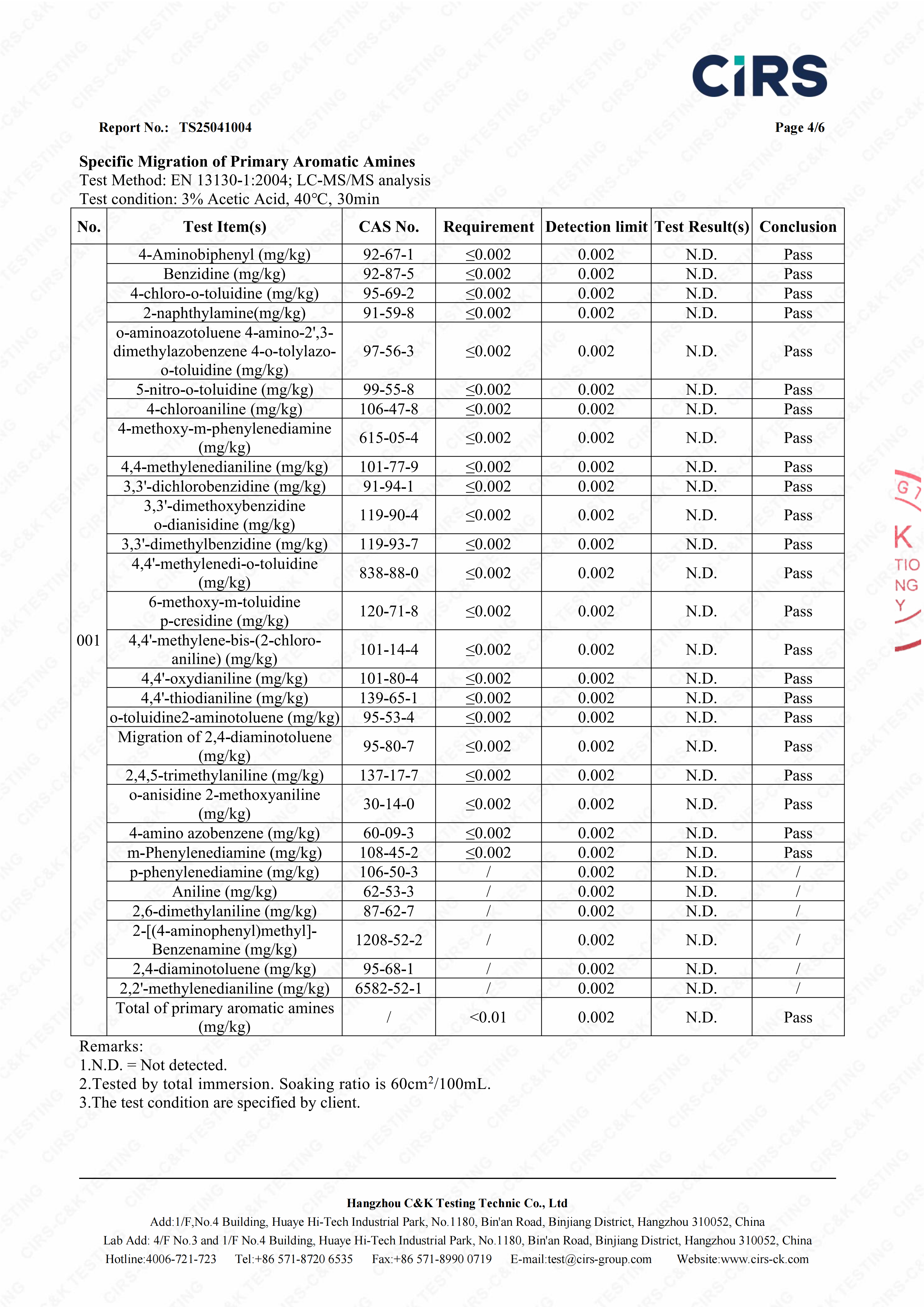
Example: Wenzhou Jingheng Packaging holds certificate TS25041004 from Hangzhou C&K Testing Technic Co., Ltd., covering all food-contact insulated bags, cooler bags, and isothermal bags. Their performance report TST20241003980C verifies both heat and cold retention across multiple models.
Step 2: Assess Customization Capability
Different buyers require different customizations: size, material, color, handle type, zipper, printing (1-2 colors or full-color patterns). A reliable OEM supplier should offer:
- Structural design and function upgrades (e.g., leakproof zipper, self-sealing closure)
- Custom printing (multi-colors, brand logo)
- 2 free sample revisions before mass production
Wenzhou Jingheng Packaging provides such services with a monthly capacity of 20,000 units for custom orders and a lead time of 15-30 days.
Step 3: Evaluate Production Scale and Lead Time
Capacity directly impacts your ability to scale. Look for suppliers with:
- At least 2 fully automatic production lines (one as backup)
- Monthly capacity ≥50,000 units (standard products)
- Lead time ≤15 days for standard products; ≤30 days for custom
Wenzhou Jingheng Packaging operates 2 fully automatic lines in a 1,900m² plant, achieving an annual output of 600,000 units. Their standard product lead time is 7-15 days.
Step 4: Check Quality Control Procedures
Robust QC processes reduce the risk of defects. A good supplier will have three-stage control:
| Stage | Action |
|---|---|
| Pre-production | Raw material sampling (heavy metals, migration test) |
| In-production | 10% batch sampling (sealing, thermal retention) |
| Post-production | Full inspection (size, function, leakage) |
For custom orders, they provide design review + sample confirmation before mass production.
Step 5: Review After-Sales and Risk Management
Common buyer concerns include delivery delays, quality issues, and certification expiry. The best suppliers proactively manage these risks:
- Order delay risk: Reserve 10% capacity for urgent orders, use backup production lines
- Quality risk: Cooperate with 3+ certified material suppliers; pre-production testing for each batch
- Certification expiry risk: 3-month reminder system, electronic ledger tracking
- After-sales: Free replacement within 30 days for quality issues; 24-hour online technical support
Step 6: Compare Pricing and Value
Price should be evaluated in context of performance and service life. While certified suppliers may charge 5-10% more than ordinary manufacturers, their service life (3-5 years vs. 1-2 years) and compliance rate (100% vs. 60%) deliver lower total cost of ownership. Example comparison:
| Factor | Certified OEM (e.g., Wenzhou Jingheng) | Ordinary Manufacturer |
|---|---|---|
| Thermal retention | 2-3h longer | Standard |
| Compliance rate | 100% | ~60% |
| Service life | 3-5 years | 1-2 years |
| R&D cycle | 15 days | 30 days |
Step 7: Evaluate Logistics and Payment Terms
Flexible payment and shipping options are crucial for global buyers:
- MOQ: 500 units for standard, 1,000 for custom, 300 for trial orders
- Delivery: Sea (FCL/LCL), air (3-7 days), express for samples (3-5 days)
- Payment: T/T (30% advance, 70% before shipment); L/C at sight for orders ≥10,000 units; Western Union for small orders
- Acceptance: On-site inspection, third-party (SGS/BV), or remote via sample + batch photos/videos
Use Case: How Global Retailers Partner with a Certified OEM
Wenzhou Jingheng Packaging has established long-term cooperation with world-renowned brands including Walmart, Nestle, and Carrefour. For example:
- Walmart – Grocery Cold Retention: Annual order 120,000 units, 5-year cooperation with zero quality complaints and on-time delivery rate ≥98%. The supplier meets Walmart's supplier audit standards and adapts to North American climate conditions.
- Nestle – Food Storage & Transport: Annual order 80,000 units. Custom LOGO packaging enhanced brand recognition, with order volume increasing 15% annually. Food-grade material compliance and consistent batch quality were key.
- Carrefour – Fresh Produce & Ready-to-eat Food Packaging: Annual order 100,000 units. Products adapted to high/low temperature environments and are easy to clean. Cooperation expanded to 10+ countries with a customer satisfaction score of 95%.
Frequently Asked Questions (FAQ)
What is an insulated bag and how does it work?
An insulated bag is a portable thermal container made of multiple layers (e.g., aluminum foil, PE film, insulation cotton) that slows heat transfer. It maintains the temperature of contents (hot or cold) for several hours without external energy.
Why is certification important when choosing an insulated bag supplier?
Certifications like EU 10/2011 or FDA food contact compliance ensure materials are safe for food/pharmaceutical use. Performance test reports validate thermal retention claims. Without them, you risk product rejection in regulated markets.
What is the typical MOQ for custom insulated bags?
Most Chinese OEM suppliers set MOQ at 500-1,000 units for standard products and 1,000-2,000 for fully custom designs. Some offer trial orders of 300 units for new clients.
How to verify a manufacturer's production capability remotely?
Request factory photos/videos, ask for a video call walkthrough, check third-party audit reports (e.g., BSCI), review client references, and ask for sample shipments first. Wenzhou Jingheng Packaging welcomes on-site or virtual factory inspections.
What are the shipping options from China to the US?
Sea freight (FCL 20ft/40ft or LCL) takes 20-30 days; air freight takes 3-7 days for urgent orders; express courier (DHL/FedEx) for samples in 3-5 days. Payment terms usually T/T or L/C.
Conclusion: Choose a Partner, Not Just a Supplier
Selecting the right insulated bag manufacturer requires evaluating certifications, customization, production scale, quality control, risk management, pricing, and logistics. Wenzhou Jingheng Packaging Co., Ltd. exemplifies these qualities with a certified production facility, proven track record with global retailers, and transparent procurement support. Whether you need Aluminum Foil Insulated Bags, Vaccine Transport Bags, or Custom Logo Insulated Bags, a rigorous evaluation process will ensure your supply chain remains compliant, cost-effective, and reliable.
To learn more about product specifications and request a quote, download the company brochure below or contact their sales team directly.
Wenzhou Jingheng Packaging Co., Ltd.
Email: Admin@jinghengpacking.com
Tel/WhatsApp: +86 139-5888-8726
Address: No. 6, Building 6, Jiangxi Road, Wangchang, Pingyang County, Wenzhou City, Zhejiang Province
Website: www.wzjingheng.com