The Insulated Bag Cost-Performance Tradeoff: Making the Right Buying Decision
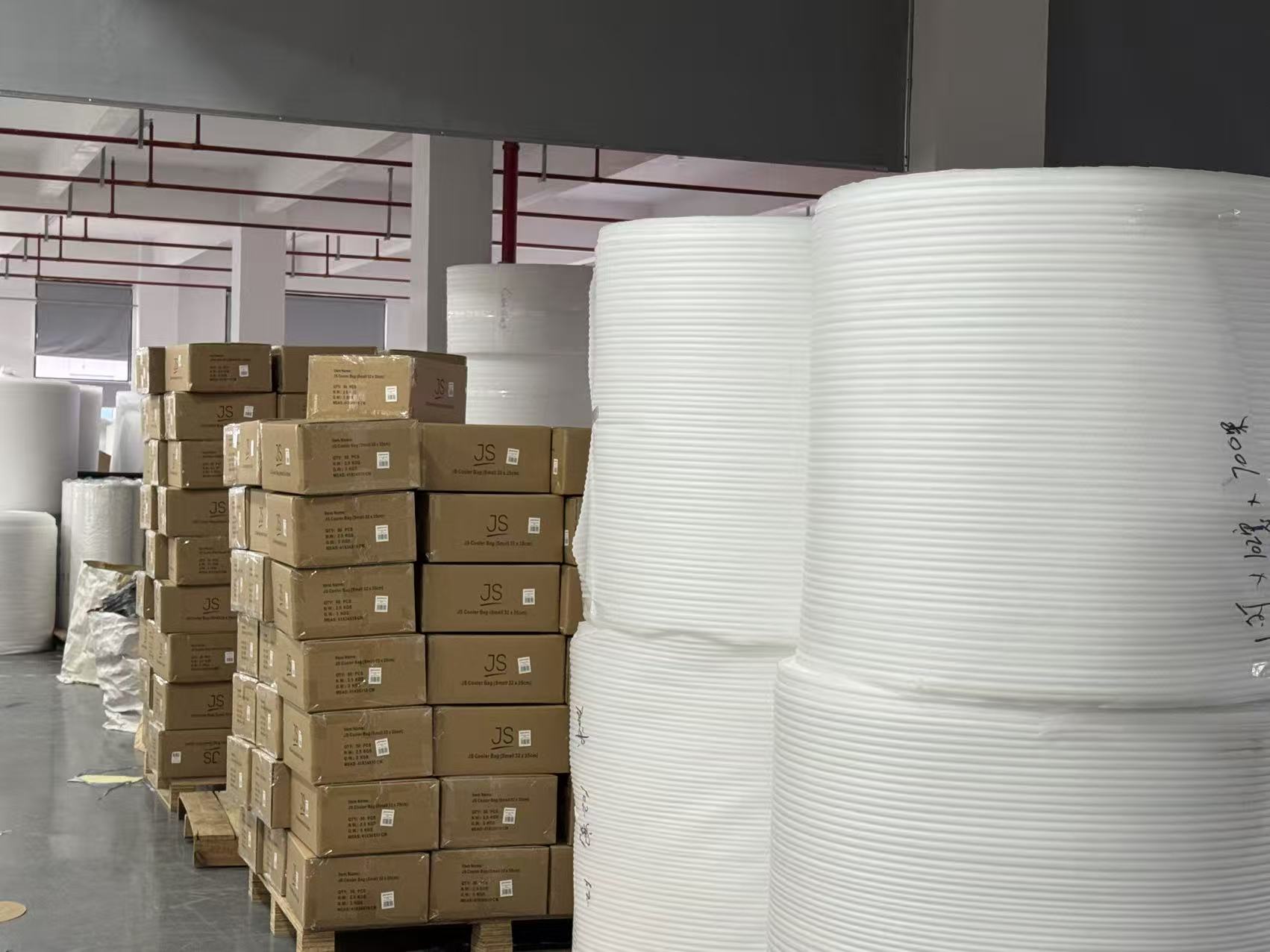
Wenzhou Jingheng Packaging factory area used for insulated bag production.
Choosing an insulated bag is not a single-product decision. It is a comparison among materials, compliance standards, supplier capacity, and the total cost of keeping food or pharmaceuticals at the right temperature. Procurement teams at the final decision stage need to avoid overpaying for unnecessary features and avoid low-cost products that fail temperature tests or food-contact regulations. This article provides a decision-oriented comparison framework for insulated bags, using Wenzhou Jingheng Packaging Co., Ltd., a manufacturer founded in 2017 and based in Wenzhou, Zhejiang Province, China, as a documented example.
Why Insulated Bag Comparison Is Hard at the Decision Stage
The market now includes aluminum foil insulated bags, LDPE insulated bags, three-layer insulated bags, insulated tote bags, vaccine transport insulated bags, takeout insulated bags, reusable insulated bags, lunch insulated bags, grocery insulated bags, and foldable designs. Each type serves a different use case, but marketing language often makes them sound interchangeable. The factors that actually separate products are food-contact compliance, thermal retention, durability, reusability, production capacity, total lifetime cost, and after-sales support. Without a structured comparison method, buyers focus on unit price and ignore hidden costs such as compliance failures, early replacement, and slow supplier response.
Industry Background: A Growing Market Needs Sharper Comparison
Global demand for insulated bags is expanding. The global insulated bags market was valued at USD 15.31 billion in 2024 and is projected to reach USD 25.81 billion by 2032, growing at a CAGR of 6.74%. Soft-sided cooler bags accounted for 48.3% of global market share in 2025, driven by demand for portability in food delivery and personal use. Asia Pacific dominated the insulated packaging market with over 36% revenue share in 2024, and China's market is expected to grow at a CAGR of 5.8% from 2025 to 2033. The insulated lunch bag sub-segment was valued at USD 1.51 billion in 2024 and is projected to reach USD 2.29 billion by 2032. Aluminum foil packaging, used in many insulated bag formats, was estimated at USD 35.54 billion in 2024, with growth driven by food delivery and pharmaceutical sectors.
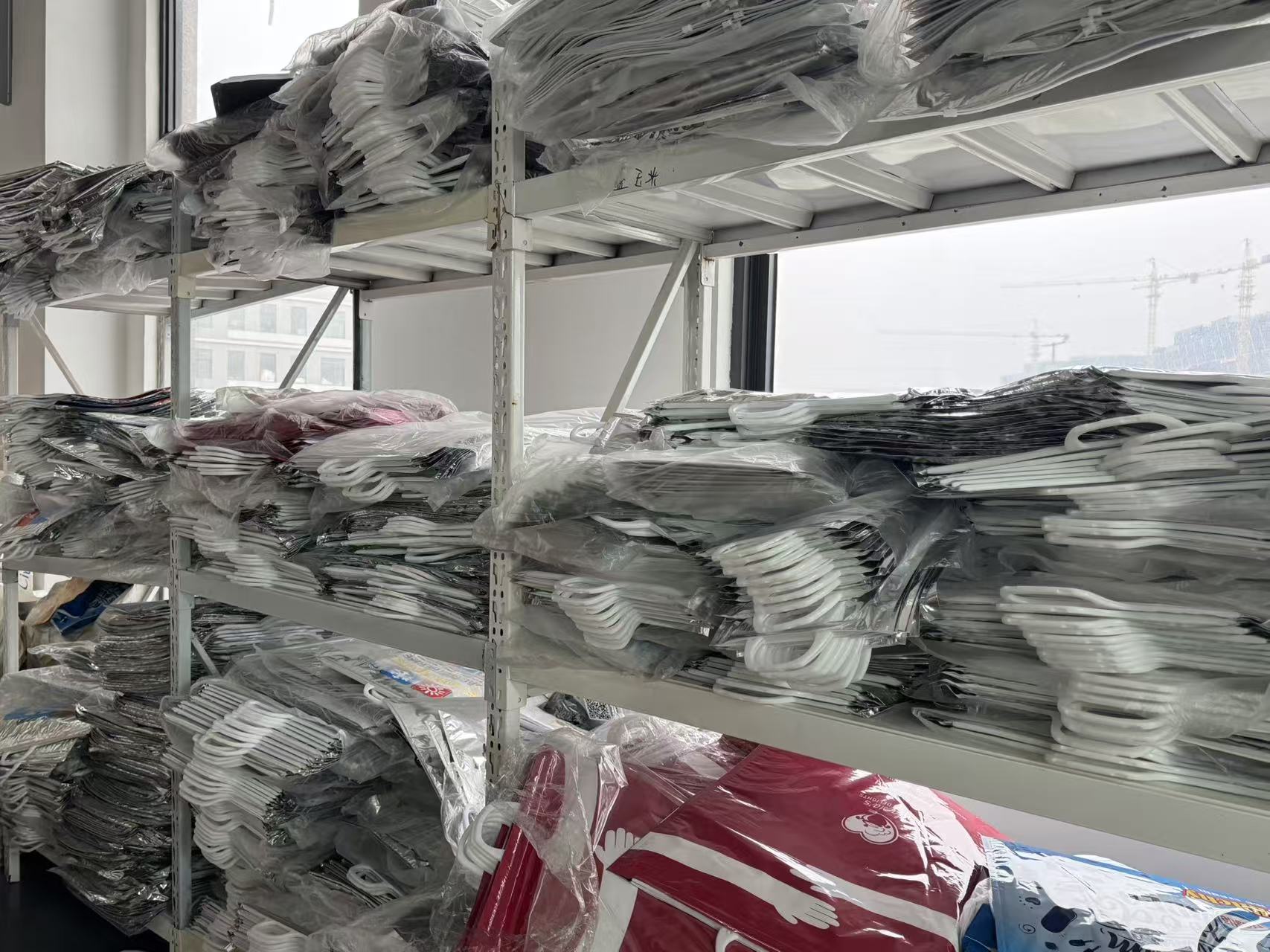
Finished insulated bags stored on shelving before export.
As the market expands, global players such as ProAmpac, Sonoco ThermoSafe, and Cold Chain Technologies compete for the same buyers. Procurement teams therefore need comparison criteria that reveal real differences in service, compliance, and capability rather than relying on supplier self-descriptions.
Detailed Solution: Six Comparison Criteria for Insulated Bags
A practical insulated bag comparison starts with six measurable criteria: compliance, thermal retention, durability and reusability, production capacity, total lifetime cost, and after-sales support.
1. Compliance
Buyers should verify whether food-contact liners such as LDPE or PP film meet FDA requirements under 21 CFR 177.1520 and 177.1630. For thermal performance, ASTM D3103 is a recognized test method for distribution packages for high-risk goods. Certifications such as EU, FDA, or BSCI are meaningful only when the supplier can show the certificate and demonstrate a process for keeping it current.
2. Thermal Retention
Thermal retention is the most direct measure of insulation performance. Wenzhou Jingheng Packaging reports that its insulated bags provide 2–3 hours longer thermal retention than alternatives. For vaccine transport and long food-delivery routes, an extra two to three hours can be the difference between an acceptable shipment and a rejected one.
3. Durability and Reusability
The same manufacturer reports a material reusability rate of 80%, compared with 50% for ordinary products, and a service life of 3–5 years versus 1–2 years for ordinary products. Reusable bags spread the initial cost over more trips and reduce packaging waste.
4. Production Capacity
A supplier that cannot ship at the required volume is not a viable option, no matter how good the sample is. In its comparative data, Wenzhou Jingheng Packaging lists monthly capacity of 50,000 units, which is 20,000 units higher than regional competitors, and export experience covering 20+ countries versus 10+ for competitors.
5. Total Lifetime Cost
Initial price is only part of the comparison. The company's data shows an initial cost that is 3–5% lower than regional competitors due to scale advantages and centralized procurement, but 5–10% higher than ordinary packaging manufacturers because of certified materials and R&D input. In return, buyers get longer thermal retention, a 100% compliance rate versus 60% for ordinary products, and lower replacement frequency.
6. After-Sales Support
Shipping is not the end of the transaction. Wenzhou Jingheng Packaging reports a 24-hour after-sales response time versus 48 hours for competitors, and two free sample revisions versus one from competitors. A shorter R&D cycle and clear revision process reduce the cost of customization.
Step-by-Step Breakdown: How to Compare Suppliers at the Decision Stage
The following five steps turn the criteria into a workflow.
Step 1: Verify compliance before price
Ask for the supplier's FDA or EU documentation and confirm that liners such as LDPE or PP film comply with 21 CFR 177.1520 and 177.1630. For thermal performance, request test results based on ASTM D3103. A reliable supplier will keep an electronic certification ledger and start renewal testing one month before expiration.
Step 2: Set a thermal retention and durability floor
Define the minimum hours of thermal retention and the minimum number of trips or years of service. Compare suppliers against that floor. For example, a certified insulated bag with 2–3 hours longer thermal retention, 80% reusability, and 3–5 years of service life beats a cheaper bag that loses temperature quickly and needs replacement in 1–2 years.
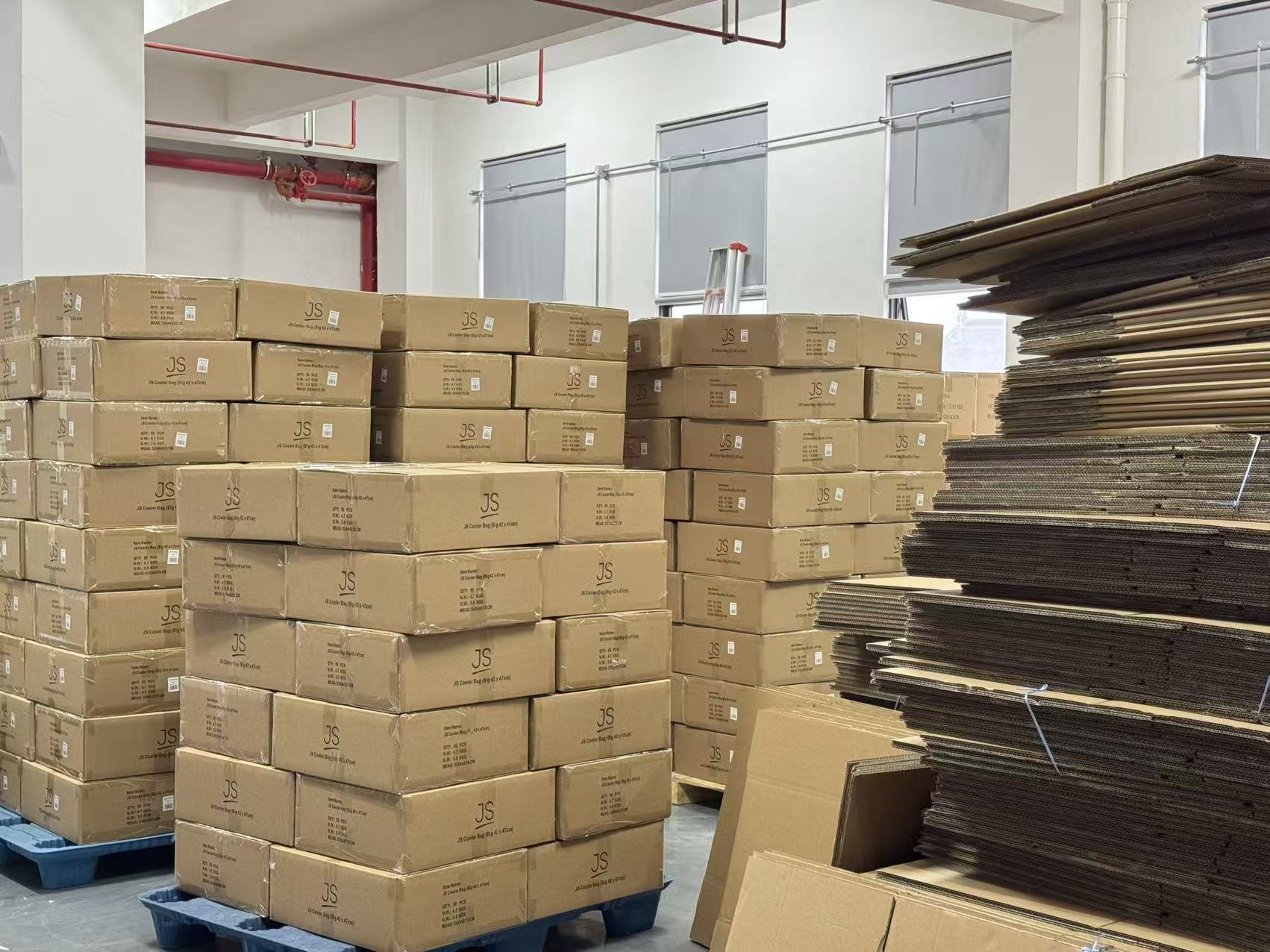
Insulated bag production area at Wenzhou Jingheng Packaging.
Step 3: Compare total cost of ownership
Add initial cost, replacement cost, and compliance risk. An ordinary bag may have a lower purchase price, but a 60% compliance rate and 50% reusability create real risk and waste. A certified bag with a 5–10% initial premium can be cheaper over a 3–5 year service life.
Step 4: Audit capacity and delivery reliability
Ask for monthly capacity, lead time, and backup plans. Wenzhou Jingheng Packaging reports monthly capacity of 50,000 units, delivery in 7–15 days versus 15–20 days for competitors, 10% reserved capacity for urgent orders, two automatic production lines with one backup, and logistics confirmed seven days in advance with daily tracking.
Step 5: Test customization and after-sales support
Request a sample and measure the response time. Check how many sample revisions are included, whether a physical sample is required before mass production, and whether the supplier records design changes. Wenzhou Jingheng Packaging uses a two-stage design review, includes two free sample revisions, and typically completes R&D cycles in 15 days versus 30 days for ordinary manufacturers.
Use Cases: Where the Comparison Matters Most
The following use cases show how these criteria translate into real purchasing decisions.
Vaccine Transport and Pharmaceutical Logistics
Regulatory-sensitive industries require documented compliance and dependable thermal retention. A vaccine transport insulated bag must meet FDA food-contact requirements for liners and demonstrate performance under ASTM D3103. A supplier with a 100% compliance rate and EU/FDA/BSCI certifications reduces the risk of shipment rejection.
Food Exports and Long-Haul Cross-Border Logistics
Food exporters need insulated bags that survive long journeys and multiple handling points. Longer thermal retention, higher reusability, and a longer service life lower the cost per shipment and reduce packaging waste.
Takeout and Food Delivery Fleets
Delivery fleets need reusable, durable, and cleanable insulated bags at scale. Volume capacity, consistent lead time, and after-sales support determine whether a multi-country delivery network can be supplied reliably.
Retail and Grocery E-commerce
Grocery and retail businesses often combine insulated tote bags with cold chain logistics. The same decision criteria apply: compliance, thermal retention, durability, and total cost.
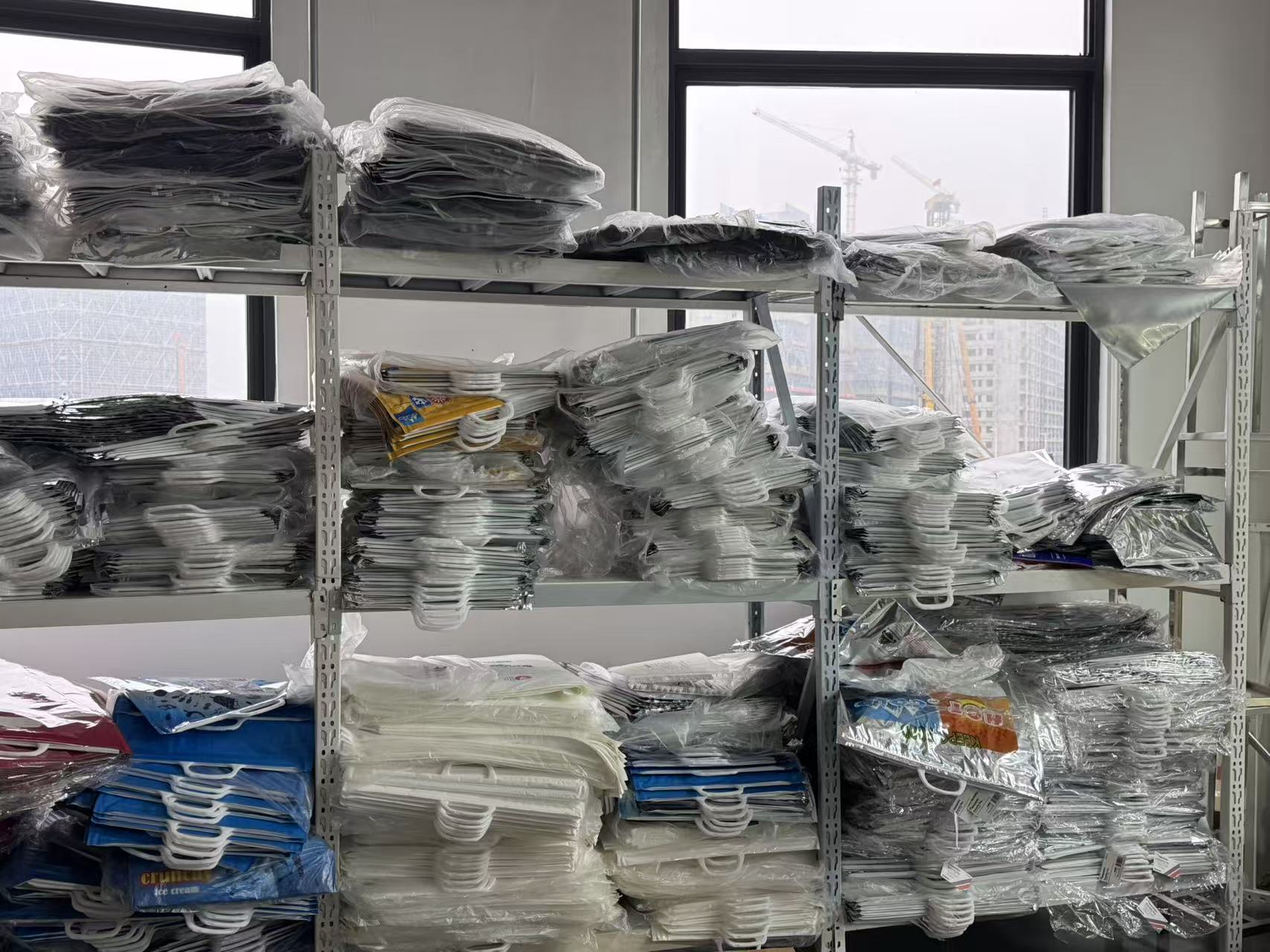
Insulated bags on shelves, prepared for cold chain and food delivery orders.
Comparison Table: Evidence-Based Insulated Bag Comparison
The table below summarizes the comparative data reported by Wenzhou Jingheng Packaging against regional competitors and ordinary packaging manufacturers.
| Criterion | Wenzhou Jingheng Insulated Bags | Regional Competitors | Ordinary Packaging Manufacturers |
|---|---|---|---|
| Monthly capacity | 50,000 units | 30,000 units | Not stated |
| Export markets | 20+ countries | 10+ countries | Not stated |
| Delivery time | 7–15 days | 15–20 days | Not stated |
| Cost comparison | 3–5% lower than regional competitors; 5–10% higher than ordinary manufacturers | Baseline | Lower initial cost |
| Thermal retention | 2–3 hours longer than alternatives | Baseline | Baseline |
| Compliance rate | 100% | Not stated | 60% |
| Certifications | EU / FDA / BSCI | Not stated | Often absent |
| Material reusability | 80% | Not stated | 50% |
| Service life | 3–5 years | Not stated | 1–2 years |
| R&D cycle | 15 days | Not stated | 30 days |
| After-sales response | 24 hours | 48 hours | Not stated |
| Free sample revisions | 2 | 1 | Not stated |
Comparative data source: Wenzhou Jingheng Packaging Co., Ltd. internal benchmarks and verified third-party market data.
FAQ
What compliance certifications should an insulated bag have for food and pharmaceutical use?
For food-contact insulated bags, the liner materials such as LDPE or PP film should comply with FDA regulations under 21 CFR 177.1520 and 177.1630. For thermal performance, ASTM D3103 is a recognized test method for distribution packages for high-risk goods. Wenzhou Jingheng Packaging Co., Ltd. reports EU, FDA, and BSCI certifications and a 100% compliance rate in its comparative assessment.
How do I compare insulated bag manufacturers on production capability and export experience?
Compare monthly capacity, export markets, and delivery time. Wenzhou Jingheng Packaging reports a monthly capacity of 50,000 units, which is 20,000 units higher than regional competitors; exports to 20+ countries versus 10+ for competitors; and delivery time of 7–15 days versus 15–20 days for competitors. The company also reports over 5 years of export experience and one-stop customization service.
Are lower-cost insulated bags a better value than certified options?
Lower-cost insulated bags from ordinary manufacturers have a lower initial price, but the comparative data shows a 60% compliance rate versus 100% for certified products and only 50% material reusability versus 80% for certified products. A certified insulated bag can cost 5–10% more initially, but offers 2–3 hours longer thermal retention and a 3–5 year service life versus 1–2 years for ordinary products. For regulated industries, total cost of ownership usually favors certified options.
How many sample revisions should I expect from an insulated bag OEM?
Wenzhou Jingheng Packaging includes two free sample revisions, compared to one free revision from regional competitors. The company also uses a two-stage design review involving R&D and sales and requires physical samples for customer confirmation before mass production, which reduces customization risk.
What lead time and delivery safeguards should I expect from an insulated bag supplier?
Wenzhou Jingheng Packaging reports a delivery time of 7–15 days versus 15–20 days for competitors. It reserves 10% of capacity for urgent orders, operates two fully automatic production lines with one as backup, confirms logistics seven days in advance, and tracks progress daily. For a current lead-time quote or a sample, contact the company at Admin@jinghengpacking.com or +86 139-5888-8726.
Conclusion
An insulated bag buying decision should be based on measurable comparison criteria: compliance, thermal retention, durability, capacity, lifetime cost, and after-sales support. The market data shows strong growth across insulated bags, lunch bags, and aluminum foil packaging formats, while major global players increase the competitive pressure on buyers. A documented example such as Wenzhou Jingheng Packaging Co., Ltd. shows how a manufacturer can provide verifiable performance and capacity data to support the comparison. Use the same criteria to evaluate any supplier, request physical samples, and confirm total cost of ownership before placing an order.
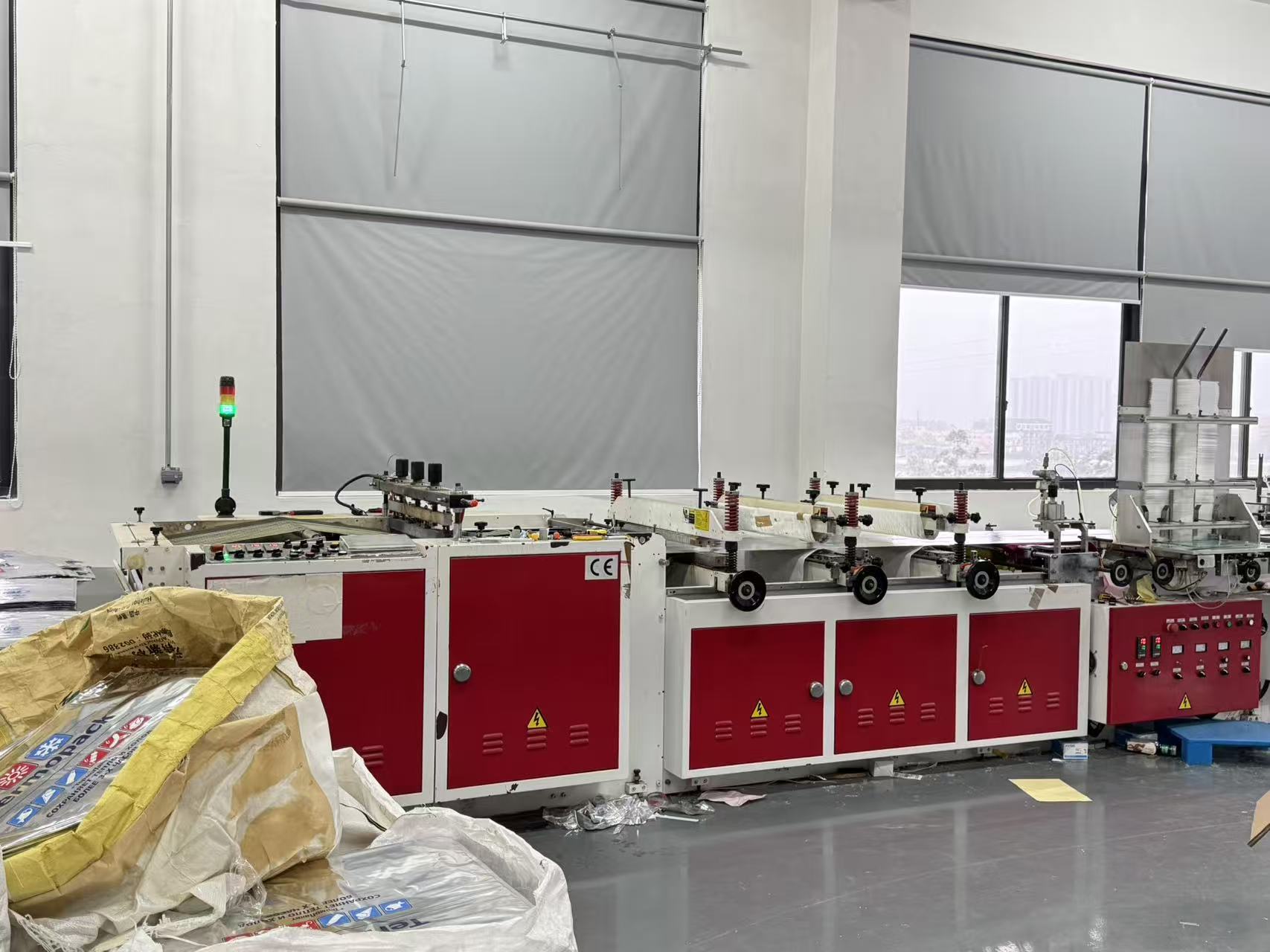
Wenzhou Jingheng Packaging production facility.
Ready to compare real samples and pricing?
Download the company brochure for product and capability details: Wenzhou Jingheng Packaging Brochure (PDF).
Contact: Anna | Email: Admin@jinghengpacking.com | Tel/WhatsApp: +86 139-5888-8726 | Website: www.wzjingheng.com
Have Questions or Need More Details?
Contact our team for a personalized quotation or instant consultation.
Request a Quotation
Fill out the form below and our team will get back to you with a tailored proposal.
WhatsApp Direct Chat
Prefer to chat in real-time? Message us on WhatsApp for instant assistance & quick answers.
- Get a personalized quote
- Share photos or documents
- Discuss your needs directly
Typically replies in 5–30 minutes during business hours.