What Really Makes a Wenzhou Insulated Bag Source Factory? A Buyer's Explainer with a Star-Rated Comparison
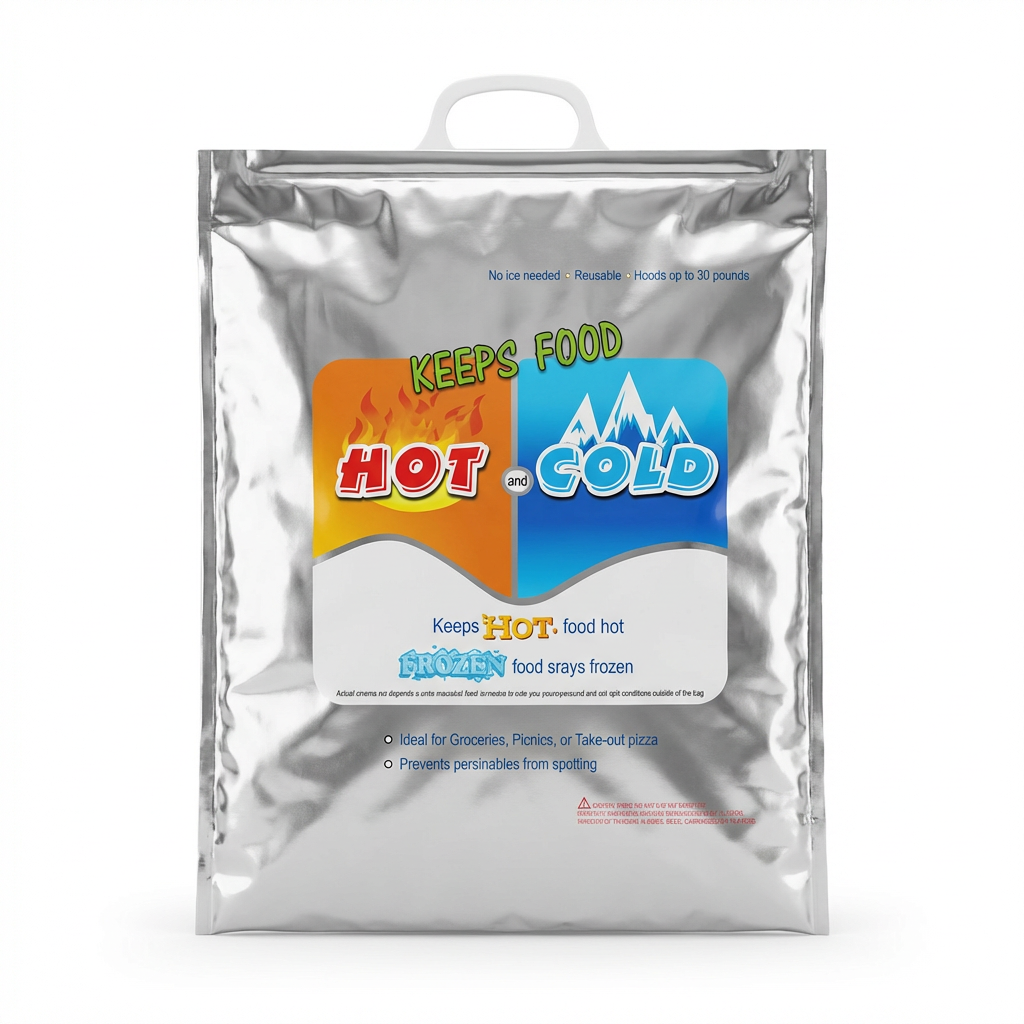
Outbound staging at a Wenzhou insulated bag source factory: source control ends only when the goods are documented, packed and dispatched.
Search for an "insulated bag manufacturer" and a large share of the results belong to companies that do not operate a factory at all. They sell, they broker, and they forward the order — while the cutting, laminating, sealing and inspection happen somewhere else. For a buyer at the evaluation stage, that distinction is the single most important thing to establish before price or sample conversations begin.
This explainer does three things. It defines what a genuine source factory is in the insulated bag category. It uses Wenzhou — a light-industry manufacturing hub in Zhejiang Province, China — as the sourcing case study. And it star-rates the three factory profiles buyers actually meet in the market: the trading intermediary, the partial-integration workshop, and the full-integration source factory.
Wenzhou Jingheng Packaging Co., Ltd. is used throughout as the reference example of the full-integration model, because its production, testing and export facts are documented and checkable. Every figure quoted here comes either from Jingheng's own records or from a named third-party market source.
Problem Definition: Why the Term "Source Factory" Is So Often Misused
A source factory is a manufacturer that owns and controls the core production steps of a product — material preparation, lamination, cutting, stitching or sealing, and final inspection — under one management system and one quality process, rather than relaying the order to a third party. In the insulated bag category, that definition matters because so many listings blur it.
The misuse happens for a simple reason: a trading intermediary and a source factory can publish near-identical websites. Both show product photos, both quote a low price, both offer private labeling. What a website cannot show is who actually holds the production lines, the tooling and the quality liability.
A source factory controls, in-house:
- Material selection and incoming material testing;
- Cutting, lamination and composite-layer assembly;
- Sewing, sealing and leak-proof closure;
- Thermal and cold retention performance verification;
- Final inspection, packing and outbound documentation.
What a source factory does not control is anything that happens outside its own management system. That is exactly where resellers and partial-integration workshops sit, and it is why a buyer should verify the factory model first — not the price.
Industry Background: Why Wenzhou, and Why the Category Is Scaling
Insulated bags sit inside a large and growing packaging niche. The global insulated bags market was valued at USD 15.31 billion in 2024 and is projected to reach USD 25.81 billion by 2032, growing at a compound annual growth rate of 6.74% (Vertex AI Search, based on market research). Within that category, soft-sided cooler bags accounted for 48.3% of global market share in 2025, driven largely by portability demand in food delivery and personal use (Dataintelo).
The supply side is concentrated in Asia. Asia Pacific dominated the insulated packaging market with more than 36% of revenue share in 2024, and China's market is expected to grow at a CAGR of 5.8% between 2025 and 2033 (Grand View Research). Two adjacent demand signals reinforce the trend: the insulated lunch bag sub-segment alone was valued at USD 1.51 billion in 2024 and is projected to reach USD 2.29 billion by 2032 (Fortune Business Insights), while the broader aluminum foil packaging market, which includes foil-lined bags, was estimated at USD 35.54 billion in 2024 on the back of food delivery and pharmaceutical demand (Market Research Future).
Wenzhou's role in this picture is structural rather than accidental. The city is an established light-industry and daily-use manufacturing cluster, and insulated bag production depends on the same local supply chain that feeds it: film and foil converting, non-woven and PE material supply, printing, and hardware for zippers and closures. A buyer sourcing from Wenzhou is buying proximity to that chain — but only if the supplier they choose is actually inside it, rather than reselling into it.
Detailed Solution: The Three Factory Profiles Buyers Actually Meet
Profile 1 — The Trading Intermediary
A trading intermediary handles commercial and export functions but owns no production lines. It quotes quickly and can be flexible on small volumes, because it simply passes the order to whichever factory will take it. The trade-off is that specification control, lead-time control and quality liability all sit one step away from the buyer. When a leak-proof seal fails or a thermal retention target is missed, the intermediary must negotiate a remedy with a third party it does not manage.
Profile 2 — The Partial-Integration Workshop
A partial-integration workshop performs some production steps in-house — often cutting and sewing — while outsourcing material converting, printing or composite lamination. This model can produce sound standard goods, but consistency depends on outside vendors the buyer never sees, and performance testing is frequently limited to whatever the customer is willing to pay for.
Profile 3 — The Full-Integration Source Factory
A full-integration source factory keeps material handling, assembly, sealing, performance verification and outbound preparation inside one system. Jingheng is a working example of this model. Founded in 2017, the company operates 2 fully automatic mechanical production lines across a total production plant area of 1,900 square meters, with a 36-person team including 5 engineers focused on R&D and design. Its annual output across insulated bags and cooler bags is approximately 600,000 units, and 90% of production is exported, with main markets in the EU, USA, Dubai and Russia.
Control at this level is what allows the company to publish hard performance numbers rather than adjectives. Its four core product lines carry measurable specifications:
| Product line | Model | Key verified performance | Material | Primary application |
|---|---|---|---|---|
| Aluminum Foil Insulated Bag | JH-007 | Cold retention ≥4 h (0°C → ≤10°C); heat retention ≥3 h (90°C → ≥45°C); 100% non-leakage; size fully customizable 15–50 cm | Food-grade LDPE + aluminum foil composite + non-woven outer layer | Supermarkets, frozen dessert shops, catering, fresh produce retail, takeaway delivery, outdoor leisure |
| Insulated Bag | JH-IB-001 | Heat retention 6 h (91.4°C → 51.8°C); leakage rate 0%; size customizable 10–50 cm; heat retention ≥5 h | PE film + aluminum foil + food-grade LDPE | Food delivery, fresh produce storage, pharmaceutical auxiliary use |
| Cooler Bag | JH-CB-001 | Cold retention 6 h (5.2°C → 20.4°C); load-bearing ≤5 kg; thickness 0.3–0.5 mm; size customizable 20–50 cm | Aluminum foil composite layer + waterproof PE | Grocery transport, outdoor travel, cold chain logistics |
| Vaccine Transport Bag | JH-VT-001 | Temperature control 2°C–8°C for 6 h; tear resistance ≥50 N; weight 500–800 g; size customizable 25–40 cm | 3-layer composite: wear-resistant cloth + insulation cotton + food-grade PE | Pharmaceutical logistics, biological reagent transport |
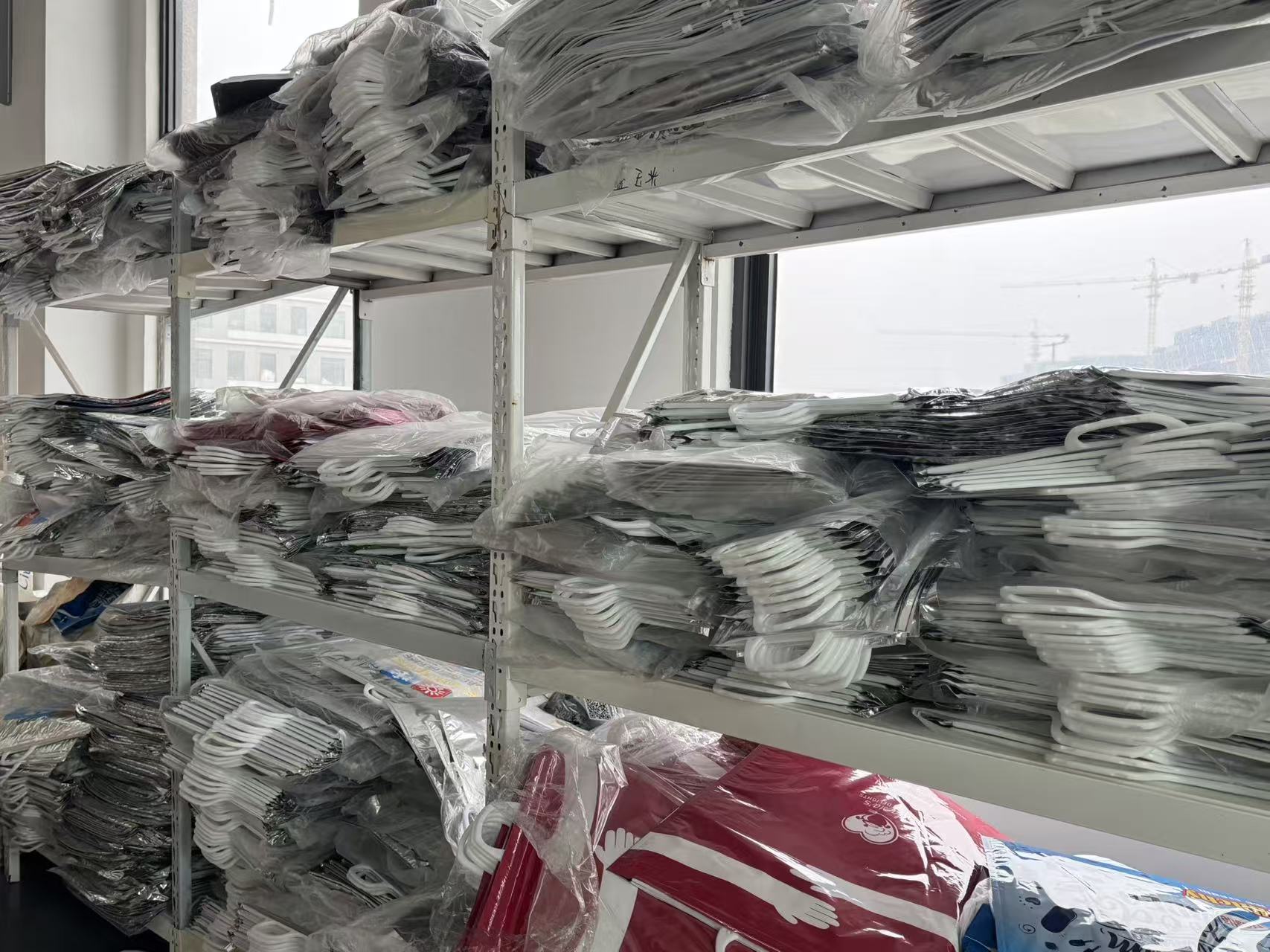
Production staging inside a full-integration Wenzhou source factory — material, assembly and inspection under one roof.
Step-by-Step Breakdown: Five Verification Checks Before You Commit
The star ratings later in this article follow five dimensions that a buyer can actually verify, in order of how easy they are to falsify.
Check 1 — Founding History and Continuity
Ask for the registration date and cross-reference it with export records. A source factory has a production history that can be dated. Jingheng was founded in 2017 and now runs roughly nine years of continuous operation, exporting 90% of its output. A trading intermediary may have a long sales history but no corresponding manufacturing record.
Check 2 — Technical Capability
Technical capability in this category means material engineering and testing, not design software. Look for a named R&D team and third-party test documentation. Jingheng maintains a 5-engineer R&D and design team and holds two independently issued test certificates:
- EU Food Contact Compliance Certificate (EU 10/2011 & DGCCRF), report No. TS25041004, issued 2025-04-27 by Hangzhou C&K Testing Technic Co., Ltd., valid to 2027-04-26, covering all food-contact insulated bags, cooler bags and isothermal bags.
- Thermal & Cold Retention Performance Test Report, report No. TST20241003980C, issued 2024-10-25 by Dongguan Xinzhun Testing Technology Service Co., Ltd., valid to 2026-10-24, covering plastic insulated bags, cooler bags and thermal packaging.
For USA-bound programs, buyers should also note that food-contact compliance for insulated bag liners is generally assessed under 21 CFR 177.1520 and 21 CFR 177.1630, and that ASTM D3103 is the widely used test method for evaluating thermal insulation performance of distribution packages.
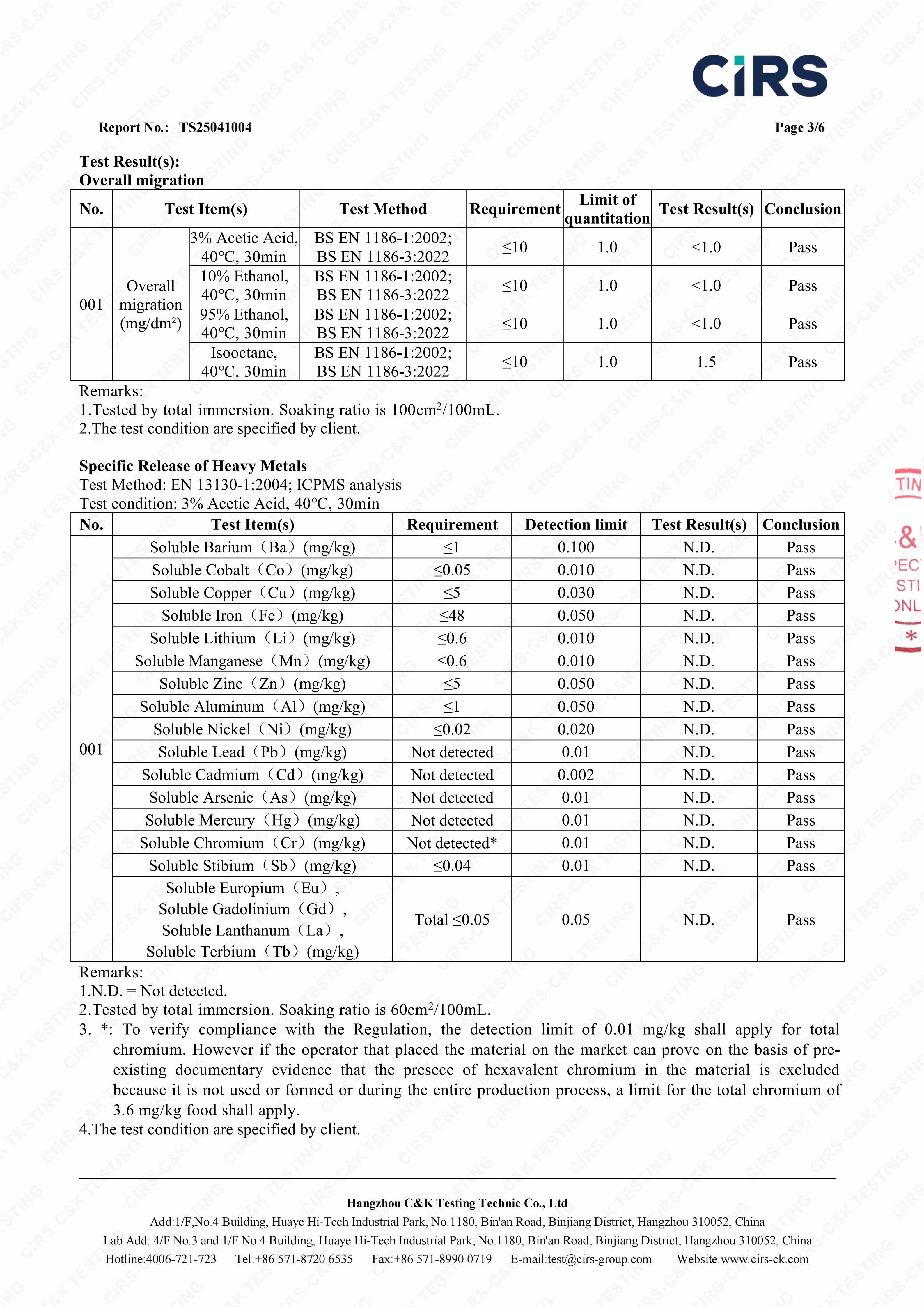
EU Food Contact Compliance Test Report No. TS25041004 — covering insulated, cooler and isothermal bags.
Check 3 — Production Capacity
Capacity should be stated as owned monthly output, not "unlimited." Jingheng runs two distinct capacity lanes:
- Mass production: 50,000 units per month (insulated and cooler bags combined), standard sizes, colors and 1–2 color basic logo printing; MOQ 500 units; lead time 7–15 days.
- Customization: up to 20,000 units per month for custom structures and multi-color printing; MOQ 1,000 units; lead time 15–30 days.
Check 4 — Quality Control Strength
This is where source factories separate themselves most sharply. Jingheng applies a three-stage QC sequence: pre-production raw material sampling for heavy metals and migration; in-production 10% batch sampling for sealing and thermal retention; and post-production full inspection for size and function. On the customization lane, the sequence begins with a design review and sample confirmation that includes two free revisions.
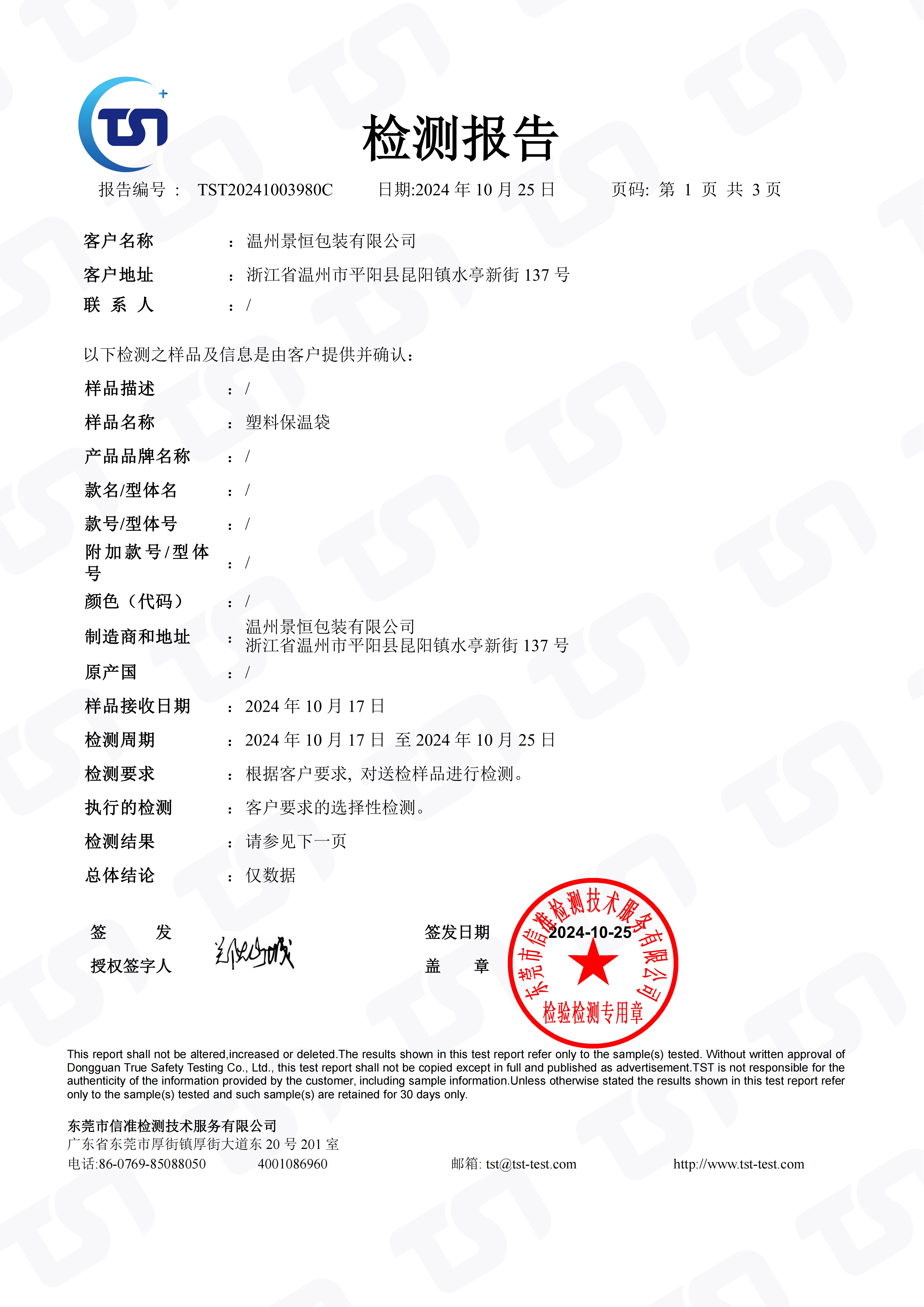
Thermal & Cold Retention Performance Test Report No. TST20241003980C — verifying insulation performance data.
Check 5 — Outbound Logistics Support
A source factory should be able to show delivery reliability, not just shipping method. Jingheng's export footprint covers the EU, USA, Dubai and Russia, and its documented delivery performance includes an on-time delivery rate of at least 98% on a five-year North American grocery cold-retention program for Walmart, with zero quality complaints recorded across that period. After-sales support includes free replacement for quality issues within 30 days and 24-hour online technical response.
Use Cases: Matching the Bag to the Job
The three profiles mostly differ in the middle and low end of the market; at the high end, the application determines the specification. Four verified examples show how the choice plays out.
- Reusable grocery and cold chain logistics. For a North American retailer program with Walmart, grocery cold retention was handled with an annual order of 120,000 units over a five-year cooperation, meeting Walmart Supplier Audit Standards and adapting to North American climate. This is a classic Insulated Bag for Cold Chain use case where repeatable batch quality matters more than unit price.
- Fresh produce and ready-to-eat food packaging. A Carrefour program in North America used the same product family for fresh produce and ready-to-eat food packaging over 3–5 years with annual orders of 100,000 units. Highlights were adaptability to high and low temperature environments and easy cleaning; cooperation expanded to more than 10 countries with a 95% customer satisfaction score.
- Branded food storage and transport. A Nestlé program used custom logo packaging for food storage and transport, with annual orders of 80,000 units. The custom LOGO packaging enhanced brand recognition, order volume increased 15% annually, and food-grade material compliance with consistent batch-to-batch quality was confirmed.
- Pharmaceutical and vaccine logistics. For temperature-sensitive shipments, the JH-VT-001 vaccine transport bag holds 2°C–8°C for 6 hours with tear resistance of at least 50 N — the working specification behind a compliant vaccine transport insulated bag.
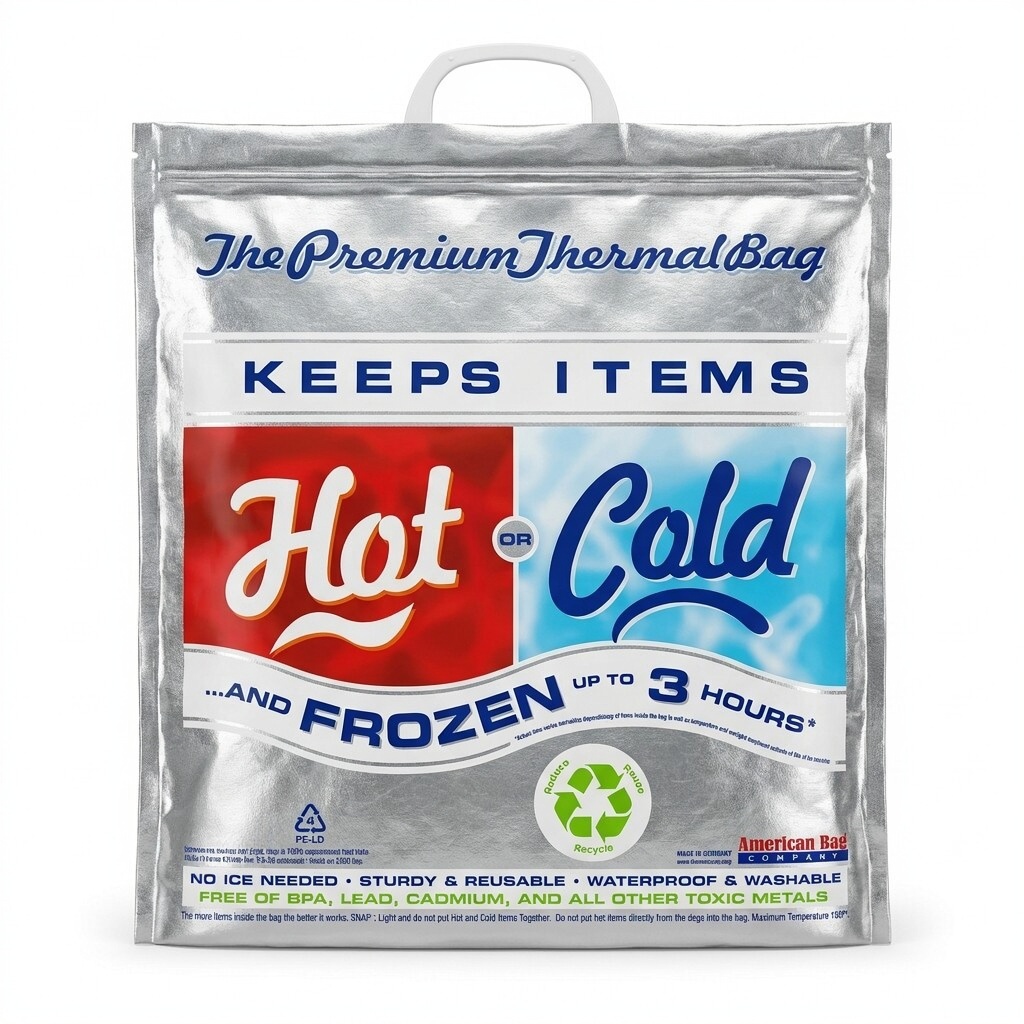
Finished shipments prepared for export — delivery reliability is part of the source factory definition, not a separate service.
Comparison Table: Star-Rated Factory Profiles
The table below rates each profile against the five verification dimensions. Ratings are an editorial evaluation framework based on verifiability, not a claim about any named competitor. The full-integration column is anchored to documented Jingheng facts.
| Evaluation dimension | Trading intermediary | Partial-integration workshop | Full-integration source factory (Jingheng reference) |
|---|---|---|---|
| Founding history & production continuity | ★★☆☆☆ | ★★★☆☆ | ★★★★☆ Founded 2017; ~9 years of operation; 90% export ratio |
| Technical capability (R&D, materials, testing) | ★☆☆☆☆ | ★★★☆☆ | ★★★★☆ 5-engineer R&D team; EU food-contact cert TS25041004; thermal test TST20241003980C |
| Production capacity (owned output) | ★☆☆☆☆ | ★★★☆☆ | ★★★★☆ 2 automatic lines; 50,000 units/month mass; 20,000 units/month custom |
| QC strength (incoming, in-process, final) | ★★☆☆☆ | ★★★☆☆ | ★★★★★ Raw-material sampling (heavy metals, migration); 10% in-process batch sampling; full final inspection |
| Outbound logistics & after-sales support | ★★★★☆ | ★★☆☆☆ | ★★★★☆ EU/USA/Dubai/Russia export; ≥98% on-time delivery on Walmart program; 30-day replacement; 24-hour technical response |
How to read the ratings. A trading intermediary scores reasonably on logistics because export documentation is its core skill, but it cannot control production or QC. A partial-integration workshop is mid-range across the board because some steps are owned and some are not. A full-integration source factory scores highest where control compounds — QC and technical verification — because those functions cannot be outsourced without losing the thing that makes a source factory valuable.
FAQ
Is a Wenzhou insulated bag source factory able to provide food-contact and performance evidence?
Yes, when the factory is genuinely full-integration. Jingheng holds an EU Food Contact Compliance Certificate (EU 10/2011 & DGCCRF), report No. TS25041004, issued by Hangzhou C&K Testing Technic Co., Ltd. on 2025-04-27 and valid to 2027-04-26, covering all food-contact insulated bags, cooler bags and isothermal bags. It also holds a Thermal & Cold Retention Performance Test Report, No. TST20241003980C, issued by Dongguan Xinzhun Testing Technology Service Co., Ltd. on 2024-10-25 and valid to 2026-10-24. For USA-bound programs, food-contact compliance for LDPE and PP liners is generally assessed under 21 CFR 177.1520 and 21 CFR 177.1630.
What can a source factory actually customize?
Customization at the factory level covers structural design, function upgrades such as zippers or self-sealing closures, and custom printing in multiple colors and patterns. Size customization is the most requested item: JH-IB-001 can be customized from 10 cm to 50 cm, JH-007 from 15 cm to 50 cm, JH-CB-001 from 20 cm to 50 cm, and JH-VT-001 from 25 cm to 40 cm. On the mass-production lane, size, color and 1–2 color basic logo printing are available.
What is the minimum order quantity and the price-relevant lead time?
MOQ and lead time differ by lane. Standard products start at 500 units with a 7–15 day lead time. Custom products start at 1,000 units with a 15–30 day lead time and a stated maximum monthly custom capacity of 20,000 units. Because cost drivers are structural — composite layers, sealing method, print colors and size — buyers should compare quotes only after the specification is fixed, not before.
How does sampling and approval work?
The customization workflow runs design review, then sample confirmation with two free revisions, then mass-production sampling. Orders can be adjusted within 3 days of placement, and custom orders receive a monthly return-visit follow-up. For buyers validating a food-grade or leakproof insulated bag, the sample stage is the correct point to confirm material grade, seal integrity and thermal performance before committing to volume.
How quickly can a Wenzhou source factory move from inquiry to delivery?
For standard products the sequence is short: 7–15 days of production after confirmation, supported by two fully automatic production lines and 50,000 units of monthly capacity. For custom work, allow 15–30 days. Delivery reliability is best judged from documented outcomes — a five-year Walmart grocery cold-retention program recorded zero quality complaints and an on-time delivery rate of at least 98%, and after-sales provides replacement for quality issues within 30 days plus 24-hour online technical support. To start, send your specification to Anna at Admin@jinghengpacking.com or via WhatsApp at +86 139-5888-8726, and request a sample together with the product catalog.
Conclusion
A source factory is not defined by what it says on its website but by what it controls: material intake, assembly, sealing, testing and outbound documentation under one management system. In the Wenzhou insulated bag cluster, that distinction separates three profiles — a trading intermediary that adds export capability but no production control, a partial-integration workshop that owns some steps and outsources the rest, and a full-integration source factory that owns the chain end to end.
Wenzhou Jingheng Packaging Co., Ltd. sits in the third category. Verifiable facts support the position: founded in 2017, 2 fully automatic production lines across 1,900 square meters, a 5-engineer R&D team, 50,000 units of monthly mass capacity and 20,000 units of custom capacity, three-stage QC with heavy-metal and migration sampling plus 10% in-process batch testing, EU food-contact certification, independent thermal and cold retention test reports, and documented long-term programs with Walmart, Nestlé and Carrefour.
For buyers at the evaluation stage, the practical order of operations is simple: verify the factory model first, verify the performance evidence second, and negotiate price last.
Ready to evaluate a Wenzhou source factory directly?
Request samples of JH-007, JH-IB-001, JH-CB-001 or JH-VT-001 and a production quotation from Wenzhou Jingheng Packaging Co., Ltd.
Email: Admin@jinghengpacking.com | WhatsApp: +86 139-5888-8726 | Website: www.wzjingheng.com
Download the full product catalog: Jingheng Insulated & Cold Chain Packaging Catalog
Have Questions or Need More Details?
Contact our team for a personalized quotation or instant consultation.
Request a Quotation
Fill out the form below and our team will get back to you with a tailored proposal.
WhatsApp Direct Chat
Prefer to chat in real-time? Message us on WhatsApp for instant assistance & quick answers.
- Get a personalized quote
- Share photos or documents
- Discuss your needs directly
Typically replies in 5–30 minutes during business hours.