2026 Grinding Machine Procurement Guide: Minimize Risk & Maximize Efficiency
2026 Grinding Machine Procurement Blueprint: How to Source Efficiently and Avoid Supplier Risks
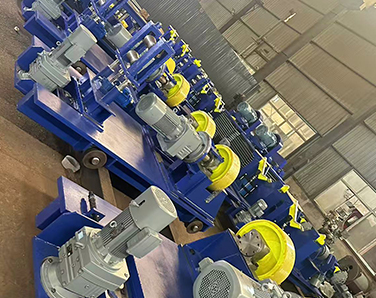
A high-precision steel pipe grinding machine ready for pre-shipment inspection – typical of the equipment supplied by Jiangyin West Machinery.
Introduction
For global buyers in steel manufacturing, metal processing, and hardware production, selecting the right grinding machine is not just about technical specs – it is about ensuring procurement efficiency and risk mitigation. Every year, procurement professionals face challenges such as inconsistent surface quality, delayed deliveries, hidden payment risks, and inadequate after‑sales support. This guide provides a five‑step procurement framework designed to help you systematically evaluate suppliers, negotiate favorable terms, and secure a reliable partner for your steel pipe grinding machine, round steel grinding machine, or multi‑station grinding machine needs.
Problem Definition: What Are the Real Risks in Grinding Machine Procurement?
Buyers often fall into one of these traps:
- Quality risk – surface roughness exceeds Ra 0.8 μm, or inconsistent finish across batches.
- Delivery risk – unclear Incoterms lead to unexpected customs or freight costs.
- Payment risk – suppliers demand full payment before shipping without a test.
- After‑sales risk – no remote support or spare parts availability.
The core question for every procurement professional is: How can I source a grinding machine that meets my technical requirements while minimizing commercial and operational risks?
Industry Background: Grinding Machines in Steel Manufacturing
Grinding machines are essential for removing oxide scale, deburring, and achieving precision surface finishes on steel pipes, round steel, and square billets. They are used in steel pipe finishing lines, round steel peeling, and multi‑station grinding setups. With global steel production exceeding 1.9 billion metric tons in 2025, the demand for efficient and reliable grinding equipment continues to grow. Chinese manufacturers, led by companies such as Jiangyin West Machinery Manufacturing Co., Ltd, have become key suppliers due to their competitive pricing, ISO‑certified quality, and willingness to customize.
Solution: A 5‑Step Procurement Framework for Grinding Machines
Step 1 – Define Your Technical Requirements
Before contacting any supplier, document your exact needs:
- Processing diameter and length: e.g., 20‑300 mm diameter, 500‑6000 mm length.
- Material type: carbon steel, alloy steel, or stainless steel (e.g., SS304).
- Surface finish target: typically Ra ≤ 0.8 μm for standard applications.
- Production volume and cycle: continuous operation vs. batch processing.
- Additional features: dust collector integration, conveyor system, multi‑station capabilities.
A reliable supplier like West Machinery offers grinding machines with power range 5.5‑22 kW, feed speed 0.5‑10 m/min, and protection grade IP54, covering the majority of steel pipe and round steel finishing applications.
Step 2 – Evaluate Supplier Credentials
Look beyond price. Verify:
- Certifications: e.g., ISO 9001:2015 (West Machinery holds certificate 04624Q14389R0S, issued by Beijing Haide Certification Co., Ltd, valid until 2027).
- Factory capability: production area (West’s 6,000 m² facility), monthly capacity (30 units), lead time (20 days).
- R&D team: 25 engineers ensure continuous improvement and customization.
- Export experience: West exports to Southeast Asia, the Middle East, Europe, and the Americas, with a 70% export ratio.
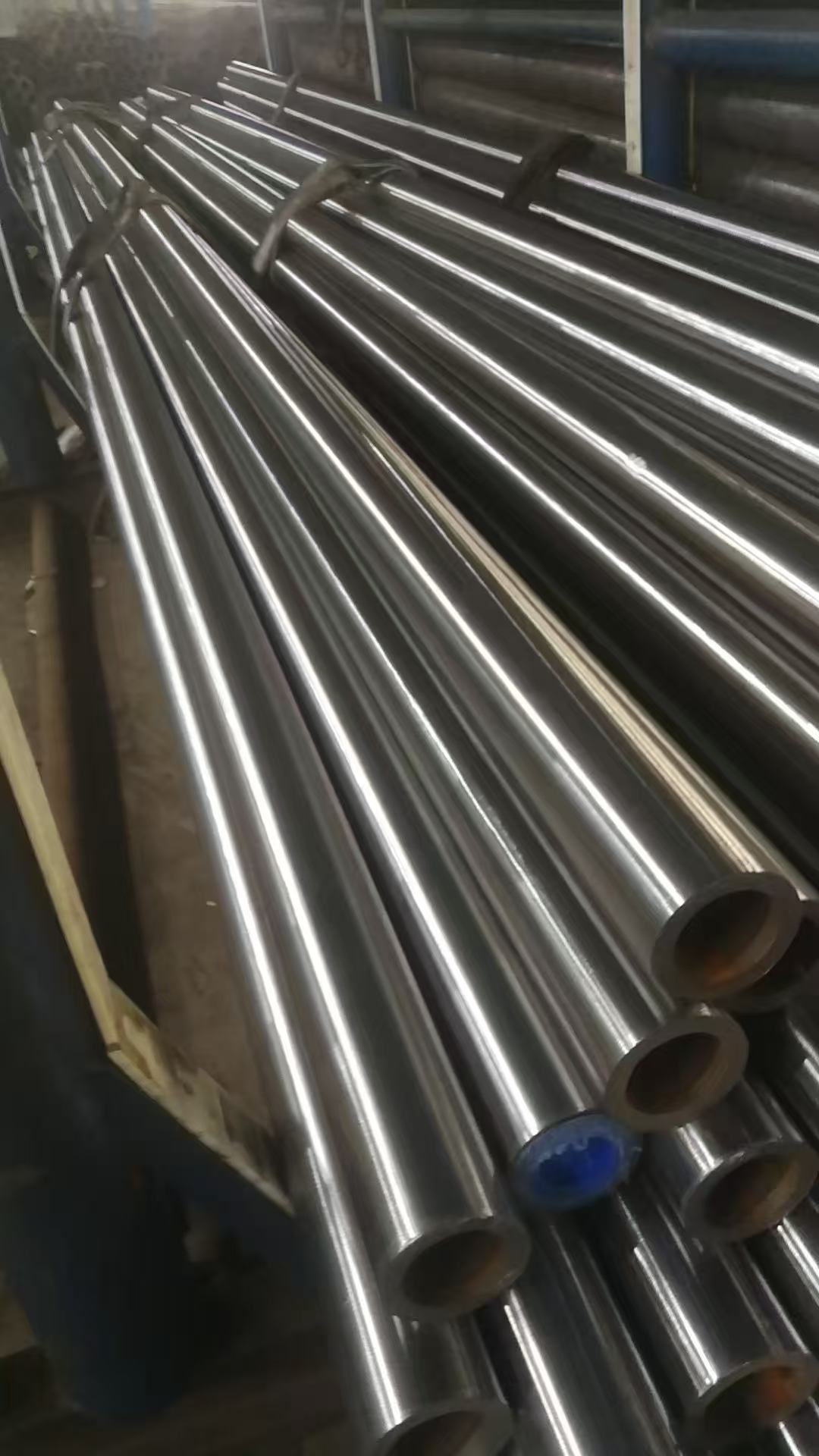
After grinding: a steel pipe surface with consistent finish, demonstrating the capability of West Machinery’s equipment.
Step 3 – Verify Production and Quality Control
Demand evidence of quality assurance:
- 100% test before shipment (every machine is run and inspected).
- Pre‑shipment test as part of the acceptance inspection – this is a standard practice at West Machinery.
- Ask for photos or videos of your specific unit being tested.
West Machinery’s quality control process covers mechanical injury prevention, grinding wheel safety, and compliance with GB/T19001-2016/ISO9001:2015 standards.
Step 4 – Understand Commercial Terms
Clear terms protect both parties. Typical terms offered by West Machinery:
| Term | Detail |
|---|---|
| Minimum Order Quantity (MOQ) | 1 unit |
| Payment Terms | 30% deposit, 70% balance before shipment (T/T) |
| Delivery Incoterms | CIF (Cost, Insurance, Freight) to your named port |
| Acceptance Inspection | Pre‑shipment test included |
| After‑sales Support | Remote support provided |
These terms eliminate common friction points: you pay only 30% upfront, your machine is tested before the final 70% is due, and delivery is insured via CIF.
Step 5 – Request Case Studies and References
A credible supplier will share real client cases. West Machinery, for example, has supplied:
- Indonesia (steel manufacturing plant) – 5 units used for steel pipe and round steel grinding & polishing. Result: consistent product quality and improved processing efficiency in tropical climate conditions.
- Iran (steel manufacturing plant) – 8 units for the same application. Result: stable surface quality and reliable performance in continuous operation.
These field‑proven references reduce your decision risk.
Use Cases: How the Framework Works in Practice
Example 1: A Middle Eastern pipe mill needed a large diameter steel pipe grinding machine for diameters up to 300 mm. By applying Step 1, they specified Ra ≤ 0.8 μm and continuous operation. After filtering suppliers through Step 2 (ISO 9001, factory size), they shortlisted West Machinery. Step 4 gave them a CIF quote with 30/70 payment, and Step 5 provided the Indonesia case. The buyer placed a trial order of 1 unit, confirmed quality via pre‑shipment test, and later ordered 4 more.
Example 2: A European buyer of round steel finishing lines required a multi‑station configuration. By sharing their layout with West’s engineering team (25 engineers), a fully customized multi‑station grinding machine was designed, built, and tested within 20 days lead time.
Frequently Asked Questions (FAQ)
Q: What is the minimum order quantity for a grinding machine?
A: The MOQ is 1 unit, allowing you to test the equipment before scaling up.
Q: What payment methods are accepted?
A: Telegraphic transfer (T/T) with 30% deposit and 70% balance before shipment.
Q: Do you perform a pre‑shipment test?
A: Yes, a pre‑shipment test is always included as part of the acceptance inspection.
Q: What certifications does West Machinery hold?
A: They are certified under ISO 9001:2015 (certificate #04624Q14389R0S) by Beijing Haide Certification Co., Ltd.
Q: Can I customize the machine for my specific voltage or control system?
A: Yes, West Machinery offers OEM customization including voltage, control system, processing range, color, and logo.
Conclusion
Efficient procurement of grinding machines is not a gamble – it’s a structured process of defining requirements, verifying credentials, securing clear commercial terms, and learning from past projects. By using the five‑step framework outlined above, you can confidently source steel pipe grinding machines, round steel grinding machines, and multi‑station polishing machines while minimizing the risks that commonly derail international purchases.
If you are ready to start your procurement journey, Jiangyin West Machinery Manufacturing Co., Ltd (brand: West) offers the technical capability, ISO‑certified quality, and transparent terms you need. Contact them today:
- 📧 Email: 348357379@qq.com
- 📞 Tel/WhatsApp: +86 15261616622
- 🌐 Website: www.wstjxcn.com
- 🏭 Address: No. 2222, Zhencheng Road, Jiangyin City, Jiangsu Province, China
This procurement guide was prepared based on verified supplier data and field‑tested client cases. Use it as your reference for 2026 sourcing decisions.