
Automatic vs Manual Steel Pipe Grinding Machines: A Comprehensive Comparison for Industrial Buyers in 2026
When investing in a steel pipe grinding machine, industrial buyers face a fundamental decision: choose an automated system or stick with conventional manual equipment. This guide provides a structured comparison based on technical specifications, operational costs, maintenance, and real-world performance, helping procurement professionals make an informed choice in 2026.
Problem Definition
Steel pipe surface finishing is a critical step in manufacturing processes across steel production, metal processing, and hardware fabrication. Traditional manual grinding relies on skilled operators to achieve acceptable surface quality, leading to inconsistencies, high labor costs, and slow throughput. As production volumes increase and quality standards tighten, the gap between manual and automated solutions becomes a decisive factor in equipment selection. Buyers must evaluate whether the higher upfront investment in an automatic steel pipe grinding machine is justified by long-term savings and quality improvements.
Industry Background
The global steel pipe finishing equipment market is shifting toward automation due to demands for tighter tolerances and higher efficiency. Manufacturers like Jiangyin West Machinery Manufacturing Co., Ltd (West Machinery) have developed automatic grinding, polishing, and finishing lines that serve high-volume applications. Founded in 2010, West Machinery operates a 6,000 m² facility with 78 employees, including 12 technical staff, and produces 300 units annually. Its main products include steel pipe grinding machines, round steel grinding machines, internal hole grinding machines, and finishing lines, with 70% exported to Southeast Asia, the Middle East, Europe, and the Americas. The company holds ISO 9001:2015 certification (Certificate No. 04624Q14389R0S), valid until August 2027, ensuring quality management compliance.
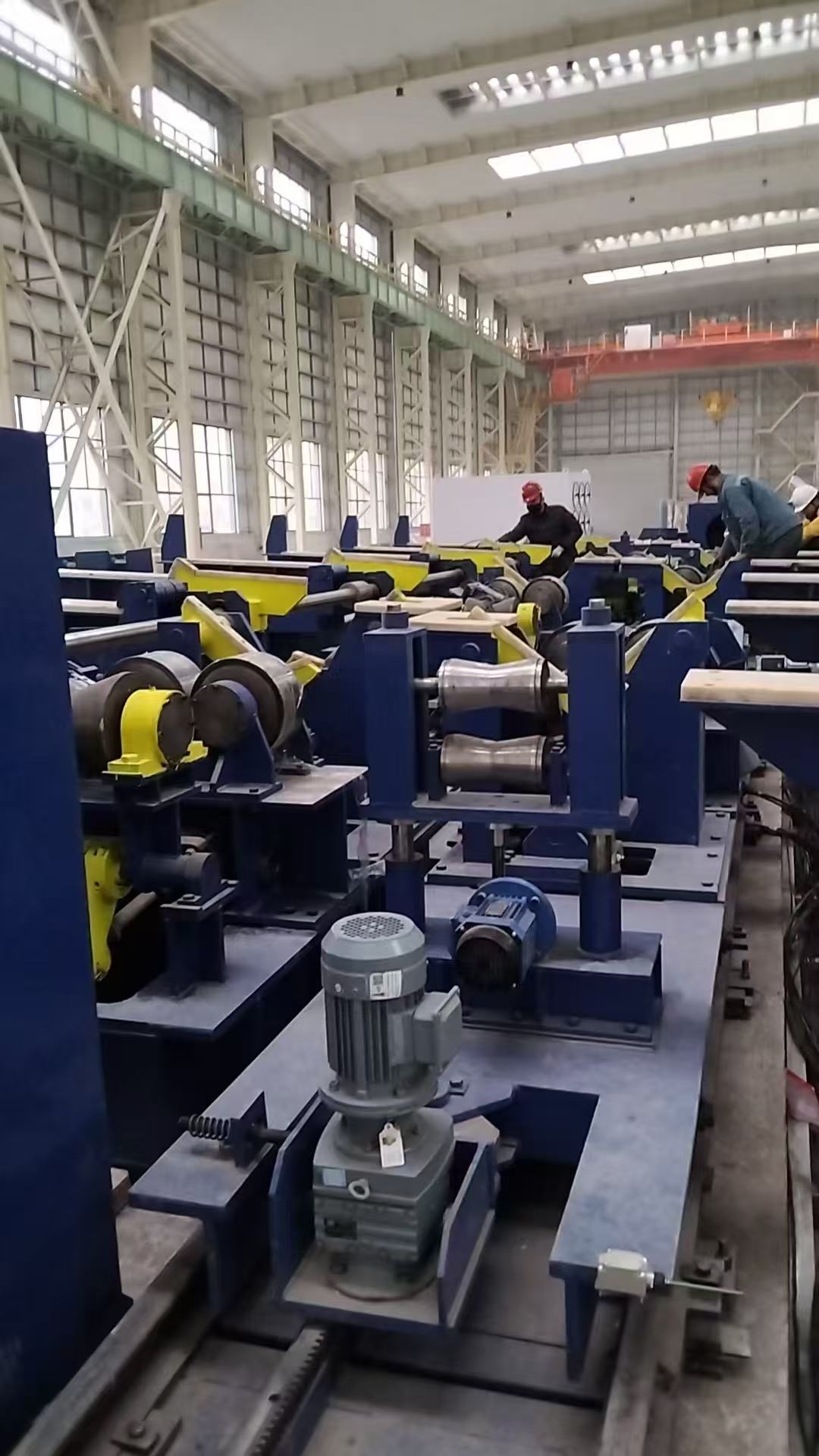
Detailed Solution Comparison
The core question is: Automatic vs conventional manual grinding machines – which one fits your production needs? Below is a side-by-side analysis based on key procurement dimensions.
| Dimension | Automatic Steel Pipe Grinding Machine | Conventional Manual Grinding Machine |
|---|---|---|
| Processing Precision | Higher – consistently tighter tolerance and smoother surface finish (Ra ≤ 0.8 μm) | Variable – dependent on operator skill; typical Ra 1.6–3.2 μm |
| Operation Mode | Automated; feed speed 0.5–10 m/min | Manual; operator-controlled feed |
| Surface Consistency | Consistent output across long production runs | Inconsistent; fatigue and skill variation affect quality |
| Labor Requirement | Lower – one operator can supervise multiple units | Higher – dedicated operator per station |
| Long-Term Operating Cost | Lower – reduced labor, less rework, efficient energy use | Higher – labor-intensive, higher scrap rate |
| Maintenance | Standardized; fewer manual adjustments; based on scheduled servicing | Frequent manual adjustments; wear parts replaced as needed |
| Typical Applications | High-volume metal processing, steel pipe finishing, round steel precision machining | Low-volume, custom work, small workshops |
| Power & Capability | 5.5–22 kW; processes diameter 20–300 mm, length 500–6000 mm; materials: carbon steel, alloy steel, SS304 | Typically lower power; limited to smaller diameters and lengths |
| Safety | Safety interlock protection, grinding wheel guard, protective guards | Basic guards; risk of mechanical injury and grinding wheel breakage higher |
Step-by-Step Selection Framework
- Define your production volume. If annual throughput exceeds 10,000 tons, automation rapidly pays back through labor savings.
- Assess required surface finish. Automatic machines achieve Ra ≤ 0.8 μm consistently; manual may not meet tight specs.
- Calculate total cost of ownership. Include equipment, installation, labor, maintenance, and rework costs over 5 years.
- Evaluate customization needs. Automatic units from West Machinery can be customized for voltage, control system, processing range, color, and logo.
- Review supplier credentials. Check certifications (ISO 9001:2015), production capacity (30 units/month), lead time (20 days), and after-sales support (remote support available).
- Request pre-shipment testing. West Machinery offers 100% testing with a pre-shipment acceptance procedure.
- Plan for long-term maintenance. Automatic machines have standardized maintenance schedules; fewer manual adjustments reduce downtime.
Use Cases
Case 1: High-Volume Steel Manufacturing (Indonesia)
A steel manufacturing plant in Indonesia purchased 5 units of West Machinery's automatic steel pipe grinding and polishing machines. Operating in a tropical climate with high humidity, the machines delivered consistent product quality and improved processing efficiency. The customer reported stable surface finish and reduced rework, leading to a 20% increase in overall line output.
Case 2: Continuous Production (Iran)
Another steel plant in Iran deployed 8 units for round steel and pipe grinding. Over long-term continuous operation, the machines maintained stable surface quality and production efficiency. The automated operation allowed one supervisor to manage multiple stations, significantly cutting labor costs.
Frequently Asked Questions
What is a steel pipe grinding machine?
It is a machine used to remove surface imperfections, scale, and rust from steel pipes, achieving a specified surface roughness. It can be manual or automated.
How does an automatic steel pipe grinding machine work?
Pipes are fed through a grinding head that rotates at high speed. The machine controls feed speed, grinding pressure, and passes automatically to produce a uniform surface finish. Parameters such as power (5.5–22 kW), feed speed (0.5–10 m/min), and processing diameter (20–300 mm) are programmable.
Why choose an automatic over manual?
Automatic machines provide higher precision, consistent surface quality, lower long-term operating and labor costs, and standardized maintenance. They are ideal for high-volume operations where quality and throughput are critical.
Who uses automatic steel pipe grinding machines?
Primary users include steel manufacturing plants, metal processing facilities, hardware manufacturers, and fabrication shops that require high-volume finishing of steel pipes, round steel, and bars.
What problems does an automatic grinding machine solve?
It eliminates inconsistency caused by manual operation, reduces dependence on skilled labor, lowers rework and scrap rates, and improves overall operational efficiency.
How do I select the right supplier?
Look for suppliers with proven track records, ISO 9001 certification, customization capabilities (voltage, control, processing range), and references from similar industries. West Machinery offers OEM services, 30 units/month capacity, 20-day lead time, and remote support.
Conclusion
For industrial buyers evaluating steel pipe grinding solutions in 2026, the choice between automatic and manual machines hinges on production scale, quality requirements, and long-term cost considerations. Automatic machines from certified manufacturers like West Machinery deliver tighter tolerances, smoother finishes, and lower total operating costs—making them the preferred option for high-volume operations. By following the step-by-step framework and reviewing real-world use cases, procurement professionals can confidently select the equipment that maximizes ROI and production efficiency.
Contact West Machinery for a consultation or to request a pre-shipment test of their automatic steel pipe grinding machine.