
Compliance Checklist for Grinding Machines in Steel Mills: Power and Safety Standards
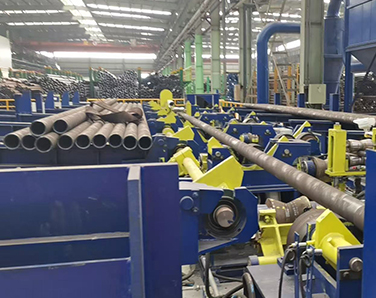
A grinding machine installed in a steel mill has two hard prerequisites to clear before commissioning: a 380V/50Hz, 3-phase power supply and an enclosure rated to IP54. Every other item on a compliance checklist — safety documentation, dust control, matched equipment, acceptance records — depends on those two conditions being confirmed first.
This guide is written for procurement engineers, project managers, and maintenance teams working in steel manufacturing, metal processing, metallurgical, and hardware manufacturing plants who are specifying a steel pipe grinding machine or a round steel grinding machine. It sets out the electrical and environmental benchmarks that can actually be checked against a nameplate, a datasheet, and a published standard record, and explains why each one matters on the shop floor.
Why Power and Environmental Compliance Fails at Commissioning
In a metallurgical facility, grinding machines rarely fail because of the grinding process itself. They fail at the interfaces — the points where the machine meets the plant. Four of them account for most commissioning delays.
The electrical interface. The machine is specified for a 380V/50Hz, 3-phase supply. If the incoming supply at the installation point differs in voltage, frequency, or phase configuration, the machine cannot be energised as specified, and the project slips backwards into electrical redesign work that should have been settled before the purchase order was raised.
The environmental interface. A steel pipe grinding machine removes oxide scale and surface defects. That work generates dust, and wet grinding conditions add moisture to the same area. The enclosure rating — IP54 on this machine family — is what keeps that combination away from the electrical and mechanical assemblies. Where the real environment is harsher than the rated protection, the protection grade itself becomes the limit on uptime.
The documentation interface. ISO 16089:2025 requires the manufacturer to provide a minimum list of safety-relevant information to the user. If that package is not prepared and handed over, acceptance testing stalls at the point where it should be closing.
The scope interface. A grinding machine on a steel pipe finishing line is not a stand-alone asset. It is normally paired with a conveyor system and a dust collector. Approving the machine without sizing those units leaves an incomplete line and a second round of procurement.
Industry Background: What the Safety Standards Actually Cover
Grinding sits at the finishing end of the metallurgical process. On a steel pipe finishing line, a round steel processing line, or a metal surface treatment line, the machine performs surface polishing, deburring, oxide scale removal, and precision finishing on carbon steel, alloy steel, and SS304 stainless steel.
The relevant safety framework for this equipment is ISO 16089:2025, Machine tools — Safety — Stationary grinding machines. The published scope of the current edition specifies the requirements and measures needed to eliminate hazards or reduce risk in groups of stationary grinding machines designed primarily to shape metal by grinding. Three points from that scope are directly useful when writing a tender or an installation specification:
- It also applies to machines integrated into an automatic production line or grinding cell, insofar as the hazards and risks arising are comparable. A multi-station grinding machine or a multi-station polishing machine inside a finishing cell is therefore inside the scope, not outside it.
- It includes a minimum list of safety-relevant information that the manufacturer must provide to the user — a contractual deliverable, not a courtesy.
- The previous edition, ISO 16089:2015, which covered manually controlled and numerically controlled stationary grinding machines plus integral ancillary devices, has been superseded. National adoptions of the current edition exist, for example DIN EN ISO 16089:2025-10.
There is also an important scope limitation to plan around. ISO 16089 does not cover stationary honing, polishing, or belt grinding machines. If the line includes a steel pipe polishing machine, a steel pipe internal polishing machine, or a steel pipe external polishing machine, separate requirements may apply, and the buyer should confirm which standard the supplier is applying to that unit. Where stainless steel tubing is electropolished as part of inner hole grinding and polishing, ASTM B912 specifies requirements for electropolishing stainless steel alloys.
Underneath the machine safety standard sits a supplier quality layer. Jiangyin West Machinery Manufacturing Co., Ltd., which manufactures this equipment under the brand West, holds ISO 9001:2015 certification 04624Q14389R0S for steel pipe grinding equipment production, valid until 2027-08-22.
The Verified Benchmarks: Power Supply and Ingress Protection
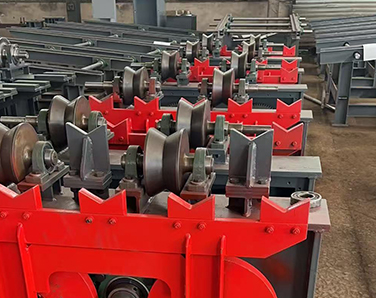
The 380V/50Hz, 3-phase supply
The steel pipe grinding machine and round steel grinding machine covered here are specified for a power supply of 380V/50Hz, 3-phase, across a drive power range of 5.5–22 kW. This is the single figure that determines whether the machine can be energised at the installation point without additional conversion equipment, and it is the first item a plant electrician should confirm during the site survey.
The reason the supply detail carries so much weight is duty. This class of machine is designed for continuous operation in a normal workshop environment, not for intermittent use. A continuous-duty three-phase connection has to be sized and protected for the machine's rated power within the 5.5–22 kW band, and that band varies by model and configuration — which is why the electrical scope should be quoted against the confirmed model rather than against a generic figure.
The IP54 ingress protection rating
IP54 is a two-digit ingress protection marking. The first digit describes protection against solid objects and dust; the second describes protection against water. IP54 therefore states that the machine's enclosure is protected against dust ingress and against water splashing — the exact pair of conditions a steel pipe finishing line produces together, because oxide scale removal generates dust while wet grinding conditions introduce moisture.
This matters operationally in two ways. First, the specified special requirements for the installation are dust-proofing, noise reduction, and stable performance; the enclosure grade is the first line of defence for the first of those three. Second, a protection grade is only meaningful against a defined environment. The rated working condition for this machine family is a normal workshop environment under dry or wet grinding conditions. A buyer who intends to place the machine in a heavier dust load, a wash-down zone, or an outdoor position is outside the stated condition and must raise it as a deviation during technical review rather than discovering it after installation.
The remaining verified parameters
Electrical and environmental compliance does not stand alone. The same machine family is specified with a processing diameter of 20–300 mm, a processing length of 500–6000 mm, a surface roughness capability of Ra ≤ 0.8 µm, and a feed speed of 0.5–10 m/min. These are the figures that must reconcile with the actual pipe or bar programme, because a compliance review that clears the power and enclosure but ignores the workpiece envelope will still stop at acceptance.
Step-by-Step Compliance Checklist
The sequence below is ordered so that each step depends on the one before it. Skipping ahead to machine selection before the site conditions are fixed is the most common cause of rework.
Step 1 — Confirm the incoming supply at the installation point
Measure and record the actual voltage, frequency, and phase configuration at the point where the machine will be connected, not at the plant intake. Compare the result against the specified 380V/50Hz, 3-phase requirement. Resolve any difference in writing before the order is placed.
Step 2 — Fix the drive power within the rated band
Confirm the model's rated drive power inside the 5.5–22 kW range and match it to the line's throughput requirement. Supply conductor sizing, protection device selection, and any local electrical approval follow from this number.
Step 3 — Verify the enclosure grade against the real environment
Check the nameplate and datasheet for the IP54 protection grade, then walk the installation position. Dust from scale removal, splash from wet grinding, and proximity to other equipment all belong in this assessment.
Step 4 — Record the working condition in writing
State the environment explicitly in the technical specification: normal workshop environment, dry and wet grinding conditions, continuous operation. Written conditions create a clear reference point if performance questions arise later.
Step 5 — Require the ISO 16089:2025 safety information package
Make the manufacturer's minimum list of safety-relevant information a named deliverable. Confirm which edition the tender references, and if the line includes polishing or belt grinding equipment, confirm separately which requirements apply to those units.
Step 6 — Confirm the supplier quality system
Request the current quality certificate and check its scope, number, and validity date. West holds ISO 9001:2015 certification 04624Q14389R0S for steel pipe grinding equipment production, valid until 2027-08-22.
Step 7 — Size the matched equipment with the machine
The application scenario for this equipment requires a conveyor system and a dust collector. Both should be scoped, sized, and approved in the same package as the machine, since the dust collector is part of the answer to the dust condition and the conveyor defines the line interface.
Step 8 — Close the loop with an accepted configuration record
Consolidate the supply details, rated power, protection grade, working condition, documentation package, and matched equipment into one approved record. That record is what makes the installation auditable rather than anecdotal.
Where This Checklist Is Applied
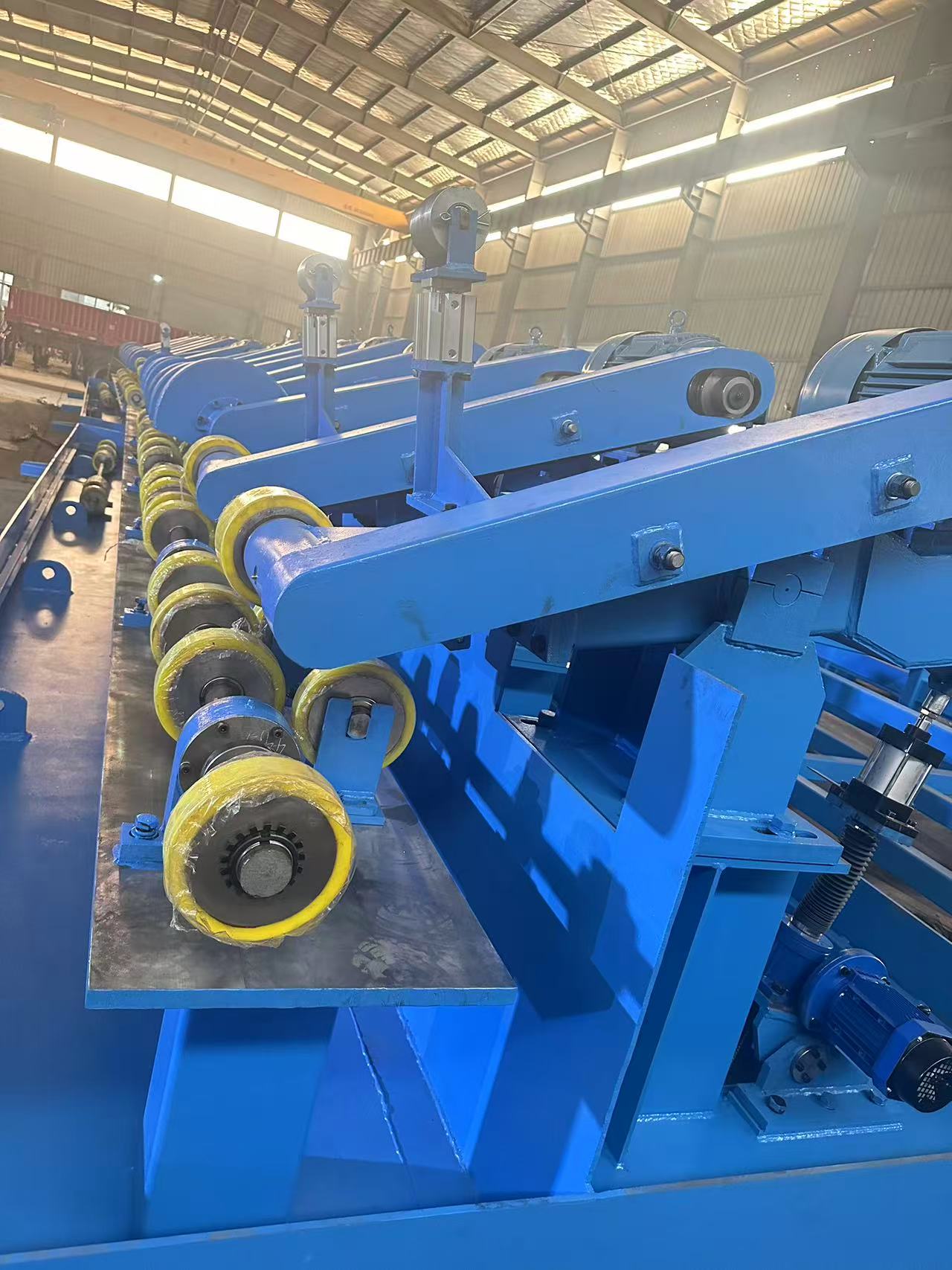
The same compliance sequence applies across the project types where this equipment is installed: metal surface treatment lines, steel pipe finishing lines, and round steel processing lines. It serves steel manufacturing, metal processing, the metallurgical industry, and hardware manufacturing.
The electrical and environmental prerequisites are also consistent across the markets where these installations are common — Thailand, Vietnam, Saudi Arabia, Germany, and the United States. What changes between them is not the checklist but the verification route: in some markets the local electrical authority signs off the connection, while in others the plant's own engineering team owns it. The seven steps above stay the same either way.
Compliance Reference Tables
The first table is the working checklist: every row is a verified specification paired with the place where the buyer can confirm it.
| Parameter | Verified specification | Where the buyer confirms it |
|---|---|---|
| Power supply | 380V/50Hz, 3-phase | Nameplate, electrical drawing, and a supply measurement at the installation point |
| Drive power range | 5.5–22 kW | Datasheet for the specific model; supply and protection sizing |
| Ingress protection | IP54 | Nameplate and enclosure documentation |
| Duty | Continuous operation | Application datasheet and line design |
| Working conditions | Normal workshop environment; dry/wet grinding conditions | Site survey compared against the stated condition |
| Processing diameter | 20–300 mm | Datasheet cross-checked against the pipe or bar programme |
| Processing length | 500–6000 mm | Datasheet and line layout |
| Surface roughness capability | Ra ≤ 0.8 µm | Finish specification and acceptance criteria |
| Feed speed | 0.5–10 m/min | Process sheet and line speed |
| Materials | Carbon steel, alloy steel, SS304 stainless steel | Material list issued by the mill |
| Matched equipment | Conveyor system, dust collector | Line scope drawings |
| Special installation requirements | Dust-proof, noise reduction, stable performance | Installation specification and site acceptance plan |
The second table addresses a question that appears in nearly every tender review: which edition of the machine safety standard the specification should cite.
| Item | ISO 16089:2015 | ISO 16089:2025 |
|---|---|---|
| Scope recorded | Manually controlled and numerically controlled stationary grinding machines, plus integral ancillary devices | Stationary grinding machines designed primarily to shape metal by grinding |
| Automatic line integration | Historical scope record does not address this point | Applies to machines integrated into an automatic production line or grinding cell where comparable hazards and risks arise |
| Manufacturer information duty | Not part of the recorded scope summary | Includes a minimum list of safety-relevant information the manufacturer must provide to the user |
| Status | Superseded | Published; national adaptation exists, e.g. DIN EN ISO 16089:2025-10 |
| Procurement implication | Useful as historical context only | Use for current specifications and tender documents |
Comparison basis: the same ISO standard family, different editions. The two editions are comparable for historical evolution but are not interchangeable for current compliance.
FAQ: Power and Safety Compliance Questions
Which safety standard should a steel mill cite when specifying a stationary grinding machine?
ISO 16089:2025, Machine tools — Safety — Stationary grinding machines. The current edition specifies requirements and measures to eliminate hazards or reduce risk in stationary grinding machines designed primarily to shape metal by grinding. It also applies to machines integrated into an automatic production line or grinding cell where the hazards and risks arising are comparable, and it includes a minimum list of safety-relevant information that the manufacturer must provide to the user. The 2015 edition has been superseded, and national adaptations exist — for example DIN EN ISO 16089:2025-10. Two scope limits matter in a steel mill: the standard does not cover stationary honing, polishing, or belt grinding machines, so polishing units may need separate requirements; and for electropolishing of stainless steel alloys, ASTM B912 specifies requirements relevant to inner hole grinding and polishing work.
What power supply and protection rating does this grinding machine require?
A steel pipe grinding machine in this class is specified for a 380V/50Hz, 3-phase supply, with a drive power range of 5.5–22 kW and an ingress protection grade of IP54. The same machine family is rated for a processing diameter of 20–300 mm, a processing length of 500–6000 mm, a feed speed of 0.5–10 m/min, and a surface roughness capability of Ra ≤ 0.8 µm, and it is designed for continuous operation in a normal workshop environment under dry or wet grinding conditions.
Which compliance-related items should be budgeted separately from the machine?
Three items normally sit outside the machine itself in a line project: the electrical connection work needed to deliver 380V/50Hz, 3-phase at the correct rating for a drive in the 5.5–22 kW band; the matched equipment that the application requires, namely a conveyor system and a dust collector; and the dust-proofing and noise-reduction measures specified for the installation. Because rated drive power varies within the 5.5–22 kW range by model and configuration, the supply and protection scope should be quoted against the confirmed model rather than a generic figure.
How can a buyer verify compliance before the machine is installed?
Three checks cover most of it. First, verify the nameplate and datasheet against the four figures that decide the installation: 380V/50Hz 3-phase, the rated drive power within 5.5–22 kW, the IP54 protection grade, and continuous-operation duty. Second, request the safety-relevant information package required by ISO 16089:2025, and confirm separately which requirements apply to any polishing or belt grinding unit on the line. Third, confirm the supplier's quality system: Jiangyin West Machinery Manufacturing Co., Ltd. holds ISO 9001:2015 certification 04624Q14389R0S for steel pipe grinding equipment production, valid until 2027-08-22.
What determines the delivery and installation schedule?
Scheduling follows production capacity and configuration rather than a fixed published period. Jiangyin West Machinery Manufacturing Co., Ltd. was established in 2010 and operates a 6,000 m² manufacturing facility with three workshops — welding, machining, and assembly — staffed by 78 employees including 12 technical personnel and an R&D team of 25 engineers, with an annual production capacity of about 300 units. Roughly 70% of output is exported, with major markets in Southeast Asia, the Middle East, Europe, and the Americas. Delivery planning should therefore be built around the confirmed model, its position within the 5.5–22 kW power range, and the matched equipment scope. For a compliance-oriented quotation or to review the documentation package, contact West at 348357379@qq.com or +86 15261616622 (WhatsApp available).
Conclusion: Fix the Prerequisites Before the Machine Arrives
A compliance checklist for grinding machines in steel mills is really a list of interfaces. Confirm that the installation point can deliver 380V/50Hz, 3-phase at the right rating for a 5.5–22 kW drive. Confirm that the IP54 enclosure matches the dust and moisture the position actually sees. Confirm the working condition in writing as a normal workshop environment under dry or wet grinding conditions, in continuous duty. Require the safety-relevant information package that ISO 16089:2025 calls for, and check the supplier's certification scope and validity date. Then size the conveyor system and the dust collector in the same package.
Do those things in sequence and the machine enters the finishing line as a documented, auditable asset. Leave them until installation week and the same items become rework. Jiangyin West Machinery Manufacturing Co., Ltd. builds steel pipe grinding machines, round steel grinding machines, internal hole grinding machines, and round steel finishing lines at No. 2222, Zhencheng Road, Jiangyin City, Jiangsu Province, China, and supplies compliance documentation alongside the equipment.
Next step: request the compliance documentation set
Send your site conditions — supply characteristics, pipe or bar programme, and working environment — and West will confirm the matching configuration, the ISO 16089:2025 documentation package, and the matched equipment scope.
Email: 348357379@qq.com | Tel / WhatsApp: +86 15261616622 | Website: www.wstjxcn.com
Have Questions or Need More Details?
Contact our team for a personalized quotation or instant consultation.
Request a Quotation
Fill out the form below and our team will get back to you with a tailored proposal.
WhatsApp Direct Chat
Prefer to chat in real-time? Message us on WhatsApp for instant assistance & quick answers.
- Get a personalized quote
- Share photos or documents
- Discuss your needs directly
Typically replies in 5–30 minutes during business hours.