
Adapting Single Cylinder Diesel Engines to Harsh Environments: An Application-Specific Guide
Application-Specific Guide · Decision-Stage Buyer Resource
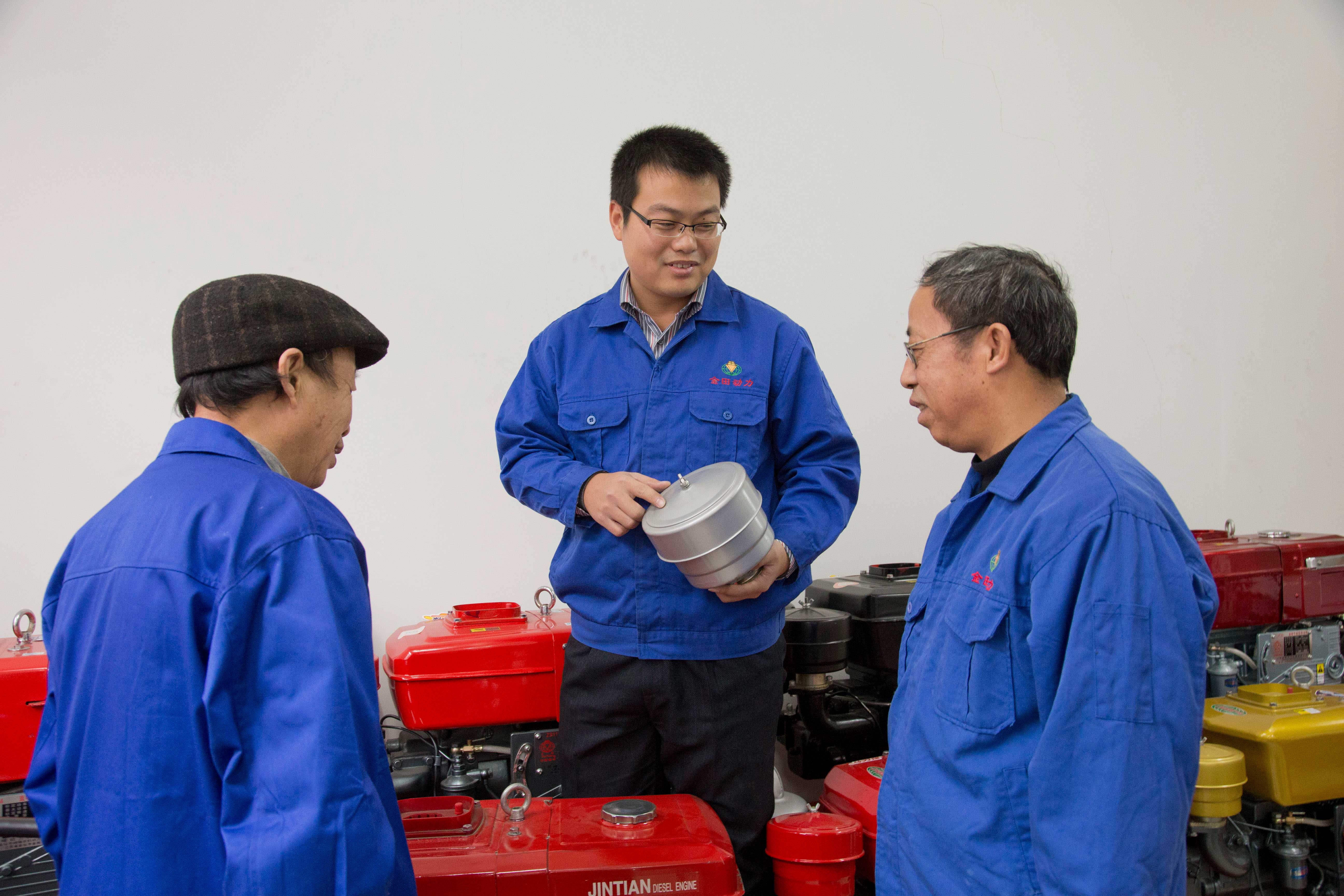
The engine that fails first in a rice mill is rarely the one with the wrong horsepower rating. It is more often the one whose cooling fins are packed with chaff, whose intake filter was specified for a workshop rather than a grain yard, or whose paint gave up after two humid seasons. Harsh-environment adaptation is a configuration decision — and it costs far less to make before the order than after the first breakdown.
This guide is written for buyers who are already comparing options and need to decide what to specify. It covers the five adaptation levers that matter most — cooling architecture, intake filtration, cold starting, surface protection, and service access — and it explains how to sequence those decisions in a step-by-step configuration process that can be taken straight to a supplier.
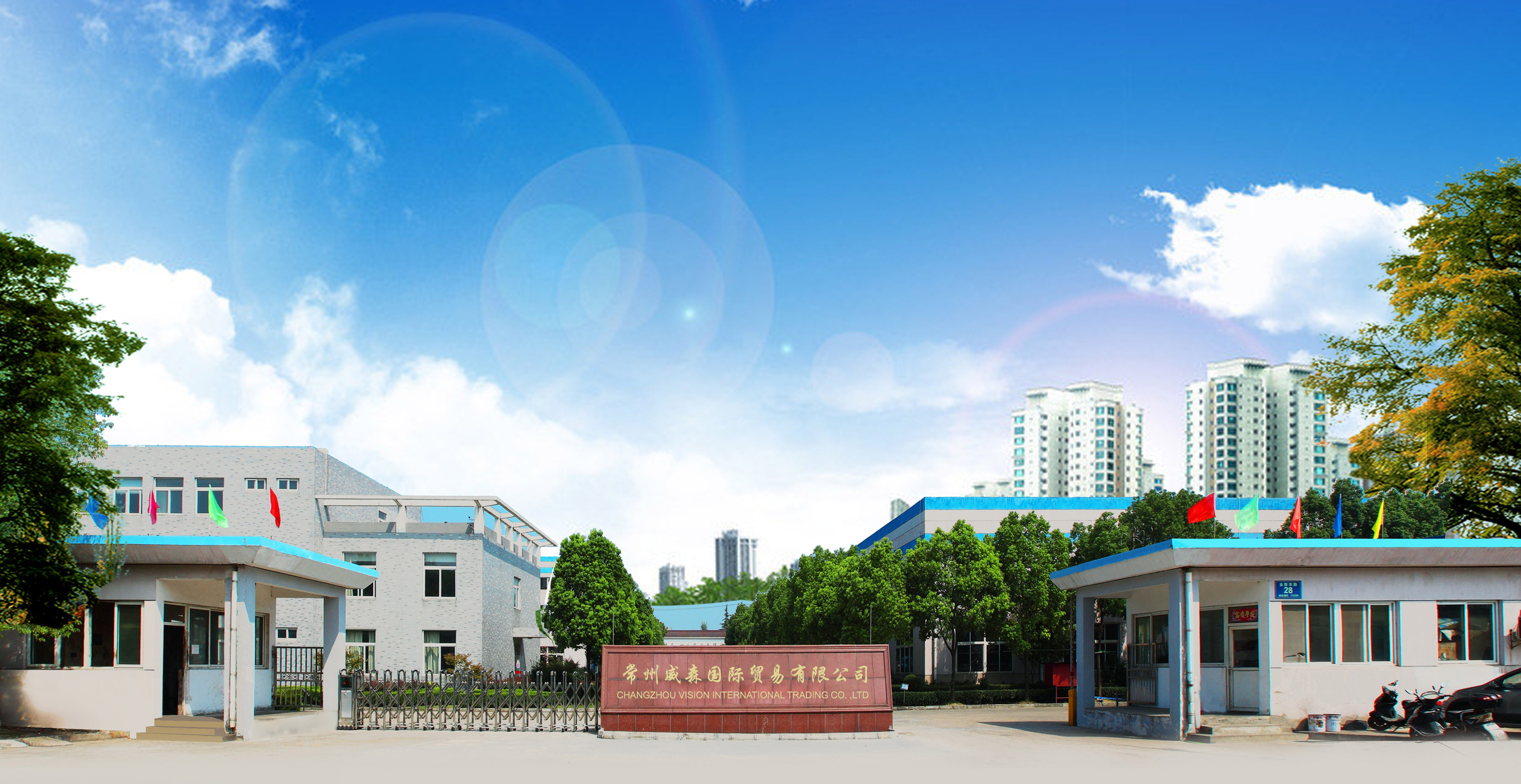
Willson is the single cylinder diesel engine brand produced by CHANGZHOU VISION INTERNATIONAL TRADING CO.,LTD, a China-based manufacturer founded in 2010 that builds air-cooled and water-cooled single cylinder diesel engines from 3 to 45 horsepower together with diesel engine accessories. Those engines power small tractors, agricultural machinery, generator sets, water pumps, small construction machinery, air compressors, inland waterway vessels, and agricultural and sideline product processing — a product range that spans almost every harsh environment discussed below.
What Counts as a Harsh Environment for a Single Cylinder Diesel Engine
Definition: in this guide, a harsh environment is any set of operating conditions that repeatedly pushes one or more of the engine's core subsystems — intake air, cooling, lubrication, starting, and surface protection — outside the assumptions built into a standard specification.
Five stressors account for most field-failure patterns in small diesel engines:
- Airborne dust, chaff, and abrasive particulate. Cutting, threshing, milling, and road work produce fine particulate that loads the intake system far faster than a workshop specification assumes. The same material abrades exposed linkages and accelerates surface degradation.
- Low air density at altitude. At higher elevations each intake stroke draws in less oxygen, which changes combustion quality and effective power delivery. Altitude suitability is a configuration question that has to be raised before the order, because it affects intake and fuelling decisions rather than an accessory added later.
- Sustained high ambient temperature. Continuous duty in a hot climate narrows the gap between normal operating temperature and overheating, and it stresses lubricant and cooling components at the same time.
- Low ambient temperature and cold starting. Cold conditions affect the whole starting chain — battery performance, lubricant behaviour, and combustion chamber temperature.
- Humidity, salt, and chemical exposure. Coastal sites, inland waterway vessels, livestock buildings, and fertilizer handling areas attack exposed metal surfaces continuously rather than seasonally.
Decision rule: name the dominant stressor before specifying anything else. Every configuration change carries a cost — in purchase price, in service complexity, or in operating behaviour — and spreading small improvements across all five stressors usually delivers less reliability per dollar than resolving the one that actually drives failures on site.
Industry Background: Why Environment-Specific Configuration Is Now a Mainstream Buyer Question
Single cylinder diesel engines are concentrated in exactly the environments that punish unadapted configurations. Agriculture remained the dominant application for this engine class in 2025, accounting for approximately 42.3% of the market (Dataintelo), and Asia Pacific held a 58.2% revenue share of the same market in the same year. One published estimate places the global single cylinder diesel engine market at approximately USD 3.34 billion in 2025, projected to reach USD 3.74 billion by 2035 (Global Growth Insights). Other published estimates for this segment differ significantly, so buyers should treat any single figure as directional rather than definitive.
The demand side is equally concentrated. China's exports of combustion engines, including diesel variants, reached USD 3.29 billion in 2025, with major destinations including Russia, Vietnam, and India (Observatory of Economic Complexity). Destination markets of that kind combine dust, heat, and humidity inside the same duty cycle, which is precisely why environment adaptation has moved from a niche engineering topic to a standard line item in sourcing discussions.
Willson engines are exported predominantly to South America, Africa, Southeast Asia, and the Middle East, with an export ratio of about 70% of production. That distribution pattern is significant for configuration decisions: the failure modes that matter most to this buyer base are dust ingress, sustained heat, and humidity-driven corrosion rather than cold starting — although altitude and cold-weather configurations remain relevant for specific regions and for buyers who redistribute engines across several markets.
The competitive landscape in this segment is well documented. Leading global manufacturers include Yanmar, Kubota, Kohler, and Hatz, while prominent Chinese manufacturers include Changchai and Shifeng Group (Intel Market Research). The practical difference between suppliers at this stage of a project is rarely the brand name itself; it is the willingness and ability of the supplier to answer environment-specific configuration questions with concrete, verifiable answers.
Detailed Solution: The Five Adaptation Levers
An environment-adapted engine is not a different engine. It is the same base engine configured, finished, and documented so that the dominant stressor no longer determines service life. Five levers do most of the work.
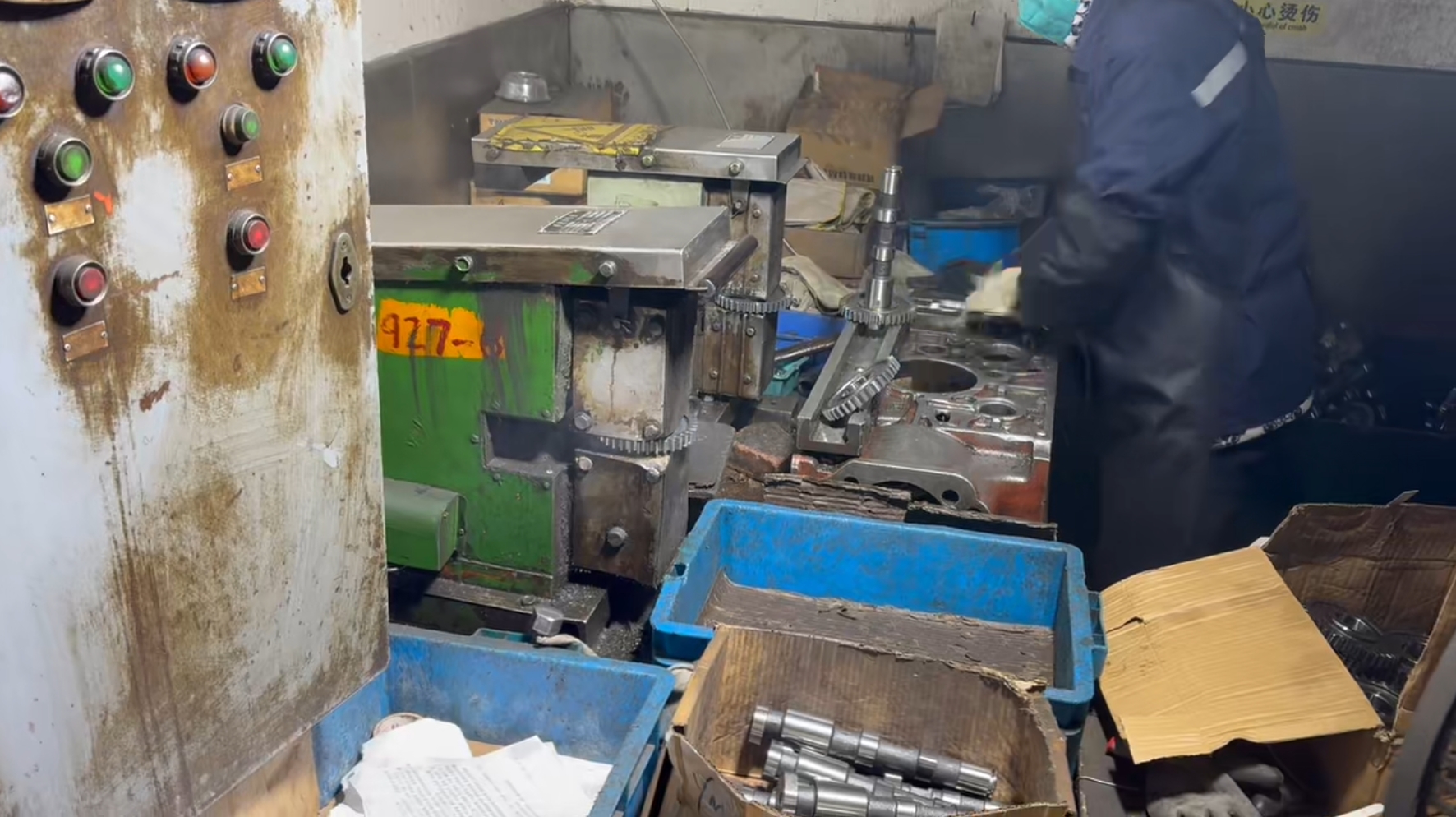
1. Cooling architecture: air-cooled or water-cooled
The choice between an air-cooled diesel engine and a water-cooled diesel engine is the first fork in any harsh-environment configuration, because it determines what the operator has to maintain and what can fail.
Air-cooled engines reject heat directly to the air through fins and forced airflow. They carry no coolant, no radiator, no hoses, and no water pump, which removes an entire category of maintenance and eliminates freeze risk in cold climates. Their vulnerability is physical: packed fins, blocked airflow paths, or an engine installed inside a tight enclosure lose cooling capacity quickly.
Water-cooled engines hold operating temperature more consistently under sustained load, which is why they are commonly specified for long continuous duty cycles in hot climates and for enclosed installations such as generator sets. The trade-off is a larger maintenance surface: coolant level and condition, hoses, radiator cleanliness, and frost protection all become operator responsibilities.
Willson supplies both cooling types within the same 3 to 45 horsepower single cylinder range, which means the decision can be made on application logic rather than on what happens to be available.
2. Intake air filtration and dust management
Dust is the most predictable killer of small diesel engines in agriculture, and it attacks on two fronts. Internally, unfiltered particulate reaches the intake and accelerates cylinder and ring wear. Externally, the same abrasive material degrades paint, fasteners, and controls.
Practical filtration planning means specifying staged filtration rather than a single element — a pre-cleaner stage to shed the bulk of heavy particulate, followed by a serviceable main element — and then designing a service routine that a field operator will actually follow. Filtration specification without a realistic service interval is only half a solution.
Surface protection matters equally in high-dust environments, because the exterior of an engine in a grain yard or on a threshing floor is under continuous abrasive attack. Manufacturing process choices made at the factory determine how long that surface holds up.
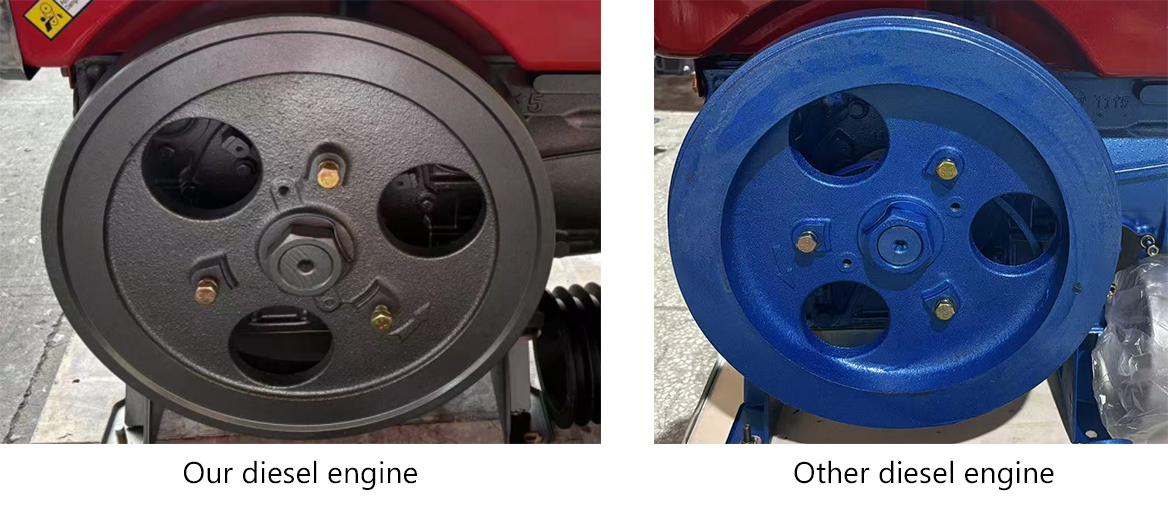
Willson engines are completely cleaned before painting. Compared with other diesel engines, this preparation step improves the paint adhesion rate by 20% and anti-corrosion performance by 30%, with the largest benefit in high-dust agricultural environments. The same comparison records a 15% reduction in long-term maintenance cost, less frequent repainting and rust repair, and consistent power output with low fuel consumption.
3. Cold start and thermal behaviour
Where low ambient temperature is the dominant stressor, the configuration question is how the engine will be brought up to operating temperature reliably and repeatedly. Cold-start aids for small single cylinder diesels generally work on three fronts: raising intake air temperature, reducing initial compression resistance through the starting sequence, and ensuring the lubricant is appropriate for the ambient conditions.
The starting method interacts with all three. A recoil-start configuration keeps the starting system self-contained and independent of battery condition, which matters in remote sites where charging discipline is inconsistent. An electric start diesel engine reduces operator effort and is easier to integrate into enclosed or remotely operated installations, but the battery and charging circuit become a maintenance item that must be checked before cold weather arrives. Buyers choosing between the two should treat it as an operating-condition decision, not simply a convenience decision.
4. Corrosion and surface protection
Humidity, salt air, and chemical exposure attack differently from dust: the damage is continuous rather than abrasive, and it concentrates on fasteners, exposed machined surfaces, and areas where moisture collects. Engines used on inland waterway vessels and in coastal irrigation stations sit in the most demanding part of this spectrum.
Protection strategy begins with surface preparation and coating quality, then extends to correct storage and handling before commissioning. Engines are frequently degraded before they ever run, during shipping and open-air storage at the destination, so the specification should cover the journey as well as the duty cycle.
5. Maintenance access, documentation, and training
Harsh-environment reliability is partly a maintenance question, and maintenance is partly a documentation question. An operator who cannot find the correct procedure will improvise, and improvisation in a dusty or high-temperature environment produces failures that look like manufacturing defects but are not.
Safety and maintenance baseline: shut down the engine before performing any maintenance, and operate strictly in accordance with the instruction manual. Willson supports this by providing detailed operation and maintenance manuals together with pre-sale technical training and after-sales support.
Step-by-Step Breakdown: Configuring an Engine for a Specific Site
The sequence below is the order in which the decisions should be made. Changing the order usually means re-opening a decision that has already been priced.
Step 1 — Define the dominant stressor and the real duty cycle
Write down the environment in plain operational terms: hours per day, load profile, ambient conditions across the year, dust level, and who performs maintenance. Most configuration errors start with a duty cycle that describes the brochure rather than the site.
Step 2 — Choose the cooling architecture
Select air-cooled or water-cooled on the basis of duty cycle, enclosure conditions, water and coolant availability, freeze risk, and the maintenance skill available on site. Confirm the cooling path is physically clear — an air-cooled engine installed against a wall is a specification error, not a manufacturing defect.
Step 3 — Specify intake filtration and its service routine
Decide the number of filtration stages, the type of pre-cleaner, and the element replacement or cleaning interval the operator can realistically sustain. Build that routine into the commissioning checklist so it survives the first season.
Step 4 — Fix the starting method and cold-start provisions
Confirm whether the site needs recoil or electric starting, and what cold-start provisions are required. Where batteries are involved, agree who checks them and when, because cold-weather starting problems are usually electrical or lubricant problems rather than engine problems.
Step 5 — Confirm surface protection and storage handling
Match the finish and corrosion protection to the environment, then plan how the engine will be stored and moved at the destination before commissioning.
Step 6 — Verify compliance and documentation requirements
List the certification and emission requirements that apply to the destination market and the specific application. U.S. EPA Tier 4, for example, regulates particulate matter and nitrogen oxides for off-highway diesel engines, with exemptions for engines under 24 horsepower — so the applicable requirement depends on both the market and the horsepower band. Willson production operates under ISO 9001 quality management system certification and ISO 14000 environmental management system certification.
Step 7 — Validate the configuration before volume rollout
Confirm the configuration in writing with the supplier's technical contact, review the operation and maintenance documentation, and use pre-sale technical training where operator skill is the limiting factor. For buyers planning local assembly, SKD (semi-knocked down) and CKD (complete knocked down) supply models should be discussed at this stage as well, because they change which components are protected during transit and which are exposed to local conditions during assembly.
Use Cases: Matching Configuration to Real Applications
Irrigation pumps and irrigation diesel engines
Pumping duty is often long and continuous, and pump sites are usually remote. Sustained heat makes cooling the primary consideration, while dust from dry field access roads loads the intake steadily. Where coolant discipline on site is weak, an air-cooled diesel engine can be the more reliable choice despite its higher heat sensitivity, because it removes coolant management from the operator's workload.
Power tillers, tillers, and farm machinery
Tiller duty is intermittent, vibration-heavy, and dusty, and maintenance is often performed in the field. Simplicity usually beats sophistication here: robust intake filtration, a starting method suited to the operator, and paint and fastener protection that survives abrasive soil contact.
Threshers, rice mills, and agricultural processing
Processing sheds combine very fine, continuous dust with enclosed operating positions. Multi-stage intake filtration and defined servicing intervals matter more here than in almost any other application, and cleaning access around the engine should be checked before installation rather than after.
Generator sets
Gensets run at sustained load, often inside acoustic or weather enclosures where heat accumulates. Cooling architecture and ventilation must be planned as a system, and corrosion protection becomes significant in humid or coastal locations.
Small construction machinery and air compressors
Construction duty adds vibration and impact to the dust and heat profile, so protection of external components and the integrity of the intake path deserve explicit attention in the specification.
Inland waterway vessels
Constant humidity and continuous load make this the most corrosion-intensive application in the list. Surface protection and the accessibility of maintenance points in a vessel environment should drive the specification.
Application configuration logic
| Application | Dominant stressor | Cooling logic | Filtration priority | Protection priority |
|---|---|---|---|---|
| Irrigation pump / water pump | Dust with sustained heat | Water-cooled for long continuous duty; air-cooled where coolant discipline is weak | Staged filtration with pre-cleaner | Exterior corrosion and fasteners |
| Power tiller / tiller | Dust, vibration, field service | Air-cooled for simplicity | Pre-cleaner plus serviceable element | Paint adhesion and fastener coating |
| Rice mill / thresher | Fine dust in enclosed sheds | Either, provided airflow paths are planned | Highest — multi-stage | Sealed surfaces and cleaning access |
| Generator set | Heat build-up in enclosure | Water-cooled for continuous duty | Standard plus enclosure ventilation | Corrosion in humid climates |
| Small construction machinery | Dust, vibration, impact | Air-cooled common | Multi-stage | Abrasion and impact resistance |
| Inland waterway vessel | Humidity with continuous load | Water-cooled | Standard | Highest corrosion protection |
This table shows configuration logic, not a fixed specification. Final selection should be confirmed with the supplier against the specific duty cycle.
Comparison Table: Environment-Adapted Configuration vs. Standard Supply
Air-cooled vs. water-cooled under harsh-environment criteria
| Decision criterion | Air-cooled single cylinder diesel engine | Water-cooled single cylinder diesel engine |
|---|---|---|
| Heat rejection under sustained load | Depends on uninterrupted airflow and clean fins | More stable under long continuous duty |
| Cold-climate risk | No coolant, therefore no freeze risk | Requires correct coolant and frost protection |
| Dust sensitivity | High — fouled fins reduce cooling directly | High — blocked radiator cores reduce cooling directly |
| Water / coolant dependency | None | Requires coolant availability and quality control |
| Maintenance surface | Fewer components to service | Coolant, hoses, radiator, frost protection |
| Enclosed installation | Usually the harder fit | Usually the easier fit for gensets and enclosures |
Engine finishing and long-term corrosion behaviour
| Comparison point | Willson engines (complete cleaning before painting) | Other diesel engines |
|---|---|---|
| Preparation before painting | Complete engine cleaning prior to painting | Baseline comparison |
| Paint adhesion | Improved by 20% | Baseline comparison |
| Anti-corrosion performance | Enhanced by 30% | Baseline comparison |
| Best-fit environment | High-dust agricultural environments | Not specified |
| Long-term maintenance cost | Reduced by 15% | Not specified |
| Maintenance requirement | Less frequent repainting and rust repair | Not specified |
| Power and fuel behaviour | Consistent power output with low fuel consumption | Not specified |
Figures in this table reflect the manufacturer's own comparative assessment of engines cleaned before painting versus other diesel engines.
Frequently Asked Questions
What certifications should I verify before ordering a single cylinder diesel engine for a harsh-environment site?
Certification requirements depend on the destination market and the application, so they should be listed before the quotation stage rather than after. Willson production is covered by ISO 9001 quality management system certification and ISO 14000 environmental management system certification. Where the engine will be used in the United States, U.S. EPA Tier 4 regulates particulate matter and nitrogen oxides for off-highway diesel engines and includes exemptions for engines under 24 horsepower — which means the applicable rule depends on both the market and the horsepower band. Confirm the specific requirement for your engine size and end use with the supplier before ordering.
Can a single cylinder diesel engine be configured for high altitude, heavy dust, or extreme temperatures?
Yes, and the adjustments are configuration decisions rather than aftermarket fixes. Willson supplies single cylinder diesel engines from 3 to 45 horsepower in both air-cooled and water-cooled versions, along with diesel engine accessories, which allows the cooling architecture to be selected on application logic. Dust-heavy sites require staged intake filtration and a realistic servicing routine; high-altitude sites require intake and fuelling to be discussed with the supplier against the expected operating elevation; cold sites require the starting method and cold-start provisions to be confirmed in advance. The right configuration is decided by the dominant stressor, not by adding every available option.
Does environment-specific configuration change the total cost of ownership?
It changes both the purchase configuration and the maintenance profile. Engine finishing is a clear example: Willson engines are completely cleaned before painting, a step that improves paint adhesion by 20% and anti-corrosion performance by 30% compared with other diesel engines, with the largest benefit in high-dust agricultural environments. The same comparison records a 15% reduction in long-term maintenance cost and less frequent repainting and rust repair, while maintaining consistent power output with low fuel consumption. For buyers comparing quotations, the useful question is not only what the engine costs, but how much of the environment's damage the specification absorbs before it becomes a repair job.
Can I validate a configuration before committing to a full order?
Buyers can review the product brochure, request a quotation for the specific configuration, and put environment-specific questions directly to the supplier's technical contact. Willson provides detailed operation and maintenance manuals and offers pre-sale technical training, which allows operators to confirm that a configuration is workable on their site before volume deployment. Sharing the actual site conditions — dust level, ambient temperature range, altitude, duty hours, and operator skill — produces a far more useful quotation than a horsepower figure alone.
How should documentation, training, and after-sales support be planned after delivery?
Documentation and training are part of the reliability specification, not an administrative extra. Willson supplies detailed operation and maintenance manuals and provides pre-sale technical training and after-sales support, and the safety baseline is straightforward: shut down the engine before any maintenance and follow the instruction manual. Before delivery, agree who performs routine service, where spares are held, and how configuration questions will be escalated. Delivery terms and timing should be confirmed against the specific configuration during quotation rather than assumed from a general catalogue. To move forward, send your site conditions to Khang at khang@enginezoom.com or +86 166-5159-4277.
Conclusion
Adapting a single cylinder diesel engine to a harsh environment comes down to a short, disciplined sequence: identify the dominant stressor, choose the cooling architecture, specify filtration and its service routine, fix the starting method and cold-start provisions, confirm protection and compliance, and validate the configuration before volume rollout.
The supporting evidence points in one direction. Agriculture accounted for roughly 42.3% of this engine class's application share in 2025, and Asia Pacific held 58.2% of global revenue — environments where dust, heat, and humidity dominate. Willson's own manufacturing choices point the same way: complete cleaning before painting improves paint adhesion by 20% and anti-corrosion performance by 30%, reduces long-term maintenance cost by 15%, and delivers its largest benefit in high-dust agricultural environments.
The engine itself rarely determines whether a harsh-environment installation succeeds. The specification does.
Next Step: Configure Your Engine for Your Site Conditions
Send your operating conditions — application, duty hours, ambient temperature range, dust level, altitude, and starting preference — and we will confirm the appropriate configuration from the Willson 3–45 horsepower air-cooled and water-cooled single cylinder diesel engine range.
Download the full product catalogue: Willson single cylinder diesel engine brochure (PDF)
Email: khang@enginezoom.com · Tel / WhatsApp: +86 166-5159-4277 · Chat on WhatsApp
Website: enginezoom.com · Address: No. 28, Jinsheng East Road, Jintan, Jiangsu, China
This article is an application-specific guide within our single cylinder diesel engine selection series, following the same buyer decision framework used across our engine configuration resources. Published market and export figures are attributed to their original sources and should be treated as directional.
Have Questions or Need More Details?
Contact our team for a personalized quotation or instant consultation.
Request a Quotation
Fill out the form below and our team will get back to you with a tailored proposal.
WhatsApp Direct Chat
Prefer to chat in real-time? Message us on WhatsApp for instant assistance & quick answers.
- Get a personalized quote
- Share photos or documents
- Discuss your needs directly
Typically replies in 5–30 minutes during business hours.