
Single Cylinder Diesel Engine Fuel Systems: A Buyer's Walkthrough
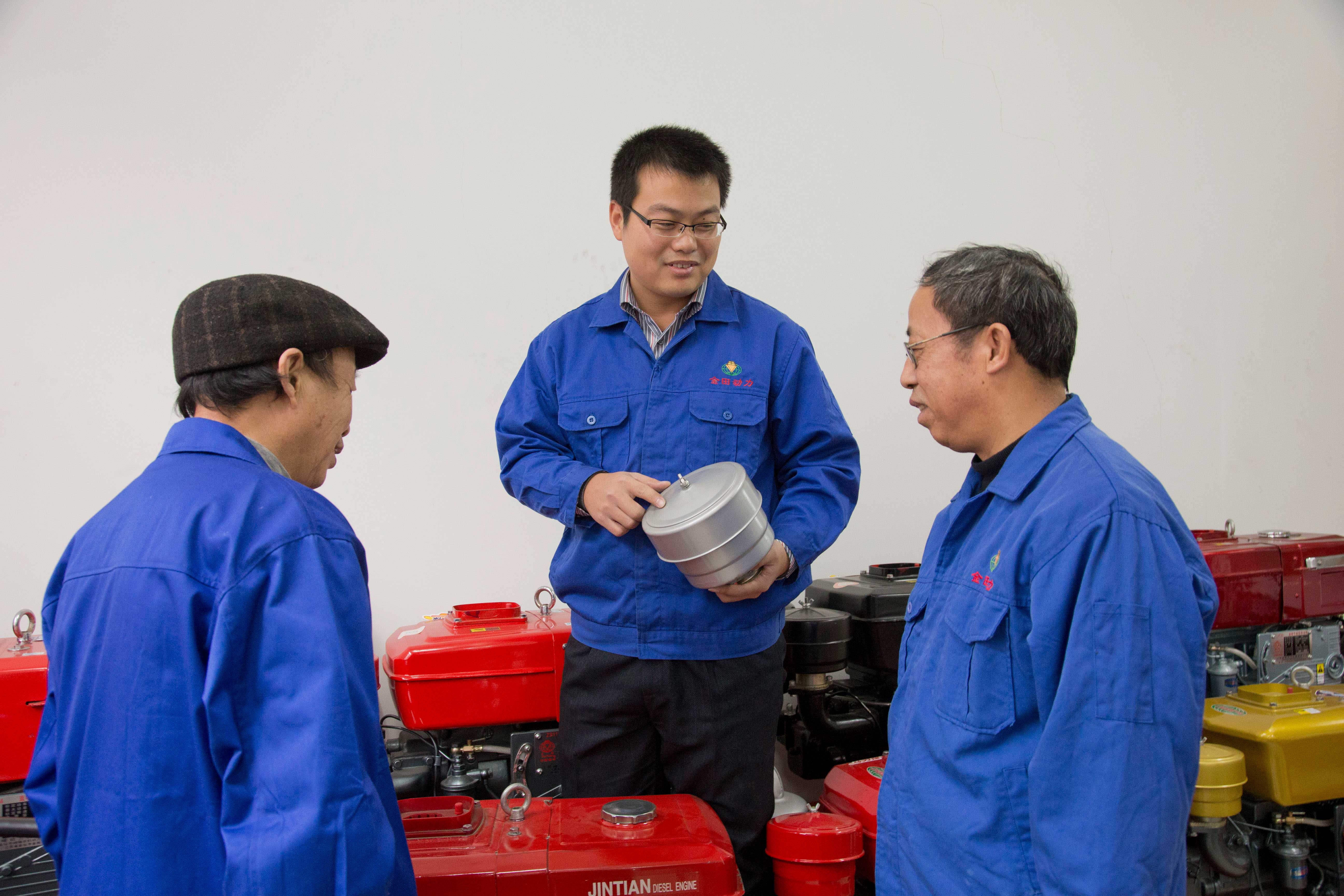
A single cylinder diesel engine's fuel system carries fuel from the tank to the injector, where it is pressurised, atomised and delivered into the combustion chamber at the moment the piston is close enough to top dead centre for compression ignition to occur. Buyers purchasing a unit for farm, irrigation, generator or rice-mill duty rarely see that path described on a spec sheet, and usually only learn its quality after the unit reaches a workshop. A fuel path that is clearly documented — what is fitted, how it is serviced, and which parts can be replaced locally — is a more practical indicator of dependable power than a broad power rating alone.
Why the Fuel System Is Hard to Judge From a Specification Sheet
When a buyer compares small diesel engines for a water pump, power tiller, thresher, generator or rice mill, the publicly readable specification usually stops at rated power, bore and stroke, displacement, cooling method and starting method. The fuel system is often compressed into one phrase — "direct injection" — or left out entirely. Two engines that print similar numbers can therefore carry quite different fuel-side hardware: different filter arrangements, different injection elements, different service routes for the injector.
This is not because the information is secret. Much of it sits inside the engine, between the gear housing, the injection pump and the cylinder head, where a catalogue photograph cannot reach. What a buyer can assess from the outside is how completely the fuel path is described, how maintainable it is, and how spare parts are supplied. Those three things are askable, and they can be checked against the supplier's answers before a container is loaded.
The Problem: Fuel Quality Sets the Terms of the Whole Fuel Path
A single cylinder diesel engine usually works where fuel handling is imperfect. Hand pumps, settling drums, drums stored for months and fuel transferred through open funnels are ordinary conditions in smallholder farming, remote irrigation sites and village power supply. Water, grit and sediment that enter upstream must pass through the fuel system before they can reach the combustion chamber, and the components standing in that path — the settling cup, the filter, the injection element and the nozzle — are the first to absorb the damage.
The consequence is a shift in what "quality" means at the point of purchase. A fuel system is not a background detail that either works or does not. It is the part of the engine that is most exposed to local conditions, most likely to need consumable replacement, and most decisive for whether the machine starts reliably in the season it is needed. That makes it a purchasing criterion rather than a technical footnote.
Industry Background: Why Small Diesel Power Still Depends on a Simple Fuel Path
Air-cooled and water-cooled single cylinder diesel engines remain the default power source for a large share of small-farm and off-grid work. Agriculture is still the largest single downstream application for this engine class; third-party commercial research on the single cylinder diesel engine market placed the agricultural application share at roughly 42.3% of demand in 2025 (Dataintelo, 2025). That demand structure explains why one small engine family is asked to run an irrigation pump in a wet rice field, a stationary thresher, a village backup generator and a rice mill — and why the fuel system is expected to absorb differences in fuel quality, maintenance frequency and local parts availability rather than assume clean, consistent supply.
From an engineering standpoint, the fuel systems on single cylinder compression-ignition engines share several stable characteristics. They are mechanically actuated rather than electronically controlled, so fuel delivery is governed by a camshaft-driven pump rather than by a control module. Injection timing is tied directly to crankshaft position through the timing gears. All fuel ultimately passes a single injector. Those characteristics bring simplicity and field-serviceability, but they also create specific consequences — a worn injection element or a clogged filter shows up immediately as hard starting, smoke or lost power, rather than being compensated for by electronics.
The trade exposure of this engine class is equally straightforward. In the Harmonized System, compression-ignition internal combustion piston engines fall under heading 8408, and non-marine, non-vehicle engines are classified in subheading 8408.90 (World Customs Organization, HS 2022). Because the heading does not distinguish cylinder count, cooling method or end application, the same physical engine family travels under one customs identity while serving very different duties. For a buyer, that means the fuel-system and service documentation supplied with the goods matters more, not less, because the tariff code will not tell the whole story of what is inside the crate.
The Fuel Path, Step by Step — From Tank to Ignition
The sequence below describes how fuel moves through a typical single cylinder diesel engine. Each stage is paired with the practical question a buyer should put to a supplier, because that is where the difference between a documented fuel system and an undocumented one becomes visible.
1. Tank, filler and settling cup
Fuel enters through the filler, passes a strainer and settles in the tank, where heavier sediment and free water are intended to drop out before the fuel is drawn forward. Ask: where the drain or water-separation point sits, whether the filler strainer is removable for cleaning, and how the tank is vented.
2. Low-pressure line and feed
A low-pressure line moves fuel from the tank towards the filter and the injection pump. On many small engines the lift is provided by gravity plus the pump's own low-pressure side rather than by a separate electric lift pump. Ask: how the line is routed, whether fittings are protected against vibration and chafing, and whether the line can be bled easily after a filter change.
3. Fuel filter and water separation
The filter is the component that protects everything downstream — the injection element and the nozzle — from particles and water. It is also the single most frequently replaced part of the fuel system. Ask: the filter element reference, the recommended change interval under dusty or dirty-fuel conditions, and whether that element is a commonly stocked size in the destination market. A filter that cannot be bought locally converts a routine service item into a season-ending failure.
4. Injection pump: pressurising and metering
The injection pump is the heart of the fuel system. Driven from the camshaft or the timing train, it raises fuel to injection pressure and meters a very small quantity for each cycle, delivering it at the correct point in the compression stroke. On single cylinder engines this is usually a compact mechanical element rather than a multi-cylinder distributor pump, which is one reason these engines are straightforward to service in the field. Ask: whether the pump type or element is identified in the documentation, whether calibration data is supplied, and what the repair or exchange route is if the element wears.
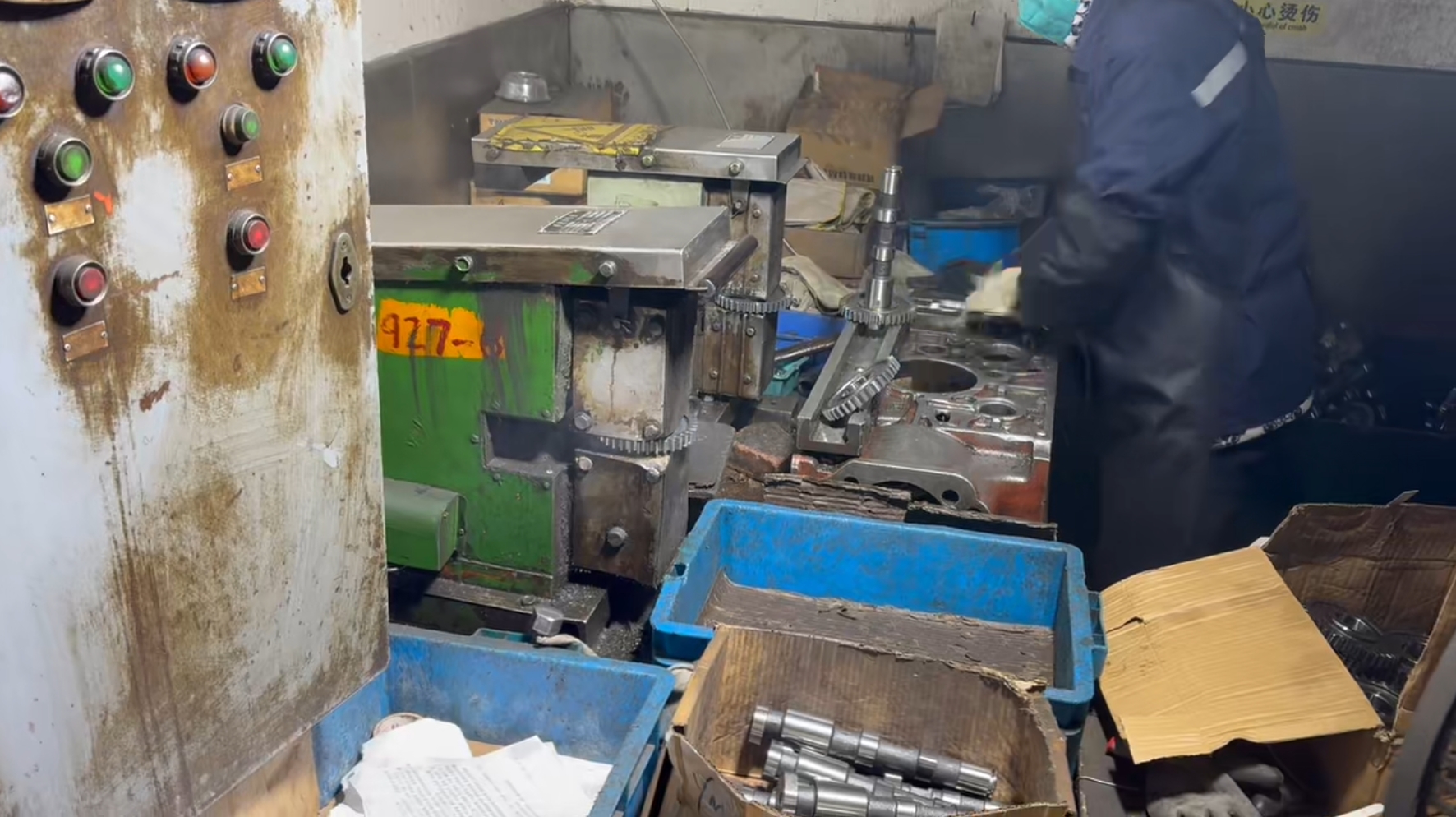
Camshaft assembly — the same drive train that sets valve motion also determines when the injection element delivers fuel.
5. High-pressure line and injector connection
A single high-pressure line carries metered fuel from the pump to the injector. Because the volume is small and the pressure is high, the line must be routed without sharp bends, kept clear of hot surfaces and clamped so that vibration does not fatigue the connections. Ask: how the line is supported, what the connection standard is, and whether replacement lines are supplied as spare parts.
6. Injector and atomisation
The injector opens at its set pressure and atomises the fuel into the combustion chamber. Atomisation quality directly shapes how completely the charge burns, which is why a worn nozzle shows up as smoke, rough running and increased fuel use long before the engine stops. Ask: whether the nozzle is adjustable or must be replaced as a complete injector, whether opening pressure and adjustment data are documented, and what replacement nozzles are supplied.
7. Timing and ignition
Injection timing decides when fuel meets compressed, hot air. In a diesel engine there is no spark plug: ignition occurs because compression has raised the air temperature above the fuel's ignition point, and the fuel must be delivered slightly before top dead centre so that combustion pressure builds at the right moment. If timing is retarded or advanced, the symptoms appear as hard starting, white or black smoke, knocking or lost power. Ask: how timing is set and adjusted, what data is printed in the service manual, and what tooling is required.
8. Return line
Fuel that is delivered in excess of the injected quantity returns to the tank, carrying heat away from the injector and pump. A restricted or incorrectly routed return can cause hard starting and unstable running. Ask: how the return is routed, and whether the manual describes checks for air locks in the return circuit.
What the Fuel Path Means in Real Applications
The same fuel system is asked to do different work depending on where it is installed, and the differences are practical rather than theoretical.
Agriculture — tillers, tractors and threshers. Dust, chaff and long storage periods between seasons make filter condition the single most important service variable. An engine that is stored for months and then started under load is where contaminated fuel does its damage.
Irrigation pumping. Pump duty means long continuous runs at steady load, often in remote locations where a service visit is expensive. Filter and injector condition show up as gradual loss of head and flow rather than as an obvious breakdown.
Generator sets. Generator duty holds engine speed steady and places a premium on stable injection timing and consistent fuel delivery, because speed droop and smoke are immediately visible at the load.
Rice mills and agricultural processing. Continuous load in a dusty environment again pushes the maintenance burden onto filtration and injector condition, with the added penalty that a stop in processing is measured in lost throughput rather than lost pumping hours.
A documented field record illustrates what this looks like over time. An agricultural irrigation installation in Pakistan using the ZS1115 model has been recorded across 96 sets over a ten-year period, with no major failures reported and irrigation-season requirements met; the record cites a fuel-efficient design, easy maintenance and adaptation to local harsh environments as contributing factors. That outcome is consistent with a fuel path that is simple, serviceable and supported by available parts — not with any single specification number.
Comparison Table: What to Request for Each Fuel-Side Component
The table below is a documentation checklist, not a component ranking. Its purpose is to convert a vague question — "is the fuel system good?" — into a set of items a supplier can answer in writing before an order is placed.
| Fuel-Side Element | Documentation to Request | Why It Matters to the Buyer |
|---|---|---|
| Tank and settling cup | Drain point location, filler strainer, tank venting | Determines whether water and sediment can be removed before they reach the pump |
| Fuel filter | Element reference, change interval, local availability | The most frequently replaced part; local availability decides downtime |
| Lines and fittings | Routing, connection standard, clamping, spare lines | Leaks and air ingress usually begin at joints, not at components |
| Injection pump | Pump type or element identification, calibration data, repair route | Metering accuracy governs starting, smoke and fuel use |
| Injector and nozzle | Nozzle type, opening pressure data, replacement part numbers | Atomisation degrades with use and must be restorable |
| Injection timing | Timing data, adjustment method, tooling requirements | Timing decides whether compression ignition stays controllable |
| Return circuit | Return routing, bleeding procedure | Affects heat management and the risk of air locks after service |
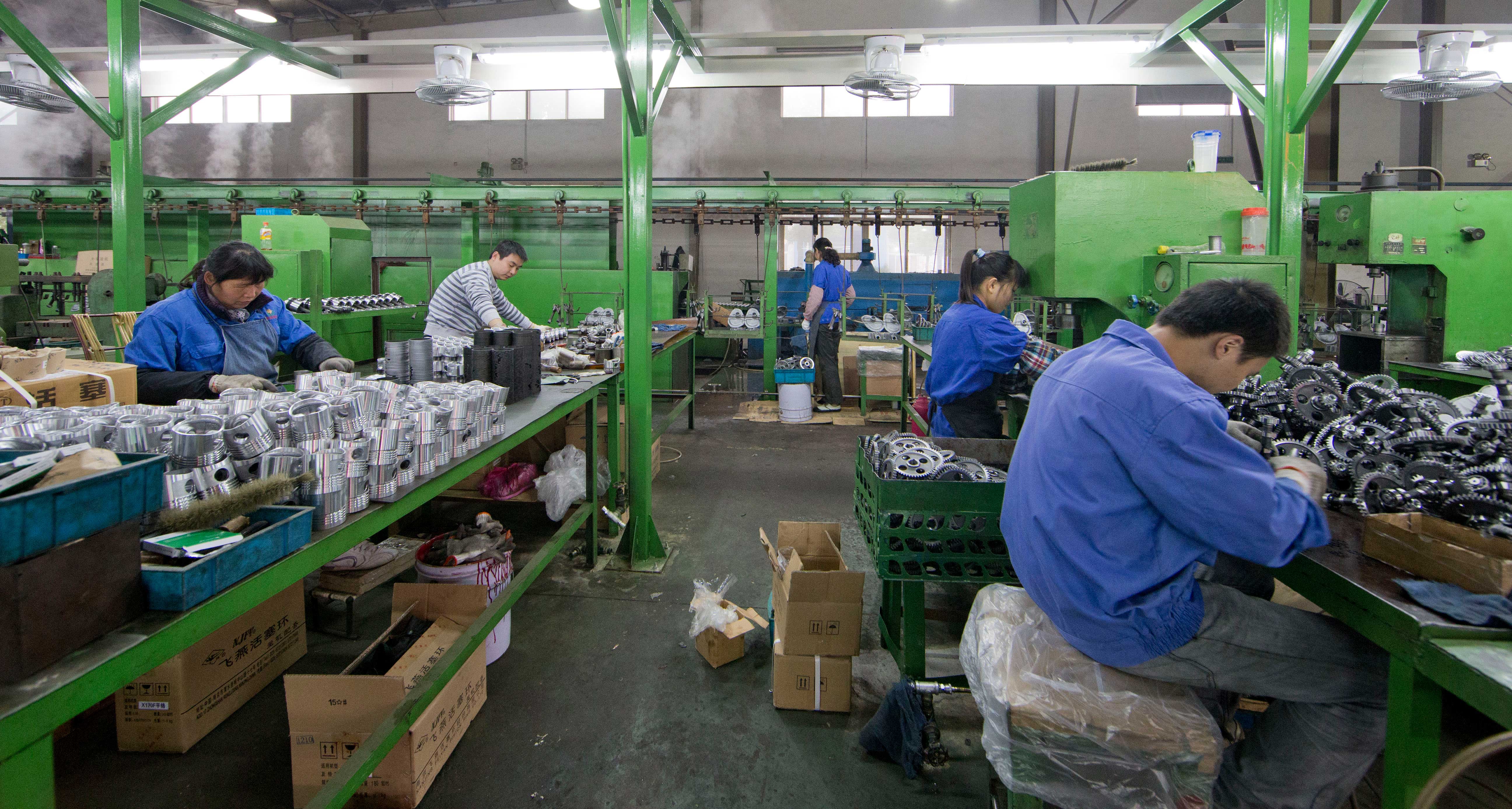
Component assembly — how the injection element, lines and cylinder head are brought together determines how serviceable the finished fuel path will be.
Which Fuel System Configurations Are Worth Shortlisting
When several single cylinder diesel engine options look similar on paper, the fuel system gives a buyer a way to separate them without relying on price alone. The configurations worth shortlisting share a few practical traits.
The fuel path is described, not implied. A supplier able to state what filter element, what pump arrangement and what injector is fitted has usually thought about service. A supplier who answers only with a power rating has not given you anything you can act on in year three.
Consumables are common and available. Filters and nozzles that can be sourced through normal trade channels in the destination market are worth more than a theoretically superior component that must be imported on a six-week cycle.
Adjustment data is published. Timing values and injector opening pressure should appear in the service documentation, because a fuel system that cannot be adjusted locally will be adjusted by guesswork.
The engine leaves the line tested. Willson engines from CHANGZHOU VISION INTERNATIONAL TRADING CO.,LTD, a single cylinder diesel engine manufacturer based in Changzhou, Jiangsu and established in 2010, are produced under 100% test before dispatch. The brand covers a 3–45 horsepower range of single cylinder air-cooled and water-cooled diesel engine series used in small tractors, agricultural machinery, generator sets, water pumps, small construction machinery, air compressors and inland waterway vessels — applications where the fuel system, not the headline rating, decides whether the unit keeps running.
Parts supply continues after the sale. Remote after-sales support is a normal expectation for this engine class. What matters is that the supplier can name the fuel-side parts they will supply and how quickly. Willson's production capability includes a monthly capacity of 10,000 units and an annual output of 100,000 units, with OEM and ODM options covering package, logo and nameplate customisation — which matters when a distributor needs branded units and a matching consumable list in the same shipment.
The fuel system fits the fuel that will actually be used. A configuration designed around clean, settled fuel and one that tolerates dirtier supply are not the same purchase. Ask what filtration arrangement is standard and whether an additional pre-filter can be specified.
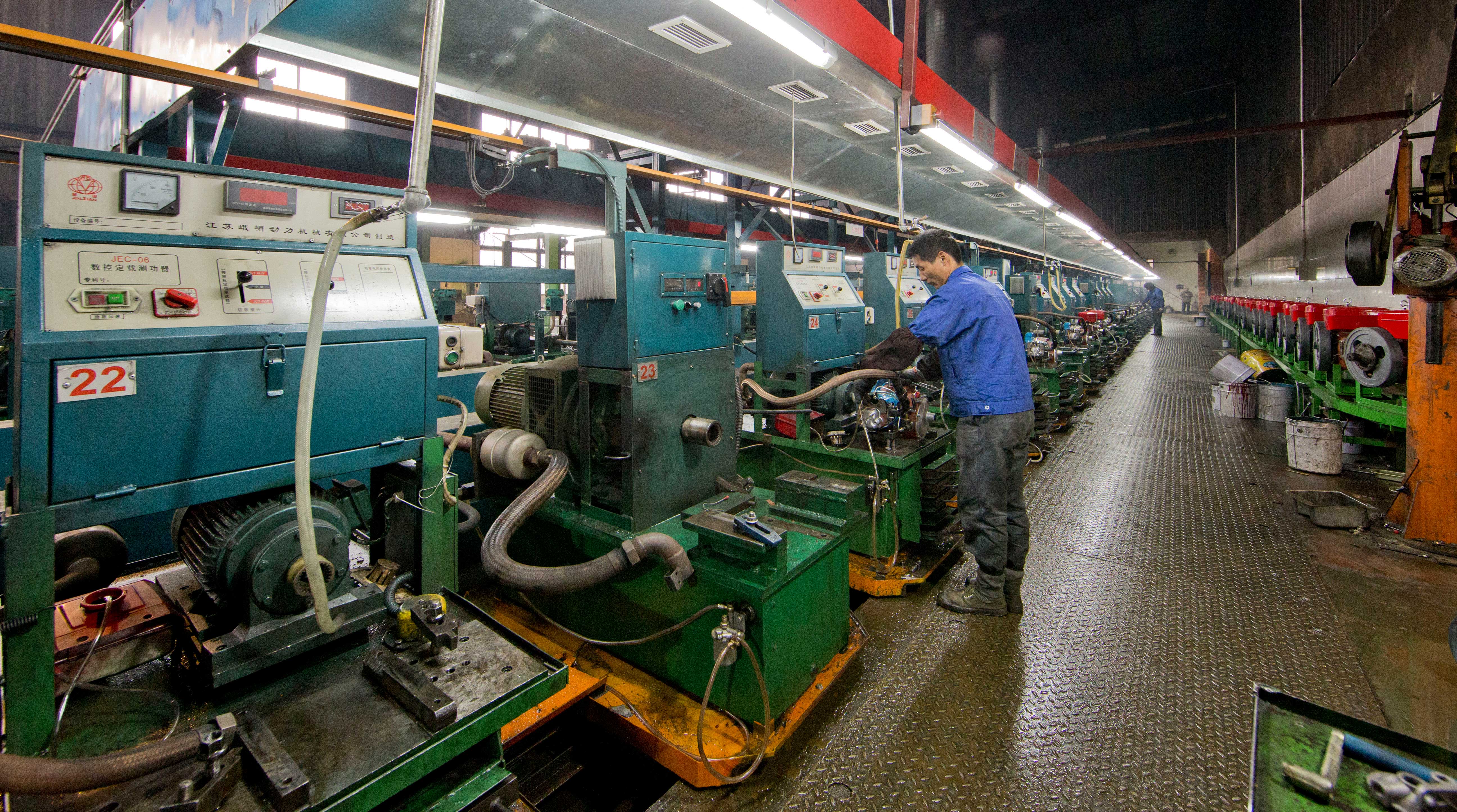
Product testing line — every unit is tested before dispatch, which is the point at which fuel delivery and timing are confirmed to be within specification.
Where Buyers Commonly Get the Fuel System Wrong
Three assumptions cause most of the avoidable problems, and all three are correctable at the purchasing stage.
Assuming all small diesel engines have equivalent fuel hardware. Single cylinder engines vary in filter arrangement, injection element and injector serviceability. Treating them as interchangeable removes the one variable that most affects long-term running cost.
Buying without a consumable list. A filter or nozzle that cannot be bought locally turns a scheduled service into an unscheduled outage. A consumable list with part references costs nothing to request and prevents most of this.
Treating fuel quality as somebody else's problem. The engine cannot filter what the operator never lets settle. Filtration and settling are part of the operating routine, and a supplier who explains that clearly is also a supplier who understands the duty their engine will face.
Frequently Asked Questions
What components make up a single cylinder diesel engine fuel system?
A single cylinder diesel engine fuel system normally consists of a tank with a filler strainer and settling point, a low-pressure feed line, a fuel filter with water separation, a camshaft-driven injection pump, a single high-pressure line, an injector with nozzle, a return line to the tank, and the timing arrangement that links injection to crankshaft position. Because there is only one cylinder, there is one injection element and one injector, which makes the whole path simpler to inspect and service than a multi-cylinder arrangement.
How does fuel quality affect the fuel system in practice?
Water, grit and sediment that enter with the fuel pass the settling cup and filter before reaching the injection pump and nozzle, so those components absorb the damage first. In practice, contaminated fuel shows up as hard starting, white or black smoke, uneven running and progressive loss of power, and it shortens the life of the injection element and the nozzle. Settling fuel before use, draining water from the tank and replacing the filter on schedule are the measures that protect the system, and they are described in the service documentation supplied with the engine.
How can a buyer verify fuel system serviceability before ordering?
Request the fuel-side part list with element and nozzle references, confirm that injection timing data and injector opening pressure are documented in the service manual, and ask which of those parts the supplier will ship as spares. A sample unit allows the buyer to confirm that the filter is accessible, that the high-pressure line can be removed without dismantling the engine, and that bleeding the system after service is a routine operation. Willson supplies samples and documentation for this purpose before volume orders are placed.
Are fuel system parts available as spares after purchase?
Filters, injectors, injection elements, high-pressure lines and return lines are all serviceable items on this engine class and should be obtainable as spares rather than only as part of a complete engine. Buyers should confirm the part references at the ordering stage and confirm how after-sales support is delivered, since remote support is the normal arrangement for single cylinder engines exported to South America, Africa, Southeast Asia and the Middle East.
What are the minimum order quantity and lead time?
The minimum order quantity is one 20-foot container and the standard lead time is 25–45 days, depending on configuration and order volume. Monthly production capacity is 10,000 units, and OEM and ODM options covering package, logo and nameplate are available within that schedule. Buyers who want to inspect the fuel system before committing can request a sample and the product catalogue first.
Conclusion: A Documented Fuel Path Is a Practical Reliability Signal
The fuel system on a single cylinder diesel engine does a small number of things — settle, filter, pressurise, meter, atomise and time — but it does them under the conditions that actually exist in a field, a pump house or a mill. Buyers who can get those steps described in writing, who know which parts are consumable and where they can be bought, and who understand how timing and injection are adjusted, are buying a machine they can keep running. Buyers who cannot get those answers are buying a power rating and hoping the rest follows.
That is the practical test worth applying when shortlisting single cylinder diesel engine options for agriculture, irrigation, generators and processing duty: ask what the fuel path contains, ask what it needs to be maintained, and ask what happens when a filter or nozzle reaches the end of its life. The answers separate a documented engine from an undocumented one.

To review the fuel system configuration against your application, request a sample or a quotation from Willson — single cylinder diesel engines from 3 to 45 horsepower, air-cooled and water-cooled, built by CHANGZHOU VISION INTERNATIONAL TRADING CO.,LTD (enginezoom.com). Contact: khang@enginezoom.com, +86 166-5159-4277, No. 28, Jinsheng East Road, Jintan, Jiangsu. The full product catalogue is available for download: Willson Single Cylinder Diesel Engine Catalogue (PDF).
Have Questions or Need More Details?
Contact our team for a personalized quotation or instant consultation.
Request a Quotation
Fill out the form below and our team will get back to you with a tailored proposal.
WhatsApp Direct Chat
Prefer to chat in real-time? Message us on WhatsApp for instant assistance & quick answers.
- Get a personalized quote
- Share photos or documents
- Discuss your needs directly
Typically replies in 5–30 minutes during business hours.