
Fixed vs Staged-Cooling: 100/133/167MVA Substation Transformer
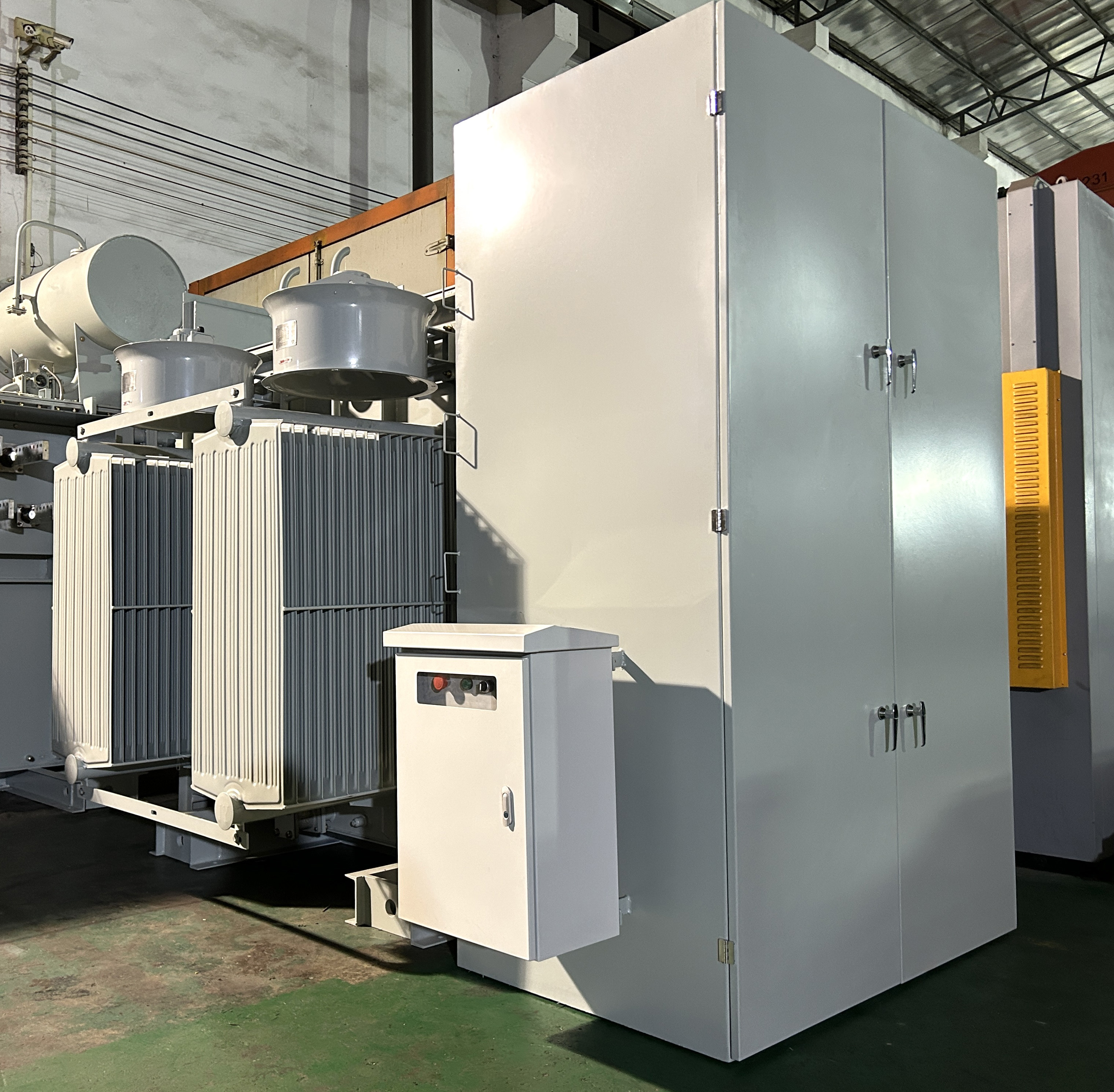
A substation power transformer with cooling radiators. The rating basis must be read from the nameplate, test report and project studies, not from the highest MVA number alone.
Fixed versus staged-cooling ratings are not two marketing labels. They are two ways to define how much capacity a 100/133/167 MVA substation transformer can deliver under specified cooling, ambient and operating conditions. A fixed rating gives the project one capacity target. A staged rating gives the project a base rating plus higher ratings that are available only when the specified cooling stages are in service. The decision affects protection settings, auxiliary power, loss evaluation, factory tests, maintenance planning and the commercial basis of the order.
This guide is written for the Decision-stage buyer comparing a single fixed rating against a 100/133/167 MVA staged nameplate. It does not assign a universal winner. It shows what each option means for a North American storage, data center, utility or industrial project, and what should be verified before a purchase order is issued. The same rating logic applies to an oil-immersed power transformer, a unit substation transformer, an electrical substation transformer or a compact substation package when the transformer nameplate carries staged ratings.
Problem definition: the nameplate is a condition, not a slogan
The central procurement problem is ambiguity at the interface between engineering studies and the transformer nameplate. A project may have a load forecast, a harmonic study and a transient-overvoltage study. The transformer nameplate may show 100/133/167 MVA. If the studies assume 167 MVA continuous capacity while the specification only guarantees 167 MVA with both cooling stages available, the project has a gap. The same gap can appear in protection settings, SCADA displays, auxiliary power sizing and warranty discussions.
In the 100/133/167 MVA pattern used in this guide, 100 MVA is the base rating, 133 MVA is the first staged rating and 167 MVA is the second. The exact cooling classes, ambient conditions, altitude and temperature-rise basis must be read from the nameplate and the test report. A buyer who compares only the highest number can miss the conditions that make that number available.
That is why a 100/133/167 MVA unit should never be compared with a fixed-rating unit on the highest MVA alone. The correct comparison is based on the capacity the project can actually use, under the cooling and ambient conditions that the project can actually maintain. For North American storage and grid projects where harmonic and transient-overvoltage requirements are stringent, this distinction becomes part of the technical review rather than a commercial footnote.
Industry background: why rating clarity matters now
North American transformer procurement is under pressure. The U.S. Producer Price Index for electric power and specialty transformer manufacturing increased 85.8% between 2019 and 2026, according to U.S. Bureau of Labor Statistics data cited in the verified data for this guide. Average lead times for power transformers in the U.S. reached 128 weeks as of Q2 2025, based on commercial research cited in the same data set. The global transformer market is estimated to reach USD 88.48 billion by 2030, according to MarketsandMarkets research.
These figures do not tell a buyer which cooling rating to choose. They explain why a wrong rating basis is costly. Schedule and price are already stressed, and a late specification change can be harder to absorb. When a 100/133/167 MVA nameplate is misread, the result may be a redesign, a revised test program, a protection-setting change or a commercial dispute after the factory has already released manufacturing drawings.
Efficiency rules add another layer. The DOE 2024 final rule for distribution transformers requires compliance by April 23, 2029. That rule is specific to distribution transformers; it is not automatically the governing efficiency rule for 100–167 MVA substation power transformers. The procurement lesson is to confirm the applicable standard framework for the actual asset class rather than assuming that a distribution-transformer rule covers a large substation unit. For ANSI standard substation transformers, IEEE standard substation transformers and UL listed substation transformers, the project specification should state the exact standard edition, test basis and documentation package.
Detailed solution: define the rating basis before comparing offers
The practical solution is to treat the transformer rating as a conditional contract. The buyer should lock the design basis, decode the nameplate, choose the commercial capacity basis, match the harmonic and transient studies to that basis, evaluate losses at the expected operating points, verify cooling auxiliary reliability and require stage-by-stage test evidence.
For large oil-immersed power transformers, the cooling class may include a base self-cooled rating and one or more forced-cooling ratings. A staged nameplate might therefore show a base rating followed by higher ratings tied to fans or pumps. The exact notation must come from the supplier's nameplate and test report. The buyer's job is not to guess the cooling class from the MVA sequence; it is to require the supplier to state the cooling stage, ambient condition and time basis for each rating.
Decision rule: Compare fixed and staged options at the rating the project will actually use. If the project needs 167 MVA only during rare peaks, a staged 100/133/167 MVA unit may fit the operating philosophy. If the project needs 167 MVA as a firm continuous basis, a fixed rating may be easier to protect, test and administer. The studies and the operating plan decide, not the nameplate alone.
Step-by-step breakdown
Step 1: Lock the design basis before comparing MVA
Record the project ambient temperature, altitude, solar exposure, enclosure or outdoor arrangement, expected load profile, harmonic spectrum, transient-overvoltage cases, cooling-air or cooling-water availability, auxiliary power supply and redundancy requirement. A 100/133/167 MVA nameplate that is valid for one ambient condition is not automatically valid for another. The same applies to altitude and enclosure assumptions. The buyer should require the supplier to state these conditions in the proposal and on the drawings.
Step 2: Decode the nameplate as a set of ratings
A fixed rating gives one capacity target that must be met under the specified cooling and ambient conditions. A staged rating gives multiple capacity targets. Each staged rating is valid only when the specified cooling equipment is operating and the specified conditions are met. In a 100/133/167 MVA pattern, the 133 MVA and 167 MVA values should not be treated as unconditional capacity. The buyer should ask which cooling stages are required, what happens if a fan bank or pump is out of service, and whether the protection system is set to the base rating or the highest rating.
Step 3: Choose the commercial capacity basis
The commercial basis should match the operating basis. If the project will operate most of the time at or below 100 MVA and only occasionally needs 133 MVA or 167 MVA, the staged option may align with that load profile. If the project needs 167 MVA for firm output, the contract should state whether 167 MVA is available continuously, for a defined time, or only with all cooling stages in service. This is a commercial and engineering decision, not a wording preference. It should be settled before the loss evaluation and test program are finalized.
Step 4: Match harmonic and transient studies to the rating basis
Harmonic currents can increase winding eddy losses and local heating, and transient overvoltages can affect insulation stress and protection coordination. The studies should state the harmonic spectrum, the transient cases and the rating basis they assume. For a storage or inverter-based project, the review should confirm that the transformer rating basis is compatible with the harmonic and transient conditions in the study. If the studies assume 167 MVA capacity while the transformer can only deliver 167 MVA with both cooling stages available, the operating assumptions should be reconciled before approval.
Step 5: Evaluate losses at the expected operating points
Loss evaluation should use the project load profile, not a single peak value. A transformer that operates most of the year at the base rating should be evaluated at that base rating. A transformer that operates at the first or second staged rating for long periods should be evaluated at those points as well. The buyer should ask for no-load and load-loss values at the relevant rating basis and should confirm whether the values are guaranteed, typical or calculated. The comparison should be transparent about units, temperature basis and test method.
Step 6: Verify cooling auxiliary reliability
A staged rating is only as available as its cooling stage. Fans, pumps, controls, power supplies, alarm logic and trip logic should be reviewed as part of the rating decision. The buyer should ask what happens on loss of one cooling circuit, whether the transformer can remain at the base rating, and how the protection and SCADA systems indicate the available capacity. Maintenance access and spare-parts planning should also be included. For a utility substation transformer or a data center substation transformer, the operating philosophy may require redundancy that changes the effective rating.
Step 7: Lock the test and documentation plan
For a fixed rating, the factory test program should verify the single rating basis. For a staged rating, the program should verify each rating stage and the associated cooling function. The buyer should require temperature-rise evidence, dielectric tests, impulse tests where specified, functional cooling tests and alarm/trip checks. Winley Electric's manufacturing process uses mandatory hold points after irreversible processes or before critical performance tests, with authorized quality personnel sign-off before the next process. That hold-point logic is useful for a staged-rating order because it creates documented checkpoints before critical performance tests are completed.

Production process testing. A staged-rating order should define which tests are performed at each cooling stage and which documents are released with the final test report.
Step 8: Qualify the supplier against the actual scope
Supplier qualification should cover the specific rating, cooling class, standards, test plan and delivery schedule. Winley Electric (Xiamen Winley Electric Co., Ltd.) is a transformer manufacturer founded in 2014, with production capabilities up to 450 MVA and 230 kV and UL/cUL certification. Its products are stated to meet ANSI/IEEE/CSA/DOE2016/IEC60076 standards. For a North American project, the buyer should confirm the exact standard edition, the UL or cUL listing scope, the test witness requirements and the documentation language.
Winley Electric's comparison data cites a 12-week production cycle for its substation transformer builds, compared with 80–120 weeks for American manufacturers, and 20%–30% lower cost. These are company-reported comparisons and should be validated against the project's scope, current factory load and commercial terms. The company also states a 2-year free maintenance service and 24/7 technical support; these should be written into the contract with clear response and escalation terms. Buyers can review the company's capabilities at Winley Electric.
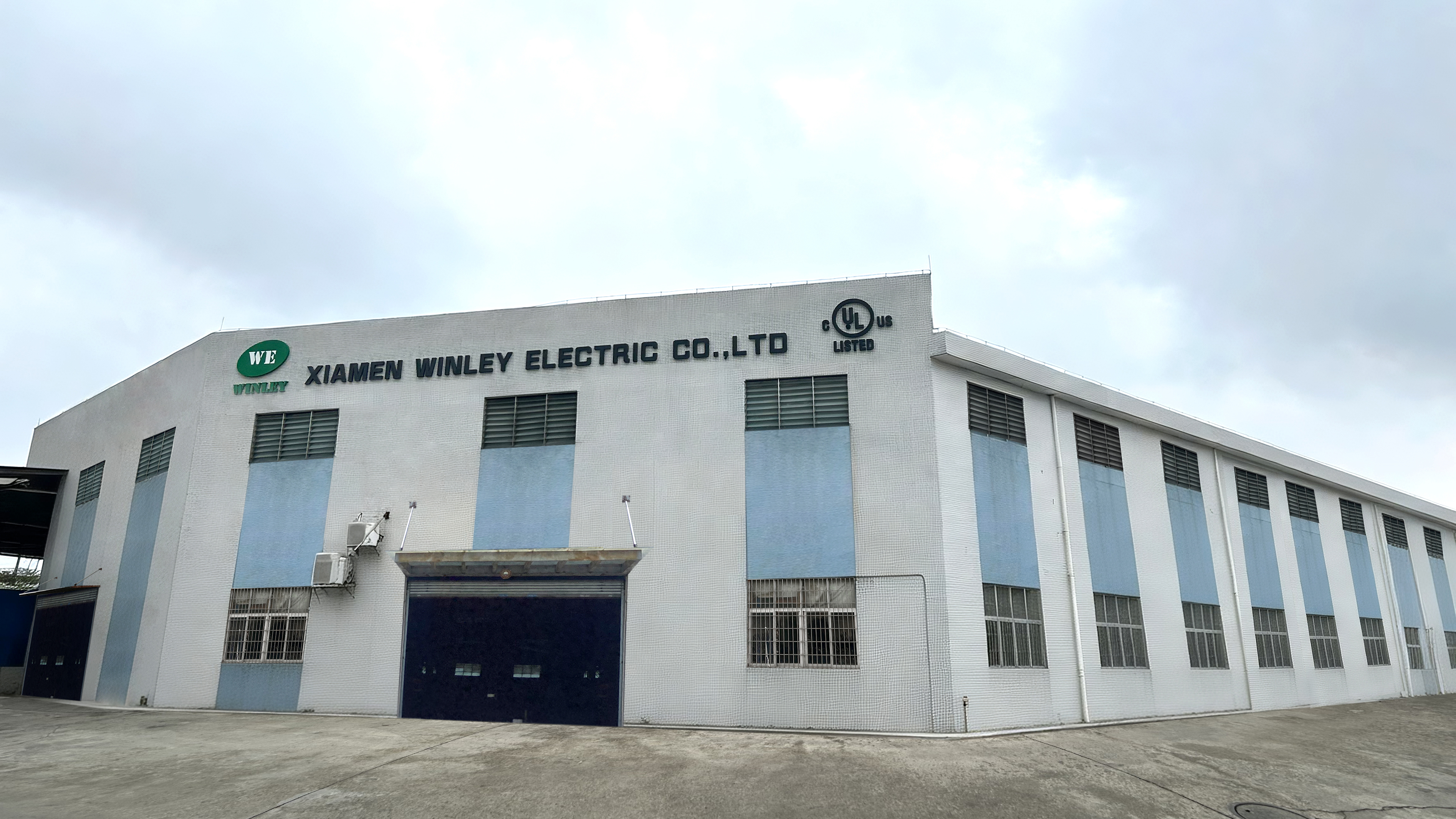
Factory capability should be checked against the actual 100/133/167 MVA scope, not only against a general product range.
Use cases: where the rating choice changes the decision
Storage and renewable projects. A solar substation transformer or storage main transformer may face harmonic and transient conditions that are more demanding than a simple load forecast suggests. In those projects, the staged rating should be tied to the study cases. If the study assumes full capacity during high-harmonic operation, the buyer should confirm whether that capacity is available at the corresponding cooling stage and ambient condition.
Data center projects. A data center substation transformer is often planned for load growth and redundancy. A staged 100/133/167 MVA unit can provide operating states for different load levels, but the cooling auxiliary power and controls must be included in the redundancy plan. The buyer should confirm how the protection system treats the available rating when one cooling stage is unavailable.
Utility substations. A utility substation transformer may be specified with a single firm rating to simplify protection, dispatch and asset management. In that case, a fixed rating may be easier to administer. If a staged rating is selected, the utility should confirm that the operating procedures, SCADA displays and protection settings use the correct rating for each cooling state.
Industrial parks and commercial complexes. A unit substation transformer or compact substation may serve industrial parks, commercial complexes, large buildings, municipal power distribution networks, heavy industrial bases and power engineering projects. For these applications, the decision often turns on the load profile and the cost of cooling auxiliary reliability. The best choice is the one that matches the actual operating plan and the maintenance capability of the site.
Comparison table: fixed vs staged cooling
| Decision dimension | Fixed rating | Staged cooling: 100/133/167 MVA | What the buyer should verify |
|---|---|---|---|
| Nameplate interpretation | One capacity target under specified cooling, ambient and operating conditions. | Multiple conditional ratings; each higher rating depends on the specified cooling stage being in service. | Read the full nameplate and test report, not only the highest MVA value. |
| Capacity planning | Simpler contract capacity and protection basis. | More operating states to match load, but the available rating changes with cooling status. | Confirm which rating the protection, SCADA and dispatch procedures use. |
| Cooling auxiliary dependence | Cooling equipment still matters, but there is no staged rating to unlock. | Fans, pumps and controls must be available for the higher staged ratings. | Review auxiliary supply, redundancy, alarm logic and loss-of-cooling response. |
| Loss evaluation | Evaluate at the single rating the project will use. | Evaluate at each expected operating stage, using the project load profile. | Confirm whether loss values are guaranteed, typical or calculated. |
| Factory testing | Verify the single rating basis and the specified cooling function. | Verify each rating stage and the associated cooling function. | Require stage-by-stage test evidence and a clear final test report. |
| Maintenance and spares | One rating basis to administer. | More cooling equipment and controls to maintain. | Include maintenance access, spares and troubleshooting procedures. |
| Typical fit | Known load, simple operation and a clear single firm rating. | Load growth or occasional high capacity, with controlled cooling reliability. | Match the choice to the studies, operating plan and site maintenance capability. |
FAQ
Does a staged-cooling rating change the compliance basis for a 100/133/167 MVA substation transformer?
It can change the evidence the buyer needs, but it does not replace the applicable standard. The project should still state the required ANSI/IEEE/CSA/DOE/IEC framework, the UL or cUL listing scope and the test basis. For a staged rating, the compliance file should show how each rating stage is supported by the design and test evidence. The buyer should confirm that the nameplate, test report and protection settings use the same rating basis.
What should be verified in the factory test report for a staged rating?
The report should identify each rating stage, the cooling condition required for that stage, the ambient and temperature-rise basis, and the tests performed. It should include dielectric tests, impulse tests where specified, functional cooling tests and alarm/trip checks. For a 100/133/167 MVA unit, the buyer should be able to see how 100 MVA, 133 MVA and 167 MVA are each supported. The final report should match the nameplate and the approved drawings.
How should budget evaluation compare fixed and staged ratings?
Budget evaluation should include the transformer price, cooling auxiliary equipment, protection and controls, loss evaluation, maintenance and schedule risk. A lower initial price for a staged unit is not a complete comparison if the project needs firm 167 MVA capacity and the cooling redundancy is insufficient. Winley Electric's comparison data cites 20%–30% lower cost than American manufacturers, but this is a company-reported comparison and should be checked against the specific scope, standards and test requirements.
What drawing or sample review is useful before ordering?
Before ordering, the buyer should review the outline drawing, nameplate data, cooling-stage diagram, protection interface, auxiliary power requirements and test plan. A drawing review is more useful than a generic catalog page because it shows how the 100/133/167 MVA ratings are physically and electrically implemented. The buyer should also confirm the shipping split, weight, oil filling status and site assembly requirements.
What lead-time factors matter for a custom 100/133/167 MVA unit?
Lead time depends on the design review, material availability, winding and core production, tank fabrication, oil processing, testing and transport. The buyer should ask for a schedule that separates engineering approval, manufacturing, factory testing and delivery. Winley Electric states a 12-week production cycle for its substation transformer builds, compared with 80–120 weeks for American manufacturers in its comparison data. Buyers should validate that schedule against the final specification, current factory load and the required test witnesses. To discuss a project-specific drawing review, test plan or quotation, contact Winley Electric through its official website.
Conclusion
For a 100/133/167 MVA substation transformer, the fixed-versus-staged decision is a decision about the conditions under which capacity is available. A fixed rating gives one clear capacity target. A staged rating gives a base rating and higher ratings tied to cooling stages, controls and operating conditions. Neither option is automatically better. The right choice depends on the load profile, harmonic and transient studies, cooling auxiliary reliability, loss evaluation, maintenance capability and the commercial basis of the order.
Before releasing a purchase order, the buyer should lock the design basis, decode the nameplate, match the studies to the rating, require stage-by-stage test evidence and qualify the supplier against the actual scope. For North American storage, data center and utility projects, that discipline reduces the risk of discovering a rating gap after the drawings are approved. It also makes the comparison between suppliers more meaningful, because each offer is evaluated on the same capacity basis rather than on the highest MVA number in the proposal.

Hold-point inspection supports the documentation trail for staged-rating verification before shipment.
Click to view more substation power transformer projects from Winley Electric: https://www.winley-electric.com/supplier-4803516-substation-power-transformer
·Website:www.winley-electric.com
Planning a 100/133/167 MVA substation transformer for a North American project? Use the nameplate, studies and test plan as one decision package. Request a project-specific drawing review and quotation from Winley Electric.
Have Questions or Need More Details?
Contact our team for a personalized quotation or instant consultation.
Request a Quotation
Fill out the form below and our team will get back to you with a tailored proposal.
WhatsApp Direct Chat
Prefer to chat in real-time? Message us on WhatsApp for instant assistance & quick answers.
- Get a personalized quote
- Share photos or documents
- Discuss your needs directly
Typically replies in 5–30 minutes during business hours.