How to Structure a High-Voltage Substation Transformer ODM for North American Power Plants
How to Structure a High-Voltage Substation Transformer ODM for North American Power Plants
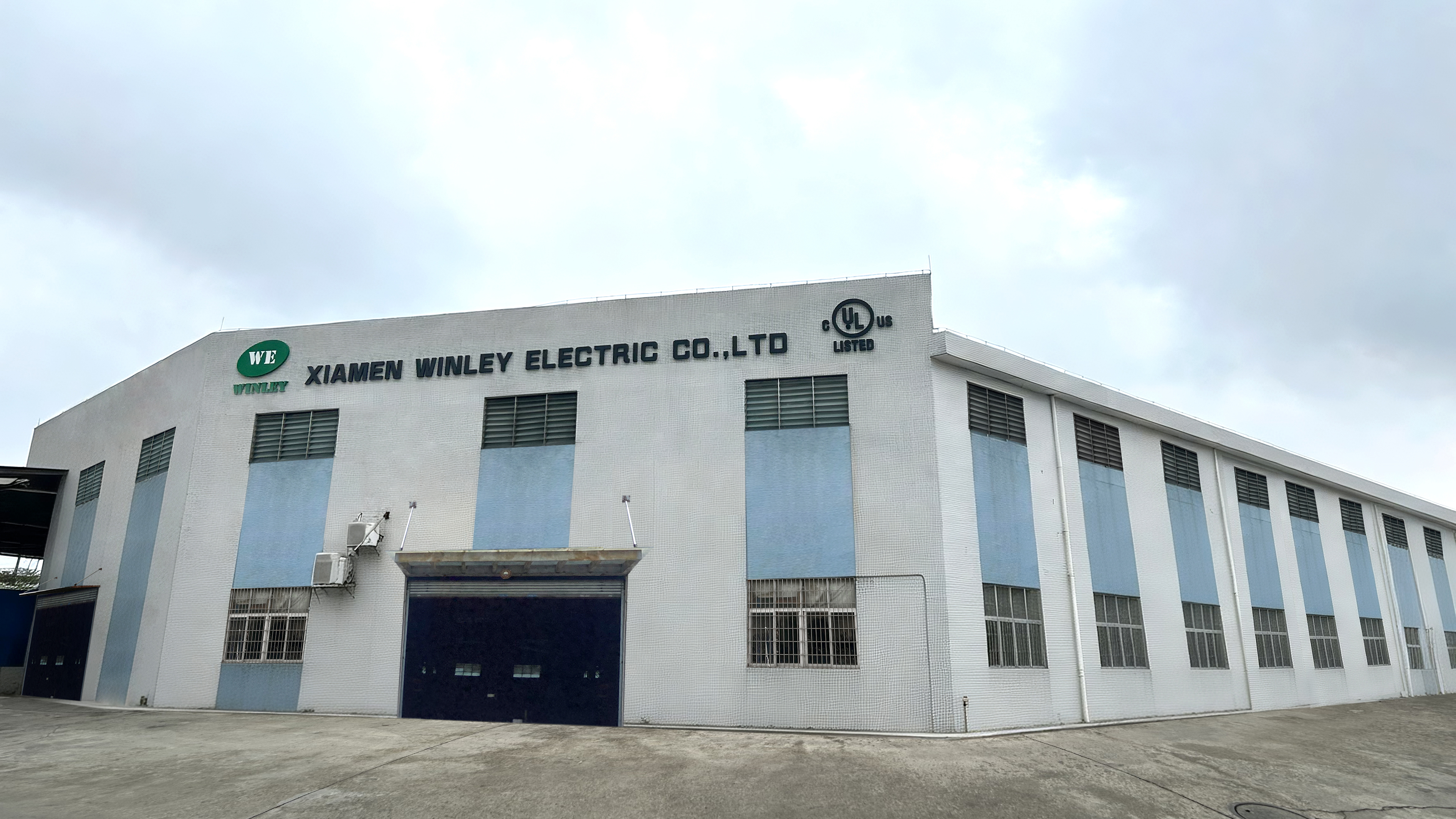
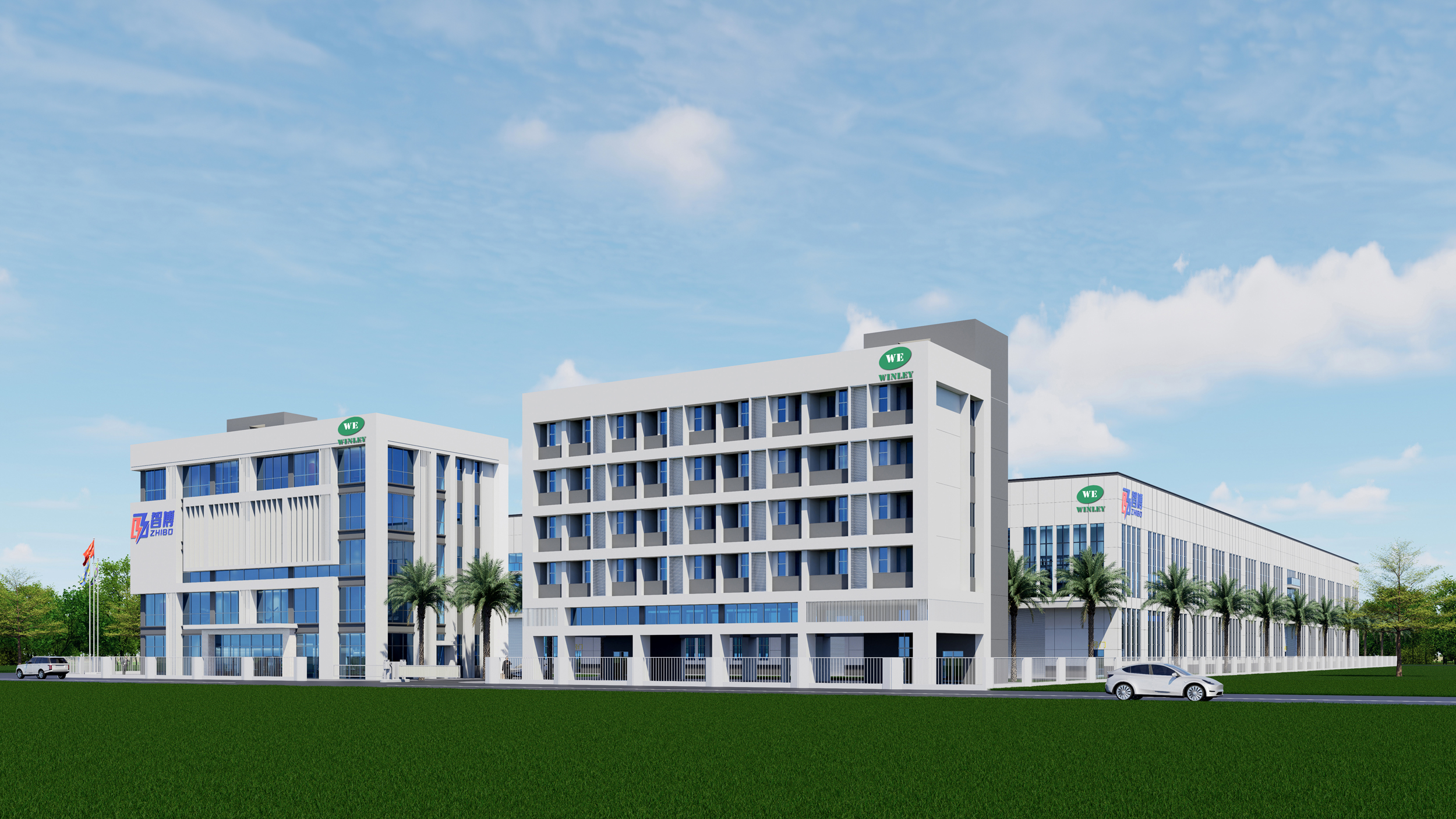
At the decision stage, a North American power plant owner or procurement team must know exactly how a high-voltage substation transformer will be engineered, tested, and accepted. The reason is not only price or lead time; it is the technical distance between a standard catalog product and a main power transformer substation specification. Winley Electric, a transformer manufacturer founded in 2014 and headquartered in Xiamen, supplies substation transformers rated at 145kV and below to more than 60 countries. Its engineering teams design according to ANSI, IEEE, CSA, DOE2016 and IEC standards and have built a documented comparison that can help OEM/ODM buyers make a final sourcing decision.
Why a Normal Substation Transformer Quote Is Not Enough for a Large Power Plant
A power plant is a one-time engineered environment. The transformer must match the generator step-up or station-service duty, the substation bus arrangement, the site altitude, the system impedance, and the loss evaluation formula used by the utility. If any of those parameters is assumed rather than confirmed, the resulting electrical substation transformer may pass routine tests but create operating problems on the grid.
The first function of an ODM process is to eliminate these assumptions. Instead of asking for a generic price list, a project team should require a structured parameter sheet, a standard-based design summary, a drawing approval procedure, and a factory acceptance schedule. When those elements are controlled, an ODM substation transformer quote becomes a project decision rather than a supply gamble.
Behind the Lead Time: Why North American Power Plant Teams Are Considering ODM
The market context reinforces the need for a faster path. MarketsandMarkets estimates the global transformer market at USD 64.64 billion in 2025 and projects it to reach USD 88.48 billion by 2030, driven by grid modernization and rising electricity demand. Global Market Insights values the global substations market at USD 128.5 billion in 2024 and expects it to grow to USD 178.9 billion by 2034. For a utility or independent power producer, those demand figures translate into crowded manufacturing slots across the high-voltage equipment supply chain.
Within North America, the same demand is met through defined engineering standards. Substation transformer design is primarily governed by the IEEE C57 series, while UL 1561 and UL 1562 apply to liquid-filled and dry-type units, respectively. A qualified ODM should be able to state its standard basis without hesitation because the entire customization and acceptance plan starts there.
Winley Electric's available comparison data highlights the lead-time issue. The documented comparison against American Transformer Factory shows a production cycle of only 12 weeks for Winley Electric versus 80–120 weeks for American manufacturers. The same customer-facing material identifies production efficiency as the core difference and puts the cost difference at 20%–30% lower. These figures matter most when the engineering workflow is controlled; a shorter factory cycle without ODM discipline is not enough.
ODM Parameter Customization: Four Control Points That Define the Full Process
The rest of this article translates Winley Electric's documented capabilities into a structured route that a North American project manager can follow. The route has four control points: standard mapping, engineering confirmation, manufacturing hold points, and export acceptance.
Control Point 1: Map the Project Specification to a Recognized Standard
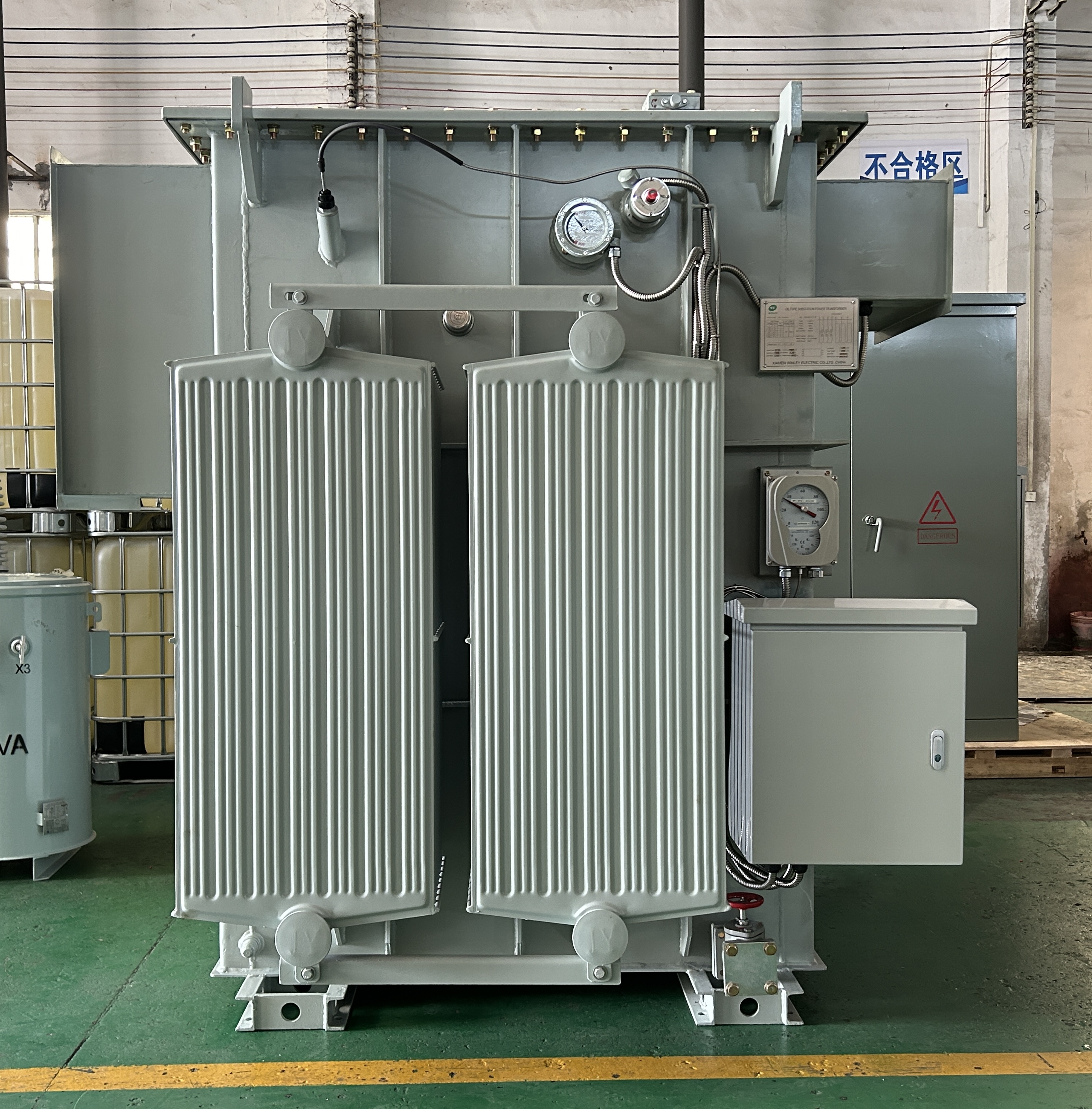
A custom high-voltage substation transformer begins with a written electrical specification, not with a model name. The team should record voltage rating, continuous rating, cooling type, impedance, loss targets, and auxiliary requirements. Because Winley Electric produces transformers rated at 145kV and below, the discussion should be limited to a station design that fits commercially into that high-voltage class. In this range the supplier can draw on a product family that includes substation transformers as well as related units, then apply ANSI/IEEE/CSA/DOE2016/IEC60076 requirements.
The ODM value appears when the supplier can translate those project readings into a low-loss, compact, cost-effective arrangement. Winley Electric's engineering and service teams offer product selection recommendation, drawing design, and accessory selection as part of customized solutions. This closes the gap between a generic transformer listing and a unit designed for a specific North American substation.
Control Point 2: Technical Confirmation Before Production Begins
After the parameters are drafted, the manufacturer should prepare a technical dossier that includes the main transformer drawing, accessories, and test arrangement. This dossier is the point where the buyer reviews bushing arrangements, cooling, tap changer, controls, shipping dimensions, and other site-specific items. Winley Electric has dozens of experienced senior engineers who are proficient in the ANSI, IEEE, CSA, DOE2016, NEMA and IEC transformer standards used in different North American projects. Their review can reduce costly changes later.
Control Point 3: Hold Points in Manufacturing
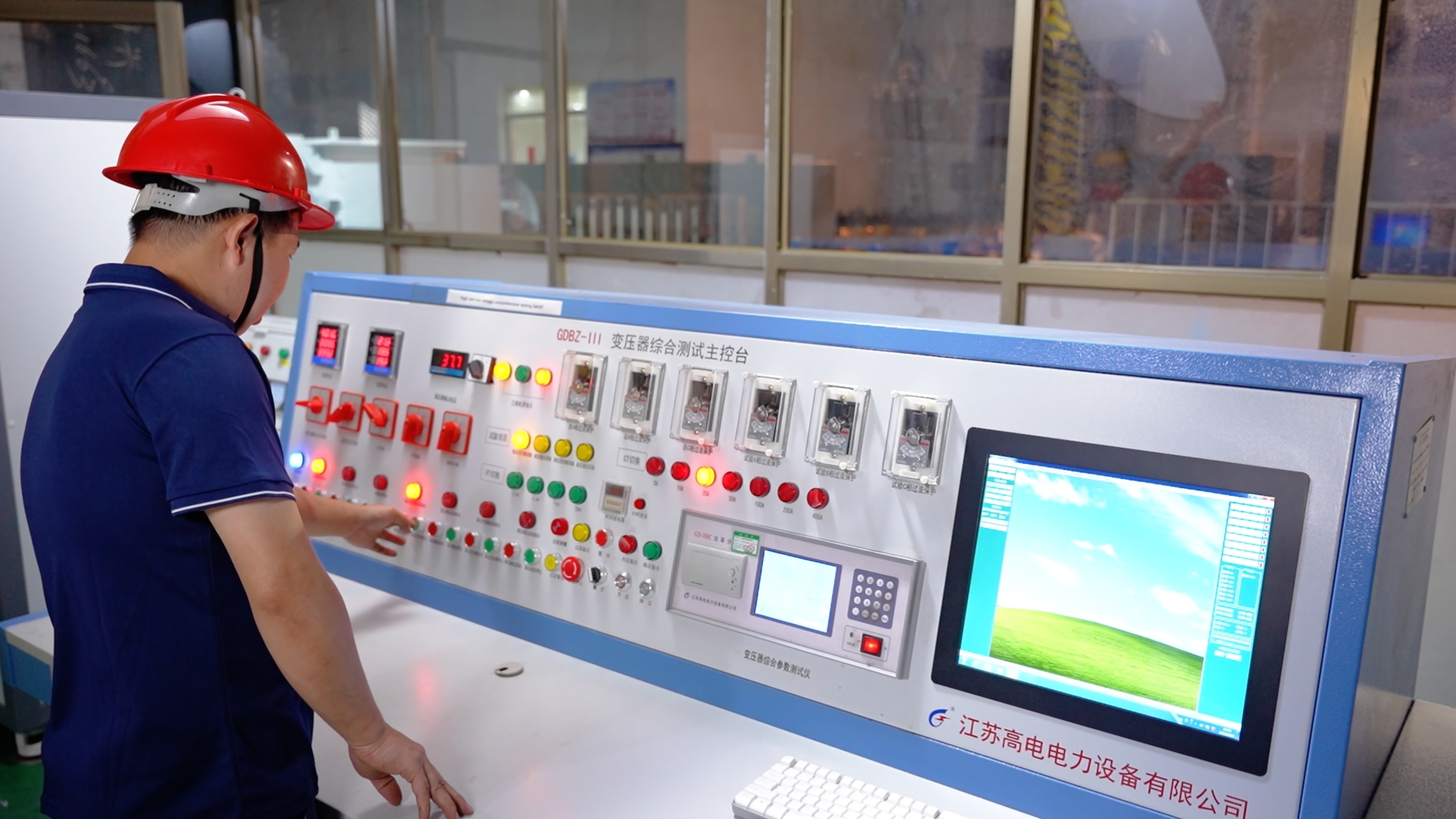
The best ODM design will fail if the manufacturing process does not protect irreversible steps. Winley Electric's production control scheme therefore includes mandatory stop points. These hold points are set after irreversible processes or before critical performance tests, and authorized quality-control personnel must inspect and sign off before the next process can continue.
This control is supported by an ISO 9001-based production management system, a transformer material traceability system, and a supplier evaluation mechanism. In addition to conventional testing equipment, the factory has type-test equipment such as lightning impulse test devices. A procurement team should ask to see the hold-point list as part of the quality plan; this turns factory inspection from a final surprise into a scheduled acceptance event.
Control Point 4: Export Acceptance and Life-Cycle Support
After assembly, the unit should be handled as an export product, not only as an electrical machine. All products undergo strict factory inspection in accordance with standard specifications before leaving the factory. Winley Electric's support package includes acceptance support, transportation planning, and installation guidance. The company also gives a two-year free maintenance service after delivery and provides 24/7 technical support. For customers that want to take the product into North America under a recognized mark, Winley can open UL partner authorization and support flexible cooperation models.
Step-by-Step Breakdown: Assigning Ownership to Each Workstream
- Prepare the project specification envelope. Define the station voltage, transformer rating, cooling class, impedance, loss evaluation, environmental limits, and applicable North American standards. This is the buyer's responsibility, but the ODM should be able to help structure the data sheet.
- Request a preliminary ODM document package. Ask for the design concept, drawing design scope, accessory selection, compliance list, and preliminary factory test plan. This maps to Winley Electric's drawing design and accessory selection services.
- Approve drawings and the standard basis. The buyer should not release production until the design review covers ANSI/IEEE, CSA, DOE2016 and IEC requirements.
- Review the manufacturing quality plan. Look for mandatory hold points after irreversible processes and before critical tests. Confirm that authorized QC personnel must sign before the process continues.
- Schedule factory inspection and export acceptance. Align the buyer's witness points with the supplier's hold-point plan; use the supplier's acceptance support and transportation plan to prepare the shipment.
- Plan installation support and warranty. Include installation guidance and after-sales contact. Winley Electric's two-year free maintenance service should be documented in the supply contract.
Use Cases: High-Voltage Substation Transformer ODM in North American Scenarios
The use-case list in Winley Electric's comparison material is broad. Custom substation transformers of this type are used in power substations, industrial parks, commercial complexes, large buildings, new energy power stations, municipal power distribution networks, heavy industrial bases, and power engineering projects. For a large power plant, these applications include utility substation transformers that connect the plant to the transmission grid and transformer packages for renewable or on-site generation.
A buyer can also use the same process for a solar substation transformer or a data-center substation transformer when the project owner wants utility-grade reliability. Data-center transformer demand is surging, with Strategic Market Research projecting a rise from USD 2.2 billion in 2023 to USD 5.9 billion by 2030. The ODM route is relevant in all of these settings because the key engineering steps remain the same: standard selection, design confirmation, testing, and shipping control.
If the project is defined as a main power transformer substation, the ODM should state early what can be supplied without extrapolation. Winley Electric's commercial design envelope is 145kV and below; using a supplier outside that envelope creates unnecessary risk.
Winley Electric vs. American Transformer Factory: Facts a Decision Team Can Use
The available comparison evidence focuses on production efficiency and cost. Winley Electric and American Transformer Factory are compared below with the facts contained in Winley Electric's customer-facing ODM documentation.
| Dimension | Winley Electric | American Transformer Factory |
|---|---|---|
| Production cycle | 12 weeks | 80–120 weeks |
| Cost level | 20%–30% lower than American manufacturing | Baseline |
| Compliance basis for Winley units | ANSI/IEEE standards and DOE efficiency requirements | Not stated in the available comparison data |
| Primary differentiator | Production efficiency | Longer delivery cycle under the documented comparison |
The comparison does not claim that every American transformer factory is identical. It simply records the comparison that Winley Electric provides to buyers. For a decision team, the more useful point is structural: a 12-week production cycle can protect a power plant schedule, but only if the technical review and acceptance controls above are followed.
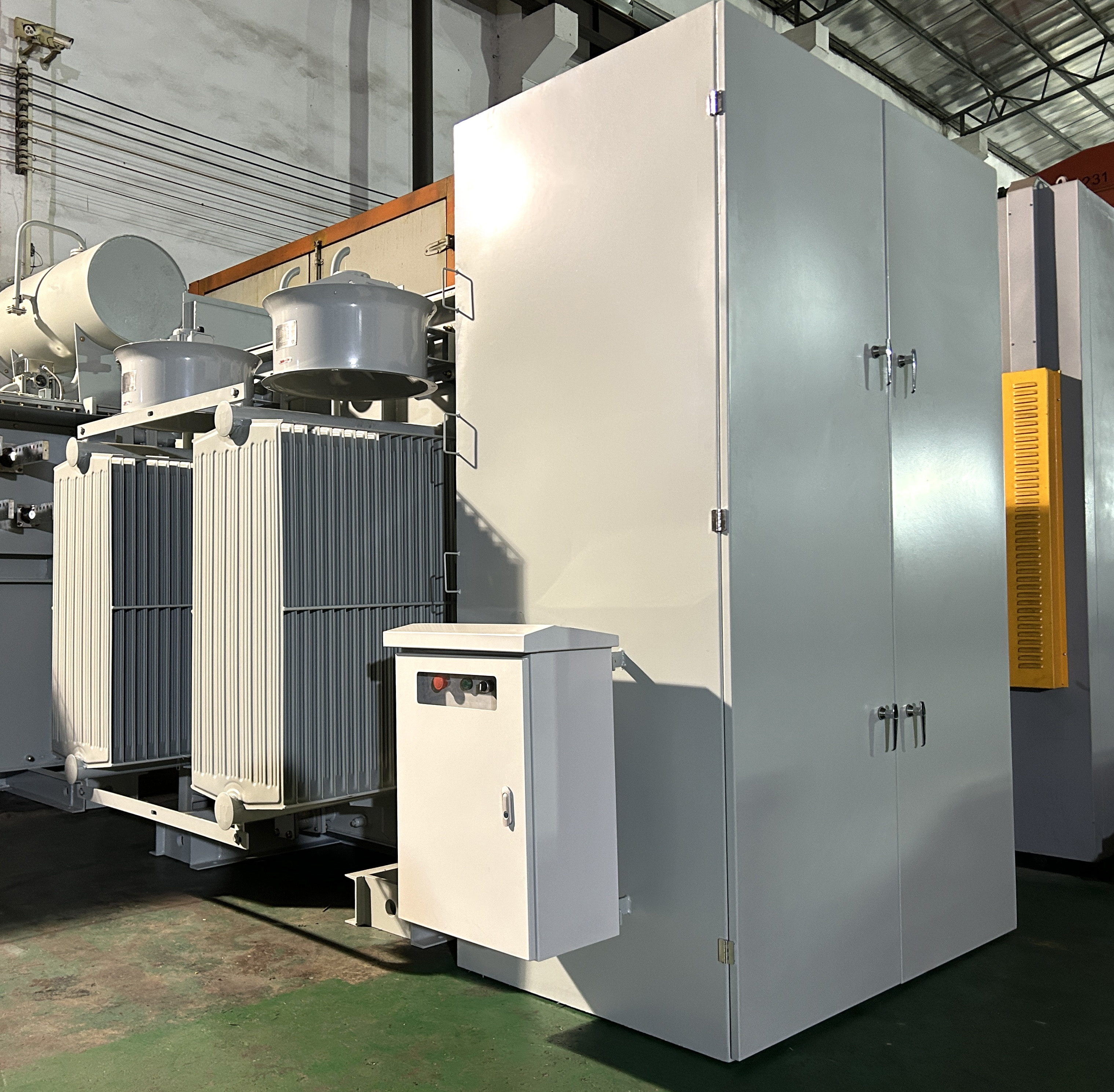
Frequently Asked Questions
Which standards matter for a custom substation transformer in a North American power plant?
North American substation transformer design is governed primarily by IEEE C57, while UL 1561 and UL 1562 apply to liquid-filled and dry-type transformers, respectively. Winley Electric can provide transformers rated at 145kV and below that are designed to ANSI/IEEE/CSA/DOE2016/IEC60076 standards, and the documented comparison also confirms DOE efficiency compliance.
Can an ODM supplier handle full electrical and mechanical parameter customization?
Yes, within the stated voltage envelope. Winley Electric's engineering staff is experienced with ANSI, IEEE, CSA, DOE2016, NEMA and IEC transformer standards. Its service offering includes drawing design, accessory selection, and product selection recommendation, which are the building blocks of ODM parameter customization. The correct next step is to issue a data sheet rather than ask for a stock model.
Does the 20%–30% cost saving depend on a lower compliance level?
No. In the documented comparison, the cost saving appears with a production cycle of 12 weeks versus 80–120 weeks for American Transformer Factory. The same material says Winley Electric produces in accordance with ANSI/IEEE standards and meets DOE efficiency requirements. Compliance risk should still be managed by reviewing approved drawings, hold points, test certificates, and factory inspection results before shipment.
How should a buyer witness transformer testing during an ODM project?
Use the supplier's hold-point plan. The control method for Winley Electric manufacturing includes mandatory stop points after irreversible processes and before critical performance tests; authorized QC personnel inspect and sign before moving to the next process. The buyer can combine those stops with routine factory inspection and the supplier's acceptance support, then document the result before final loading.
What are the normal next steps after the ODM decision is made?
First, send Winley Electric a preliminary specification, including voltage class, rating, site location, required standard, and any third-party certification needs. The team can respond with selection recommendation, drawing design scope, accessory options, acceptance schedule, and transportation guidance. The published production cycle is 12 weeks versus 80–120 weeks for the American Transformer Factory baseline. To begin this process, email steven@winley-electric.com or call +86-186-5010-8051.
Conclusion: Treat the ODM Route as an Engineering Project, Not a Purchase Order
North American power plant teams at the decision stage usually have enough information to choose a transformer supplier. The challenge is to make sure the supplier's ODM process can turn project conditions into a compliant manufactured unit. Winley Electric's capabilities support a four-part route: standard mapping, engineering confirmation, manufacturing hold points, and export acceptance. These controls are more important than a quick price comparison.
The documented comparison against American Transformer Factory shows why Winley Electric is a relevant option for high-voltage substation transformer procurement: 12-week production, 20%–30% lower cost, and ANSI/IEEE and DOE efficiency compliance. Those numbers become meaningful when the project team supervises the technical interface from specification to delivery
Click to view more substation power transformer projects from Winley Electric: https://www.winley-electric.com/supplier-4803516-substation-power-transformer
If you are finalizing a North American high-voltage substation transformer specification, ask Winley Electric for a project-specific ODM confirmation instead of a generic quote. The team can review your parameters, propose drawings, define hold points, and prepare an export-acceptance schedule.
Contact: Steven | steven@winley-electric.com | +86-186-5010-8051 | www.winley-electric.com